Rewilding has become a buzzword in conservation circles, and on paper, it sounds amazing—bringing back lost species, restoring wild landscapes, and letting nature heal itself. And sometimes, it really does work wonders. But it’s not always that simple. In practice, rewilding can stir up everything from ecological clashes to social tensions. It’s not a one-size-fits-all solution, and when it’s done without enough care, it can backfire. Here are just some of the reasons why rewilding isn’t always as straightforward, or as harmless, as it sounds.
Not all ecosystems want their old residents back.
Just because a species used to live somewhere doesn’t mean the modern ecosystem can handle its return. Landscapes change over time due to climate change, human interference, and changes in biodiversity. Dropping an apex predator or keystone species back into the mix can throw off a delicate balance that’s developed in the meantime.
For example, bringing back beavers or lynx in certain parts of the UK might sound great in theory, but it can seriously disrupt farmland, water flow, or species that have adapted to their absence. Rewilding without a full ecological picture can end up doing more harm than good.
It can cause problems with local communities.
Rewilding often sounds lovely from a distance, but when it affects someone’s backyard, business, or livelihood, tensions can rise fast. Farmers, landowners, and local residents aren’t always on board with the idea of wolves, wild boar, or deer roaming freely again.
In some areas, people feel like rewilding is being imposed from above by urban decision-makers who don’t understand rural realities. When community concerns aren’t taken seriously, rewilding projects can feel like a top-down conservation fantasy rather than a collaborative solution.
Reintroduced species don’t always behave the way we expect.
Animals don’t follow scripts. Even if a species behaved a certain way a hundred years ago, it might respond differently when placed back into today’s environment. Food availability, human activity, and climate conditions can all shape behaviour in unpredictable ways.
This can create unintended consequences, like increased aggression, overpopulation, or predation of vulnerable species. Nature is complex, and no amount of planning can fully guarantee how reintroduced animals will settle in.
Sometimes it’s just greenwashing in disguise.
Rewilding gets a lot of press and public support, so some organisations or governments slap the label on projects that don’t really deserve it. They might replant a few trees or release a few animals without addressing bigger issues like pollution, land use, or climate impact.
This watered-down version of rewilding gives the appearance of progress without actually making meaningful change. In some cases, it becomes a marketing exercise rather than a genuine attempt to restore natural systems.
Large predators bring real risk.
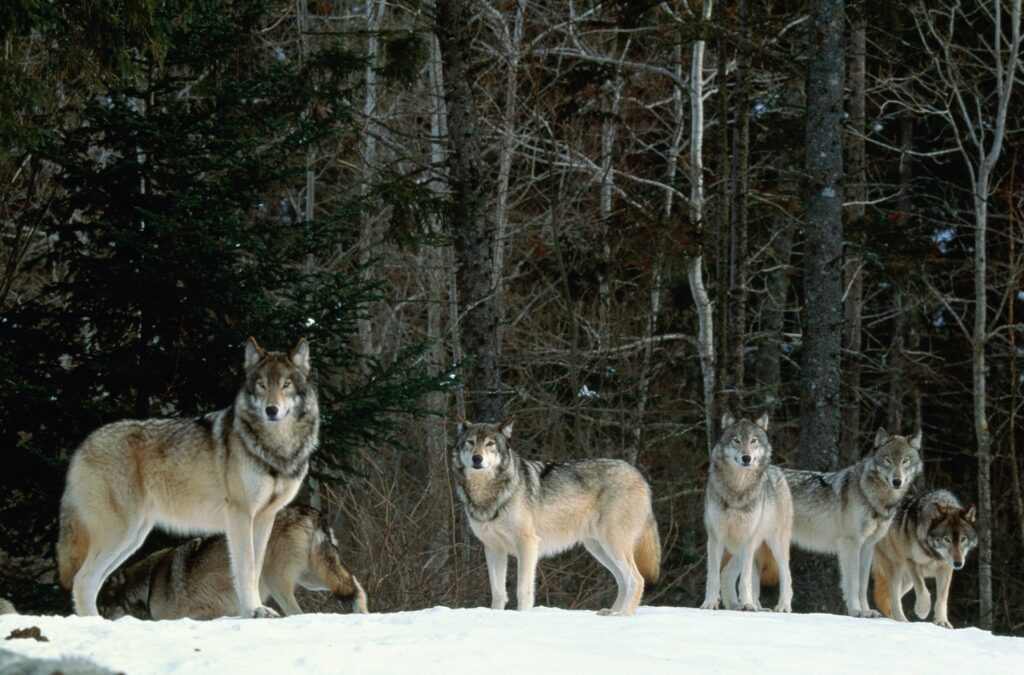
Introducing big carnivores like wolves or lynx into areas where people live isn’t just controversial, it can be dangerous. Even if they rarely attack humans, they can go after livestock, which leads to angry farmers and compensation disputes.
It also raises safety concerns for people living or working in rural areas, especially if they’re not used to sharing space with these animals. Predator reintroductions need serious planning, long-term support, and honest conversations about risk, not just idealism.
It can sideline more urgent conservation work.
Rewilding grabs attention—it’s dramatic, emotional, and visually compelling. But that can mean less flashy, less photogenic conservation work gets ignored. Restoring soil health, protecting insects, or managing wetlands might not have the same media appeal, but they’re just as vital.
Sometimes rewilding is treated like a shortcut to fix ecosystems quickly, when the reality is that small, unglamorous steps often do more to support long-term resilience. Conservation shouldn’t be a competition between “cool” and “quiet” efforts.
It risks erasing human stewardship.
Some rewilding rhetoric leans too far into the idea that humans should just “step back” entirely. But many landscapes have been shaped by centuries of human interaction—grazing, burning, planting, and cultivating—and those practices created habitats now considered valuable.
If we suddenly walk away from these managed ecosystems, they can degrade or become overgrown in ways that actually reduce biodiversity. There’s a difference between interference and stewardship, and ignoring the latter can cause more problems than it solves.
It’s not always climate-resilient.
Reintroducing species based on where they used to live doesn’t always line up with where they should live now. Climate change has also transformed habitats, altered migration patterns, and changed what ecosystems can support long term.
Bringing back animals or plants without factoring in these changes can set up fragile populations that struggle to adapt. A project might look successful for a few years, only to collapse once conditions change again. Rewilding without climate foresight is a short-sighted fix.
It can accidentally introduce invasive problems.
Even well-intentioned rewilding can go wrong if the wrong species are released or native ones become too dominant. Reintroducing a species that hasn’t been present for centuries can have the same effect as introducing an invasive—outcompeting current species or destroying habitats.
There’s also the risk of diseases spreading from released animals, especially if they’ve been bred or transported elsewhere. What starts as a bid to restore balance can quickly tip the scales the other way.
It can clash with food security.
Turning farmland back into wilderness sounds romantic, but it also raises questions about how we feed growing populations. Large-scale rewilding efforts that displace agriculture need to be balanced with long-term food strategies.
For many regions, especially those already struggling with production, rewilding can’t come at the cost of local food systems. It’s not about picking one over the other. It’s about figuring out how the two can work side by side without creating scarcity or resentment.
Some “rewilded” landscapes are more artificial than natural.
There’s a temptation to assume that a wilder landscape automatically means a better one. But in some cases, rewilding leads to artificial setups that mimic natural systems without actually restoring what was lost. That includes fencing in animals, overmanaging populations, or introducing species that never quite belonged there.
It raises the question: are we creating something wild, or just curating a version of wildness that looks good to us? The line between restoration and recreation gets blurry fast.
Local species can suffer unintended consequences
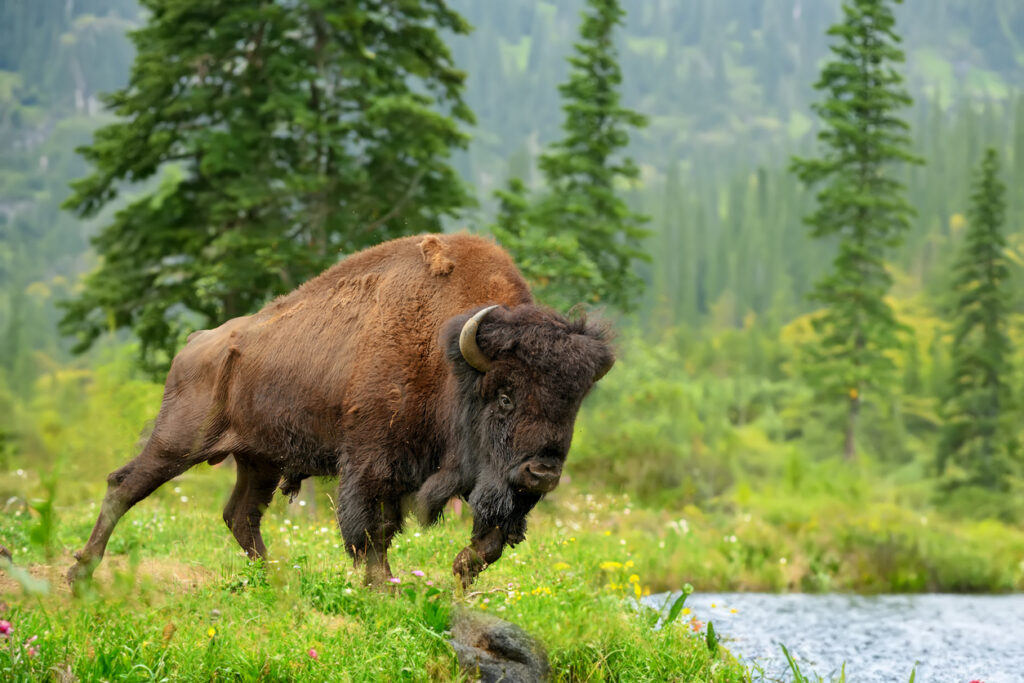
Rewilding often focuses on the return of charismatic megafauna—think wolves, bison, or elk. But these animals can dominate ecosystems and unintentionally push out smaller, less visible native species that were already struggling.
When one species gets all the attention, others get sidelined. If the balance tips too far, it can lead to reduced diversity instead of increased health. It’s a reminder that more animals doesn’t always equal better ecology. It depends on how everything fits together.
It doesn’t always fit the culture of the land.
Some rewilding projects clash with how people relate to the land emotionally, spiritually, or economically. For communities with long histories of farming, shepherding, or land care, the sudden move to “let it all go wild” can feel like erasure, not progress.
If conservation doesn’t listen to cultural history, it risks repeating the very harm it claims to undo. Rewilding should aim to include, not overwrite, the stories and stewardship of the people who already call these landscapes home.