We tend to think of intelligence as a human thing due to language, logic, and the ability to solve problems and use tools.
However, nature’s full of creatures that are far smarter than we’ve given them credit for. Some animals build tools from scratch; others crack puzzles with eerie precision. Plus, a few seem to understand concepts we didn’t expect them to grasp. They’re not just surviving—they’re actively figuring things out. Here are some creatures that might be a lot brainier than you’d imagine.
Crows

Crows are famously clever, but the extent of their smarts is still surprising. They’ve been seen using sticks to extract insects from tree bark, dropping nuts on roads so cars can crack them, and even crafting multi-step tools to solve complex problems in lab tests.
Researchers have found they can plan ahead, understand cause and effect, and even recognise individual human faces—holding grudges against the ones they don’t like. In terms of raw problem-solving, some crow species score as well as great apes. Basically, they’re flying brainiacs in black feathers.
Octopuses
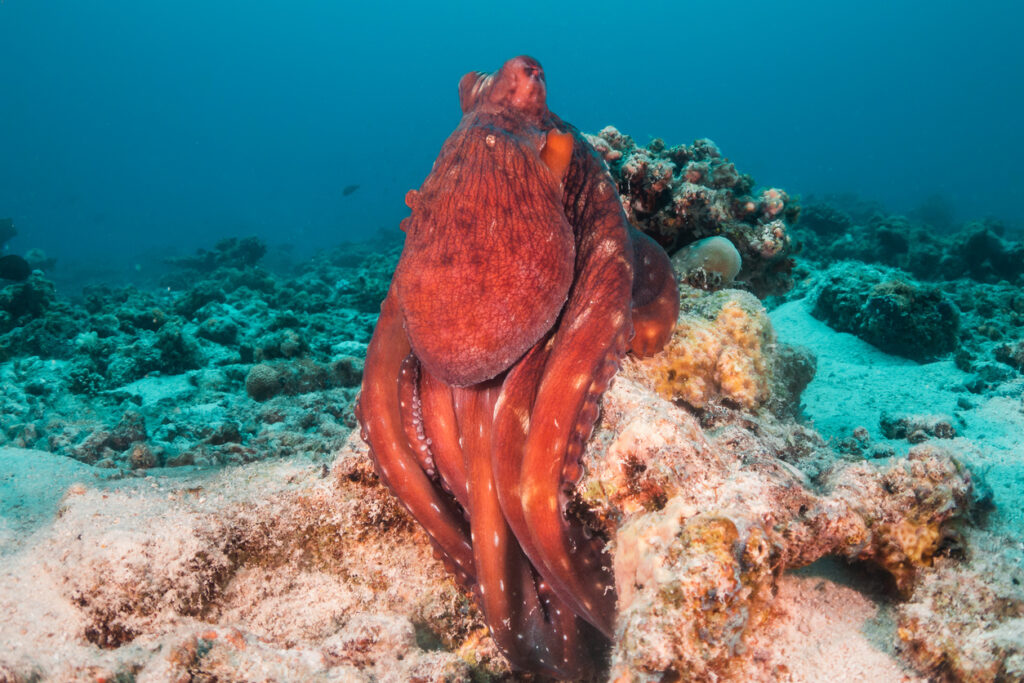
If you’ve ever seen an octopus unscrew a jar lid to reach food inside, you know they’re working with more than just instinct. These marine escape artists are famous for slipping through tiny gaps, opening latches, and remembering solutions to puzzles they’ve seen before.
Some octopuses have even been observed collecting coconut shells or rocks and carrying them around as makeshift armour, making them one of the few invertebrates known to use tools. Their brains are spread throughout their limbs, which gives them a whole different kind of awareness and control.
Elephants
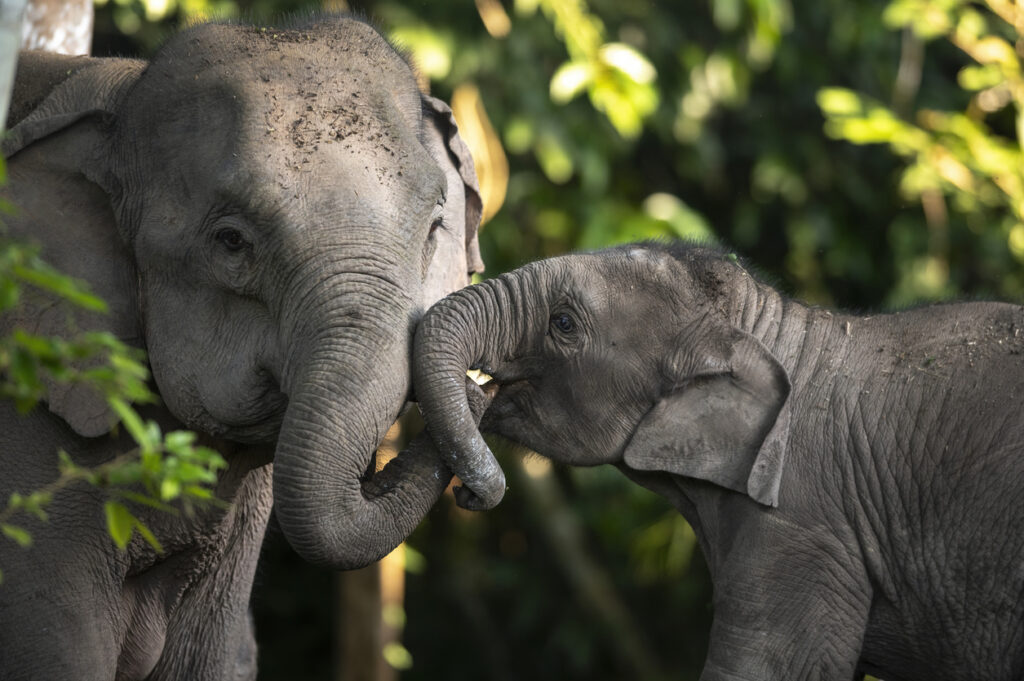
Elephants aren’t just emotionally intelligent—they’re also physically clever. They’ve been seen stripping leaves off branches to create fly swatters, plugging water holes with chewed-up bark to keep it from evaporating, and working together to solve problems in the wild.
They’ve passed mirror self-recognition tests (a sign of self-awareness) and can remember specific water sources and migration paths years later. Their intelligence is quiet, steady, and deeply social, which is probably why we don’t always recognise it as the problem-solving kind.
Parrots
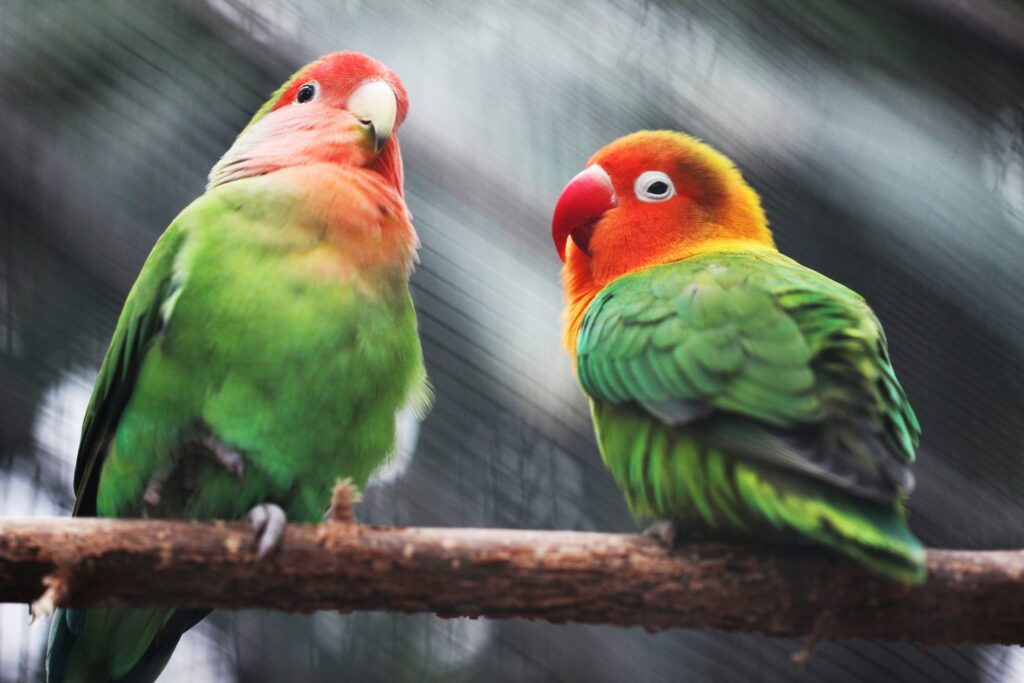
Parrots are more than good mimics. In fact, they understand more than people expect. Some species, like the African grey parrot, can learn hundreds of words and use them appropriately. One famous parrot, Alex, could count, identify colours and shapes, and even grasp the concept of “zero.”
What’s most impressive is that parrots don’t just repeat, they reason. In tests, they’ve shown the ability to weigh up options, delay gratification, and even get frustrated when they can’t solve a challenge. Basically, they’re tiny feathered philosophers with strong opinions.
Dolphins
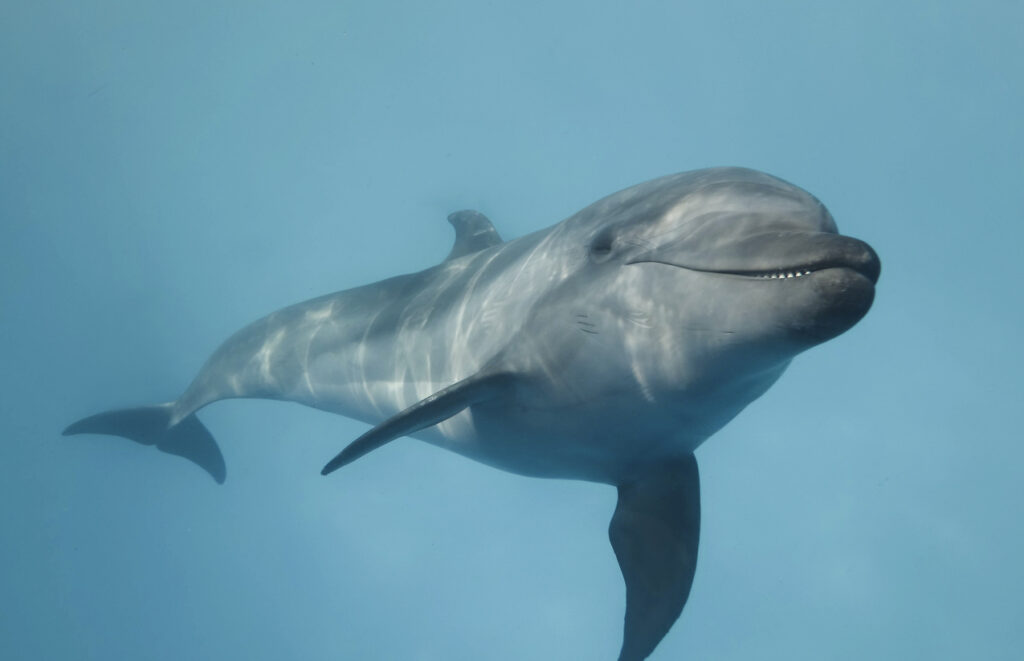
Dolphins get a lot of credit for being smart, and it’s well deserved. In the wild, they’ve been seen using marine sponges to protect their snouts while hunting on the seafloor. That’s tool use, learned and passed down through generations, aka culture.
They also solve puzzles, recognise themselves in mirrors, and understand symbolic language in captivity. Some researchers even believe dolphins may have names, or unique whistles that function like identity tags. The ocean isn’t just full of fish; it’s full of thinkers, too.
Ants
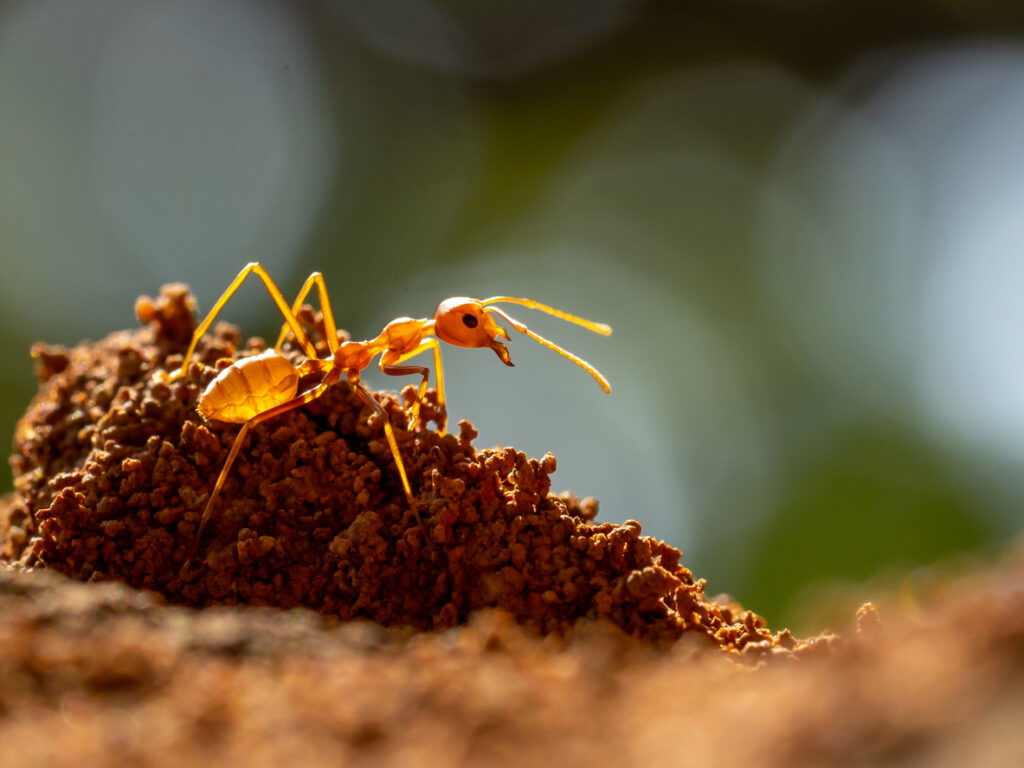
They may be tiny, but ants are shockingly smart, especially when working as a group. Some species farm fungus, build ventilation systems into their nests, and even use their own bodies to form bridges or rafts in emergencies. Certain ants use pebbles as tools to transport liquids, dropping them into sweet substances and carrying them back soaked. It’s not flashy individual intelligence, but a kind of collective problem-solving that’s more efficient than we give them credit for.
Ravens
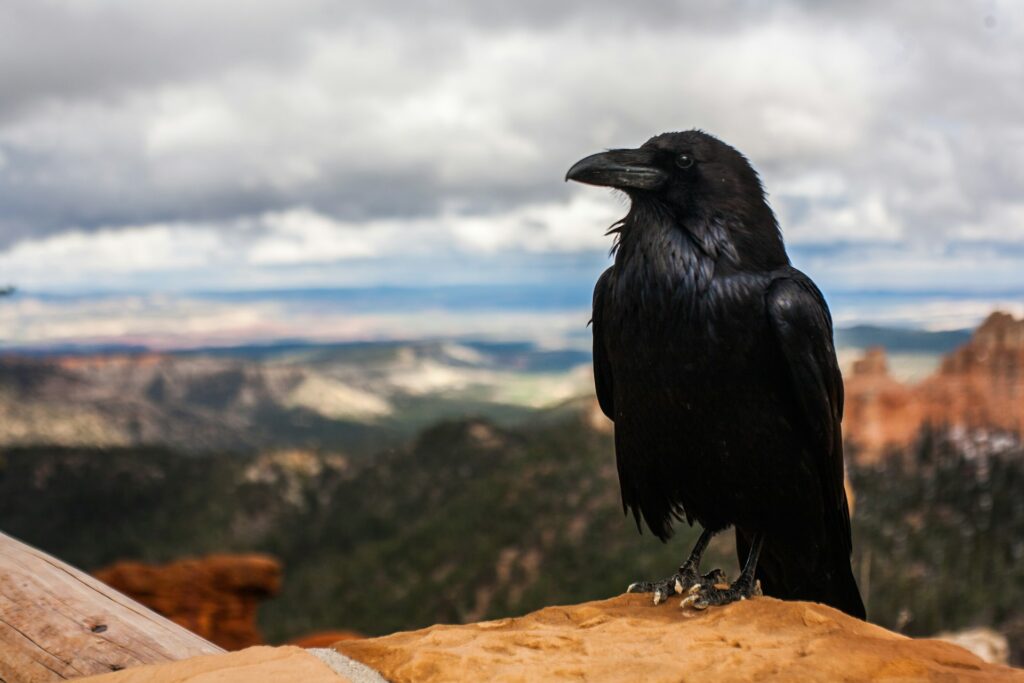
Yes, ravens and crows are closely related, but ravens deserve their own mention. They’ve been caught using snowballs to store food, mimicking human speech with eerie accuracy, and even luring wolves to carcasses they can’t open themselves so they can feed on the leftovers.
They also pass logic tests and social experiments with ease, and appear to be capable of deception, hiding food more carefully if they think another bird is watching. That level of social awareness is rare outside of primates.
Orangutans
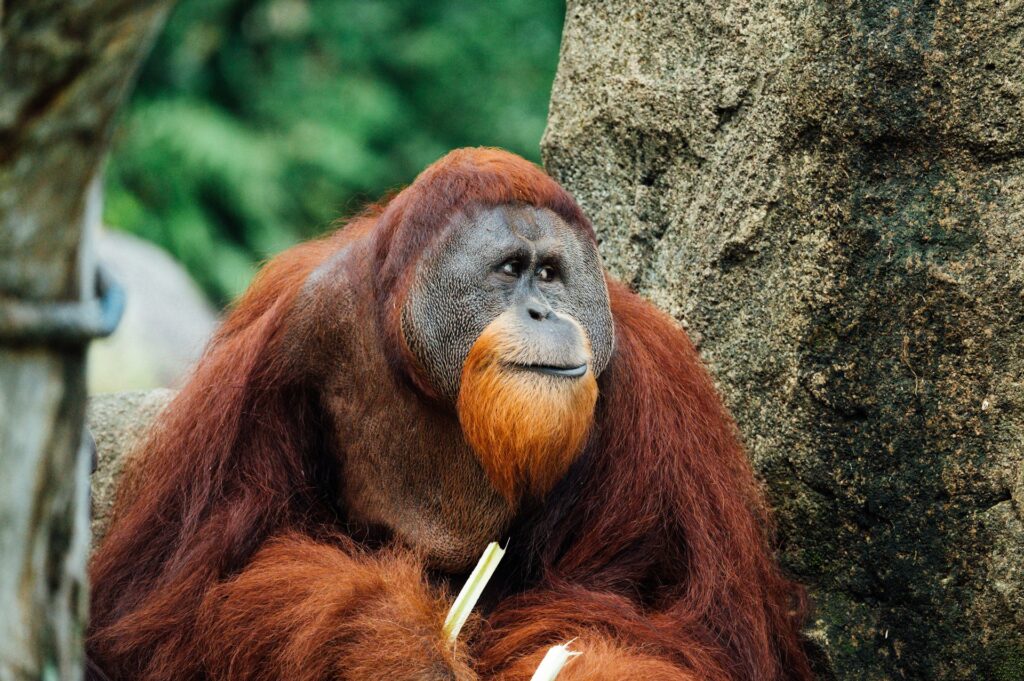
In the wild, orangutans have been spotted making rain hats out of leaves and fashioning tools to dig insects out of logs. In captivity, they’ve used sticks to reach bananas and even figured out how to unlock cages by observing zookeepers.
Their intelligence shines in how adaptable they are. Orangutans learn by watching and tend to use tools creatively depending on their environment. Some researchers believe they might be the most patient problem-solvers among apes, which counts for more than you’d think.
New Caledonian crows
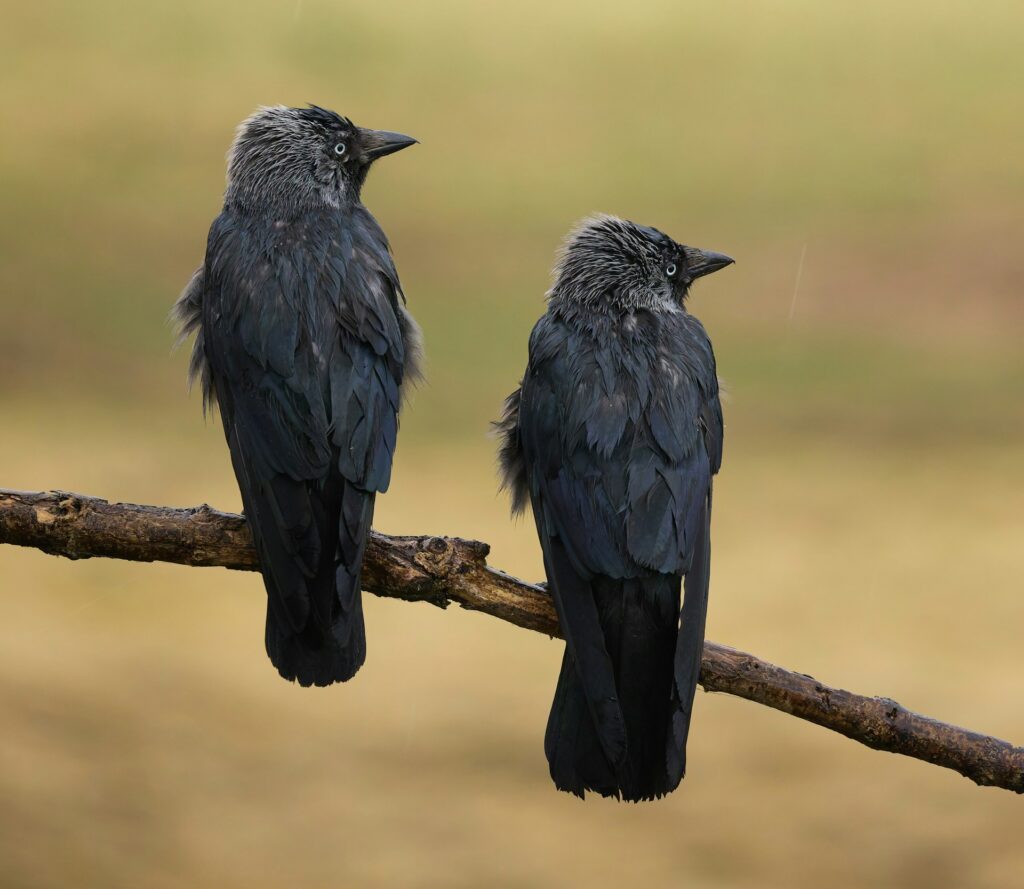
This crow species deserves its own spotlight because it regularly builds and customises tools. They’ve been observed bending twigs into hooks and using them to fish out insects from tree holes. Some have even figured out how to use one tool to retrieve another.
In lab tests, they’ve solved eight-step puzzles that would stump most children. They’re not just using tools. They’re inventing them, improving them, and teaching each other how. It’s like watching evolution get hands-on with problem-solving.
Rats
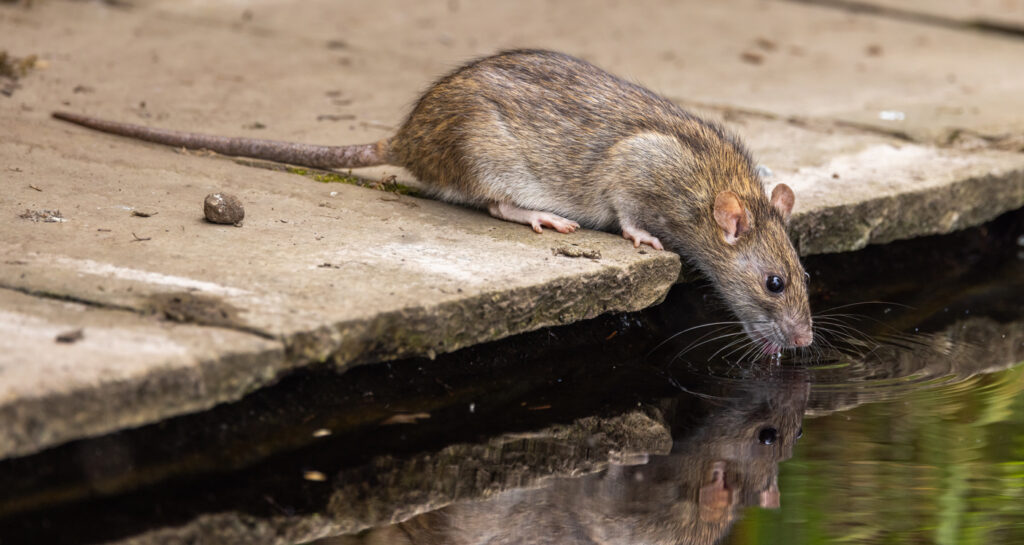
Rats don’t get a lot of love, but they’re shockingly smart. In labs, they’re capable of learning mazes, remembering them, and even changing their strategies when the rules change. They’ve been trained to detect landmines and even diagnose disease through scent.
What really surprises people is how empathetic rats can be. In one study, rats learned to free their trapped cage mates, even when there was no reward involved. Turns out, their intelligence isn’t just practical—it might also be emotional.
Sea otters

Sea otters are one of the few animals known to use tools in the wild every day. They use rocks to crack open clams and urchins, sometimes even storing their favourite “tools” in armpit pouches like little furry pockets. They’ve been seen selecting specific rocks for different types of shellfish, suggesting they’ve figured out the right tool for the job. It’s not just smart; it’s resourceful, and a little bit adorable too.
12. Dogs (yes, really)

It’s easy to underestimate dogs because they’ve been with us for so long. But their social intelligence is off the charts. They read human facial expressions, understand tone of voice, and even learn dozens (or hundreds) of words depending on the breed and training.
Some dogs can solve basic logic puzzles, follow eye direction, and adapt their behaviour based on their owner’s mood. It’s more than obedience; it’s emotional reading. For a species that chose to live alongside us, they’ve done a pretty remarkable job of figuring us out.