Some plants promise a low-maintenance dream—fast growth, easy care, and beautiful coverage.
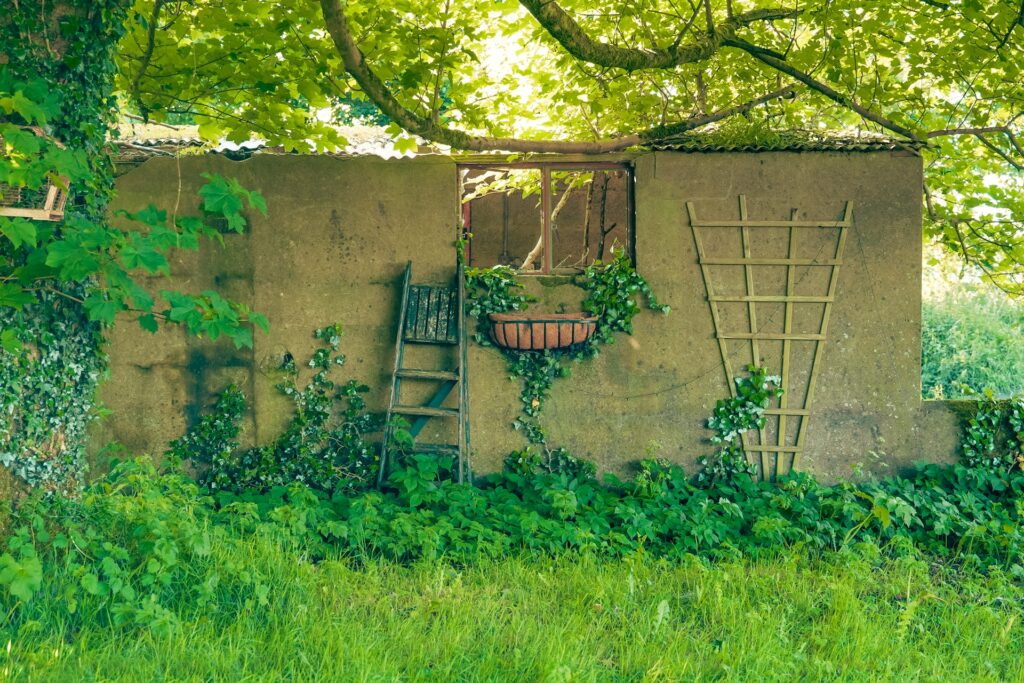
However, what many gardeners learn the hard way is that some of these “helpful” growers don’t know when to stop. They creep under fences, pop up in the grass, and choke out your other plants before you’ve had time to admire your handiwork. These are some of the plants that spread so aggressively, they’ll overrun your garden if you’re not keeping an eye on them, and how to stay in control.
1. Mint
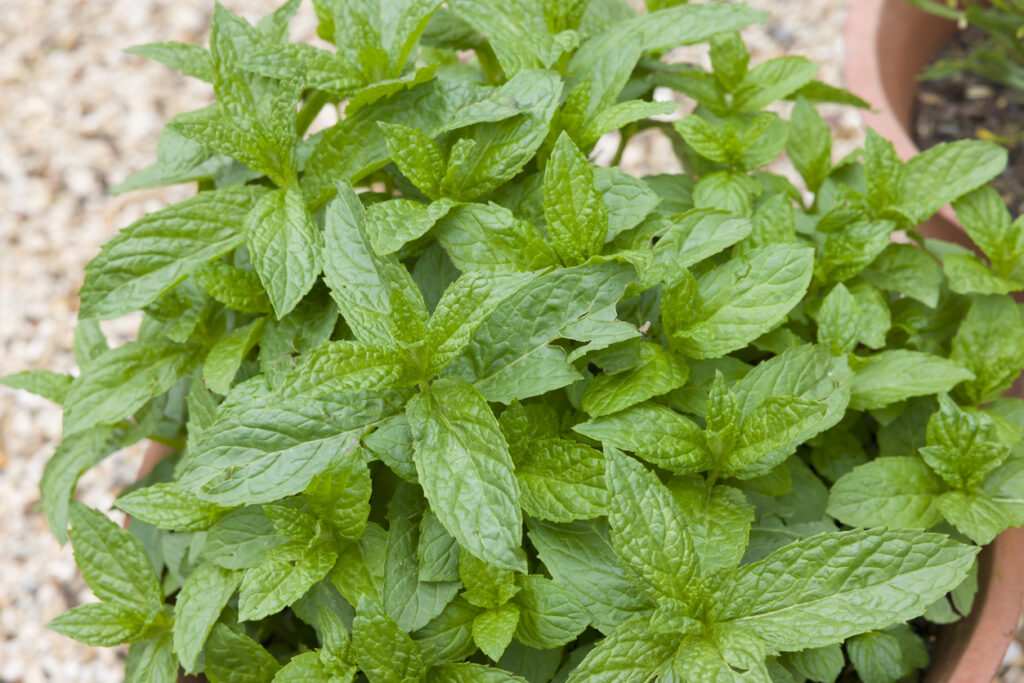
Mint is the classic case of “too much of a good thing.” Its fresh scent and kitchen uses make it popular, but once you put it in the ground, it doesn’t stay where you planted it. It sends out underground runners that shoot up in new spots, turning one corner of your garden into a mint jungle within weeks.
The solution? Keep it in a pot. Even better, plant the whole pot into the ground so the roots can’t escape sideways. Regular trimming also helps, but if you’re not strict with it, mint will happily take over flowerbeds and paving gaps alike.
2. Bamboo
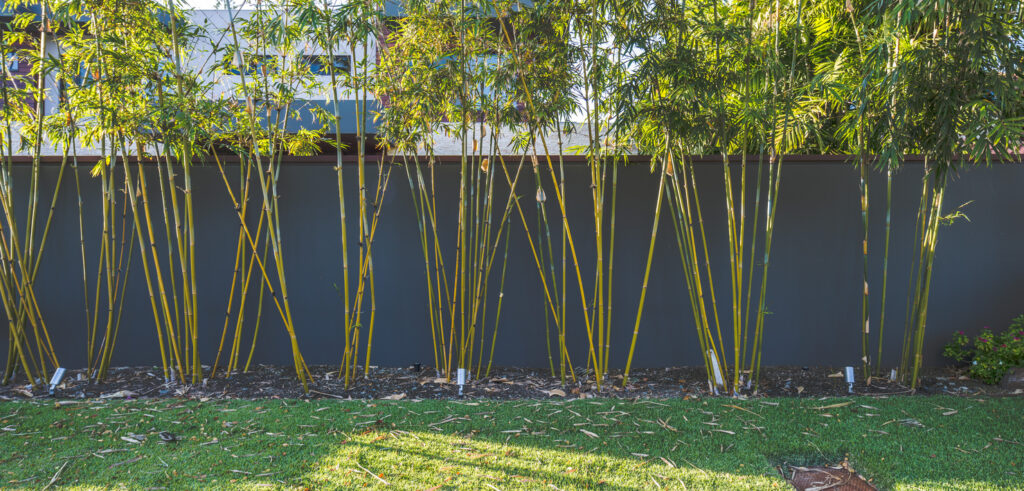
Bamboo can look beautifully architectural and provide fast privacy, but running types of bamboo are infamously invasive. They send underground rhizomes far beyond where you planted them—sometimes metres away—and pop up through patios, fences, even driveways.
If you really want bamboo, go for a clumping variety and always use root barriers. Without strong containment, it’s a nightmare to remove, and your neighbours might not thank you when shoots start appearing on their side of the fence.
3. Ground elder

Once planted as a food crop in medieval herb gardens, ground elder is now one of the UK’s most hated weeds. It spreads via a web of underground roots and is nearly impossible to get rid of without repeated digging and constant weeding. Even tiny pieces of root left in the soil can regrow. You can cover the area with a heavy-duty membrane to smother it, but expect a battle. It’s persistent, sneaky, and won’t go quietly.
4. Himalayan balsam
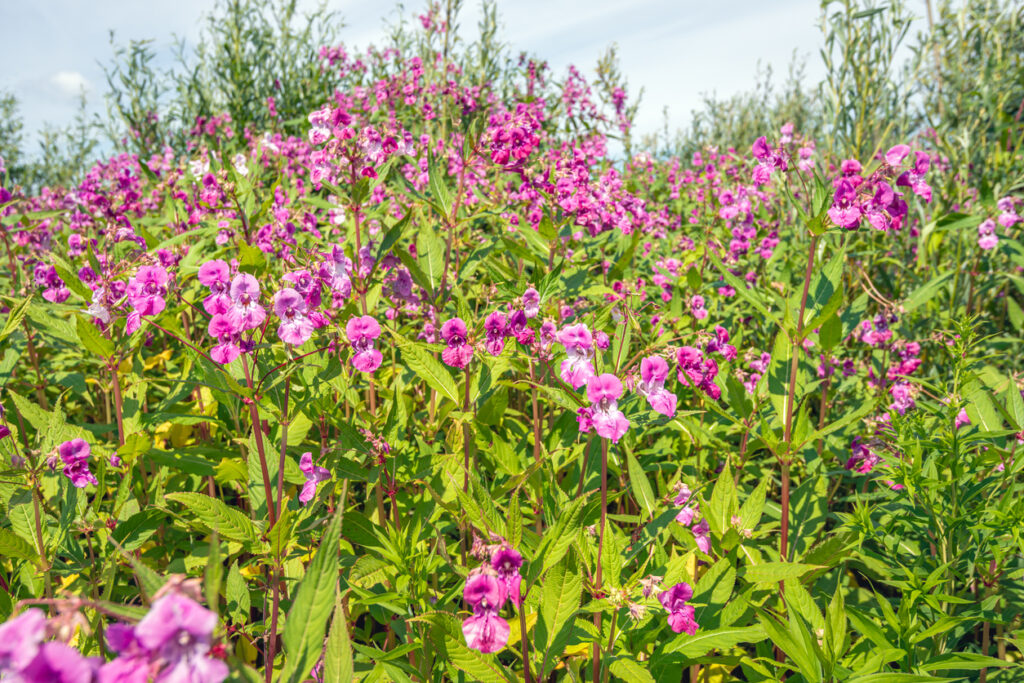
This tall, pink-flowered plant is often seen along riverbanks and woodland edges. It looks pretty and provides nectar for bees—but it’s a fast-spreading menace. Its seed pods explode when touched, firing seeds metres away. It’s classed as invasive in the UK and should be controlled or removed entirely. Once it gets into your garden or nearby wild space, it crowds out everything else and quickly dominates.
5. Japanese knotweed
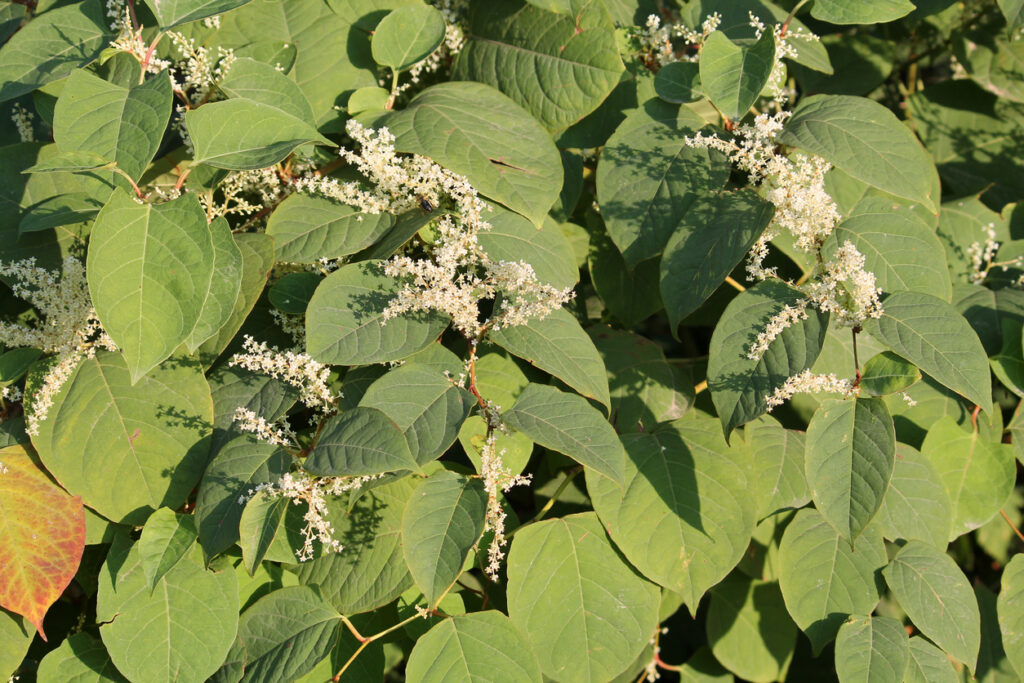
Possibly the most feared plant in Britain, Japanese knotweed is incredibly hard to get rid of and legally requires careful control. It grows fast, breaks through concrete, damages buildings, and devalues property if not dealt with properly. Don’t attempt to dig it up yourself unless you know what you’re doing. One small fragment can regrow, and it spreads rapidly underground. Professional treatment is often the only long-term solution.
6. Periwinkle (Vinca major and minor)
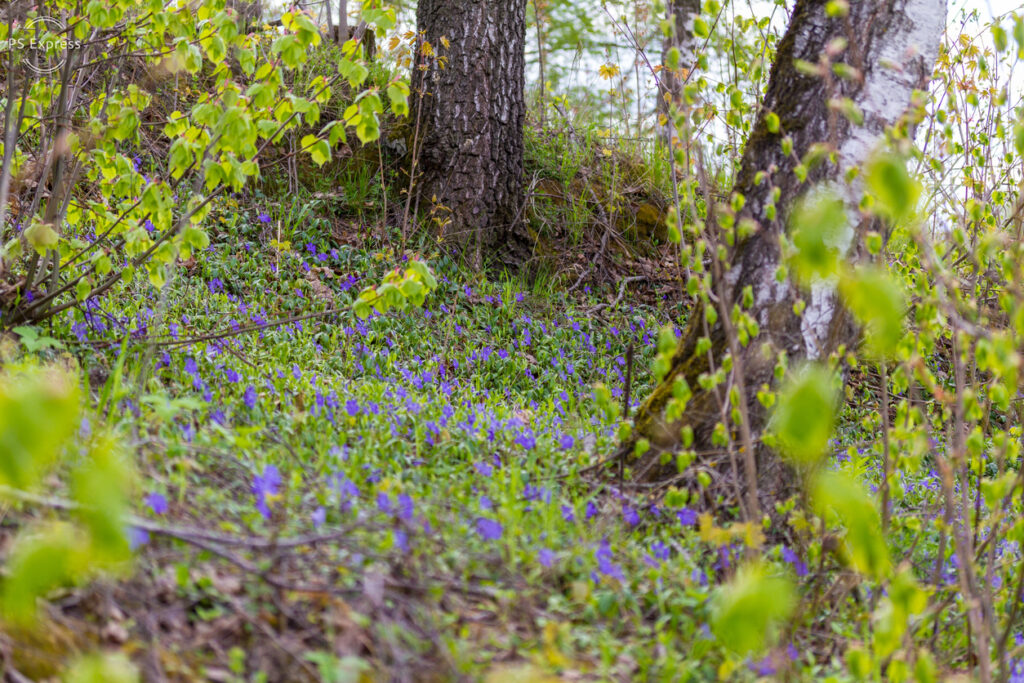
Periwinkle is often used for shady spots thanks to its glossy green leaves and dainty purple flowers. But it forms thick mats that root wherever the stems touch the ground, smothering anything in its path. Once it spreads, it’s difficult to dig out and tends to grow back stronger. Keep it well trimmed and never let it escape into the wild, where it’s known to choke out native woodland plants.
7. Creeping Jenny (Lysimachia nummularia)
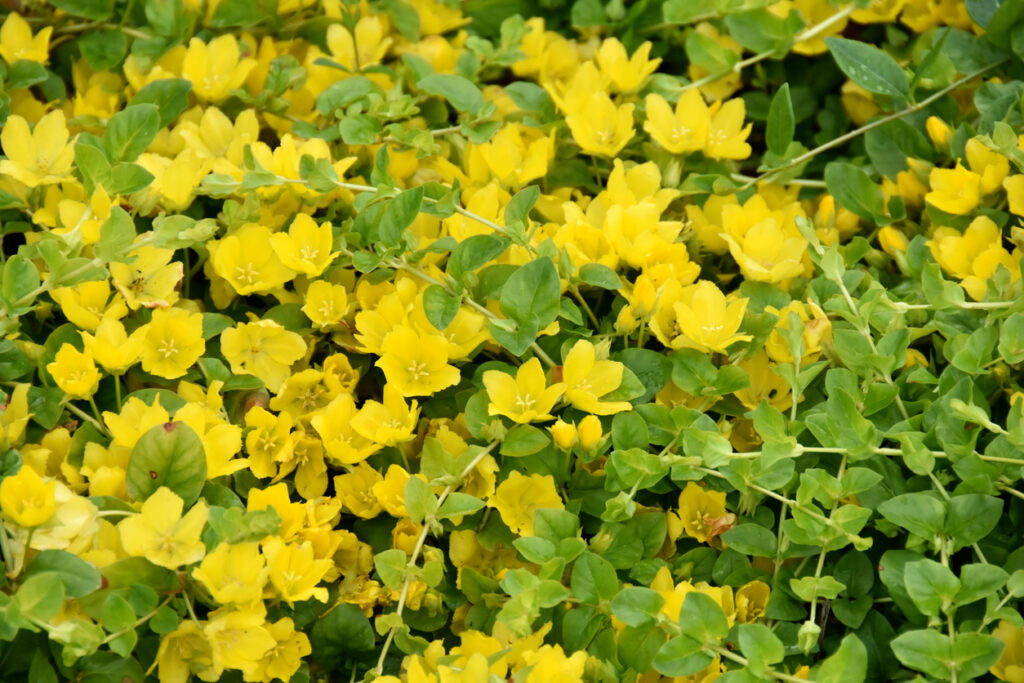
This golden-green creeper adds colour to beds and containers, but true to its name, it doesn’t stay in one place. It spreads fast, especially in damp soil, rooting as it goes and forming dense mats. It’s ideal for trailing over the edge of pots or hanging baskets, but if planted directly into borders, it will crowd out slower-growing plants before you can say “weed barrier.”
8. English ivy
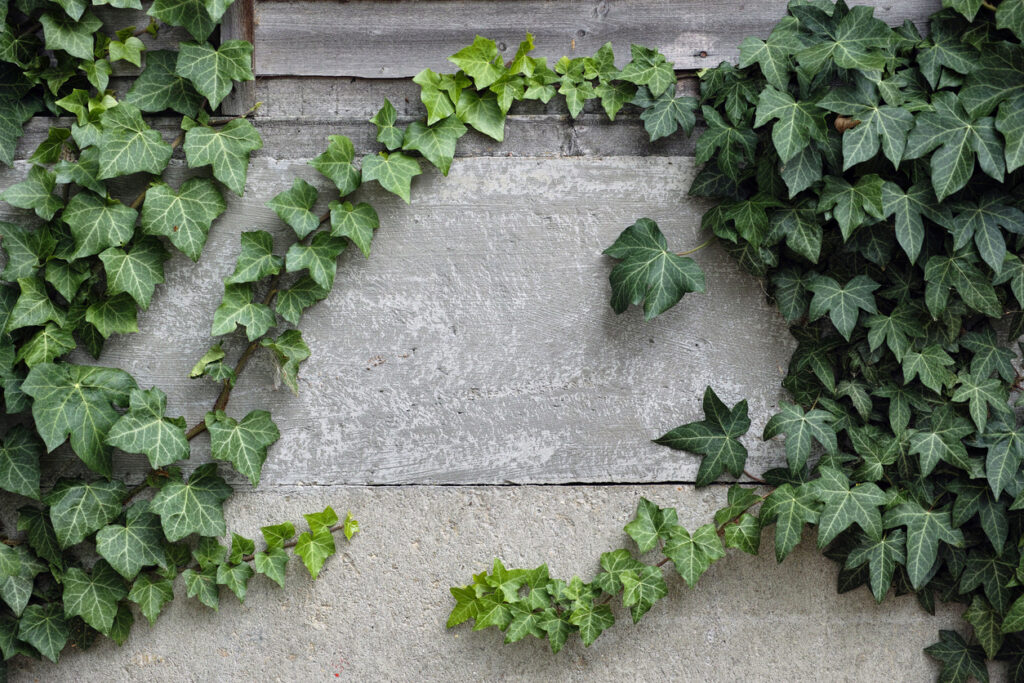
English ivy has a bad habit of climbing walls, fences, and even houses. While it can provide lovely green coverage and shelter for wildlife, it doesn’t stop until it’s completely taken over, damaging structures and strangling trees. If you want to grow it, keep it on a trellis away from buildings and trim it regularly. Once it gets out of control, it can take hours of pruning and cutting just to bring it back to manageable levels.
9. Lily of the valley
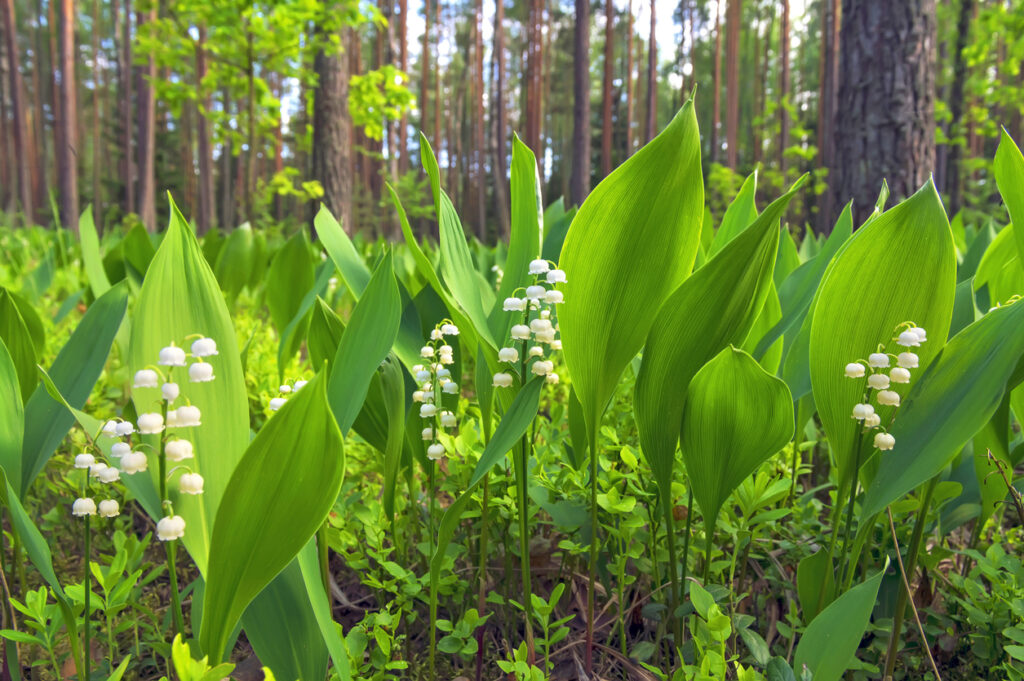
These dainty bell-shaped flowers and sweet scent make lily of the valley a charming choice—but beneath the surface, it’s spreading fast through rhizomes that ignore garden borders. And it comes back stronger each year. It’s also toxic to pets and children, so keep it contained if you grow it at all. Raised beds or pots are your best bet if you want the fragrance without the takeover.
10. Horsetail (Equisetum)
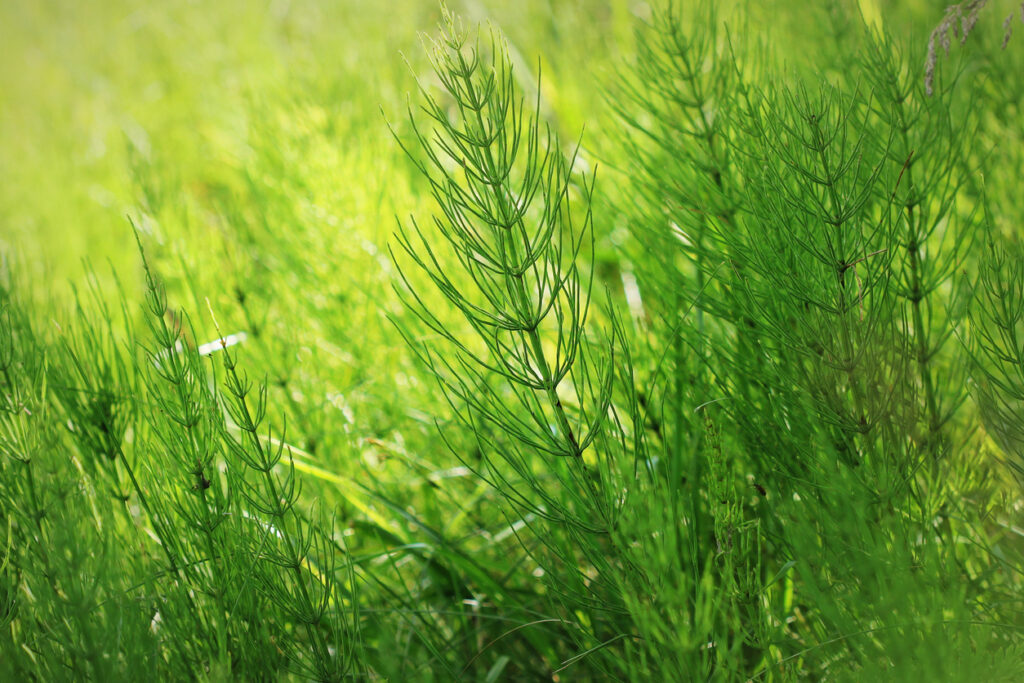
If you’ve ever dealt with horsetail, you’ll know how relentless it is. It spreads underground through deep-rooted rhizomes and also reproduces via spores. It doesn’t respond well to weedkiller and can grow through gravel, tarmac, and even concrete. The best way to manage it is persistence—cutting it back frequently, never letting it spore, and digging out as much root as possible. But don’t expect to win quickly. This one’s a long-term commitment.
11. Snow-in-summer (Cerastium tomentosum)
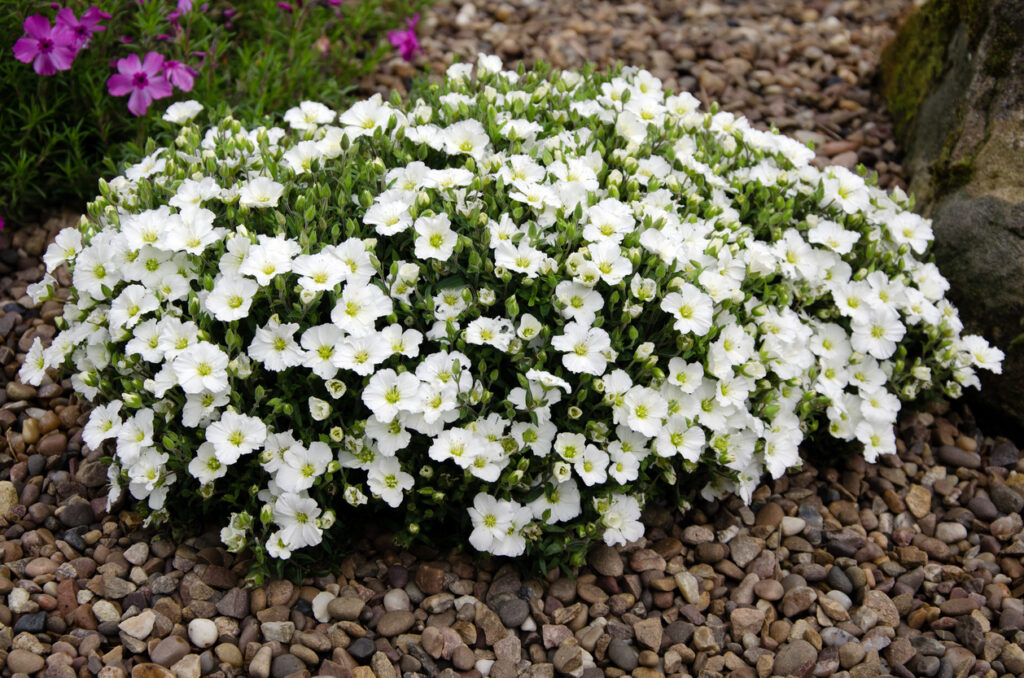
With its silvery foliage and blanket of white flowers, snow-in-summer looks beautiful cascading over borders. But this ground cover spreads incredibly fast and can take over rockeries or dry beds before you realise it. It’s easy to grow, which is part of the problem. If left unchecked, it’ll dominate space meant for other more delicate perennials. Trim it back aggressively after flowering to keep it in check.
12. Russian vine (Fallopia baldschuanica)
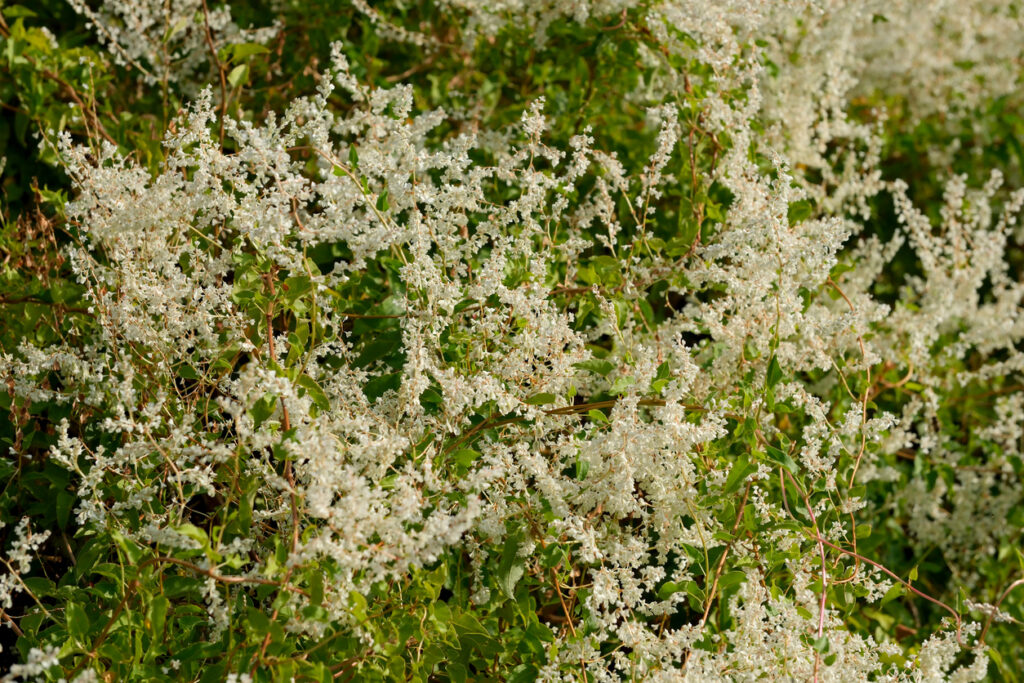
Nicknamed “mile-a-minute” for good reason, Russian vine grows at alarming speeds and can cover fences, trees, and sheds in a single season. It’s popular for fast screening but can overwhelm everything it touches. If you ever plant it, be absolutely sure you want that much coverage, and be prepared to prune it hard and often. Otherwise, it turns from helpful into hostile very quickly.
These plants aren’t evil—but they do require planning. Use them in pots, raised beds, or spaces with solid barriers. A little containment goes a long way, and the last thing you want is to spend every weekend battling a plant that simply doesn’t know when to stop.