When it comes to conservation, we usually think in terms of dramatic campaigns or massive rewilding efforts. But a lot of meaningful progress happens in smaller, less flashy ways. Across the world, and especially here in the UK, there are quiet wins happening in fields, on coastlines, and in unexpected corners of policy that are making a real difference. These might not go viral, but they’re reshaping the way we care for the planet. These small-scale conservation successes are steadily, and seriously, changing everything.
Wildflower strips on farms are bringing pollinators back.
More UK farms are planting narrow wildflower strips between fields, and it’s working. These small corridors give bees, butterflies, and other pollinators the nectar sources and shelter they need to survive, and it’s having a ripple effect on crop health and biodiversity.
While it sounds like a simple idea, these patches are turning into vital lifelines for species that were struggling. Even better, they help reduce the need for chemical pesticides. It’s proof that small bits of land, used thoughtfully, can punch well above their weight.
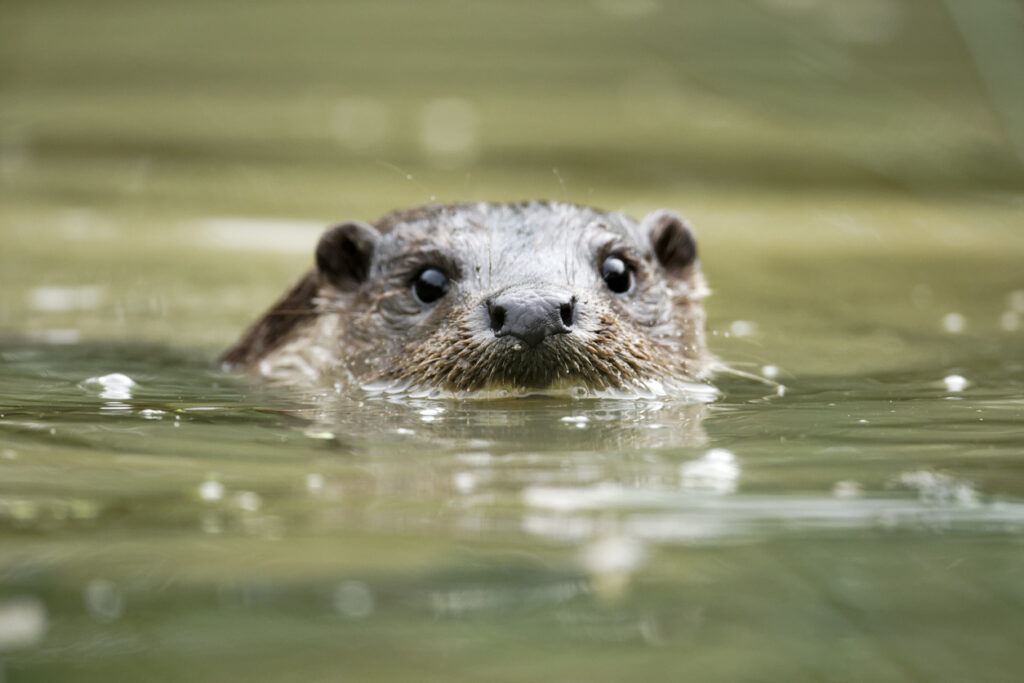
Otter sightings are increasing across UK rivers.
Otters, once nearly extinct in many parts of the UK, are making a quiet comeback. Better river management, cleaner waterways, and a move away from harmful pesticides have all helped these elusive animals return to places they hadn’t been seen in for decades.
It’s not a flashy success story, but it speaks volumes. When you give a species clean water and safe places to hunt and hide, nature does the rest. It’s a reminder that recovery can happen quietly—if we just stop making things worse.
Recycled oyster shells are rebuilding reef habitats.
In some coastal areas, conservation groups have started collecting used oyster shells from restaurants and using them to rebuild reefs. These “shell recycling” projects are helping restore natural habitats that support fish, clean the water, and stabilise the shoreline.
It’s the kind of win that almost feels too simple to be true. Instead of dumping shells in landfills, they’re being used to kickstart entire ecosystems. It’s practical, low-cost, and makes a lasting difference over time.
Hedgehog highways are popping up in urban fences.
People across the UK are now cutting small holes in garden fences to let hedgehogs roam more freely between green spaces. These little gaps, dubbed “hedgehog highways,” are helping reverse years of habitat fragmentation caused by over-tidy gardens and sealed-off yards.
They may be tiny, but they’ve already made a measurable impact on hedgehog populations in suburban areas. It’s a great example of how a small change in human behaviour can open up big opportunities for wildlife.

Red kites are thriving again in southern England.
Once poisoned to near extinction in the UK, red kites are now a common sight in parts of southern England, thanks to a careful reintroduction programme. The birds were quietly released over several years, and now their numbers are thriving. It didn’t happen overnight, and it didn’t take a massive campaign. Just consistent care, patience, and protection. Now, what was once a conservation crisis is becoming a normal part of the local sky again.
Sea grass meadows are being restored by hand.
Volunteers around the UK coast are helping replant sea grass by hand, often diving into freezing waters to get it done. Sea grass stores carbon, supports marine life, and protects against coastal erosion, but it’s been vanishing fast.
These hand-planted patches are small for now, but they’re working. Early data shows fish returning and sediment stabilising. With the right support, this could become one of the most effective carbon-capture tools we’ve got, disguised as grass underwater.
Public access apps are helping track rare species.
Apps like iNaturalist and Seek are turning ordinary people into citizen scientists. Users snap photos of plants and animals, which then get logged into biodiversity databases used by researchers and conservationists around the world. This data is helping track species changes, spot new threats, and even discover species in places they weren’t expected. It’s crowdsourced conservation, and it’s already shaping how scientists respond to climate change and habitat loss.
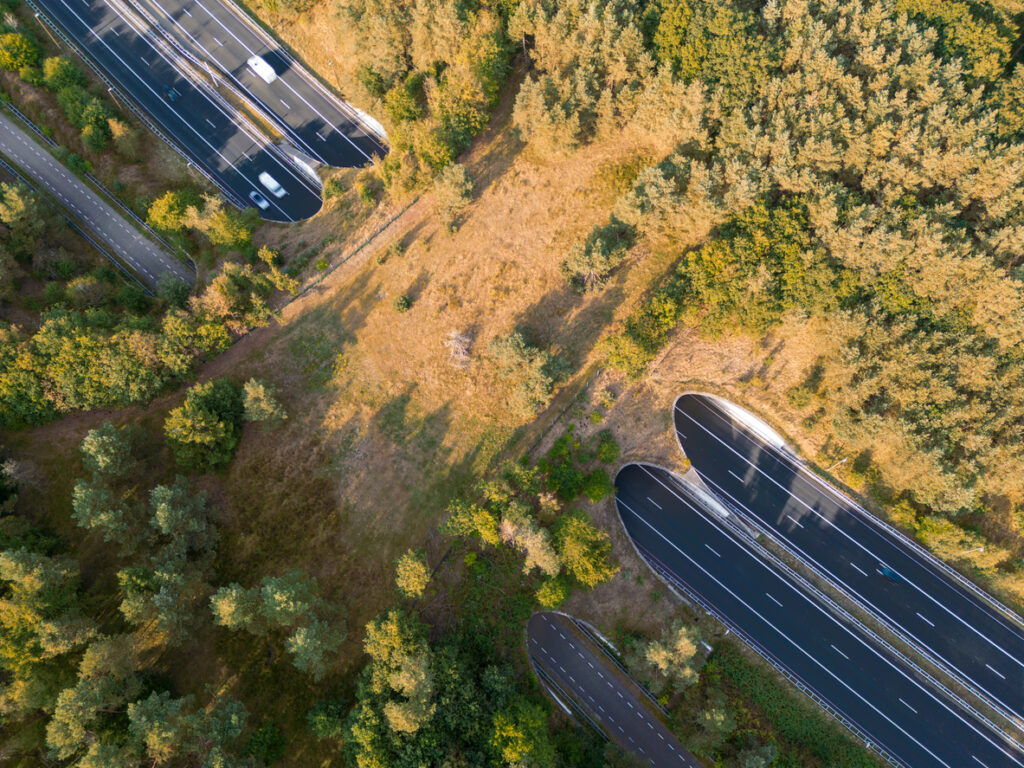
Wildlife bridges are helping animals cross roads safely.
From tiny tunnels under country roads to grassy overpasses for deer and badgers, wildlife crossings are making a surprising difference. These structures reconnect broken habitats and drastically reduce roadkill numbers where they’re installed.
They’re often small, hidden, and not that expensive, but they’re effective. Some UK councils have even started including them in new planning applications, proving that when design considers wildlife, it’s not just good for nature—it’s smart planning.
Old quarries are being turned into nature reserves.
Abandoned industrial sites might seem like ecological dead zones, but some are now being transformed into vibrant nature reserves. Former quarries are being rewilded and are quickly attracting birds, insects, and rare plants. It’s a reminder that even land damaged by extraction can be brought back to life with the right care. These projects don’t just repair landscapes—they change the story we tell about what’s possible after industrial use ends.
Local seed banks are protecting forgotten plant species.
Community-run seed banks across the UK are collecting and storing native plant seeds, many of which were once common in local hedgerows, meadows, or gardens but have started disappearing quietly. By keeping these seeds safe and replanting them strategically, conservationists are preserving genetic diversity and helping entire ecosystems stay resilient in the face of climate change. It’s not glamorous, but it’s powerful.
Beavers are back, and changing landscapes for the better.
After being missing from British rivers for hundreds of years, beavers are now being reintroduced across parts of England and Scotland. And the changes they’re making to the land are immediate. They create wetlands, slow water flow, and boost biodiversity without any human direction.
It’s one of those quiet wins where nature is doing the heavy lifting, once we get out of the way. Every successful beaver reintroduction becomes a little hotspot of natural engineering that benefits everything around it.
Tiny rewilding projects are becoming contagious.
Not every rewilding effort needs hundreds of acres. People are turning roundabouts, schoolyards, and even church graveyards into mini nature havens. Wildflowers are growing where there used to be trimmed lawns. Birds and insects are returning to spaces that were once sterile.
These tiny changes are adding up. They’re helping change attitudes, making space for biodiversity in everyday places, and encouraging more people to get involved. Conservation doesn’t have to be massive—it just needs to be consistent and a little contagious.