Most of us expect lakes to look roughly the same from day to day—maybe a bit darker when it’s cloudy, or extra sparkly in the sun.
However, in a few corners of the world, some lakes seem to defy all logic. Their colours change not just with the weather, but depending on the time of day, the season, and in some cases, the phase of the moon. Whether it’s due to natural minerals, light refraction, or living organisms, these lakes seem to have a life of their own. Here’s a look at some of the most striking lakes on Earth that appear to change colour, and what the moon might have to do with it.
1. Laguna Colorada, Bolivia
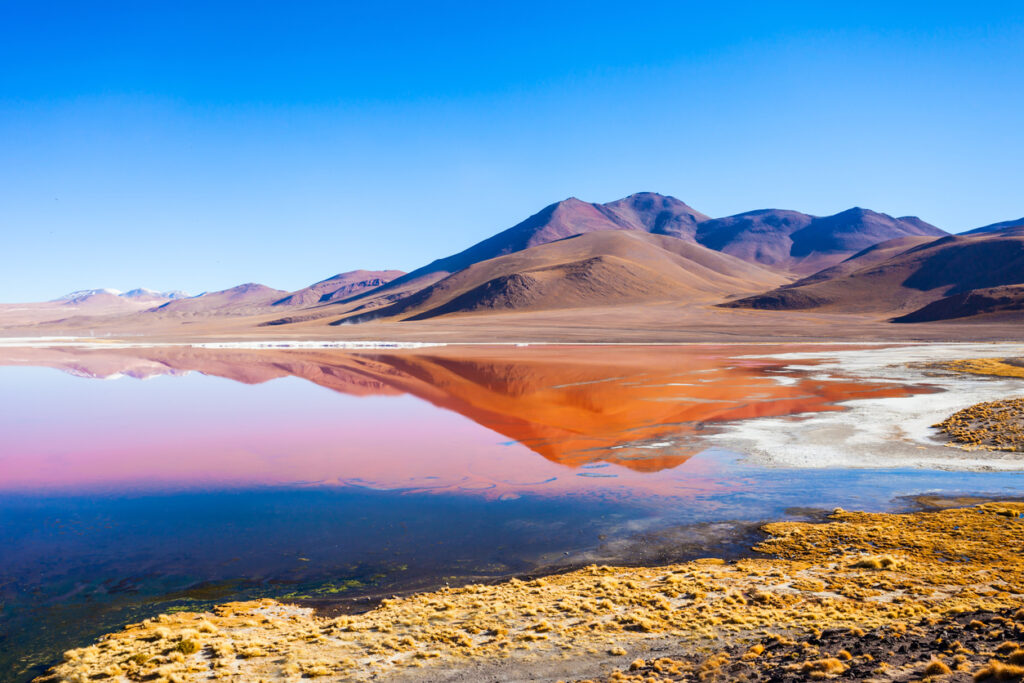
Set high up in the Bolivian Andes, this shallow salt lake is famous for its deep reddish-pink colour during the day. The colour mostly comes from red algae and mineral-rich sediment, but it’s known to look completely different depending on the time of day—and yes, even the moon phase can affect how it appears.
On full moon nights, the brighter light can bounce off the water and bring out more violet or copper tones, while new moons make the lake seem darker and more intense. Combine that with the shifting hues of flamingos that live there, and it’s a visual trick few places on Earth can match.
2. Lake Natron, Tanzania
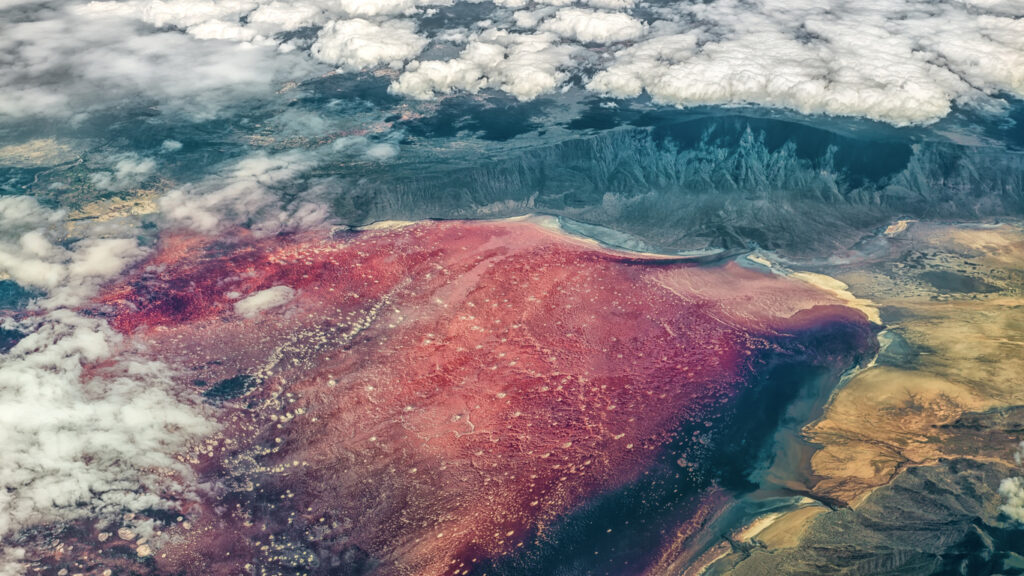
Lake Natron is eerie even in daylight. The water is shallow, alkaline, and often appears blood-red due to a mix of salt-loving microorganisms and algae. But under moonlight, especially when skies are clear, the lake takes on a strange metallic sheen that makes it look almost like liquid mercury.
This transformation is partly because of how the moon’s light reflects off the thick salt crusts that form on the surface. The angle of the moon also matters—when it’s low, the lake can glow faintly purple. When it’s high and full, it flattens into something closer to silver. It’s haunting, but fascinating.
3. Spotted Lake, Canada
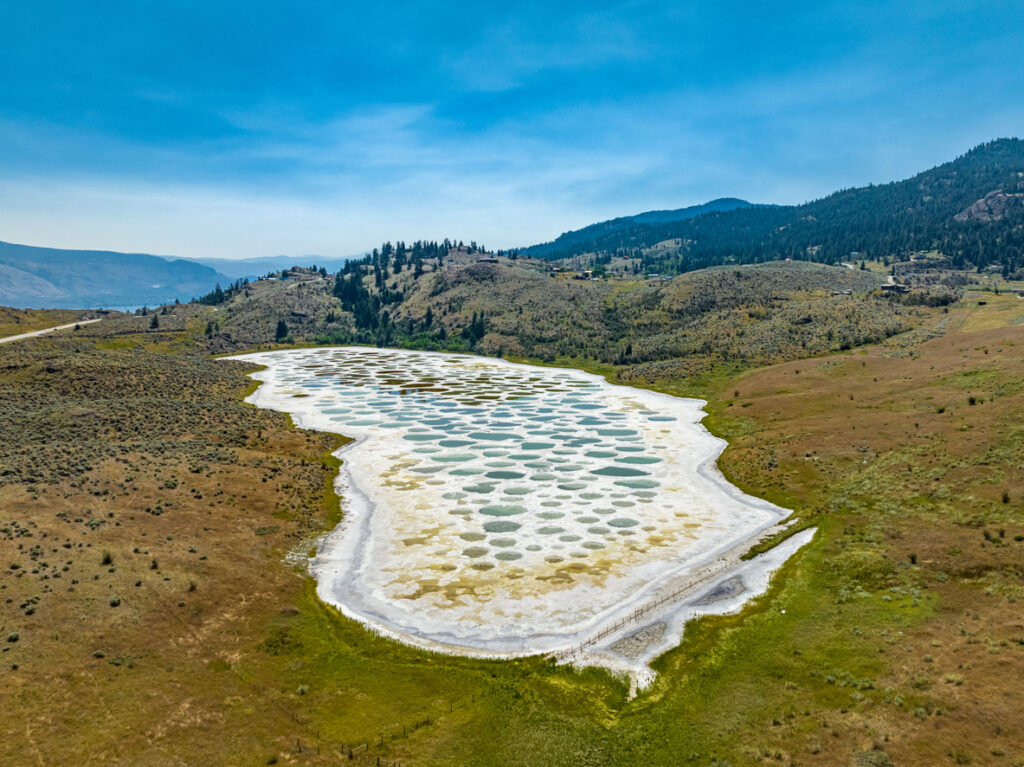
In British Columbia, Spotted Lake is famous for its otherworldly appearance. During the summer, water evaporates and leaves behind mineral-rich pools that form distinct “spots.” These spots can change colour dramatically—ranging from white to green to yellow—depending on the mineral content and angle of the light.
On moonlit nights, especially near a full moon, the contrast between the bright spots and the surrounding dark water becomes much sharper. People say the lake looks completely transformed, almost like it’s glowing from within. It’s not just scenic—it’s surreal.
4. Lake Hillier, Australia
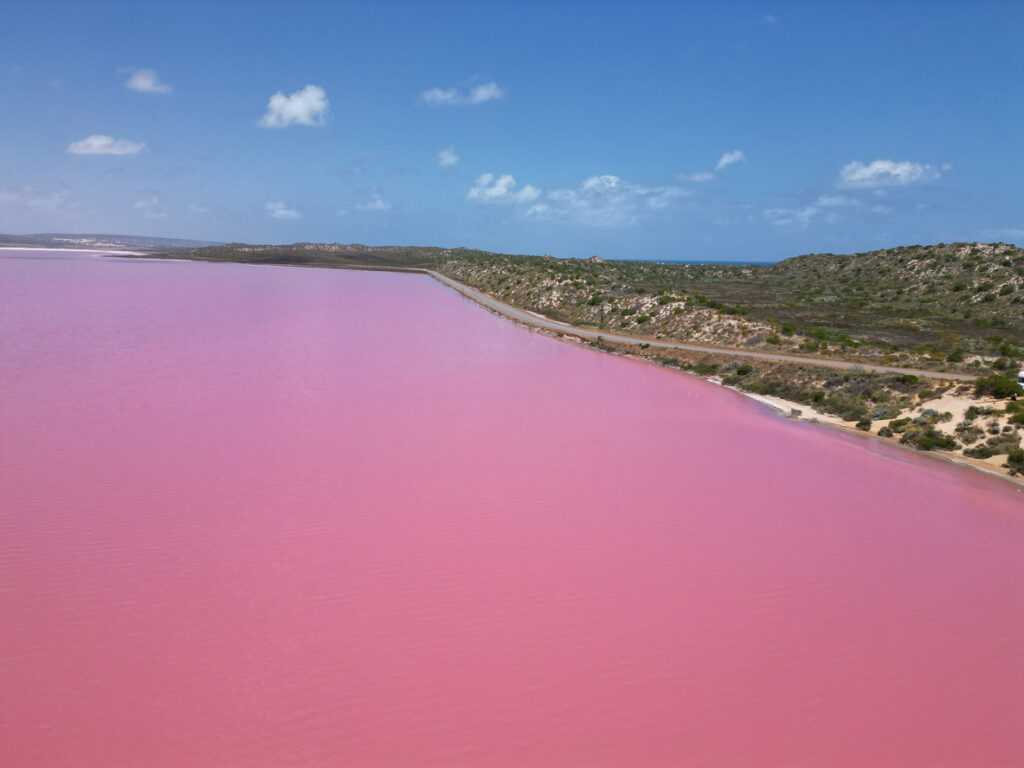
This bubblegum-pink lake in Western Australia already looks like something from a science fiction film. Its distinctive colour doesn’t change dramatically like others, but the moon does affect how we see it. Under bright moonlight, the pink often takes on a more pastel hue or looks oddly translucent.
Scientists believe the lake’s colour comes from a specific type of microalgae that produces carotenoids. The reflection of the moonlight—especially if the sky is clear and the angle’s right—can soften the intensity of the pink, making it shift slightly between lavender and pale coral tones depending on the night.
5. Blue Lake, New Zealand
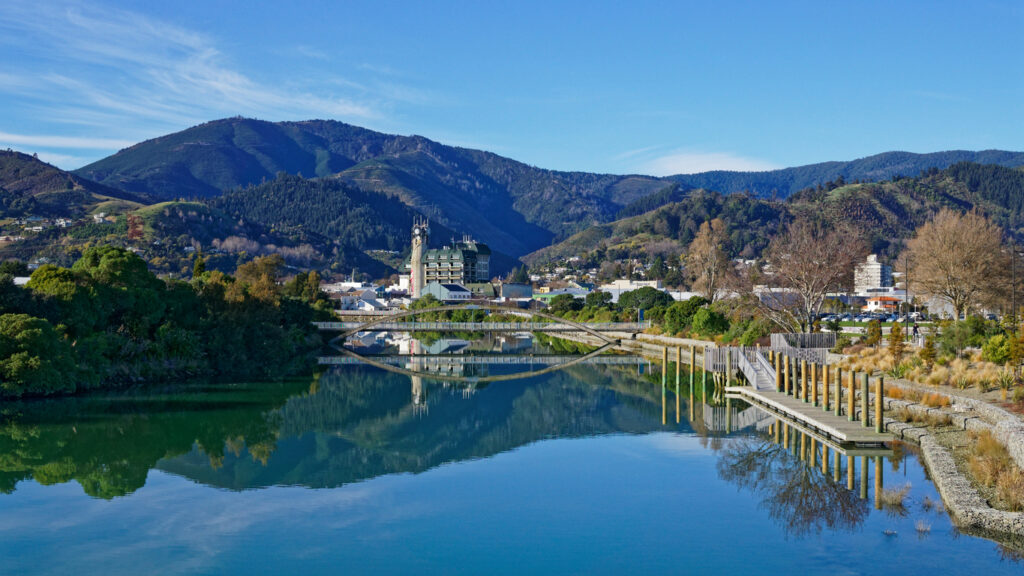
Blue Lake in Nelson Lakes National Park holds some of the clearest water ever measured. It reflects light in an extremely pure way, so it appears deep blue in sunlight—but during full moon phases, it can look completely different. Some say it turns pale silver or faintly green, depending on surrounding vegetation and atmospheric conditions.
Because the lake is so pure, even small changes in sky colour or moonlight intensity affect how it looks. On calm, bright nights, it’s like a mirror—glassy, light-drenched, and almost glowing. It’s a great example of how purity and reflection can create what looks like actual colour change.
6. Kelimutu Crater Lakes, Indonesia
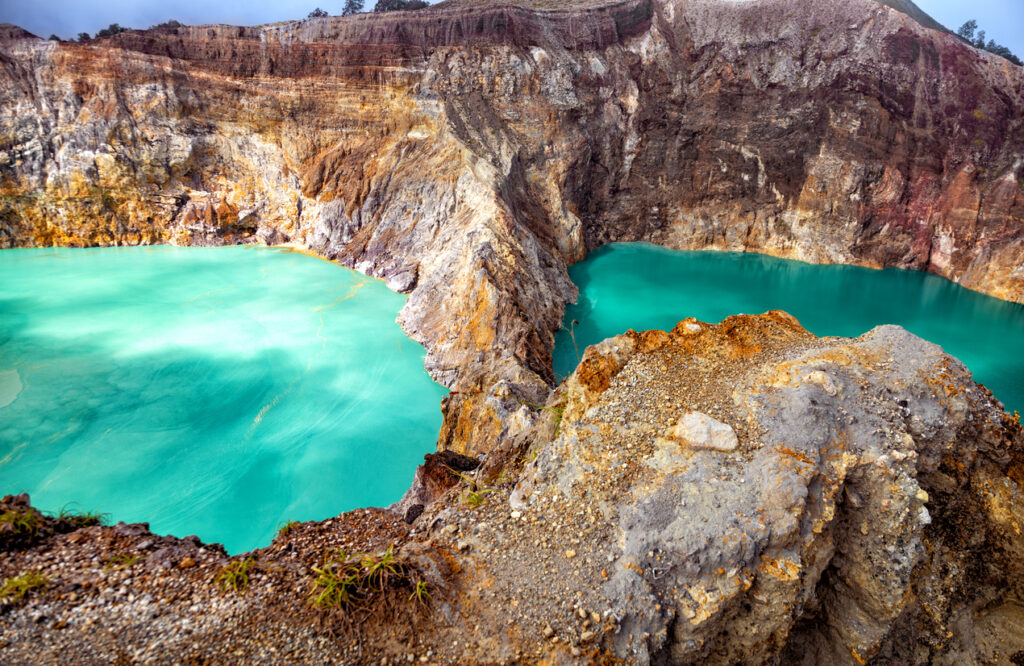
This volcano in Indonesia holds three crater lakes that are famous for changing colours—sometimes all at once, sometimes individually. The lakes have been seen in shades of turquoise, black, red, and even chocolate brown. While the shifts are mostly caused by minerals and volcanic gases, the appearance of the colours can also change with the moon.
At night, moonlight softens the colour contrast, sometimes making two very different shades appear almost the same. Other times, the lakes reflect the moon itself—especially when still—creating an eerie, shimmering effect that makes them look otherworldly. Locals see them as sacred, and it’s easy to understand why.
7. Jiuzhaigou Valley’s Five Flower Lake, China
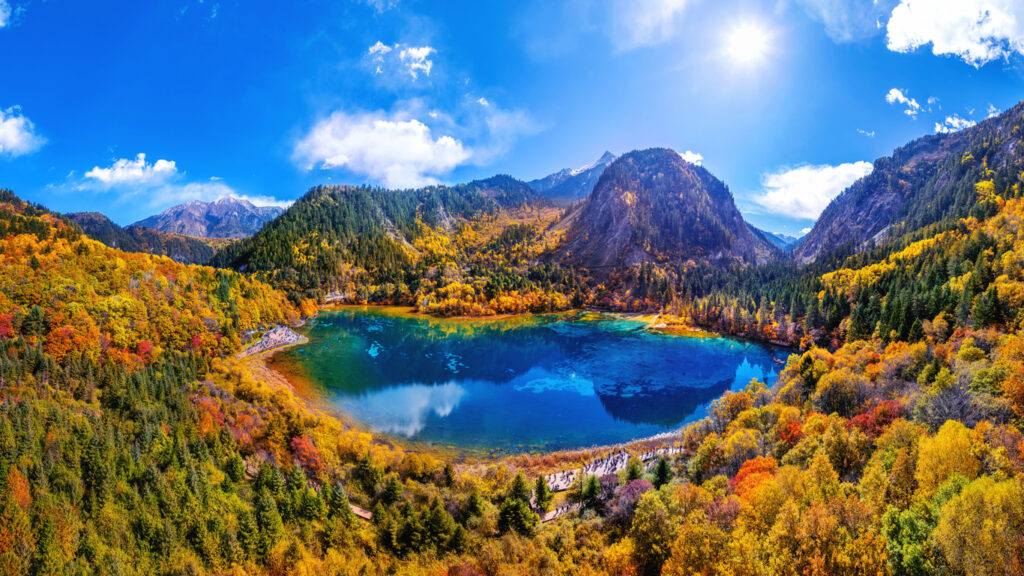
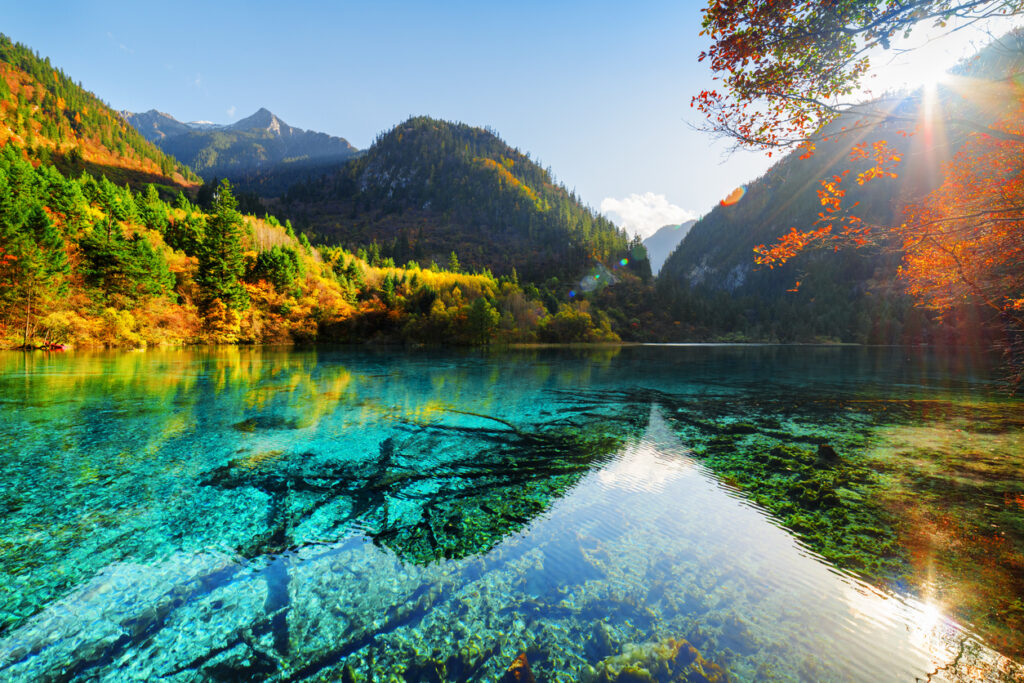
Known for its unbelievably vibrant blue, green, and teal waters, Five Flower Lake in Sichuan Province owes its colour to both mineral content and aquatic plant life. During the day, it’s already a showstopper—but under moonlight, the surface changes depending on the phase and weather conditions.
Because the lake is crystal clear and shallow, moonlight can make it appear brighter or murkier depending on cloud cover and water levels. When the moon is full and skies are clear, it glows almost like stained glass. Visitors say the water seems lit from below.
8. Lake Resia, Italy (honourable mention)
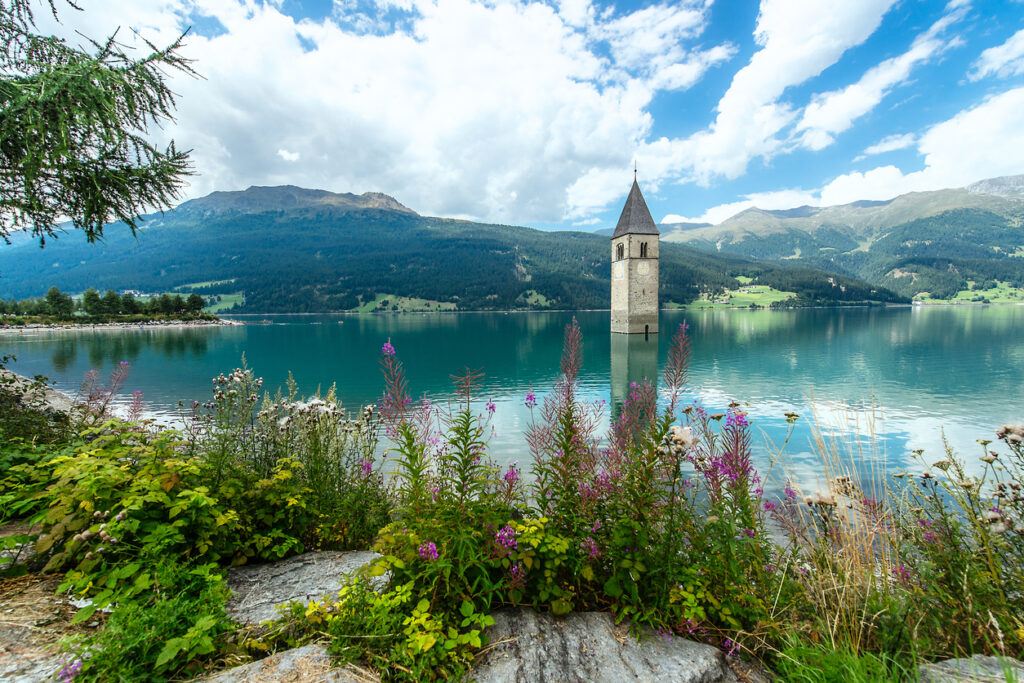
Technically, Lake Resia doesn’t change colour dramatically—but it gets an honourable mention for how moonlight completely transforms the mood of the place. The lake famously has a church tower sticking out of it, the last visible part of a village flooded in the 1950s.
At night, the surface reflects moonlight in a way that makes the whole area feel like a ghost story. While the water might not shift shades, the atmosphere does. Under a full moon, the lake can go from calm and romantic to eerie and surreal in minutes.
9. Lake Pukaki, New Zealand
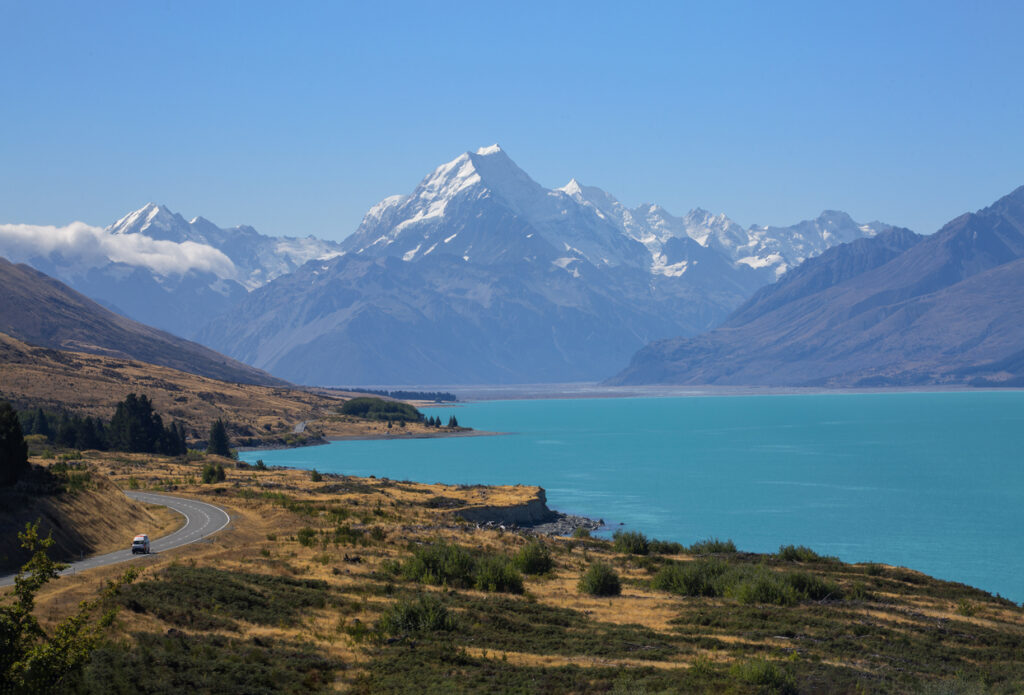
Lake Pukaki is already famous for its surreal turquoise hue during the day, thanks to glacier-fed water full of finely ground rock particles called “glacial flour.” But what makes it extra interesting is how different it looks when the moon is out. On a clear night with a bright moon, that vibrant blue fades into softer, ghostly shades—sometimes appearing pale grey, milky blue, or even a silvery white depending on the viewing angle.
This shift isn’t caused by anything in the lake itself changing—it’s all about how the moonlight reflects off the surface and filters through the same suspended particles. It creates a soft-focus, dreamlike version of the lake that feels like a completely different place after dark.
10. Lake Bacalar, Mexico (Lagoon of Seven Colours)
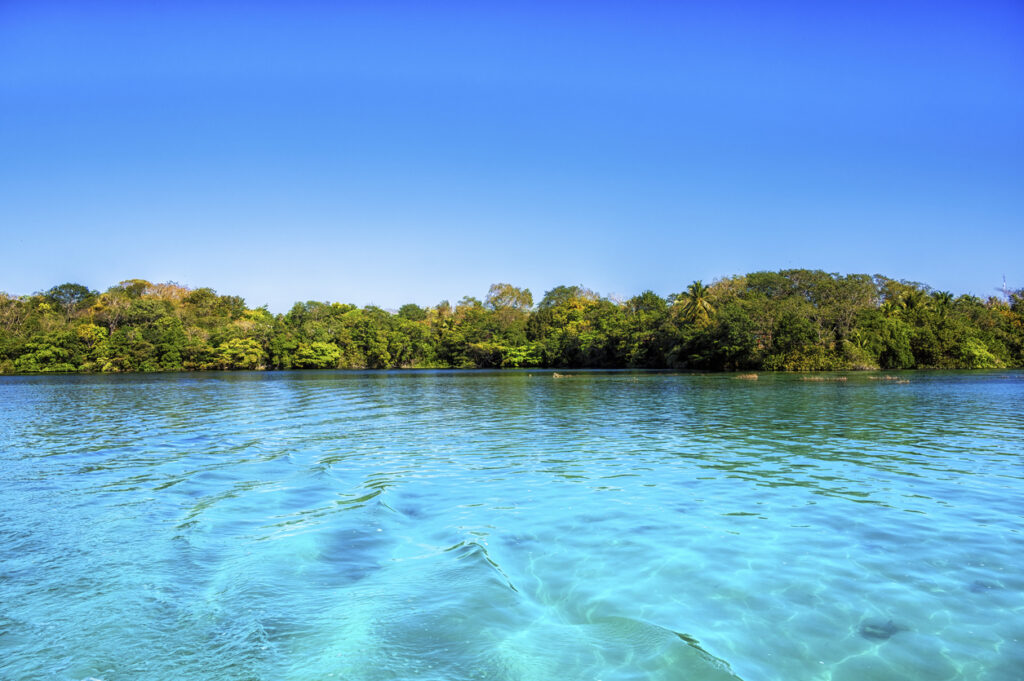
Nicknamed the “Lagoon of Seven Colours,” Lake Bacalar is one of Mexico’s most visually striking bodies of water. Its colours range from deep navy to bright turquoise to soft jade, depending on the depth of the water, the limestone bottom, and how the light hits. During the day, sunlight makes the colours pop—but under moonlight, it becomes more mysterious.
The light from the moon reflects off the white limestone and still water, making the surface look like a giant sheet of brushed metal. Locals say the water glows faintly under full moons, and the lake often appears darker but more glass-like, almost as if it’s absorbing light rather than reflecting it. The colours may mute, but the atmosphere gets even more magical.