Climbing Mount Everest has never exactly been a walk in the park, obviously.
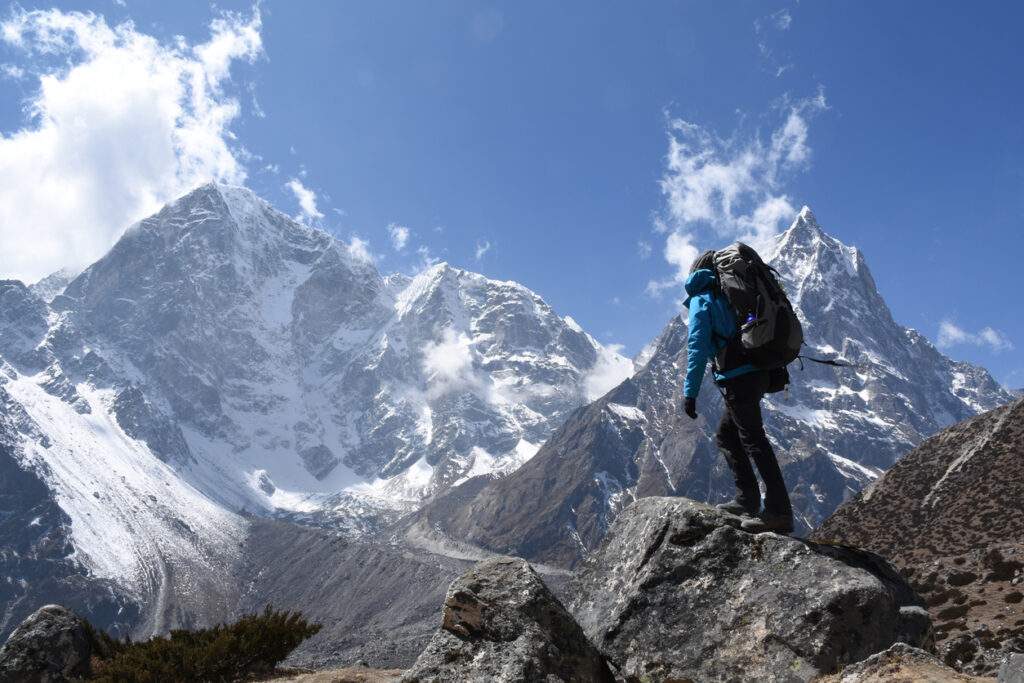
However, things are changing in a way that could make it even tougher—and not just for the people aiming to summit. Nepal is tightening up how treks are run, with new rules aimed at tackling overcrowding, pollution, and safety concerns. That means the classic Everest Base Camp experience is being stripped back, and serious climbers are going to face more red tape, higher costs, and stricter checks. Whether you’re dreaming of the summit or just the trek to Base Camp, here’s why climbing Everest is about to get a whole lot harder.
1. You can’t go it alone anymore
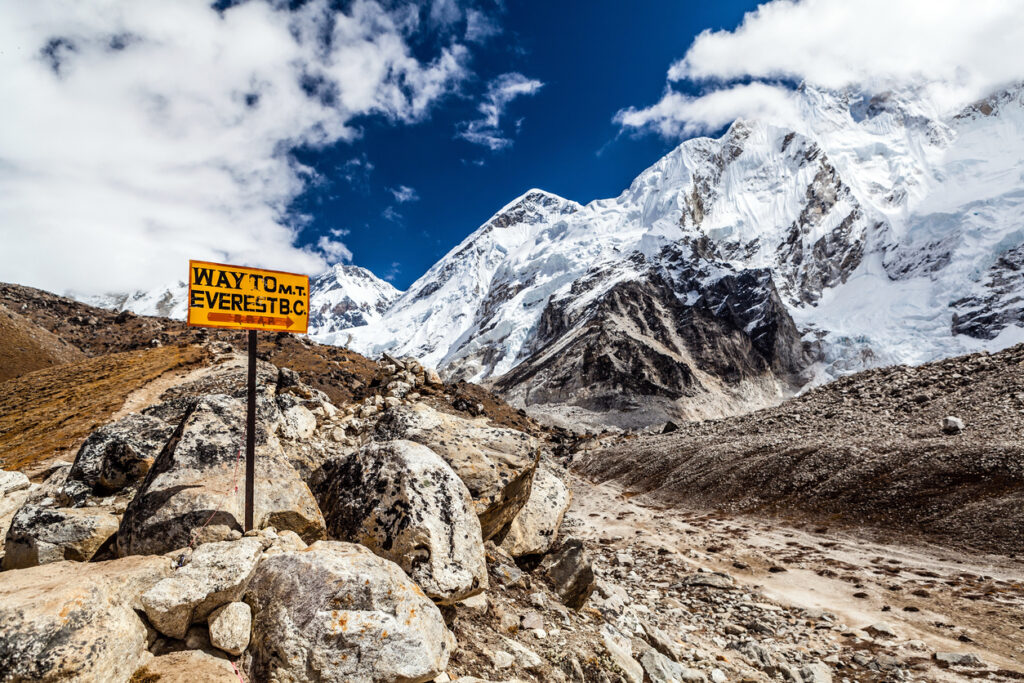
Nepal has officially banned solo trekking in its national parks, including the Everest region. If you want to go, you now have to hire a licensed Nepali guide. The days of independent adventurers wandering the trail with just a backpack and bravado are over.
It’s partly a safety issue, but it’s also about supporting the local economy. More money stays with local Sherpas, porters, and guides, but if you’re the kind of traveller who prefers freedom over structure, this change might feel like a squeeze.
2. Base Camp just lost its luxuries.

Remember those pop-up bakeries, massage tents, and coffee stands at Everest Base Camp? They’re gone. Nepal’s banned non-essential businesses from setting up shop there in an effort to preserve the fragile environment and reduce rubbish. What’s left is the more authentic (and colder, and tougher) version of Base Camp—just tents, trekkers, and the mountain itself. It’s still stunning, but now without the frothy cappuccino or shoulder rub after a long hike.
3. Trekkers now need to clean up after themselves—literally.
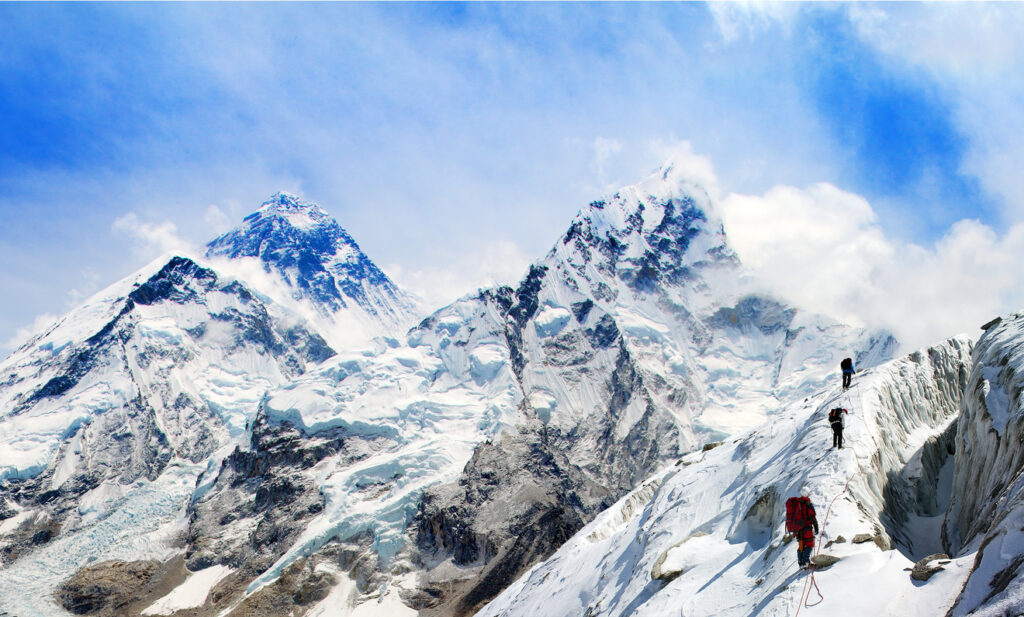
Every climber heading toward Everest must now carry a biodegradable bag for human waste. Yep, you’re taking your own poop back down the mountain. The rule’s not glamorous, but it’s part of a wider push to stop Everest turning into a high-altitude landfill.
This also includes stricter checks on litter and oxygen canisters. Anyone caught leaving gear or rubbish behind could lose their summit certificate or face heavy fines. The message is clear: leave no trace, or don’t bother coming.
4. GPS tracking is now mandatory.
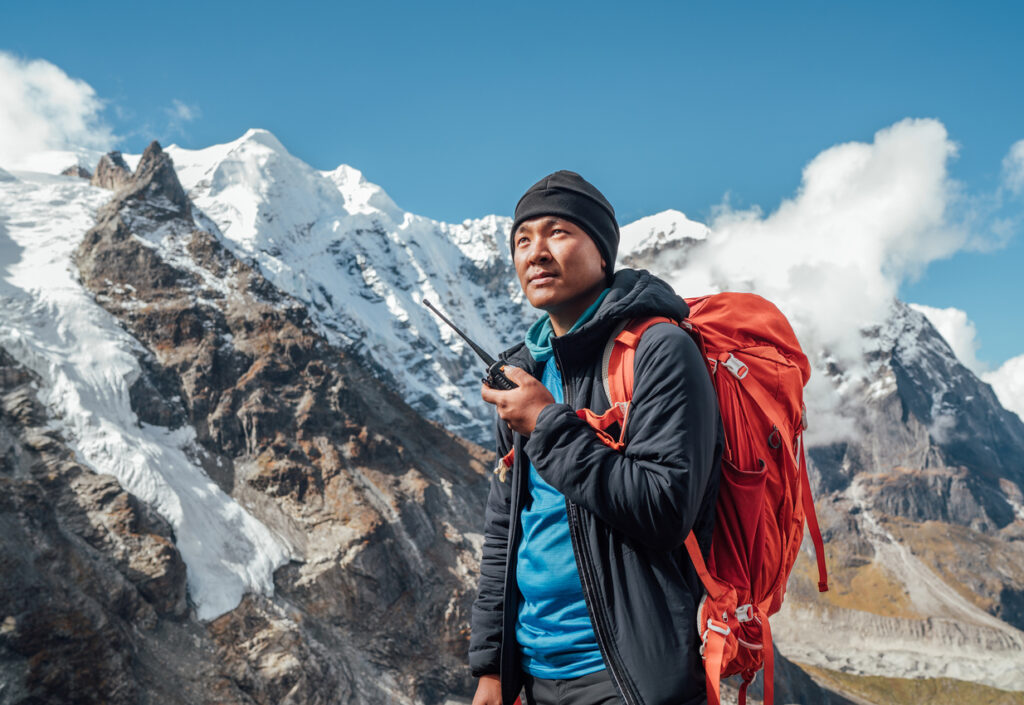
To improve safety, climbers must now wear GPS tracking devices on the mountain. That means less risk of getting lost, but also more accountability if anything goes wrong. For officials, it helps monitor crowd flow and rescue response. For climbers, it adds a sense of being watched—which, depending on how you feel about independence, could be reassuring or just plain annoying.
5. The price tag is going up.
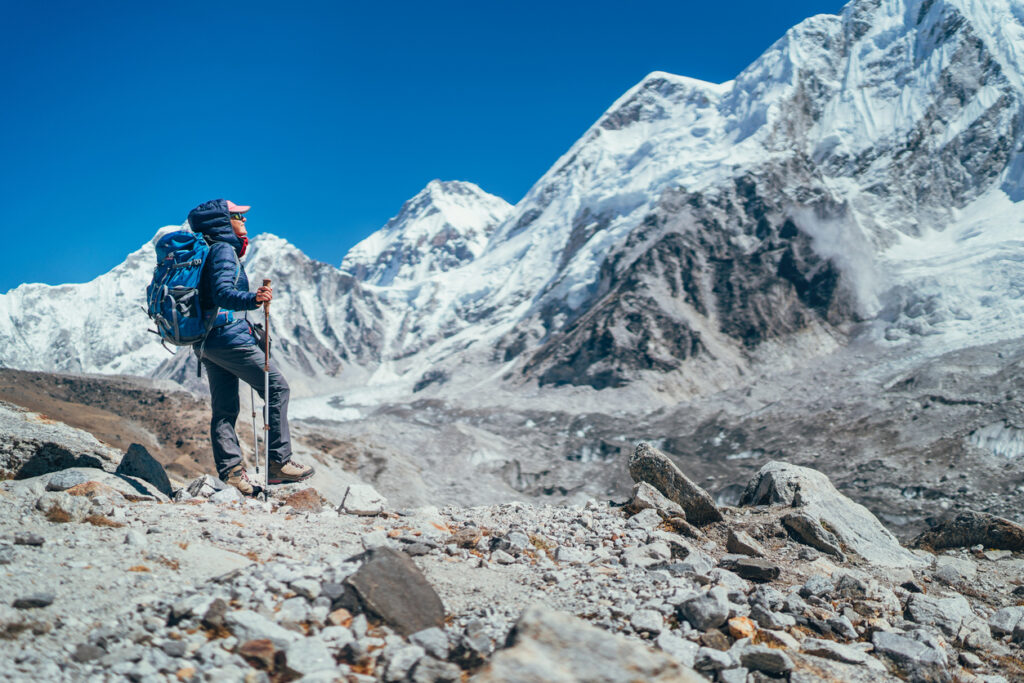
Permit costs to climb Everest are rising steeply—the permit alone will run you $15,000 (£12,180) as of 2025. Add in gear, guides, food, insurance, and you’re easily looking at £80,000 or more for a full expedition. This hike is meant to help regulate traffic and weed out casual thrill-seekers, but it also risks making the mountain more of an elite playground—accessible mostly to the wealthy or sponsored.
6. Climbers must prove they’ve got experience.
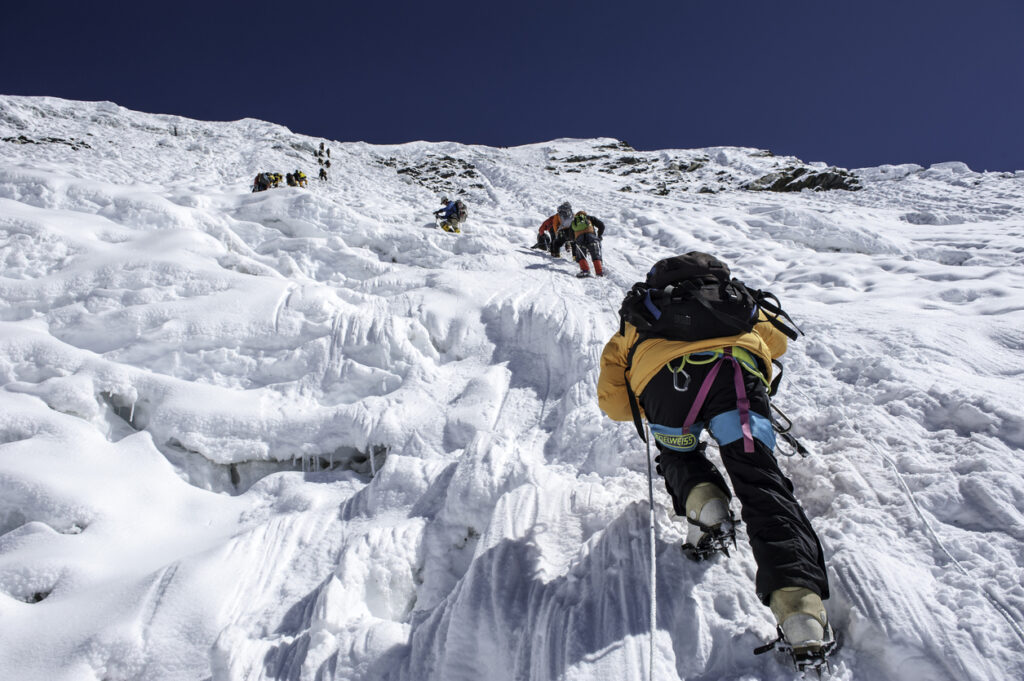
It’s no longer enough to simply want to climb Everest. Nepal is pushing for climbers to show documented high-altitude experience, such as summiting peaks over 6,500 metres, before getting a permit. This helps reduce accidents, especially from overconfident beginners who underestimate the mountain. However, for those with dreams and no previous climbs, it’s now a much longer road to the top.
7. Trekking routes are being monitored more closely.
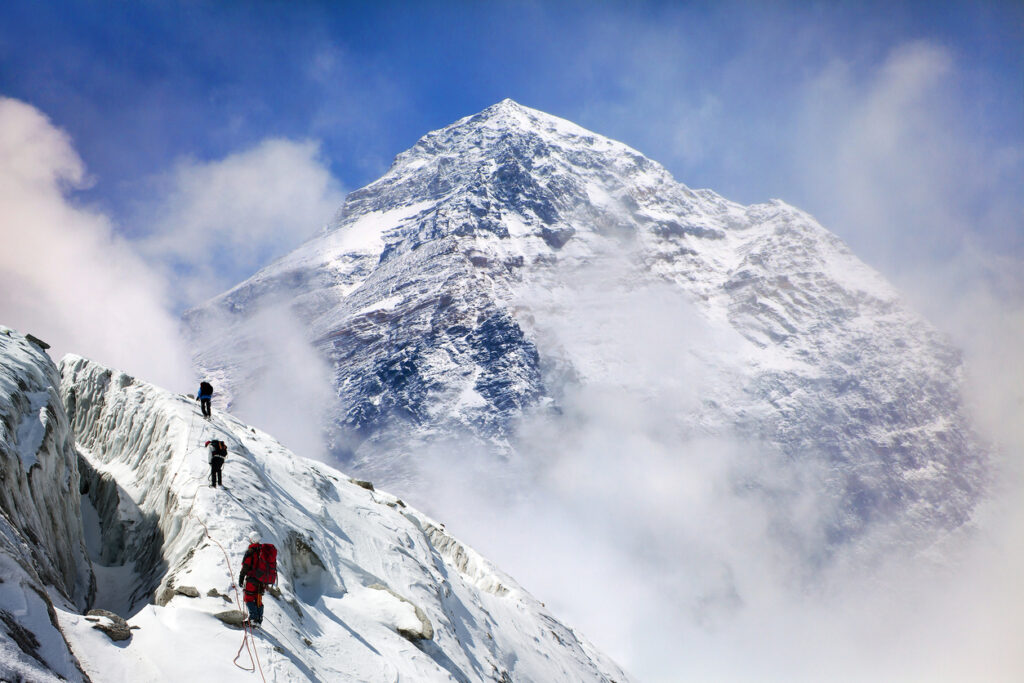
All tour operators must now be government-registered and follow strict environmental and ethical guidelines. Fly-by-night companies and unlicensed expeditions are being pushed out of the scene. This means better safety, fairer pay for porters, and less chance of getting scammed—but it also makes last-minute, casual bookings harder. There’s more paperwork, more rules, and fewer shortcuts.
8. Lukla flights are being phased out for some.
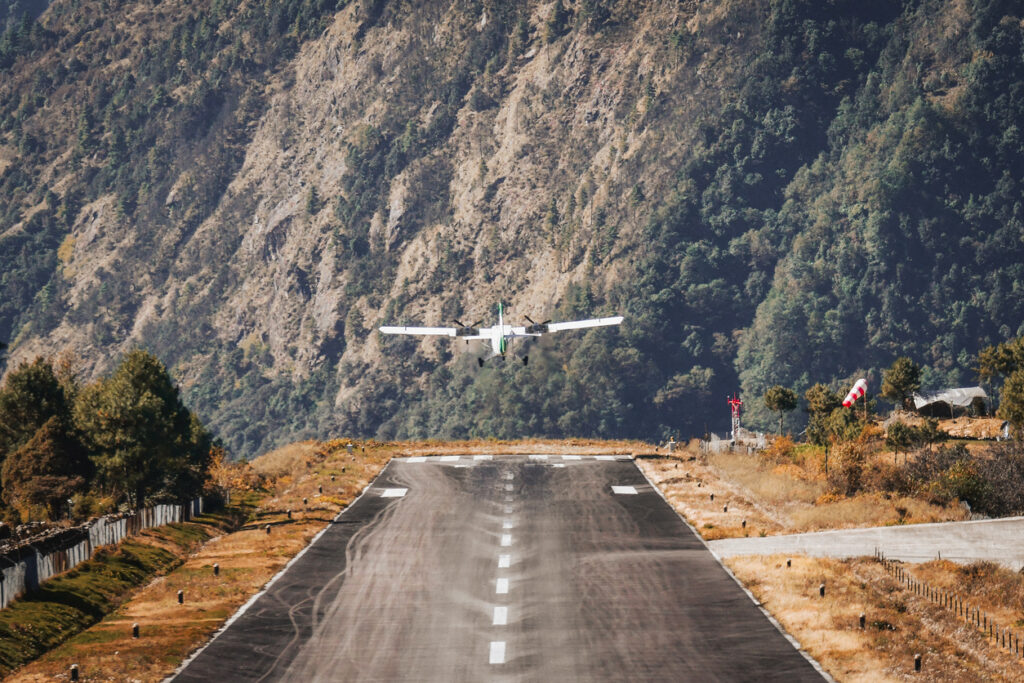
Flights to Lukla, the gateway to Everest, are now being replaced with ground routes or limited to certain groups, depending on weather and permit type. The busier the season, the harder it gets to grab a flight in or out. This means longer treks in and out of the region, which can add up to six days of walking on either end. Good for acclimatisation, sure, but less ideal for tight holiday windows or tired knees.
9. Weather windows are tightening.
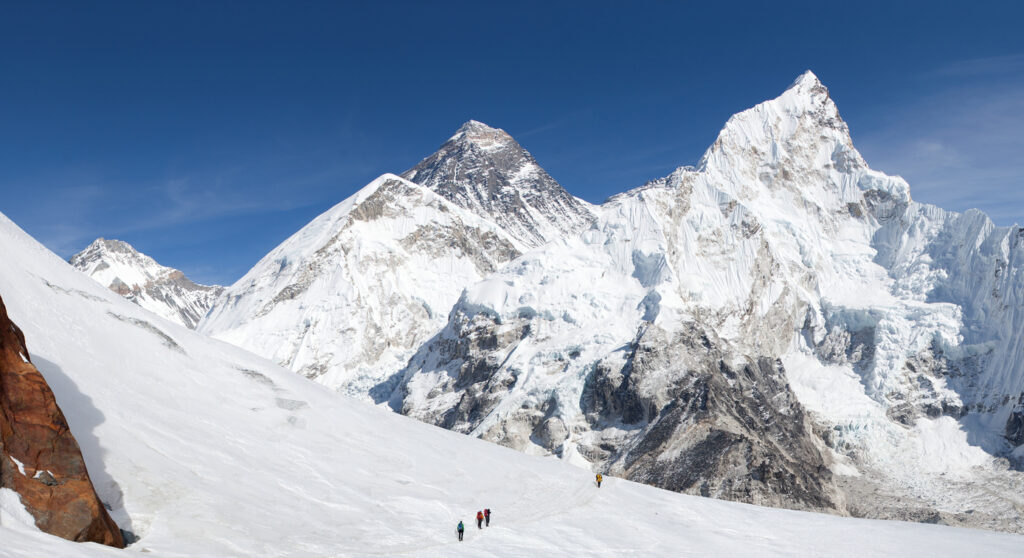
Thanks to climate change, the clear windows for summit attempts are becoming shorter and less predictable. That leads to congestion on the mountain, as climbers scramble to summit in the same narrow timeframe. More people in fewer days equals longer queues, higher risks, and greater stress. Some summits now look like airport check-ins at 8,000 metres, with deadly consequences if things go wrong.
10. Insurance is more expensive, and more necessary.
With risk levels rising and regulations tightening, travel and rescue insurance costs are going up. Some companies are even refusing to insure Everest climbs altogether. If you’re heading to Base Camp or higher, you’ll now need more detailed coverage—and likely have to prove it. That’s another layer of admin and cost, but skipping it could cost you far more.
11. The Sherpa community is pushing back.
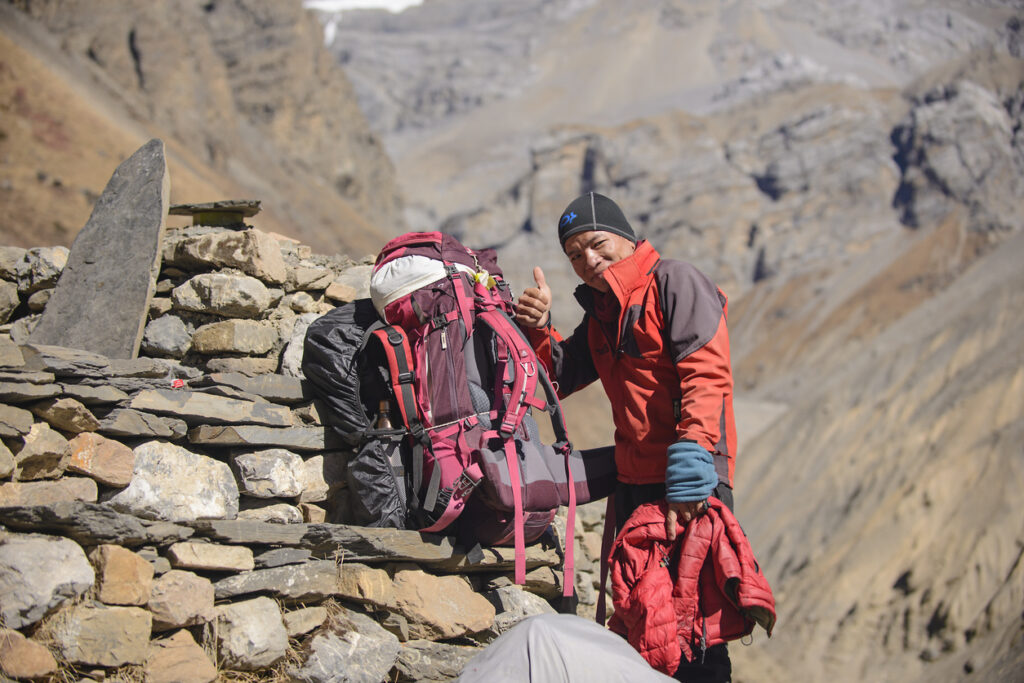
With record ascents and growing tourist traffic, many in the Sherpa community are speaking out about cultural disrespect, unfair pay, and environmental damage. They’re demanding change, and finally being heard. Expect more advocacy, walkouts, and tighter controls on how climbers interact with local communities. For once, it’s not just about the mountain—it’s about respecting the people who’ve helped others survive it for generations.
12. You’ll need to trek more consciously.
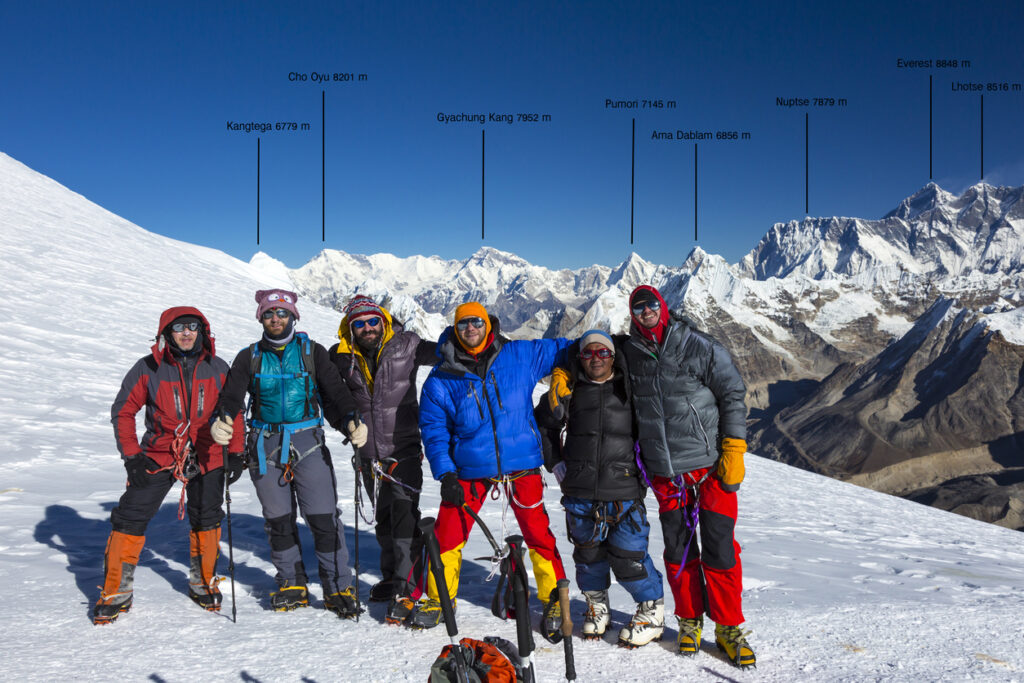
The fun part? Everest is still open to trekkers. But how you do it now matters more than ever. Using local guides, staying in teahouses, and trekking with ethical operators isn’t just a suggestion—it’s becoming the standard. If you want to experience the mountain without adding to its problems, you’ll need to make more thoughtful choices. Less comfort, maybe, but way more meaning.