We’ve long believed that humans domesticated dogs—that our ancestors saw value in wolves, slowly tamed them, and eventually ended up with a Labrador on the sofa.
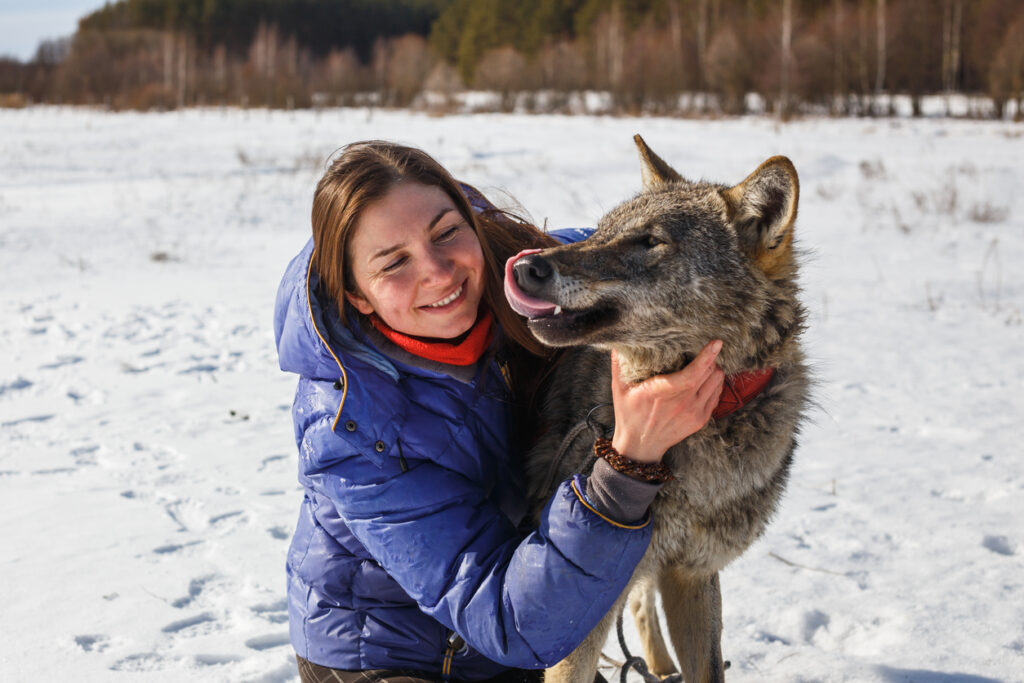
However, new research suggests the story might’ve started the other way around. What if dogs, or more accurately, ancient wolves, were the ones who made the first move? Turns out, the history of our bond with dogs could be far less about human control—and far more mutual than we thought. Here’s what the science is now starting to say.
1. The “friendly wolf” theory is gaining ground.
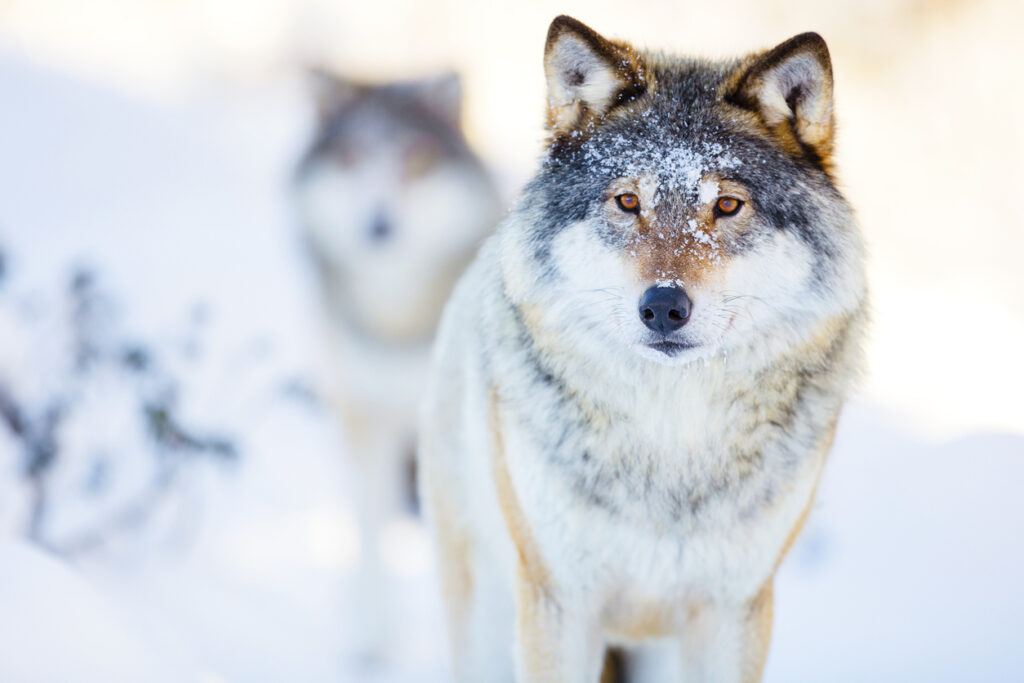
Instead of us hunting wolves down and training them to behave, researchers are now leaning toward a different idea: some wolves may have naturally gravitated toward humans. Not for love—at least not at first—but for leftovers. Early humans were messy eaters, and wolves that were less aggressive might’ve figured out it was easier to scavenge than hunt.
This group of bolder, friendlier wolves would’ve had better access to food, survived longer, and eventually started living closer to human settlements. Over generations, that friendliness became a genetic advantage—and from there, natural selection did its thing.
2. It wasn’t about training—it was about trust.
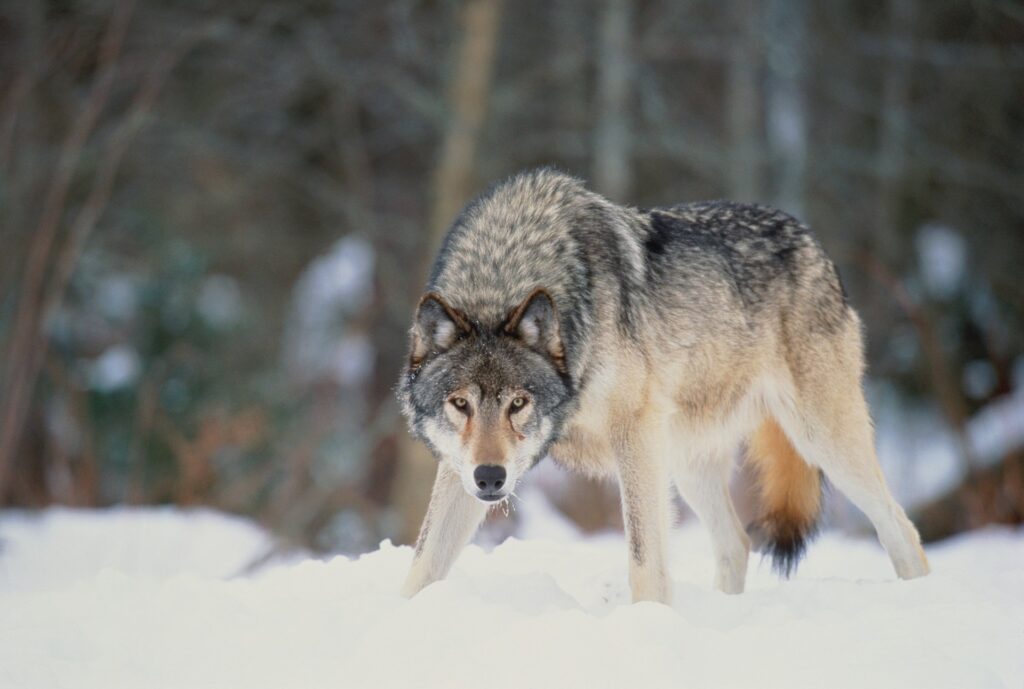
The idea of early humans “training” wolves into submission is starting to feel a bit outdated. It’s more likely that the early connection was based on tolerance and cautious coexistence, not obedience. Wolves that were less fearful or aggressive toward humans might’ve gradually been allowed to hang around. As time went on, both species learned they could benefit from one another’s presence, without trying to dominate the relationship.
3. Ancient wolves might’ve selected us.
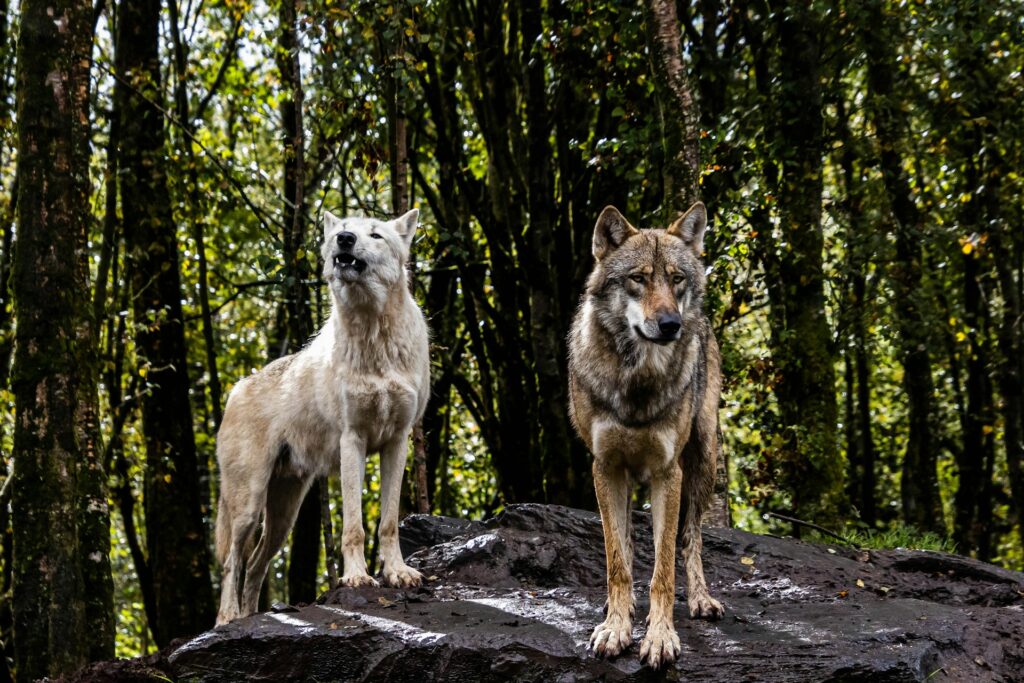
Some studies now point to the idea that wolves didn’t just drift toward humans accidentally. They may have actively chosen us—picking the calmest, least threatening groups to shadow and linger near. In a way, they were doing their own version of domestication. The ones who could read human moods, who knew how to avoid causing alarm, and who understood where to be at the right time? Those wolves thrived.
4. Genetics show a split that favoured friendliness
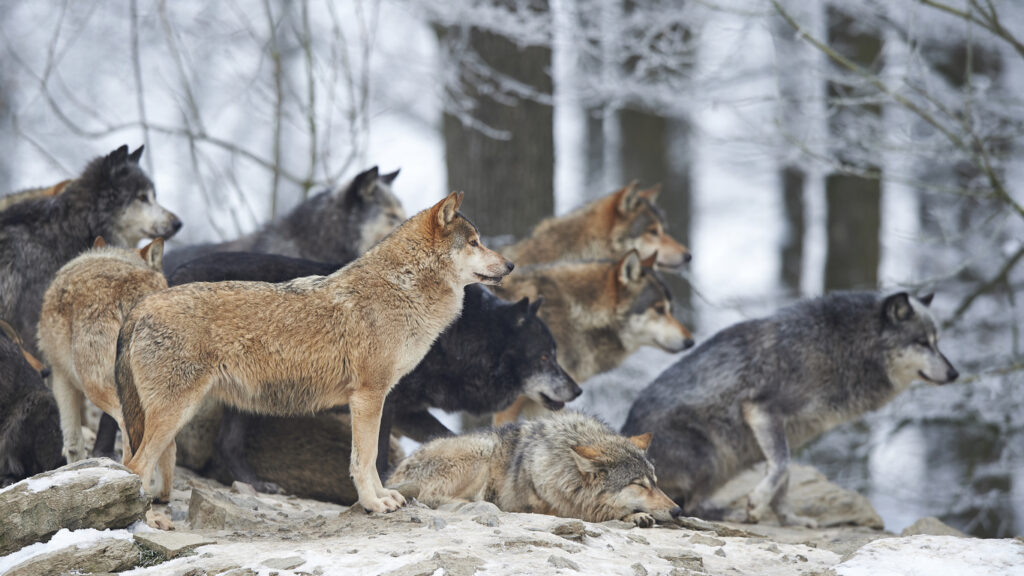
When scientists look at ancient DNA, they’ve found that dogs started diverging from wolves thousands of years ago—but not in a sudden, single event. It was a slow burn, and the biggest shift wasn’t in physical traits—it was in behaviour. Genes linked to sociability and reduced fear response appear again and again in the early domesticated dog lineage. This suggests that friendliness, not fierceness, was the evolutionary edge, and that it likely started on the canine side.
5. Dogs developed a special skill humans respond to.
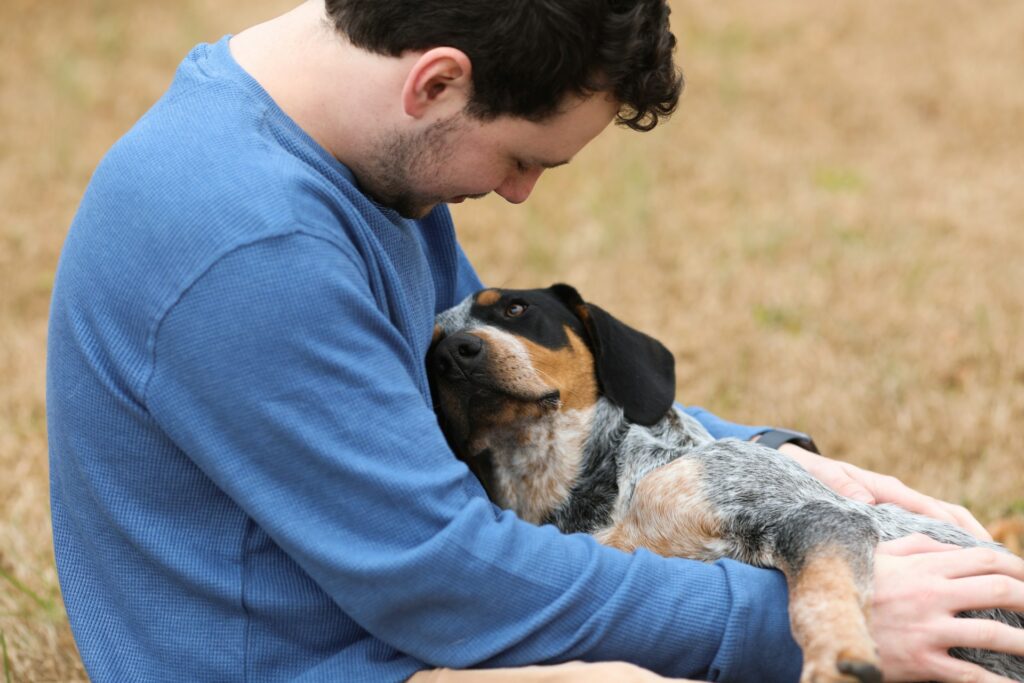
One thing dogs can do that even chimps struggle with? Reading human gestures. Dogs have an almost spooky ability to follow our gaze, understand pointing, and pick up emotional tones in our voice. This didn’t just appear out of nowhere—it likely evolved from wolves who were already good at interpreting us. Dogs that could understand humans better got closer and got fed. It wasn’t training—it was mutual reading of cues.
6. The bond might be older than farming.
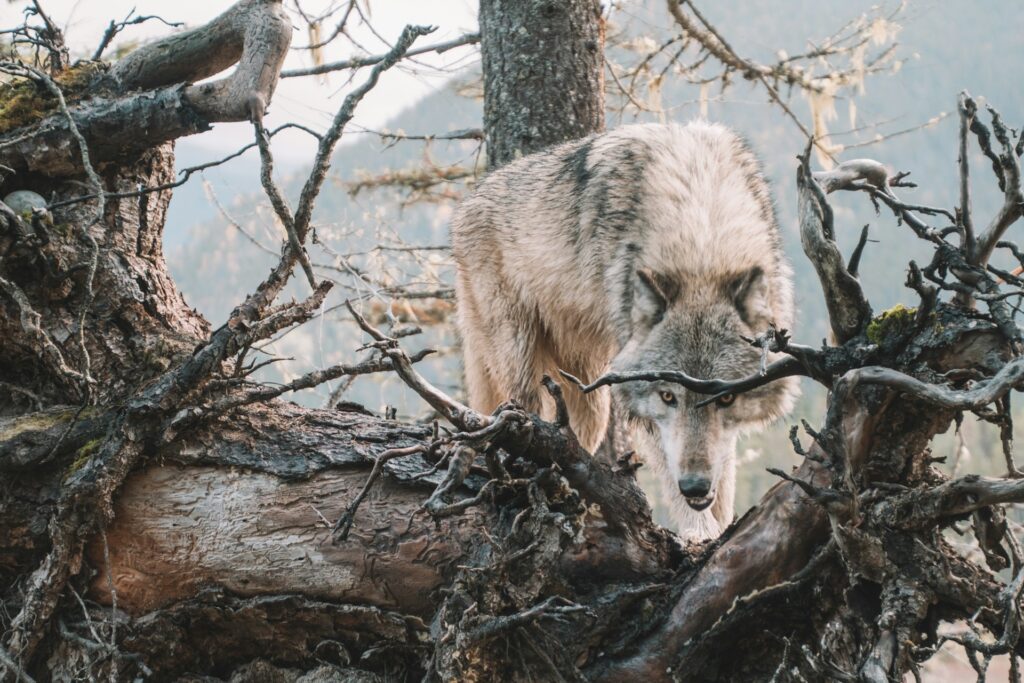
For a long time, the theory was that dogs came along with agriculture. However, archaeological finds now suggest dogs may have lived alongside humans during the hunter-gatherer era, long before farming communities were a thing. That means dogs didn’t come to serve a practical purpose—they came for the connection. Long before we had villages, fences, or even permanent homes, they were already there beside us.
7. Early dog burials show deep emotional ties.

Some of the oldest dog remains ever found were buried with care, curled beside humans, covered in ochre, or laid in their own grave pits. This wasn’t disposal. This was ritual, and likely love. One of the most famous examples comes from Bonn-Oberkassel, Germany, where a dog was buried with two humans over 14,000 years ago. That dog had been nursed through illness before its death. These weren’t just working animals. They were part of the family.
8. Modern dogs still show signs of choosing us.
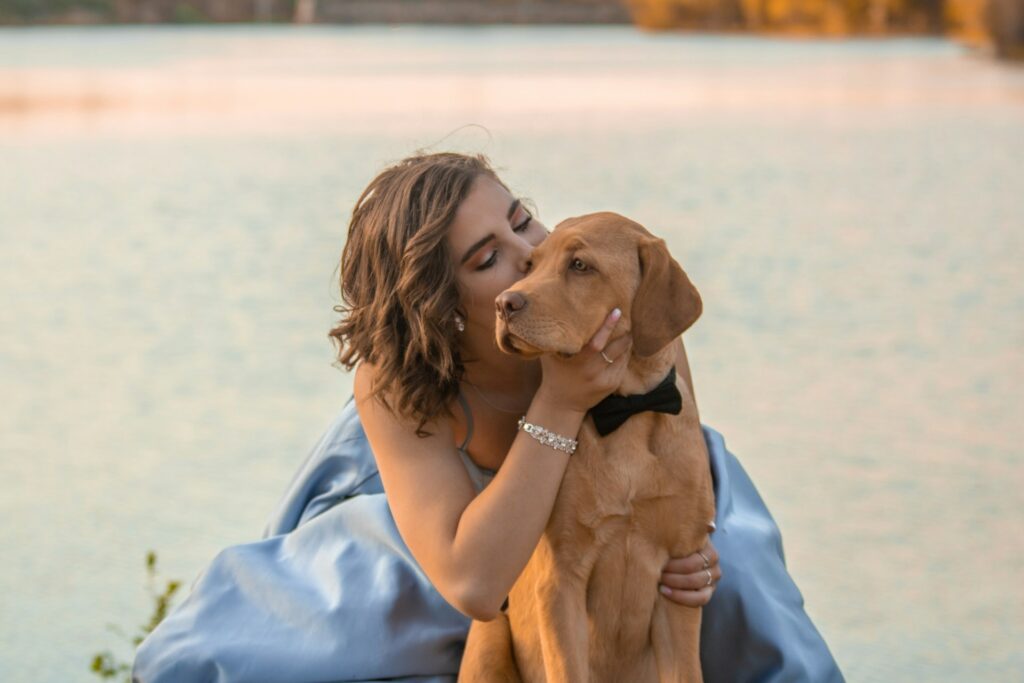
Today’s dogs aren’t just loyal because we feed them. Studies show that dogs actually seek out human comfort and connection over food in many situations. They look to us when confused, follow our lead, and even mirror our emotions. That level of attachment doesn’t come from one-sided training. It comes from thousands of years of shared experience—of dogs not just being owned, but actively choosing to stick around.
9. The evolution of tail wagging and eye contact.

Dogs developed certain behaviours specifically for us. Tail wagging, soft eye contact, and even certain vocalisations are believed to be directed more toward humans than other dogs. Wolves don’t make the same puppy-like gestures. But dogs have leaned into traits that trigger our protective instincts and emotional bonding. It’s like they’ve been fine-tuning their behaviour to keep us close.
10. Maybe they never needed to be tamed.
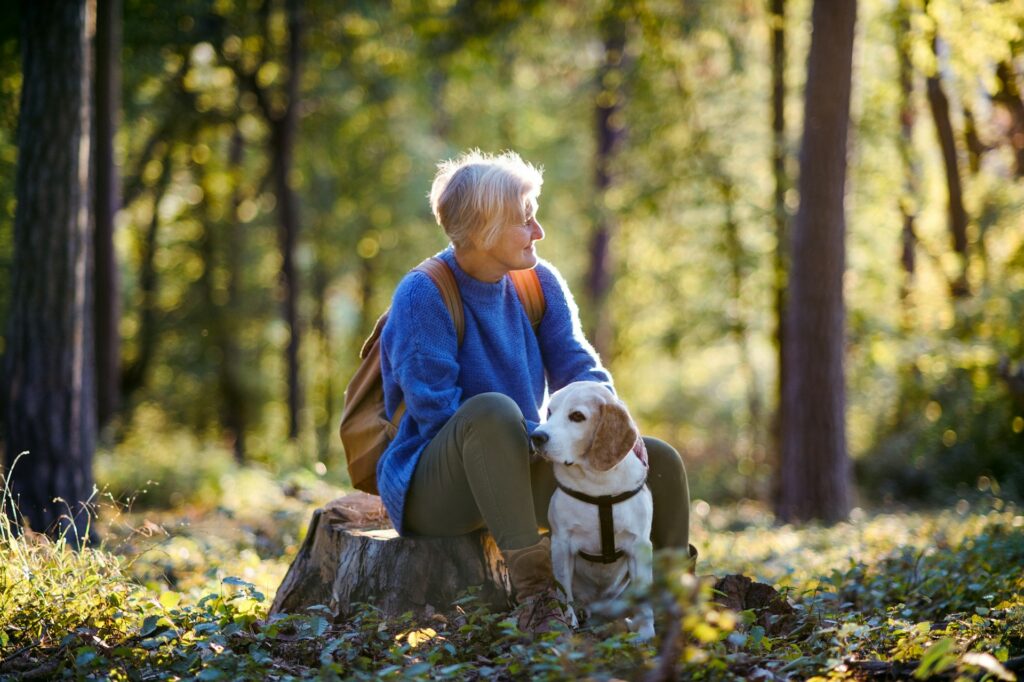
The old story says we tamed wolves, but the new one? It says some wolves never needed taming in the first place. They were already gentle, curious, and brave enough to try something different. Those wolves weren’t broken—they were brilliant. And if they did choose us first, then we’ve got a lot more to thank them for than just loyalty. We didn’t just shape dogs. They shaped us, too.