Snow leopards are incredibly hard to track.
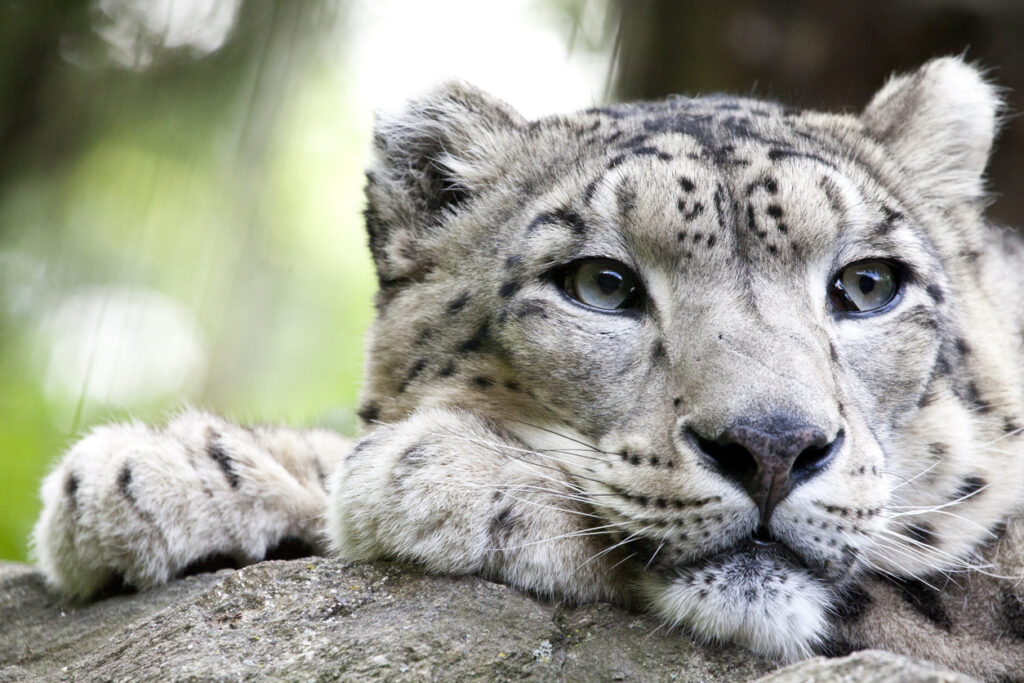
They live in vast, mountainous terrain, avoid humans, and blend into rocky landscapes so well they’re nicknamed “ghosts of the mountains.” But as their habitats shrink and threats grow, conservationists are now turning to a surprising tool: AI. More specifically, large language models and other data-driven tools that can read, sort, and learn from patterns far faster than any human. The idea isn’t that AI will save snow leopards singlehandedly, but it could become an unlikely ally. Here’s how AI-generated text and related tech are starting to help keep snow leopards from vanishing.
1. AI analyses field notes faster than scientists can.
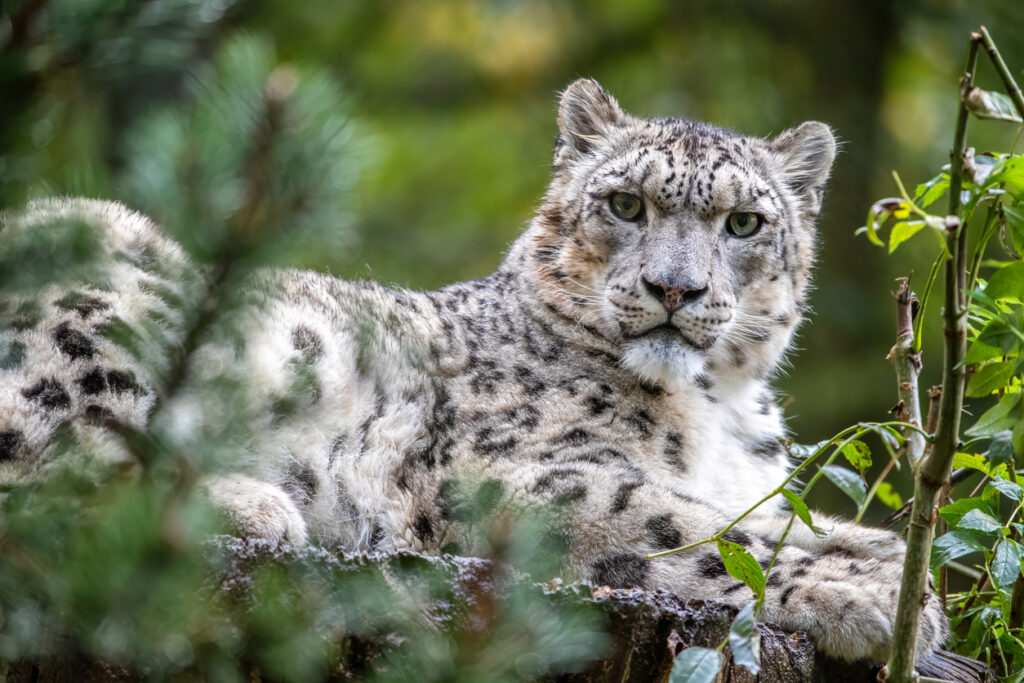
Researchers gather thousands of field notes and reports from tracking teams, rangers, and camera traps. Manually combing through them all takes forever, but AI can scan and summarise key insights in seconds. It means trends—like unusual leopard movements or sudden habitat changes—can be flagged almost instantly. That helps scientists respond faster and plan better before small issues spiral into major problems.
2. It spots patterns in poaching data.
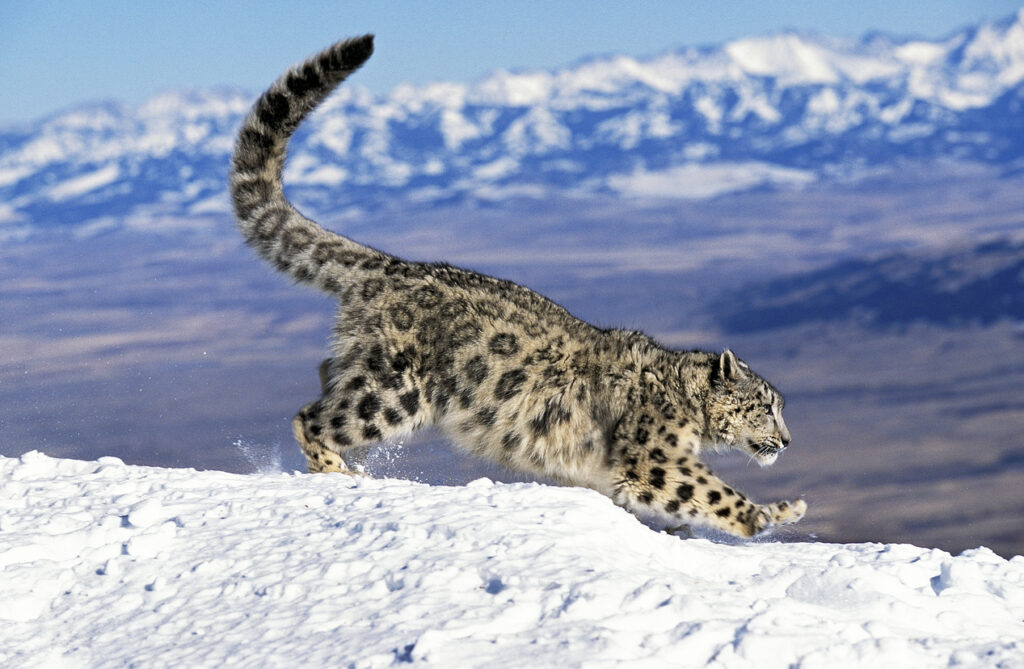
Illegal poaching still threatens snow leopards, but the data around it is often messy. Reports come in from different regions, in different languages, with different formats. It’s easy to miss links between cases. AI can connect the dots, identifying areas with repeated incidents, potential trafficking routes, or suspicious activity clusters. This gives authorities a better shot at stopping poachers before it’s too late.
3. It translates local reports in real time.

Snow leopards live in 12 countries, and much of the most important info comes from locals reporting sightings or concerns. The problem is that translation barriers slow everything down, and important details can get lost. AI-powered translation tools now make it easier to process these reports in real time, turning them into usable conservation data quickly and without needing a whole team of translators on standby.
4. It turns camera trap images into readable data.

Conservationists use thousands of camera traps in snow leopard habitats, but sorting through the images is incredibly time-consuming. Many contain nothing at all—just wind, rocks, or snow. AI image-recognition tools can now scan these photos, pick out which ones contain animals, and even tell whether it’s a snow leopard or another species. That frees up human time and speeds up identification.
5. AI can help model future population changes.

Using historic trends, weather data, and habitat maps, AI can help predict how snow leopard populations might change over time, based on things like climate change or new development projects. This gives conservation teams a glimpse into the future, so they can act now to protect key areas or prepare for risks, instead of scrambling after the damage is done.
6. It generates summaries for policymakers.

Policymakers often don’t have the time or expertise to sift through dense conservation reports. That’s where AI text tools step in, summarising long documents into clear, accessible insights. That makes it easier to get funding, enforce protections, or push for better legislation. Because the clearer the message, the harder it is for governments to ignore it.
7. It creates educational content in remote regions.
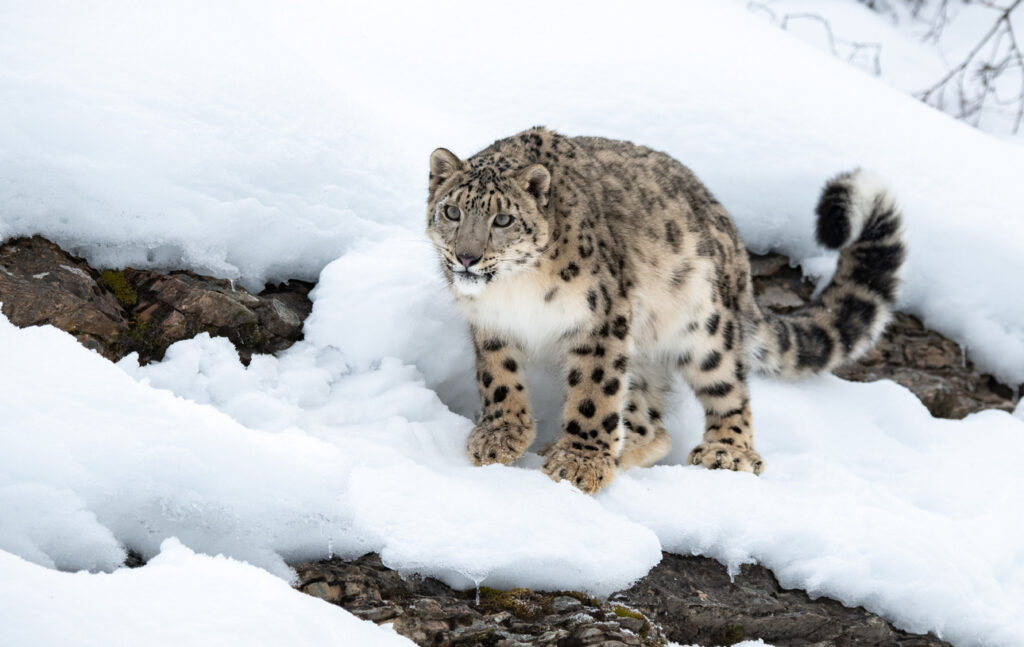
AI tools can also help generate content for schools and outreach teams in areas where snow leopards live. That includes lesson plans, posters, or awareness campaigns—in local languages and cultural contexts. This kind of education can go a long way in helping communities understand why protecting snow leopards matters, especially when conservation sometimes feels like it’s in conflict with everyday survival.
8. It can monitor social media for illegal wildlife trade.
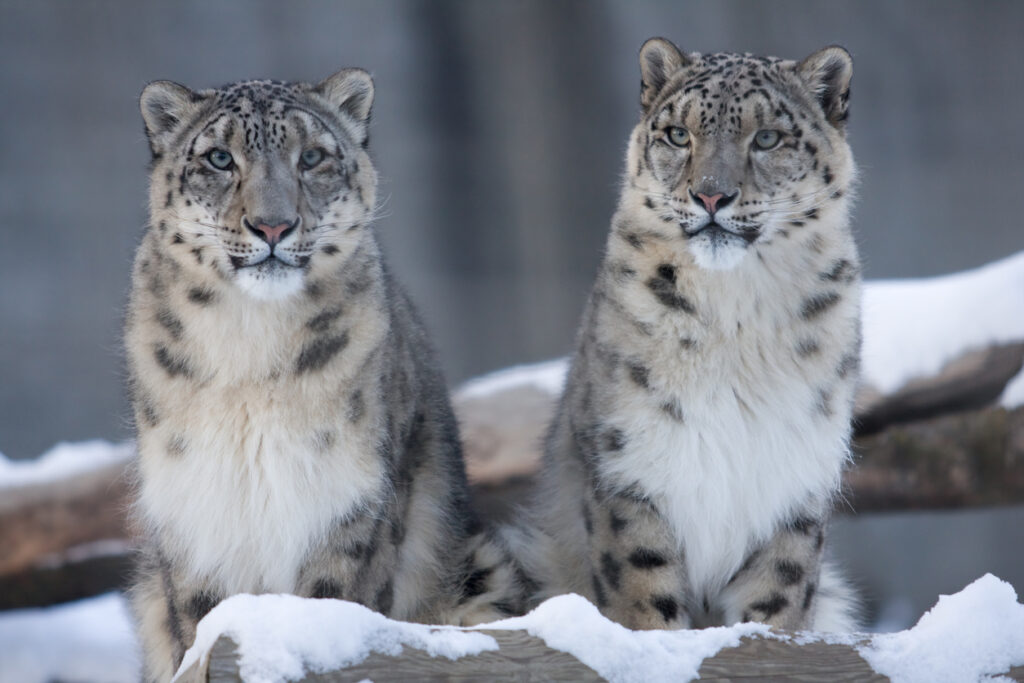
Some traffickers operate in plain sight—using social media and online marketplaces to sell illegal wildlife products. However, the code words and slang change constantly, making it hard to keep up. AI tools trained on language models can track these shifting phrases, helping conservationists and law enforcement spot trends or sellers they’d otherwise miss.
9. It supports grant writing and funding proposals.

Small conservation groups often struggle with paperwork—writing detailed, compelling proposals to get the money they need. It takes time, effort, and usually someone who knows how to write well. AI can help draft or improve funding applications by turning raw data and goals into clear, well-structured text. That could mean more successful applications—and more money going toward snow leopard survival.
10. It makes data accessible to everyday people.

Lots of snow leopard research sits behind paywalls or is written in highly technical language. AI summarisation tools can help turn that into plain-language content for blogs, podcasts, and everyday readers. That opens the door for more people to care. When the story of the snow leopard becomes easier to tell and understand, it becomes easier to rally support worldwide.
11. It encourages collaboration across borders.
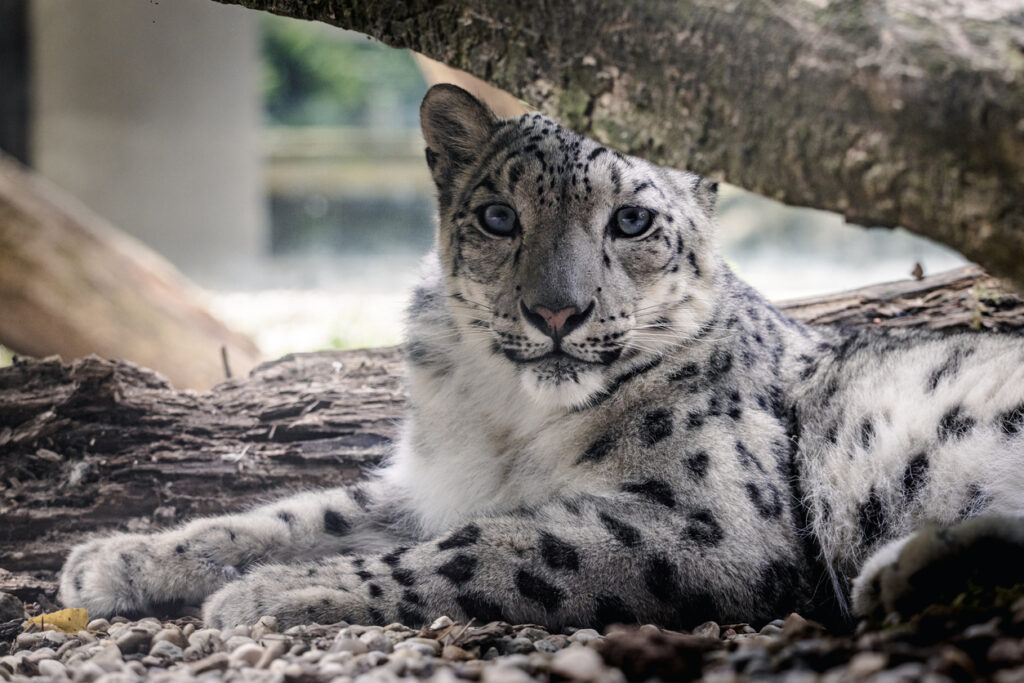
Snow leopards don’t care about borders, but conservation efforts still get divided by national interests and red tape. AI can help streamline international collaboration by helping teams share data, translate updates, and sync strategies. Instead of each country working in its own bubble, AI helps everyone stay on the same page—because saving a species this elusive takes teamwork on a global scale.
12. AI gives snow leopards a digital voice.

AI doesn’t replace fieldwork—but it can give the data we already have a louder voice. From shaping headlines to influencing policy, text tools can help tell the story of the snow leopard in ways that connect with people emotionally and practically. In a world where attention is short and empathy gets stretched thin, that kind of storytelling could be one of the most powerful conservation tools we’ve got.