Tortoises might look like chilled-out little tanks, but they’re more sensitive than people realise.

While they don’t show stress in obvious ways like dogs or cats, a stressed tortoise can stop eating, become sluggish, or get sick. And often, it’s not the big stuff that throws them off—it’s the little, everyday things. If you want your shelled friend to live a long, relaxed life, here’s how to keep them calm and thriving without turning their care into a complicated routine.
1. Don’t mess with their routine too much.
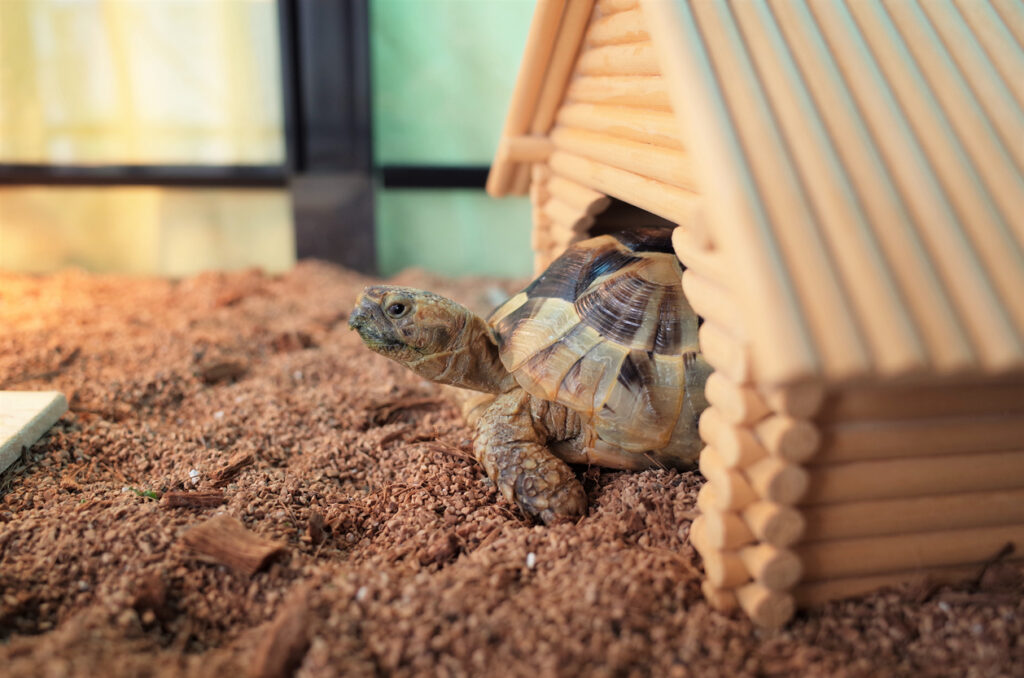
Tortoises are creatures of habit. They love structure and consistency, and they thrive when their daily rhythm stays the same. Feeding time, lighting hours, even their outdoor strolls—they like it all to follow a pattern. If their routine gets thrown off too often, it can stress them out. Stick to a regular light cycle, feed them at roughly the same time each day, and avoid sudden changes in environment unless necessary. Predictability keeps them feeling secure.
2. Keep their enclosure layout familiar.
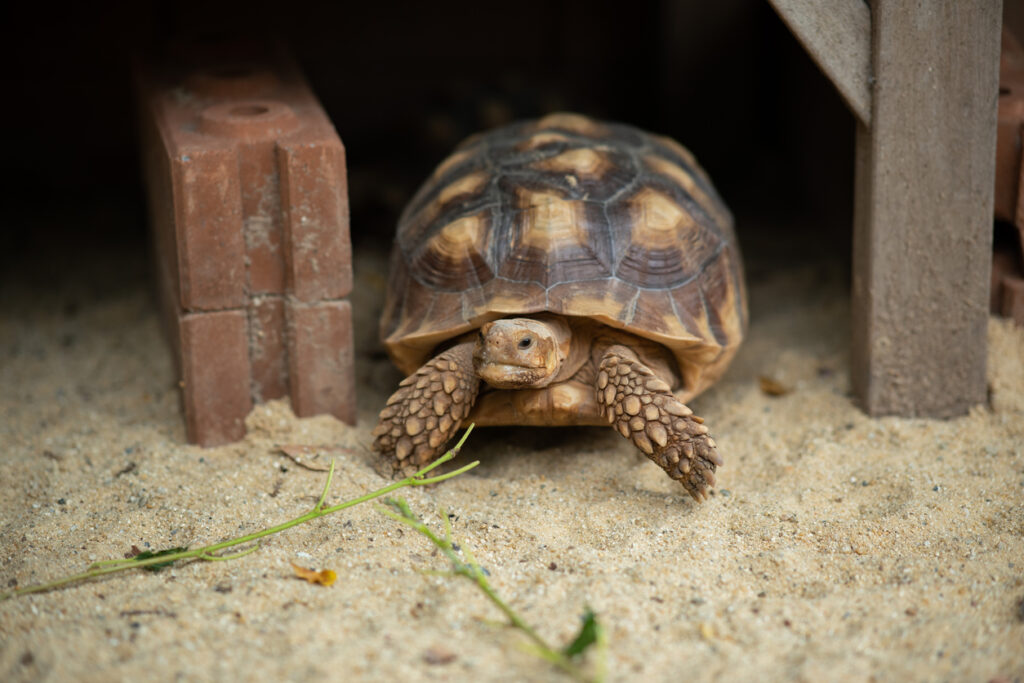
It might be tempting to redecorate their tank or outdoor pen, but frequent changes to their setup can make a tortoise feel lost and unsettled. They rely on landmarks to navigate and feel safe. If you need to clean or upgrade something, try to keep most of the layout the same—same hide spots, same water dish position, same basking area. Familiar surroundings help lower anxiety and keep them active.
3. Don’t over-handle them.
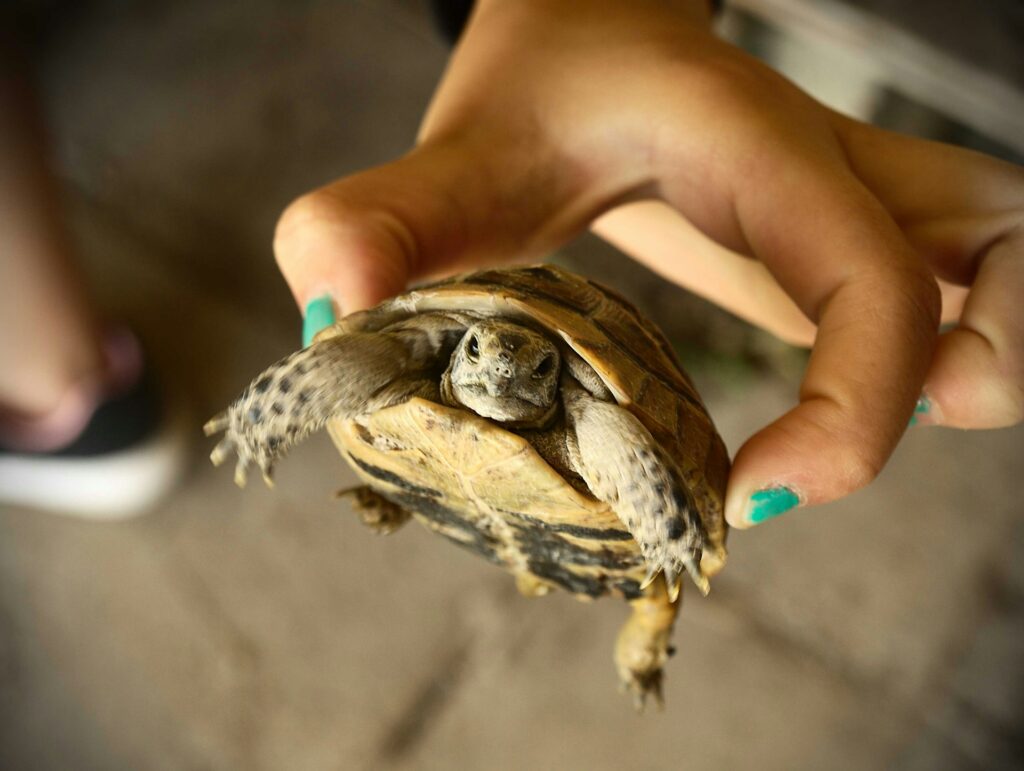
Unlike dogs, tortoises aren’t big fans of being picked up or cuddled. Most of the time, they tolerate it at best. Constant handling can feel like a predator’s grabbing them—and that’s stressful. Limit handling to when it’s necessary, like moving them for cleaning or health checks. If you do pick them up, be gentle, calm, and slow. They’re not toys—they’re more like slow-moving introverts who like their space.
4. Get their temperature spot on.
Too hot or too cold, and a tortoise gets stressed pretty quickly. They need a warm basking area to digest properly, and a cooler area to retreat to when they’ve had enough sun. Make sure your setup has a proper temperature gradient. A basking spot around 30–32 °C and a cooler end around 20 °C is usually about right (depending on species). No guesswork—use a thermometer to be sure.
5. Offer hiding spots.
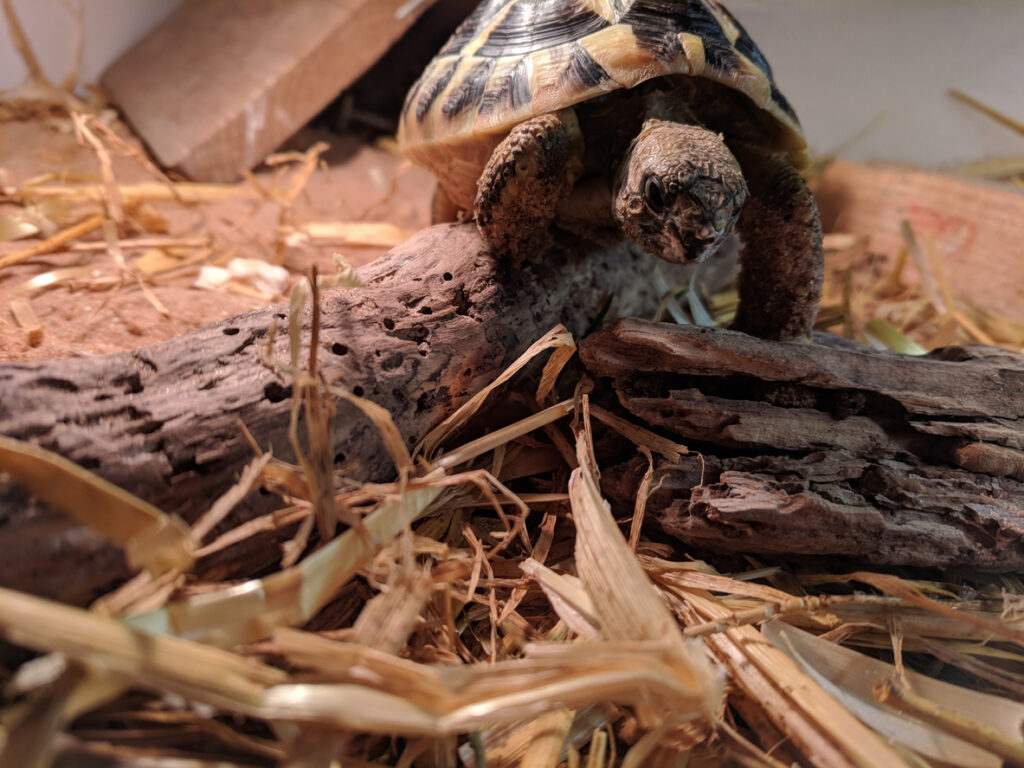
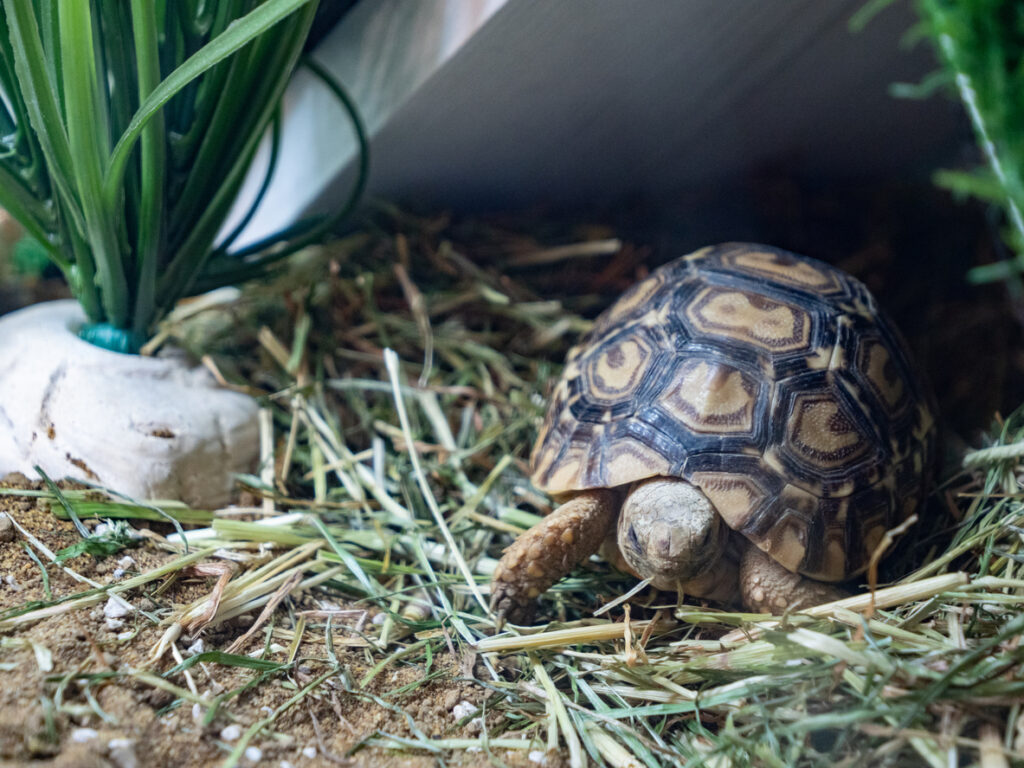
Tortoises need to feel safe, and having places to hide is part of that. Whether it’s a pile of rocks, a plant pot laid on its side, or a proper tortoise hide, they’ll appreciate somewhere to tuck themselves away. Without that shelter, they can feel exposed—especially if they live in a busy household. Hiding isn’t a sign of something wrong; it’s just how they decompress. Let them have their alone time.
6. Don’t blast them with noise.
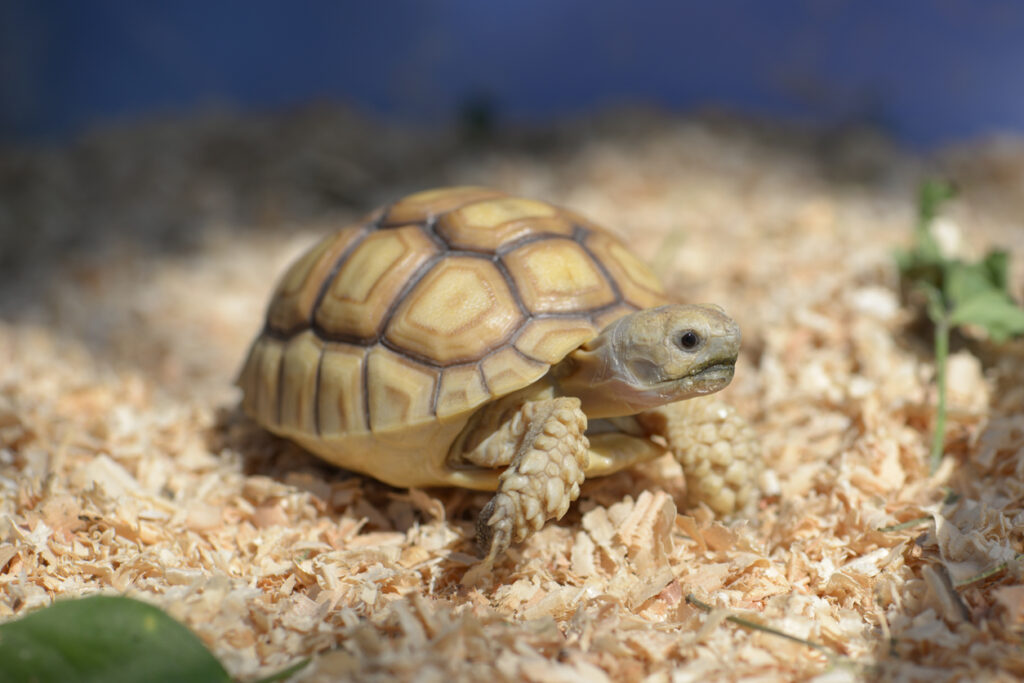
Loud music, barking dogs, or a constant buzz of human activity can stress a tortoise out. They’re not deaf to the world—they feel vibrations and hear low-frequency noise pretty well. Keep their enclosure somewhere quieter if possible. A peaceful corner with minimal foot traffic and no blaring sounds gives them a better chance to settle in and feel safe.
7. Watch your feeding habits.
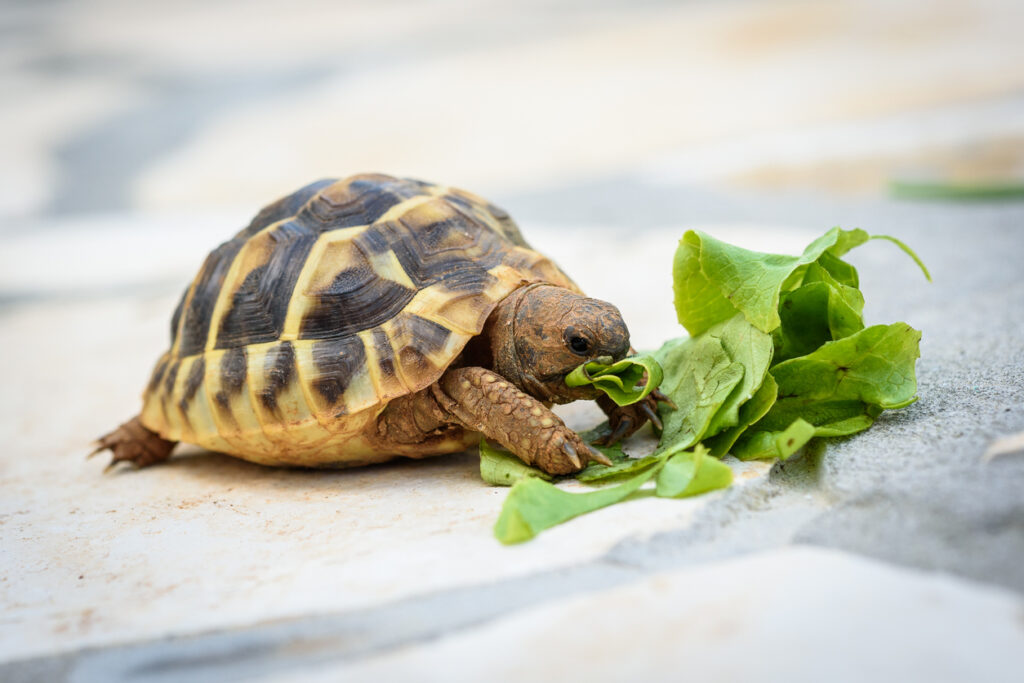
Tortoises are grazers by nature. They’re not meant to eat huge meals all at once or be given too many sugary fruits. If their diet’s off, their digestive system gets sluggish, and that makes them uncomfortable fast. Stick to mostly leafy greens and occasional veggies, and only offer fruit as an occasional treat (if their species allows it). Feed them in small, manageable portions and avoid sudden diet changes that could throw their system off.
8. Provide proper UVB lighting.
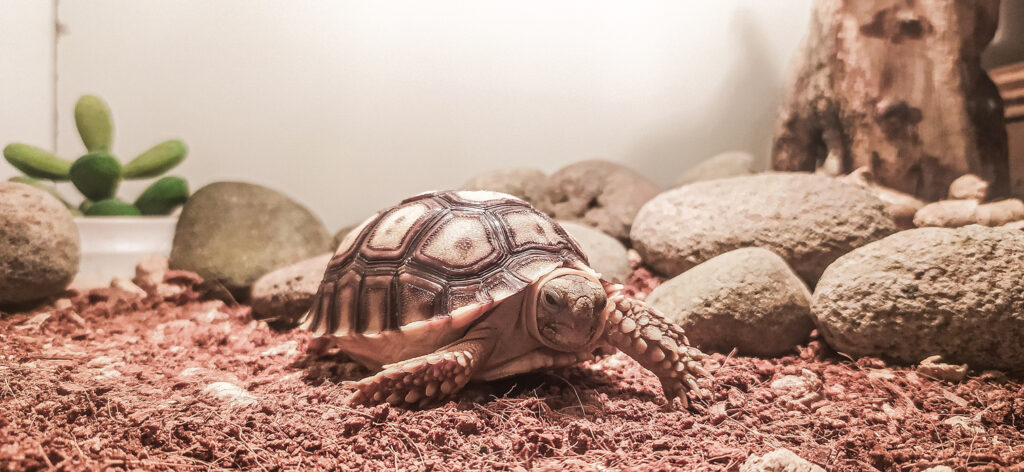
UVB light helps tortoises process calcium and build strong shells, but it also affects their overall well-being. Without it, they can become lethargic, weak, and stressed over time. Use a reliable UVB bulb, place it at the right distance, and replace it every 6–12 months depending on the type. If your tortoise is outside in natural sunlight regularly, even better, but if they’re indoors, UVB is non-negotiable.
9. Let them dig or burrow.
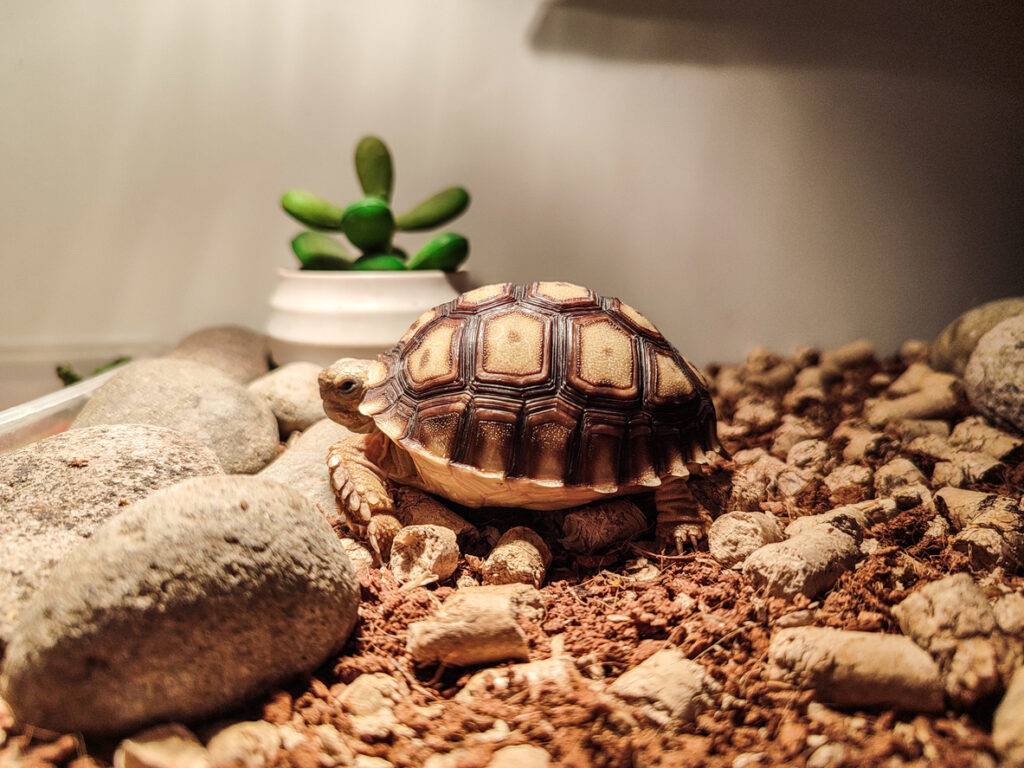
Many tortoise species love to dig—it’s instinctual, comforting, and helps them regulate temperature and stress. If they don’t have the chance to do that, it can leave them restless or anxious. Offer a deep substrate that’s safe for digging, like a mix of topsoil and play sand. Even better if they’ve got an outdoor area with proper earth they can dig into. It’s not just cute—it’s essential to their mental health.
10. Give them outdoor time when possible.
Natural light, fresh air, and room to roam—these are all things that help a tortoise feel like a tortoise. If your climate allows, create a secure outdoor pen where they can soak up sun and move at their own pace. Even a few hours a day can boost their mood and health. Just make sure it’s escape-proof, shaded in spots, and safe from predators like cats, dogs, or birds. Tortoises are small, but they’re surprisingly determined wanderers.
11. Monitor them without hovering.
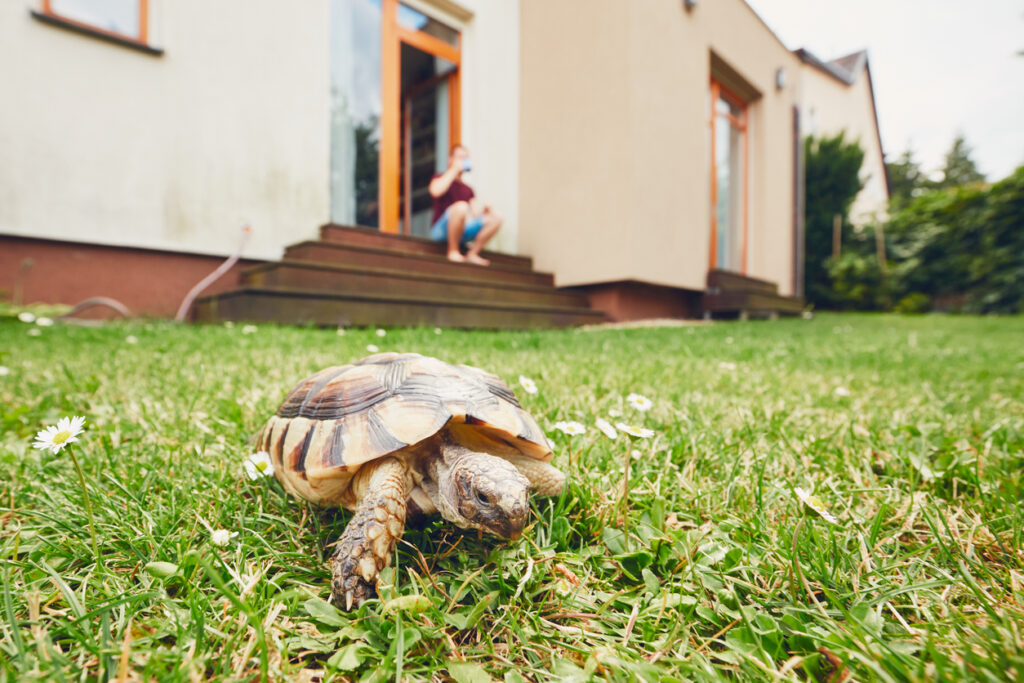
Keep an eye on your tortoise’s weight, energy, appetite, and poop—but do it casually. Don’t hover or check obsessively unless you’ve noticed a real change. They do best when they’re left to potter around in peace. If something does seem off—like they’re refusing food for days or hiding all the time—then it’s time to step in. But day to day, just watch from a distance and let them do their slow, quiet thing.
12. Respect their pace.
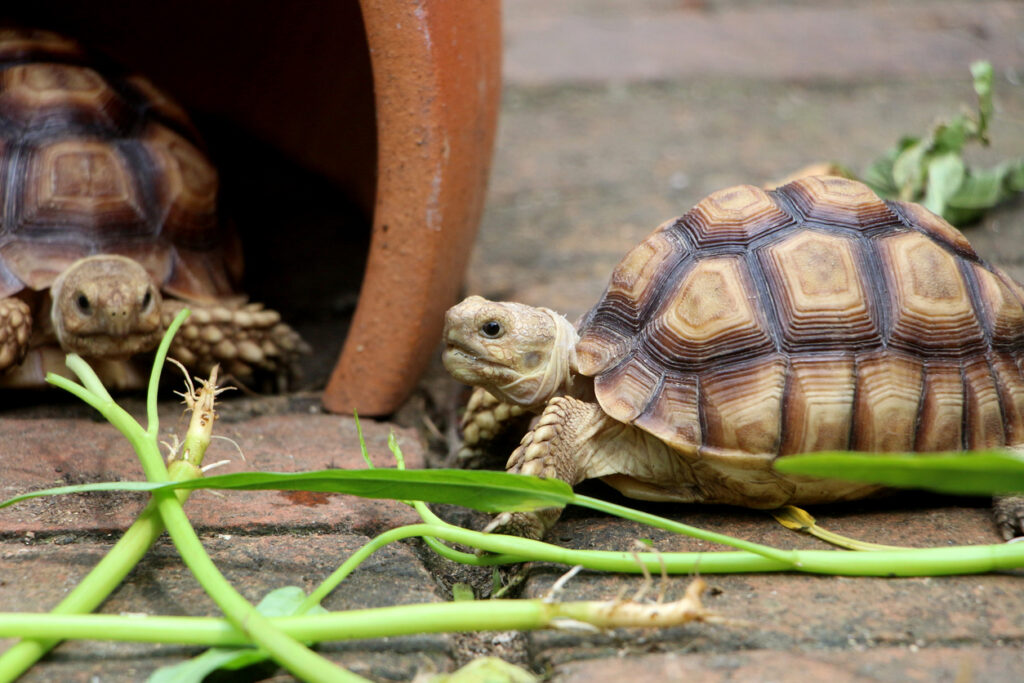
Above all, remember tortoises don’t live life fast. They warm up slowly, move slowly, and adjust slowly. Expecting them to react like a dog or a cat will only lead to frustration—for both of you. Give them time to settle into new spaces, build trust, and find their own rhythm. If you meet them on their level, with patience and calm, you’ll be rewarded with a low-key but deeply satisfying little friendship.