In the wild, the quest to find a partner often looks less like a romance and more like a fever dream.
While we’re used to the usual displays of strength or song, some species have evolved tactics that are genuinely bizarre, ranging from elaborate underwater construction projects to literal body-snatching. These rituals might look like total overkill to us, but in a world where the competition is fierce, and the stakes are life or death, being a bit of a weirdo is often the only way to ensure your genes actually make it to the next generation. It’s a reminder that when it comes to the survival of the species, there is no such thing as being too dramatic or too strange.
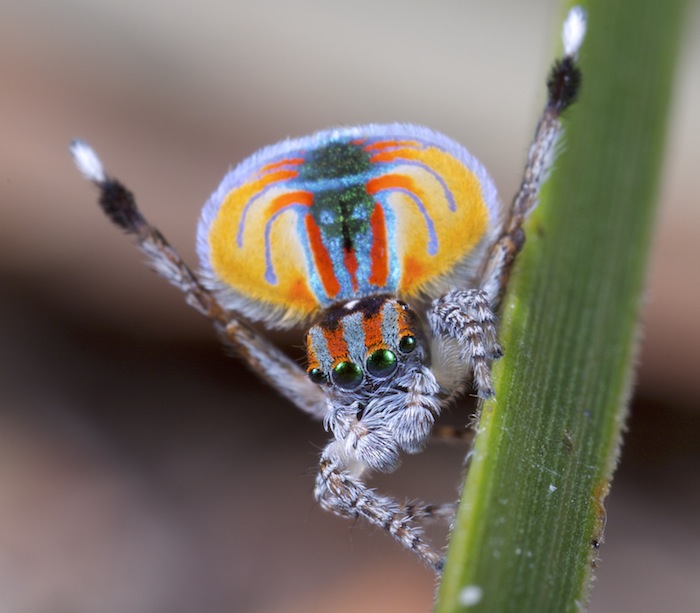
Peacock spiders do a full dance routine.
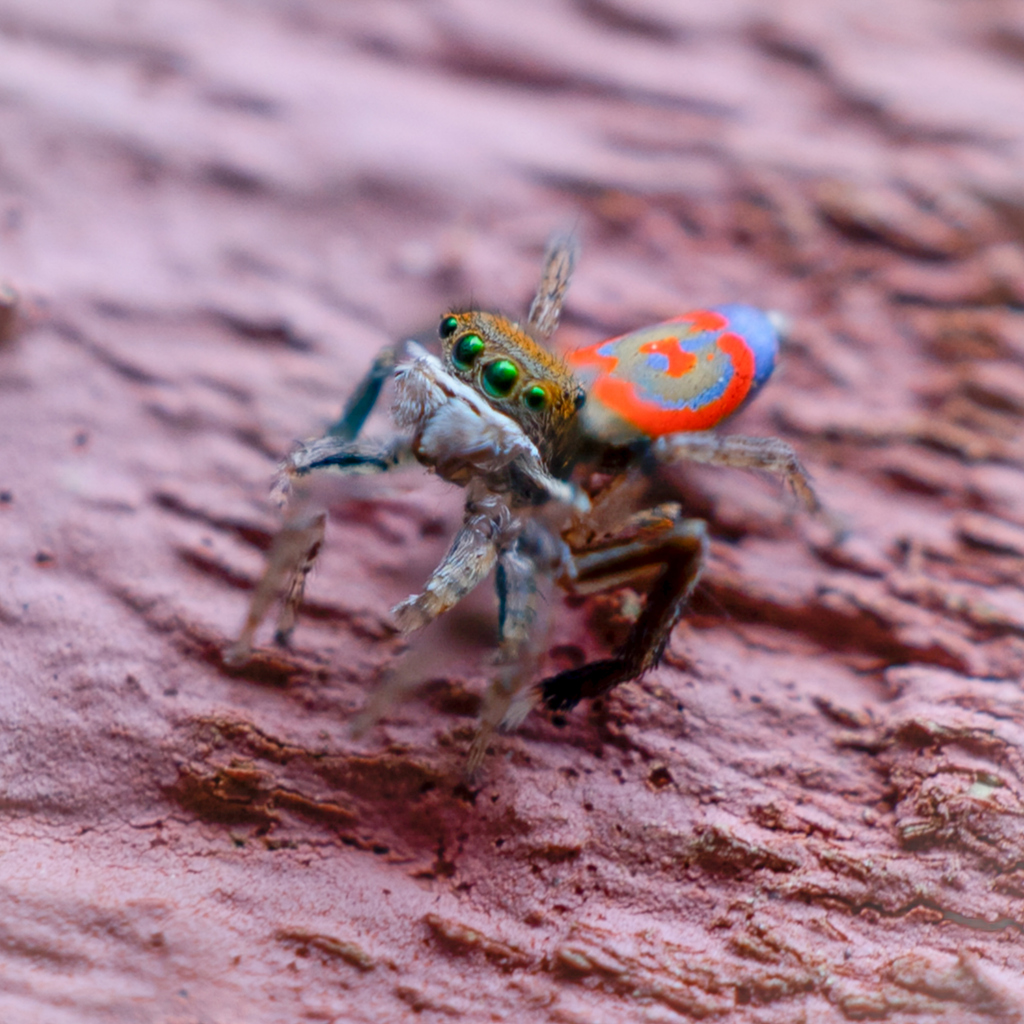
Male peacock spiders are tiny, colourful, and completely committed to performing an elaborate dance for potential mates that involves waving their legs, vibrating their abdomen, and flashing a bright fan of colours from their back. If the female isn’t impressed, she’ll eat him, so the stakes are about as high as they get. Scientists have identified dozens of different species, each with its own distinct routine, and some of them are genuinely more intricate than anything you’d expect from something the size of a fingernail.
Pufferfish build sand sculptures on the ocean floor.

Male white-spotted pufferfish spend weeks creating perfectly geometric circular patterns in the sand, working around the clock to get every ridge and groove exactly right. The structure can reach up to two metres across, and the male decorates the edges with shells and coral fragments to make it more attractive. Females swim over, inspect the work, and only mate with the ones whose construction meets whatever standard they’re applying, which effectively turns the whole process into an architectural competition.
Bowerbirds collect and arrange objects by colour.
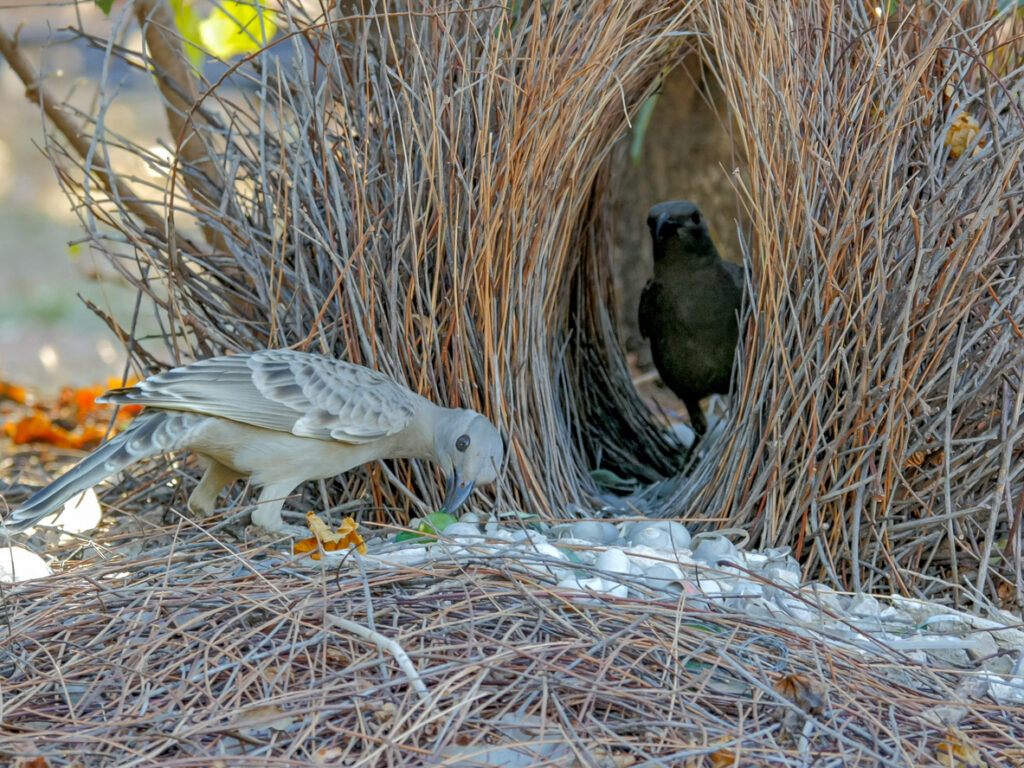
Male bowerbirds build elaborate structures called bowers and then fill them with objects sorted carefully by colour, with a strong preference for blue. They’ll steal from neighbouring bowers, rearrange displays obsessively, and even place objects at specific angles to create an optical illusion that makes the bower look larger than it is. The female walks through, assesses the whole setup, and makes her decision based entirely on the quality of the display rather than anything about the male himself.
Giraffes taste each other’s urine.

Male giraffes check whether females are ready to mate by nudging them until they urinate, then tasting it to assess their hormonal status. It’s not a subtle approach, but it works, and males will follow a female around repeatedly going through the same process until the timing is right. The behaviour is called the flehmen response and involves curling the upper lip to draw scents toward a specialised organ in the roof of the mouth, so there’s actual biological function behind something that looks completely bizarre.
Fireflies flash in species-specific codes.
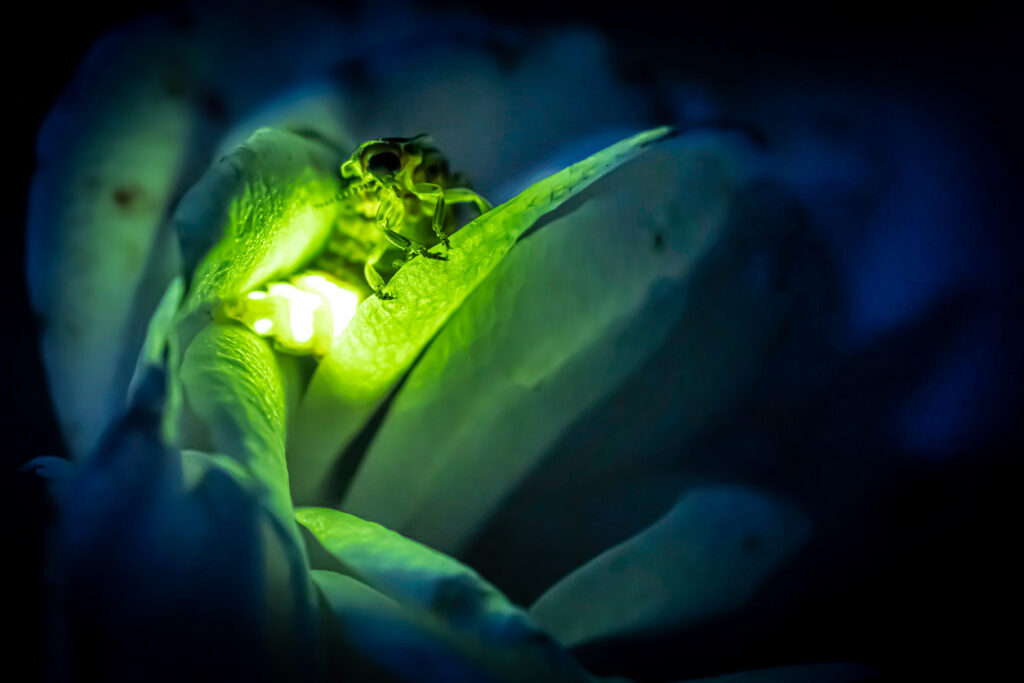
Different species of firefly have their own distinct flash patterns, and males use them to signal their presence to females hiding in the grass below. The timing, duration, and colour of each flash is unique to the species, and females respond with their own signal if they’re interested. Some predatory firefly species have learned to mimic the responses of other species to lure males in and eat them, which makes the whole flashing system significantly more dangerous than it looks on a warm summer night.
Humpback whales sing for hours.
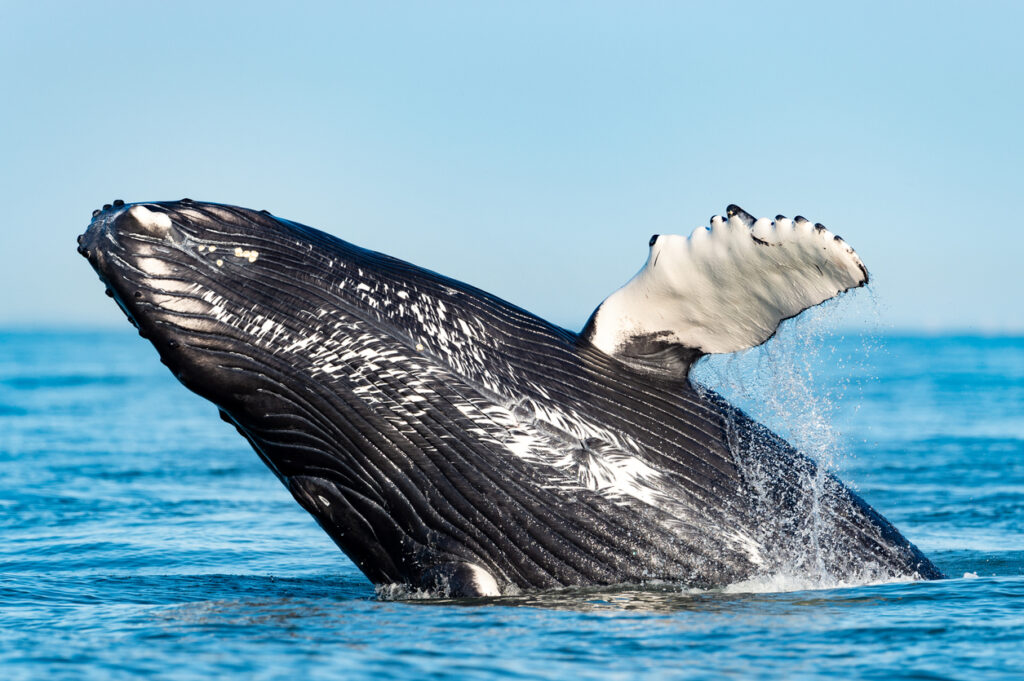
Male humpback whales produce some of the longest and most complex vocalisations in the animal kingdom, with songs that can last for hours and carry across hundreds of miles of ocean. Every male in a given population sings the same song, but it evolves continuously throughout the breeding season as individuals add new phrases and others copy them. Nobody is entirely sure whether the songs are aimed at females, rival males, or both, but the scale of the effort involved is genuinely hard to get your head around.
Red-capped manakins moonwalk.
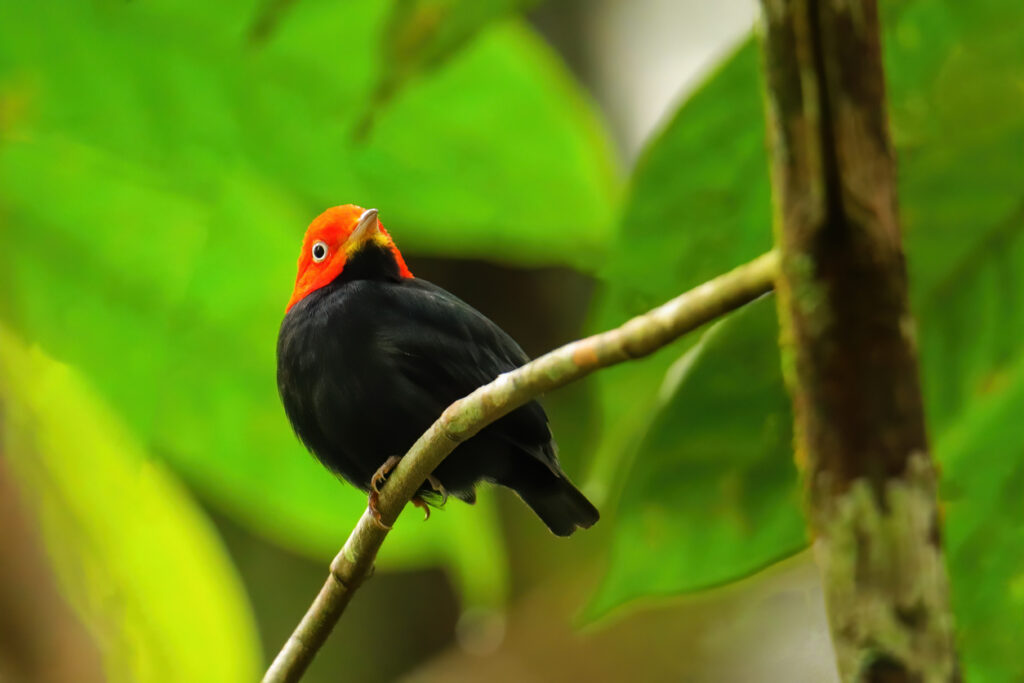
The male red-capped manakin performs a rapid moonwalk-style shuffle along a branch as part of its courtship display, moving its feet so fast that the movement is barely visible to the naked eye. It also snaps its wings together to produce a sharp cracking sound and puffs out its bright red cap feathers to maximise visual impact. The whole display is over in seconds, but females watch multiple males perform before making their choice, so the competition is intense and the pressure to get it right is constant.
Kakapos boom from hilltops all night.
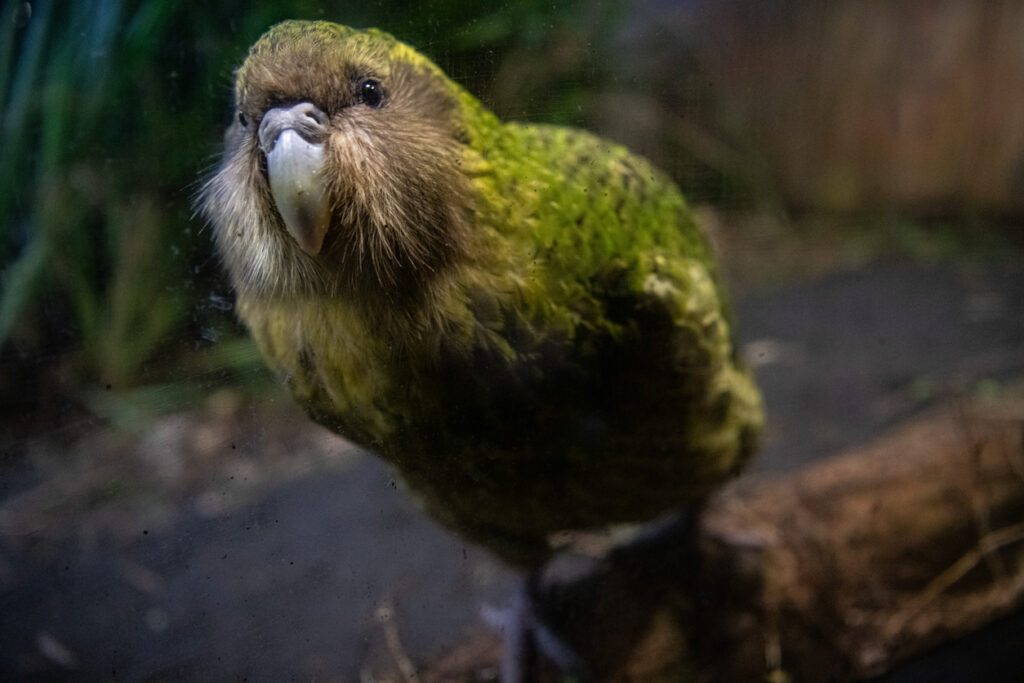
The kakapo is a large flightless parrot from New Zealand that inflates a special air sac in its chest to produce a deep, booming call, then broadcasts it from carefully chosen high points in the landscape to carry as far as possible. Males spend months doing this every night during the breeding season, and can lose nearly half their body weight in the process. Females have to travel to find the source of the sound, and the whole system is so energy-intensive that it only happens every few years when food is plentiful enough to make it viable.
Dolphins give gifts.

Male humpback dolphins in Australia have been observed offering large marine sponges and other objects to females, carrying them in their mouths and displaying them during interactions in a way that researchers now believe functions as a courtship gift. It’s not completely understood yet, but the behaviour seems deliberate and consistent enough that scientists think it may be a way of demonstrating fitness or showing off. It’s one of the few examples of gift-giving behaviour recorded in non-human animals outside of captivity.
Scorpions do a lengthy promenade dance.
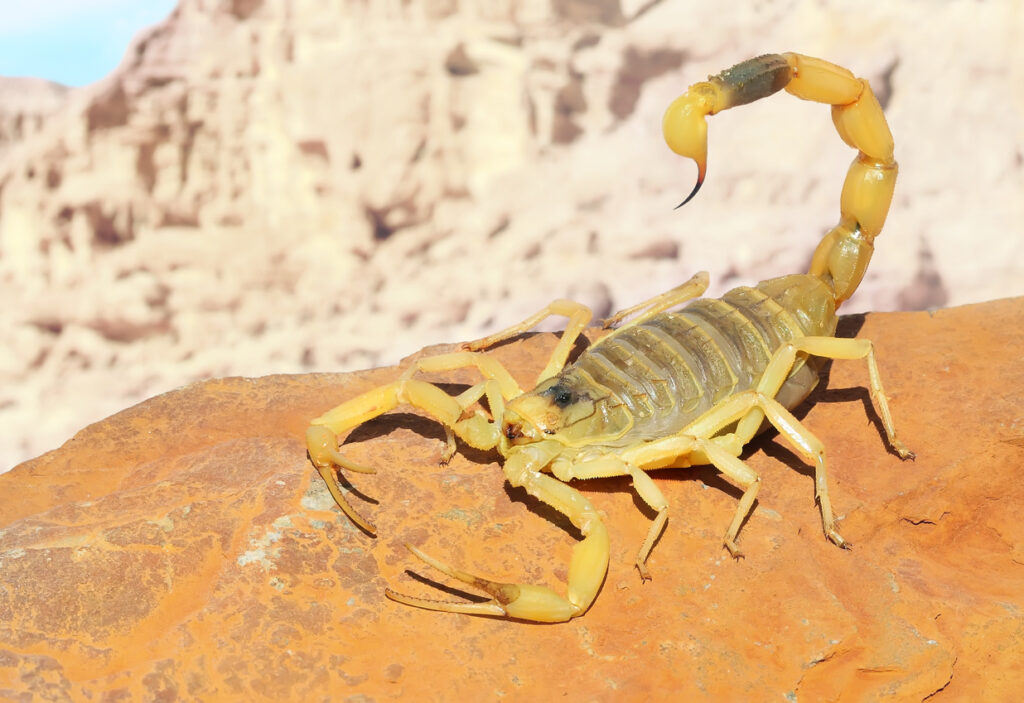
Before mating, scorpions perform a prolonged courtship dance called a promenade à deux, where the male grips the female by her claws and walks her backwards and forwards across the ground for anywhere between a few minutes and several hours. He’s navigating her toward a flat surface where he can deposit a sperm packet for her to pick up, but the process looks more like a very tense and drawn-out slow dance. If the surface isn’t right, they start again, and the whole thing can go on long enough that the female occasionally loses patience and eats him.
Superb lyrebirds impersonate entire forests.
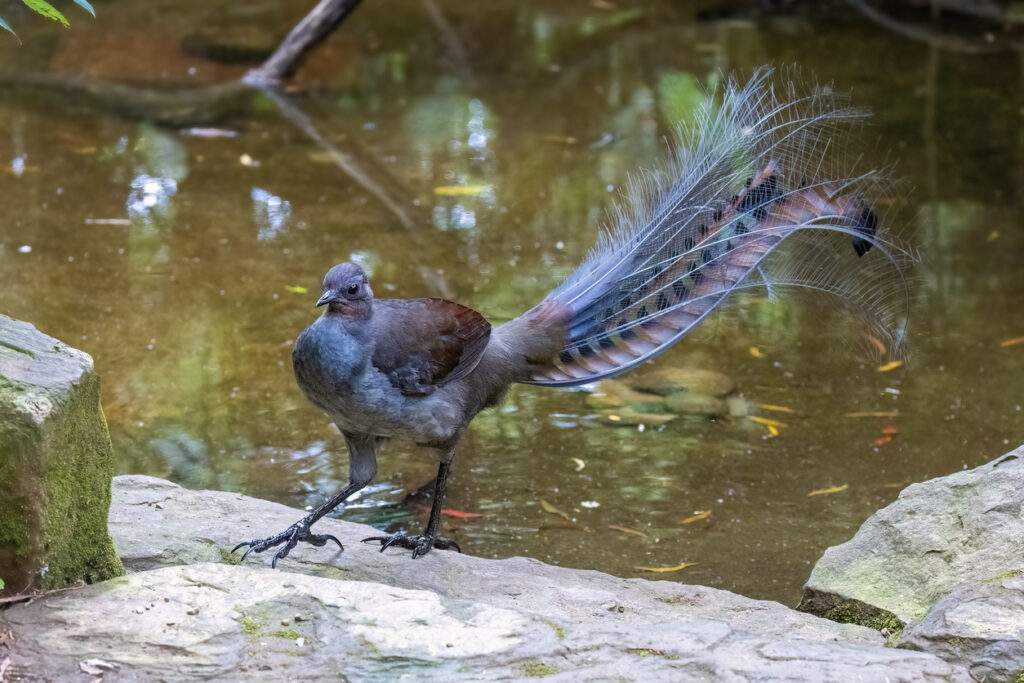
Male superb lyrebirds from Australia incorporate the sounds of other birds, mammals, and even chainsaws and camera shutters into their courtship songs, producing displays that can include dozens of different species at once. The mimicry is extraordinarily accurate and the displays are performed while fanning out their spectacular tail feathers, so the female gets a full audio and visual show. The more varied and convincing the repertoire, the more attractive the male appears to be, which effectively rewards both memory and performance ability.
Horseshoe crabs arrive in their thousands.
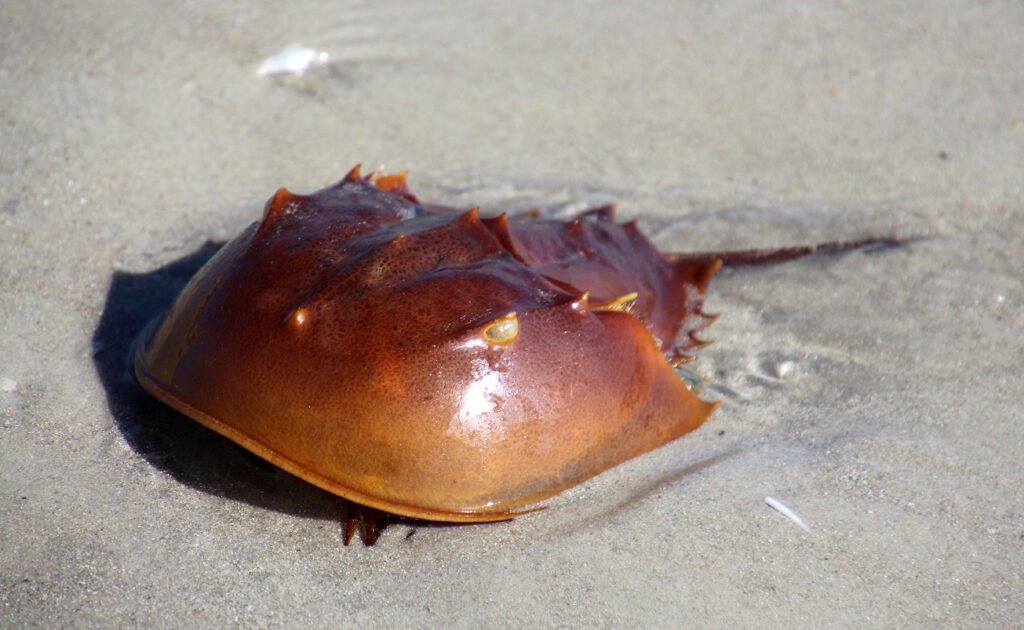
Every spring, horseshoe crabs gather on beaches along the American east coast in one of the largest mass mating events on the planet, with males competing to attach themselves to females as they come ashore to lay eggs. The females can carry several males at once, and the beaches can be so densely packed that the crabs are essentially crawling over each other. It’s ancient behaviour that has barely changed in hundreds of millions of years, which makes it one of the oldest courtship rituals still playing out in the wild today.