While we like to think every corner of the planet has been mapped, tagged, and conquered, there are still a few defiant peaks that haven’t felt a single boot print.
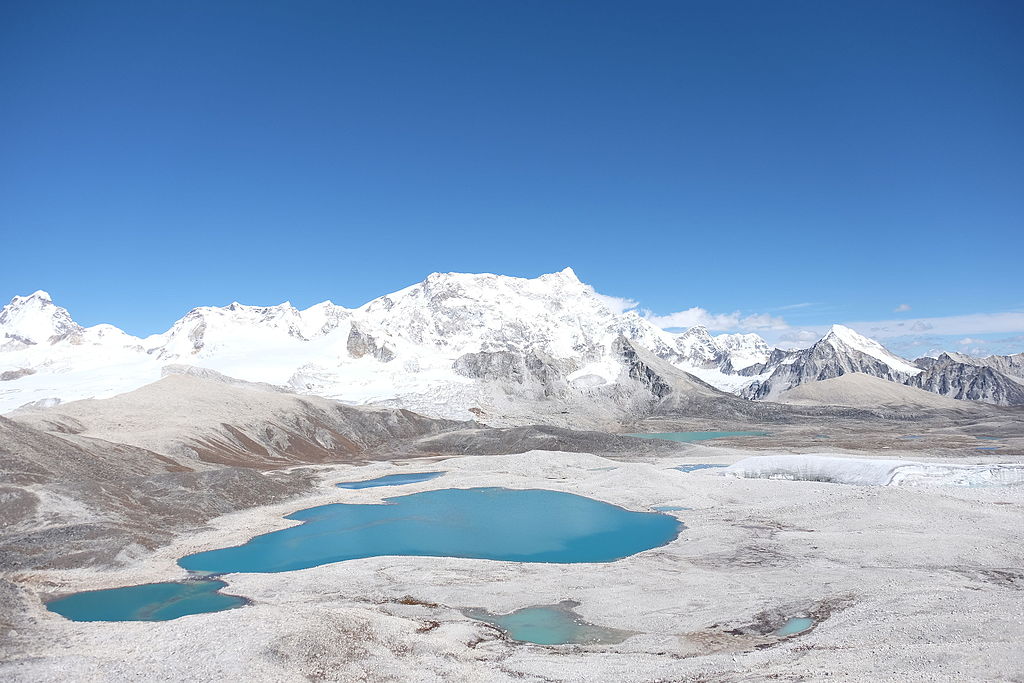
For some of these mountains, it’s a matter of sheer technical difficulty—faces so steep or weather so brutal that even the world’s best climbers have been forced to turn back. For others, it’s about something much more significant than sport; they’re considered sacred ground by local cultures, making them strictly off-limits to anyone with an ice axe. These 10 unclimbed peaks are a reminder that the world still holds onto its secrets, and that sometimes, the greatest respect we can show a mountain is simply leaving it alone.
1. Gangkhar puensum, Bhutan
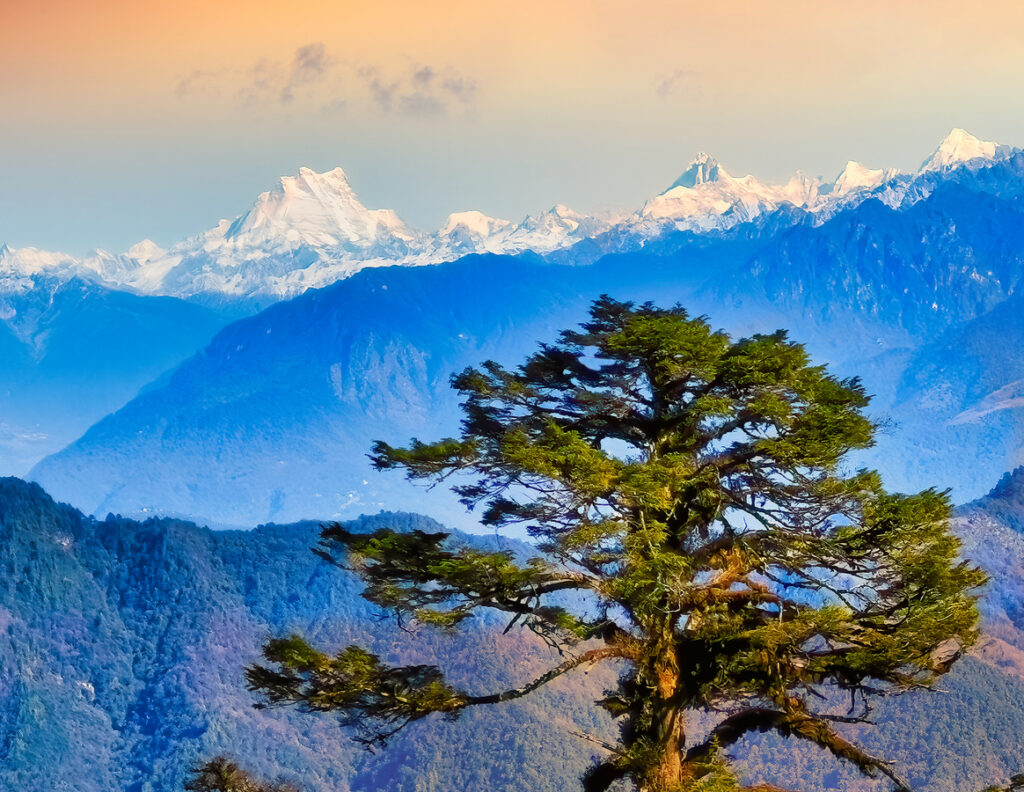
Standing at 7,570 metres, this is officially the highest unclimbed mountain in the world, and it’s likely to stay that way. Bhutan banned all climbing above 6,000 metres in 1994 out of respect for local spiritual beliefs, so even the most determined expeditions can’t legally attempt it. A few teams tried in the 1980s before the ban came in and were turned back by brutal conditions every time, so the mountain has genuinely resisted on every level.
2. Muchu chhish, Pakistan
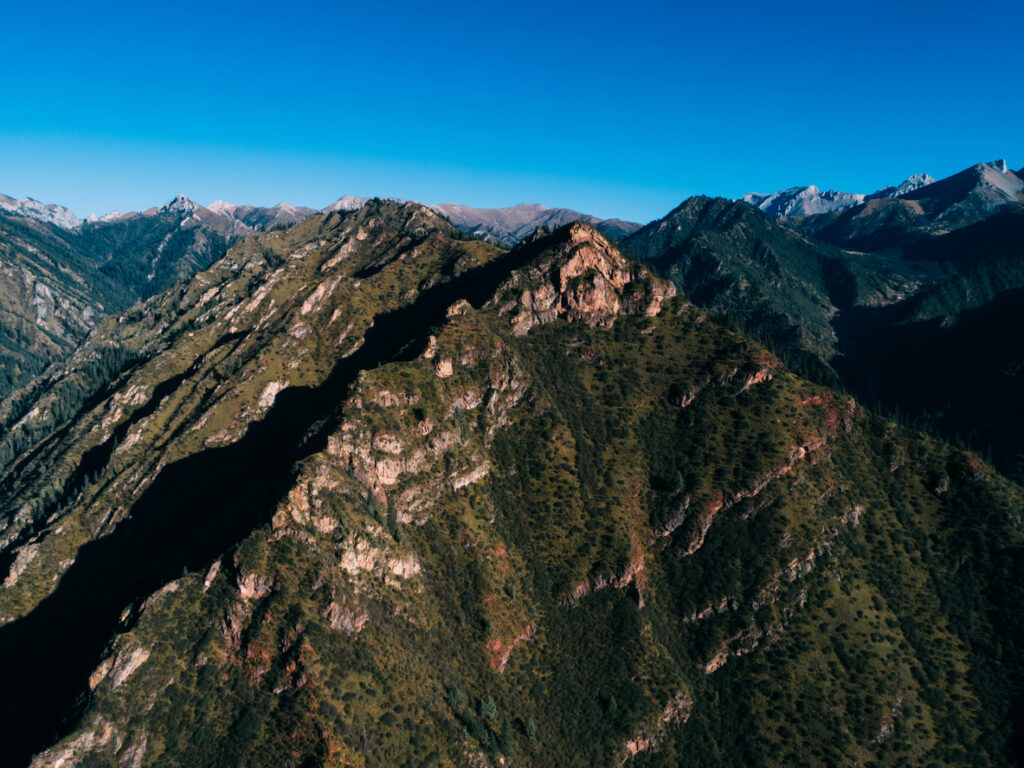
This 7,453-metre peak sits in the Karakoram range and has seen only a handful of serious attempts, with the upper ridges proving technically ferocious enough to stop everyone so far. It’s not banned or off-limits, just incredibly hard, and that combination of remoteness and difficulty means very few teams even bother trying. The ones that do tend to come back with a deep respect for how unforgiving the mountain actually is.
3. Karjiang, Tibet
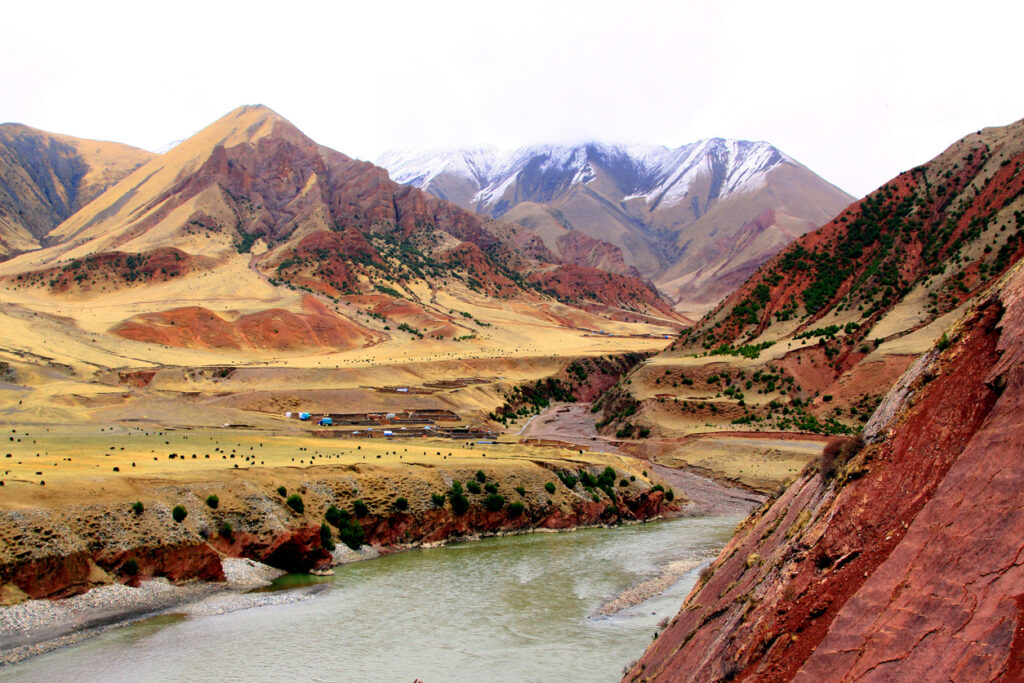
Sitting at 7,221 metres on the Tibetan plateau, Karjiang is closed to foreign climbers by Chinese authorities, which effectively removes it from the conversation entirely. There are no recorded summit attempts at all, partly because getting permission is essentially impossible and partly because the area itself is difficult to access even if you tried. It’s one of those peaks that exists on maps and in mountaineering databases, but has never really been touched.
4. Teri kang, Bhutan
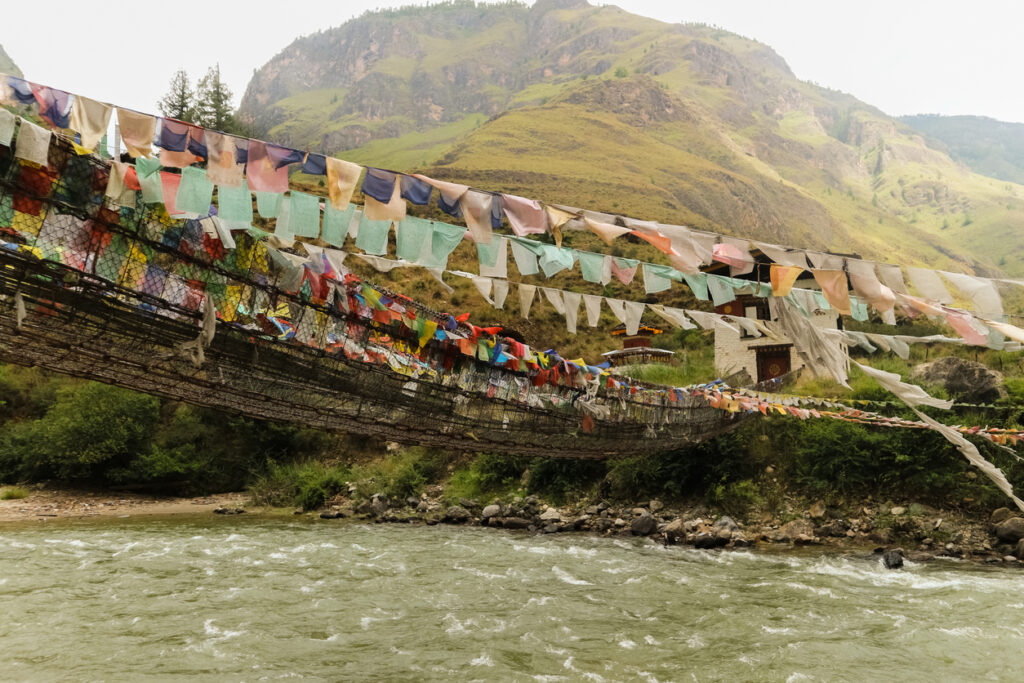
At 7,382 metres, this is one of the taller peaks sitting quietly behind Bhutan’s blanket climbing restrictions, with no summit on record and no prospect of one anytime soon. The country has been consistent about protecting mountains it considers sacred, and Teri Kang falls firmly in that category. Whether or not the ban ever lifts, the mountain itself sits in genuinely challenging terrain that wouldn’t make it straightforward even in ideal conditions.
5. Liankang kangri, Kashmir
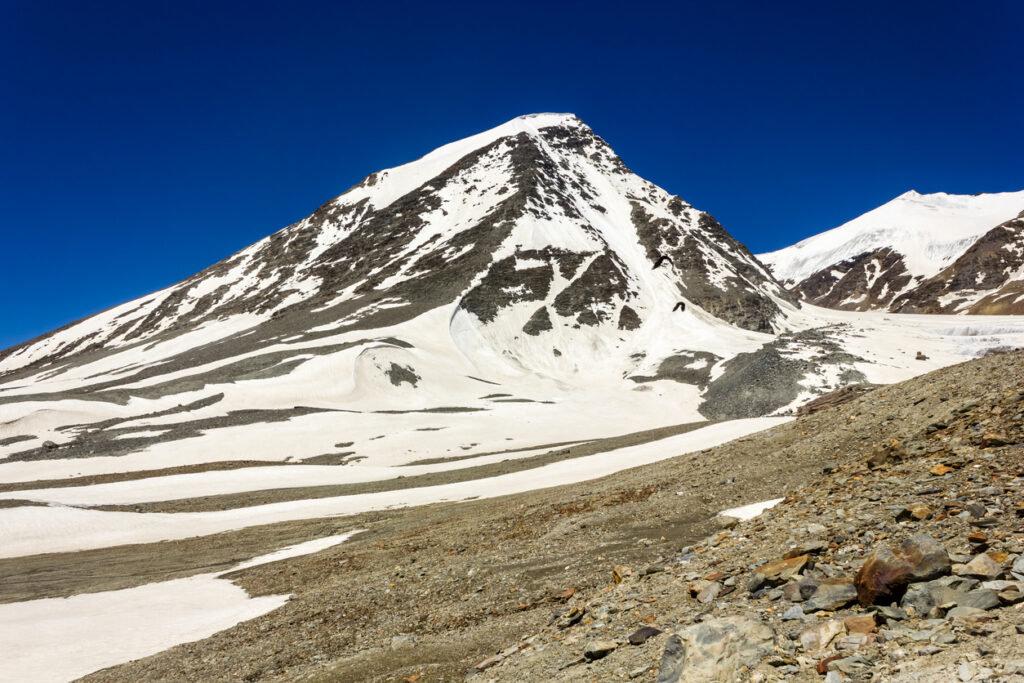
This remote 7,422-metre peak has a different problem to the others on this list, sitting in a politically complicated border region between India and Pakistan where organising any expedition is a logistical nightmare. The geopolitical situation in the area has made it essentially impossible to get the permits and coordination needed to mount a proper attempt, so it remains untouched by default rather than by design. It’s a frustrating one for climbers who would otherwise be genuinely interested in trying.
6. Kangpenqing, Tibet
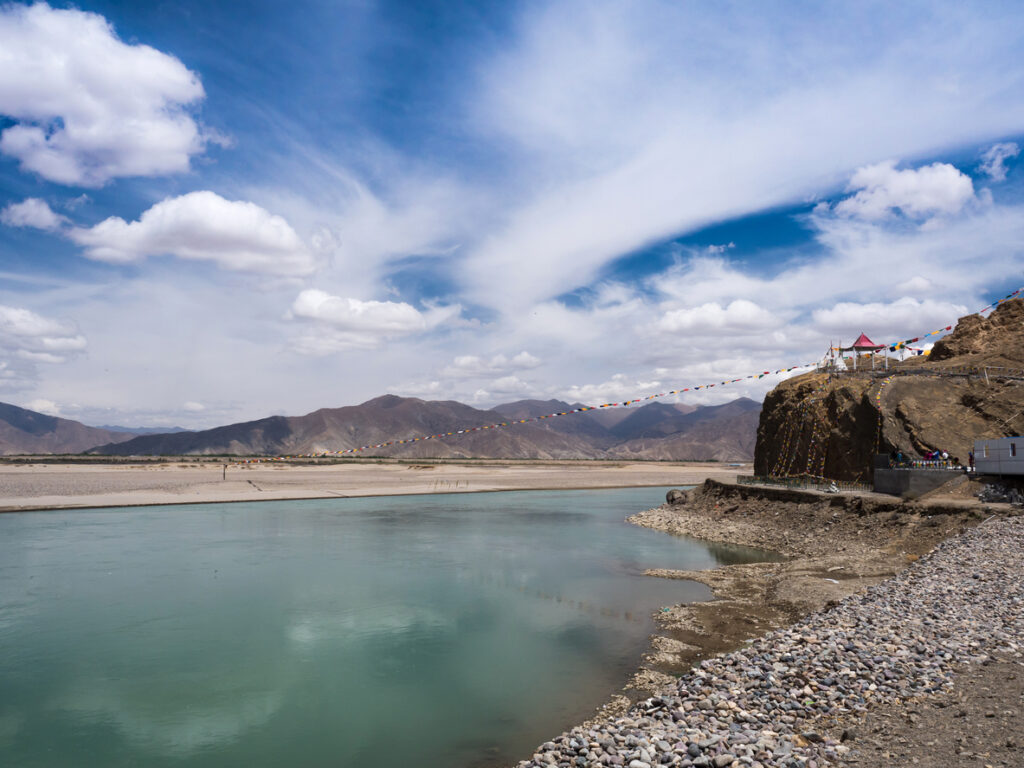
Another Tibetan peak that remains firmly off-limits, sitting at around 6,859 metres and largely unknown outside serious mountaineering circles. It’s restricted by Chinese authorities in the same way as Karjiang, so there’s no real route in for foreign teams, and domestic climbers haven’t made any recorded attempts either. It’s the kind of mountain that might stay completely untouched simply because the political situation never changes enough to make access possible.
7. Tongshanjiabu, Bhutan
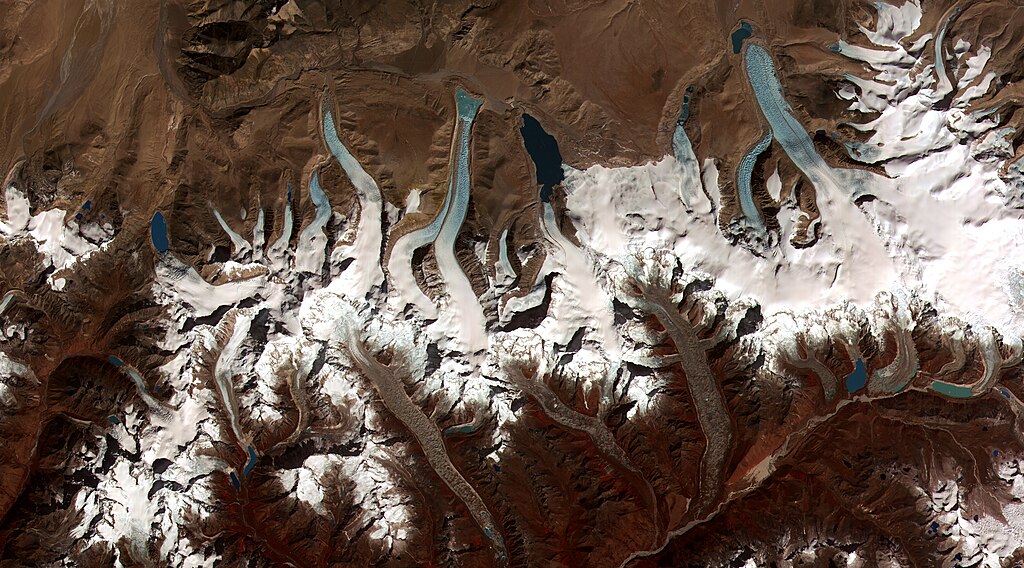
At 7,207 metres, this is one of the lesser-known peaks in the Bhutanese range, sitting behind the same climbing restrictions that protect Gangkhar Puensum and Teri Kang. No summit has ever been recorded and no attempt is currently legal, so it sits in that odd category of mountains that are well documented but completely untouched. The Bhutanese approach to its high peaks has been remarkably consistent, and there’s no current indication that policy is going to shift.
8. Manamcho, Bhutan
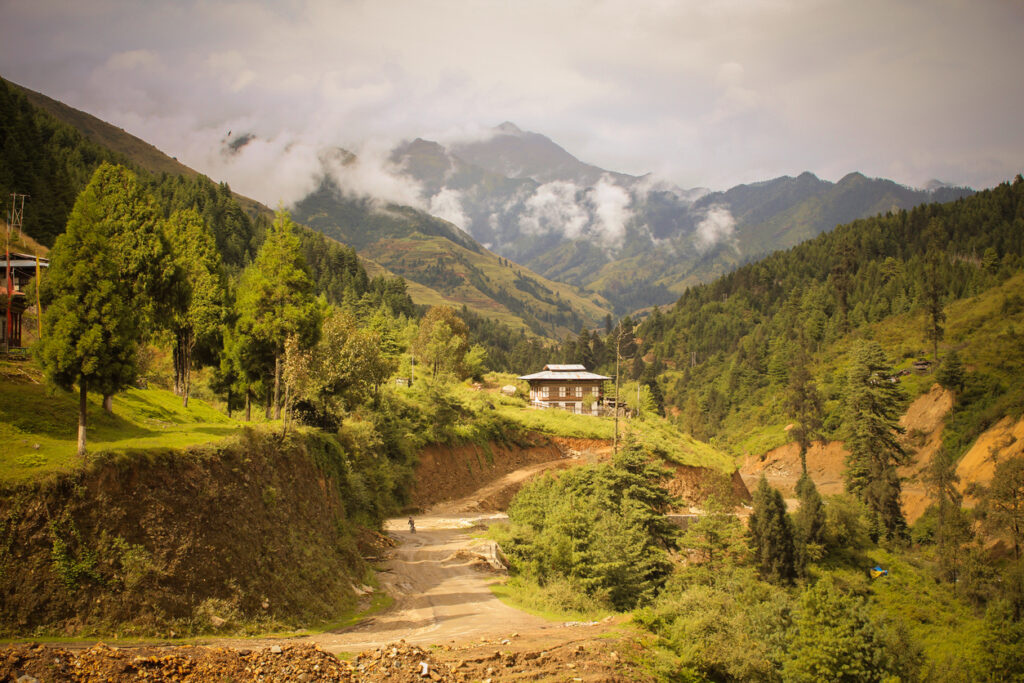
At 6,264 metres it’s the smallest peak on this list, but size doesn’t really factor in when a mountain is protected by national law. Manamcho is covered under Bhutan’s restrictions on spiritually significant peaks and will almost certainly stay that way indefinitely. It’s a reminder that unclimbed doesn’t always mean unconquerable, and sometimes a summit stays untouched because a country has simply decided that reaching it isn’t worth more than what it represents.
9. Labuche kang III, Tibet
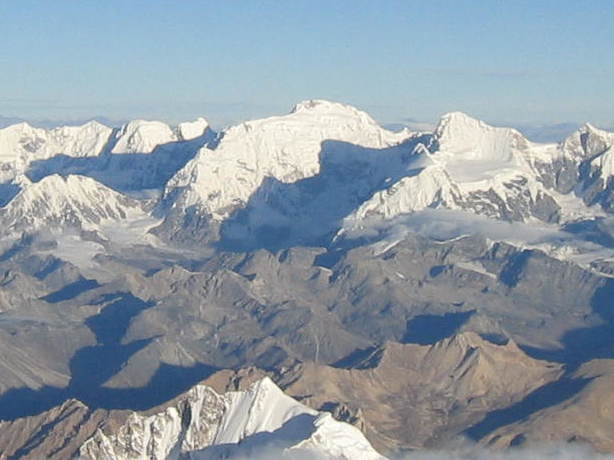
This 7,250-metre summit sits within a larger massif near the Nepal border and has been consistently overlooked in favour of slightly more accessible neighbouring peaks. It’s technically within the restricted zones governed by Chinese permit systems, but even setting that aside, teams have historically targeted the higher and better-known summits nearby. The result is a peak that’s been passed over every time, sitting unclimbed almost by accident as much as by design.
10. Kabru south, India/Nepal border
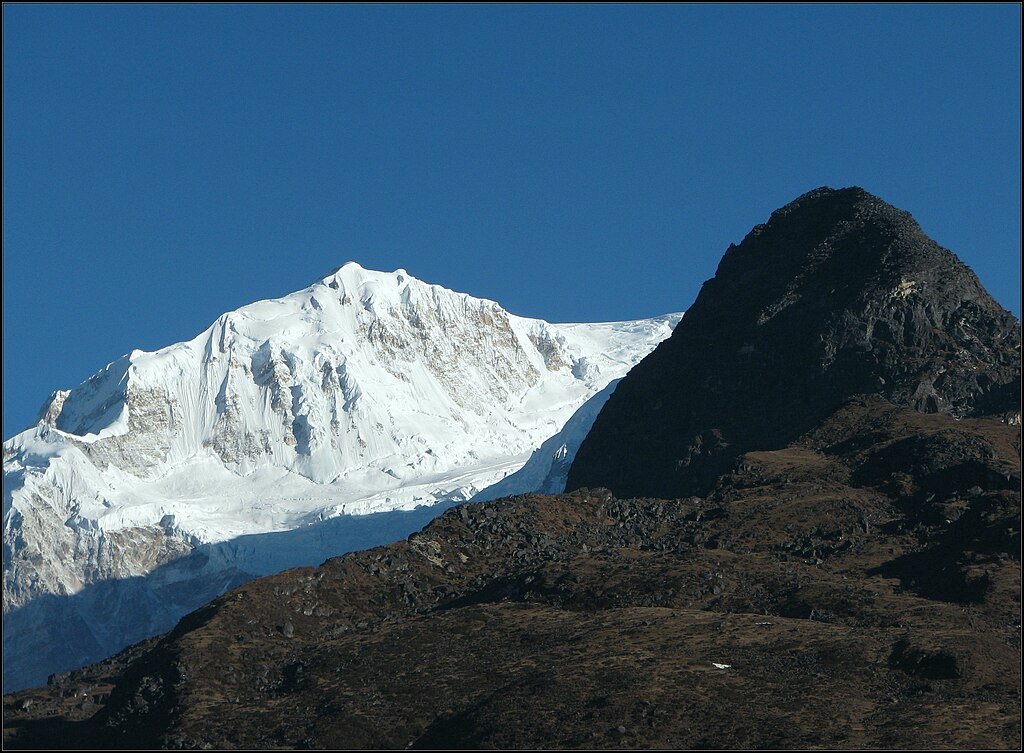
This one sits at 7,318 metres and comes with genuine historical controversy because there are claims from the late 1800s that it was summited, but most modern mountaineers consider those accounts unreliable. The terrain is serious, and the altitude is significant, so the idea that someone reached the top with Victorian-era equipment has always been viewed with scepticism. Until a verified ascent happens, it stays on the unclimbed list, which gives it a slightly different quality to the others, less of a blank space and more of an open question.