The world is a massive place, but with GPS and cheap flights, it feels like there isn’t much left that’s truly off-limits.
However, there are still a few specks of land out in the ocean that are completely shut off from the public. These islands aren’t just hard to get to because of the travel time; they’re restricted by law, often to protect incredibly rare ecosystems or to keep people away from some pretty grim history.
From places where the local wildlife has been left to evolve in total isolation to islands that are still home to tribes who want nothing to do with the modern world, these spots are the ultimate “no-go” zones. You can look them up on a map, but actually stepping foot on the sand is a different story entirely.
1. North Sentinel Island, India
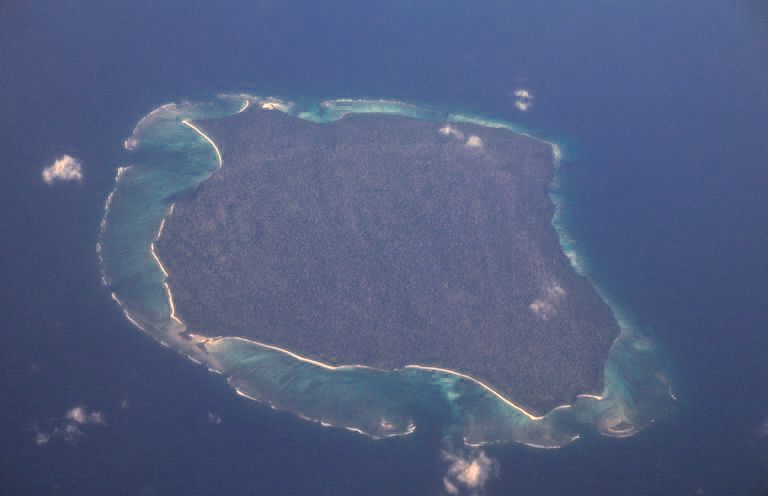
In the Bay of Bengal sits a small, densely forested island whose inhabitants have resisted contact with the outside world so consistently and so forcefully that the Indian government has made it illegal to approach within five nautical miles of its shore.
The Sentinelese people have lived there in complete isolation for an estimated 50,000 years and have made their position on visitors absolutely clear through repeated attacks on anyone who gets close. The island is visible from the sea, ordinary looking from a distance, and completely unreachable by any legal or remotely sensible means. It remains one of the last places on earth where a human society lives entirely outside contact with the modern world.
2. Bouvet Island, Norway
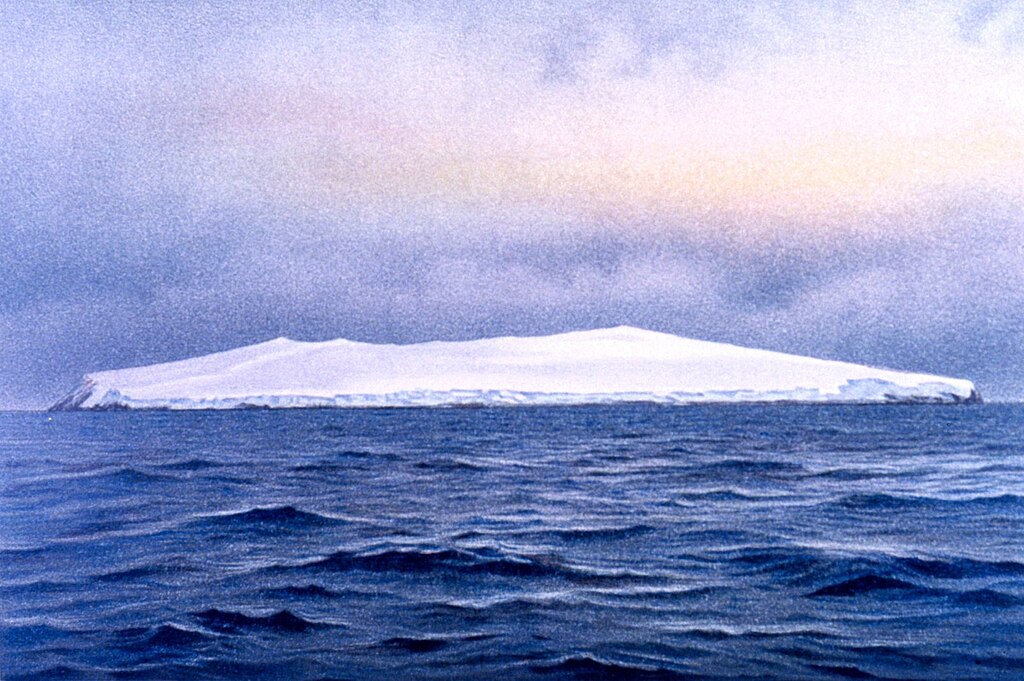
Bouvet Island sits in the South Atlantic, roughly equidistant between South Africa and Antarctica, and holds the distinction of being the most remote island on earth measured by distance from any other land. It’s a Norwegian territory, almost entirely covered by a glacier, shrouded in near-permanent fog, and has no permanent inhabitants.
Access is theoretically possible with Norwegian government permission, but in practice, the weather and sea conditions make landing extremely rare. There is a decommissioned weather station on the island that nobody currently staffs, and the whole place has the quality of somewhere that the planet itself seems to be actively discouraging you from reaching.
3. Diego Garcia, British Indian Ocean Territory
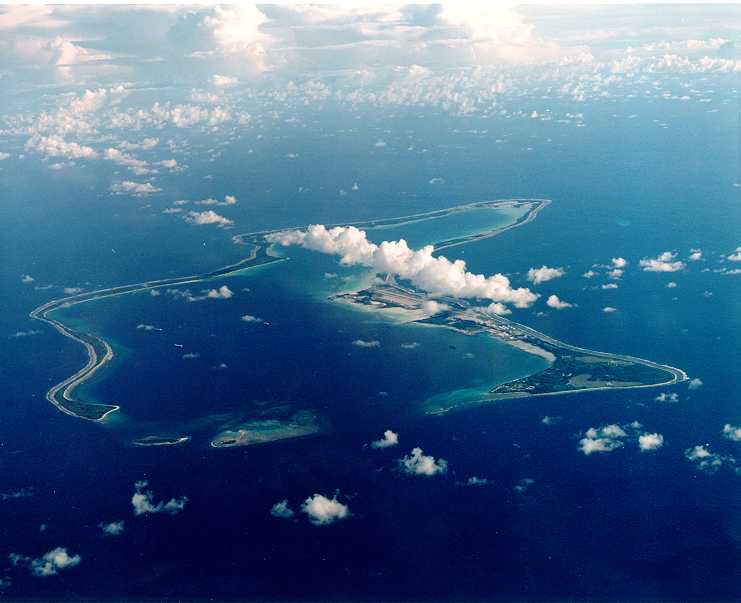
Diego Garcia is a coral atoll in the middle of the Indian Ocean that functions as a major joint US and UK military base, and access is restricted entirely to authorised military and government personnel. The original Chagossian inhabitants were controversially removed in the 1960s and have been fighting for the right to return ever since, a legal and political dispute that remains unresolved.
The island is strategically positioned and logistically significant in ways that make it unlikely to become accessible to ordinary visitors any time soon, and the combination of military secrecy and contested sovereignty makes it one of the more politically loaded restricted islands on the list.
4. Heard Island, Australia
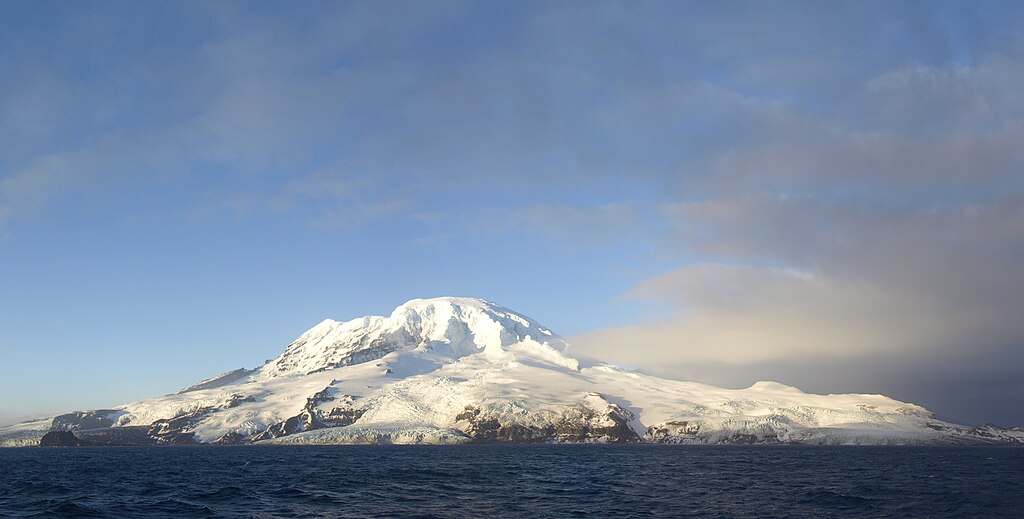
Heard Island lies in the Southern Ocean between Madagascar and Antarctica and is one of the most geologically active places on earth, home to a live volcano called Big Ben that erupts regularly. It’s an Australian territory and a UNESCO World Heritage Site, and visiting requires a permit from the Australian government that is extraordinarily difficult to obtain.
The journey from the nearest port takes roughly two weeks each way through some of the most violent seas on the planet, and the island itself offers no infrastructure, no shelter, and conditions that are hostile in every season. Fewer people have set foot on Heard Island than have climbed Everest.
5. Surtsey, Iceland
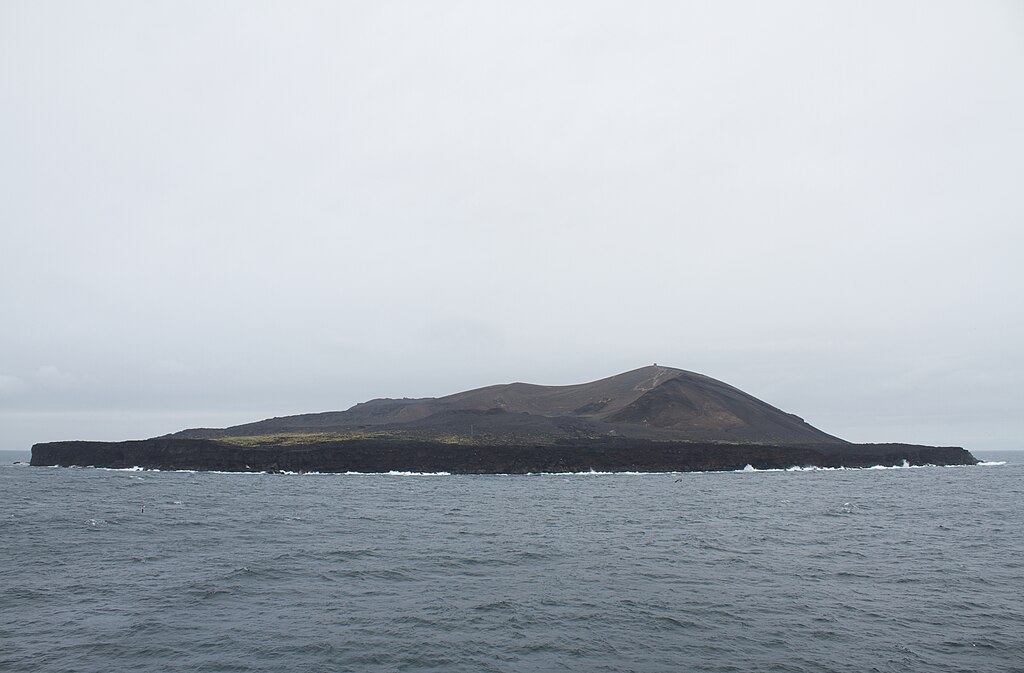
Surtsey is a volcanic island that rose from the ocean off the south coast of Iceland between 1963 and 1967 and has been a protected nature reserve ever since, accessible only to a small number of scientists studying how life colonises a completely new landmass.
The reason for the restriction is the research itself, because every organism that establishes itself on Surtsey is being tracked and documented, and human visitors would contaminate that process by introducing seeds, bacteria, and other material on their clothing and equipment. It’s one of the few places on earth where you can say with certainty that human interference has been almost entirely excluded, and that exclusion is the whole point.
6. Macquarie Island, Australia
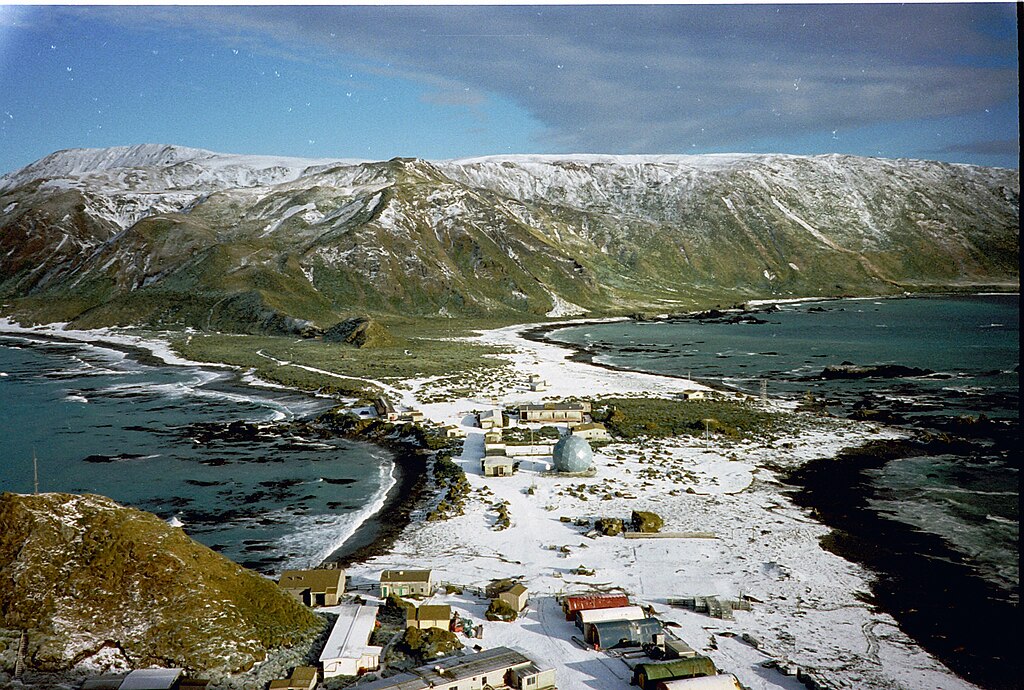
Macquarie Island sits halfway between Australia and Antarctica in the Southern Ocean and is home to the largest colony of royal penguins in the world, along with extraordinary concentrations of other seabirds and marine mammals. Access is tightly controlled by the Tasmanian Parks and Wildlife Service and only a very limited number of researchers and occasional expedition tourists are permitted to visit, with strict protocols about how close you can get to the wildlife.
The island has been through a significant conservation programme to remove introduced species like rabbits and rats, and the restrictions exist partly to protect that hard-won ecological recovery from being set back by careless visitors.
7. Clipperton Island, France
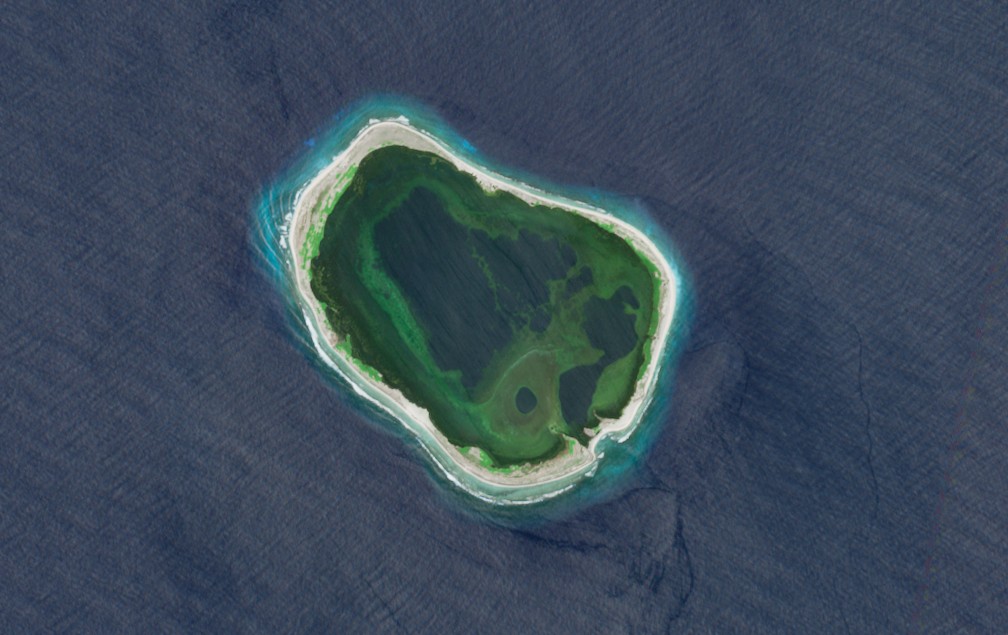
A small coral atoll in the Pacific about 1,000 kilometres off the coast of Mexico, Clipperton is a French territory with no permanent inhabitants and a history that includes a genuinely grim episode of isolation and violence in the early twentieth century. France controls access and rarely grants permission to visit, partly because there’s very little infrastructure and the island is genuinely dangerous to approach by boat due to the surrounding reef.
It has a lagoon filled with water that has no outlet to the sea, making it unusual geographically, and the wildlife that’s established itself there in the absence of human disturbance includes enormous numbers of seabirds and crabs that have had the place largely to themselves for decades.
8. Pitcairn Island, British Overseas Territory
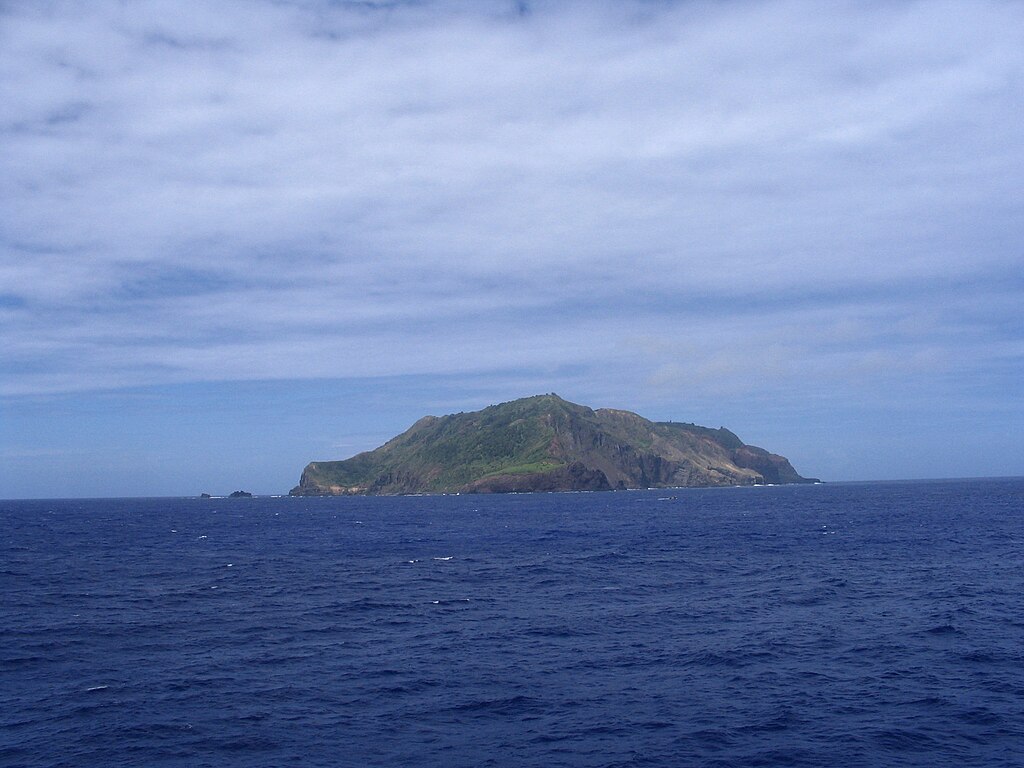
Pitcairn is one of the most remote inhabited islands on earth, with a population of around 50 people, descendants of the Bounty mutineers who settled there in 1790. It’s not entirely off limits, but getting there is so logistically difficult that it functions as effectively inaccessible for most people.
There are no flights, the only way to arrive is by cargo ship from New Zealand which makes the journey a few times a year, and accommodation on the island is extremely limited. The community is self-governing and visitors need to arrange stays in advance with the island council. Most people who want to go simply can’t make the practicalities work, which has left Pitcairn in a state of near-total isolation that’s defined by geography as much as by any formal restriction.