It’s easy to think of the animal world as a chaotic free-for-all where might always makes right, but look a bit closer, and you’ll see some remarkably familiar etiquette.
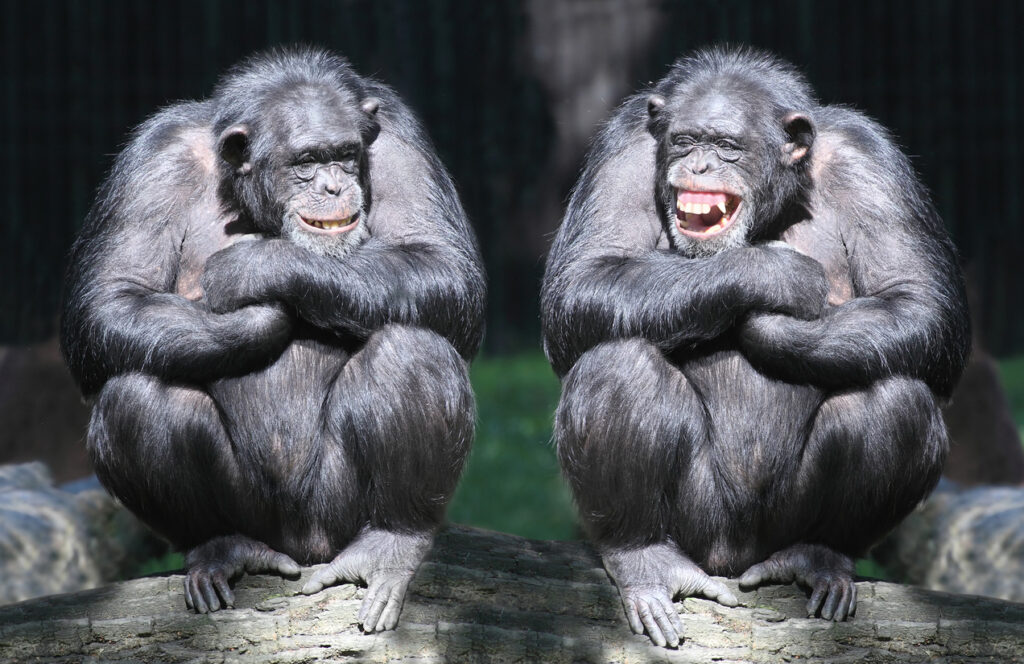
Many species don’t just survive on instinct; they live by a complex set of social rules that keep the peace and ensure everyone knows their place. From the way they handle a falling out to the strict protocols of sharing a meal, these behaviours aren’t just random acts—they’re a sophisticated way of managing a community. If you’ve ever thought that humans were the only ones who cared about manners, fairness, or making amends after a row, the animal kingdom is about to prove you wrong.
1. Chimpanzees hold grudges and wait for the right moment to act on them.
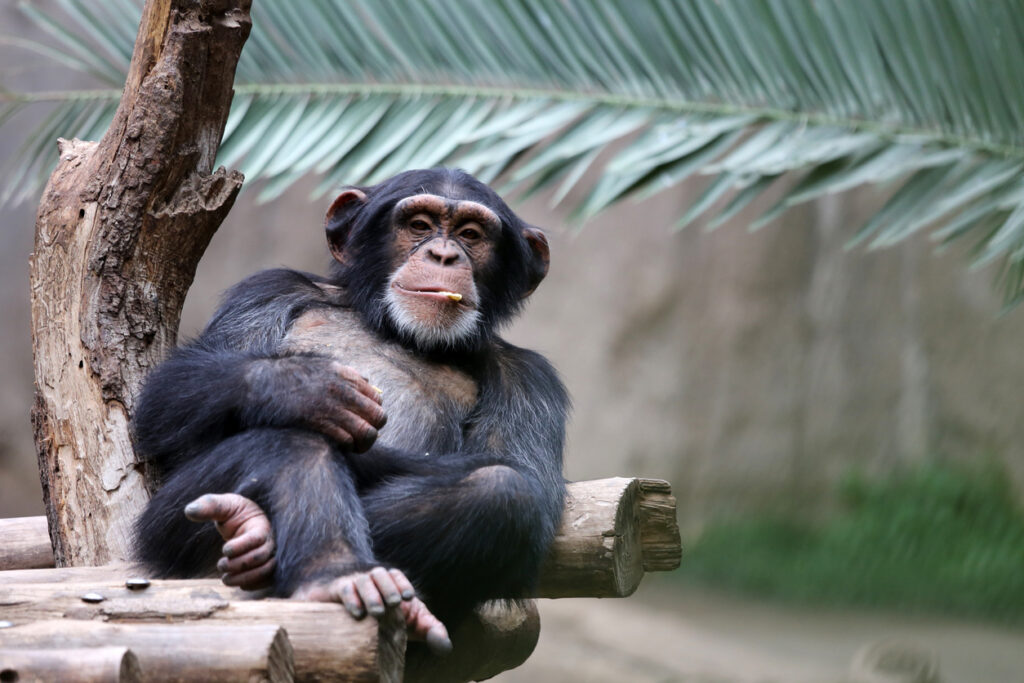
Chimps don’t forget when another individual has wronged them, and they don’t always respond immediately. They wait, sometimes for days, until the balance of power shifts in their favour before settling the score. Researchers studying chimp communities have documented clear patterns of delayed retaliation that require the animal to hold the memory of the original slight and bide their time. It’s calculated in a way that’s hard to chalk up to pure instinct.
2. Elephants comfort each other when someone is distressed.
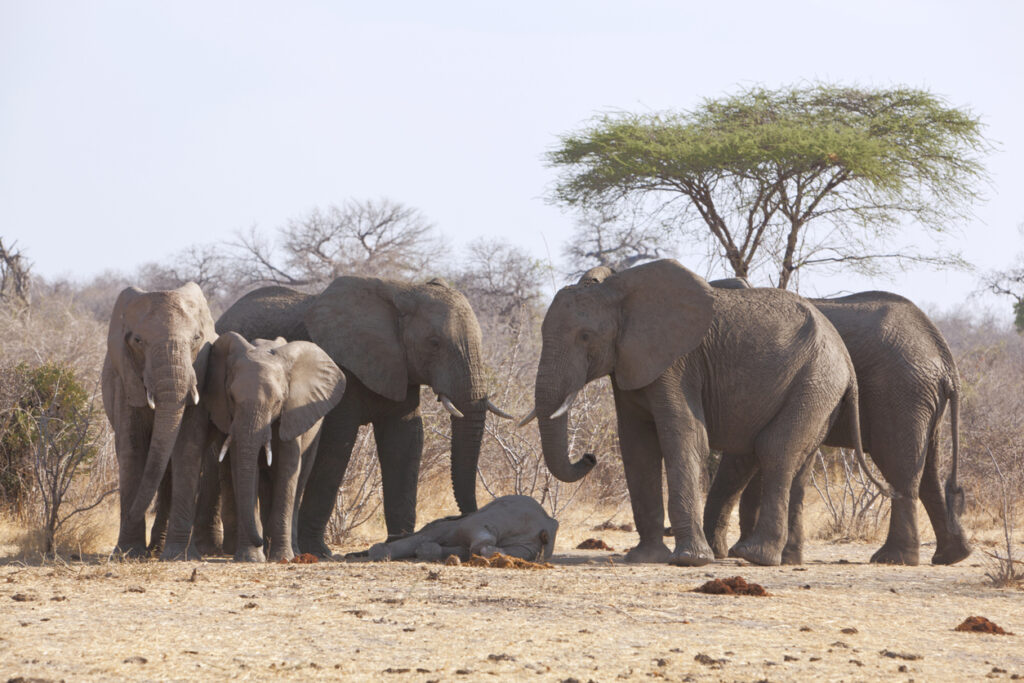
When an elephant in a herd shows signs of distress, others move toward them, make soft vocalisations, and make physical contact in ways that closely resemble what humans do when someone is upset. They don’t just tolerate distress in a herd member, they actively respond to it. Calves that have witnessed traumatic events have been observed being surrounded and gently touched by adult females for extended periods afterward, which looks less like instinct and more like deliberate emotional support.
3. Ravens have a concept of fairness and react badly when it’s violated.
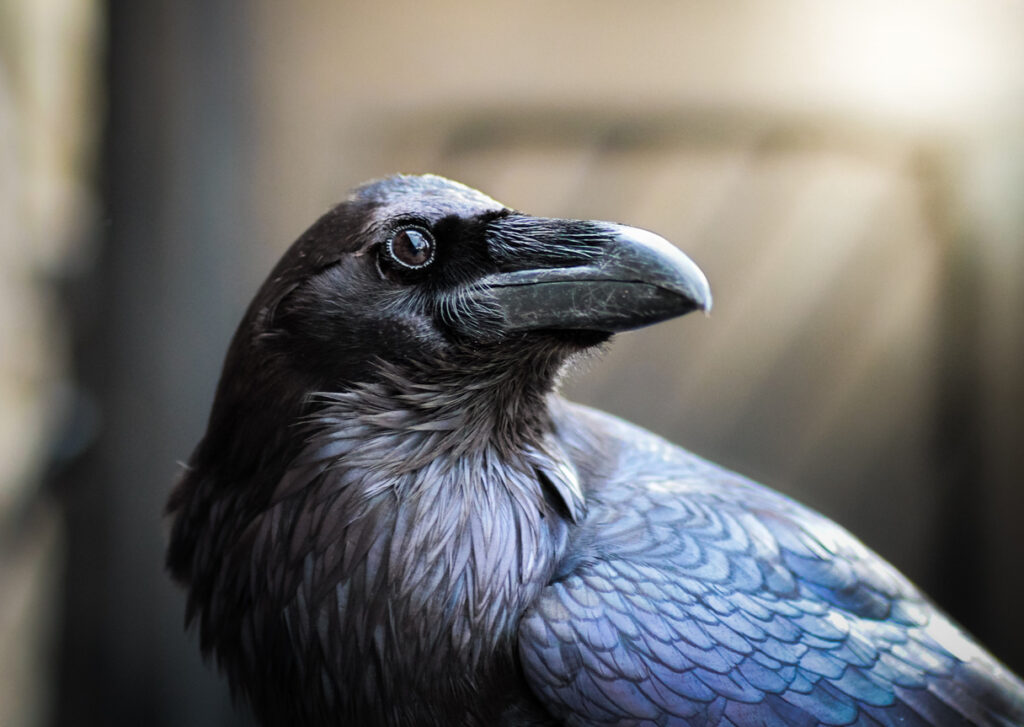
Ravens are acutely aware of whether they’re receiving the same treatment as another bird doing the same task. In studies where one raven received a better reward for identical work, the one receiving the lesser reward consistently refused to continue cooperating and showed clear signs of agitation. They weren’t just disappointed about their own reward, they were responding to the inequality itself. The distinction between those two things is significant, and it’s one most people assumed was uniquely human.
4. Wolves enforce rules about how conflict is resolved within the pack.
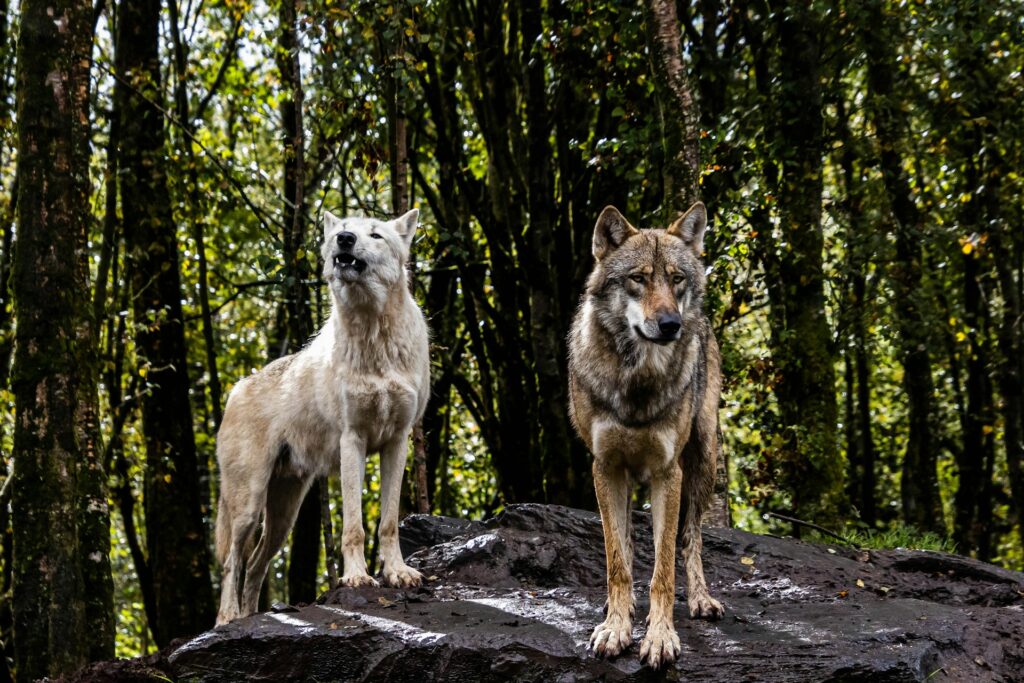
Serious fighting within a wolf pack is relatively rare not because wolves aren’t capable of it, but because the social structure actively discourages it. Disputes are largely resolved through ritualised posturing, submission signals, and third-party intervention from senior pack members. When things do escalate, there’s a clear expectation that the loser signals submission and the winner accepts it rather than continuing. Packs where this system breaks down tend to fragment, which suggests the rule serves a purpose everyone has a stake in maintaining.
5. Dolphins have been observed ostracising individuals who break social norms.
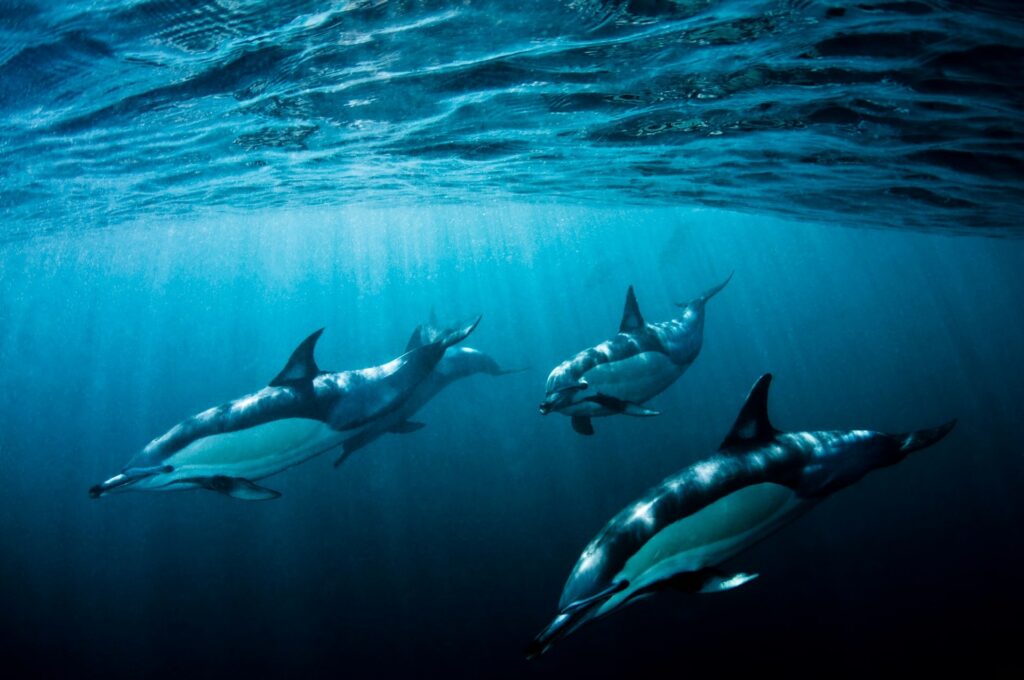
Dolphin communities are complex, and the consequences for antisocial behaviour within them are real. Individuals that repeatedly disrupt group dynamics or behave aggressively toward others without apparent cause find themselves excluded from cooperative activities, pushed to the edges of the group, and denied the social bonds that offer protection. It mirrors the human social mechanism of exclusion as a consequence for norm violation closely enough that researchers have used the same language to describe it.
6. Bonobos use physical affection to defuse tension before it escalates.
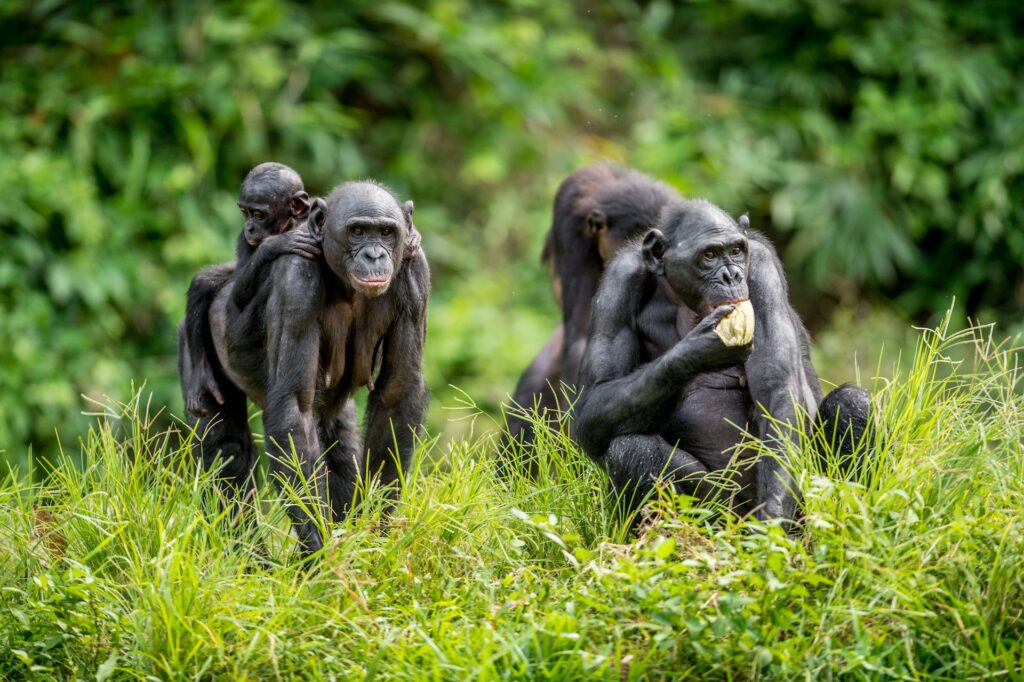
Where chimpanzees tend to resolve tension through dominance and confrontation, bonobos have developed a social system built heavily on physical contact as a reset mechanism. After a conflict or before a potentially competitive situation like feeding, bonobos engage in contact that relieves the tension and re-establishes social bonds. It’s proactive rather than reactive, which is a more sophisticated social strategy than simply responding to problems after they’ve already developed.
7. Crows hold what appear to be communal responses to the death of another crow.
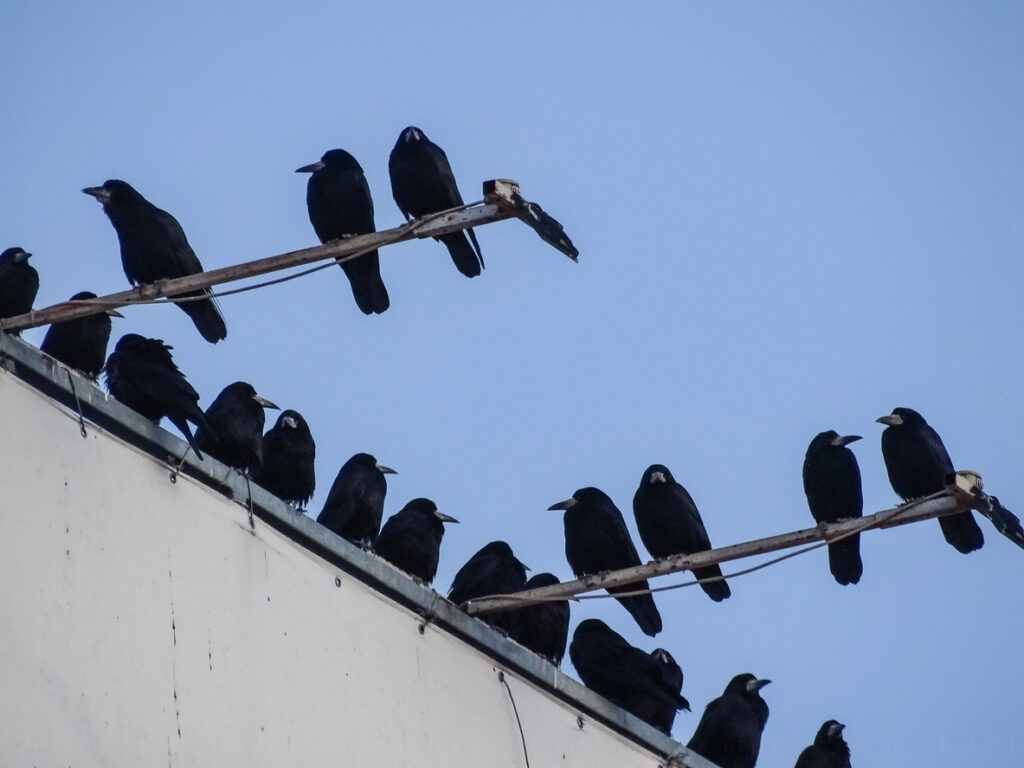
When a crow dies, other crows in the area gather around the body in large numbers and stay for an extended period. Researchers initially assumed this was risk assessment, the birds trying to understand what killed the individual. But the behaviour persists even in controlled conditions where no threat is present, and the crows show measurable stress responses during these gatherings. Whether it constitutes mourning in any meaningful sense is debated, but the behaviour is consistent enough and deliberate enough that dismissing it entirely feels premature.
8. Meerkats take turns acting as lookout, so others can feed without interruption.
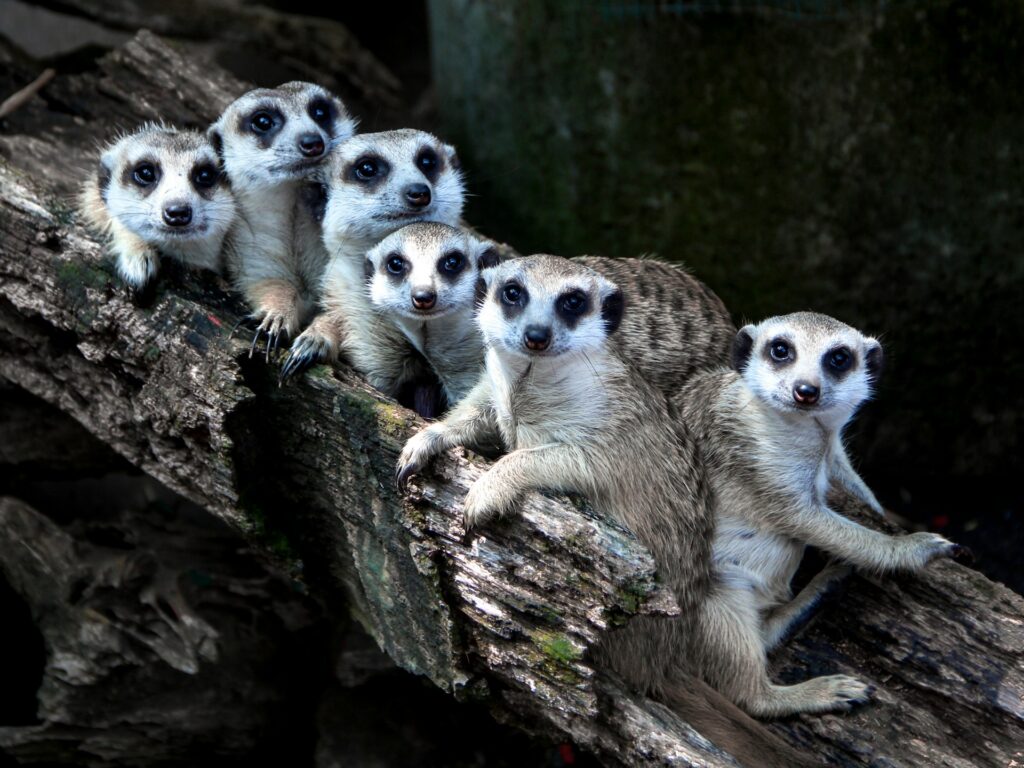
Within a meerkat group, individuals rotate through sentry duty, standing elevated and watching for predators while the rest of the group eats. The one on lookout doesn’t feed during this time and calls out specific alarm signals for different types of threats.
This is cooperative behaviour that requires each individual to accept a cost for the benefit of the group, with the expectation that others will reciprocate. That’s the basic structure of a social contract, and meerkats have been running it without any apparent difficulty for a very long time.
9. Male lions form coalitions and negotiate power-sharing between them.
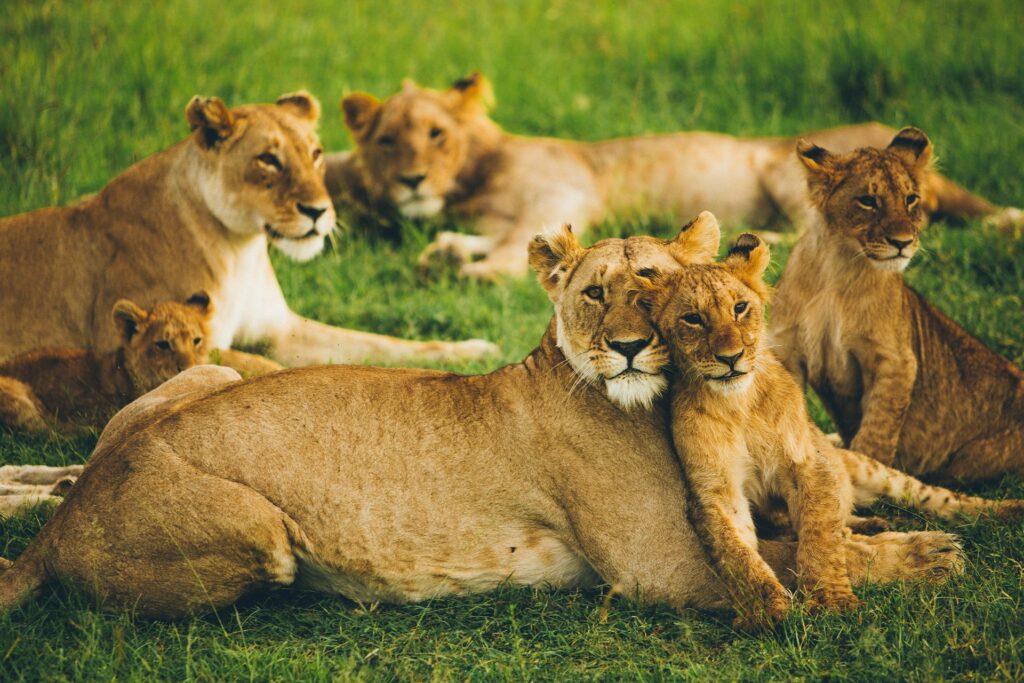
Male lions that take over a pride together have to manage their relationship carefully, and the dynamics involved are genuinely political. Coalitions of two or three males negotiate access and precedence in ways that involve clear expectations on both sides, and these arrangements tend to hold because breaking them carries costs neither party wants to absorb.
Researchers studying lion coalitions have noted that the stability of the arrangement depends on both individuals consistently honouring an implicit agreement, which is a more sophisticated social structure than most people picture when they think about lions.
10. Female elephants teach younger members of the herd how to behave socially.

Young elephants don’t automatically know how to conduct themselves within the complex social world of a herd, and they’re actively taught. Older females correct inappropriate behaviour, demonstrate the right response in social situations, and intervene when a young elephant misreads a cue from another animal.
The transmission of social norms through deliberate teaching rather than just observation is something researchers used to consider a human characteristic, and the evidence in elephant populations makes that position increasingly difficult to hold.
11. Hyenas have a strict social hierarchy with real consequences for violating it.
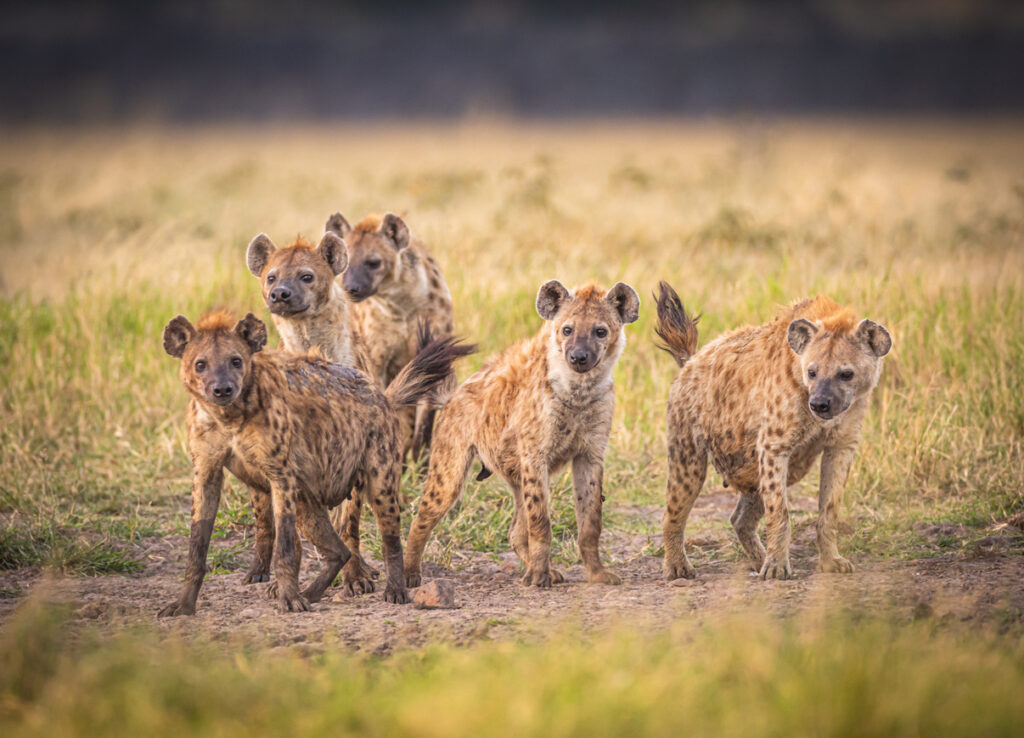
Hyena clans are matriarchal and the rank an individual holds determines feeding access, mating opportunities, and social alliances in a way that’s enforced consistently by the group. Lower-ranked individuals don’t just defer voluntarily, they’re actively reminded of their position when they overstep it.
Cubs inherit their mother’s rank from birth and are treated accordingly by other clan members before they’ve done anything to earn or lose that status themselves. The inherited social position is a concept most people associate with human class systems, but hyenas have been operating one for considerably longer.
12. Primates broker alliances, switch sides strategically, and keep track of who owes them.
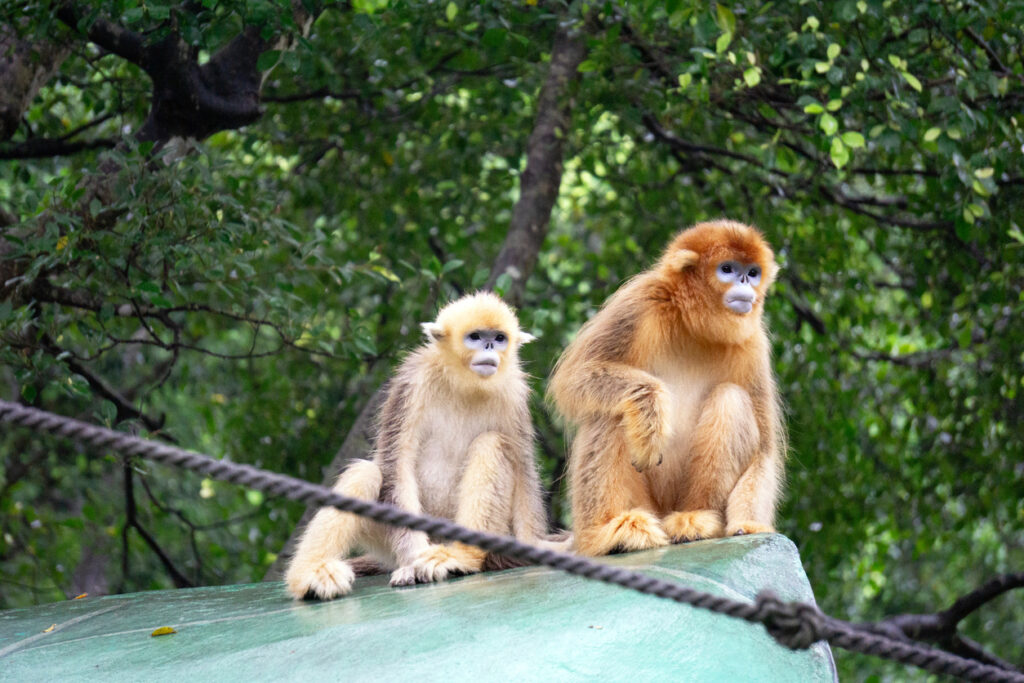
The political behaviour documented in primate groups, particularly among chimpanzees and macaques, involves forming alliances, supporting others in conflicts to build obligation, switching allegiances when it becomes strategically advantageous, and remembering past favours and betrayals accurately over long periods.
These aren’t simple dominance relationships. They’re ongoing negotiations involving multiple individuals, long memories, and a clear awareness of social debt. It’s the kind of behaviour that, described in human terms, would just be called politics, and it’s been happening in primate communities for millions of years longer than it’s been happening in ours.