When you look at a hippo lounging in a river, it’s easy to mistake them for lazy, oversized water pigs, but they’re actually one of the most dangerous animals on the planet.
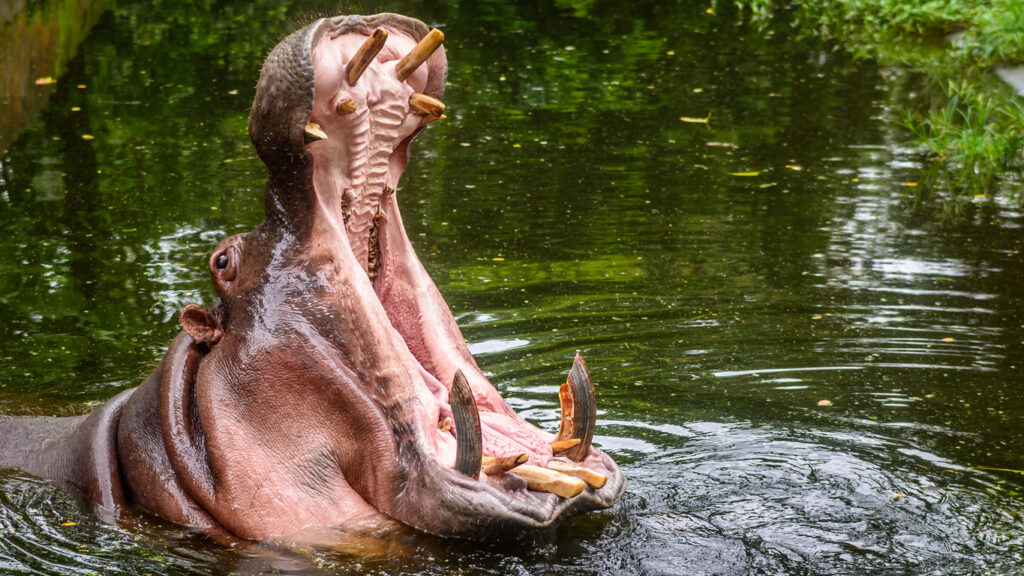
They carry around a bite force that can literally snap a small boat in half, and they’ve got the foul temper to go along with it. While lions and crocodiles get all the glory as top-tier predators, the hippo’s jaw is a massive, mechanical marvel that can exert a terrifying amount of pressure.
They don’t even use those giant tusks for eating—they’re purely for defence and showing off to rivals. It’s a bit of a wake-up call to realise that a creature that spends its day bobbing in the mud is actually walking around with the strongest set of jaws in the animal kingdom. Here’s what you should know about them.
The hippo’s bite force is almost twice that of a lion.
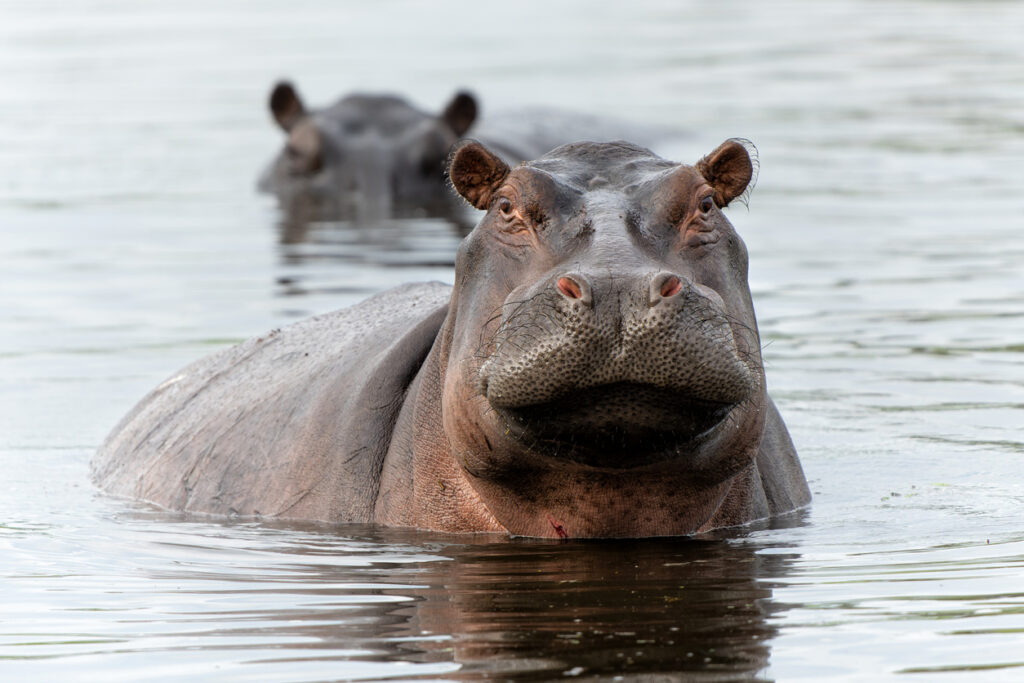
A lion’s bite force sits around 650 PSI, which is already impressive for a big cat, but a hippo absolutely demolishes that with their 1,800 PSI capability. That means a hippo can bite with nearly three times the force of a lion, making them one of the most powerful biters in the entire animal kingdom.
The sheer difference in force is staggering when you actually compare the numbers, and it explains why hippos are so feared across Africa. Despite being herbivores, their bite is legitimately one of nature’s most powerful weapons, and it’s not even close.
Those massive teeth are designed for crushing, not eating plants.

Hippo teeth can grow up to 50 centimetres long, and they’re incredibly thick with hard enamel, making them perfect for their destructive bite. Despite being herbivores that eat grass and water plants, hippos evolved these enormous teeth because they needed them for territorial battles with other hippos.
Their teeth aren’t really about eating; they’re about dominance and defence, which explains why they’re built like battering rams rather than grinding tools. A single bite can literally shear through bone and flesh like butter, which is why hippos cause such catastrophic injuries to anything that gets too close.
Hippos only bite when they’re defending themselves or their territory.
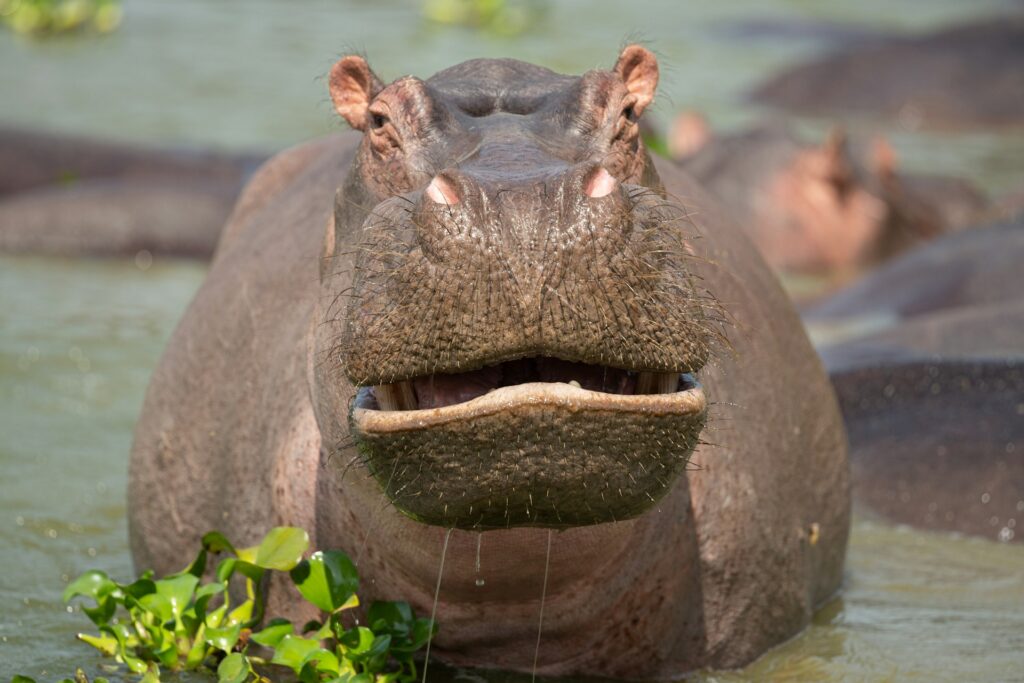
A hippo won’t just bite you for fun or for food because they’re not carnivorous, and they’re not naturally aggressive hunters. Most attacks happen when someone gets between a mother and her calf, when a person approaches a hippo’s water territory, or when hippos are competing with each other for mates and dominance.
The bite isn’t a sign of hunger; it’s sending a message that you’re a threat and need to be removed, so when a hippo bites, they’re going for maximum damage. That means the bite is always purposeful and devastating, rather than a warning snap.
A hippo’s bite can cut through a canoe like it’s nothing.
Hippos have been documented biting through wooden boats and canoes, literally snapping them in two pieces with a single bite. It shows the raw power of their jaws and just how easily they could crush human bones if they wanted to. The fact that they can demolish wooden structures built to withstand water and rough conditions tells you everything about the force behind their bite. If a hippo decides to bite something, that something is getting destroyed regardless of what material it’s made from.
Their jaw structure gives them an incredible mechanical advantage.
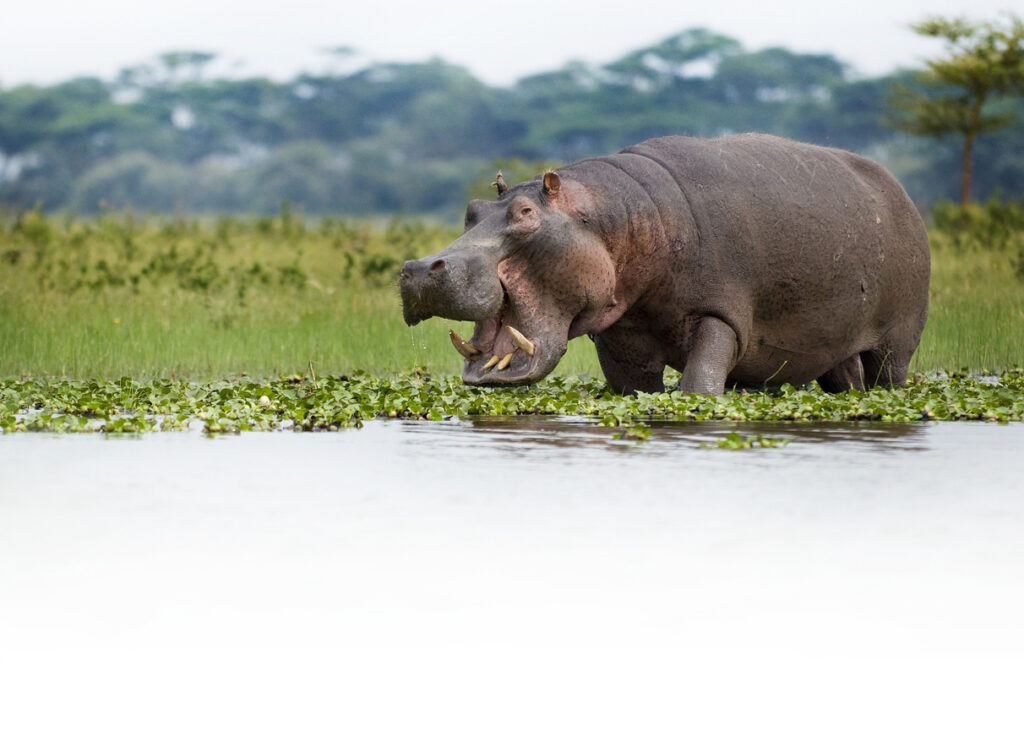
A hippo’s jaw opens to nearly 180 degrees, which is almost completely flat, and this extreme range of motion combined with massive jaw muscles creates absolutely devastating bite force. The muscles that operate their jaw are thick and powerful, working in perfect coordination to snap shut with incredible speed and force.
That anatomical design means a hippo doesn’t need to work hard to generate that 1,800 PSI—it’s just their natural bite strength. The engineering of their body is basically optimised for causing maximum damage with minimum effort.
Hippos use their bite as a territorial weapon against other hippos.
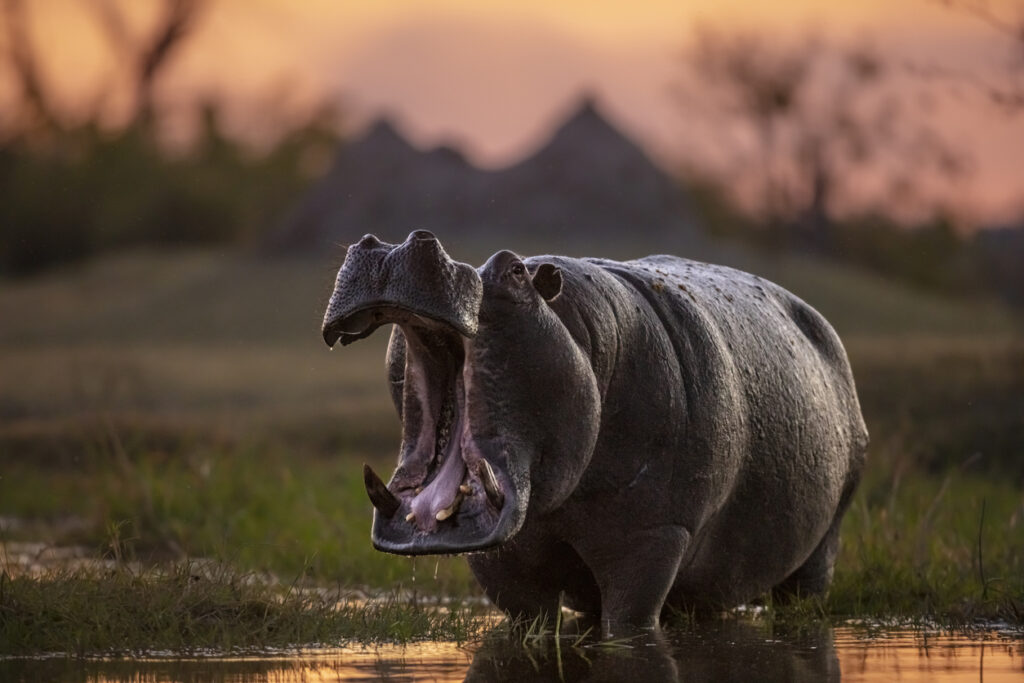
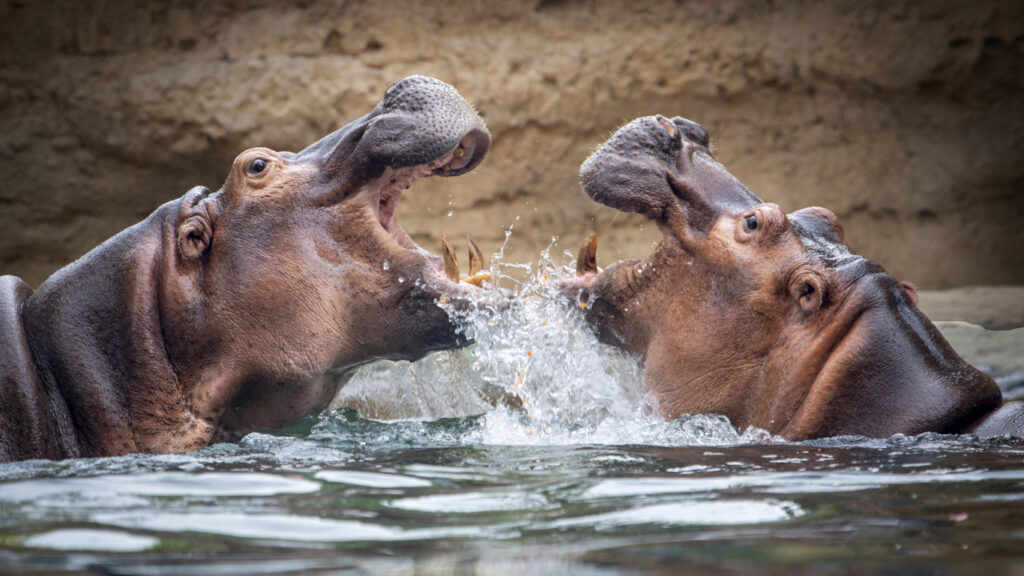
Male hippos compete with each other for control of water territories and access to females, and these battles often involve vicious biting that leaves massive scars and wounds. You’ll see hippos in the wild with chunks of their bodies missing and horrific bite marks, which shows just how brutal these territorial fights get.
The bite serves as both a weapon and a display of dominance, showing other hippos that you’re willing to use force to defend what’s yours. These fights can last for hours and result in serious injuries that the hippos live with for the rest of their lives.
A hippo’s bite can amputate limbs with shocking ease.
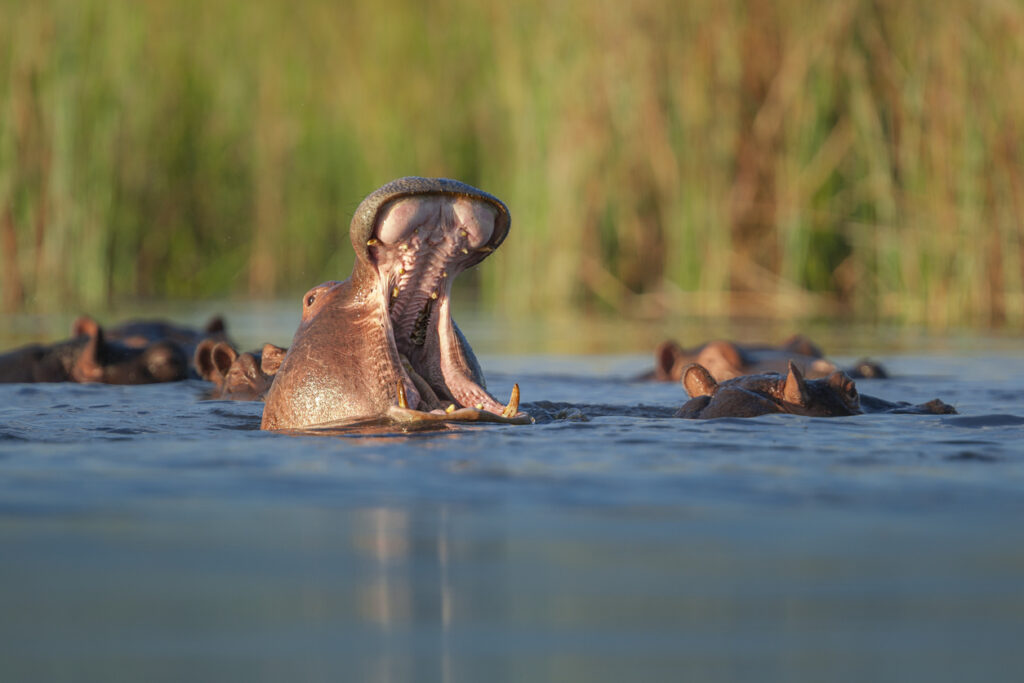
Because of the sheer force and the sharpness of their teeth, a hippo’s bite can completely sever limbs from a body or tear chunks of flesh away in seconds. People who have survived hippo attacks often lose arms, legs or significant portions of their bodies because the damage is just that extensive.
The bite doesn’t just wound; it destroys tissue and bone completely, making survival from a serious hippo attack incredibly difficult even with modern medical care. That’s why hippos are considered one of Africa’s most dangerous animals, despite being herbivores.
Hippos cause more human deaths in Africa than any other large animal.
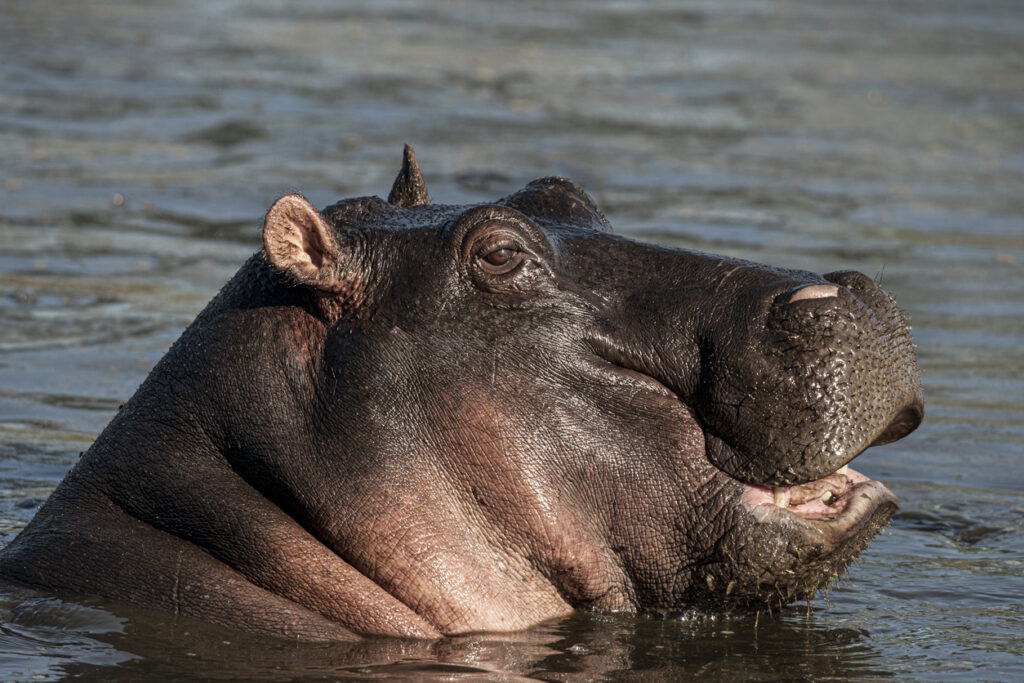
While lions and crocodiles get more attention in documentaries, hippos actually kill more people across Africa every year than any other large animal. Most of these deaths happen to fishermen and people who live near rivers, so encounters with hippos are unfortunately common in certain regions.
The combination of their powerful bite, their aggressive territorial nature and their size makes them almost impossible to escape from if you’re caught in the water. Understanding hippo behaviour and staying away from their territory is literally a matter of life and death for people living nearby.
A hippo’s bite doesn’t just break bones, it destroys them.
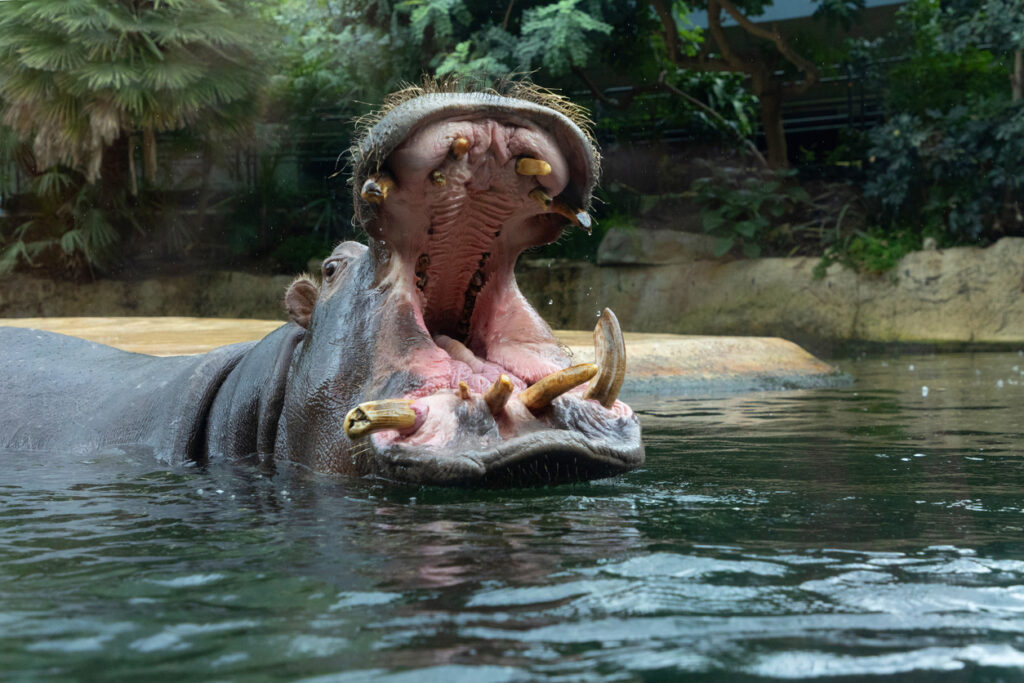
Because the force is so concentrated and so powerful, a hippo’s bite doesn’t just fracture bones the way many other animals do. The bite completely shatters and crushes bone, creating fragments and splinters that cause massive internal damage alongside the obvious external wounds.
That means injuries from hippo bites are extraordinarily difficult to treat because there’s not just a simple break to set—there’s destruction throughout the affected area. Infection and complications are almost guaranteed because of the nature of the wounds and the bacteria from a hippo’s mouth.
Their bite is so powerful they can crack crocodile skin with it.
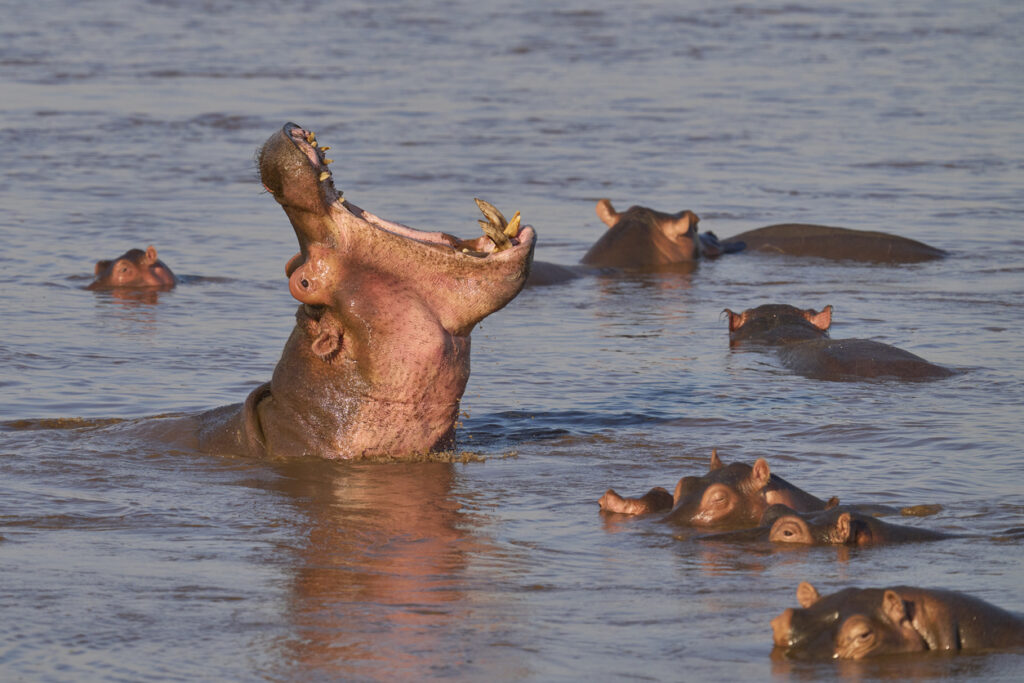
While crocodiles are themselves incredibly dangerous biters, hippos have been observed biting through crocodile skin and causing serious injuries to them in territorial disputes. It really demonstrates just how exceptional the hippo’s bite force is when you consider that crocodile skin has evolved specifically to be tough and resistant to damage.
The fact that hippos can bite through something designed to protect from other powerful predators shows they’re operating on a completely different level of bite force. It’s one of the few animals that actually make crocodiles nervous in water.