Britain’s landscape would look like a completely different world without its native woodlands, but most of us walk past these massive structures every day without realising the weight of the history they’re carrying.
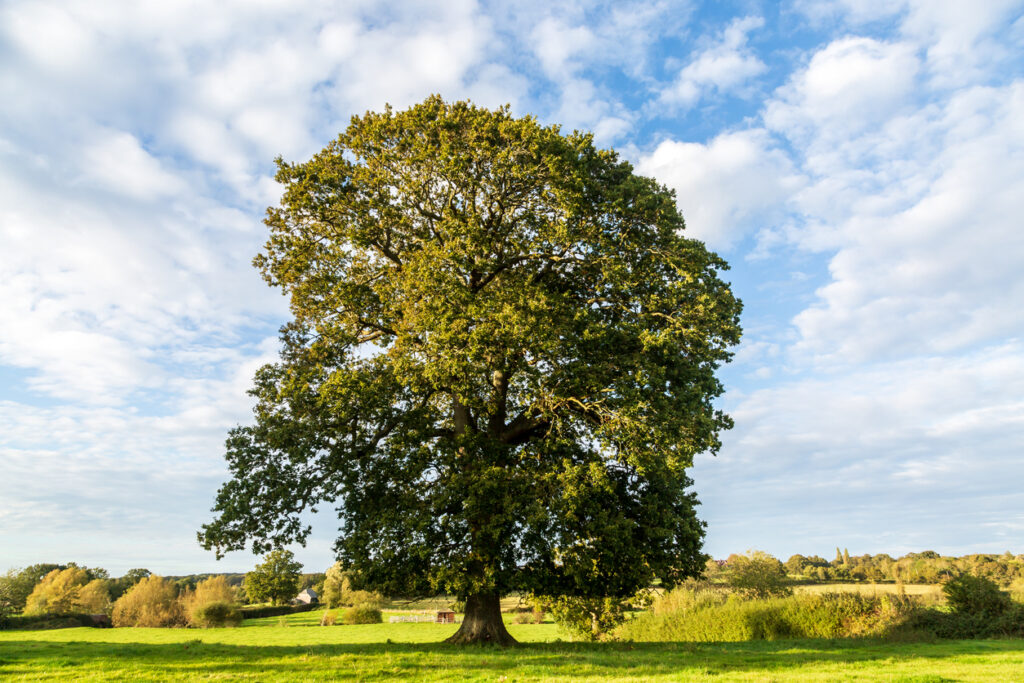
These trees aren’t just part of the scenery; they’ve been the backbone of everything from medieval ship building to ancient folklore for over a thousand years. Some of the oldest specimens in our forests stood their ground while kings were being crowned and empires were falling, acting as silent witnesses to the entire timeline of the British Isles.
Each variety has its own specific legacy, whether it was providing the timber for the Royal Navy’s most famous fleets or serving as a sacred site for pagan rituals long before modern religions took hold. Understanding the stories behind these trees changes how you see the countryside, turning a simple walk in the woods into a trip through a living museum.
1. English oak
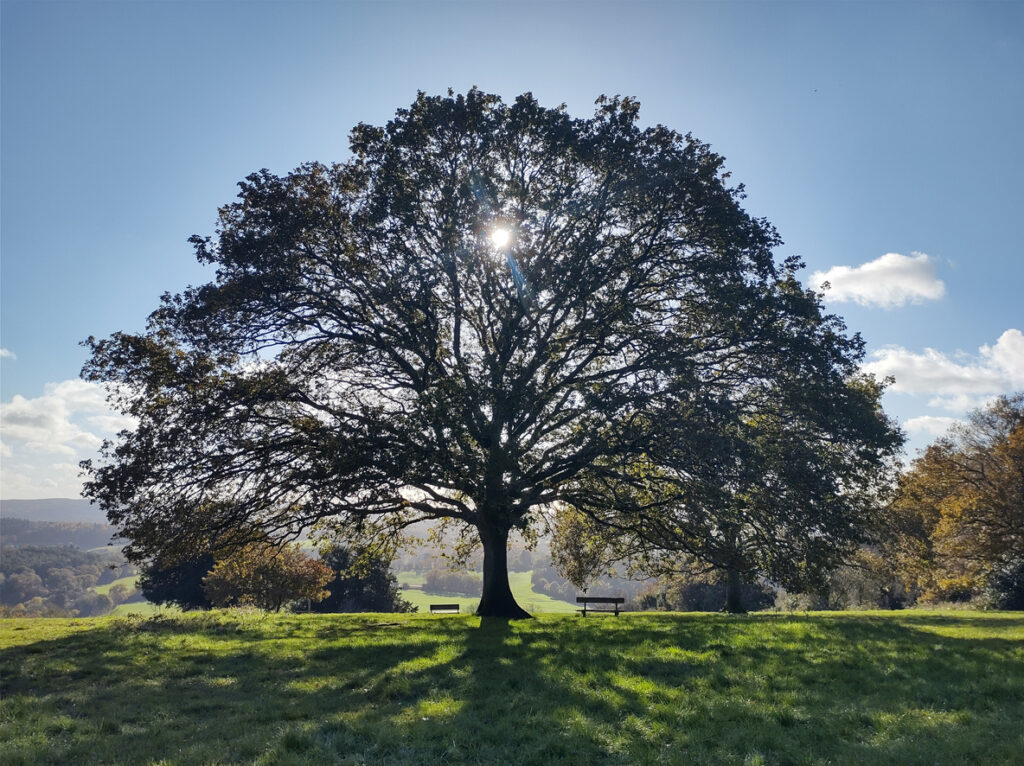
The English oak is the big one, the tree people picture when they think of old Britain. It’s tied up in everything from shipbuilding to country boundaries, and it can live for centuries, which means it ends up present for a lot of history by default.
Even now, old oaks feel like landmarks rather than plants. They hold wildlife, they define landscapes, and they’ve become symbols of endurance, whether that’s a good thing or a heavy thing. When you stand under a huge oak, it’s hard not to feel like you’re in the presence of something older than your whole timeline.
2. Yew
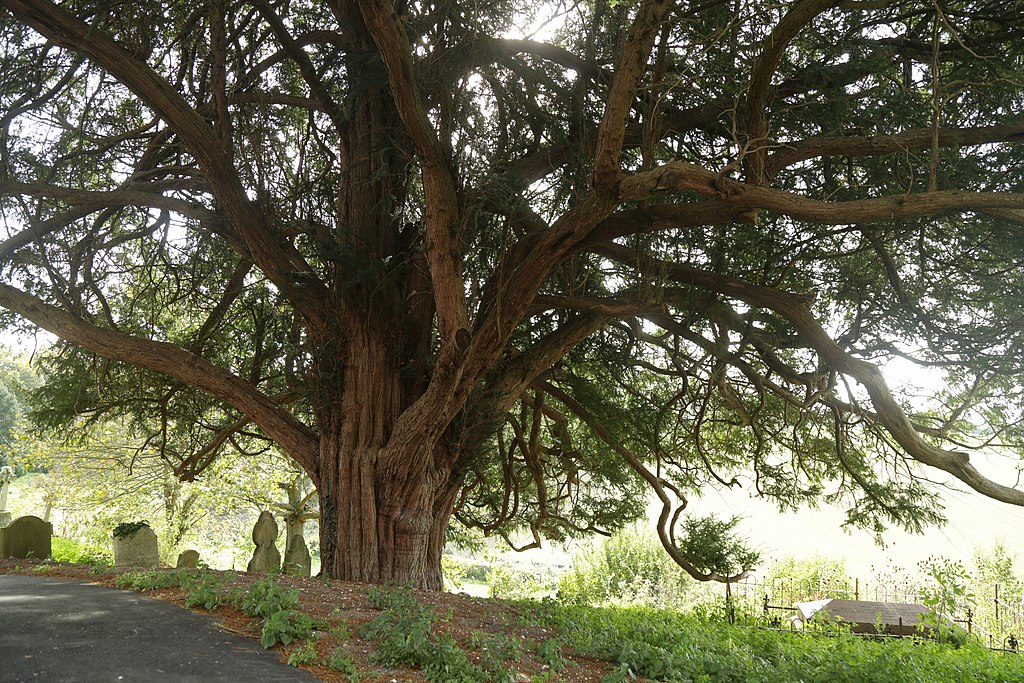
Yews have this eerie, calm presence, and there’s a reason you see them in churchyards all over the UK. They can live for an absurdly long time, and some are thought to be well over a thousand years old. They’ve basically been hanging around while everything else changed.
They’re also tied up with old beliefs, burial sites, and the idea of protection. People planted them around sacred places long before modern churches existed. So when you see a yew beside a church, there’s a good chance the tree is older than the building.
3. Scots pine
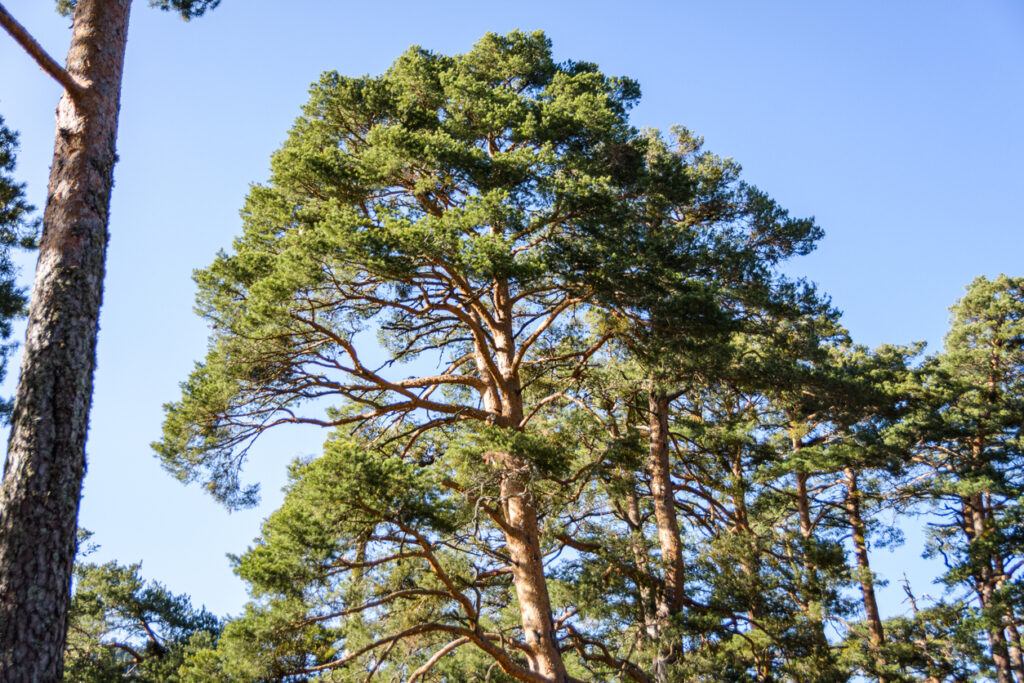
The Scots pine feels like a proper northern tree, all rugged and built for harsh weather. It’s one of the few true native conifers in Britain, and it’s strongly linked to the Scottish Highlands and remnants of the old Caledonian Forest.
Historically, pine was used for timber, resin, and building, and it shaped a lot of rural life. It’s also become wrapped up in ideas of wild Scotland, partly because the last ancient stands feel so rare and important. When you see a lone Scots pine against a grey sky, it looks like it’s starring in its own legend.
4. Silver birch
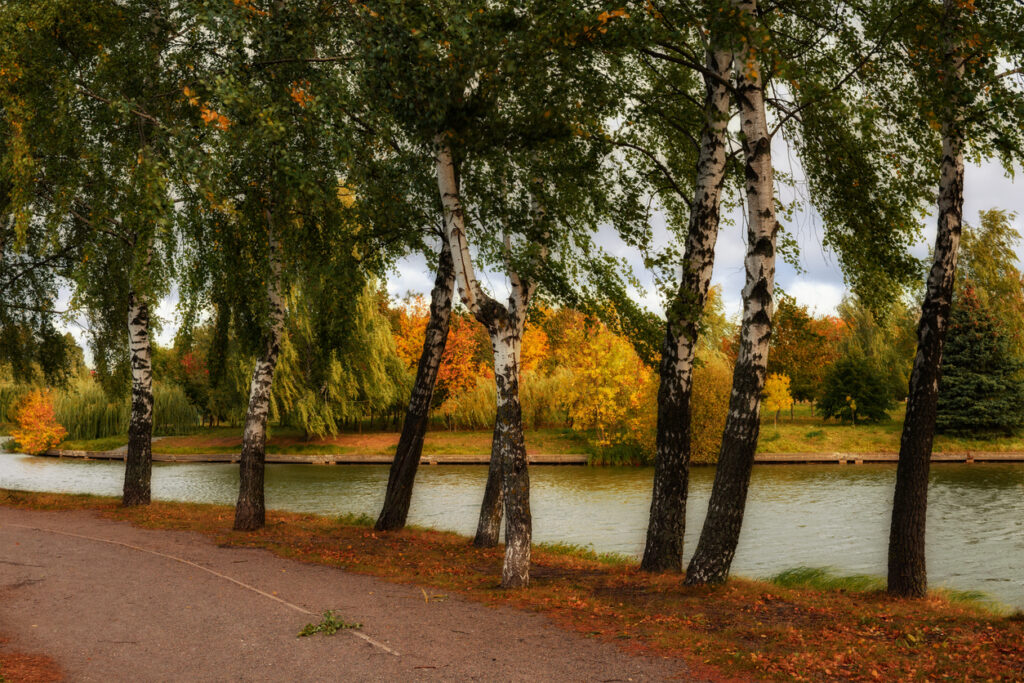
Birch is one of those trees that quietly follows disturbance. After land clears, after fires, after storms, birch often moves in early and starts the recovery. That’s why it’s been seen as a symbol of renewal for ages.
It also has a long history in folk uses, from bark for writing and containers to sap and simple tools. You’ll find birch linked to old customs and seasonal traditions, especially in northern and rural areas. It might not look grand, but it’s a survivor and a starter.
5. Common beech
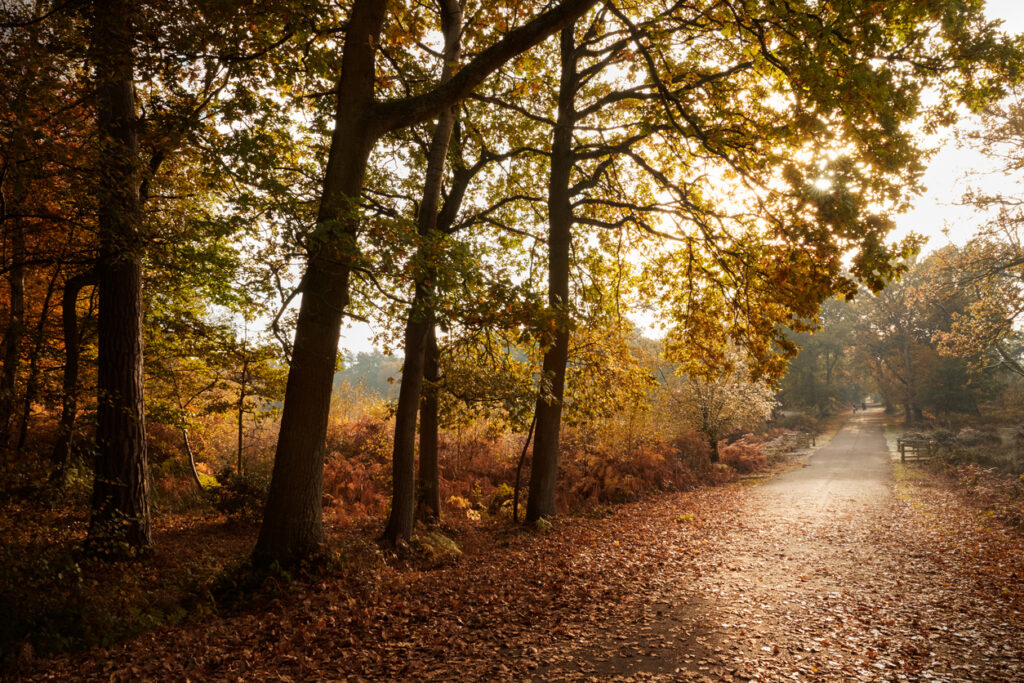
Beech trees have that smooth grey bark and a canopy that makes everything feel quiet underneath. They’re strongly tied to southern England in particular, especially the chalk landscapes where they thrive. Some of Britain’s most famous avenues and woodlands are beech-heavy for a reason.
Beech has a strong historic link to furniture and tool-making because the wood is workable and reliable. There’s also a cultural history, as old beech woods became places people walked, met, and wandered. A mature beech can make a woodland feel like a cathedral without trying.
6. Ash

Ash has always been a practical British tree. It was used for handles, tools, sports equipment, and anything that needed to be strong but flexible. People planted it near farms and villages because it was useful, not because it was pretty.
It also sits deep in old stories and beliefs across Europe, including ideas about protection and healing. In Britain, ash has a kind of everyday legend status because it was everywhere and tied to working life. That’s why ash dieback feels so heartbreaking, it’s not just losing a tree, it’s losing something familiar.
7. Rowan
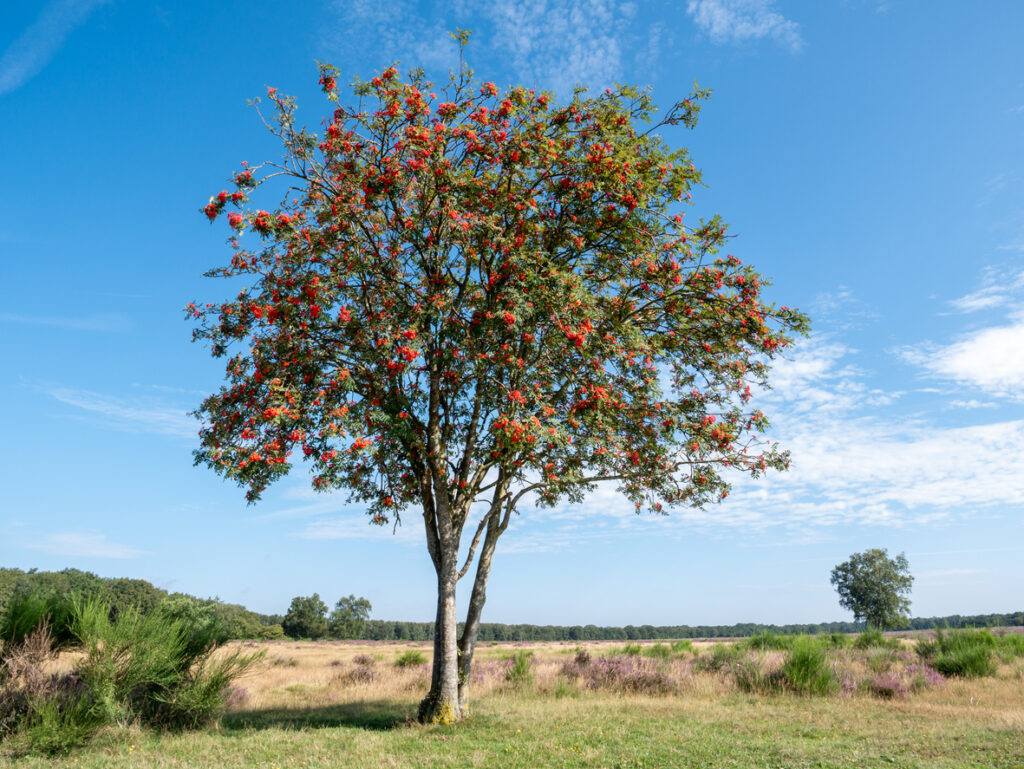
Rowan is the one people talk about when they get a bit superstitious. It’s long been linked with protection against bad luck, and you’ll find it planted near homes, gates, and old boundaries in parts of the UK. The berries and the shape make it stand out even when it’s not huge.
It also thrives in tough places, including upland areas where other trees struggle. That hardiness is part of why it gained its reputation. Rowan feels like the kind of tree that’s quietly on your side, even if you don’t believe in the folklore.
8. Alder
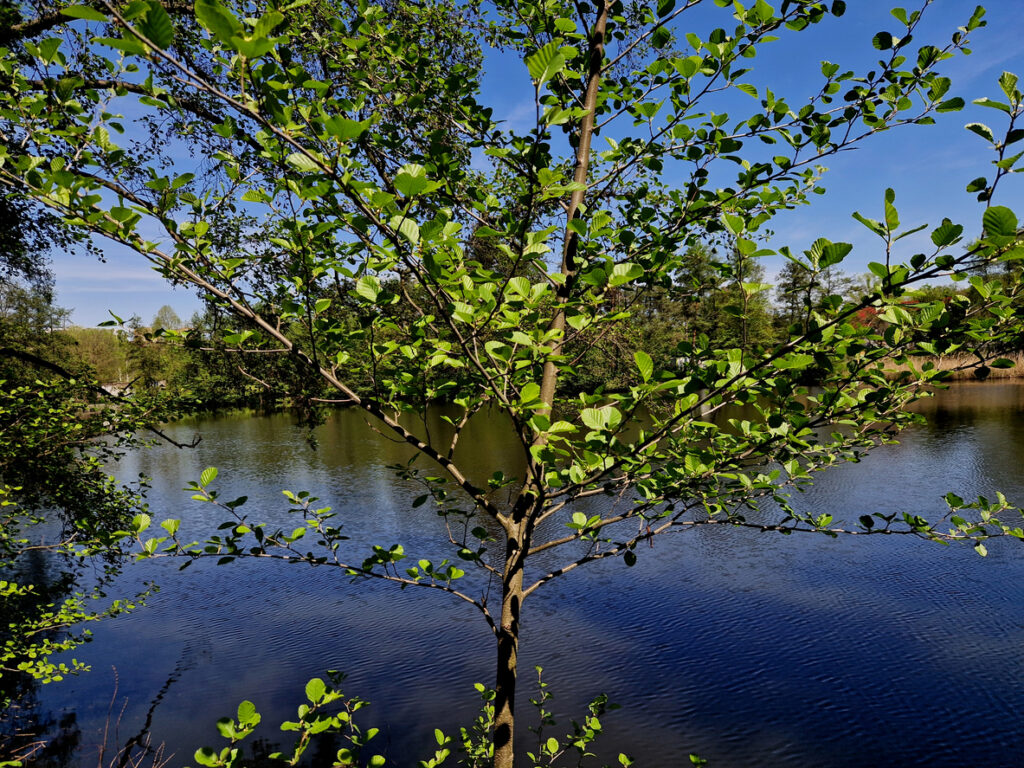
Alder is a proper river and wetland tree. It loves damp ground, and you’ll often spot it near streams and boggy edges where other trees look miserable. Historically, it mattered because people built with it in watery places, since alder wood holds up well when it stays wet.
It has links to old crafts and old landscape management, especially around waterways. It’s not a show-off tree, but it’s part of why certain places could be settled and built on. In a way, alder is one of the quiet trees that made people’s lives easier.
9. Hawthorn
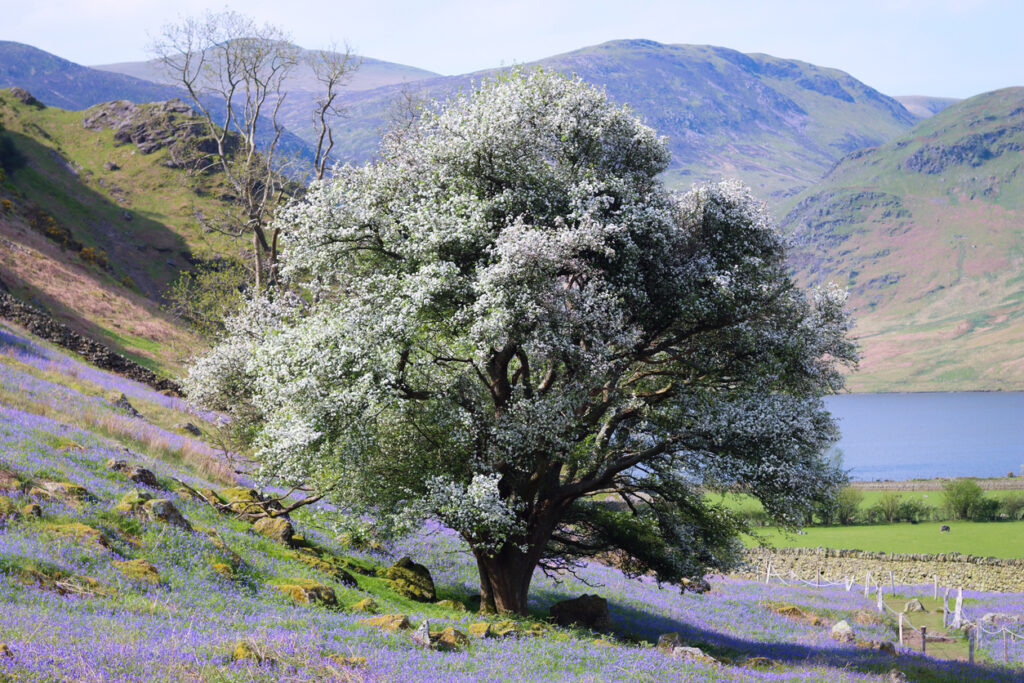
Hawthorn isn’t tall like an oak, but it has a huge history in the UK. It’s tied to hedgerows, field boundaries, and that whole patchwork countryside look. For centuries, hawthorn helped shape land, farming, and village edges.
It’s also loaded with folklore, especially around spring and certain old traditions. People treated hawthorn with respect, sometimes fear, and often a bit of wonder. Even now, an old hawthorn hedge can feel like a piece of living history you can walk alongside.
10. Sweet chestnut
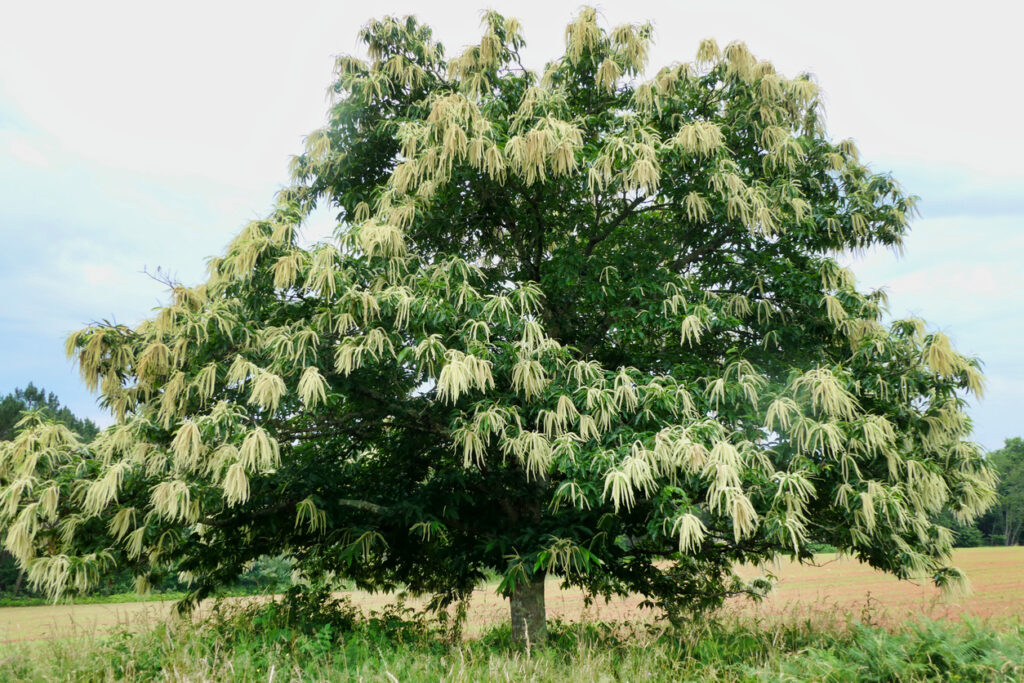
Sweet chestnut has a long story in Britain and is often linked to historic estates, coppiced woodlands, and old woodland crafts. People used it for fencing, poles, and building materials because it grows well, and the wood is naturally durable.
Some sweet chestnuts in Britain are seriously old and massive, and they can feel almost mythic in the flesh. The fact they’re not originally native in the strictest sense doesn’t stop them being part of British landscapes now. They’ve been here long enough to have their own history stamped into the place.
11. London plane
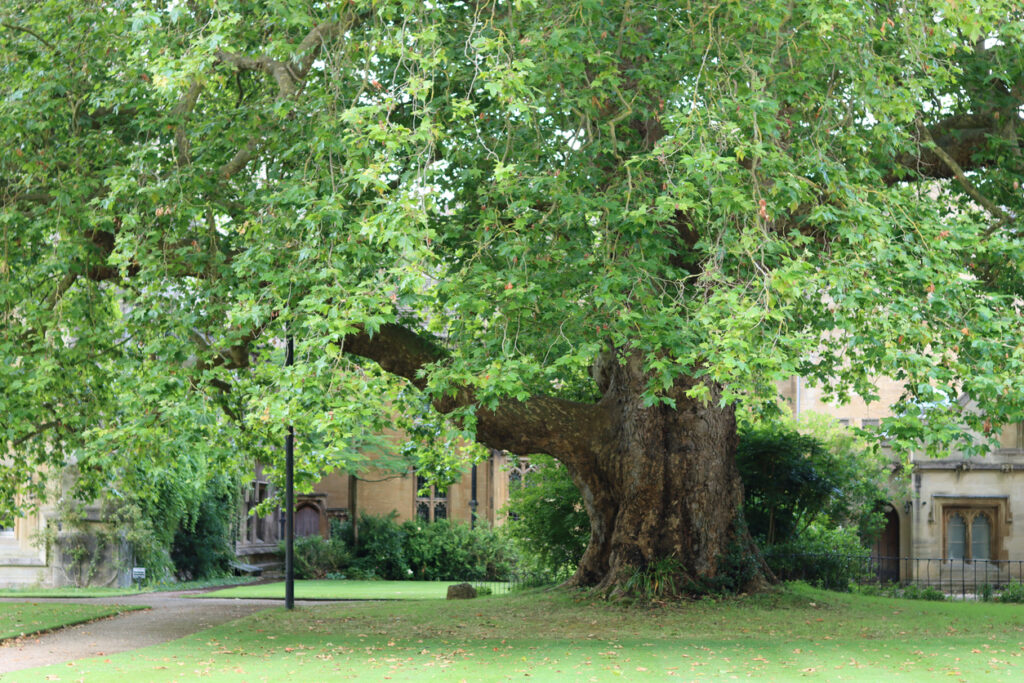
London plane is the classic city tree, especially in London, where it became famous for surviving pollution better than many others. It’s a hybrid, and it handles urban life well, which is why you see it lining streets and parks. It’s basically the tree that decided it could cope with humans and their mess.
Its history is tied to city planning and the growth of modern urban Britain. When you see huge planes along Victorian streets, you’re looking at a living piece of how cities tried to be healthier and greener. It’s a reminder that trees aren’t only rural, they’ve been part of urban survival too.
12. Wild cherry
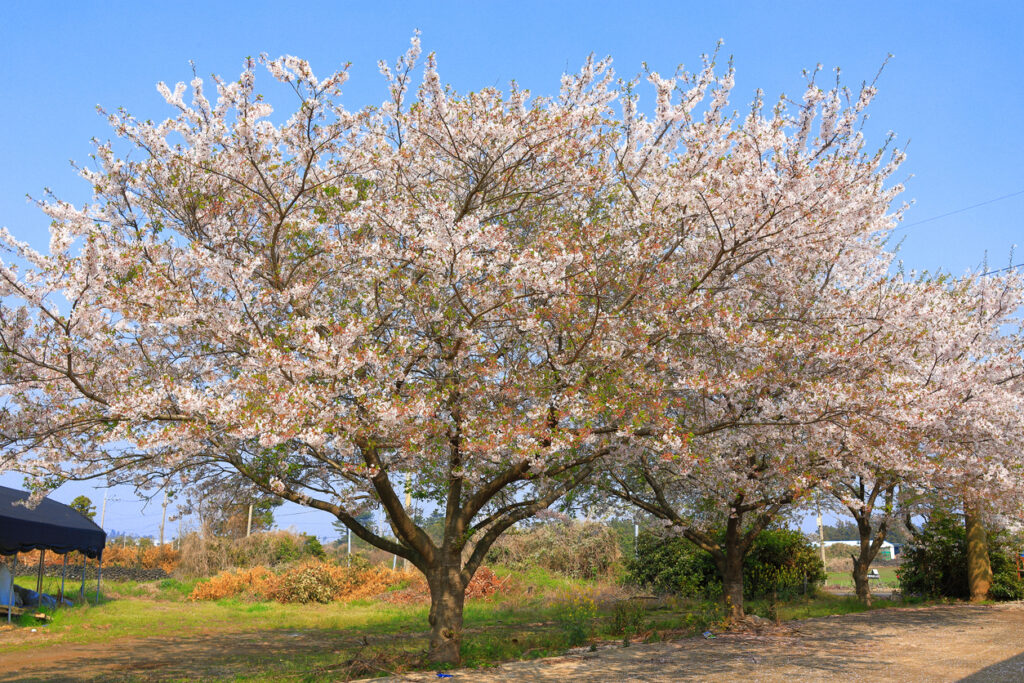
Wild cherry is one of those trees that feels like a seasonal event. In spring, it explodes with blossom, then later it offers fruit for wildlife. It’s not always the oldest tree in the wood, but it’s one of the most noticed.
Historically, cherry wood was valued for furniture and carving, and the tree itself has been tied to old orchard culture and countryside life. Even a single wild cherry can make a place feel softer and more alive. It’s a tree that brings a bit of celebration into the landscape.
13. Lime
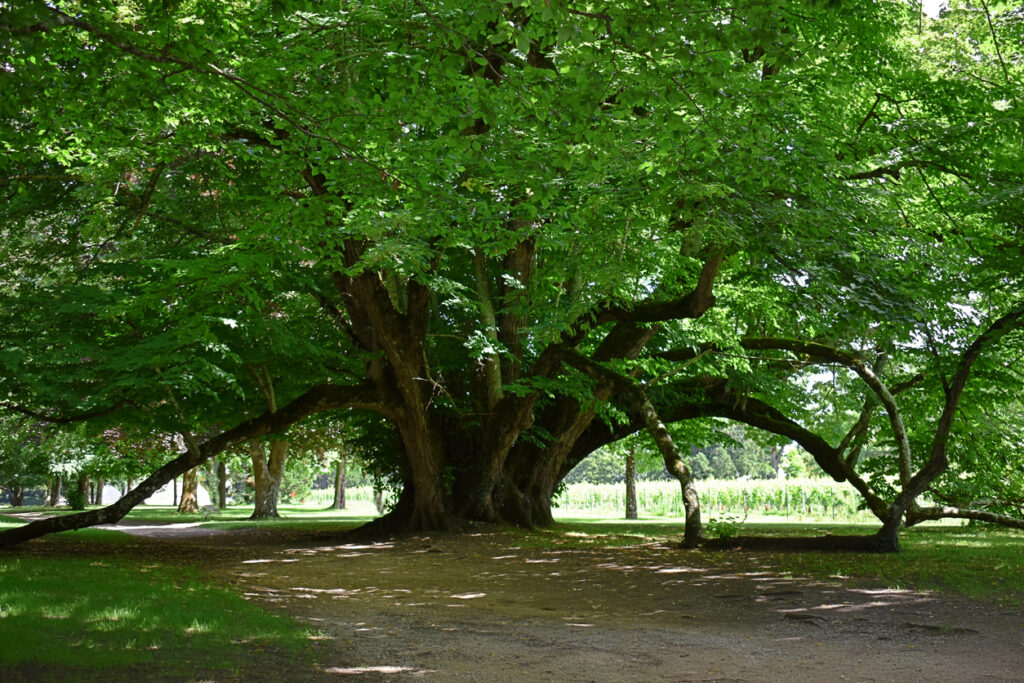
Lime trees have a strong link to old estates, village greens, and formal plantings. They were often planted in avenues because they’re tall, neat, and create a strong sense of place. If you’ve walked down a long tree-lined drive, there’s a good chance it involved limes.
The scent of lime flowers in summer is part of the history too because it’s one of those sensory things people remember. Limes also have a reputation for being good for pollinators. They’re tied to that old idea of trees as part of beauty, order, and community space.
14. Elm
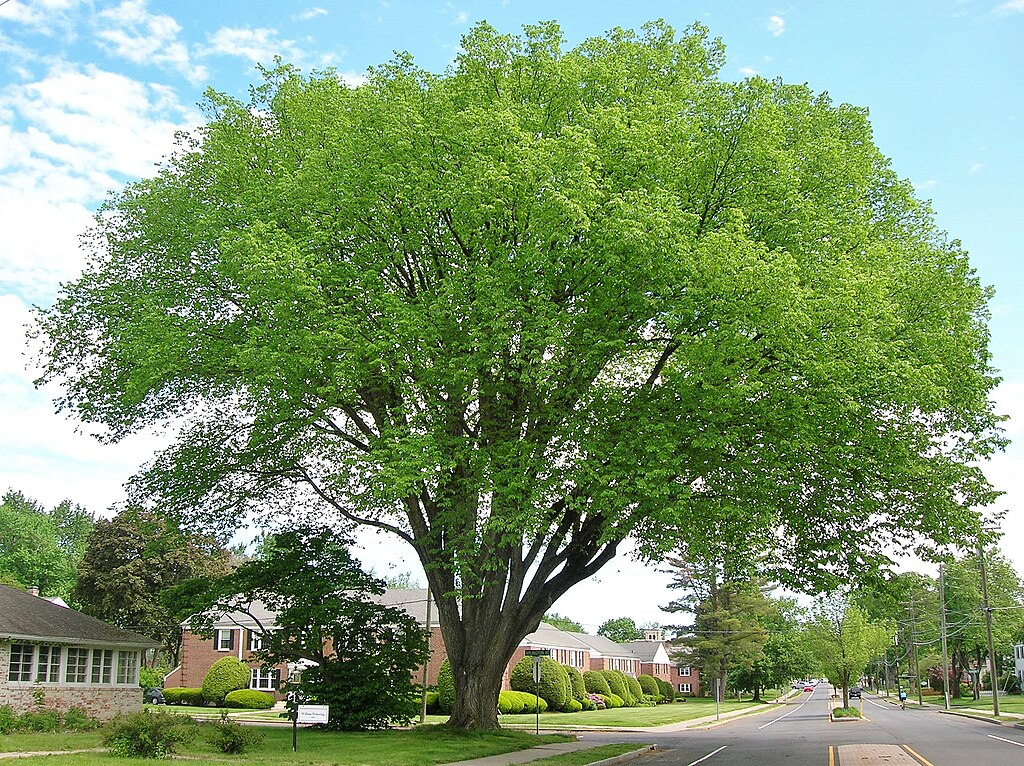
Elm used to be one of the big characters in the British landscape, especially in lowland areas. Then Dutch elm disease tore through, and huge numbers were lost, changing the look of whole regions. That loss is part of its history now because people still remember what the countryside looked like before.
Elm also had practical uses, especially where tough, water-resistant wood mattered. Even today, surviving elms are treated with a kind of respect because they feel like holdouts. Seeing one can feel like spotting a bit of the old landscape that refused to disappear.