Owning a cat is a constant lesson in reading body language, but most people still manage to miss the warning signs until they’ve got a set of claws stuck in their arm.

We tend to treat cats like small, eccentric dogs, expecting them to enjoy the same kind of physical affection and loud energy, but that’s a quick way to end up on the receiving end of an ambush. Most of the time, a cat isn’t attacking out of nowhere; they’re responding to a specific boundary that’s been crossed or a bit of human behaviour that feels like a threat in their world.
It’s usually the small, well-meaning things we do that turn a peaceful lounge session into a scrap. Understanding the logic behind their triggers is the only way to keep the peace and make sure your hands don’t end up looking like a scratchpad. Here are some of the biggest no-nos in the cat world.
1. Ignoring the early warning signs
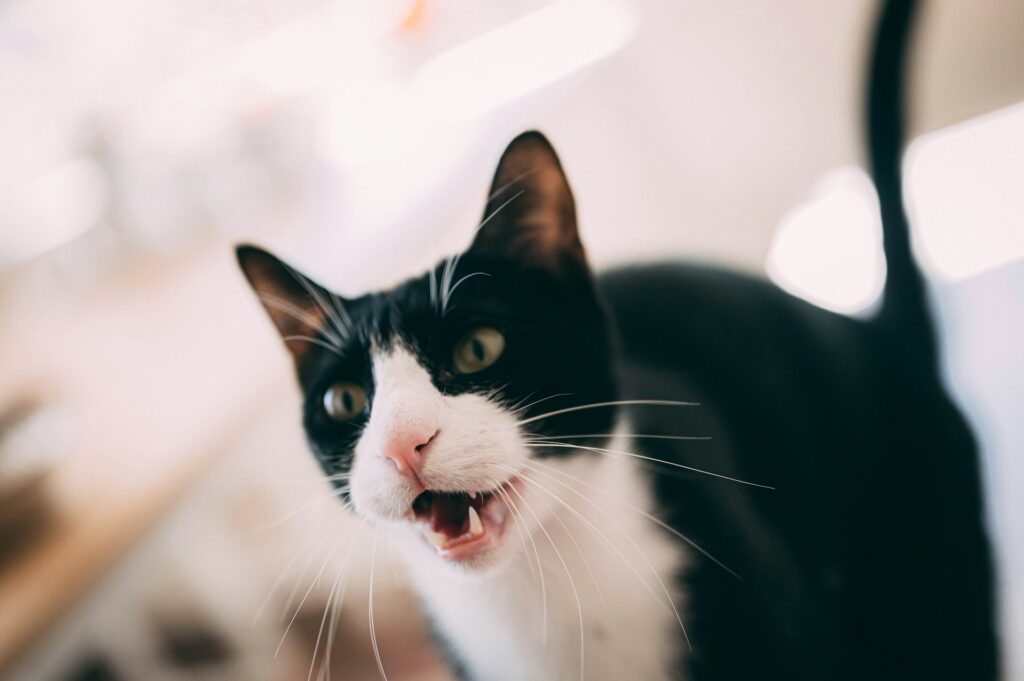
Cats rarely go straight to biting, they usually give clues first. Tail flicking, ears turning sideways, skin twitching, pupils getting wide, or a sudden freeze are all them saying I’m getting fed up. People miss it because the cat is still sitting there, so it seems fine. If you learn those signals, you can stop before it turns into a swipe. Think of it like noticing someone getting annoyed before they snap. You don’t have to fear your cat, you just have to pay attention to their polite no before they use the sharp version.
2. Petting them for too long in one go

Some cats love affection, but a lot of them have a short limit before it starts feeling irritating. They enjoy the first minute, then their body gets overstimulated, and it flips from “nice” to “get off me.” That’s why the same cat can purr and then bite without warning. Shorter, calmer strokes with breaks in between usually work better. Let them walk away and come back if they want more. If you pet like you’re trying to rub a stain out of a sofa, you’re basically asking for trouble.
3. Touching the belly because it looks like an invitation

When a cat rolls over, it often means they trust you, not that they want a belly rub. The belly is vulnerable, and many cats react fast when it’s touched, even if they’re otherwise affectionate. It’s one of the most common reasons people get grabbed and kicked. Some cats do enjoy belly rubs, but it’s the exception, not the rule. If you’re not sure, stick to safer spots like cheeks, head, and behind the ears. Your hands will thank you.
4. Trying to cuddle them like a teddy

Some cats enjoy being held, but plenty hate it, especially if they feel trapped. Holding them tightly, hugging them, or pinning them on your lap can trigger panic. A cat that can’t escape is a cat that might fight. Instead, let the cat choose closeness. Sit near them, offer a hand, and let them lean in. Cats often like contact, they just want it on their terms, not like you’re wrestling a small furry cousin.
5. Waking them up abruptly

Cats can wake up startled and defensive, especially if you touch them suddenly. They might swipe out of pure reflex before their brain catches up. People take it personally, but it’s often just the cat being surprised. If you need to move them, speak first or gently rustle something so they wake naturally. A sleepy cat wants peace, not hands in their face. Respecting that reduces the chances of a nasty surprise.
6. Cornering them or blocking their escape routes
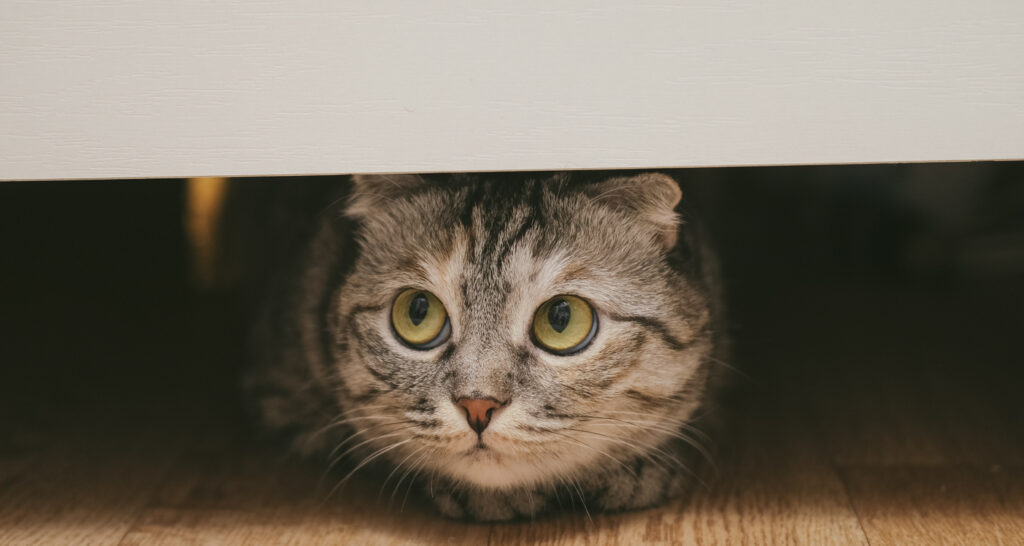
If a cat feels trapped, it’s far more likely to lash out. This can happen when you follow them into a small room, lean over them, or stand in a doorway while they’re stressed. Even a friendly cat can go defensive when they can’t get away. Give them space and a clear exit whenever they look tense. If you want them to come to you, make yourself smaller and less intense. Cats are braver when they know they can leave.
7. Playing with your hands and then acting shocked when they bite

Teaching a cat that hands are toys is a classic mistake. It feels cute when they’re tiny, then they grow up and still think grabbing skin is part of play. Then people wonder why they get ambushed during a cuddle. Use toys instead, like wand toys, balls, or kicker toys. Keep your hands for gentle contact, not combat. If the cat wants to hunt, give them something they’re allowed to murder.
8. Punishing them for being scared or reactive

Shouting, spraying, or smacking a cat can make aggression worse. It doesn’t teach them to feel safe, it teaches them you’re unpredictable. A scared cat doesn’t calm down, it just gets more defensive. If a cat is reactive, the goal is to reduce fear, not add to it. Calmly step back, lower the intensity, and give them time to reset. You can still set boundaries, but fear-based punishment usually backfires.
9. Forcing them to interact with strangers

Some cats are social, but many prefer to choose their people slowly. If you carry them out to meet guests, or guests reach straight for them, they can panic. That panic often comes out as a scratch or bite. Let them hide if they want to, and let them approach in their own time. Tell visitors to ignore the cat at first and let the cat do the sniffing. The less pressure, the safer everyone is.
10. Missing signs of pain or illness

A cat that suddenly bites or lashes out during touch might be sore. Dental pain, arthritis, skin issues, tummy pain, or injuries can make them react when they normally wouldn’t. Cats are good at hiding discomfort until they can’t. If behaviour changes suddenly, especially if the cat seems jumpier or less tolerant, it’s worth checking with a vet. You can’t train pain out of an animal. Fixing the discomfort often fixes the aggression.
11. Leaving them bored and under-stimulated
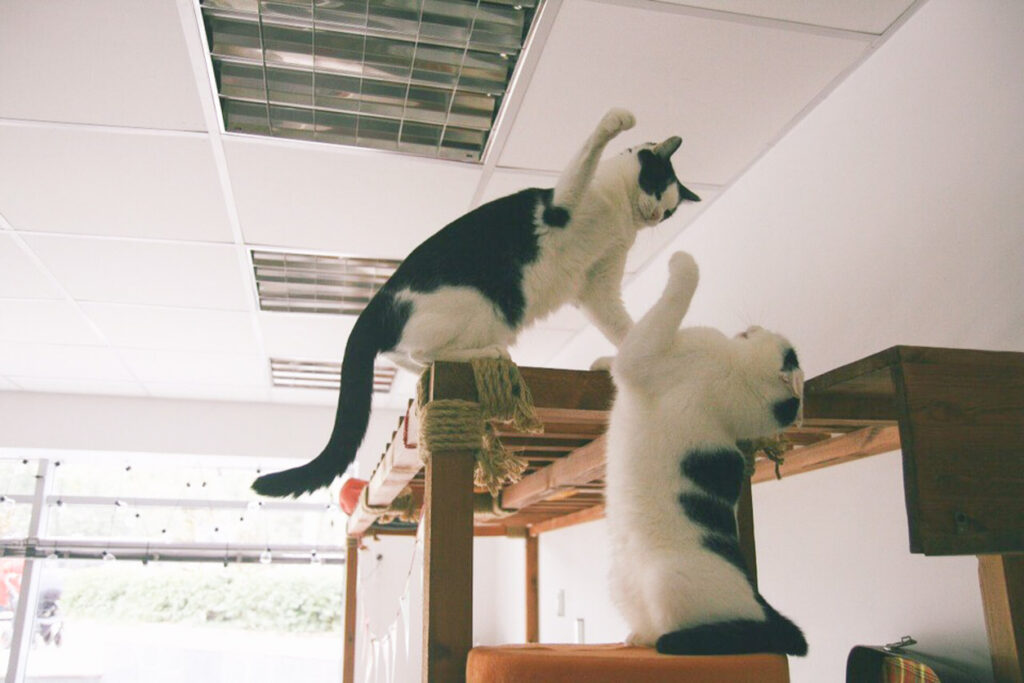
A bored cat can become a little menace. They might pounce on ankles, bite for attention, or start fights with other pets. It’s not always aggression, sometimes it’s just a hunting brain with nothing to do. Daily play helps more than people expect. Ten minutes of proper chasing and pouncing can take the edge off. If your cat seems like it’s constantly looking for trouble, it might just need an outlet.
12. Overstimulating them with constant noise and chaos

Cats are sensitive to stress, and a loud, chaotic home can make them edgy. Kids running, shouting, vacuuming, loud music, lots of visitors, it can all pile up. When a cat feels overwhelmed, their tolerance gets shorter. Give them calm zones where they can escape. High perches, quiet rooms, covered beds, and predictable routines all help. A calmer cat is a safer cat.
13. Staring directly at them when they’re already tense
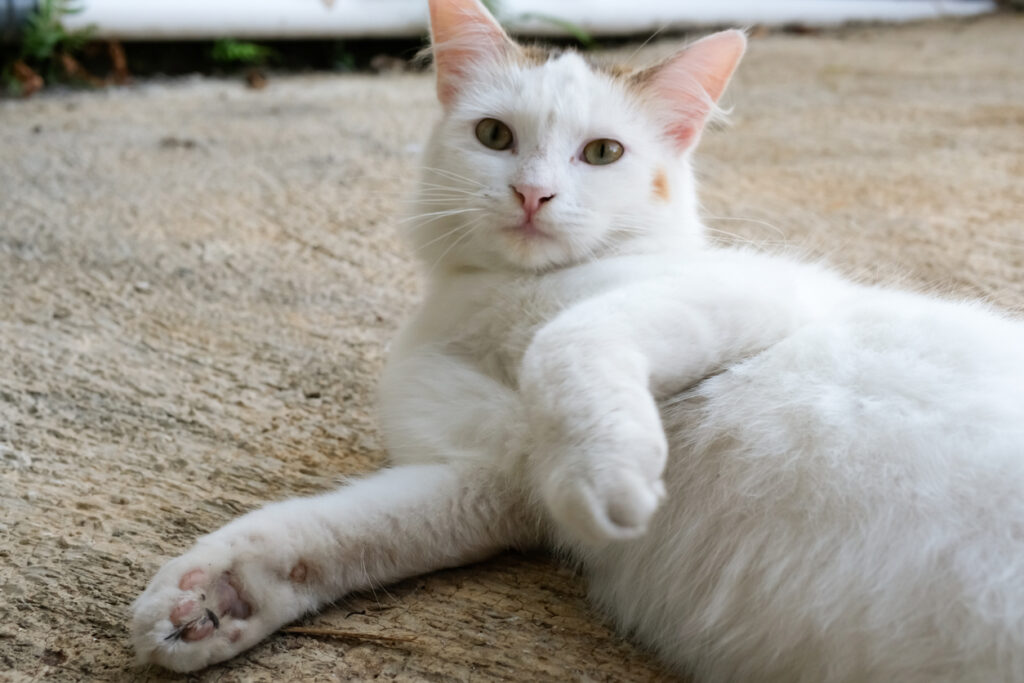
In cat language, a hard stare can feel like a challenge. People do it without thinking, especially when they’re annoyed or trying to read the cat’s mood. But to the cat, it can add pressure and make things worse. If your cat looks stressed, soften your gaze and blink slowly, or look slightly away. It’s the cat version of saying I’m not here to fight. It sounds silly, but it can genuinely reduce tension.
14. Taking away their sense of control over their space
Cats feel safer when they control their territory. If you constantly move their things, block their favourite spots, pick them up whenever you feel like it, or stop them from escaping rooms, they can get frustrated. That frustration can turn into swats and bites. Give them predictable spots, safe hiding places, and the ability to choose contact. You don’t have to let them run the house, but they need to feel like they have options. Cats who feel secure and in control are far less likely to attack.