Living in the British countryside or a leafy suburb sounds great until you realise that nature doesn’t care about your property lines or your weekend plans.

You might think owning a bit of land gives you total control over what happens on it, but the law actually protects quite a few things that the average homeowner would consider a massive headache. There is a whole list of plants, animals, and environmental quirks that you are legally required to just put up with, no matter how much they mess with your garden or your sleep schedule.
From protected species that decide to move into your loft to specific plants that you aren’t allowed to touch, the legal system often sides with the environment over your personal convenience. It’s a frustrating reality where you can end up being the one in trouble if you try to take matters into your own hands against a nuisance that technically has more rights than you do.
1. Fallen leaves from your neighbour’s tree clogging up your garden

Your neighbour’s tree drops hundreds of leaves into your garden every autumn, but legally, they don’t have to come round and clear them up. The tree owner has no obligation to sweep up fallen leaves unless they cause actual damage like blocked drains. You can cut back overhanging branches to your boundary line, but those leaves blowing over the fence are your problem to deal with, and there’s nothing you can do to make your neighbour take responsibility for nature doing its thing.
2. Fruit from overhanging branches that come onto your property
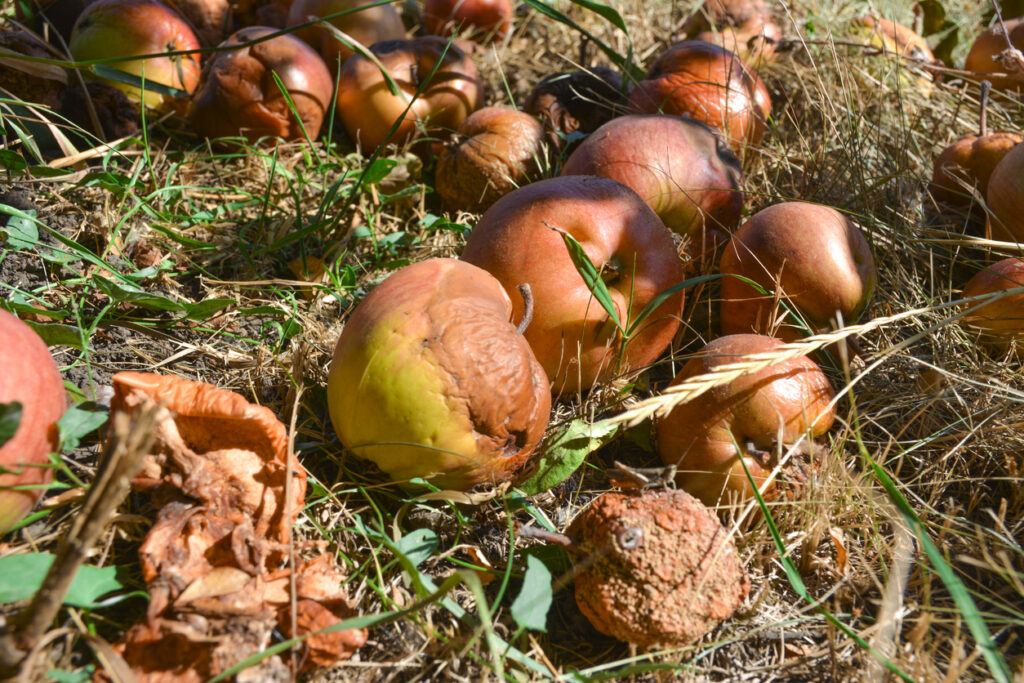
Even if apples or pears from your neighbour’s tree are dangling over your fence, they still belong to your neighbour under the Theft Act 1968. You can trim the branches back to the boundary, but you must offer the cuttings and any fruit back to the tree owner because it remains their property. It feels bizarre that fruit literally hanging in your airspace isn’t yours, but picking and keeping it without permission is technically theft, so you’re stuck asking nicely or watching it rot.
3. Seagulls screeching at dawn and dive-bombing your food
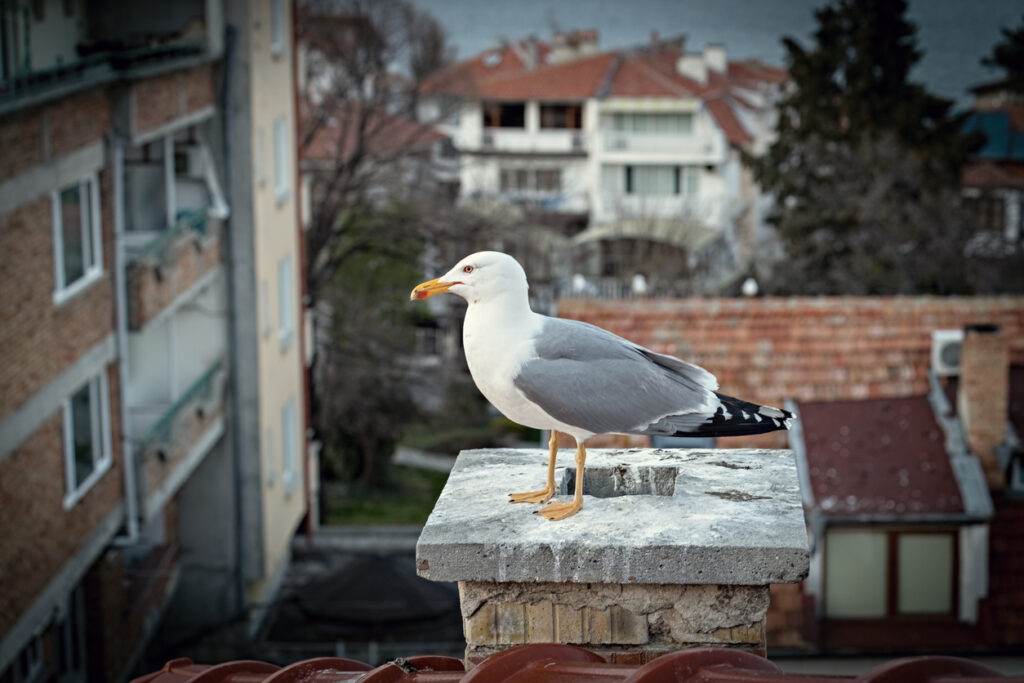
All wild birds including seagulls are protected under the Wildlife and Countryside Act 1981, which means you can’t harm them, destroy their nests while in use, or take their eggs without a licence. The law doesn’t permit control measures for gulls just because they’re making noise or damaging property. Even when they’re swooping aggressively during nesting season or ripping open your bin bags, you’re limited to non-lethal deterrents like spikes and netting, and councils can only step in if there’s a genuine public health or safety risk.
4. Wild birds nesting in your eaves and making a racket
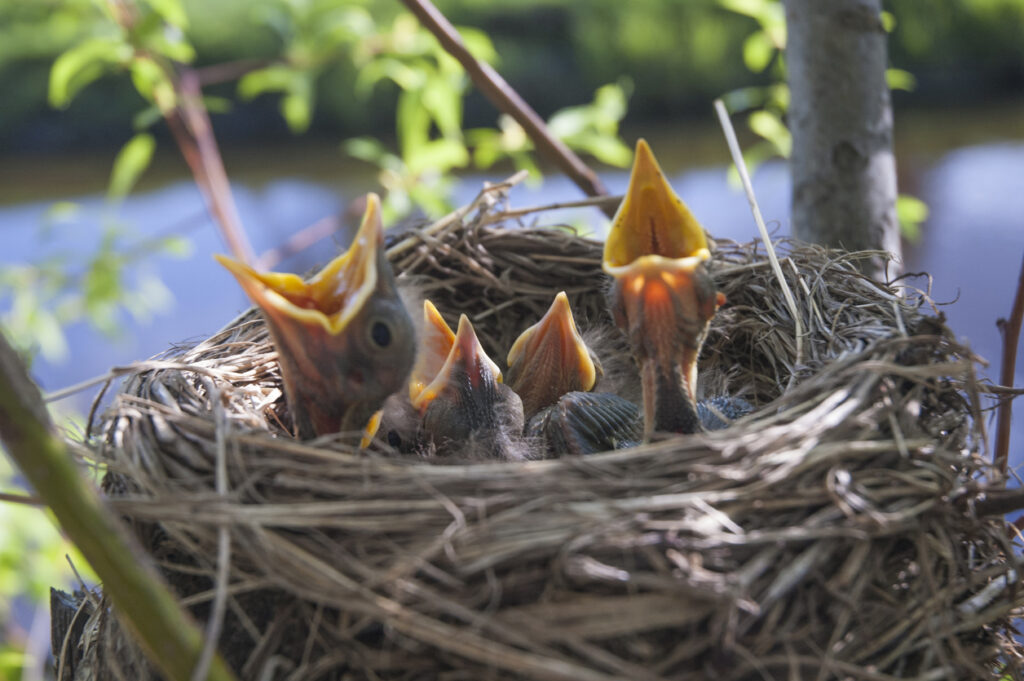
Once birds start building a nest on your property, you can’t touch it until they’ve finished breeding and abandoned it. It’s illegal to intentionally damage or destroy any wild bird’s nest while it’s in use or being built, which means months of dealing with noise, droppings, and blocked gutters. You can install bird-proofing after they’ve gone, but during nesting season you’re stuck with whatever species has decided your house is perfect, and disturbing them could land you with a fine.
5. Grey squirrels destroying your garden
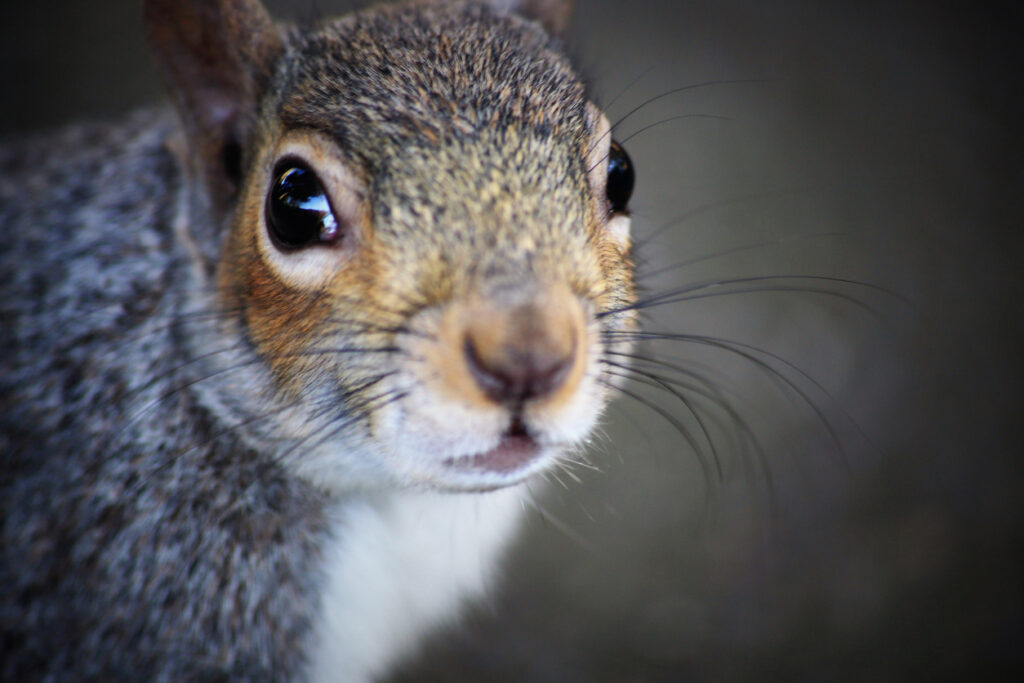
Grey squirrels aren’t protected like red squirrels, but the Wildlife Act 2006 makes it illegal to cause unnecessary suffering, and it’s also illegal to release grey squirrels back into the wild once you’ve trapped them. Most people can’t humanely kill an animal without causing it to suffer, which means you’d be breaking the law if you tried. Wildlife rehabilitation centres often won’t take grey squirrels anymore since they can’t legally release them, so you’re left watching them dig up bulbs, strip bark, and raid bird feeders with very limited options.
6. Occasional bonfires from your neighbour filling your garden with smoke
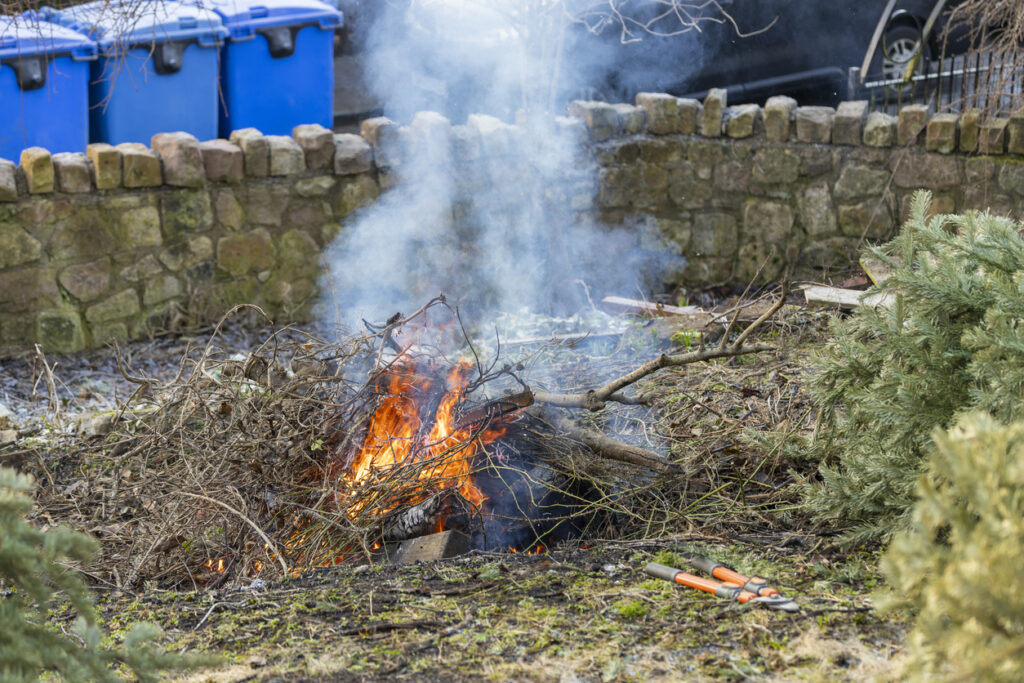
There are no laws about when someone can have a bonfire, and if your neighbour only lights one occasionally, it’s unlikely to be considered a statutory nuisance. For a bonfire to count as a legal nuisance under the Environmental Protection Act 1990, it needs to be frequent, persistent, and substantially interfere with your enjoyment of your property. One bonfire every few weeks doesn’t meet that threshold, so you’ll have to bring your washing in and shut your windows while hoping they’ll be more considerate next time.
7. Church bells ringing every Sunday morning and chiming through the night

Church bells have been ringing for centuries, and while technically, they can be subject to statutory nuisance complaints under the Environmental Protection Act 1990, getting them silenced is incredibly difficult. There’s no prescribed standard for acceptable noise levels, and courts consider tradition, location, and how long the bells have been ringing. Some churches have clock bells that chime every quarter-hour through the night, and even when councils investigate, the historical and religious significance usually wins out over residents’ sleep.
8. Your neighbour’s tree blocking your view

You have no legal right to a view in the UK, which means if your neighbour’s tree grows tall enough to block your once-lovely outlook, you can’t force them to cut it down. Even if the tree completely obscures what was previously an uninterrupted vista, it’s not considered a legal nuisance. You can’t claim damages for loss of view, and your property value dropping because of it doesn’t change anything, so you’re stuck watching your panorama disappear behind branches and leaves.
9. Bird droppings covering your car and garden furniture constantly
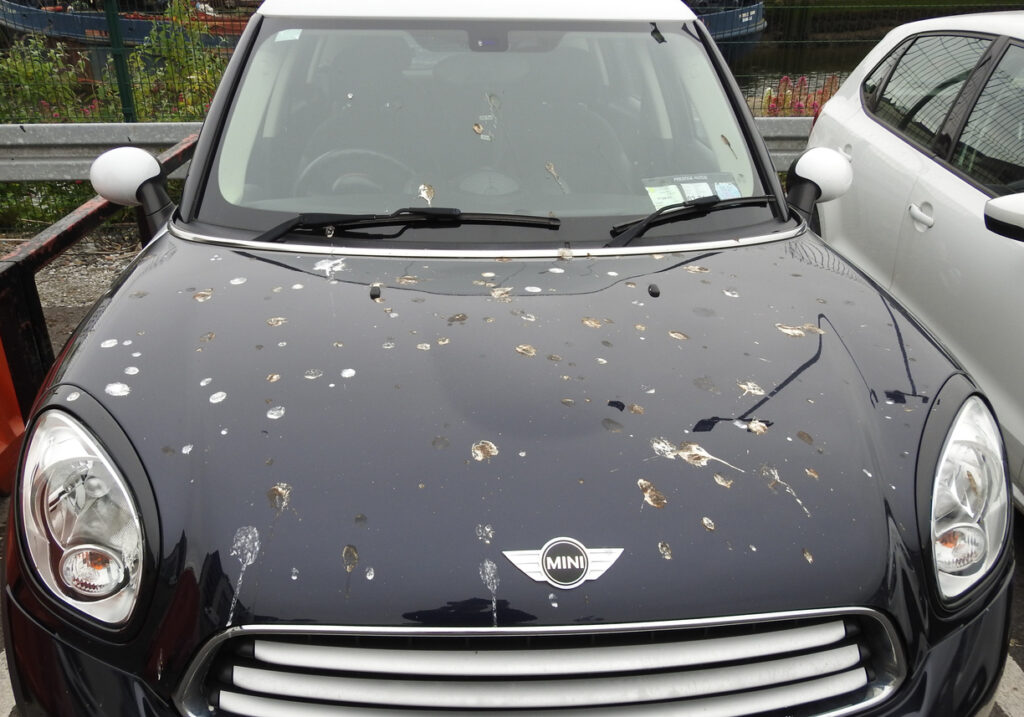
Wild birds can’t be controlled just because they’re pooing on your property, and there’s very little you can do about it unless someone’s actively feeding them in excessive amounts. Bird droppings are considered a normal consequence of living near wildlife, and while they’re unsightly and acidic enough to damage paintwork, they don’t constitute a statutory nuisance on their own. You can clean your car more often and cover your furniture, but you can’t demand your neighbour stop attracting birds unless they’re creating a genuine health hazard.