London is usually seen as a concrete maze of skyscrapers and tube tunnels, but a surprising amount of the city has been reclaimed by creatures that have no business living in a major metropolis.

You might expect the usual pigeons and foxes, but the capital has become a genuine stronghold for species that were once found only in the deepest parts of the countryside. From exotic birds that have turned the local parks into tropical outposts to massive predators patrolling the Thames, the city’s ecosystem is a lot more diverse than the grey skyline suggests.
These animals haven’t just stumbled into the city accidentally; they’ve adapted to the noise, the lights, and the millions of people, finding clever ways to thrive in the gaps between the brickwork and the bitumen. It is a strange, parallel world where nature has learned to use the urban sprawl to its advantage, proving that even a global financial hub can’t keep the wild out for long.
1. Ring-necked parakeets have taken over the parks.
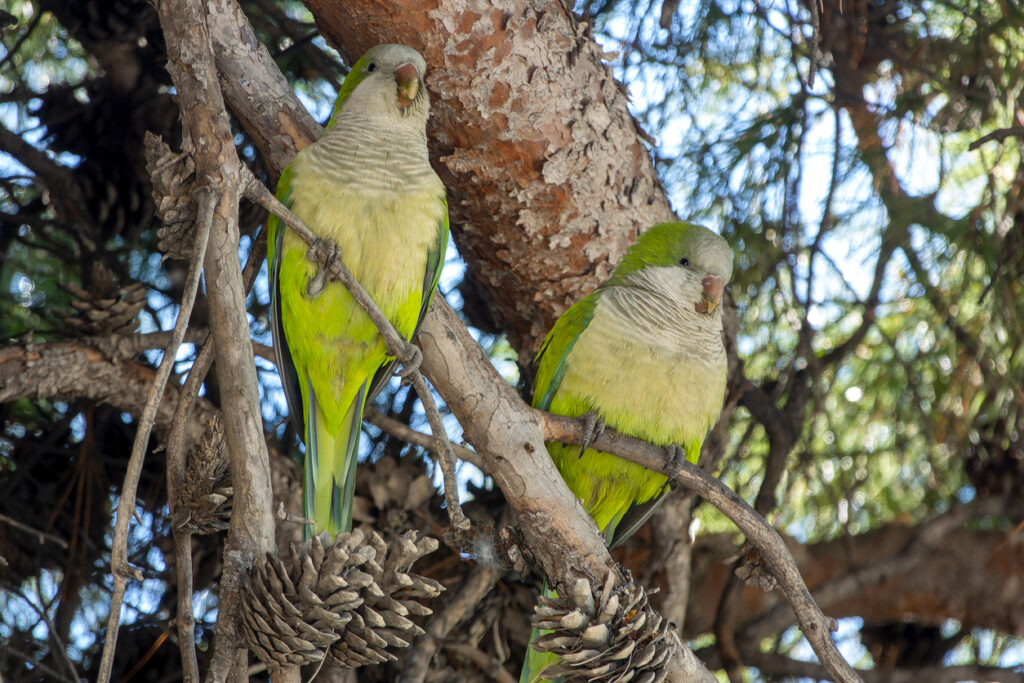
Bright green parakeets screeching through London’s parks look like they’ve escaped from a zoo, but these African and Asian natives have established a thriving wild population of over 30,000 birds. One popular rumour suggests Jimi Hendrix released two parakeets on Carnaby Street in the 1960s, while others reckon they escaped from the film set of The African Queen in 1951 or Henry VIII’s menagerie at Hampton Court Palace. Nobody knows the real origin story, but they’re now so common in places like Richmond Park and Hyde Park that they’ve become an iconic part of London’s wildlife.
2. Peregrine falcons nest on the Houses of Parliament.
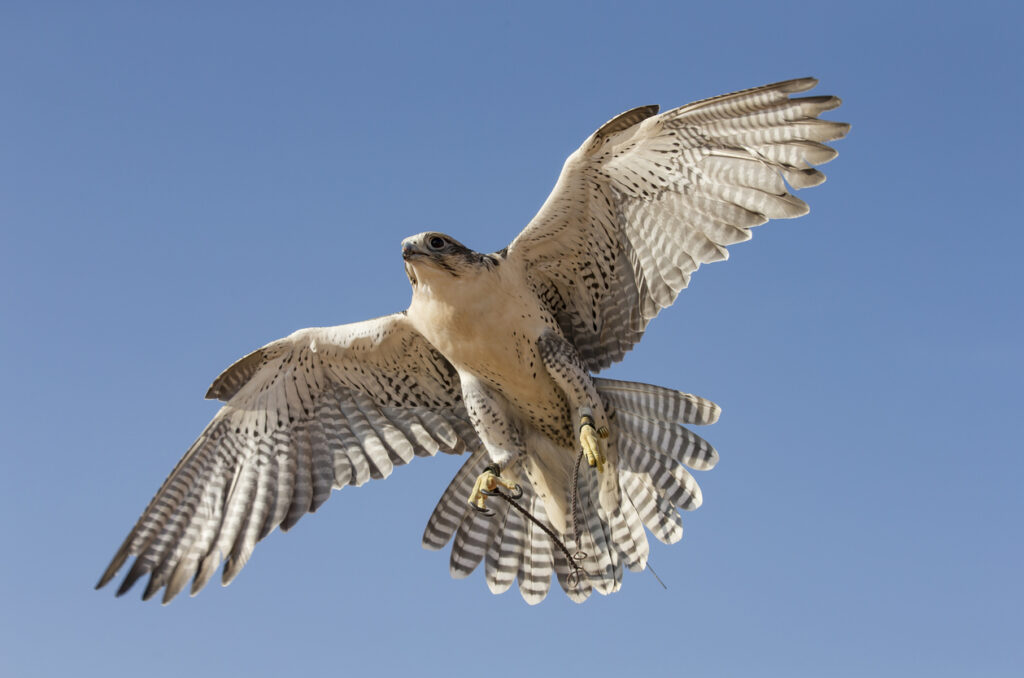
London hosts more peregrine falcons than any other city in the world, which is remarkable considering they nearly became extinct last century. These birds are the fastest animals on Earth, reaching speeds of 320 kilometres per hour when diving for prey. You’ll find them nesting on skyscrapers and historic buildings across the city, including the Houses of Parliament, hunting pigeons against the backdrop of Big Ben.
3. European snakes live in trees along Regent’s Canal.
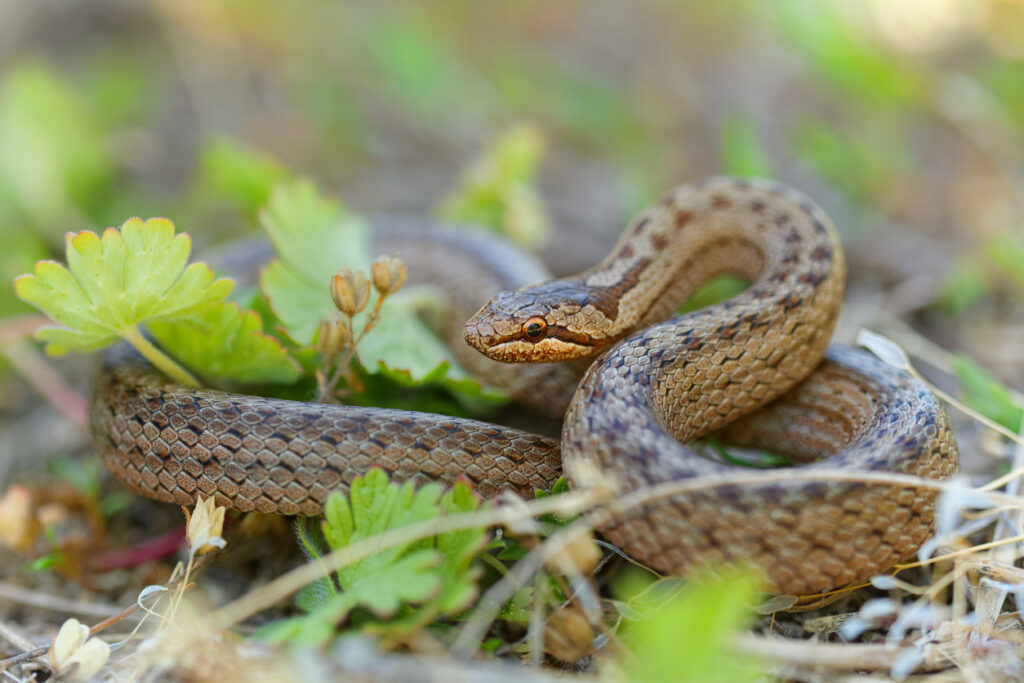
An estimated 40 Aesculapian snakes are living in trees near Camden and London Zoo along Regent’s Canal, and nobody’s quite sure how they got there. These snakes are native to continental Europe, not Britain, and it remains a mystery how they established themselves in the heart of London. They’re shy and completely harmless to humans, but they do excellent work keeping down the rat and mouse population along the waterways.
4. Beavers have returned after 400 years.
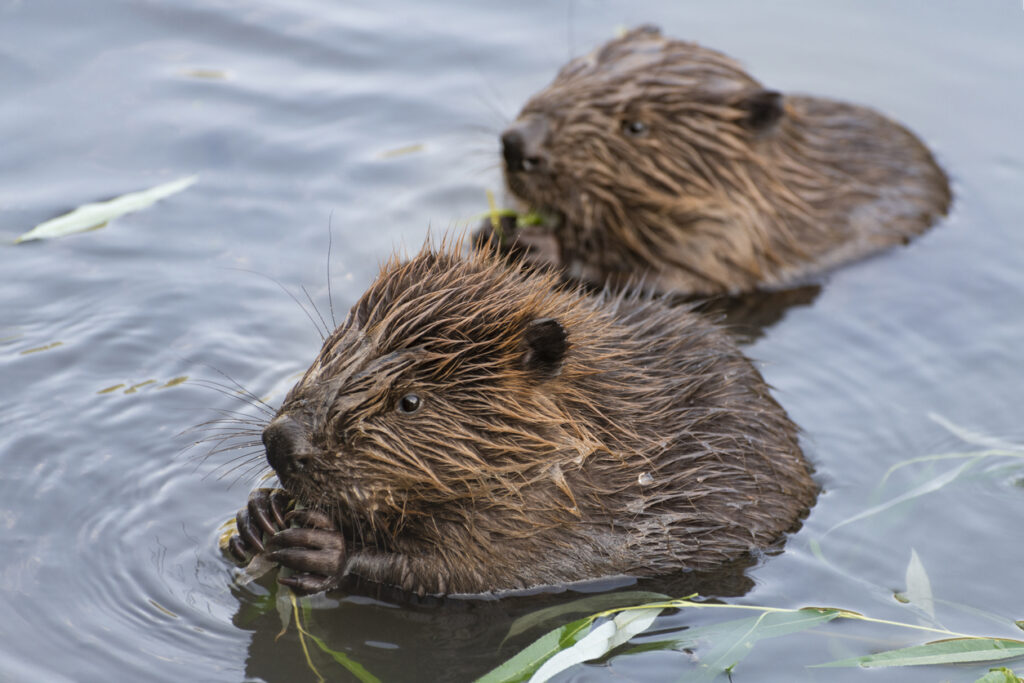
Beavers were hunted to extinction in Britain around 400 years ago, but they’ve made a remarkable comeback and are now thriving in parts of London, including Paradise Fields. These ecosystem engineers transform their environment by building dams that filter water and create wetland habitats, which then attract loads of other species. Their reintroduction represents a major conservation success and shows how urban areas can support wildlife when given the chance.
5. Wild deer roam freely in royal parks.
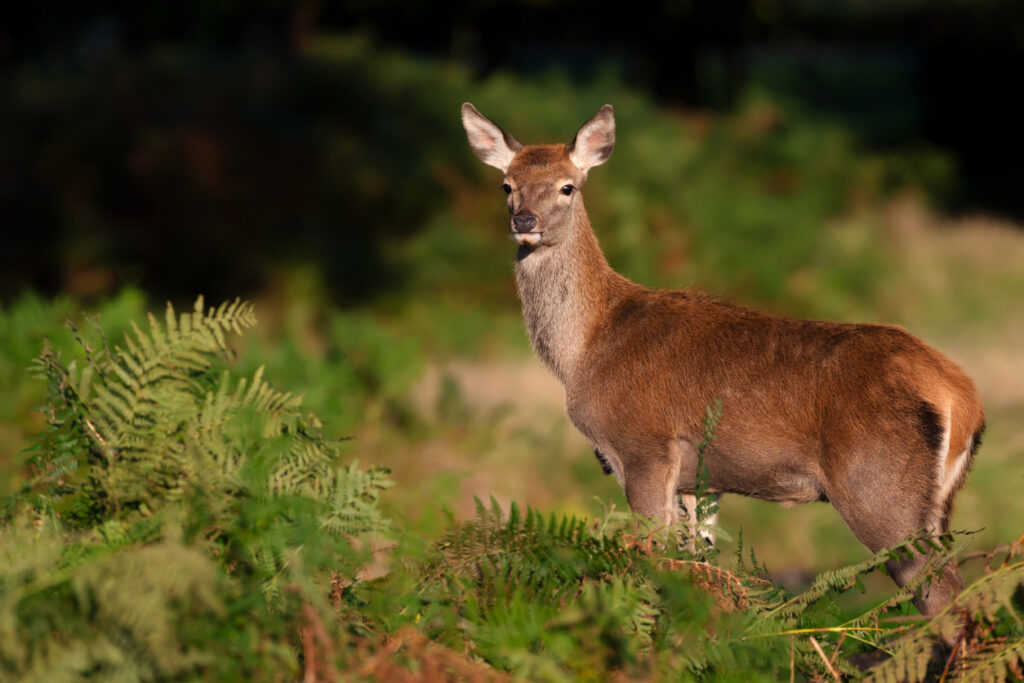
Richmond Park and Bushy Park are home to 630 red and fallow deer that have been there since 1637, making London one of the few capital cities where you can see herds of deer within city limits. Watching a stag against the misty landscape at dawn feels almost otherworldly, though you need to keep 50 metres away from them for safety. The deer are vital to maintaining the park’s ecosystem, and seeing fawns being born between May and July is particularly special.
6. Seals and porpoises swim in the Thames.
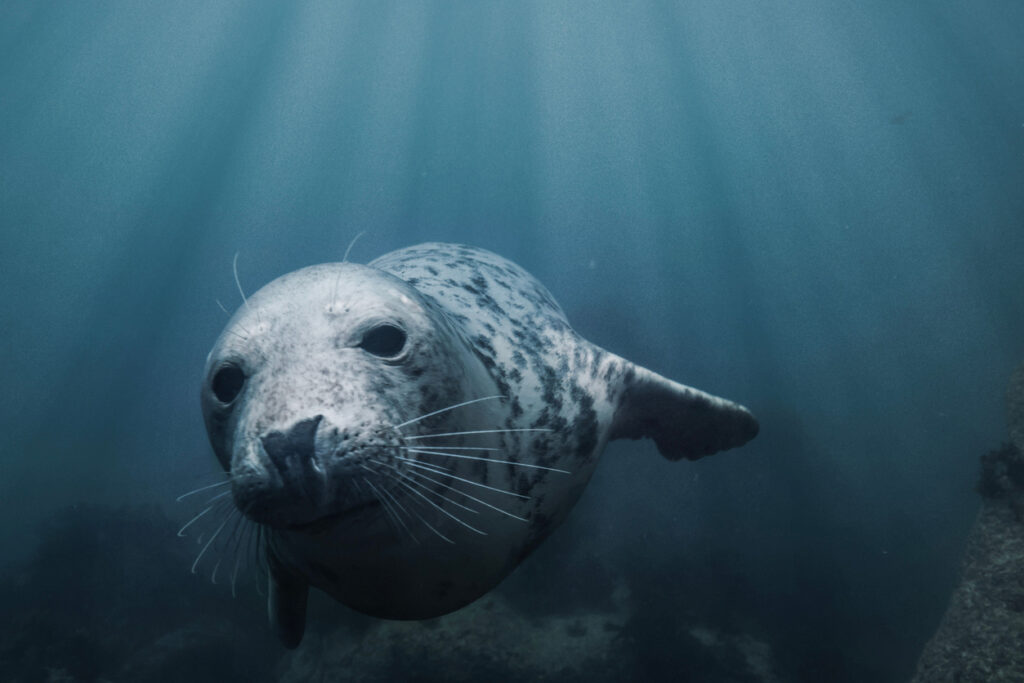
People are regularly spotting seals and harbour porpoises in the Thames, particularly around Canary Wharf, the estuaries, and surprisingly often at Waterloo Bridge. Porpoises have been swimming in the Thames since the 1800s, and the fact they’re thriving now shows how much cleaner the river has become. The Zoological Society of London monitors these marine mammals year-round and asks people to report sightings to track their populations.
7. Hedgehogs are hanging on despite massive declines.
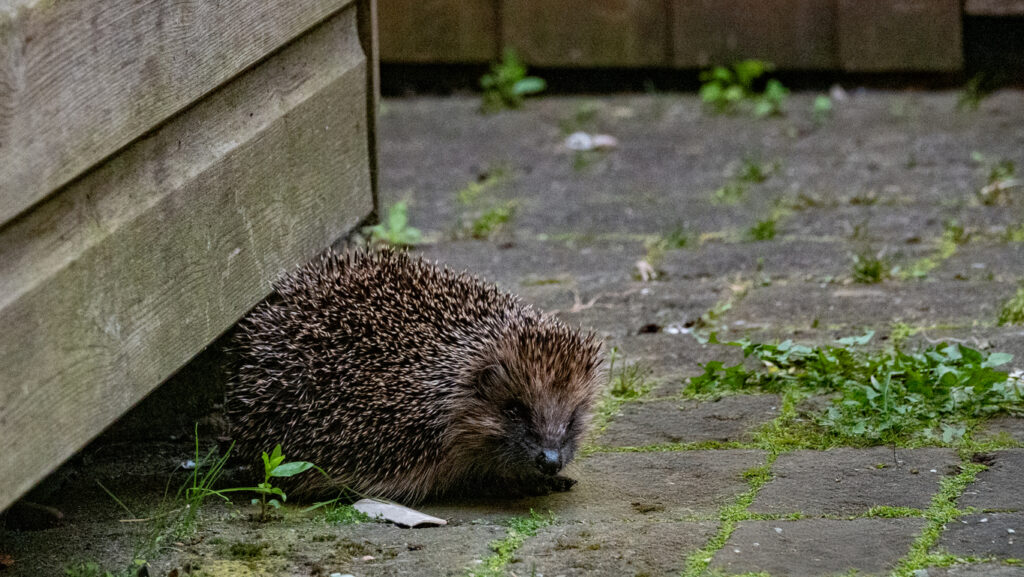
Up to three-quarters of Britain’s rural hedgehogs have vanished in the past 20 years, but London still has populations in wilder gardens and parks, with Regent’s Park being a particular stronghold. There’s only one known hedgehog population left in central London, which makes every sighting precious. These nocturnal creatures cover up to two miles in a single night searching for mates, so “hedgehog highways” (holes in fences connecting gardens) are essential for their survival in fragmented urban landscapes.
8. Otters hunt in city canals.
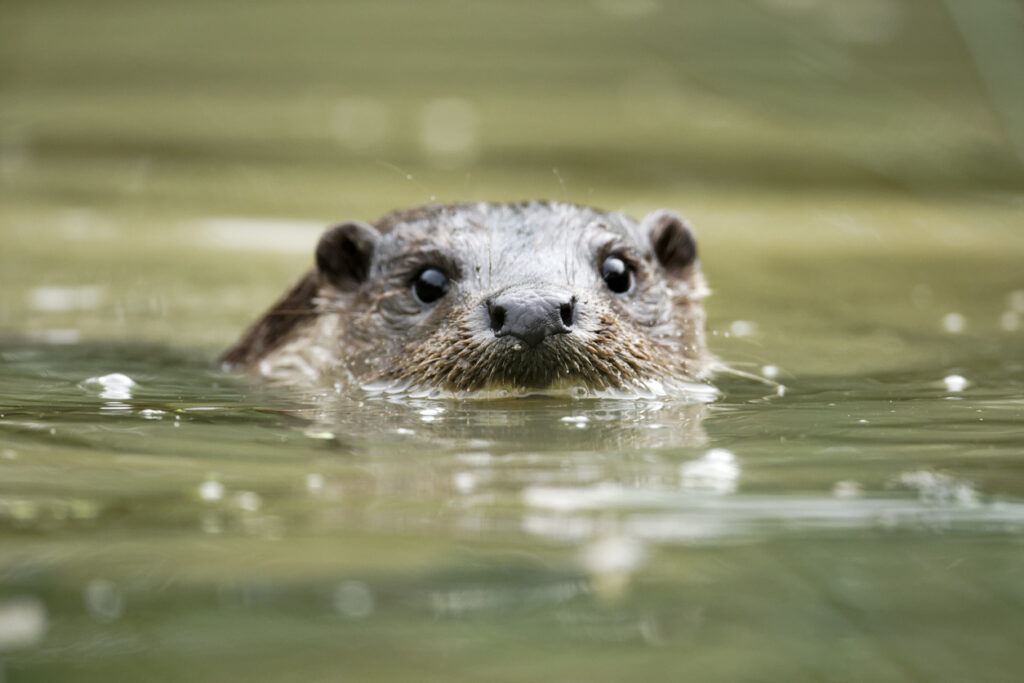
Otters have made a remarkable comeback across the UK and are now being spotted in London’s rivers and canals, occasionally hunting in quiet sections near places like Cricklepit Mill. They’re notoriously difficult to observe since they’re shy, semiaquatic, and mostly hunt at night, but you might spot their spraint (poo) left on prominent rocks or tree stumps along riverbanks. Their thick coats mean they don’t hibernate, so you’ve got a chance of seeing them year-round.
9. Emperor dragonflies emerge from prehistoric nymphs.
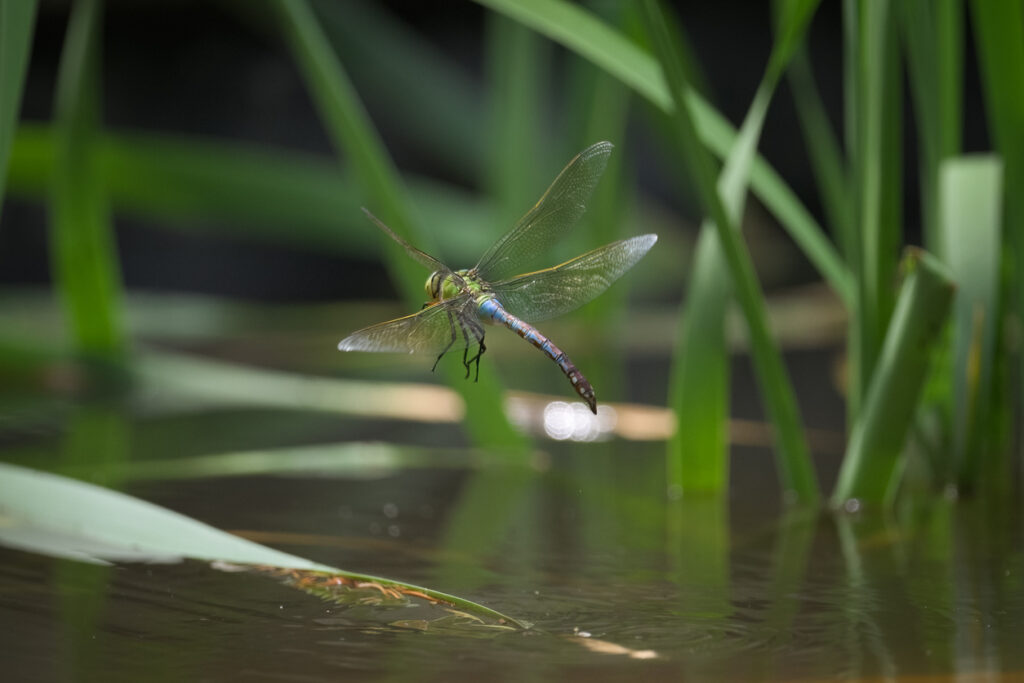
At the bottom of a wildlife pond on the Natural History Museum’s grounds live ancient nymphs that have been terrorising British waters since the time of dinosaurs. These nymphs feed on tadpoles for two years before leaving the water for an incredible transformation, shedding their skin to become emperor dragonflies, which are among the largest insects in Europe. It’s extraordinary that prehistoric creatures are still thriving in South Kensington.
10. Peacocks strut through botanical gardens.
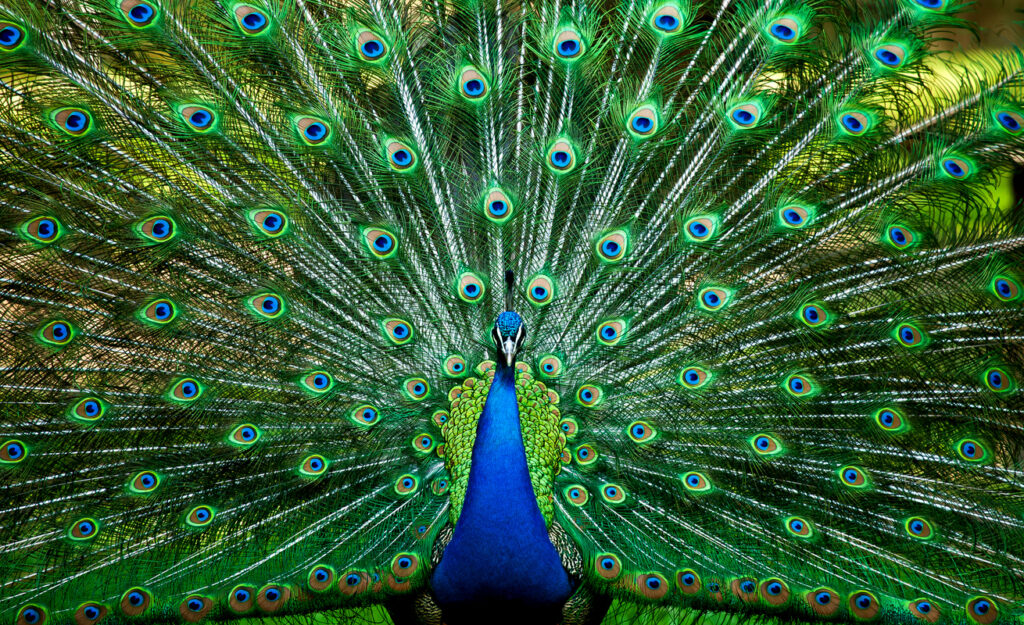
Kew Gardens and Holland Park’s Kyoto Garden are home to magnificent peacocks that add an unexpected splash of glamour to London’s parks. These birds have been in the UK since the 14th century, brought over from their native countries like India and Sri Lanka to adorn private estates, and they’ve become permanent residents in some of the capital’s most beautiful green spaces. Watching them display their iridescent tail feathers feels like stumbling into a completely different world.