The idea of the UK becoming entirely self-sufficient when it comes to food sounds like something out of a wartime history book, but it’s a scenario that gets a lot of people talking.

Right now, we rely on a massive network of global trade to keep our supermarket shelves looking the same all year round, regardless of the weather outside. If those taps were suddenly turned off, our dinner plates would look unrecognisable within a few weeks.
We’ve got plenty of fertile land, but we’re limited by a climate that isn’t exactly friendly to avocados or citrus fruits. To make it work, we’d have to return to a much more seasonal way of eating and get a lot more creative with the crops that actually thrive in British soil. Here is a look at what we could realistically produce on our own doorstep and how our diets would change if we had to rely solely on what we can pull out of our own ground.
Potatoes would become even more of a national safety blanket.

Potatoes grow well across the UK, they don’t demand tropical heat, and they’re filling in a way most veg just isn’t. They also store well, which matters because the real issue isn’t only growing food, it’s feeding people in January when nothing’s popping off in the garden. You’d see more fields used for spuds, and more varieties turning up in shops because they’d be doing a lot of heavy lifting. Chips, mash, roasties, soups, stews—everything gets easier when potatoes are doing half the job.
Carrots and other root veg would carry winter on their backs.
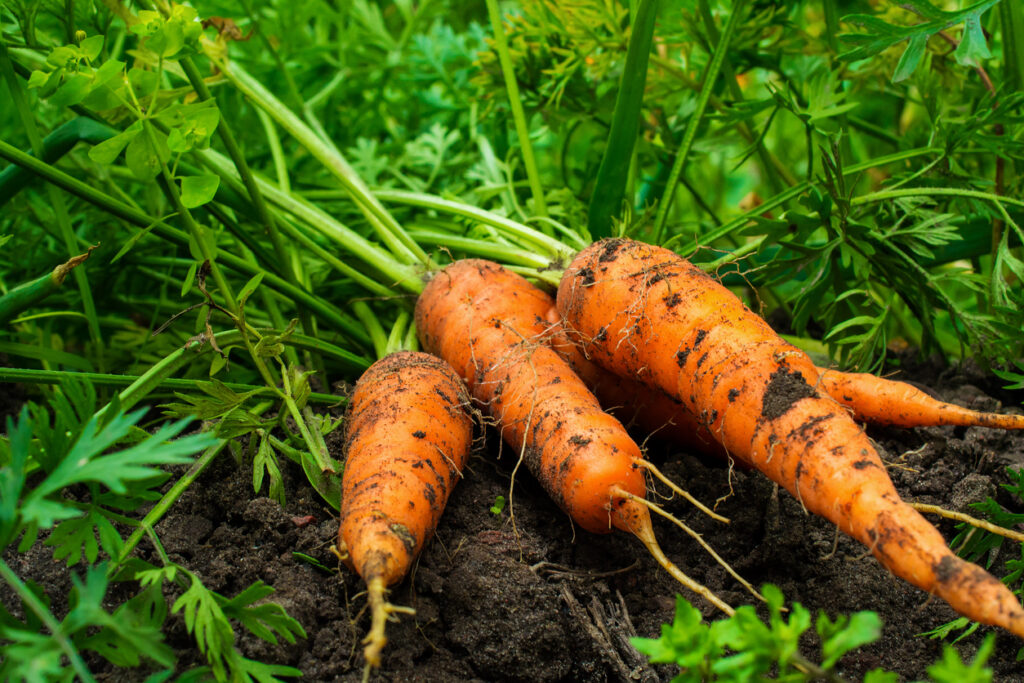
Carrots, parsnips, swedes, beetroot, turnips, and celeriac are made for our kind of weather. They don’t mind cooler temps, they’re not too fussy, and they’re the sort of produce that can sit in the ground or store for ages without turning tragic.
If imports stopped, root veg would stop feeling like a side dish and start becoming the main event. You’d see more roasts, more tray bakes, more soups, and more people realising you can do a lot with a pile of humble roots if you season them properly.
Brassicas would be everywhere because they love the UK.
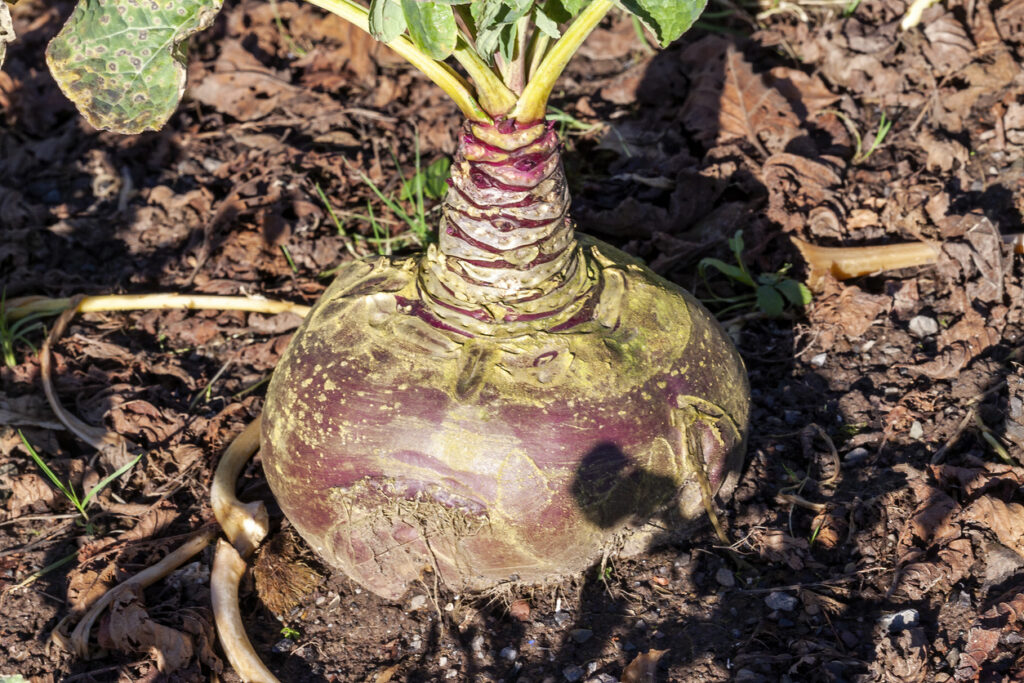
Broccoli, cauliflower, cabbage, Brussels sprouts, kale, and all their cousins are basically built for grey skies. They handle cool conditions better than many crops, and they’re exactly what you want when you need reliable veg in late autumn and winter. The trade-off is that people would have to get better at cooking them so they don’t taste like punishment. Roast them, stir-fry them, chuck them in curries, drown them in butter if you must, but they’d be a core part of eating local.
Onions, garlic, and leeks would become the flavour backbone.

We can grow onions and leeks well here, and they’re the base of so many meals that you almost forget they count as produce. Garlic is trickier at scale depending on variety and conditions, but it’s still very doable, especially with the right farming choices. If imports stopped, these would be treated like essentials, not background ingredients. You’d notice it in cooking immediately because they make cheap food taste like proper food, which matters when your options get more limited.
Peas, beans, and lentil-type crops would step up fast.

The UK already grows plenty of peas and beans, and we could push that further. Field beans, peas, and other pulses are useful because they’re filling, they store well, and they help with soil health, which makes them a smart long-term crop choice.
You’d probably see more UK-grown pulses end up in everyday food, not just as animal feed or niche health stuff. More soups, more stews, more bean-based meals that actually taste good, especially if we got serious about making them normal and affordable.
Apples would be the main fruit, with pears close behind.
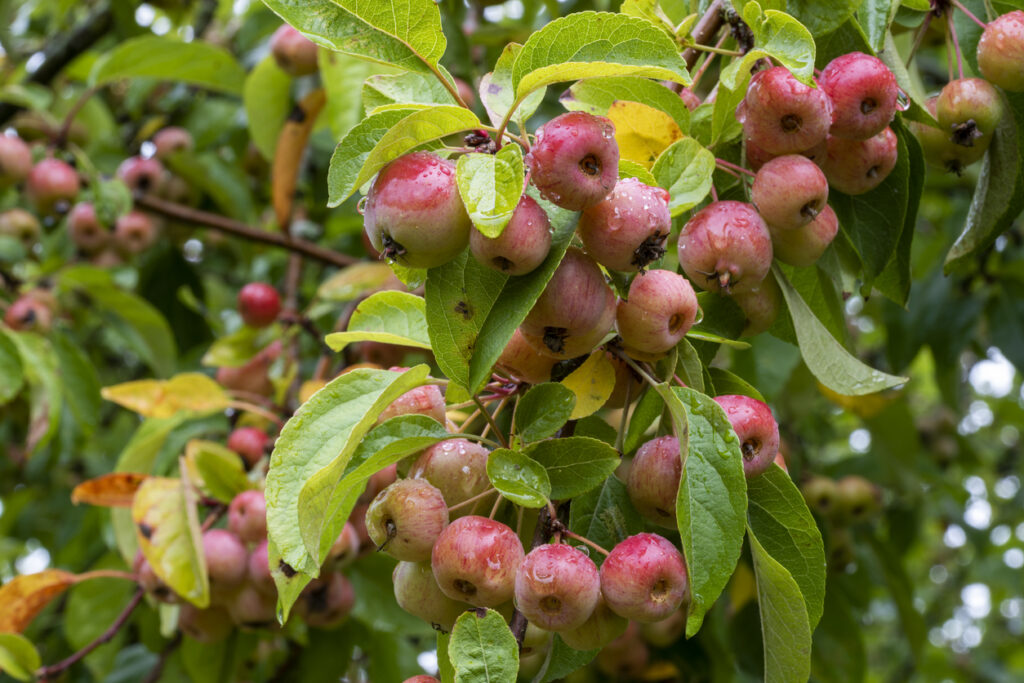
The UK is brilliant apple country, and we’ve got loads of varieties that suit our climate. Pears can do well too in the right spots, though they can be fussier. Either way, if imports stopped, apples would stop being one option and become the option.
You’d see more seasonal eating again, with proper autumn apple glut energy. More cider, more crumble, more chutney, more apples stored for winter, and more people remembering fruit doesn’t have to be perfect and shiny to be tasty.
Soft fruit would still happen, but it would be more seasonal and precious.
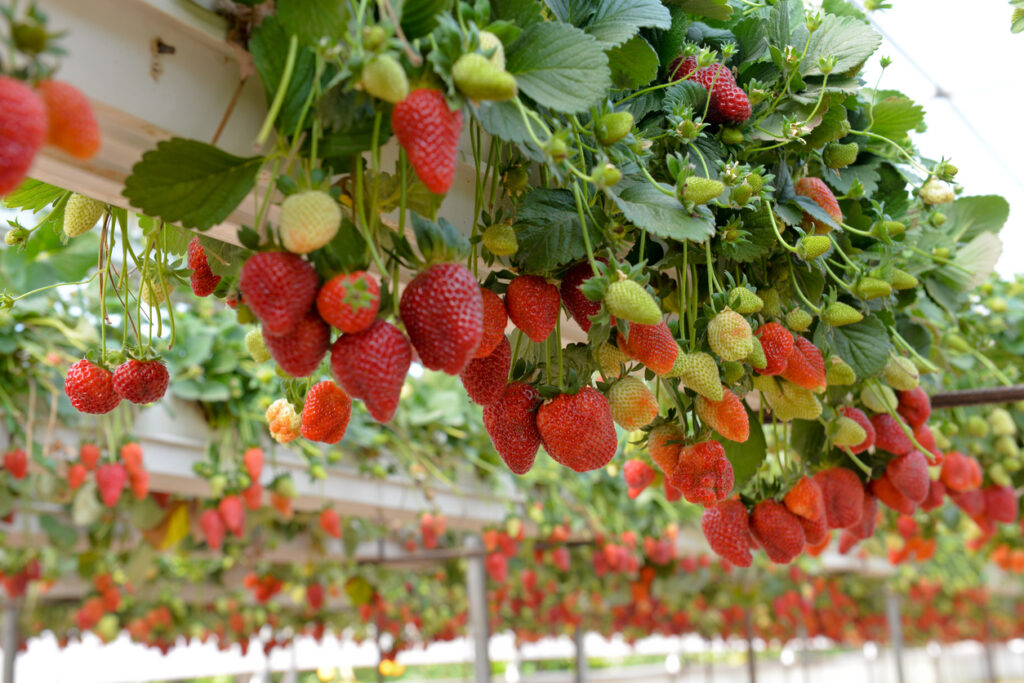
Strawberries, raspberries, blackberries, blueberries, and currants can all grow in the UK. The difference is that without imports, you wouldn’t get them looking summer-perfect in February. You’d get them when they actually grow, and that’s most of the charm.
We already use polytunnels to stretch the season, so that would ramp up. The vibe would shift to jam-making, freezing, and enjoying them properly in season, rather than treating berries like a year-round snack you barely notice.
Salad leaves would be possible, but winter salad would need protection.
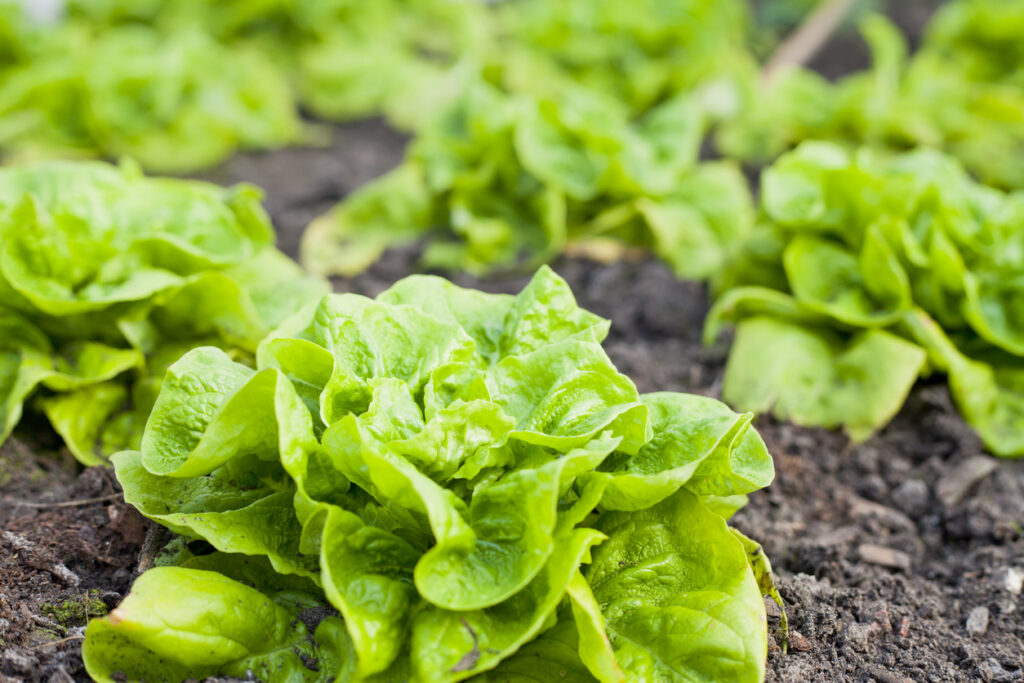
We can grow loads of leaves, lettuce, rocket, spinach, chard, watercress, the lot. The issue is winter and early spring, when cold, wet, and low light slow everything down. You can still do it, but you need planning and some cover. So, you’d get more British salad in warmer months, plus more grown under glass in colder months. People might also eat more warm salads and cooked greens because raw crunchy salads all year round is mostly an import habit.
9. Tomatoes and cucumbers wouldn’t vanish, but they’d be more greenhouse-led.
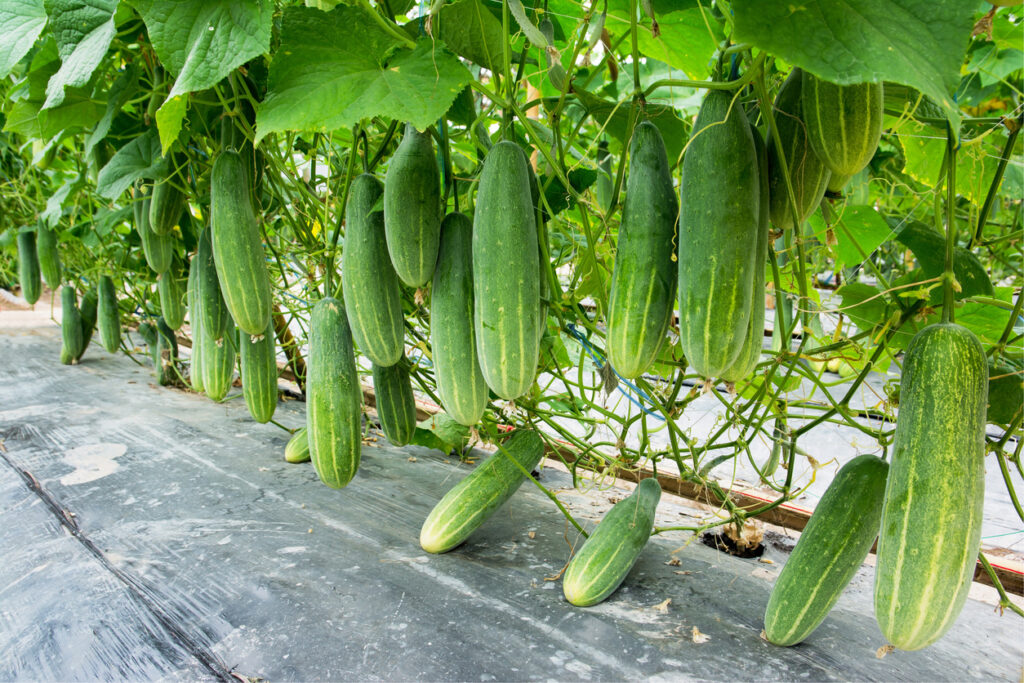
The UK can grow tomatoes and cucumbers, but not like Spain does in open sun for long stretches. To keep them coming reliably, you lean on greenhouses, which means energy, infrastructure, and cost become part of the conversation. You’d still get them, but the supply would probably be more seasonal, more variable, and more expensive at certain times of year. People would also lean more on tinned tomatoes and preserved sauces, which honestly are great anyway.
Grains would cover a huge chunk of calories, even if they’re not exciting.
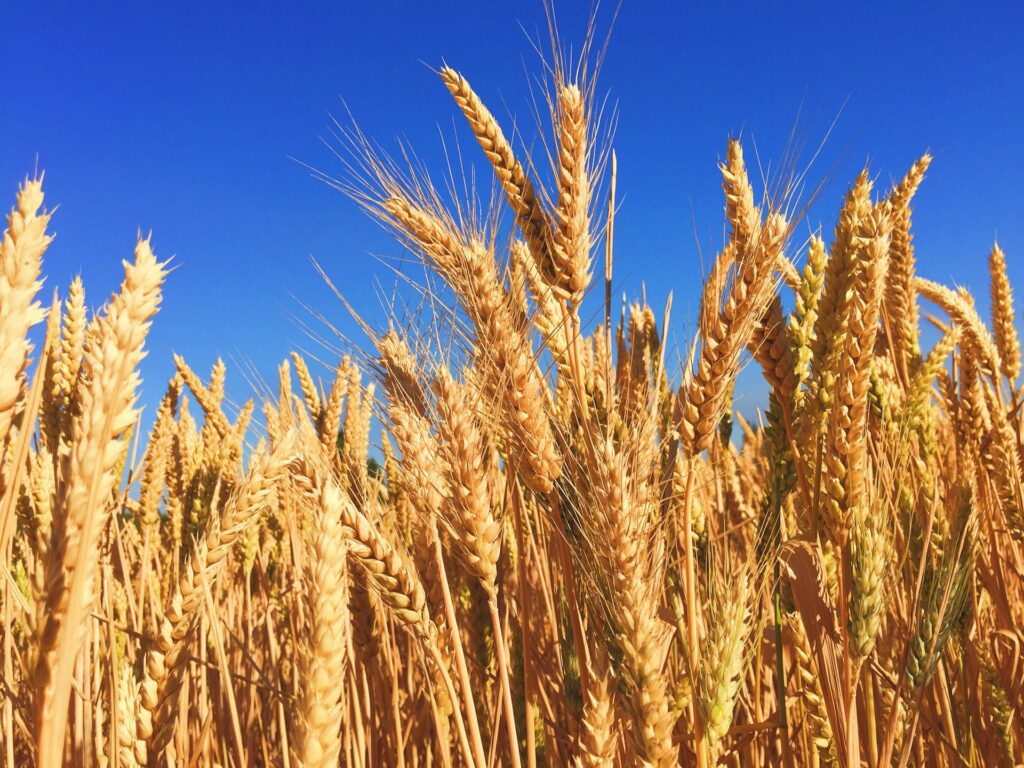
Wheat, oats, and barley are already major UK crops, and they’d matter even more if imports stopped. Grain is how you keep people fed at scale because it stores well and turns into bread, porridge, pasta-style products, and animal feed.
You’d likely see more emphasis on oats and barley too, not just wheat. Oats are hardy, and they fit the UK well, which is why porridge has survived every food trend going. If we’re talking self-reliance, grains are the quiet workhorses.
Mushrooms would do surprisingly well as a home-grown staple.

Mushrooms aren’t grown like normal crops, which is why they’re a good option in a cramped country. They can be produced indoors in controlled conditions, which takes pressure off land and avoids some of the weather problems that mess with other produce.
If imports stopped, mushrooms would probably become an even bigger part of everyday meals because they add that savoury depth that makes simple food feel richer. They’re also one of the easiest ways to make meat-free meals feel satisfying without trying too hard.
Herbs would thrive, and we’d use them more to make simple food taste better.
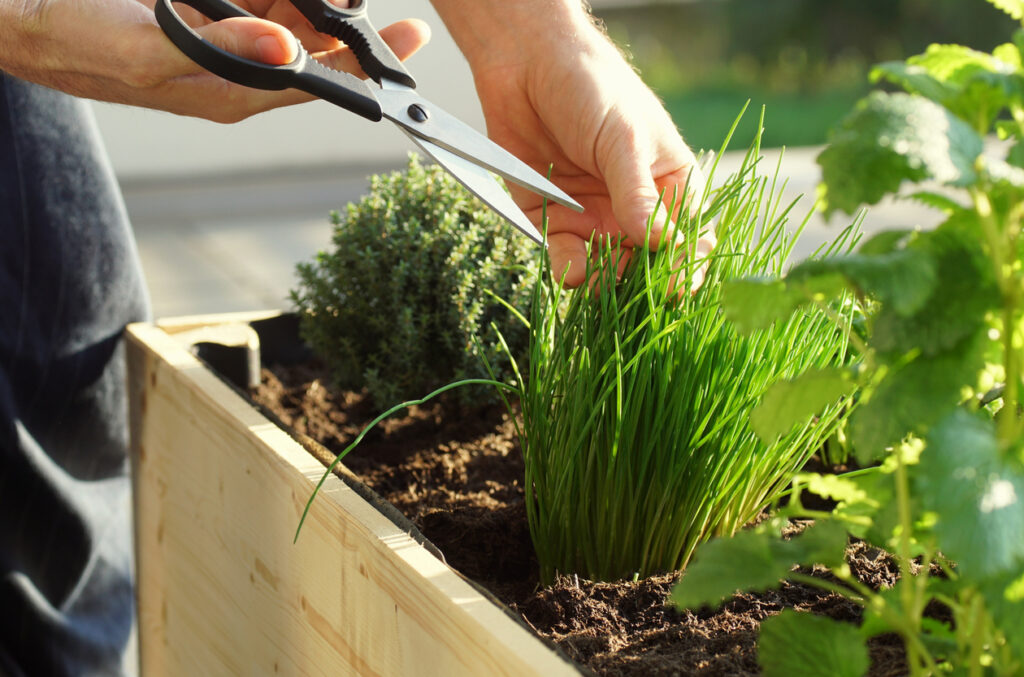
Hardy herbs like rosemary, thyme, sage, mint, and chives do well here, and softer herbs can be grown seasonally or under cover. Herbs are a small thing that make a big difference when your food choices narrow a bit.
You’d see more people growing them at home, plus more farms scaling up fresh herb production. If you can’t rely on imported variety, flavour becomes your best friend, and herbs are one of the cheapest ways to make basic veg feel like a proper meal.
The big change would be what we couldn’t grow, and what would become rare.
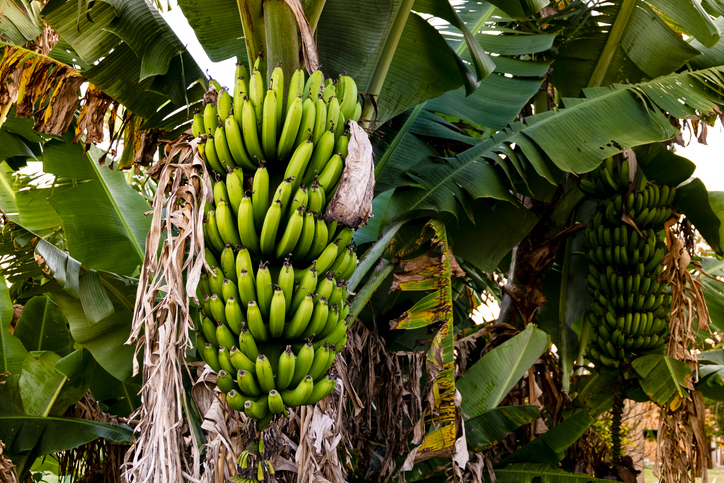
Citrus, bananas, avocados, pineapples, mangoes, and a lot of the fruit people treat as normal now would basically disappear, or become tiny and expensive niche greenhouse projects. Even things like peppers and aubergines would be much less common without serious protected growing.
So the UK could grow plenty, but the vibe would go from endless choice to seasonal rhythms. You’d eat more roots and greens in winter, more berries and salads in summer, and you’d stop expecting a bowl of tropical fruit to be a casual Tuesday thing.