Piranhas have a reputation that belongs more in a low-budget horror film than in a river.
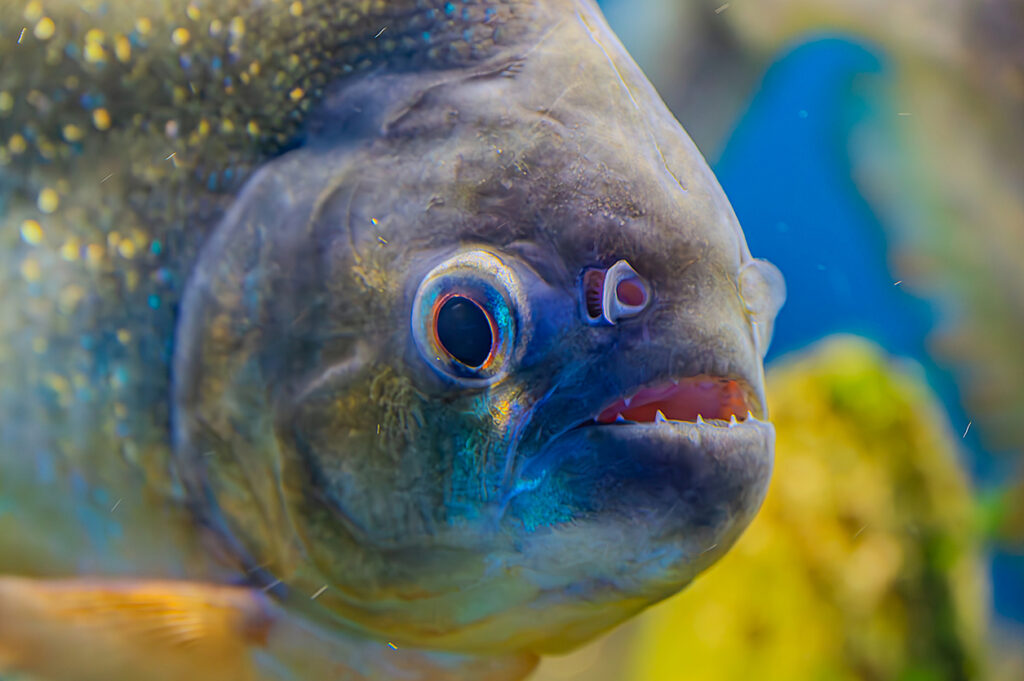
Most of us grew up with the idea that these fish can strip a cow to the bone in seconds, but that’s largely a myth cooked up for the sake of a good story. In reality, they aren’t the mindless eating machines they’re portrayed as; they’re actually quite skittish and would much rather avoid a fight with anything larger than themselves.
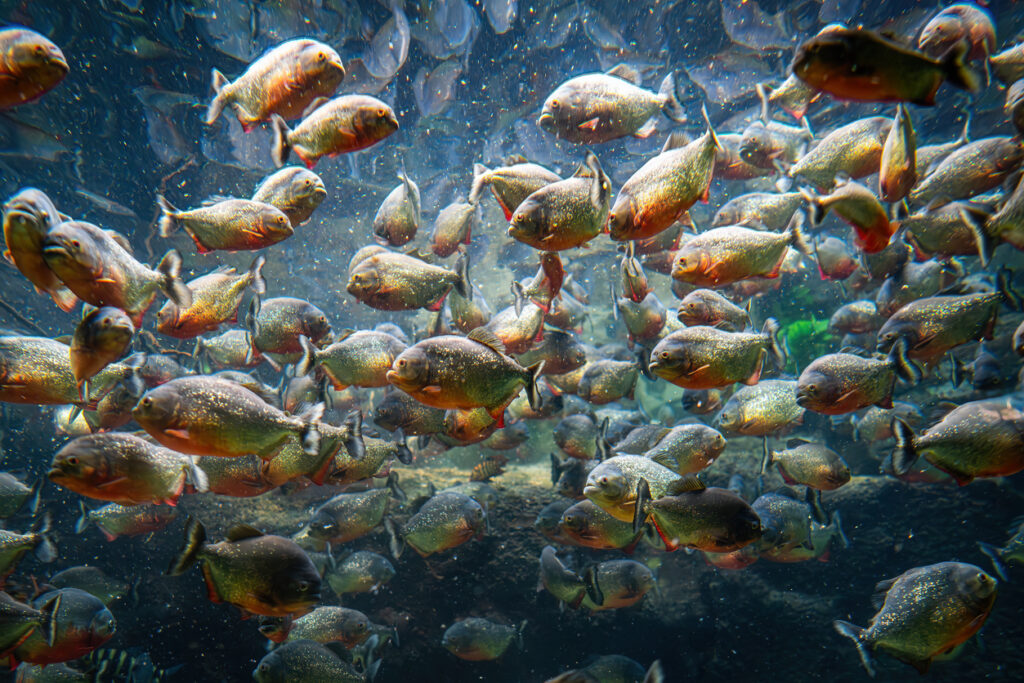
While they do have sharp teeth and a nasty bite, their behaviour in the wild is mostly about scavenging rather than hunting down large prey. You’re much more likely to find them nibbling on fruit that’s fallen into the water or picking at a carcass that’s already dead. The terrifying swarms people talk about are usually a survival tactic to stop them from being eaten by caimans or dolphins, not a coordinated attack on unsuspecting swimmers.
They’re mostly scavengers, not active hunters.
Piranhas spend most of their time eating dead animals, insects, and plants rather than attacking live prey. They’re opportunistic feeders who prefer an easy meal to the effort and risk of hunting healthy animals. The aggressive feeding behaviour people associate with piranhas typically only happens when they’re starving or when there’s already a dying or injured animal in the water. In their natural habitat, they’re more like vultures than sharks, cleaning up carcasses and keeping the ecosystem healthy.
They’re actually quite timid around humans.

Wild piranhas are scared of people and will swim away if you enter the water, not towards you looking for a meal. Millions of people swim in piranha-inhabited rivers across South America every year without incident. Local children play in these waters regularly, and attacks are extremely rare. The fish are far more interested in avoiding large creatures than investigating them as potential food. Their fearsome reputation makes them much more frightened of us than we need to be of them.
The feeding frenzy myth came from a staged demonstration.
The famous image of piranhas as frenzied killers largely comes from a 1913 demonstration arranged for President Theodore Roosevelt during his visit to Brazil. Local fishermen trapped and starved hundreds of piranhas for days, then released a cow into the water to create a spectacular feeding frenzy. Roosevelt wrote about this in his books, and the myth took hold despite it being a completely artificial scenario. The piranhas behaved that way because they’d been deliberately starved, not because that’s their normal behaviour.
They have more to fear from humans than we do from them.

Piranhas are caught and eaten regularly throughout South America, where they’re considered a food source rather than a threat. They’re fished commercially and recreationally, and millions are killed every year for consumption. Humans have also destroyed much of their habitat through deforestation and pollution. The handful of piranha attacks that occur are vastly outnumbered by the piranhas killed by people. We’re definitely the bigger threat in this relationship.
They’re surprisingly social and live in schools for protection.

Piranhas group together in schools not for coordinated hunting but for defence against predators. They’re actually prey animals for river dolphins, caimans, birds, and larger fish, so they school together for safety in numbers. This social behaviour is about survival, not creating some terrifying hunting pack. The groups can be quite large, but they’re huddling together nervously rather than plotting attacks. It’s a defensive strategy that’s been misinterpreted as aggressive coordination.
Most species are completely harmless to humans.
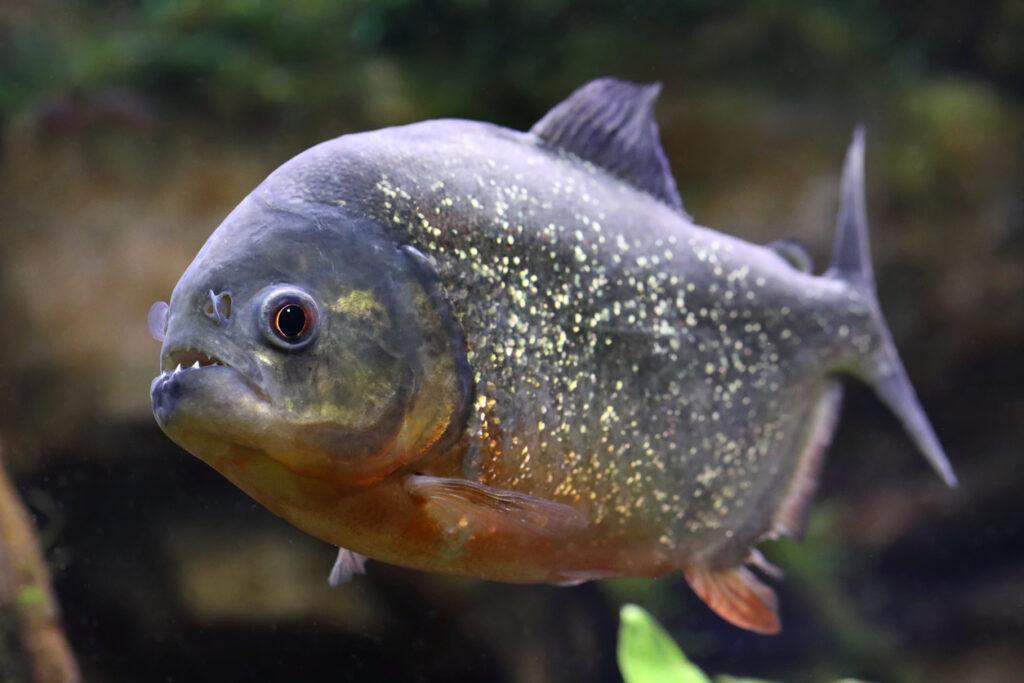
There are about 60 species of piranha, and only a handful have any teeth or jaw strength capable of harming people. Many species are omnivorous and spend most of their time eating fruit, seeds, and plant matter. The red-bellied piranha gets most of the attention, but even this species rarely bothers humans. Some piranha species are so docile they’re kept as aquarium fish without any safety concerns. The entire family of fish has been tarred with a reputation earned by only a few species in specific circumstances.
Attacks usually happen during droughts when they’re desperate.
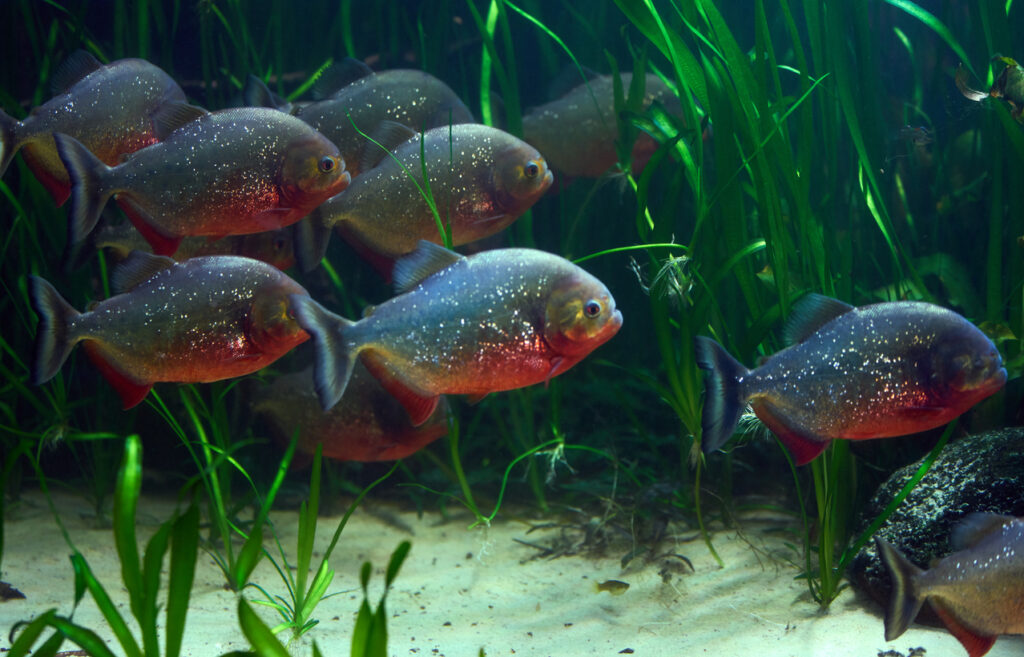
The rare genuine piranha attacks on humans almost always occur during severe dry seasons when water levels are extremely low. The fish become concentrated in small pools with limited food, which makes them stressed and more aggressive than usual. They’re not attacking because they’re vicious, they’re attacking because they’re trapped and starving. Once water levels return to normal and food becomes available again, the aggressive behaviour stops. It’s a stress response to terrible conditions, not their natural state.
Their teeth are designed for specific foods, not large prey.
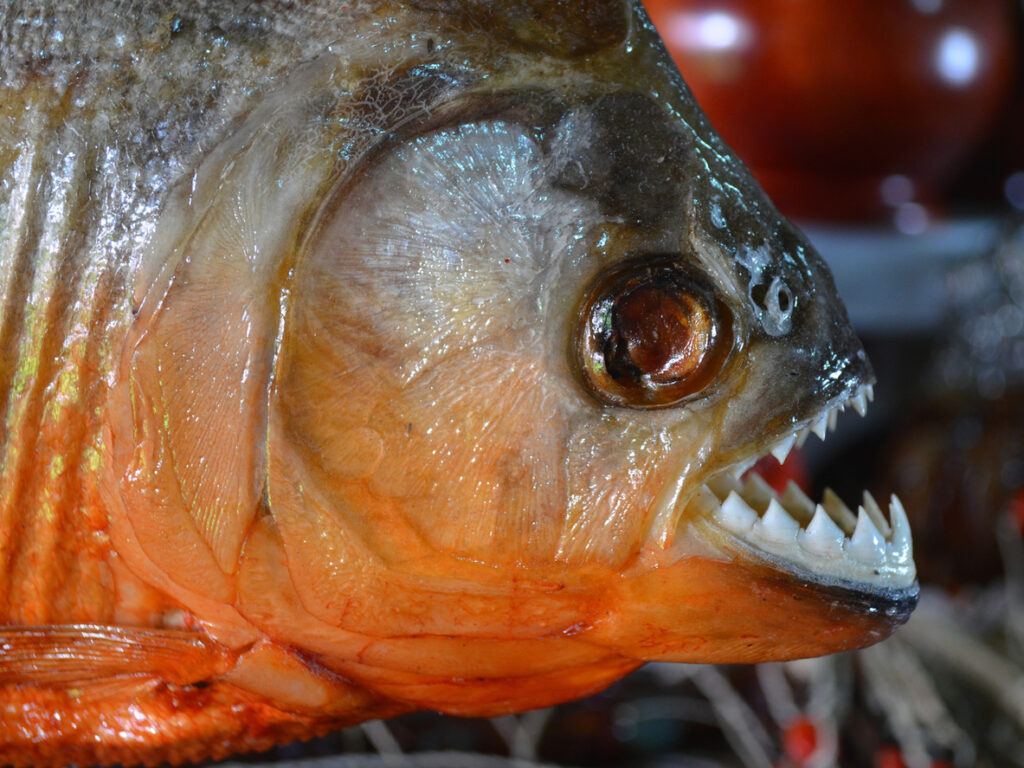
Piranha teeth are incredibly sharp and fit together like scissors, but they’re evolved for biting chunks from fruit, nuts, and the fins or scales of other fish. They’re not designed for taking down large animals. The teeth allow them to exploit food sources other fish can’t access, particularly hard seeds and tough plant materials. When they do bite flesh, they take small pieces rather than causing massive injuries. Their dental structure is specialised for their actual diet, not for the Hollywood version of what they supposedly do.
They’re more likely to flee than fight.
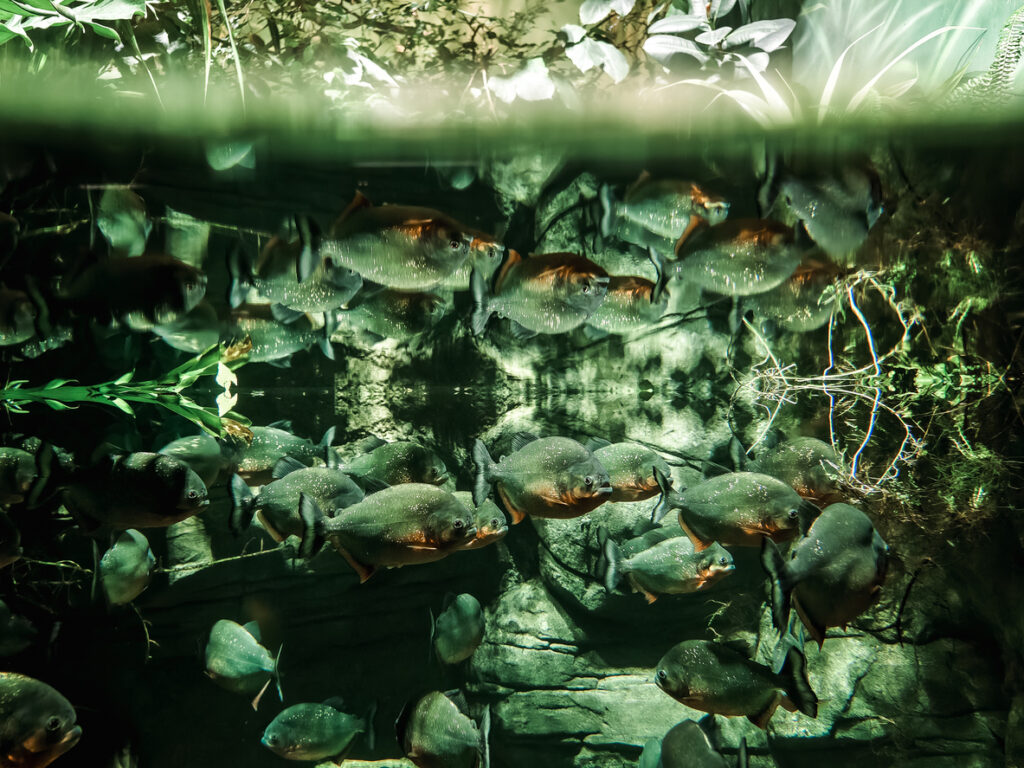
When confronted with something unfamiliar or threatening, piranhas’ first instinct is to escape. They’re skittish fish that startle easily and prefer to hide rather than investigate. Divers and researchers regularly swim with piranhas without issue because the fish simply move away. The idea that they immediately attack anything entering the water is completely false. They need to be cornered, starving, or protecting eggs before they’ll show any aggression towards something as large as a human.
The sound of splashing can trigger feeding responses.
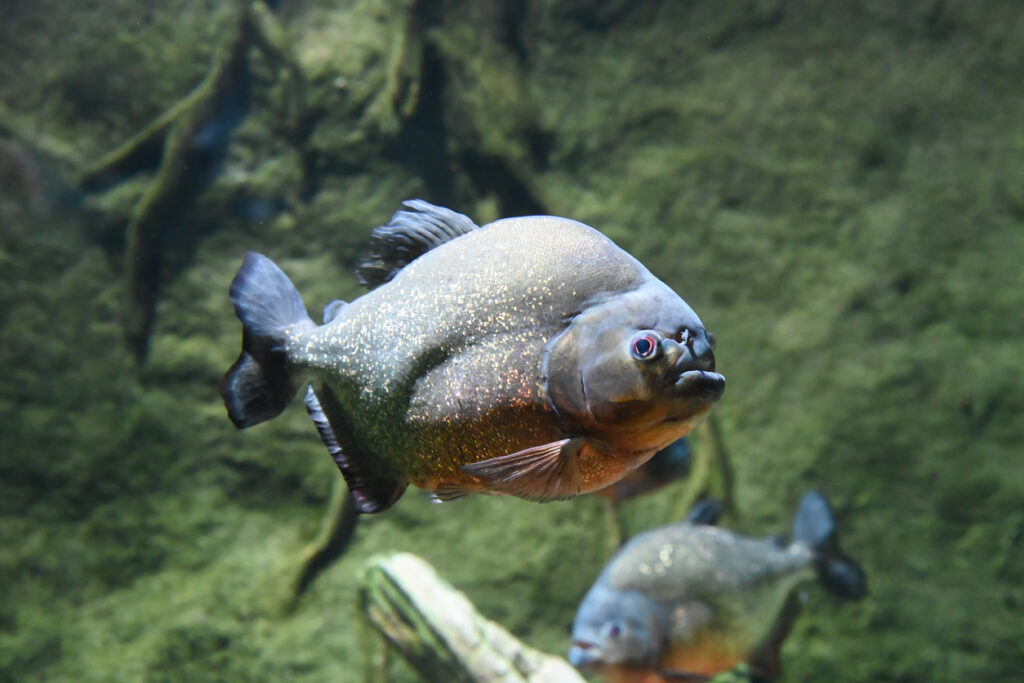
Piranhas are attracted to splashing and commotion in the water because these sounds often indicate a struggling or injured animal. This is where some of the danger comes from, thrashing around in piranha waters during low-water conditions can trigger investigative behaviour. But even then, they’re checking whether there’s an easy meal available, not launching into attack mode. Calm swimming doesn’t provoke the same response. The noise matters more than the presence of a large creature.
They serve important roles in their ecosystems.
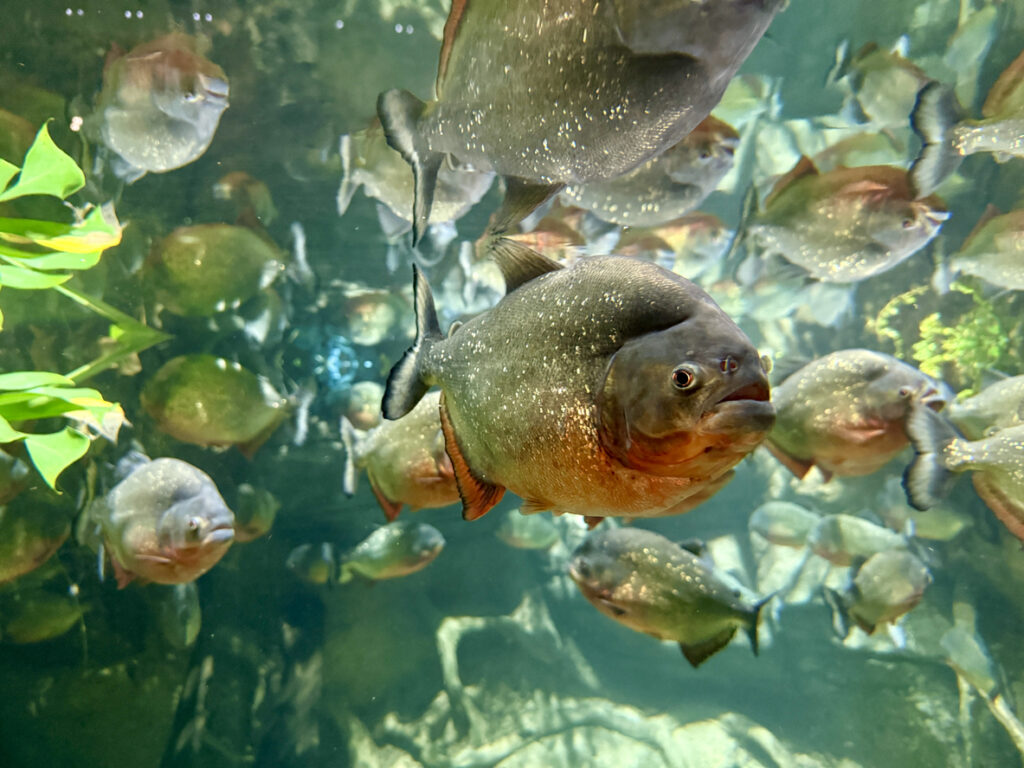
Piranhas help control fish populations, clean up dead animals before they pollute the water, and spread seeds from the fruits they eat. They’re a crucial part of South American river ecosystems and their presence indicates a healthy environment. Removing them would cause significant ecological problems. Villainising them ignores their actual ecological importance and treats them as monsters when they’re just fish doing what fish do. The ecosystem needs them far more than it needs to be protected from them.
Documented fatal attacks are incredibly rare.
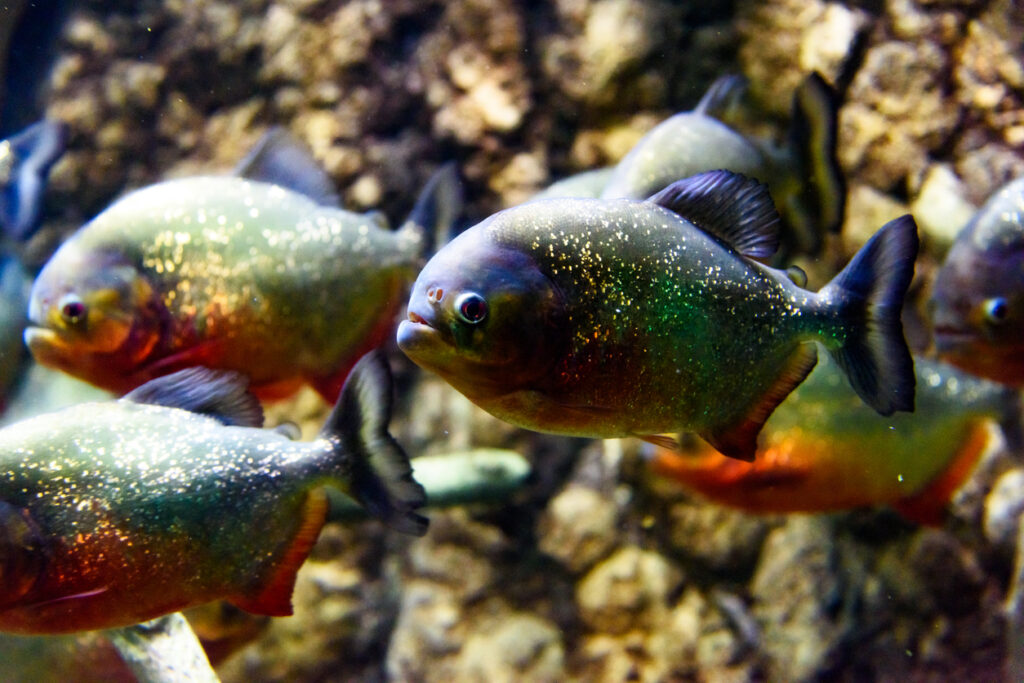
Fatal piranha attacks are so uncommon that each one makes international news when it happens. There are perhaps a handful of confirmed deaths attributable to piranhas in recorded history, and these typically involve people who drowned first or were already dead before the fish arrived. Thousands of animals genuinely kill more humans annually than piranhas have killed in total. You’re statistically far more likely to die from a coconut falling on your head than from a piranha attack. The fear is completely disproportionate to the actual risk.
Their reputation helps survival more than it reflects reality.
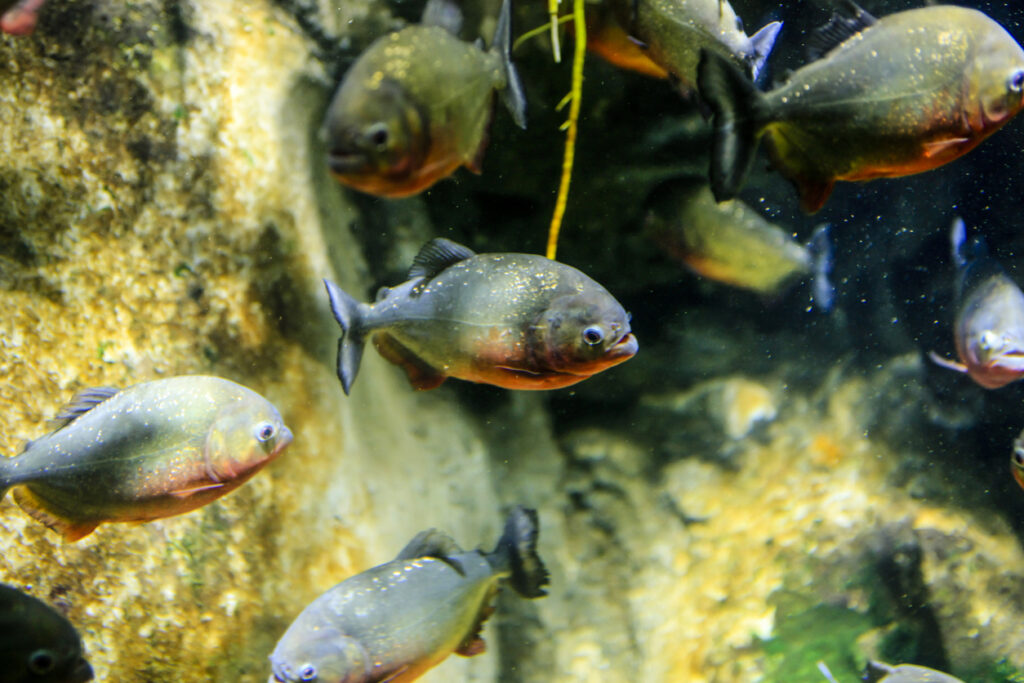
The terrifying image of piranhas has probably helped protect them from overfishing and habitat destruction more than accurate information would. People are more likely to preserve what they fear than what they understand as harmless. The myth serves a conservation purpose, even though it’s wildly inaccurate. These fish are fascinating, ecologically important, and largely harmless to humans, but the monster story has given them a cultural significance that might actually benefit their survival. Sometimes being misunderstood as dangerous is better than being ignored.