While we’re stuck relying on a basic pair of lungs, some animals have come up with some truly bizarre ways to stay alive that seem more like science fiction.

From turtles that can effectively breathe through their backsides during the winter to fish that can survive for years out of water by gulping air, nature’s found a way to bypass the standard rules of respiration. These aren’t just neat party tricks, either; they’re hardened survival tactics that allow creatures to thrive in oxygen-poor swamps or under frozen lakes, where most other things would’ve packed it in long ago. Understanding how they manage these feats is a pretty wild look at just how flexible biology can be when the stakes are high.
1. Sea turtles can slow their heart rate to survive underwater for hours.
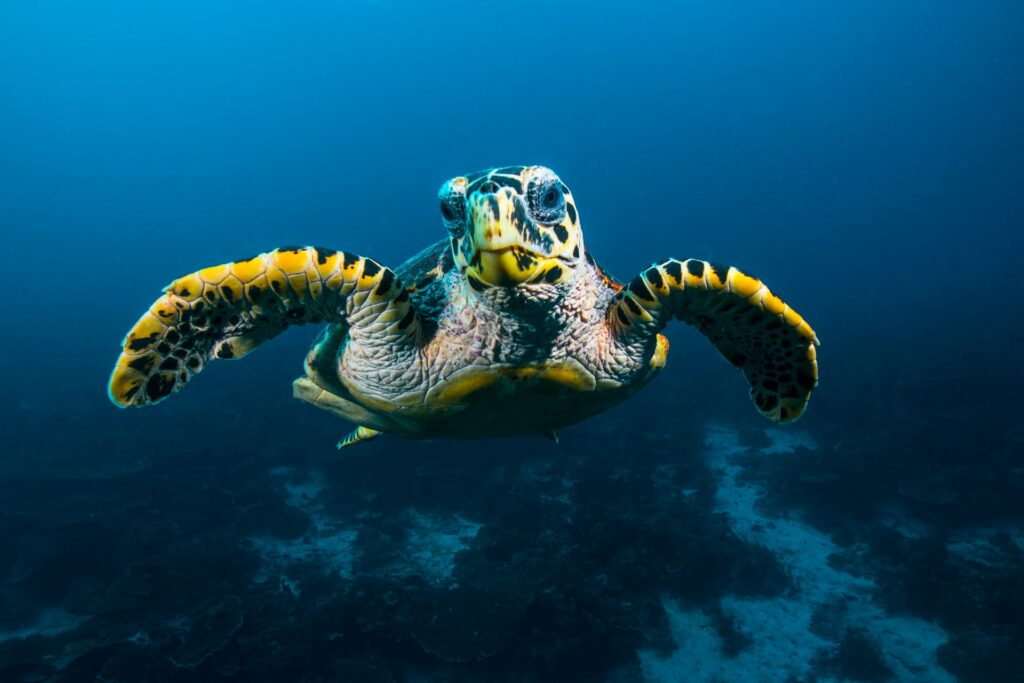
Sea turtles don’t have gills, yet they can stay submerged far longer than most mammals could ever manage. When they dive, their bodies shift into an energy-saving mode. Their heart rate drops dramatically, and blood flow is redirected toward vital organs, allowing them to conserve oxygen at a steady pace.
That slowdown means they’re not burning through oxygen the way we would if we tried to hold our breath. In cold water especially, their metabolism drops even further, stretching out the time they can remain underwater. It’s got nothing to do with having huge lungs; it’s about using what they have with incredible efficiency.
2. Dolphins shut down half their brain so they never stop breathing.
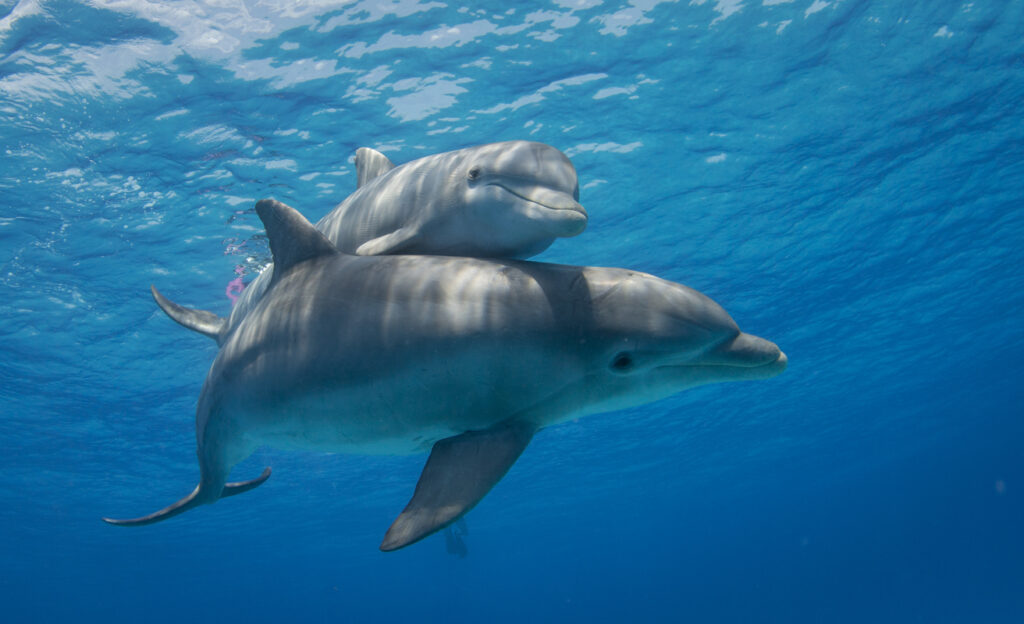
Unlike humans, dolphins cannot breathe automatically while fully asleep. They have to consciously surface to take in air. To survive this, they evolved a system called unihemispheric sleep, where one half of the brain rests while the other stays alert enough to control breathing and watch for danger.
That means a dolphin is never fully unconscious. One eye often remains open, linked to the awake side of the brain. It’s an extraordinary balance between rest and survival, allowing them to avoid drowning while still getting the sleep they need.
3. The bar-headed goose can breathe at extreme altitudes.
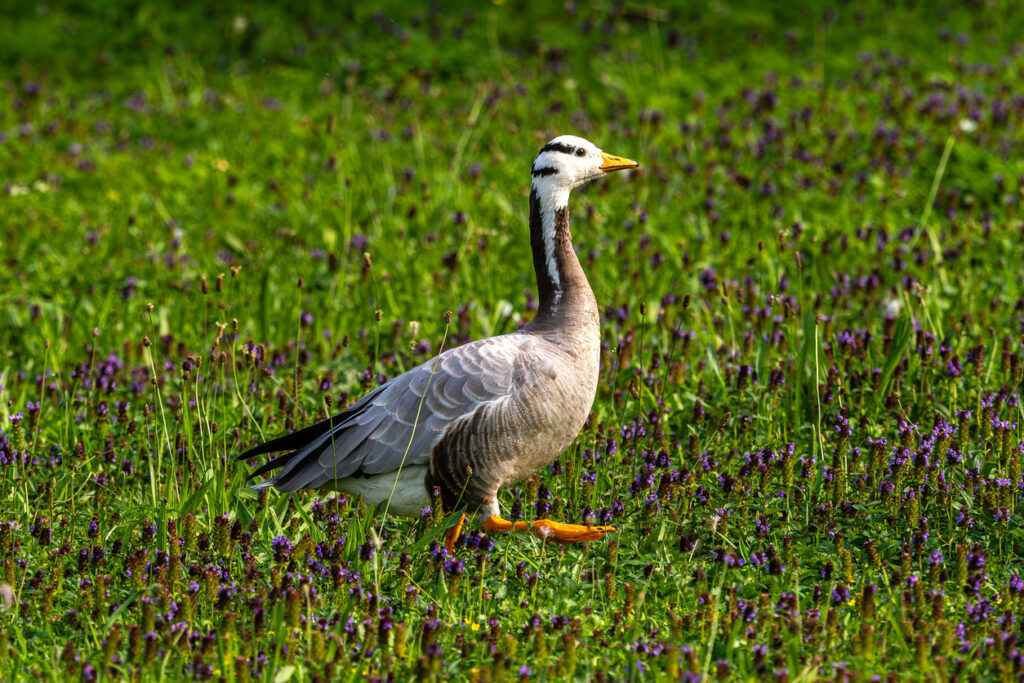
The bar-headed goose migrates over the Himalayas, flying at heights where oxygen levels are dangerously low. At those altitudes, even fit humans would struggle to stay conscious. Yet, these geese have blood that binds oxygen more efficiently than ours, allowing them to extract more from each breath.
They also have larger lungs relative to body size and a highly efficient respiratory system that keeps fresh air flowing in one direction through their bodies. That design allows them to function in thin air, where most animals would collapse within minutes.
4. Crocodiles can hold their breath for over an hour.
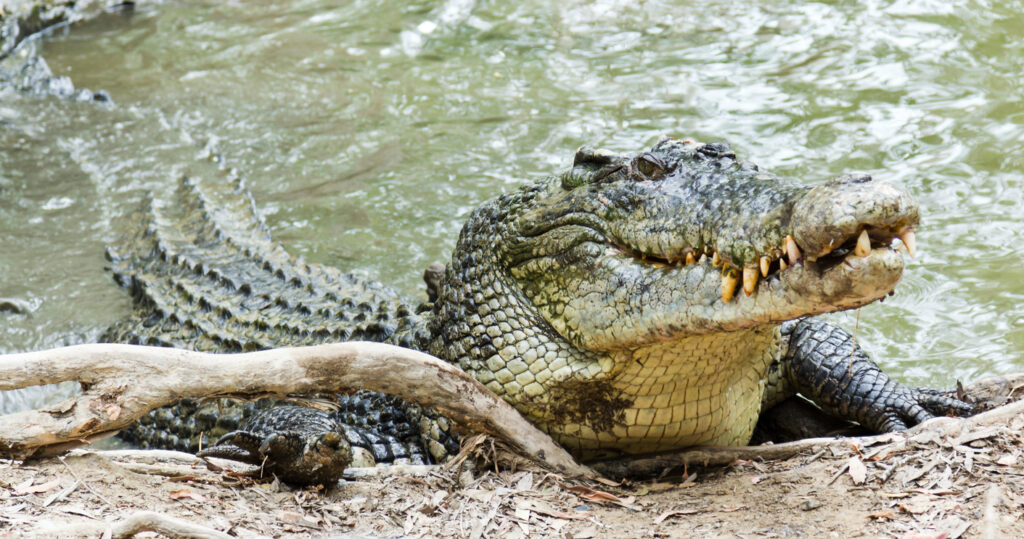
Crocodiles are ambush predators, and patience is part of their strategy. They can remain almost completely still underwater, with only their eyes and nostrils above the surface. In cooler conditions, they can hold their breath for more than an hour, waiting for the right moment to strike.
Their bodies slow down dramatically during these periods. By reducing activity and conserving energy, they stretch their oxygen supply far beyond what seems possible. It’s more than just lung capacity that matters—it’s total bodily control.
5. Some fish can breathe air when water runs out.
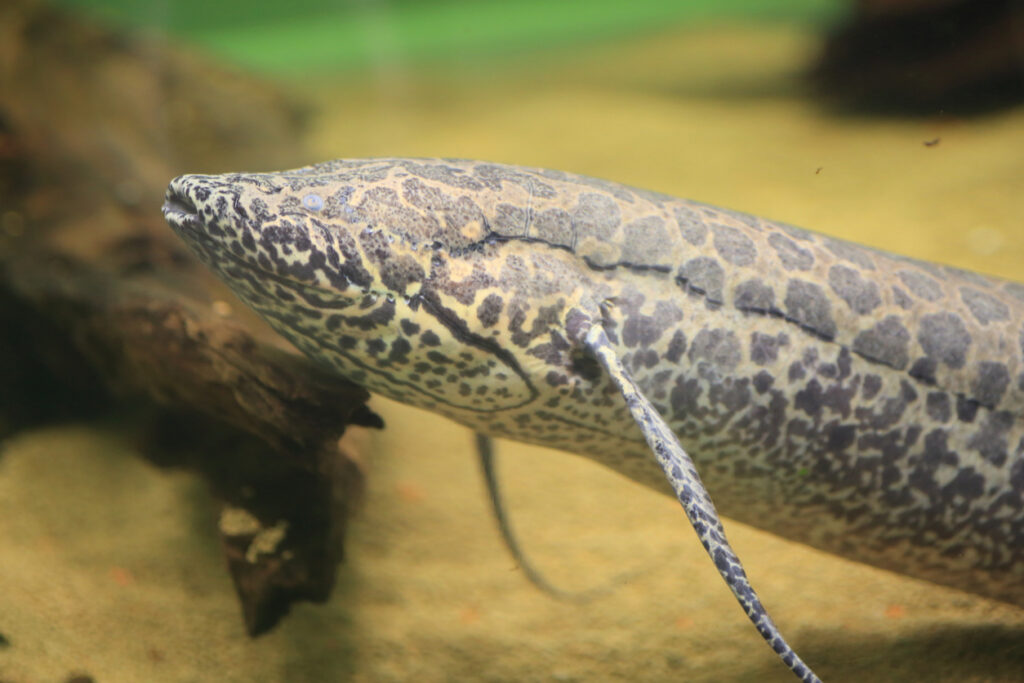
Lungfish and certain species like the climbing perch can survive in oxygen-poor water or even on land for short periods. Lungfish, in particular, have structures similar to primitive lungs that allow them to gulp air directly from the surface.
When conditions get extreme, some lungfish burrow into mud and enter a dormant state, breathing slowly through a small opening. This allows them to survive droughts that would kill most other fish. Their breathing system bridges the gap between aquatic and land life.
6. Whales collapse their lungs on deep dives.

When sperm whales and other deep divers descend thousands of metres, the pressure would normally crush air-filled spaces. To cope with this, their lungs and ribcages are flexible. As they dive deeper, their lungs collapse safely, pushing air into reinforced upper airways.
This collapse prevents nitrogen from dissolving into their bloodstream in dangerous amounts, protecting them from decompression sickness. Once they resurface, their lungs expand again. It’s a built-in safety system that allows them to explore depths humans can only reach with heavy equipment.
7. Frogs can breathe through their skin.
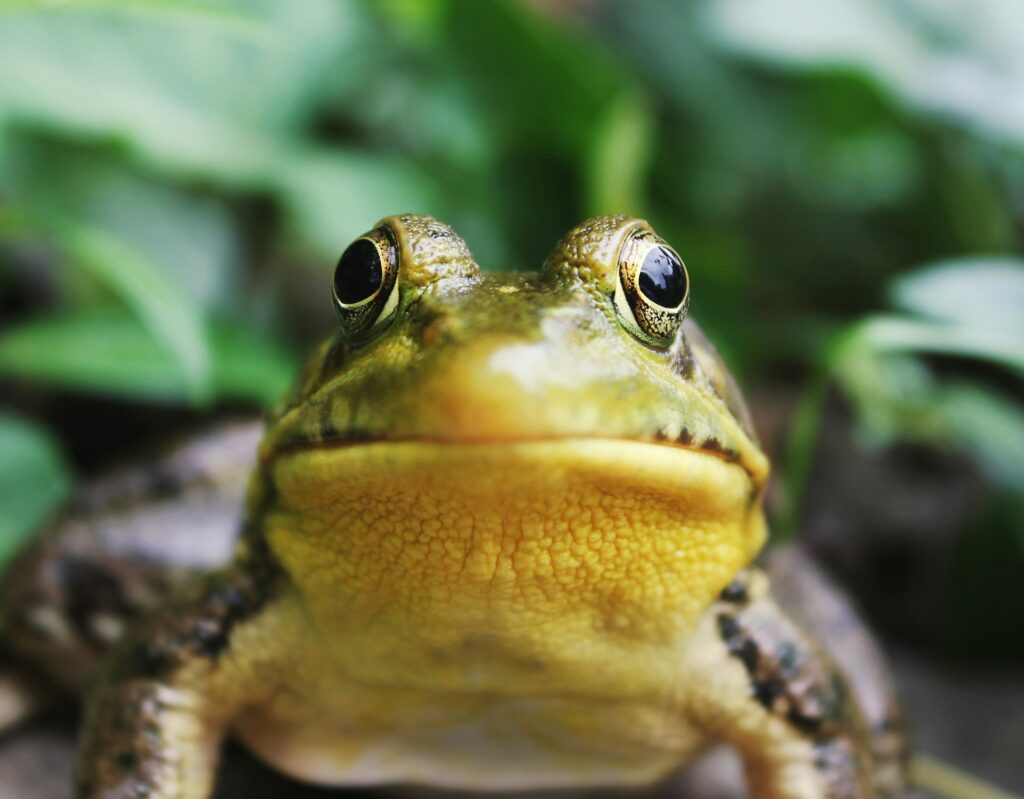
Many frogs don’t rely solely on their lungs. They absorb oxygen directly through their moist skin, a process known as cutaneous respiration. In water, this becomes especially important, allowing them to remain submerged for extended periods.
During winter, some species spend months at the bottom of ponds. Their lungs are barely used. Instead, oxygen diffuses straight through their skin into their bloodstream. It sounds simple, but it only works because their skin stays thin and permeable.
8. Sloths slow their breathing to avoid detection.
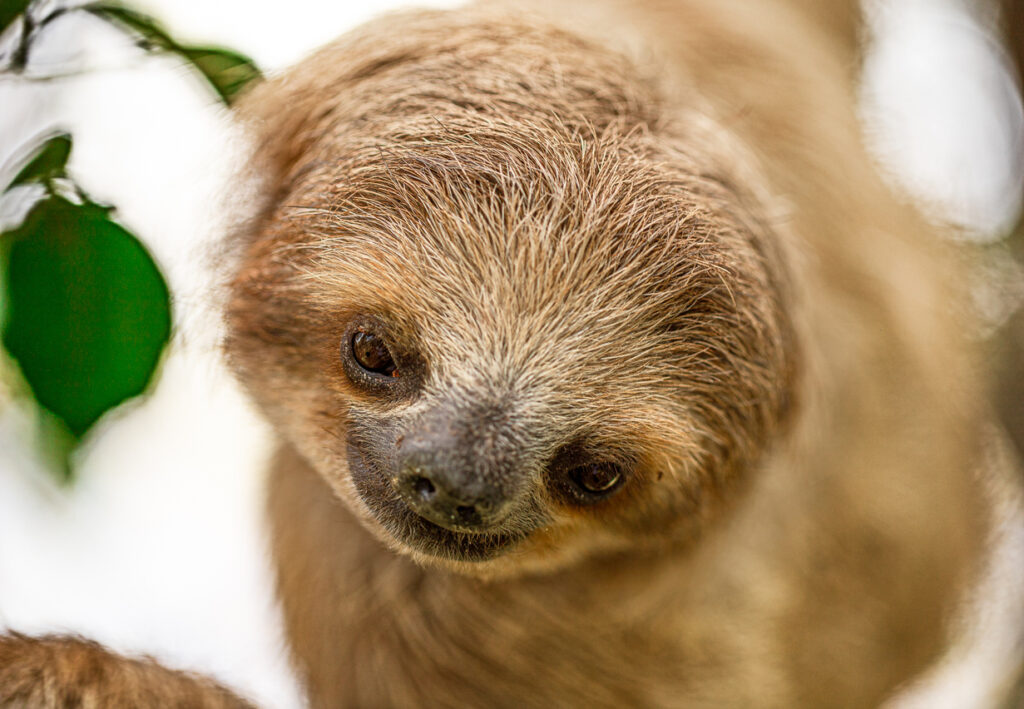
Sloths are famous for their slow movement, but that sluggish pace also affects their breathing. Their metabolism is incredibly low, meaning they take in oxygen slowly and use it gradually. This reduces their need for frequent breaths.
In the canopy, being quiet and subtle is survival. Slow breathing produces less movement and noise, making them harder for predators to detect. Their entire lifestyle supports a breathing pattern designed for stealth rather than speed.
9. The emperor penguin holds its breath for more than twenty minutes.
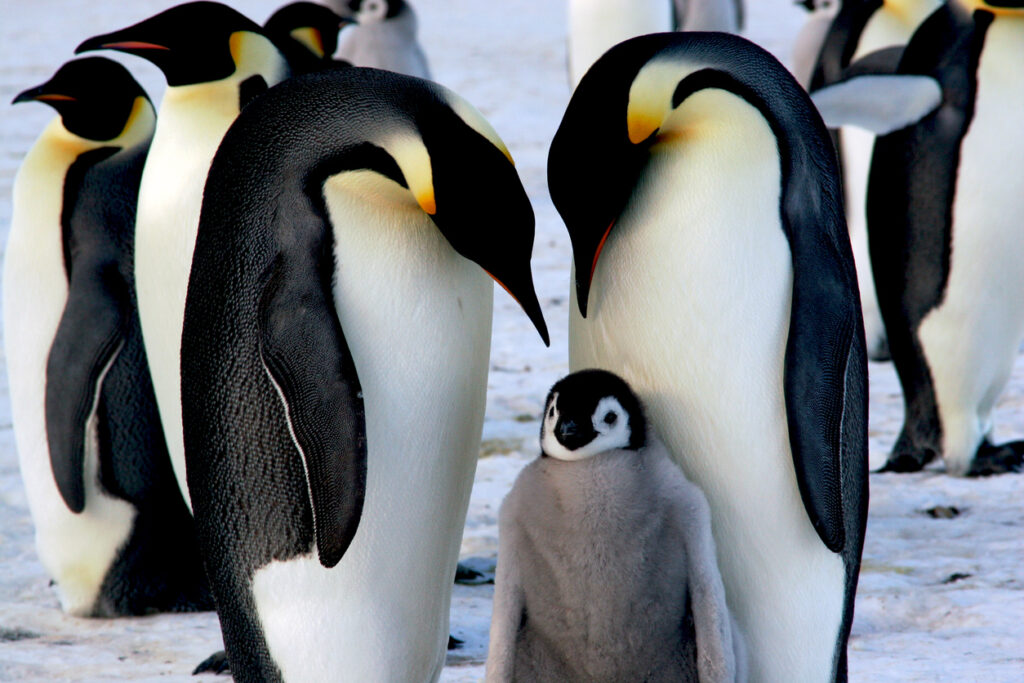
Emperor penguins dive deep beneath Antarctic ice to hunt for fish. They can stay underwater for over twenty minutes, thanks to high levels of oxygen-storing proteins in their muscles and blood. These proteins allow them to pack away more oxygen before a dive.
As they descend, their heart rate slows and blood flow shifts to essential organs. Non-essential muscles rely on stored oxygen instead. This controlled system lets them push their limits in some of the harshest conditions on Earth.
10. Certain insects breathe without lungs at all.
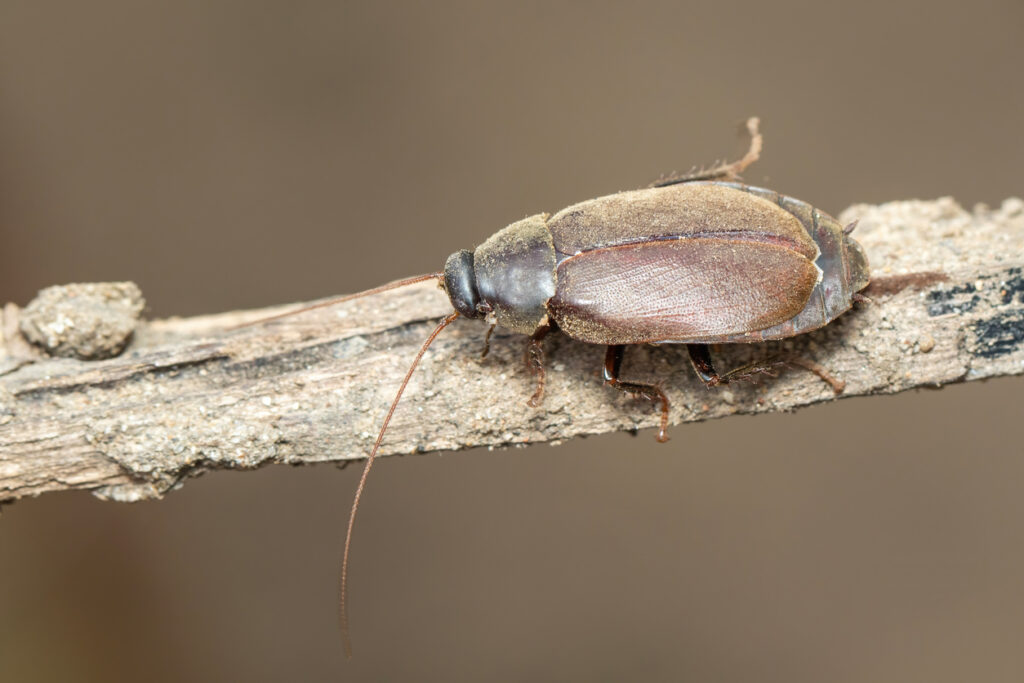
Insects don’t have lungs like mammals. Instead, they breathe through tiny openings in their exoskeleton called spiracles. Oxygen travels through a network of tubes known as tracheae, delivering air directly to tissues without the need for a circulatory system to carry it.
This system works efficiently for small bodies. Some insects can even close their spiracles to reduce water loss, especially in dry environments. It’s a completely different design from our own, yet it supports some of the most resilient creatures on the planet.