It’s hard to believe that penguins might not be around in the next few decades.
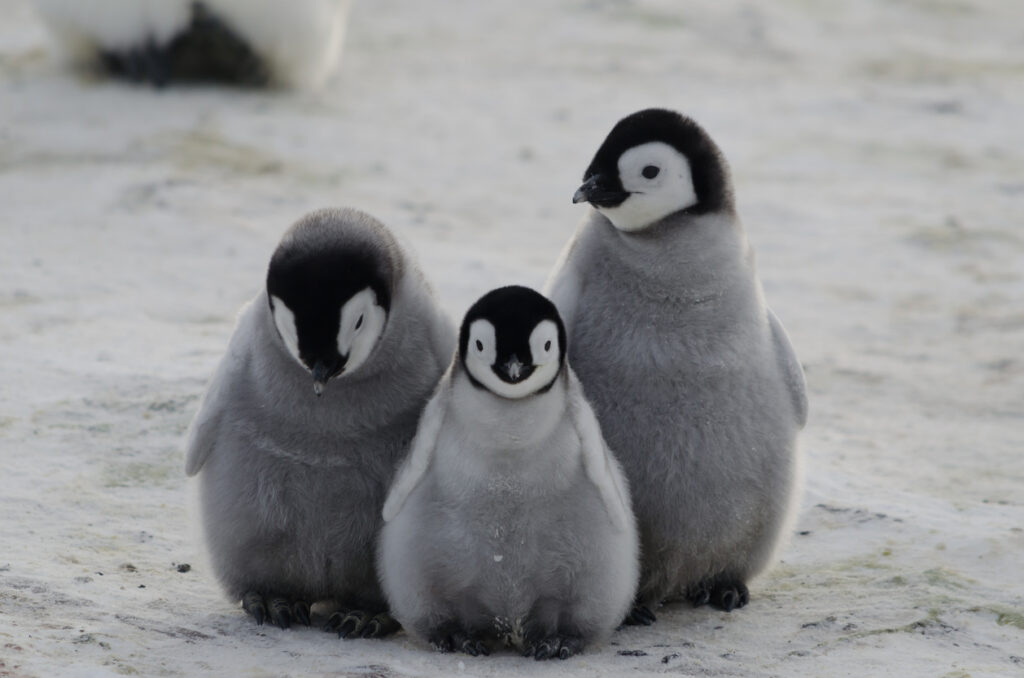
We’re not just talking about a slight dip in numbers; several of the most iconic species are facing a perfect storm of melting ice, disappearing food sources, and changing ocean currents that they simply can’t outrun. These birds have spent millions of years adapting to some of the harshest conditions on Earth, yet they’re now struggling to keep up with how fast their environment is being dismantled.
It’s a sobering thought that the animals our kids recognise from every nature documentary and animated film could effectively vanish from the wild within a few decades. From the loss of the sea ice they need for breeding to the industrial fishing that’s emptying their larders, the pressure on penguin colonies is reaching a breaking point that nature might not be able to fix on its own.
Antarctic ice is disappearing at catastrophic rates.
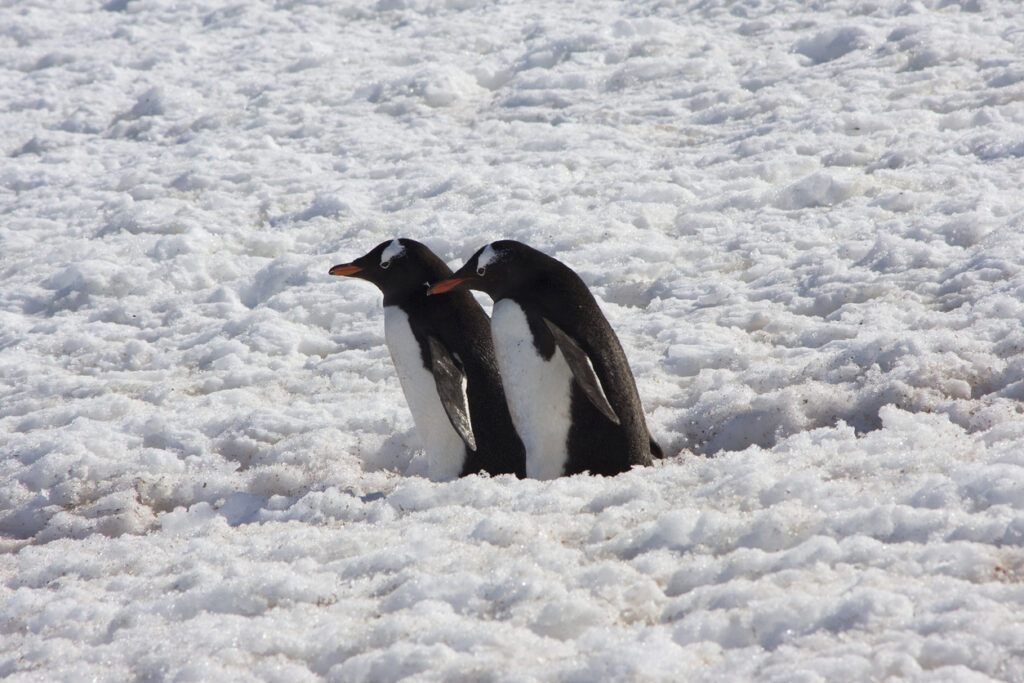
Penguins depend on sea ice for breeding, raising chicks, and accessing food, but that ice is melting faster than predicted. Emperor penguins nest on stable sea ice, and when it breaks up early, entire colonies of chicks drown before they can swim. The ice also hosts krill, the foundation of the Antarctic food web that penguins rely on. As ice coverage decreases, krill populations crash, leaving penguins without their primary food source. Scientists predict some emperor penguin colonies could be functionally extinct within decades.
Ocean temperatures are disrupting their entire food chain.
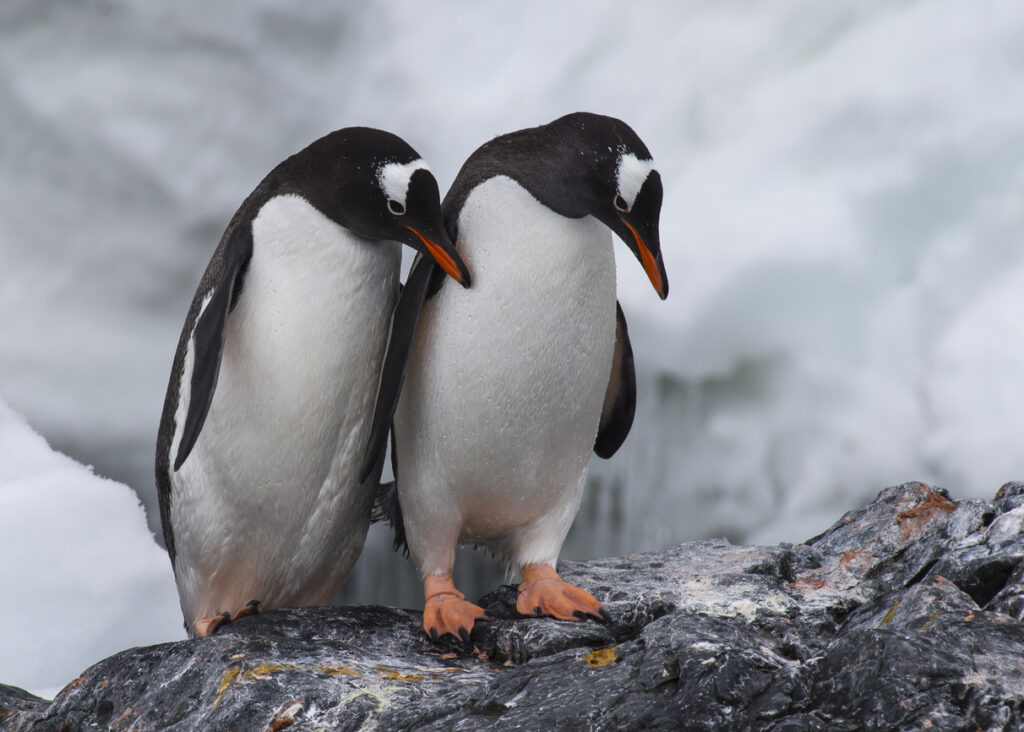
Warming seas are pushing fish and krill populations further from penguin breeding sites, forcing parents to swim longer distances for food. By the time they return to feed their chicks, the food has lost nutritional value or the chicks have already starved. Warmer water also affects fish reproduction and distribution patterns, making food sources unreliable. Penguins evolved for specific ocean conditions that no longer exist in many areas. The mismatch between where food is and where penguins breed is becoming impossible to bridge.
Commercial fishing is stealing their food supply.
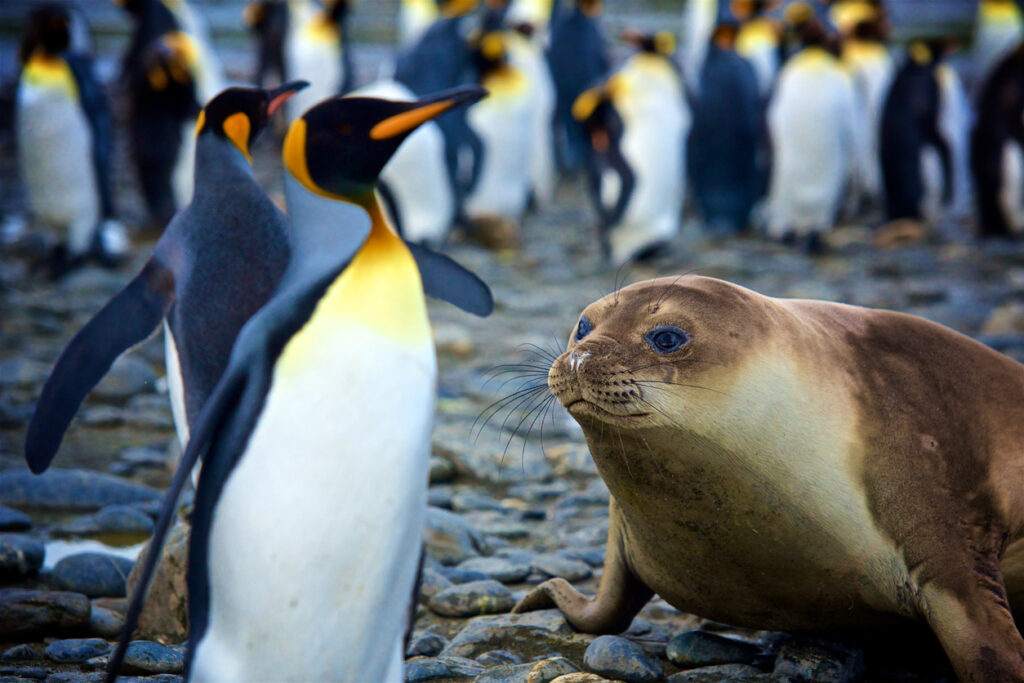
Industrial fishing fleets are hoovering up krill and fish species that penguins need to survive, particularly around breeding colonies where penguins concentrate. The fishing industry operates in the same waters penguins hunt, creating direct competition that penguins always lose. Even with fishing regulations, enforcement in remote Antarctic waters is nearly impossible. Krill is increasingly harvested for omega-3 supplements and fish food, demands that continue growing. Penguins can’t compete with industrial-scale nets that remove entire schools of fish in one pass.
Breeding sites are being destroyed by extreme weather.
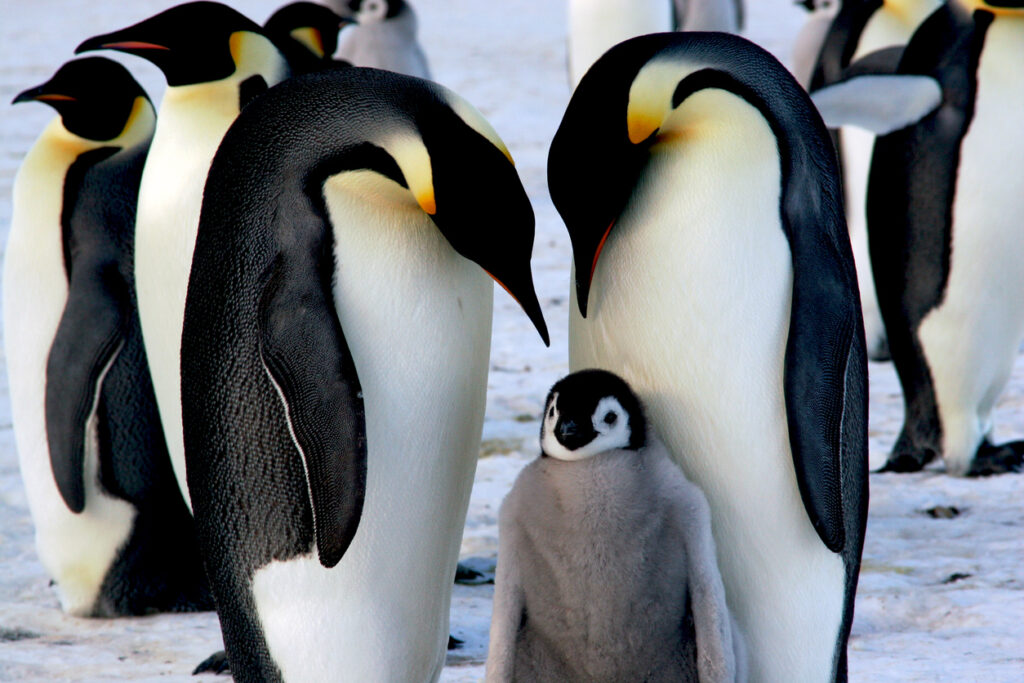
More frequent and intense storms are wiping out penguin colonies during vulnerable breeding periods. Heavy rainfall drowns chicks who haven’t developed waterproof feathers yet, and entire breeding seasons can fail after a single bad storm. Flooding and heat waves at breeding sites cause mass mortality events that didn’t occur historically. Penguins return to the same breeding sites year after year, so when those sites become uninhabitable, they don’t simply move elsewhere. The locations they’ve used for millennia are becoming death traps.
Introduced predators are decimating populations.

Rats, cats, and other invasive species brought by humans to penguin habitats are eating eggs and chicks at unsustainable rates. Penguins evolved without land predators, so they have no defences against them and often nest in easily accessible burrows. A single feral cat can destroy an entire small colony over a breeding season. While eradication programs exist, they’re expensive and many penguin islands remain unprotected. The combination of climate stress and predation means colonies can’t recover, even when some chicks do survive.
Pollution is poisoning both penguins and their food.
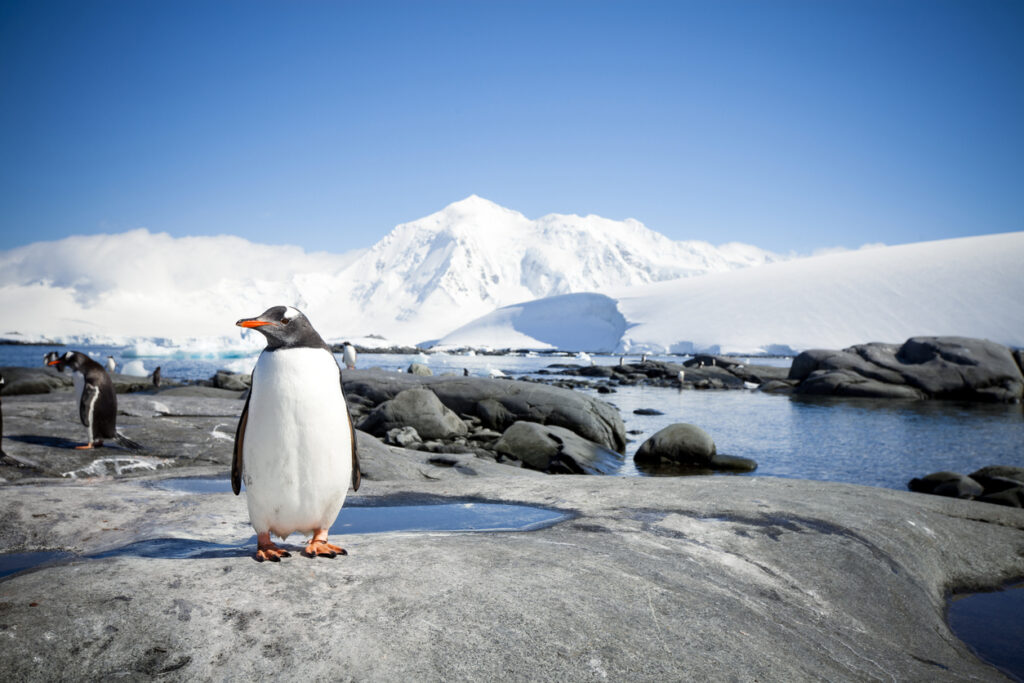
Plastic pollution in oceans means penguins ingest microplastics either directly or through contaminated fish. Chemical pollutants accumulate in their bodies, affecting reproduction and immune systems over time. Oil spills, though less frequent than before, remain catastrophic for penguin colonies when they occur. Even low-level chronic pollution weakens penguins enough that they can’t withstand other stresses. The ocean isn’t just warming and emptying, it’s becoming toxic.
They can’t adapt fast enough to survive.
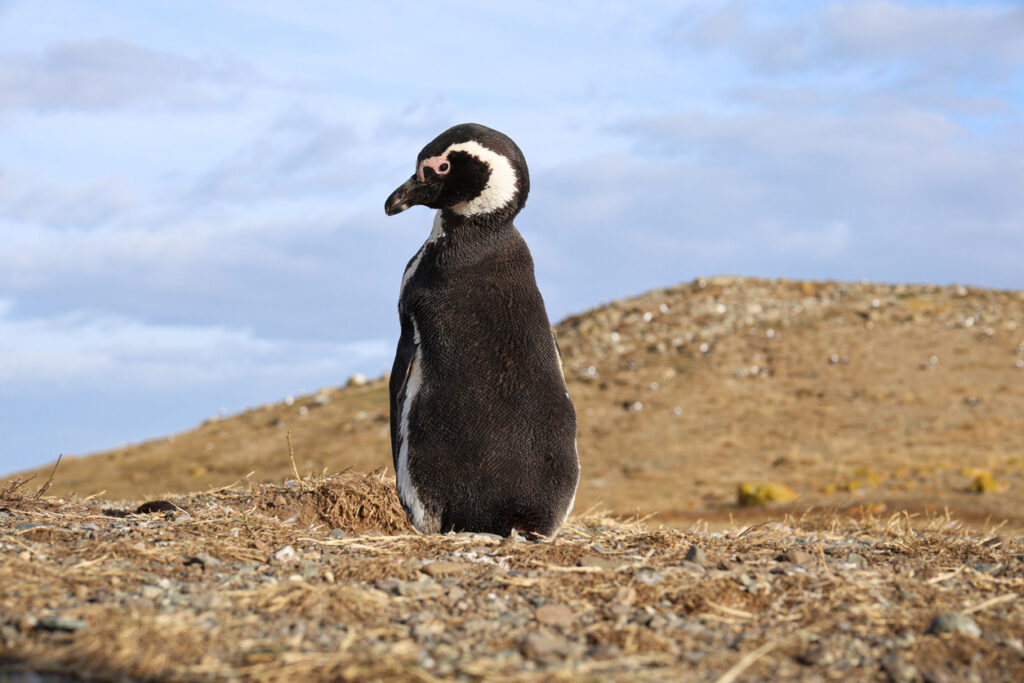
Evolution happens over thousands of generations, but penguin habitats are changing within single lifetimes. Penguins are highly specialised for specific environments, which makes them particularly vulnerable to rapid change. They can’t suddenly develop tolerance for warmer temperatures or learn to eat different food sources. Their slow reproductive rate means populations can’t bounce back quickly from losses. The speed of environmental change has completely outpaced their ability to adapt biologically.
Tourism is adding pressure to struggling colonies.
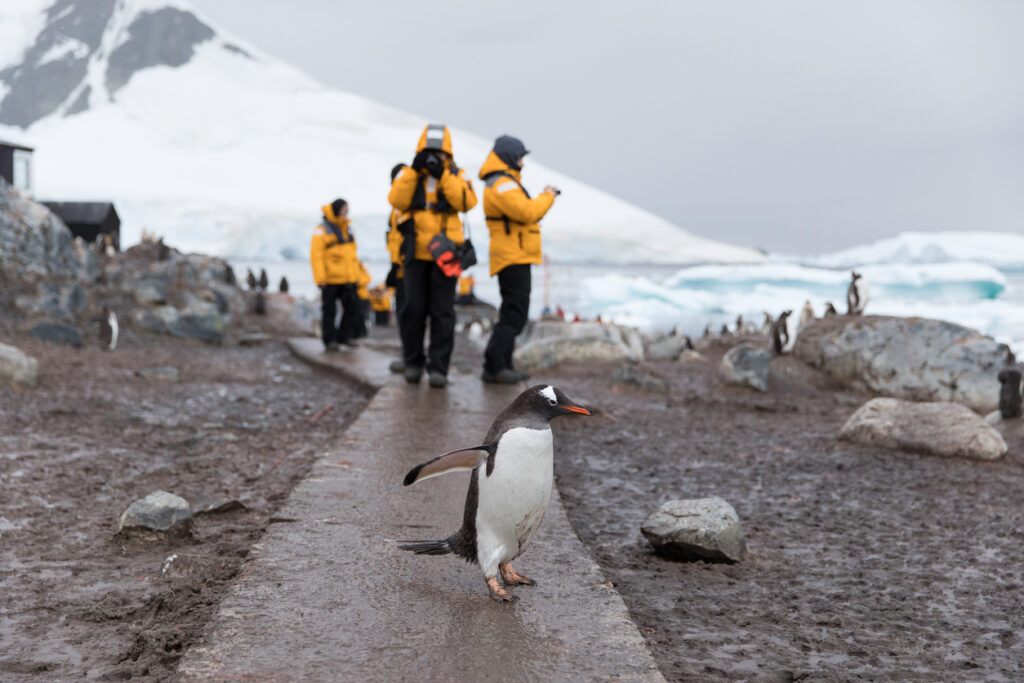
While penguin tourism generates conservation funding, the disturbance to breeding colonies causes real harm. Human presence stresses penguins, causes them to abandon nests, and creates paths that predators follow into colonies. Even well-meaning ecotourism concentrates pressure on the most accessible penguin populations. As penguins become rarer, tourism interest increases, creating a destructive feedback loop. The animals tourists are visiting are being slowly destroyed by that very attention.
Habitat loss isn’t limited to the ice.
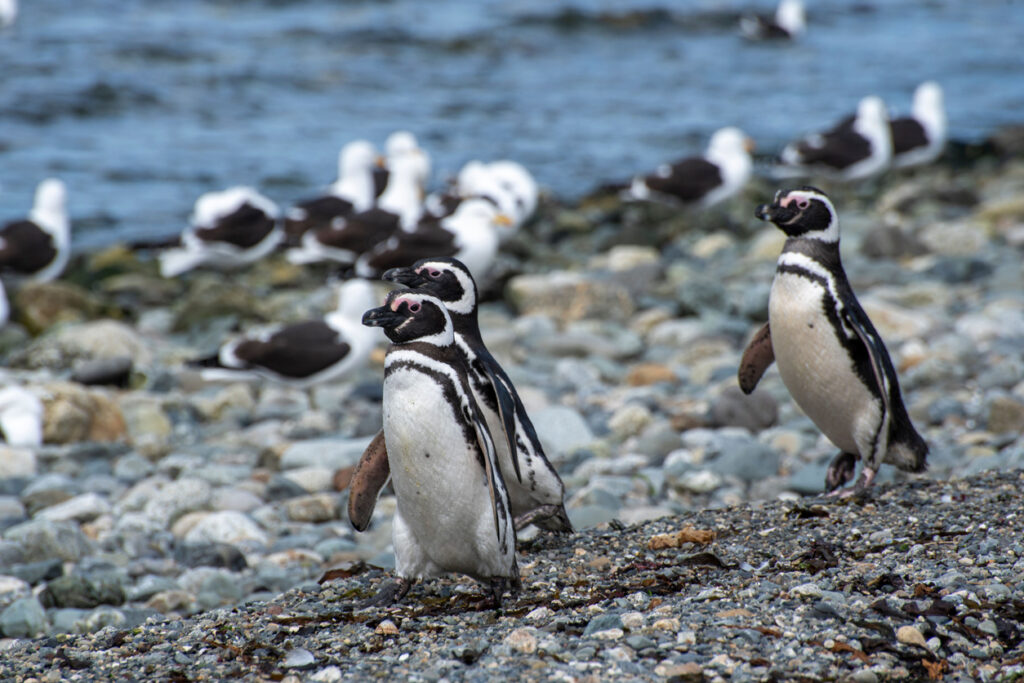
Many penguin species breed on temperate islands and coastlines that are facing development, coastal erosion, and human disturbance. Prime breeding beaches are being claimed for human use or destroyed by storms and rising seas. Penguins need specific types of terrain for nesting, and when those areas disappear, they can’t simply relocate. Coastal development around New Zealand and South Africa has eliminated historically important breeding sites. The penguins that remain are squeezed into increasingly crowded, suboptimal locations.
Multiple threats are hitting simultaneously.
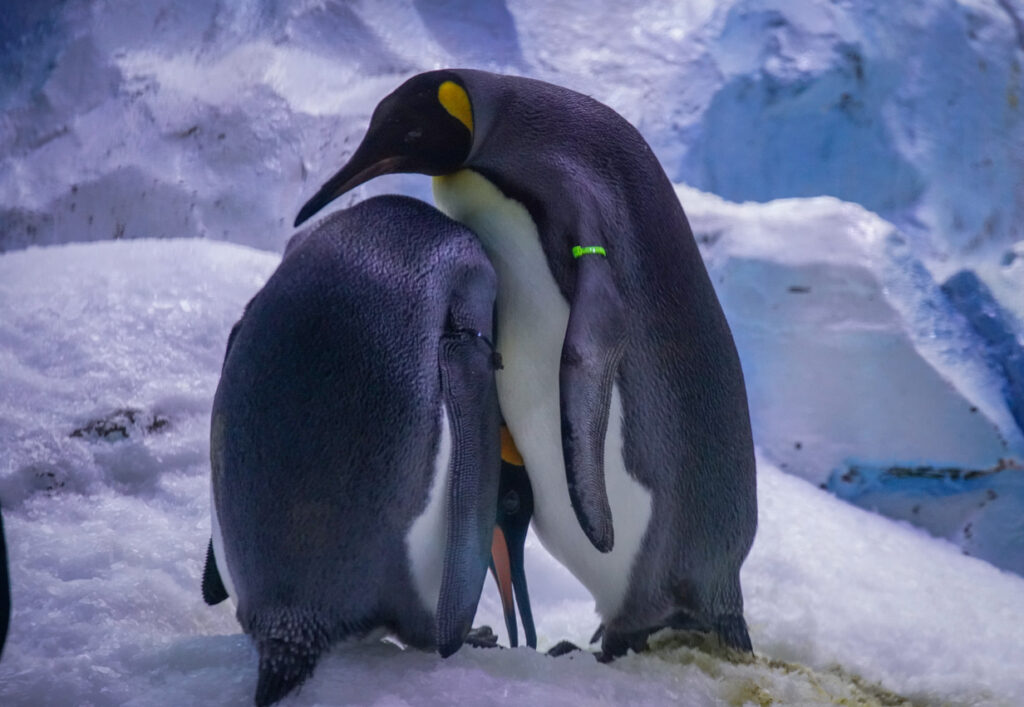
Penguins aren’t dealing with just one problem, they’re facing overlapping crises that compound each other’s effects. A penguin weakened by lack of food is more vulnerable to disease, predation, and temperature stress. Populations reduced by one pressure can’t recover before the next disaster hits. This perfect storm of threats means there’s no single solution that will save them. Without massive, coordinated global action addressing multiple fronts simultaneously, several penguin species will disappear within our lifetimes.