Anyone who’s ever tried to call a Terrier back in the park while they’re busy eyeing up a squirrel knows that some dogs treat your commands as more of a suggestion than a rule.
We often mistake this for a lack of intelligence, but usually, it’s the exact opposite; these breeds are often too smart for their own good and have been bred to work entirely on their own intuition. They’re not interested in being your personal assistant or performing tricks for a bit of kibble if they don’t see the point in it.
It’s a proper battle of wills where your dog is constantly weighing up whether what you want is actually more interesting than what they’ve already got planned. From the massive hounds that’ll pretend they’ve gone deaf the moment you mention a walk in the rain, to the tiny lapdogs that actually run the entire household, owning one of these breeds means accepting that you’ll never truly be the boss.
1. Afghan hounds have better things to do.
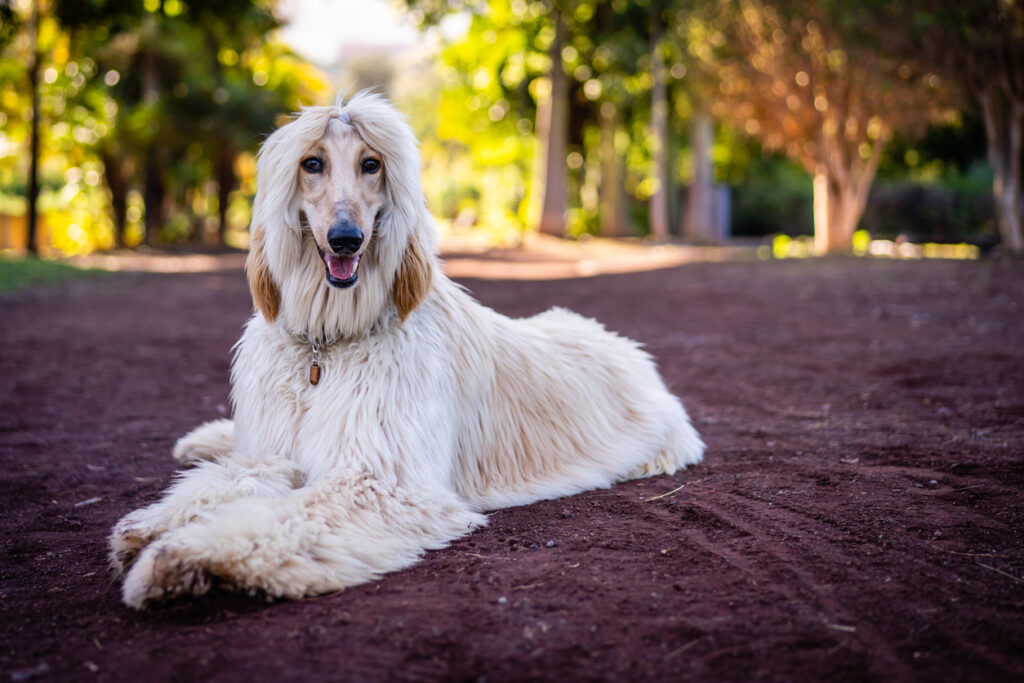
Afghan hounds are famous for looking elegant while ignoring you completely. They were bred to hunt by sight and make their own calls at speed, so they’re not wired to check in every two seconds for approval. Training works best when you keep it short and a bit interesting. If you repeat the same drill forever, they will switch off. Rewards help, but so does acting like you’re not begging for their attention.
2. Basenjis treat commands like suggestions.

Basenjis are clever, curious, and very sure of themselves. They were bred to hunt and problem solve, not to sit politely for applause. They also get bored fast, which makes them look stubborn when they’re actually unimpressed. They respond better to training that feels like a game. Use high-value treats and stop sessions before they get fed up. If you try to force it, you will just get a basenji staring into the distance.
3. Beagles follow its nose, not your voice.
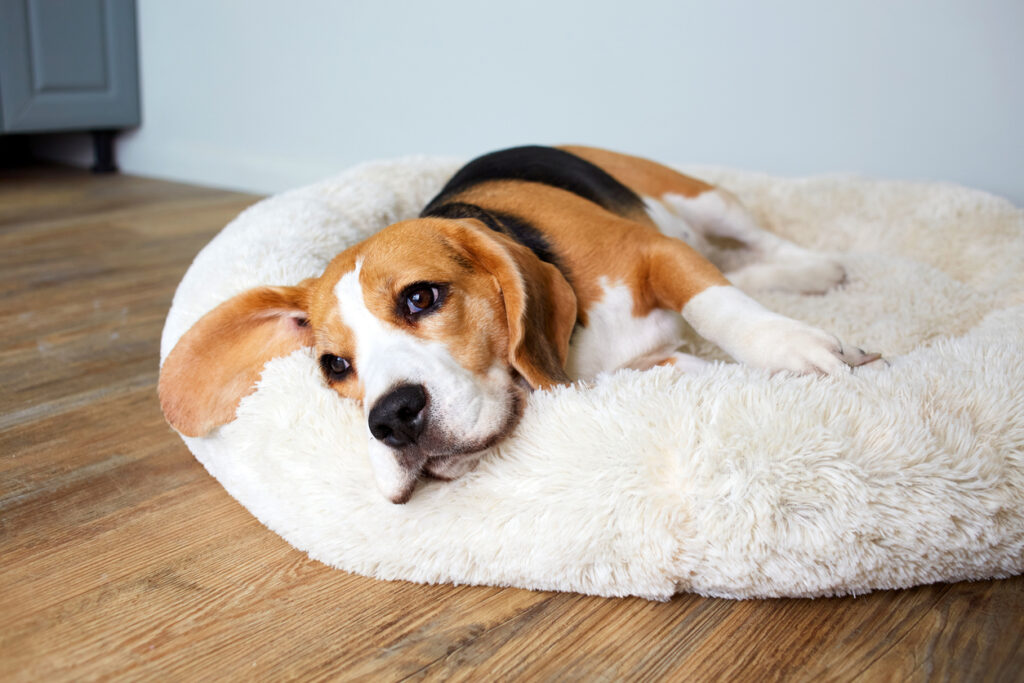
Beagles are sweet, friendly, and unbelievably committed to smells. Once their nose locks on to something, the rest of the world fades out, including you waving a treat like you’re on a stage. Recall is the big battle, so start early and practise in low distraction places. A long line saves your sanity. You’re not training obedience so much as negotiating with a dog who thinks scent is life.
4. Bulldogs don’t hurry for anyone.
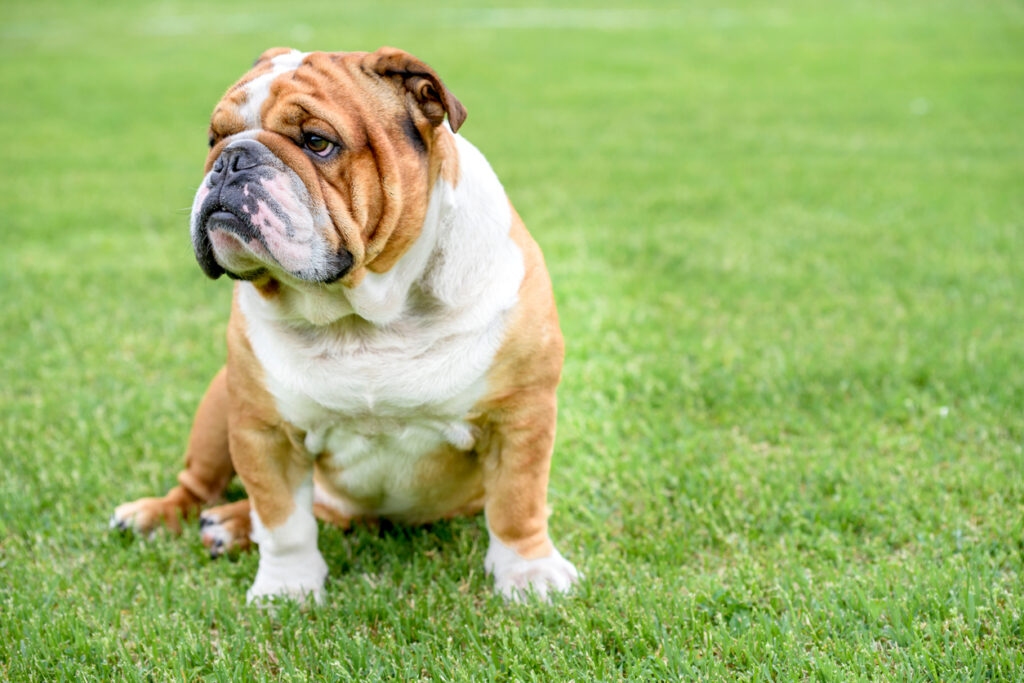
Bulldogs can be affectionate and funny, but they’re also stubborn in a slow, planted way. If they don’t want to move, they won’t move, and you can almost see them deciding you can carry them if it matters. Keep training calm and positive, with lots of praise and tiny steps. They don’t respond well to pressure. Short sessions and a routine help, especially if you keep expectations realistic for their energy levels.
5. Dachshunds have a bold personality in a small body.
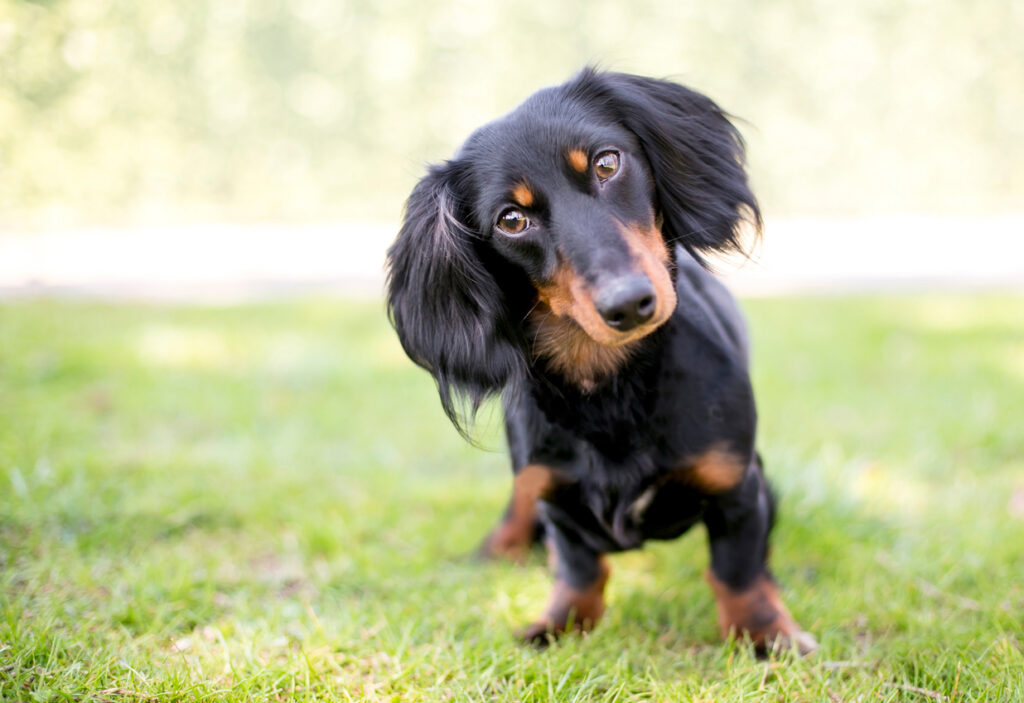
Dachshunds were bred to go into badger setts, which tells you everything. They’re brave, determined, and not easily convinced they’re wrong. They can also get possessive and bossy if boundaries are unclear. Be consistent from day one, and don’t laugh off bad habits just because they’re small. Training needs to be steady and confident, not harsh. They do best when rules stay the same every single day.
6. Shiba Inus like being in charge of themselves.

Shiba Inus are renowned for their strong will and their sense of independence. They’re clean, alert, and clever, but they don’t live to impress you. They often choose when to listen, which can feel maddening. Socialisation and recall training are essential, and you will need patience. Keep sessions upbeat and avoid power struggles. If you turn it into a battle, the Shiba will happily make you lose on principle.
7. Chow chows are loyal, but not people pleasers.
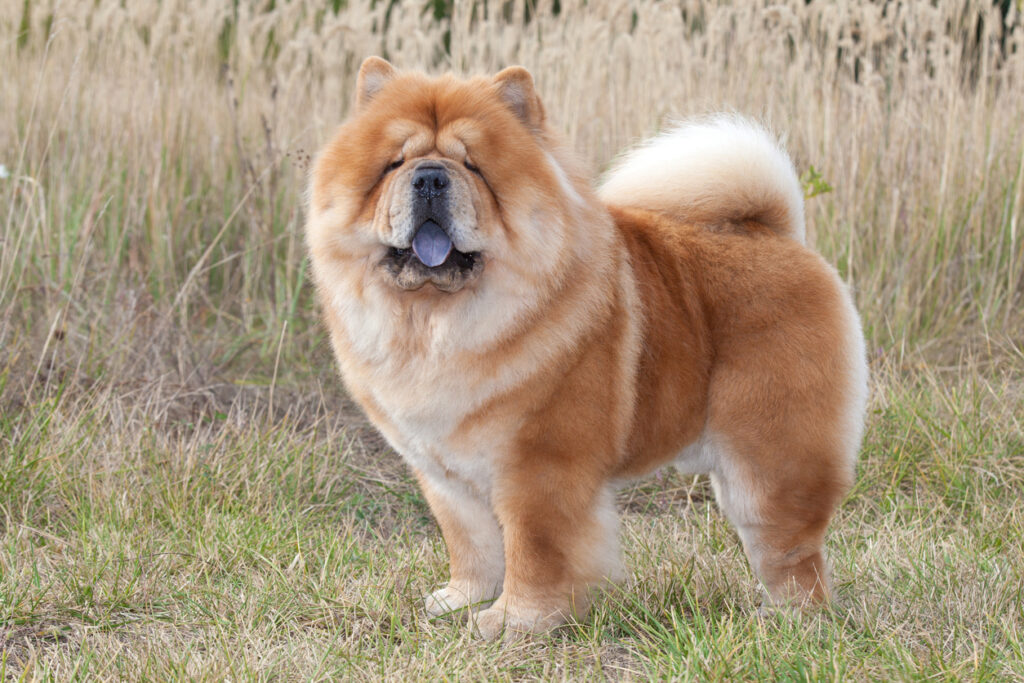
Chow chows can be devoted to their own people, but they’re not typically eager to follow directions for fun. They’re naturally more reserved and can be stubborn when they don’t see the point of something. They do best with calm, consistent training and clear boundaries. Harshness can backfire and make them dig in. Early socialisation matters a lot because a confident chow is easier to live with.
8. Basset hounds move at their own pace.

Basset hounds have that slow, stubborn vibe that makes you think they’re lazy, but a lot of it is focus. They were bred for scent work, and once they get a smell, they will stick with it like it’s a mission. Training needs patience and a sense of humour. Use food rewards and keep it gentle. If you rush them or nag, you will get nowhere, but if you stay consistent, they can learn plenty.
9. Jack Russell terriers argue with reality.

Jack Russells are smart, intense, and full of opinions. They were bred to chase and work, so they have endless drive and a tendency to decide they know best. If they’re bored, they invent their own job. Training should include mental work, not just sit and stay. Give them puzzles, scent games, and structured play. A Jack Russell with an outlet is brilliant. A Jack Russell without one is chaos with legs.
10. Siberian huskies prefer teamwork on their own terms.
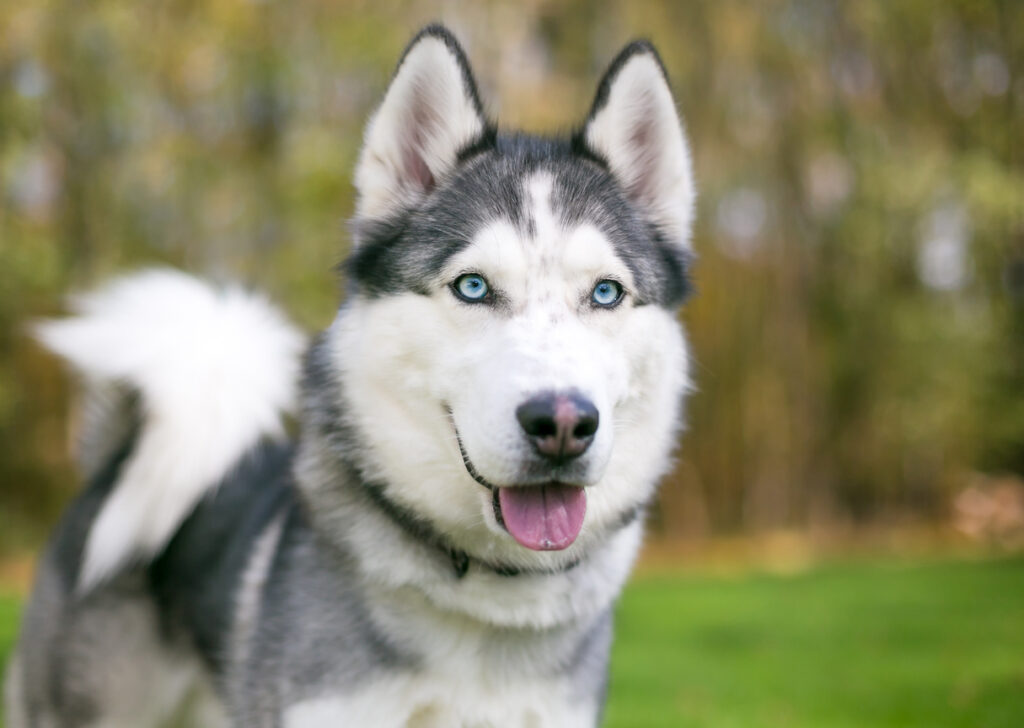
Huskies were bred to run and pull as part of a team, not to take constant instructions from one person. They’re intelligent, social, and independent, which is why they can look like they’re ignoring you for sport. They need solid recall practice, secure fencing, and plenty of exercise. Training works best when you make it rewarding and varied. If you’re inconsistent, they will spot it instantly and take advantage.
11. Alaskan malamutes are powerful and strong-minded.
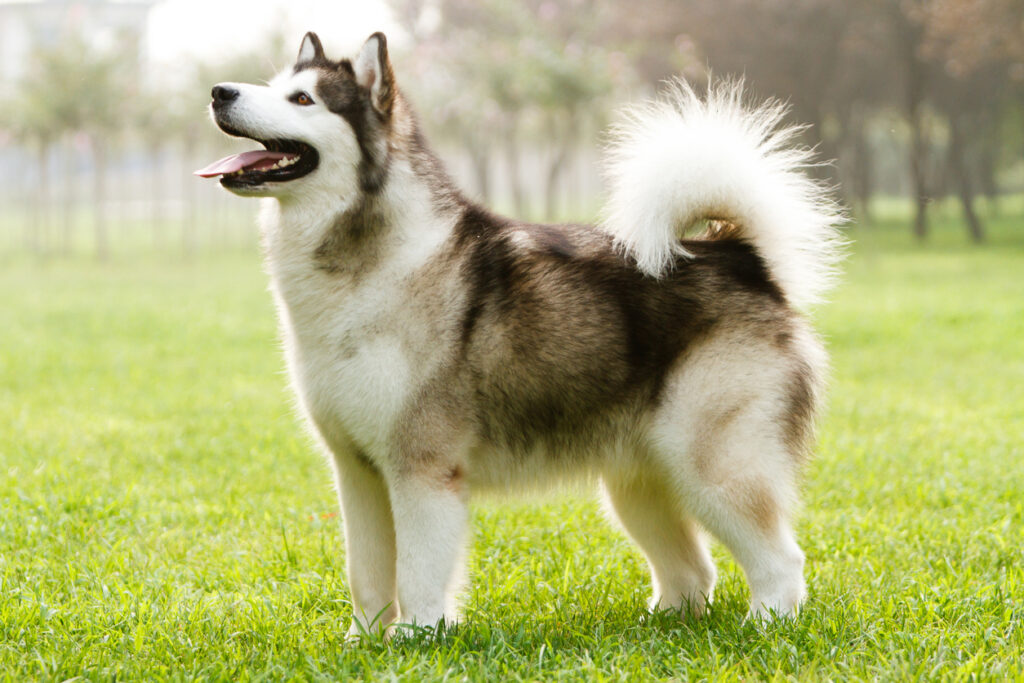
Malamutes are big, strong, and built for hard work, which comes with confidence. They can be gentle and affectionate, but they often don’t respond to being pushed around. If you’re not clear, they will decide for you. Start training early and keep it steady. They do well with calm leadership and routines, plus lots of physical activity. A bored malamute will create its own fun, and you will not enjoy the result.
12. Akitas don’t hand out trust easily.

Akitas are loyal and protective, but they’re not usually bouncy, eager to please dogs. They can be stubborn because they’re naturally independent, and they tend to take things seriously rather than doing commands for a laugh. They need confident handling, early socialisation, and clear rules. Training should be firm but fair, with no shouting. You’re building respect and trust with an Akita, not trying to turn them into a circus dog.
13. Bloodhounds follow scent over everything else.
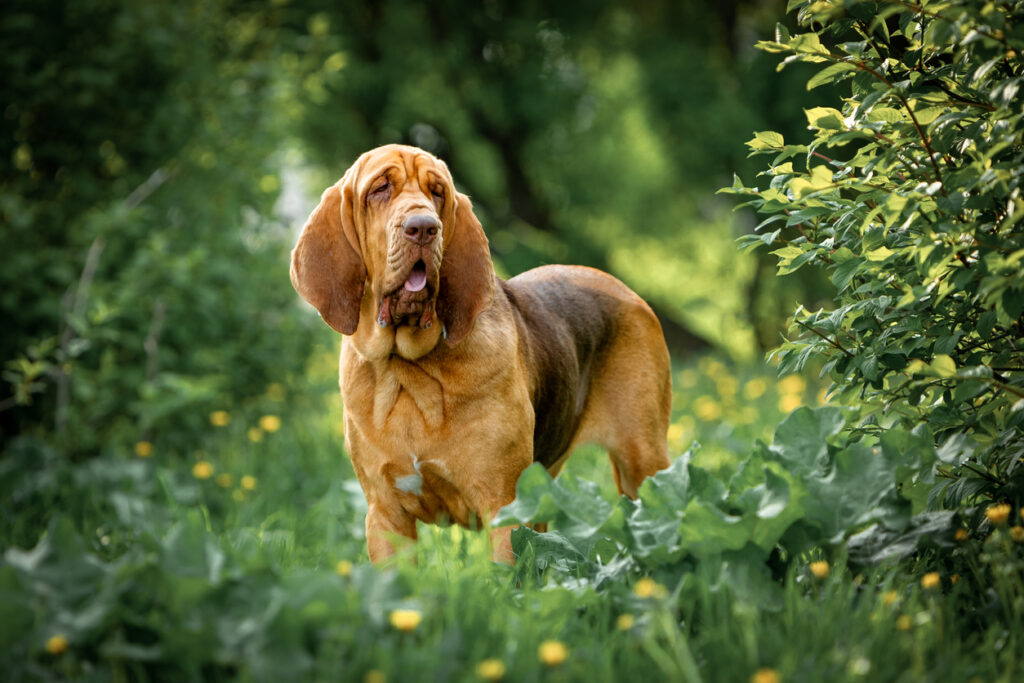
Bloodhounds were basically designed to ignore the world and lock onto a trail. Their nose is so powerful that listening to you can feel like a distraction from their real purpose. That is why they can seem stubborn. Secure leads and fenced spaces are important, especially outdoors. Training needs patience, top-tier rewards, and lots of practice around distractions. You’re not trying to beat their nose, you’re trying to work with it.
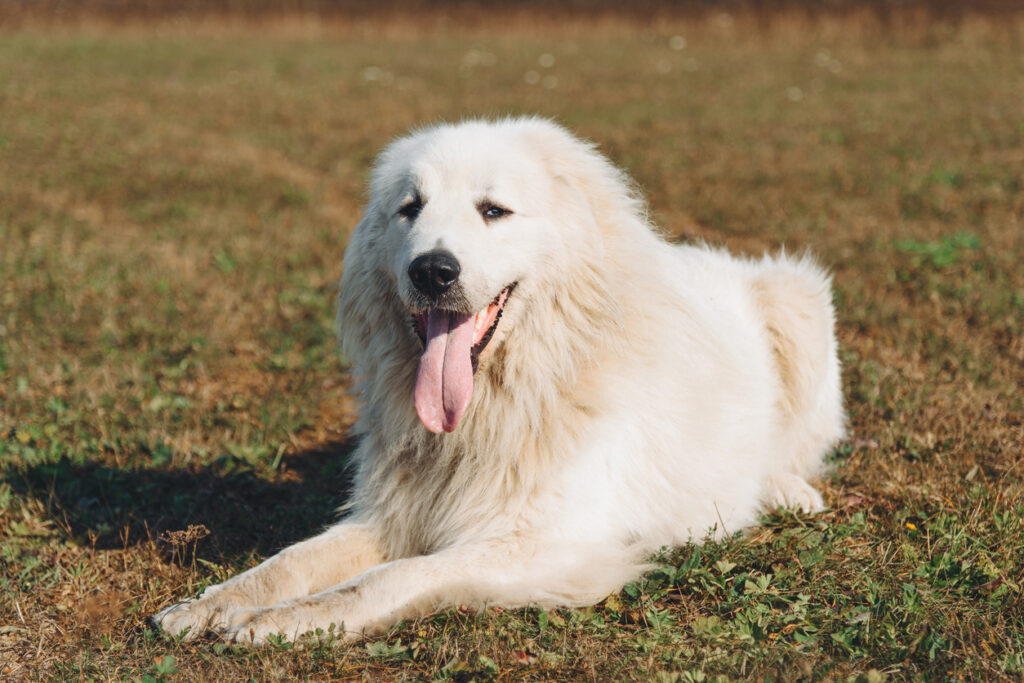
14. Great Pyrenees were bred to make their own decisions.
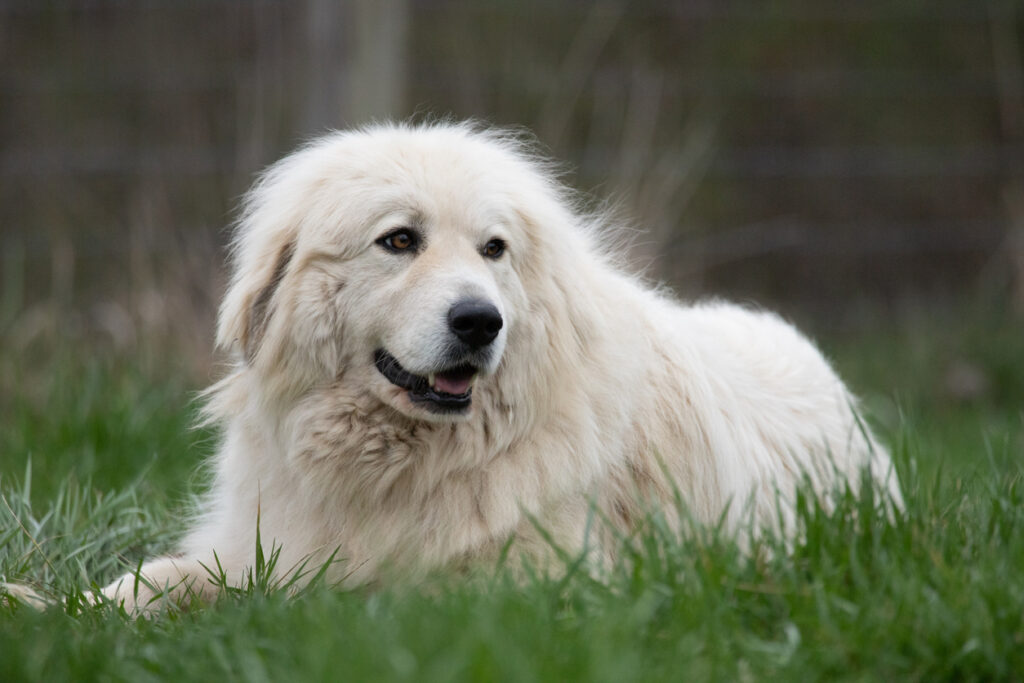
Great Pyrenees dogs were livestock guardians, often working alone at night and deciding what counted as a threat. That independence is useful on a mountain. In a living room, it can look like stubbornness and selective hearing. They do best with calm consistency and early training, plus space and routine. They’re not a breed that responds well to being nagged. If you want one, you need to respect that it thinks like a guardian first.