Most people look at their garden and see a battleground where they’re constantly trying to kill off weeds and keep everything looking like a tidy showroom.

It’s a bit of a nightmare for the local wildlife, honestly, because a perfectly manicured lawn is basically a desert for the creatures that actually keep our ecosystem running. You might be surprised to find that some of the scruffy bits you’ve been meaning to dig up are actually doing the heavy lifting when it comes to keeping the birds, bees, and hedgehogs in business.
It’s time we move away from the idea of total control and realise that a slightly messy garden is a thriving one. From the ivy that everyone loves to hate to the humble pile of logs in the corner, your outdoor space is likely full of unsung heroes that are quietly saving the planet while you’re busy worrying about the pruning.
1. Native wildflowers are absolute magnets for pollinators.
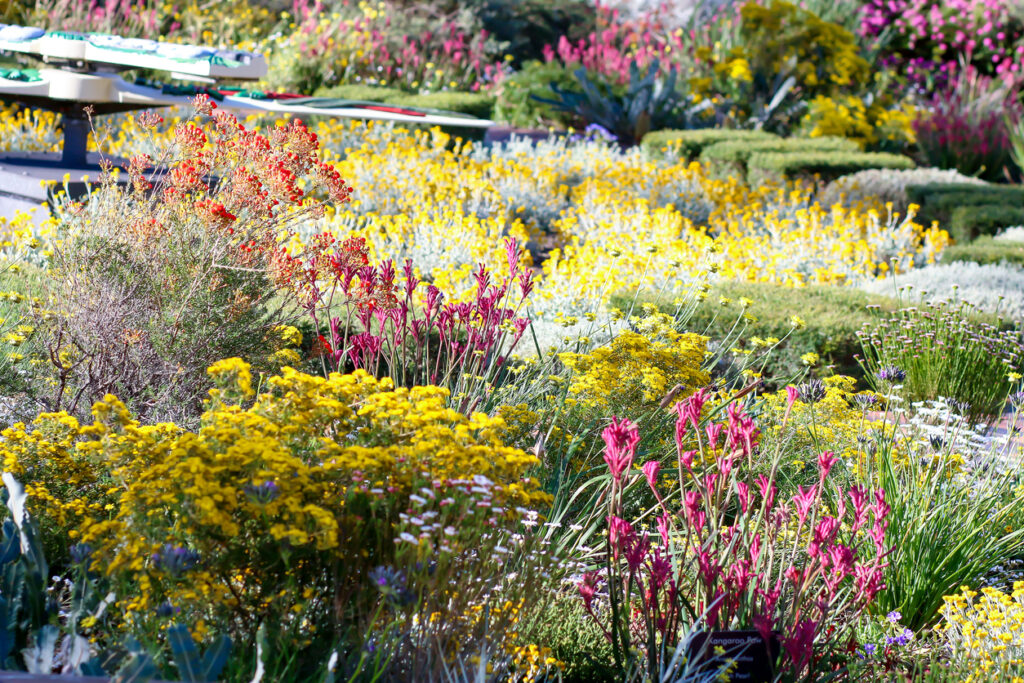
Wildflowers that naturally grow in your region have evolved alongside local insects, birds and other wildlife, making them far more valuable than exotic ornamentals. Species like primroses, foxgloves, cornflowers, and poppies provide nectar and pollen that native bees and butterflies have specifically adapted to use.
You don’t need a massive wildflower meadow either, even a small patch or border filled with native species will attract pollinators. These flowers also tend to be tougher and need less maintenance than fancy garden varieties because they’re meant to grow in your climate without fussing.
2. Ivy provides year-round shelter and late-season food.
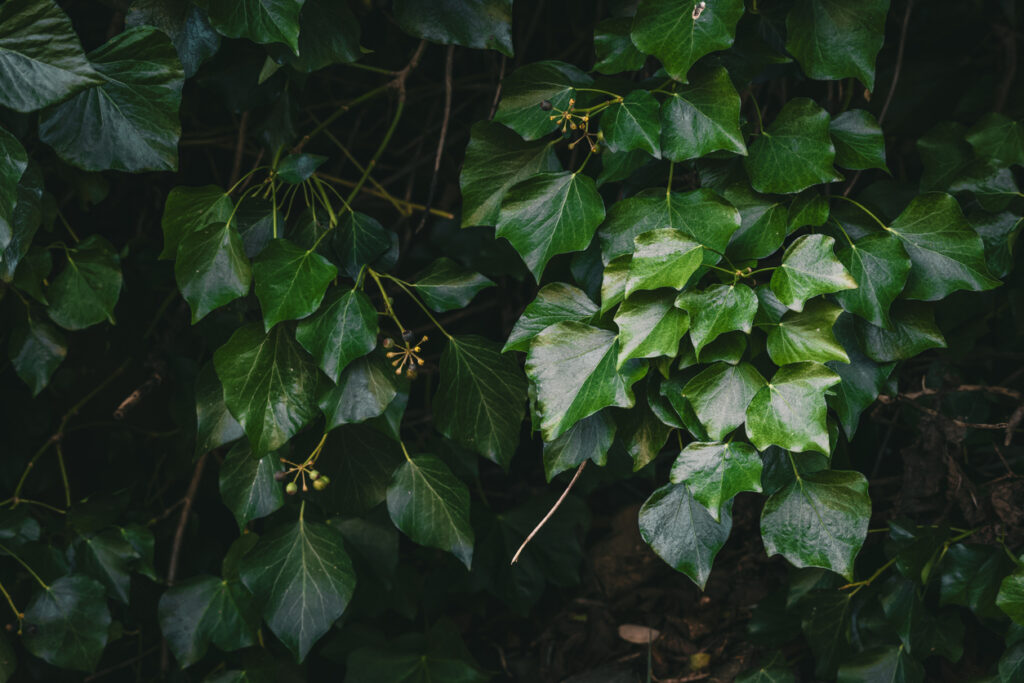
Ivy gets a bad reputation for being invasive, but it’s actually brilliant for biodiversity when managed properly. It flowers late in autumn when most other plants have finished, providing crucial nectar for bees and butterflies preparing for winter.
The dense foliage offers nesting sites for birds and hibernation spots for insects and small mammals. By spring, the berries feed birds when other food sources are scarce. If you’re worried about it taking over, just keep it trimmed away from buildings and trees, while letting it cover walls or fences where it creates valuable habitat.
3. Dandelions are one of the earliest food sources for pollinators.
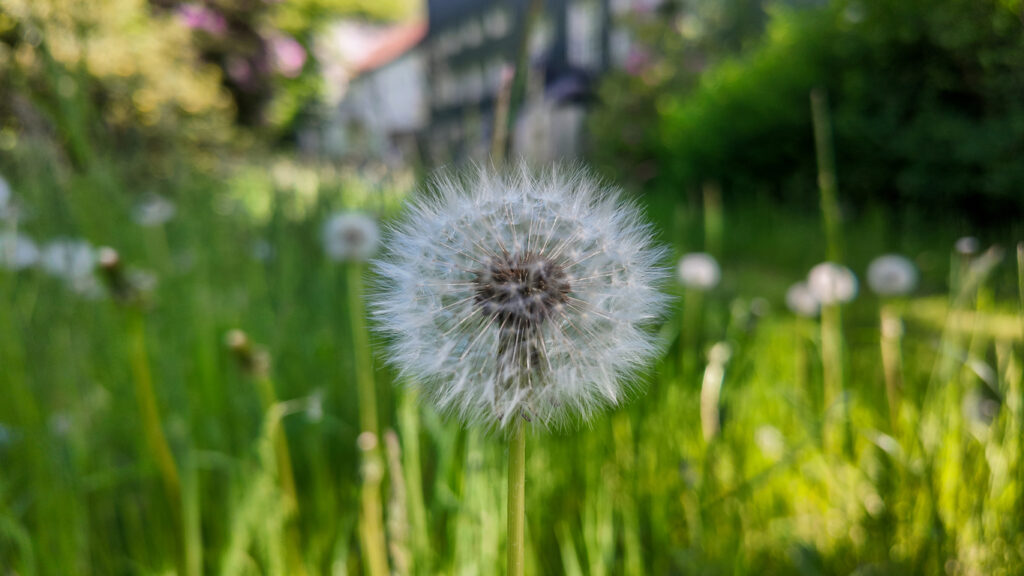
Before you dig up every dandelion in your lawn, remember they’re one of the first flowers to appear in spring when hungry bees emerge from hibernation. Their bright yellow flowers provide essential early nectar and pollen, and later their seeds feed goldfinches and other small birds.
Dandelion roots also break up compacted soil and their leaves are edible for humans too. You don’t have to let your whole lawn turn yellow, but leaving a patch of dandelions in a corner or letting them grow through your borders gives early pollinators a vital food source.
4. Dead wood and log piles are miniature ecosystems.
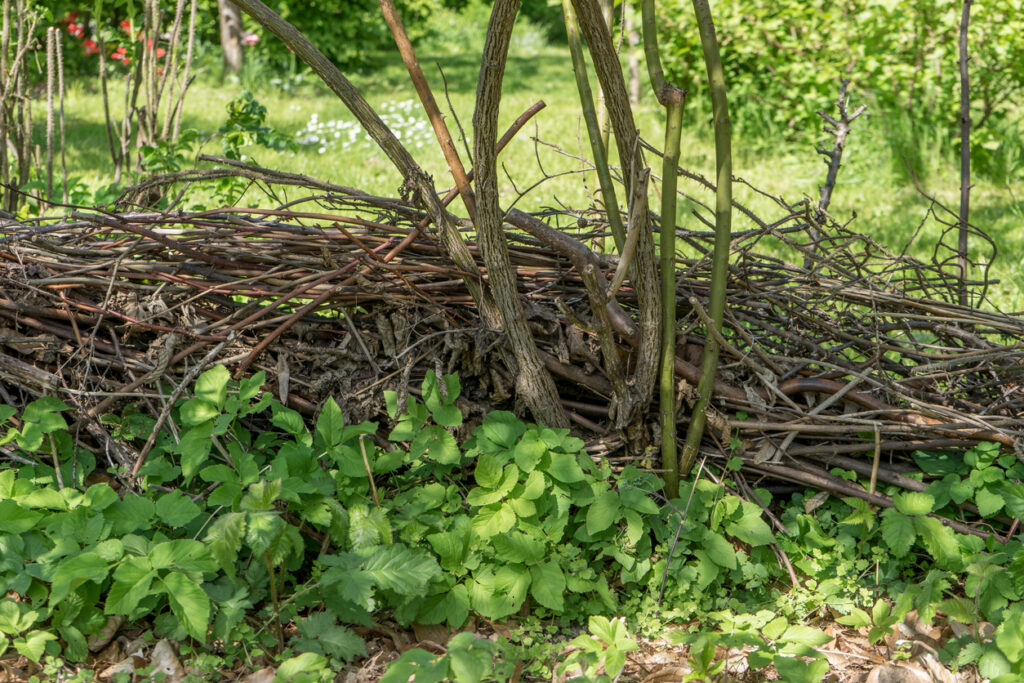
That fallen branch or pile of logs you’ve been meaning to clear away is actually providing habitat for hundreds of species. Rotting wood hosts beetles, woodlice, centipedes and fungi, which in turn feed birds, hedgehogs, and amphibians. Stag beetles in particular need dead wood to complete their life cycle, and they’re becoming increasingly rare as gardens get tidier.
Stack logs in a shady corner, leave tree stumps to decay naturally, or create a deliberate log pile, and you’ll be amazed at what moves in. The decomposition process also returns nutrients to your soil.
5. Long grass and unmowed areas shelter countless creatures.
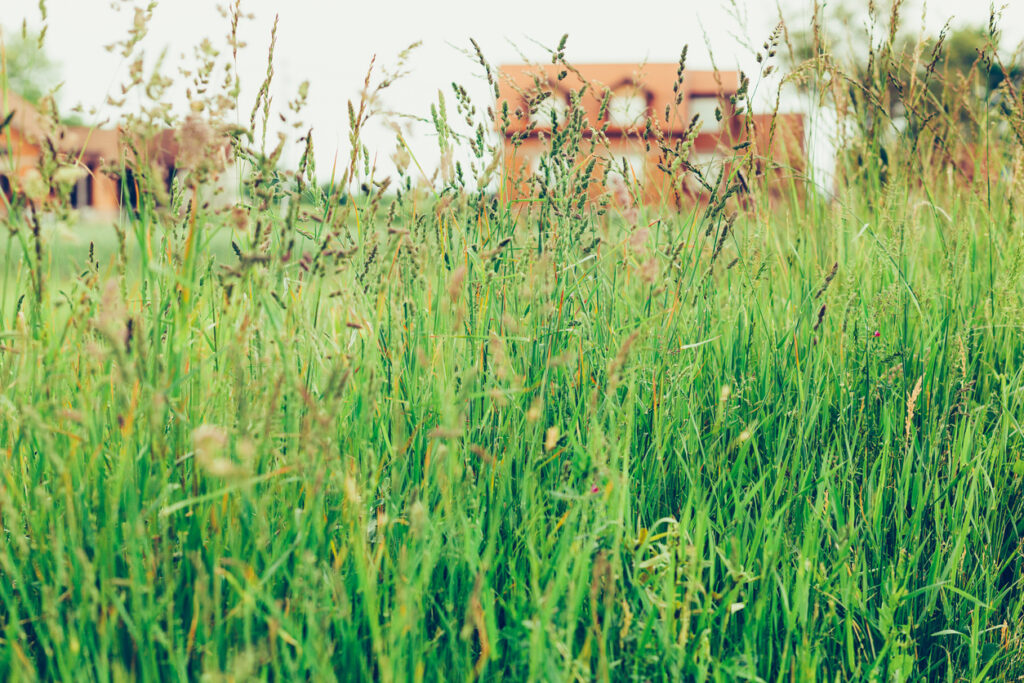
Leaving sections of your lawn to grow long creates habitat for grasshoppers, beetles, spiders and small mammals like voles and shrews. Long grass also allows wildflowers to grow that would otherwise get cut down before they can flower. Moths use tall grass stems to pupate, while ground-nesting bees need undisturbed earth that mowing destroys.
You don’t need to abandon mowing entirely, just leave strips around the edges or dedicate specific areas to grow wild. Cut these areas once or twice a year rather than weekly, and you’ll see the difference in wildlife activity.
6. Berry-producing shrubs feed birds through winter.

Hawthorn, rowan, holly, elder and pyracantha all produce berries that sustain birds when insects and other food become scarce in colder months. These native shrubs also provide thorny protection where small birds can nest safely away from predators. The flowers earlier in the year feed pollinators, so you get multiple biodiversity benefits from one plant.
Berry-producing plants are also generally low-maintenance once established and many have attractive flowers or autumn colour, making them useful for the aesthetic side of gardening too.
7. Nettles are crucial for butterfly caterpillars.
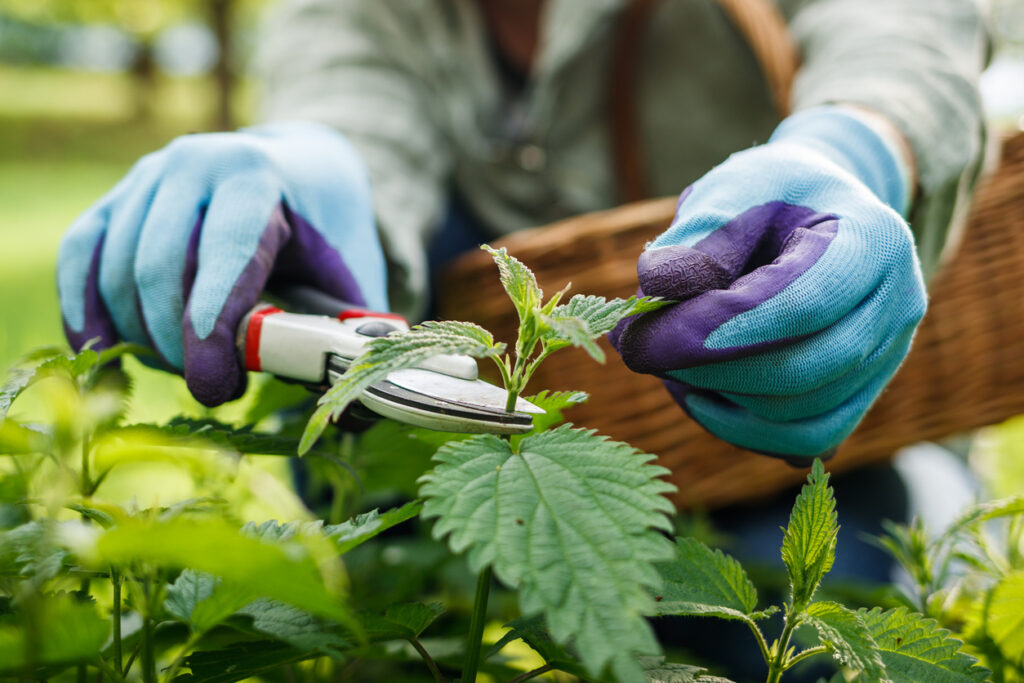
Stinging nettles might be painful to brush against, but they’re the sole food plant for several British butterfly species including red admirals, peacocks, small tortoiseshells and commas. Without nettles, these butterflies can’t complete their life cycle.
You don’t need to let nettles take over your entire garden, but leaving a patch in a corner or behind a shed provides essential habitat. Nettles also have deep roots that bring up nutrients from lower soil layers, and their leaves make excellent compost or liquid fertiliser when rotted down.
8. Flowering herbs support bees and other beneficial insects.
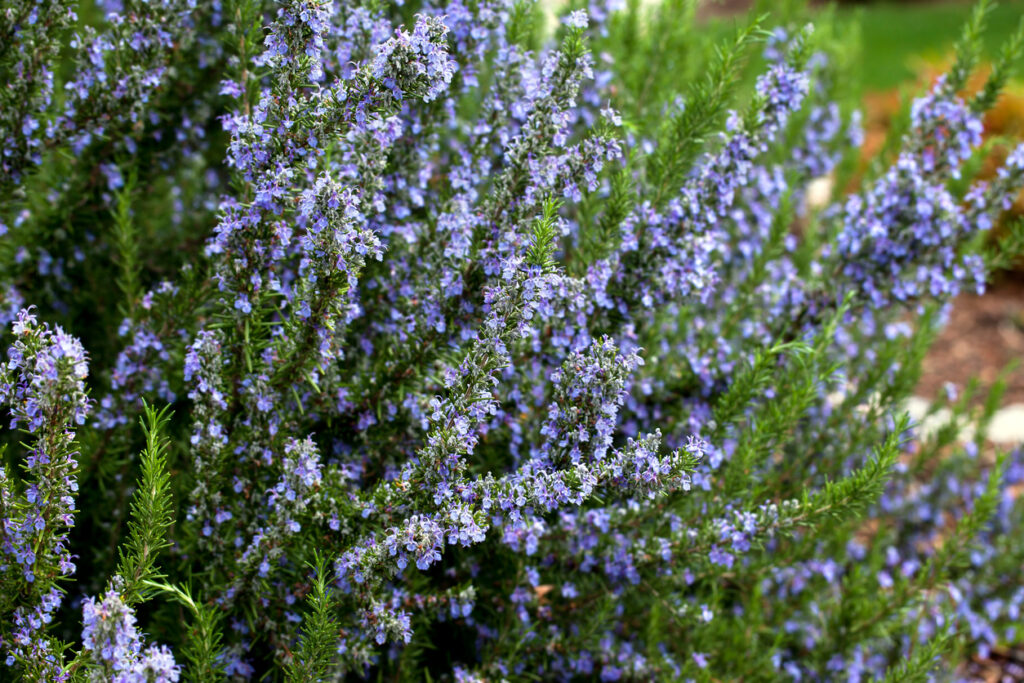
Let your herbs like rosemary, thyme, oregano, lavender, sage, and mint go to flower instead of constantly cutting them back for cooking. The flowers are absolute magnets for bees, hoverflies and butterflies. Hoverflies are particularly valuable because their larvae eat aphids, giving you natural pest control.
Flowering herbs also attract parasitic wasps that prey on caterpillars and other garden pests, creating a balanced ecosystem where you need fewer interventions. The bonus is that many of these herbs are Mediterranean natives that thrive in poor soil and need minimal watering.
9. Seed heads left standing through winter feed birds.
Instead of cutting back all your perennials in autumn, leave the seed heads on plants like teasels, sunflowers, echinacea, rudbeckia and grasses. Goldfinches, sparrows, and other seed-eating birds will work through these heads all winter, getting nutrition when food is scarce.
The hollow stems also provide overwintering spots for beneficial insects like ladybirds and solitary bees. Seed heads covered in frost or snow look beautiful too, adding winter interest to your garden while serving an ecological purpose. You can tidy them away in early spring before new growth starts.
10. Clover in lawns fixes nitrogen and feeds bees.
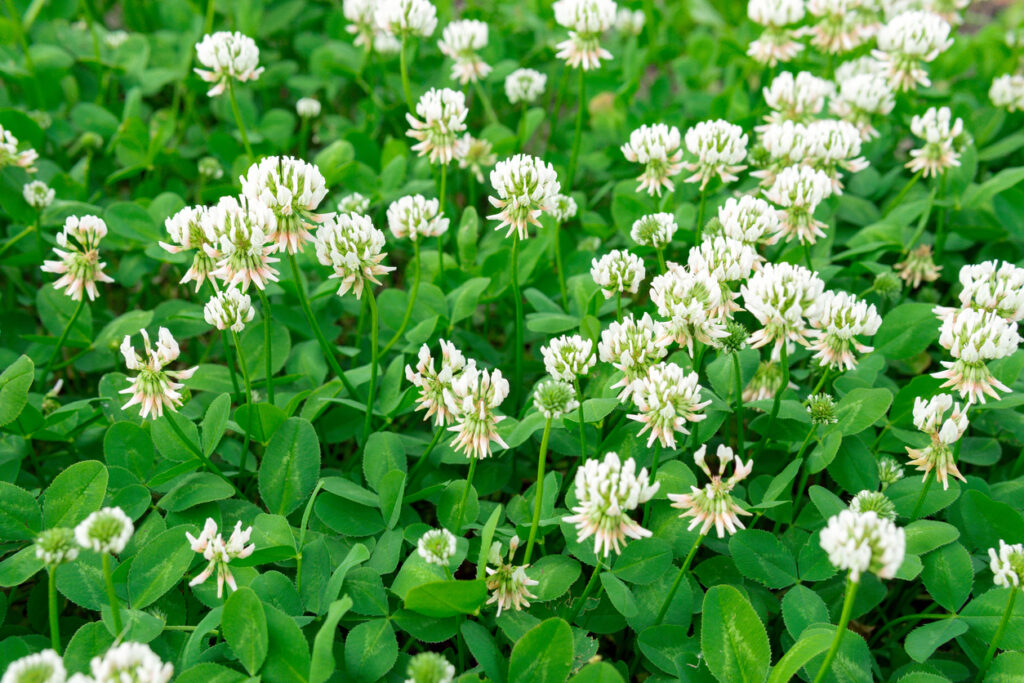
White clover was traditionally included in lawn seed mixes because it stays green during droughts, grows in poor soil, and fixes nitrogen which feeds the grass around it. It also produces masses of small flowers that bees love, turning your lawn into a useful foraging ground rather than a green desert.
Clover lawns need less fertiliser, less watering, and less frequent mowing than pure grass. If you’ve got clover coming up naturally, stop treating it as a weed and let it spread. Your lawn will actually be healthier, and you’ll be supporting pollinators at the same time.