While we’re all busy watching the sea levels and worrying about the rainforests, there’s a massive disaster happening way up in the clouds that hardly anyone is talking about.

It’s easy to look at a mountain range and think of it as this permanent, untouchable fortress of rock and ice, but the reality is that these peaks are some of the most fragile spots on the planet. The glaciers are vanishing at a rate that is genuinely terrifying, and because mountains act as the world’s water towers, their collapse is going to cause a massive ripple effect for billions of people downstream.
It’s not just about losing a nice view for hikers; it’s about the fact that the actual plumbing for half the world is being dismantled. This crisis is playing out in places that are hard to reach and even harder to monitor, making it a ticking time bomb that’s been largely ignored by the mainstream news cycle.
Glaciers are shrinking, and it changes how rivers behave.
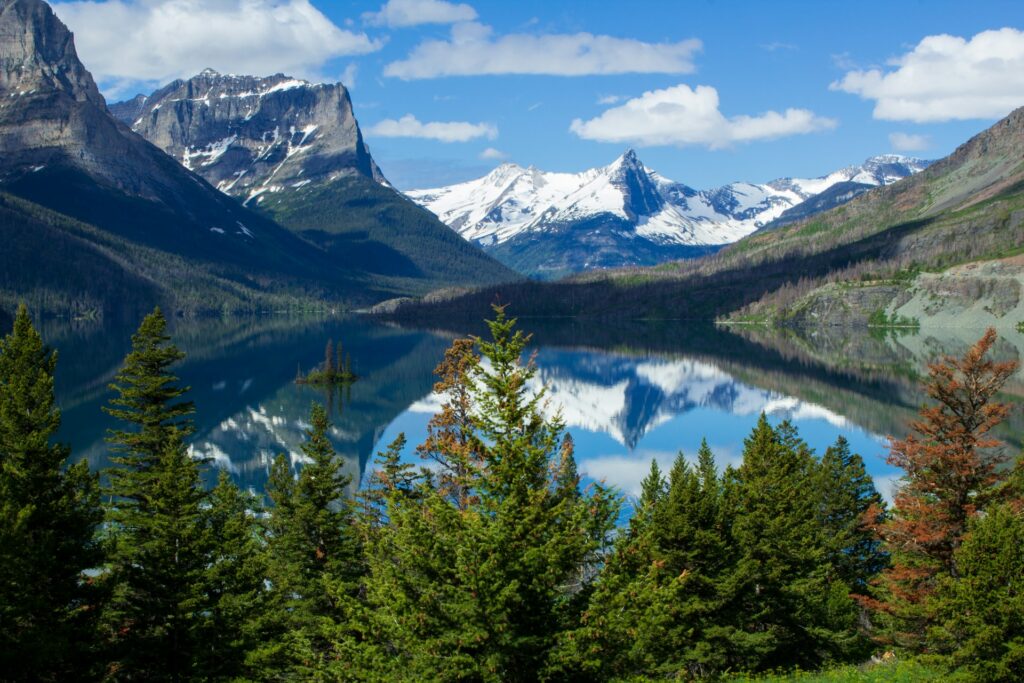
Glaciers act like natural water tanks. They store snow and ice for years, then release meltwater steadily, which helps keep rivers going during dry periods. When glaciers shrink, that steady back-up supply gets weaker, even if things look fine for a while.
In the short term, melt can actually boost river flow and give a false sense that there’s plenty of water. The problem is that boost doesn’t last because once the ice is gone, it can’t melt anymore. That’s when communities downstream start noticing lower summer flows and more water stress.
Snowpacks are arriving later, melting earlier, and becoming less reliable.
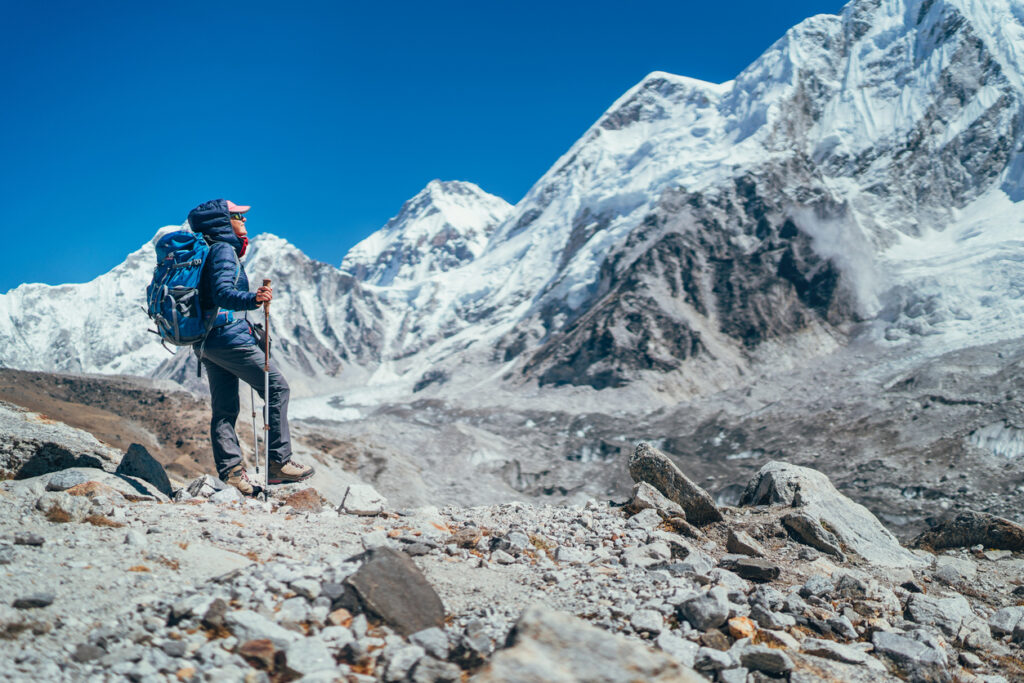
A lot of mountain regions depend on snowpack more than rain. Snow falling in winter and melting slowly in spring is what feeds streams, soils, and reservoirs at the right time. When winters warm, snow turns to rain more often, and the slow release effect disappears.
That means water shows up in the wrong season. You can get more winter run-off and higher flood risk, then a drier summer when farms, towns, and ecosystems need water most. It’s like getting paid early and then being skint later, except it’s water, not wages.
Permafrost thaw is making slopes less stable.
.jpg)
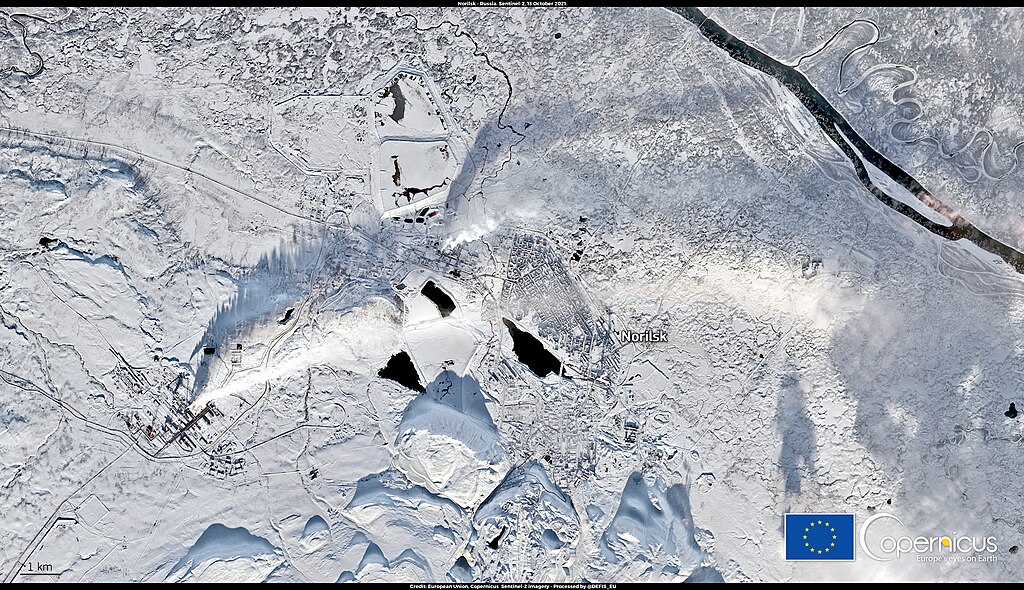
In many high mountains, frozen ground acts like glue holding rock and soil together. As that ground warms and thaws, the structure changes, and slopes can become less stable. That can lead to more rockfalls, landslides, and debris flows.
This is one of the reasons mountain hazards are getting harder to predict. Places that felt solid for generations can start shifting, especially after hot summers or heavy rain. It affects roads, villages, hiking routes, and anything built on or below steep terrain.
Glacial lakes are growing, and some can burst.
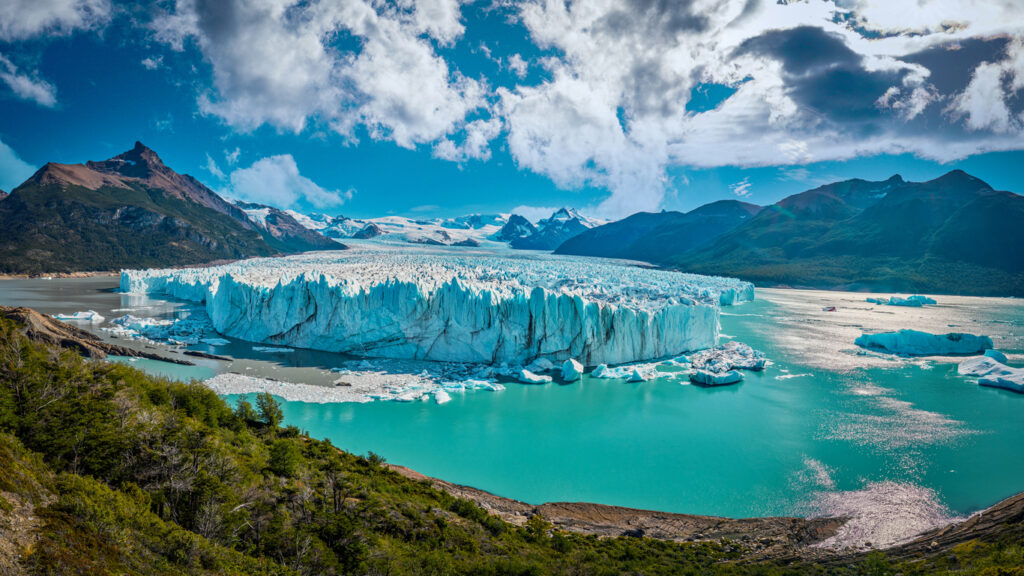
When glaciers retreat, they often leave behind lakes held in place by loose rock and debris. Those lakes can grow quickly as meltwater pours in, and the natural “dams” aren’t always stable. If a dam fails, a sudden flood can race down valleys with frightening speed.
These events don’t happen everywhere, but where they do, the risks are serious. One storm, one landslide into the lake, or one weak point in the dam can trigger a chain reaction. It’s a quiet danger because it’s high up, far away, and easy to ignore until it isn’t.
Mountain wildlife is being pushed uphill, and it runs out of room.
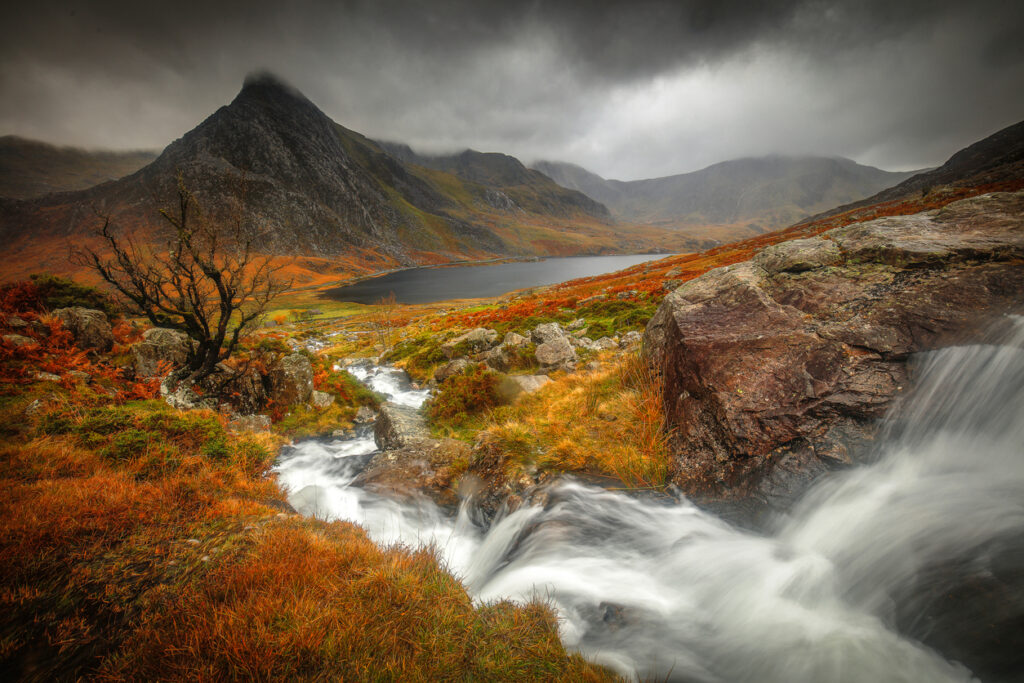
As temperatures rise, many plants and animals move to cooler areas, which often means higher elevations. The issue is that mountains have a top. You can only keep climbing for so long before there’s nowhere left to go.
This squeezes habitats and can break old food chains. Species that were once common in a region may fade, while new ones move in and change the balance. Even small shifts in insects, flowering times, or grazing patterns can ripple through a whole mountain ecosystem.
Water quality can worsen as ice and snow retreat.
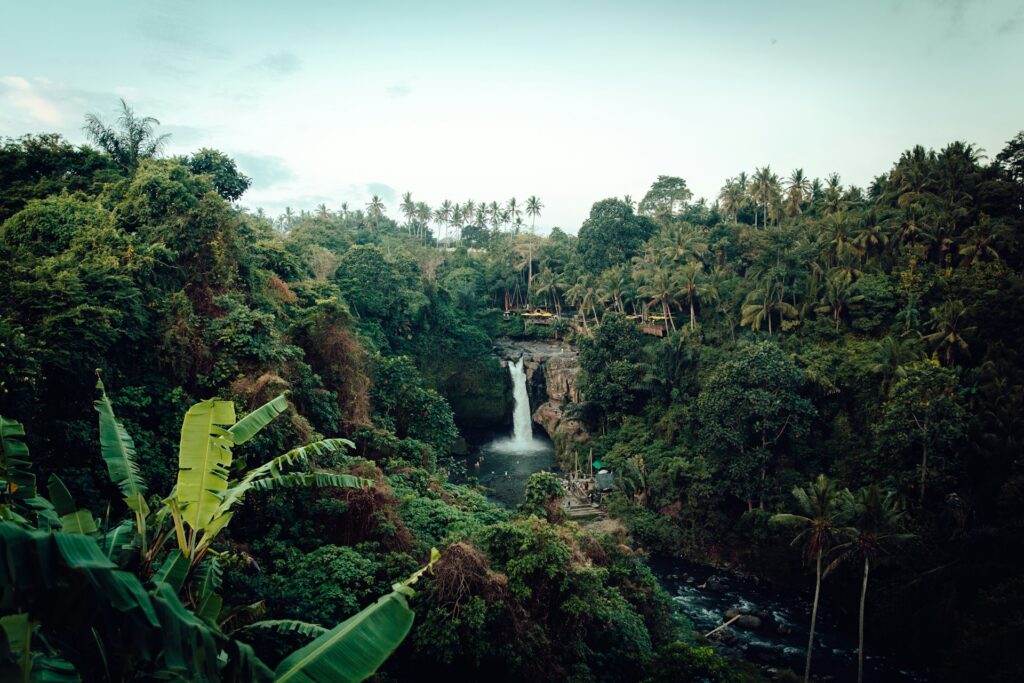
Ice and snow don’t just affect how much water there is, but also what’s in it. As glaciers melt, they can release fine sediment that clouds rivers, and changes in flow can concentrate pollutants. In some places, newly exposed rock and soil can also change the chemistry of streams.
Cloudier water can stress fish and make water treatment harder. If rivers run lower in summer, any pollution can hit harder because there’s less water to dilute it. For communities that rely on mountain water, it’s not just about quantity, it’s also about safety and cost.
Farming and grazing are becoming more unpredictable.
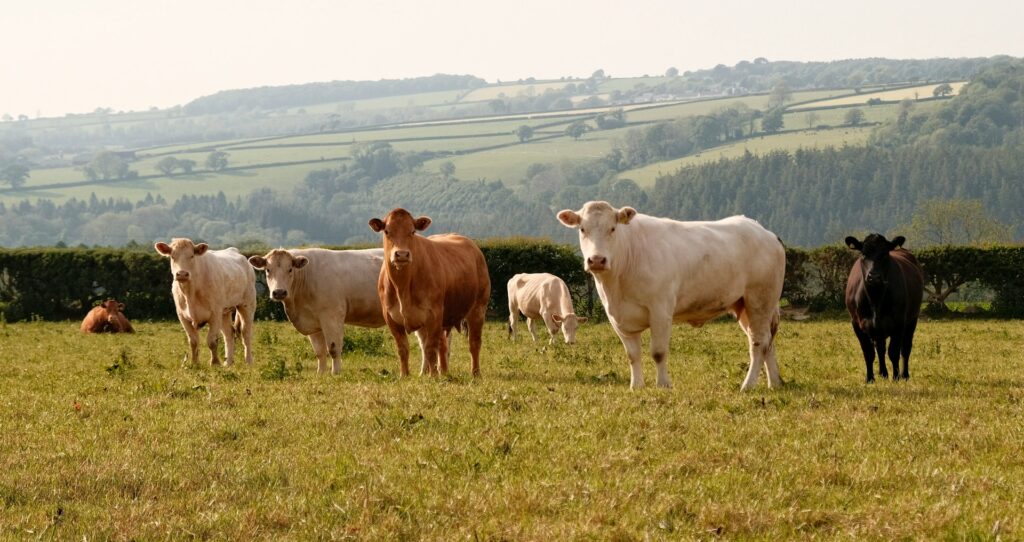
Mountain agriculture often runs on tight margins. A later snowmelt, a sudden warm spell, or a dry summer can shift growing seasons and reduce pasture quality. That makes it harder to plan, especially for families who’ve worked the same land for generations.
Some areas may see longer seasons at first, which can sound like good news. But it can come with downsides like more pests, more plant diseases, and higher water demand. When the weather becomes less steady, the stress isn’t only physical, it’s financial and emotional too.
Hydropower can become less dependable over time.
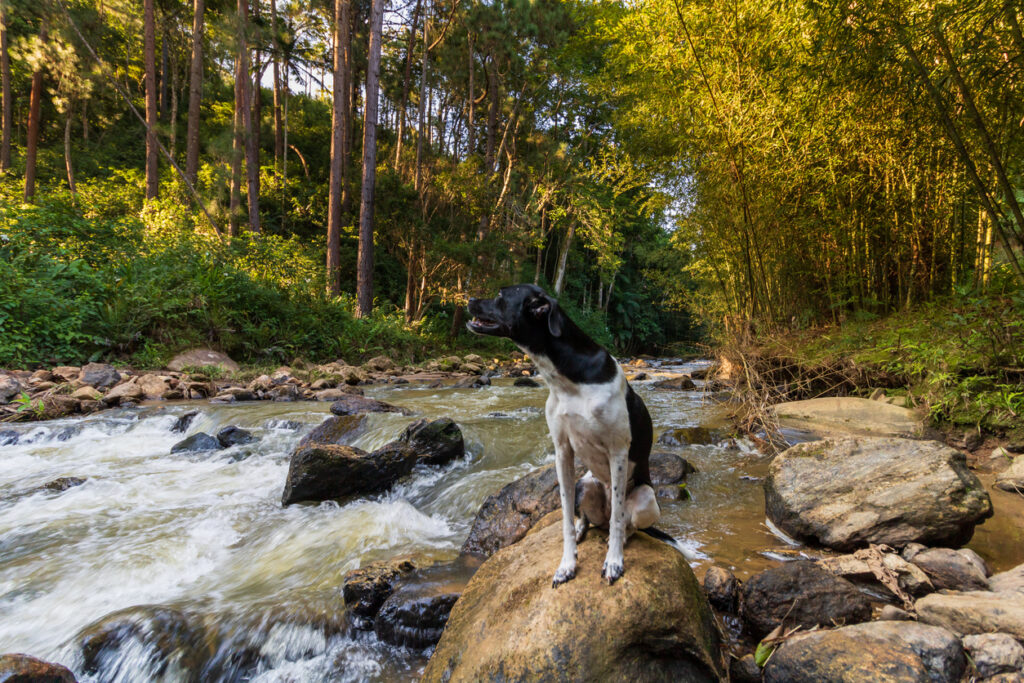
Many countries rely on mountain-fed rivers for hydropower. When meltwater increases, production might look strong for a period. But as glaciers shrink and snowpacks thin, the long-term flow can become more variable and, in some regions, lower overall.
That matters because hydropower is often treated like a steady backbone for energy. If summer flows drop or seasonal timing shifts, operators have to adjust, and shortages can hit at awkward times. It doesn’t mean hydropower stops, but it does mean planning gets harder and risks increase.
Wildfire risk is creeping into places that never used to burn like this.
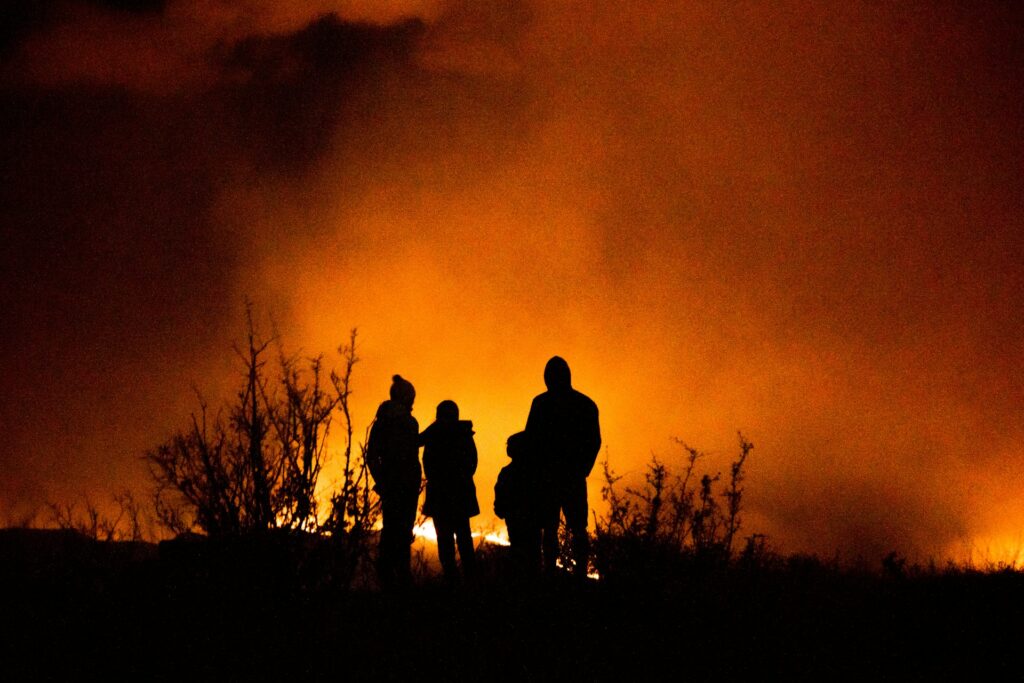
Higher temperatures and drier conditions can make mountain forests more flammable, especially when snow melts early and summer stretches longer. Some mountain regions are seeing longer fire seasons and bigger, more intense fires than they’re used to.
Fire doesn’t just affect trees, it affects water too. Burnt slopes can erode easily, turning heavy rain into mud and ash flowing into rivers. Even after the flames are out, the damage can keep unfolding for years.
Tourism and outdoor life are being reshaped, even if people don’t notice yet.

Mountains are a big part of many people’s livelihoods, whether it’s skiing, hiking, climbing, or local hospitality. Less reliable snow, more unstable slopes, and changing seasons can all shift what’s possible and what’s safe. Some places will adapt, but some will lose the conditions they were built around.
That’s why it’s a hidden crisis. The changes can be gradual, scattered, and easy to explain away as a bad year. But when you add them up, it’s a major shift in how mountain regions function, and the knock-on effects don’t stay in the mountains.