Gardening has moved on from the days of perfectly manicured lawns and rows of begonias, and this year, the focus is squarely on making our outdoor spaces work a bit harder for the planet.
We’re seeing a massive move away from the high-maintenance, chemical-heavy gardens of the past in favour of spaces that feel a bit more wild and intentional. People are starting to realise that a garden shouldn’t just be something pretty to look at through the window; it’s a living ecosystem that can help cool our homes, feed our families, and provide a proper refuge for local wildlife.
From clever tech that takes the guesswork out of watering to the rise of climate-resilient planting that can actually handle a British summer, the trends this year are all about balance. Whether you’ve got a sprawling back garden or just a few pots on a balcony, the way we’re growing things is becoming much more sustainable and a lot more personal.
1. Climate-resilient planting is becoming essential.
Gardeners are finally accepting that Mediterranean plants aren’t just exotic choices anymore, they’re practical solutions for our increasingly unpredictable weather. Lavender, rosemary, sage, and olive trees are replacing thirsty traditional perennials that struggle through our hotter, drier summers
. Plants that can handle both drought and sudden deluges are being prioritised because nobody wants to replant every year. This isn’t about aesthetics anymore, it’s about choosing plants that will actually survive. The shift recognises that our climate has fundamentally changed, and our gardens need to adapt accordingly.
2. Edible front gardens are replacing ornamental ones.

With food prices still climbing, people are ripping out roses and planting vegetables where everyone can see them. Front gardens are becoming productive spaces filled with raised beds, fruit trees, and herbs rather than decorative but useless shrubs.
The stigma around visible vegetable growing has completely disappeared as more people prioritise feeding their families over neighbourhood aesthetics. Allotment waiting lists remain years long, so people are using whatever space they have. This trend acknowledges that ornamental gardens are a luxury many can’t justify when they’re struggling with grocery bills.
3. Peat-free growing is now standard, not optional.
With the peat compost ban fully in place, gardeners have been forced to adapt to coir, bark, and wood-based alternatives. The initial resistance has faded as people learn to work with these products properly and accept they behave differently than peat.
Garden centres stock almost exclusively peat-free now, making it the default rather than a conscious ethical choice. Gardeners are adjusting watering and feeding schedules because these composts dry out and compact differently. The environmental arguments have won and peat use is increasingly seen as outdated and unnecessary.
4. Rewilding small spaces is massively popular.
Even tiny gardens are being partially left wild, with unmown areas, log piles, and deliberately messy corners for wildlife. People are embracing a scruffier aesthetic that would have been considered neglectful a few years ago. This movement acknowledges that overly manicured gardens are ecological deserts that contribute to wildlife decline.
Gardeners are learning to tolerate “weeds” such as nettles and dandelions because they support insects and birds. The shift represents a fundamental change in what a “good” garden looks like, prioritising nature over neatness.
5. Night gardens designed for evening use are trending.

With more people working from home and spending evenings outdoors, gardens are being designed for after-dark enjoyment. White and pale flowers that glow in twilight, fragrant plants that release scent at night, and subtle lighting are all being incorporated deliberately.
This trend recognises that gardens aren’t just daytime spaces anymore and should function beautifully in the evening too. Night-blooming plants and those with reflective foliage are becoming sought-after for their practical evening appeal. The focus has transitioned from all-day colour to creating atmosphere when you’re actually using the space.
6. Native plant gardens are replacing exotic collections.
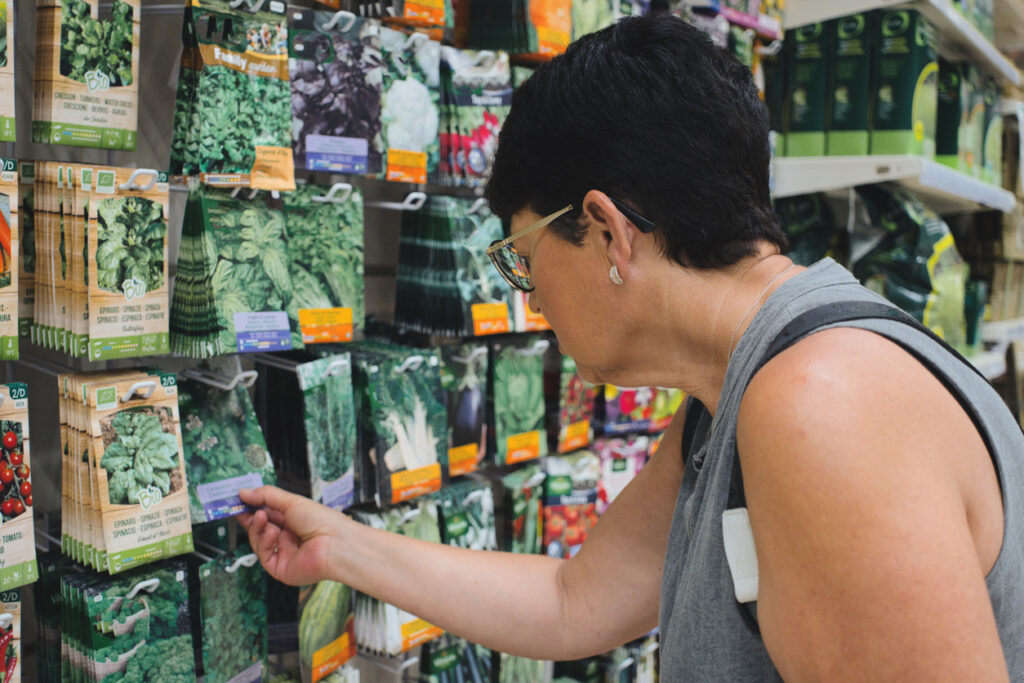
Gardeners are choosing British native species over showier foreign plants because they support local wildlife infinitely better. Hawthorn, dog rose, field maple, and native wildflowers are being actively planted rather than treated as boring defaults.
The movement is driven by understanding that exotic plants often provide no value to British insects and birds. Native gardens require less maintenance because the plants are adapted to our soil and climate naturally. The trend represents a move away from global plant collecting towards ecological responsibility.
7. Gravel gardens are everywhere.
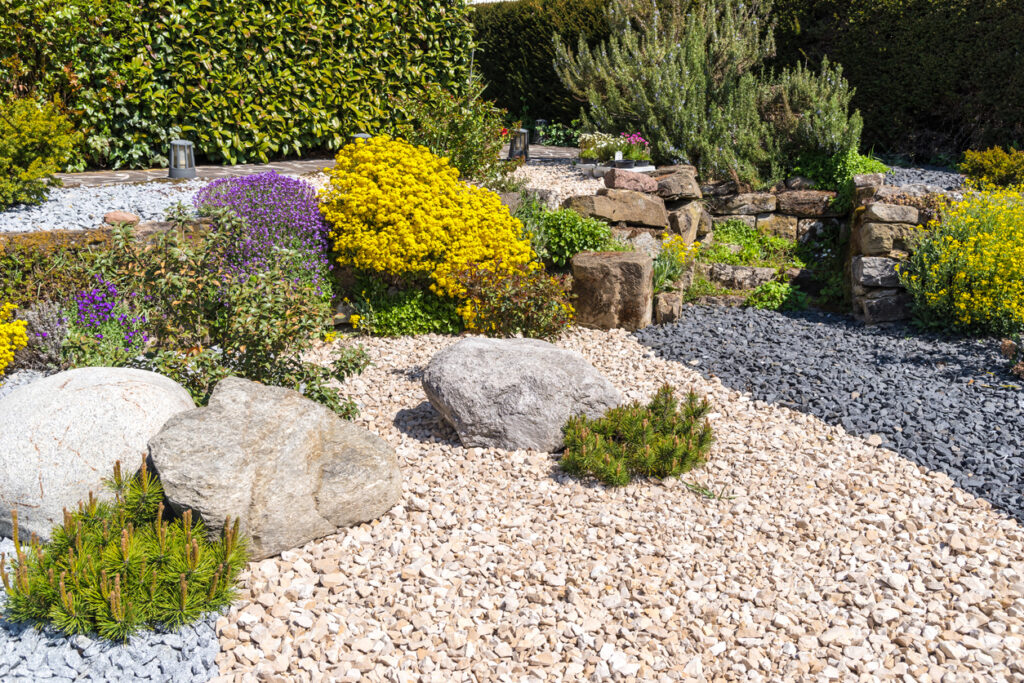
Low-maintenance gravel gardens filled with drought-tolerant plants are replacing water-hungry lawns and borders across the UK. These gardens handle our weather extremes better, require minimal watering, and look good year-round with little effort.
The Mediterranean aesthetic suits our changing climate while being practical for time-poor gardeners. Gravel gardens have moved from being seen as cheap options to being recognised as smart, sustainable design. They’re particularly popular with older gardeners who want beautiful spaces without constant physical labour.
8. Vertical growing is maximising tiny spaces.
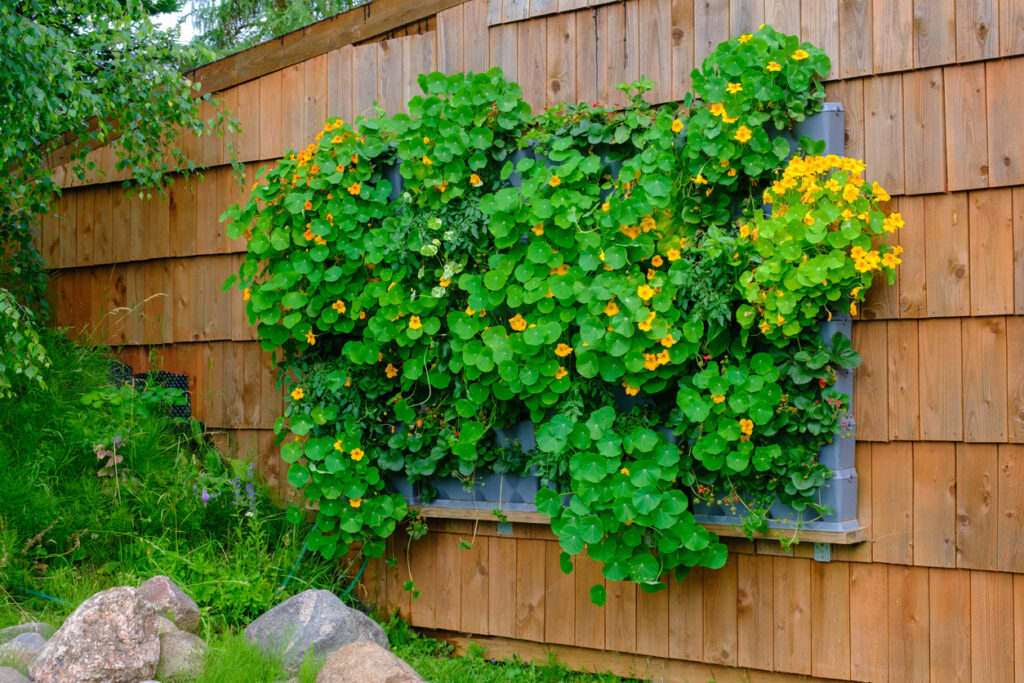
Wall planters, hanging systems, and climbing structures are being used to create growing space where ground area is limited. Balconies, small courtyards, and narrow side passages are becoming productive through vertical planting techniques.
This approach lets urban gardeners grow substantially more in limited square footage by using the third dimension. Modular systems that can be moved and reconfigured are especially popular in rental properties. Vertical growing acknowledges that most people don’t have sprawling gardens but still want to grow plants.
9. Front garden paving is being ripped out.

The environmental problems with paved front gardens are finally being taken seriously, with people removing concrete to plant greenery. Councils are offering grants to depave front gardens because of flooding concerns and urban heat island effects.
Replacing hard surfaces with planting, even just gravel and drought-tolerant plants, makes a measurable difference to local drainage and temperatures. This trend reverses decades of garden loss to car parking and represents a recognition that every bit of green space matters. Neighbours are inspiring each other as the movement gains momentum street by street.
10. Indoor growing systems are becoming standard.
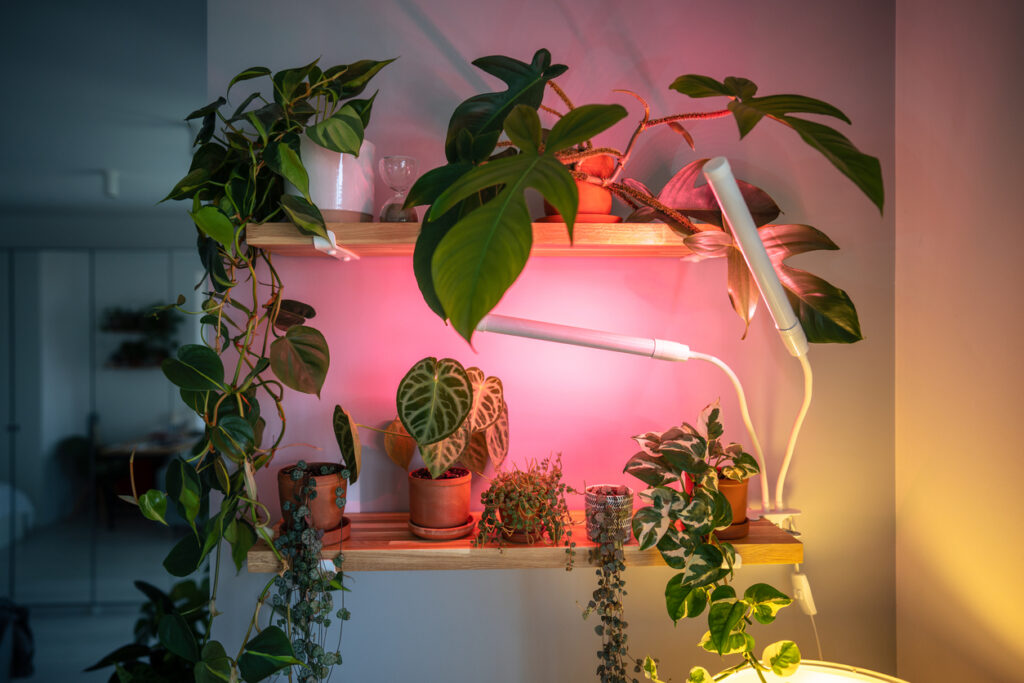
Worktop hydroponic systems and grow lights for year-round herb and salad production are moving from novelty to normal. People want fresh produce without relying on supermarkets or dealing with outdoor weather challenges. These systems are becoming more affordable and user-friendly, making indoor growing accessible beyond hardcore enthusiasts.
The technology has improved enough that success doesn’t require expertise, just basic attention. This trend acknowledges that growing conditions outdoors are increasingly unreliable, while indoor systems offer consistency.
11. Cottage garden style is having a revival.
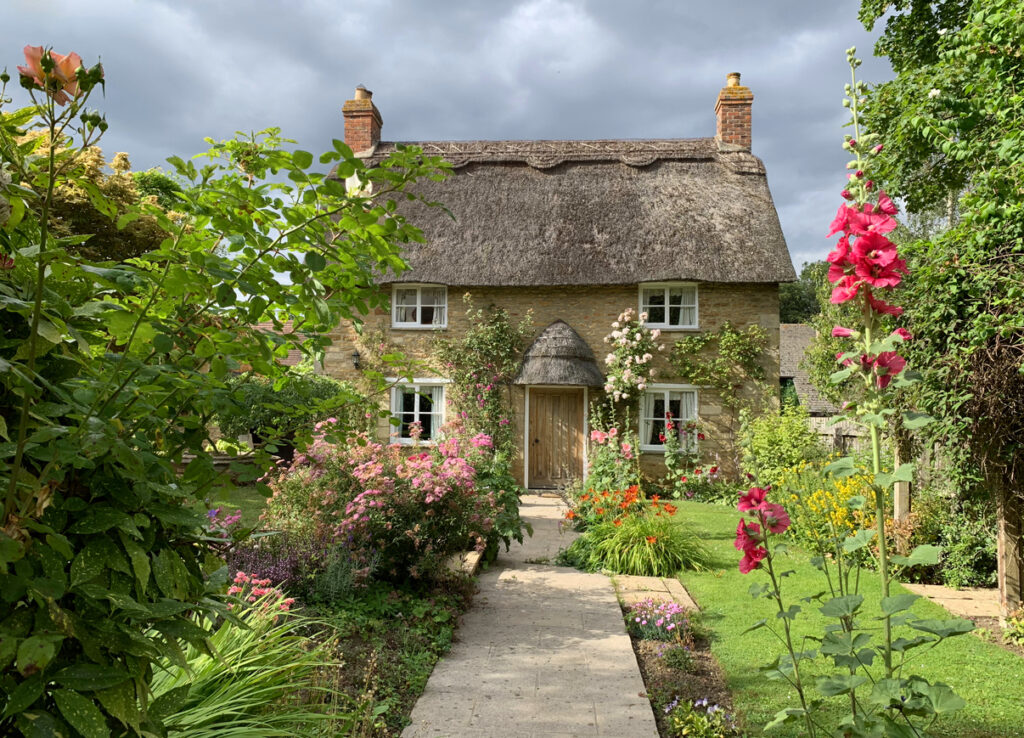
Informal, abundant planting with a romantic, slightly chaotic feel is pushing out stark modern minimalism. People are craving the comfort and nostalgia of traditional cottage gardens filled with foxgloves, hollyhocks, and roses scrambling everywhere.
This style allows for biodiversity and wildlife while creating that quintessentially British garden aesthetic. The revival represents a reaction against the clinical, architectural gardens that dominated recent years. Cottage gardens feel more welcoming and achievable for amateur gardeners who aren’t aiming for magazine-worthy perfection.
12. Rain gardens and water management are priorities.
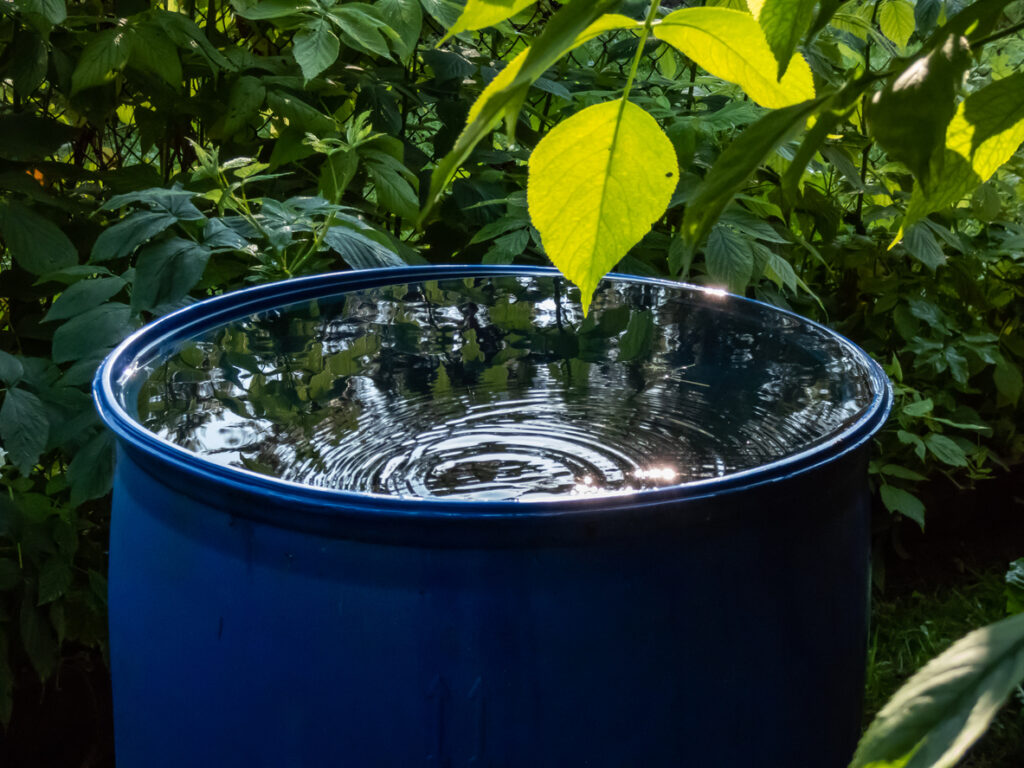
Gardens are being designed to capture and slowly release rainwater rather than letting it run straight into drains. Sunken planted areas, permeable surfaces, and strategic planting help manage the flash flooding that’s become increasingly common.
Taking a more functional approach to garden design addresses climate adaptation practically while creating attractive features. Rain gardens acknowledge that gardens play a role in managing extreme weather, rather than just existing separately from these concerns. The trend reflects growing awareness that private gardens collectively impact urban flooding significantly.
13. Community garden projects are expanding rapidly.
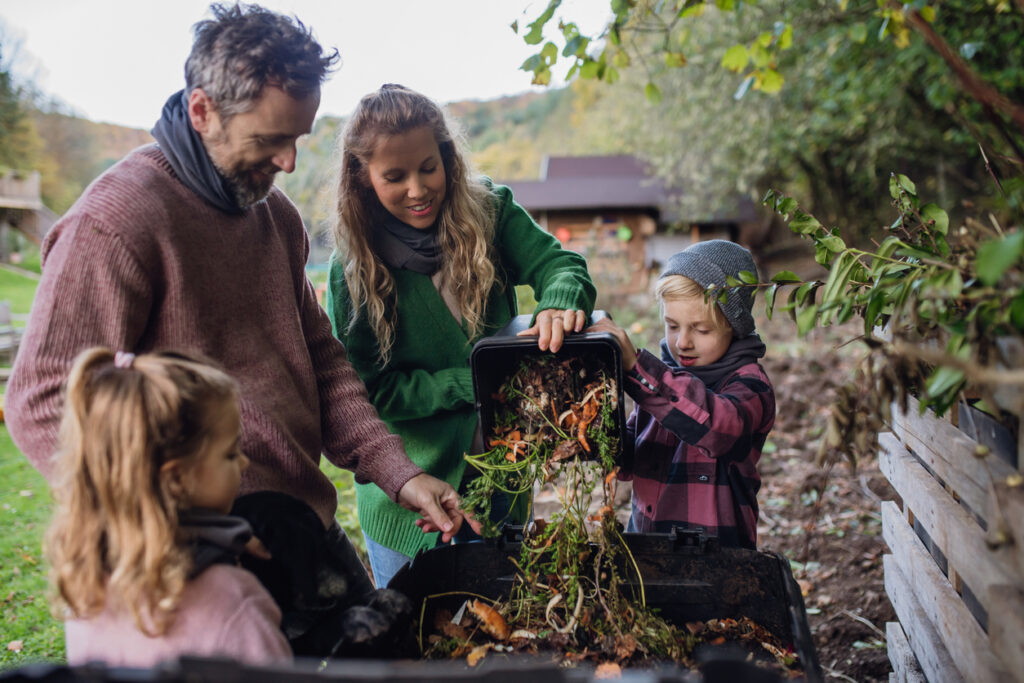
Shared growing spaces, street gardens, and neighbourhood planting schemes are flourishing as people recognise gardening’s social and mental health benefits. These projects build community while providing growing space for people without gardens of their own.
Council support and lottery funding are enabling more of these schemes across British towns and cities. The movement acknowledges that gardening shouldn’t be limited to people lucky enough to own outdoor space. Community gardens create connection and purpose while addressing food security and environmental concerns simultaneously.