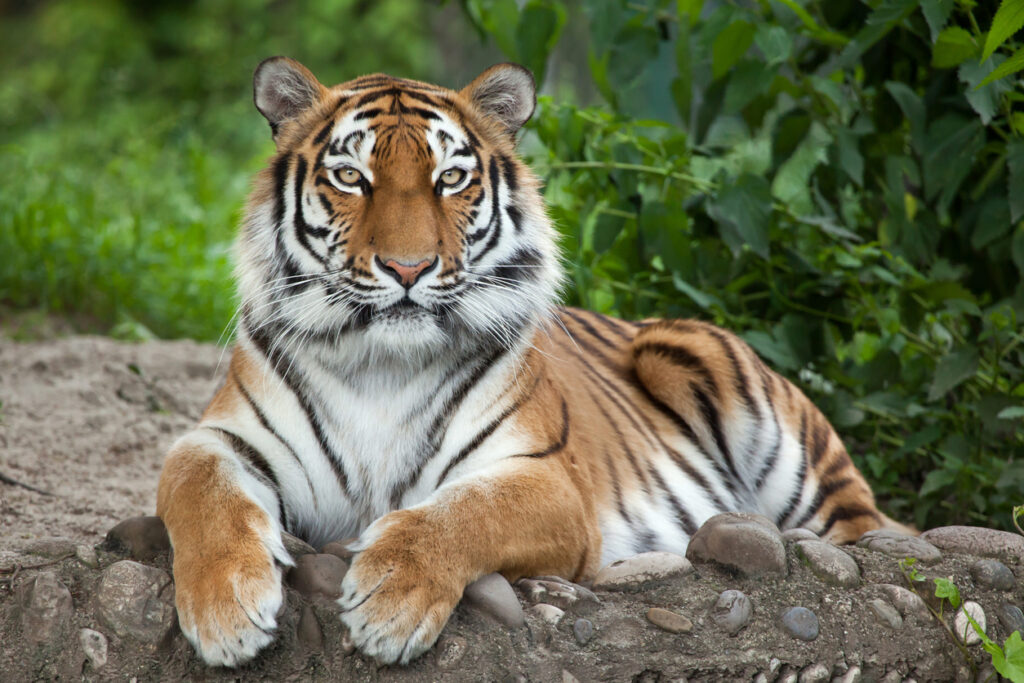
When we watch nature documentaries, we usually see one of two extremes: a lion tearing into its dinner or a mother bird tirelessly feeding her chicks. It makes it easy to think that animals are either purely cold-blooded killers or naturally selfless, but the truth is a lot more complicated than that. You’ll find some creatures that seem to go out of their way to be helpful, even to other species, while others behave in ways that look undeniably mean, even when there’s no obvious benefit like food or territory involved.
The reason for these traits isn’t down to them being good or bad in a human sense, but rather a set of survival strategies that have been baked into their DNA over millions of years. What seems like kindness to human eyes is often a clever way to ensure the group survives, while what we see as cruelty is usually just nature’s way of being incredibly efficient. It’s a fascinating mix of biological programming and social learning that dictates whether an animal is going to lend a helping hand or play a much darker game.
Survival sometimes rewards selfish behaviour.
If food is scarce, being aggressive can mean the difference between eating and starving. In that setting, the animal that hesitates might not live long, so nature doesn’t exactly reward being gentle. What looks cruel to us can simply be the quickest way to stay alive. You see this in predators, but you also see it in herbivores fighting over territory, mates, or safe shelter. The goal isn’t to be nasty, it’s to win and move on. When survival is tight, kindness can become a luxury.
Some species are built for cooperation.
Lots of animals survive better in groups, so helping each other makes sense. Wolves, elephants, and many birds work together to find food, protect young, and spot danger. As time goes on, cooperation becomes part of the species’ normal behaviour. That can seem like kindness because it often involves patience, sharing, and protection. The animal is still looking out for itself in a way because a stronger group means a safer life. In nature, teamwork is sometimes the smartest form of self-interest.
Parenting style changes everything.

Some animals invest heavily in their young, which can produce behaviour that looks tender and caring. They feed them, guard them, teach them, and react strongly if something threatens them. This isn’t softness, it’s commitment—raising young takes effort. Other animals have loads of offspring and invest less in each one, so the bond can look weaker. It can seem harsh, but it’s a numbers game. If only a few survive, the species still carries on, even if it looks cold to us.
Intelligence can lead to both help and harm.
Smarter animals can read situations better, remember faces, and plan ahead. That can lead to helpful behaviour, like sharing, warning others, or teaming up in clever ways. It can also lead to bullying or manipulation because they’re capable of it. Animals like chimps, crows, and dolphins can do things that look shockingly human, for better and for worse. Their brains give them options, and not all options are nice. Intelligence doesn’t automatically mean kindness, it just means more tools.
Hormones can make behaviour look brutal.
During mating season, testosterone and stress hormones can ramp up, and some animals become far more aggressive. They might fight rivals, guard mates, or act reckless in ways they wouldn’t usually. To us, it can look like pointless violence. In reality, it’s often about passing on genes. The animal that wins gets to breed, so that behaviour sticks around in the species. Outside of those seasons, the same animal might seem calm and even social.
Territory makes animals act tougher than they are.
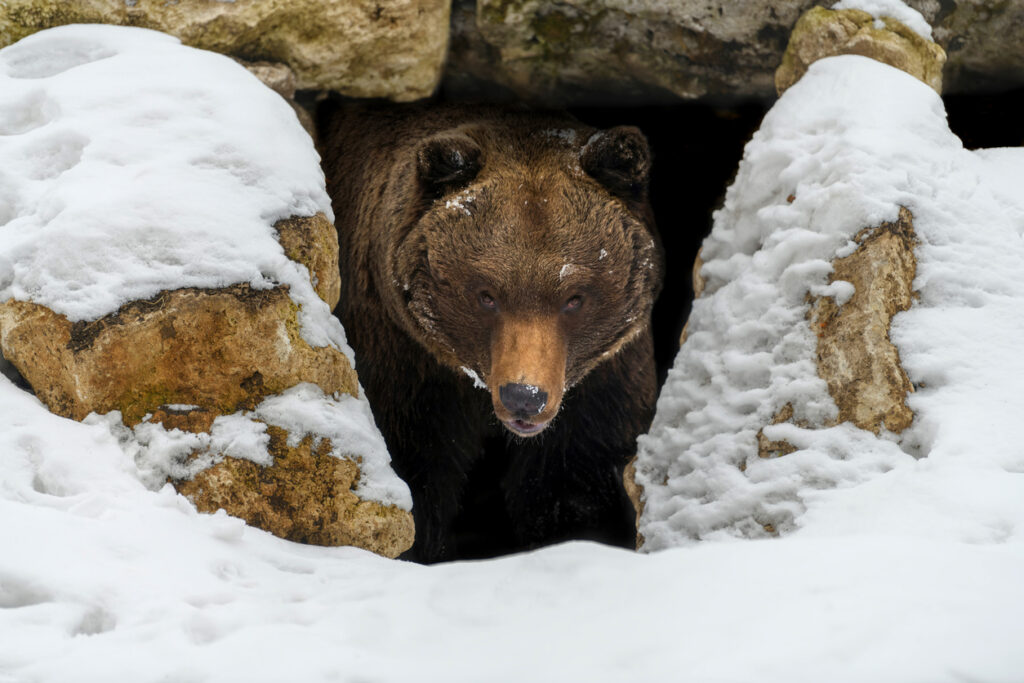
Many animals are peaceful until someone enters their space. Territory can mean food, shelter, and safety for babies, so defending it becomes a big deal. What looks like cruelty is sometimes a clear message, back off, or you’ll get hurt. Some species use warnings first, like posturing, calls, or fake charges. Others go straight to violence because that’s what works for them. A lot of aggression in nature is less about hatred and more about boundaries.
Hunger changes personality fast.
When animals are well-fed, they often have more time for grooming, play, and social bonding. When they’re hungry, everything gets sharper and more desperate. That’s why the same species can look gentle in one moment and ruthless in another. Think of it like humans when they’re stressed and running on fumes. Patience drops, tempers rise, and the world feels more threatening. Animals don’t moralise it, they just react to the pressure.
Social rules decide what’s acceptable.
Some animals live in strict social systems where status matters. In those groups, bullying, intimidation, or punishment can be part of keeping order. It can look cruel, but it may reduce chaos because everyone knows the pecking order. Other groups are more equal and rely on bonding behaviours like grooming, sharing, and helping. Those animals can still fight, but the group has ways to calm things down. Social culture exists in animals more than people realise.
Trauma and stress can create harsher behaviour.

Animals that have been injured, chased, or constantly threatened can become more reactive. A scared animal might attack first because it expects danger. From the outside, it can look mean, but it might be fear running the show. You see this in the wild and in animals living near humans, where noise, traffic, and disturbance can keep stress levels high. Stress makes animals less flexible and more defensive. A calm environment can genuinely change how an animal behaves.
What looks kind might still be practical.
Animals sometimes help others, but it’s often tied to benefits like protection, future support, or keeping the group strong. Grooming builds trust. Sharing food can stop constant fights. Helping injured group members can keep the group’s knowledge and strength intact. That doesn’t make it less real, it just makes it nature. Kind-looking behaviour can be both emotional and useful at the same time. In the end, animals aren’t trying to be saints or villains, they’re trying to survive in the way their world has shaped them.