Pets pick up on more than we realise, and sometimes our well-meaning actions create anxiety without us noticing. These behaviours might seem harmless or even caring, but they can actually stress your pet out quite significantly. Here are common ways people accidentally make their animals anxious and what to do differently.
1. You’re inconsistent with your routines.
Pets thrive on predictability, so constantly changing when you feed them, walk them, or come home creates uncertainty that builds into anxiety. They can’t understand why their schedule keeps shifting and start worrying about when basic needs will be met. Establish consistent times for meals, walks, and play, even on weekends. If your schedule genuinely changes, transition gradually over several days rather than making sudden shifts that leave your pet confused and stressed.
2. You make a massive fuss when leaving or returning home.
Over-the-top goodbyes and hellos teach your pet that you leaving is a huge emotional event worth panicking about. The more dramatic your departures, the more anxious they become about separation. Keep your comings and goings calm and low-key, ignoring your pet for a few minutes after you get home. This shows them that your absence is completely normal and nothing to worry about.
@packleaderdogsAnxiety in dogs is one of the top unhealthy behaviors that I help my clients with on a regular basis. Many humans are unconscious of the fact that they are creating and maintaining anxiety with their dogs. It almost always comes from a lack of knowledge in Dog Psychology and a lack of awareness in general. Lack of exercise, lack of structure, lack of leadership, and nurturing at the wrong times can all lead to increased anxiety in dogs. The state we live in can also cause anxiety to a dog. We’ve all heard the saying, “Your dog is your mirror.” However, this saying can be confusing to people because it implies that whatever energy you are, your dog will become. While that’s true, in many cases, a dog is always going to exhibit the same unhealthy energy that we humans practice. Personally, I dealt with a lot of anxiety earlier in my life, which absolutely contributed to my dog absorbing that energy and feeling anxious herself. That being said, I also dealt with anger, fear, frustration, etc. Anger, fear, and frustration can cause a dog to become anxious, nervous, protective, possessive, reactive, and even aggressive. So, while a dog may not be an exact mirror of your energy, if you are practicing unhealthy energy, your dog will react and behave based on the energy of you and your home. So what energy do we want to be? Calmness, confidence, love, or happiness. If you have a dog with anxiety, a basic protocol is to dramatically increase exercise, provide way more structure (rules, boundaries, limitations), and slow everything down in their life. Anxiety loves speed, not calmness. As always, pay attention to yourself. Being self-aware is not only critical to achieving a happy, well-behaved dog, it’s also critical to living a happy, healthy life ourselves. Another reason why dogs are the best therapists on Earth! 🌎 ❤️♬ original sound – Pack Leader Dogs
3. You comfort them when they’re already scared.
Rushing to soothe your pet during thunderstorms or fireworks actually reinforces that there’s something to fear. Your comforting behaviour confirms their anxiety is justified. Instead, act completely normal and carry on with whatever you’re doing. Provide a safe space they can retreat to if needed, but don’t make their fear the centre of attention. This teaches them that the scary thing isn’t actually dangerous.
4. You punish them for anxious behaviours.
Getting angry at your dog for destructive behaviour caused by separation anxiety just adds fear on top of their existing stress. They’re not being naughty, they’re panicking, and punishment makes the anxiety worse. Address the underlying cause by gradually desensitising them to your departures, starting with just picking up your keys without leaving. Reward calm behaviour and create positive associations with being alone through treats and engaging toys.
5. You don’t give them enough mental stimulation.
Pets with nothing to do become anxious because their brains need engagement just like ours do. Boredom quickly turns into nervous energy that manifests as destructive or compulsive behaviours. Provide puzzle toys, rotate their toys regularly, teach new tricks, or set up scent games around the house. Mental exercise tires them out just as much as physical activity and gives their mind something productive to focus on.
@jacksongalaxy You could be stressing out your cat, and not even realize it! Cats are masters at hiding discomfort, but that doesn’t mean it’s not affecting them. From loud noises to sudden changes in routine to the way you interact with them, the signs of stress are easy to miss, until they’re not. The good news? Once you know what to look for, you can make simple changes that have a huge impact. Start by paying attention. Your cat’s always communicating, it’s up to us to listen. #JacksonGalaxy #TeamCatMojo #CatBehavior #StressedCat #CatBodyLanguage #Cats ♬ sail away (instrumental) – lovelytheband
6. You force interactions with people or animals they’re uncomfortable with.
Pushing your pet to socialise when they’re clearly stressed creates negative associations and worsens their anxiety over time. Not every pet is naturally social, and forcing it makes them dread these situations even more. Watch their body language and respect when they want to retreat. Let them approach new people or animals at their own pace, and never force contact. Gradual, positive exposure works better than throwing them into overwhelming situations.
7. You don’t provide a safe space they can retreat to.
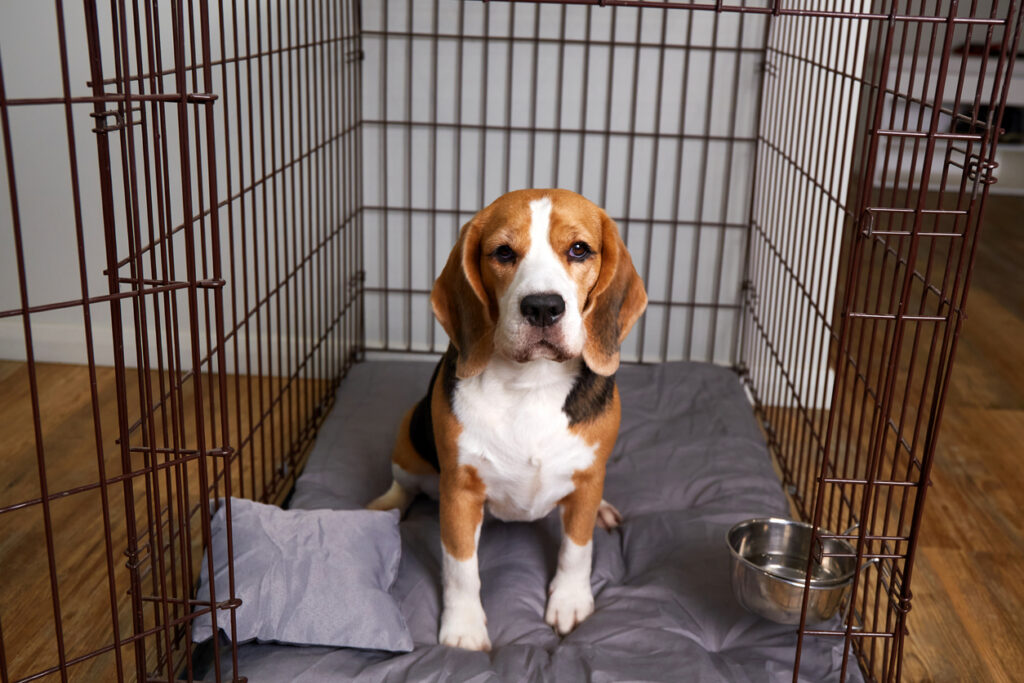
Pets need somewhere they can go when they feel overwhelmed, but many homes don’t have a designated quiet spot. Without this escape route, anxiety has nowhere to go and builds up constantly. Create a specific area with their bed, some familiar items, and minimal foot traffic where they won’t be disturbed. Make sure everyone in the household understands this space is off-limits for interaction, giving your pet genuine peace when they need it.
8. You change their environment too frequently.
Constantly rearranging furniture, moving their belongings, or introducing new items disrupts the security pets feel in familiar surroundings. They rely on knowing their territory and where everything is located. If you need to make changes, do them gradually and keep their key items like food bowls and beds in consistent locations. Let them investigate new objects at their own pace rather than forcing proximity.
9. You’re tense or stressed around them regularly.
Pets are incredibly attuned to your emotional state and will mirror your anxiety, creating a feedback loop where your stress makes them stressed. They don’t understand why you’re tense but pick up that something’s wrong. Practice staying calm around your pet even when you’re having a difficult day. If you need to decompress, do it away from them first so you’re not transferring your anxiety onto an animal who can’t process what’s happening.
10. You don’t exercise them enough for their breed or age.

Under-exercised pets have pent-up energy that manifests as anxiety because they’re physically uncomfortable and restless. Different breeds and ages need vastly different activity levels that many owners underestimate. Research your pet’s specific exercise requirements and meet them consistently. A tired pet is usually a calm pet, so adequate physical activity should be non-negotiable, not something you do when convenient.
11. You use strong scents or loud noises frequently.
Pets have much more sensitive senses than humans, so your scented candles, air fresheners, or loud music can be genuinely overwhelming for them. What seems mild to you might be causing constant, low-level stress they can’t escape. Reduce strong artificial scents in your home and keep volumes reasonable. If you’re vacuuming or doing other loud tasks, give your pet warning and access to a quieter room.
12. You don’t maintain their health properly.
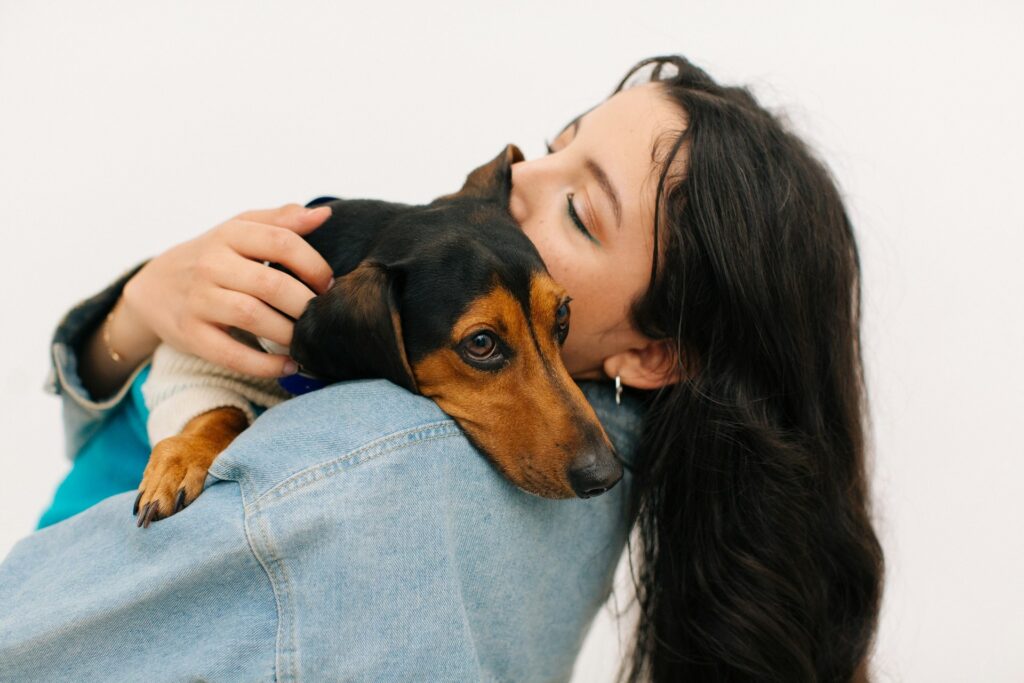
Pain, illness, or discomfort that goes unnoticed creates anxiety because your pet feels bad but can’t tell you what’s wrong. Regular vet check-ups catch issues before they become serious sources of stress. Pay attention to changes in behaviour that might indicate health problems, like decreased appetite, reluctance to move, or excessive grooming. Physical wellness directly affects mental state, so keeping your pet healthy prevents anxiety rooted in physical discomfort.
13. You ignore their communication signals.
Pets constantly tell you when they’re uncomfortable through body language, but many owners miss or dismiss these signals until the anxiety escalates. Ignoring early warnings teaches them that communication doesn’t work, which increases their stress. Learn to recognise your specific pet’s stress signals, whether that’s ear position, tail movement, or vocalisations. Respond to these cues promptly by removing them from the stressful situation or addressing what’s bothering them. When pets know their communication is heard and respected, their baseline anxiety drops significantly because they trust you’ll help when needed.