The Sahara is about as far from a friendly environment as you can get, with temperatures that’ll cook an egg on a rock and vast stretches of nothing but sand and heat.
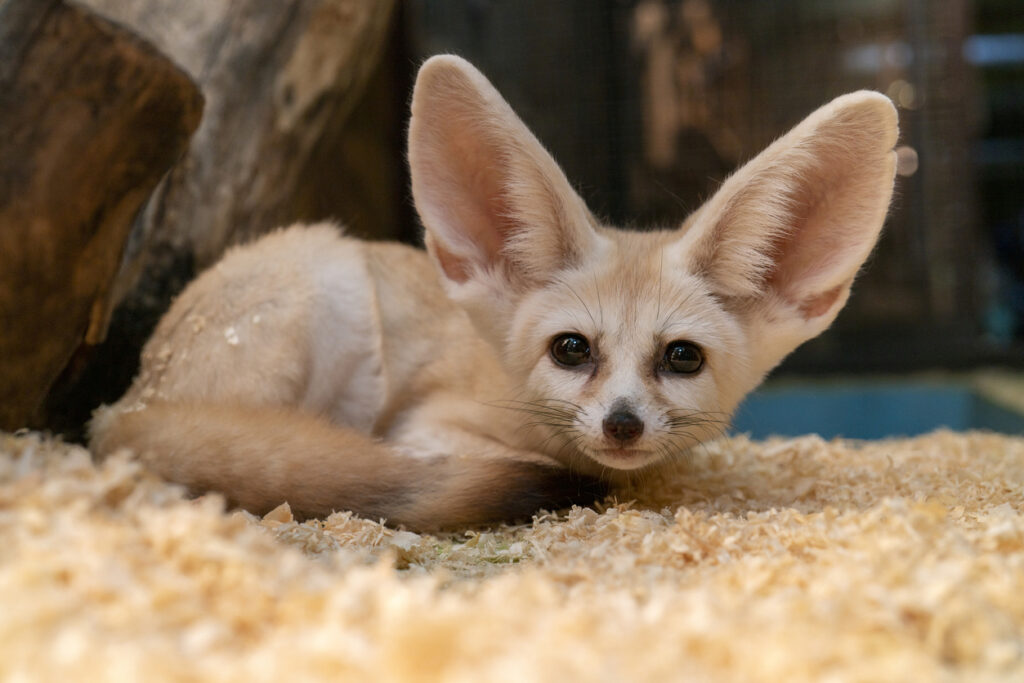
You’d think it’d be a total graveyard, but it’s actually home to some of the most resilient and clever creatures on the planet. These animals haven’t just survived; they’ve figured out how to thrive in a place that’s trying to kill them every single day. From foxes with ears like satellite dishes to antelopes that never need to take a drink, the Sahara’s residents are a proper testament to how far life will go to find a way. These 12 incredible animals are a real eye-opener into the sheer grit it takes to call the world’s largest hot desert home.
1. Dromedary camel
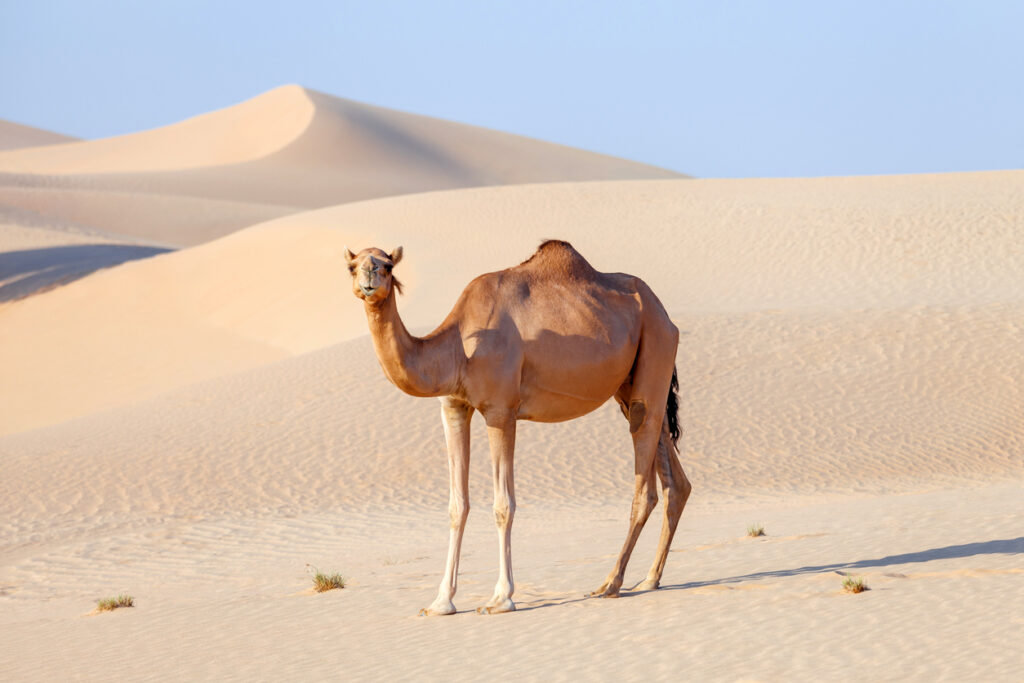
The dromedary is the Sahara icon for a reason. Its hump stores fat, which can be used as energy when food is scarce, and it’s built to cope with brutal heat swings between day and night. Thick eyelashes and closable nostrils help with sand, while tough feet spread weight on soft ground. When it does find water, it can drink a lot in one go, then carry on for ages without needing another proper drink.
2. Fennec fox
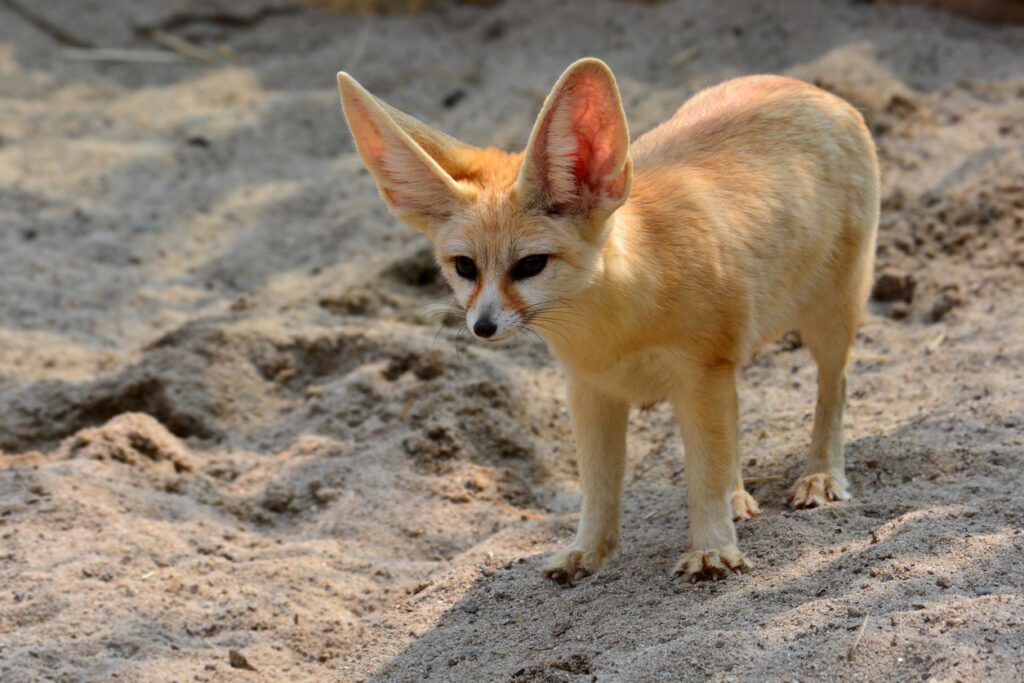
The fennec fox is basically a desert specialist in miniature. Those huge ears aren’t just cute, they help it dump heat, and its pale fur reflects sunlight. It’s mostly active at night, when the sand cools, and it spends the day tucked away in burrows to avoid overheating. It survives on small prey, insects, and fruit when available, getting plenty of moisture from what it eats.
3. Sand cat
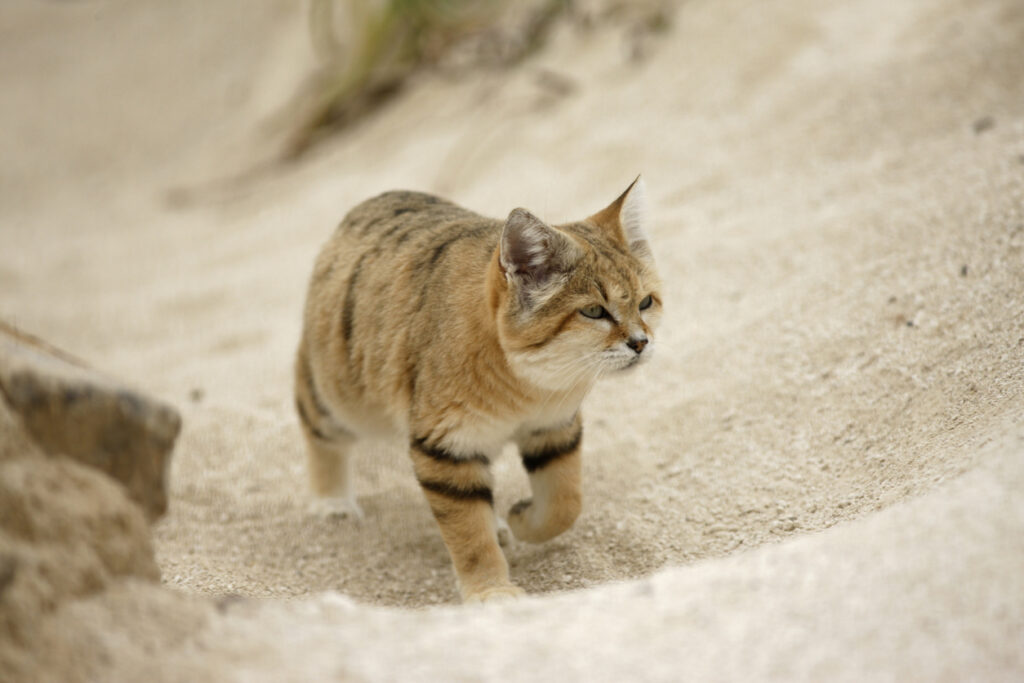
The sand cat is small, tough, and surprisingly well-suited to life where everything wants to either bake you or bite you. It’s mostly nocturnal and uses burrows and shade to avoid the worst heat. Its furry feet help it walk on hot sand, and it can get most of its water from prey, which is handy in places where standing water barely exists. It’s also very hard to spot, which is kind of the point.
4. Addax
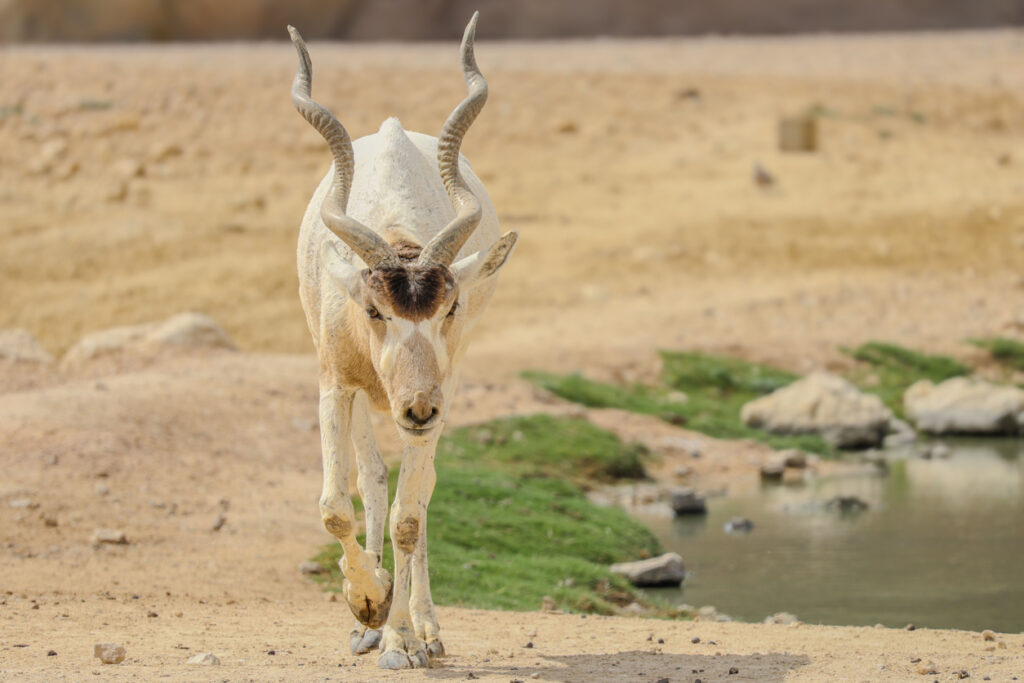
The addax is a desert antelope that can survive in extremely dry conditions, often far from reliable water. It’s pale, which helps reflect heat, and it tends to rest during the hottest part of the day. When it feeds on desert plants, it can get a lot of the moisture it needs that way. It’s one of those animals that looks calm and slow, but it’s adapted down to the smallest details.
5. Dorcas gazelle
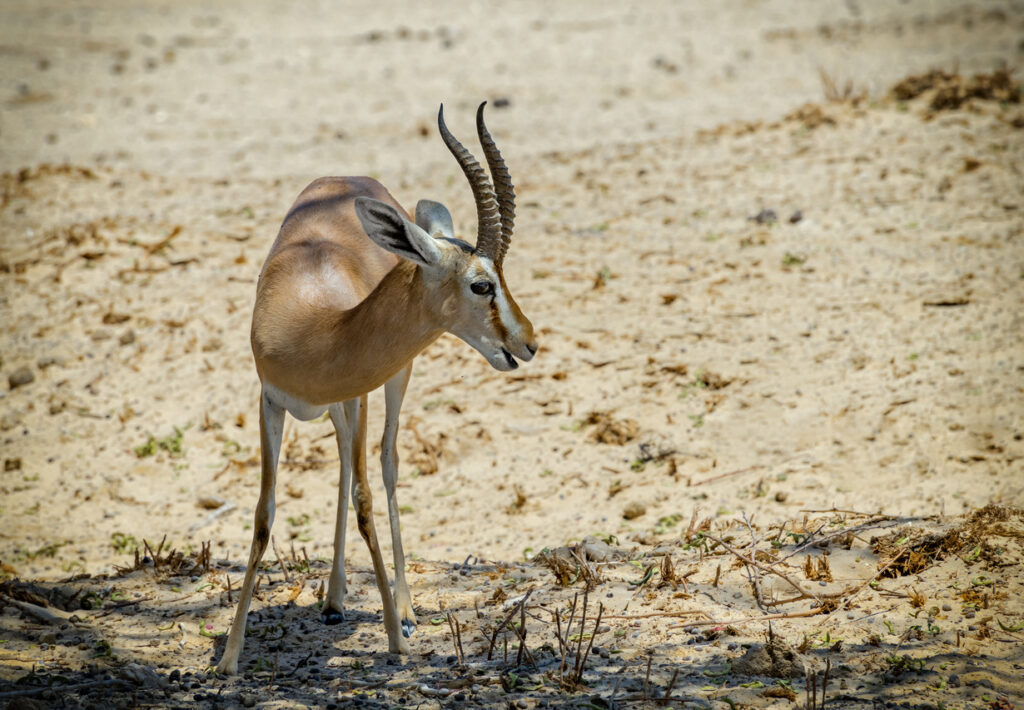
Dorcas gazelles are built for heat and speed. They live in arid regions and can go long stretches without drinking, getting moisture from plants instead. They tend to be most active at cooler times, and they’ll use shade and terrain cleverly rather than standing out in full sun. Their real skill is staying light on their feet and hard to catch in open, unforgiving landscape.
6. Jerboa
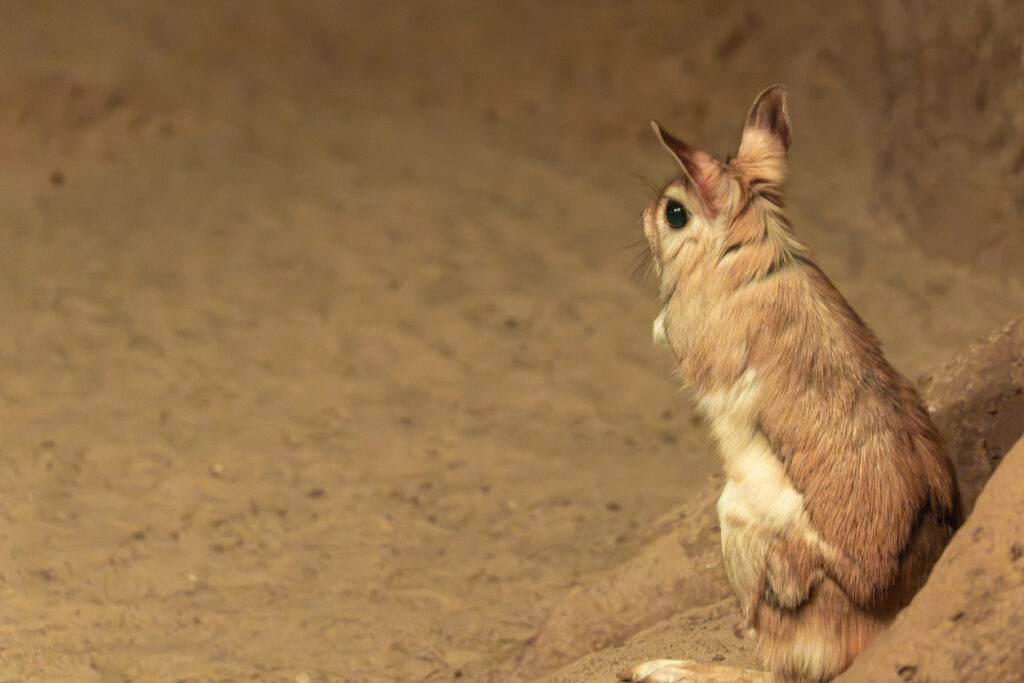
Jerboas are those tiny desert rodents that hop around like little kangaroos. The long hind legs help them move fast over sand, which matters when you’re snack-sized and living among predators. They spend daytime in burrows where it’s cooler and come out at night to feed on seeds, plants, and insects. Like many Sahara animals, they rely heavily on moisture from food rather than regular drinking.
7. Desert hedgehog
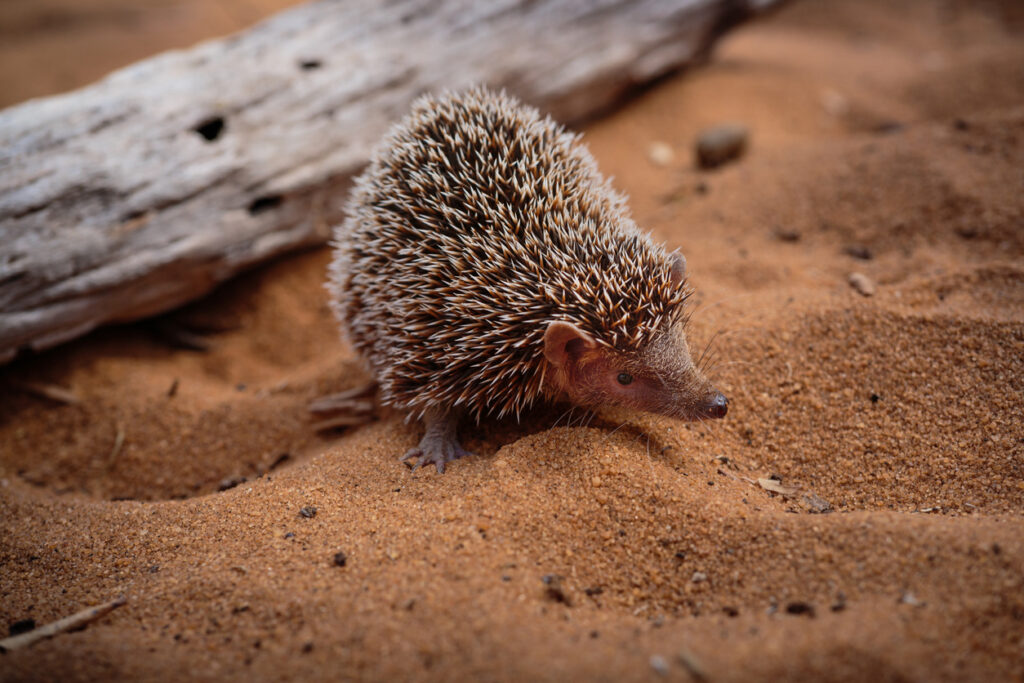
Desert hedgehogs keep things simple: hide from the heat, come out at night, eat what you can. They shelter in burrows or under rocks during the day, then forage for insects, small reptiles, and whatever else they can manage after dark. Their spines are a solid defence in a world where being small can be dangerous. They’re also a good example of how much Sahara life happens when most people are asleep.
8. Horned viper
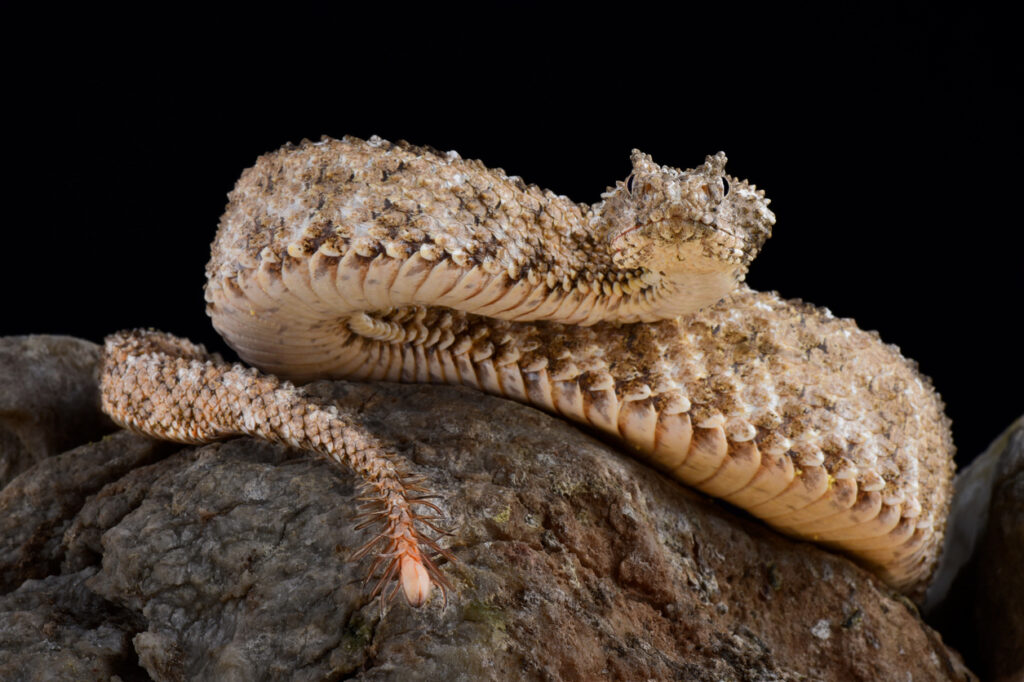
The horned viper is famous for the little horn-like scales above its eyes and for its classic ambush style. It often buries itself in sand with just the eyes exposed, waiting for a lizard or rodent to get too close. This burying trick isn’t only for hunting, it also helps with temperature control and staying hidden. It’s one of the Sahara’s most effective reminders that empty-looking sand isn’t always empty.
9. Sahara sand viper
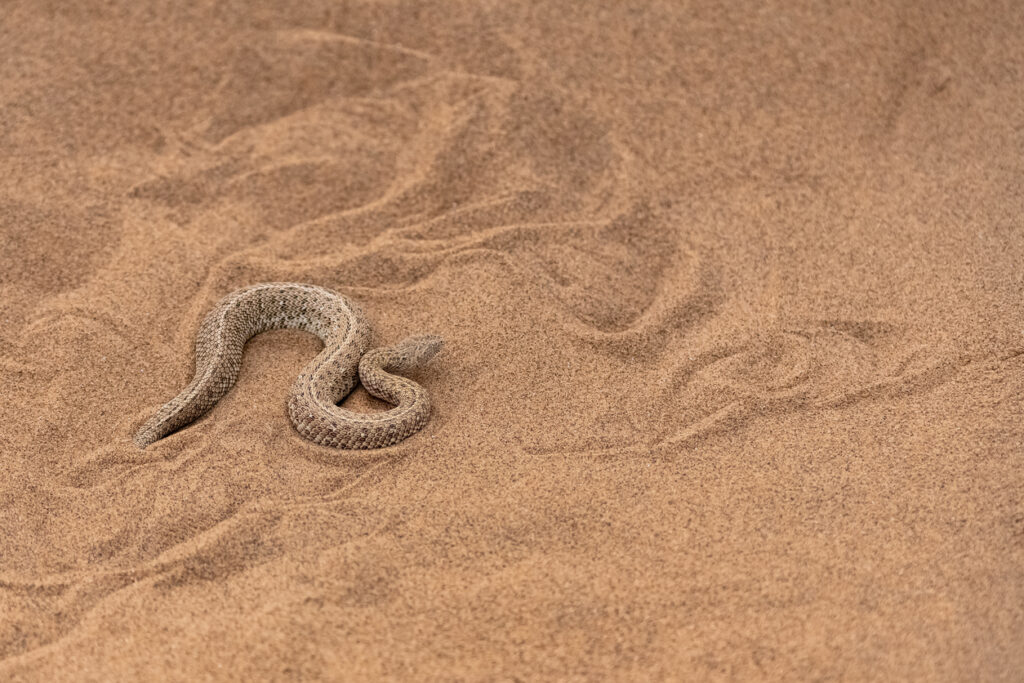
This viper is known for moving through loose sand in a way that looks like swimming. It uses the sand for cover and can disappear fast, which helps with both hunting and avoiding trouble. Like other desert snakes, it’s mostly active when temperatures are more manageable, and it relies on ambush tactics rather than long chases. In a place where energy and water are precious, that strategy makes a lot of sense.
10. Spiny-tailed lizard
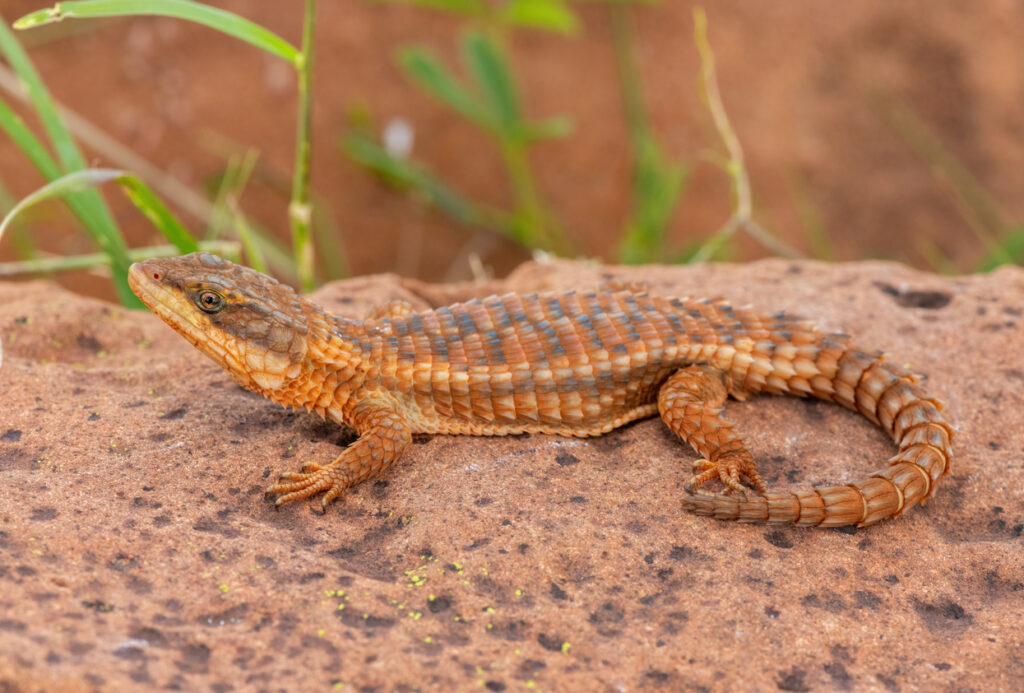
Spiny-tailed lizards are chunky, tough reptiles that often live in rocky deserts and sandy plains, depending on the species. They use burrows for shelter and can spend long periods managing heat by moving between sun and shade. Many are mainly plant-eaters, which surprises people who assume desert reptiles are all hunters. Their spiky tail can be used for defence, which is handy when you’re slow and very edible.
11. Sandgrouse
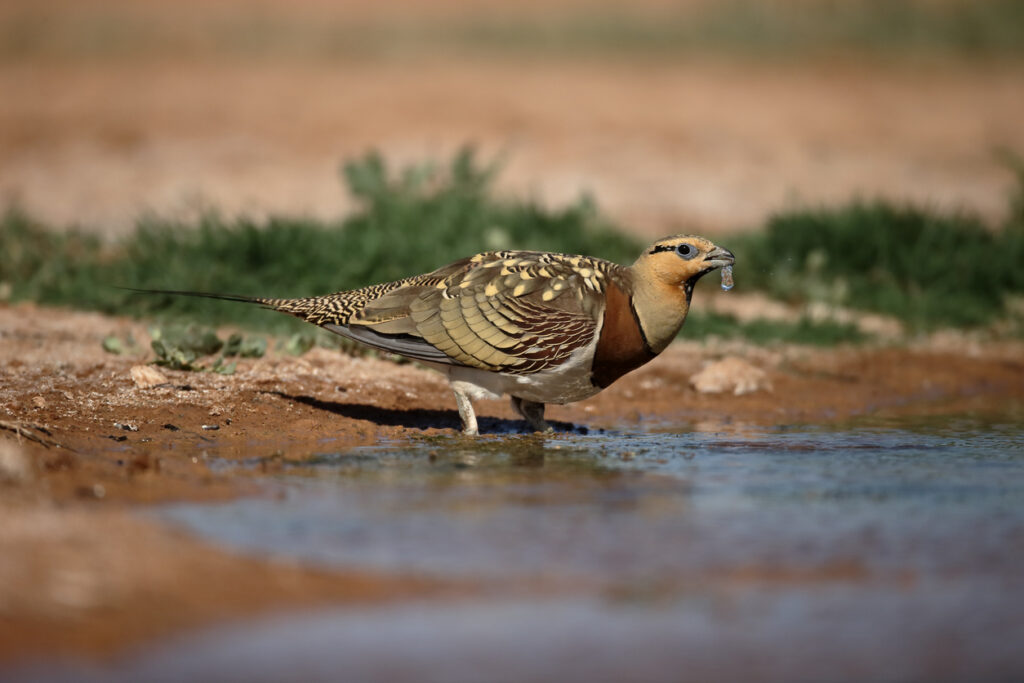
Sandgrouse are brilliant desert birds because they’re built around the problem of water. They can fly long distances to reach water sources, then return to drier nesting areas. Some species have a famous trick where the males can carry water in specialised belly feathers so chicks can drink without travelling. They tend to feed on seeds and are most active at cooler times, which helps them avoid overheating.
12. Deathstalker scorpion
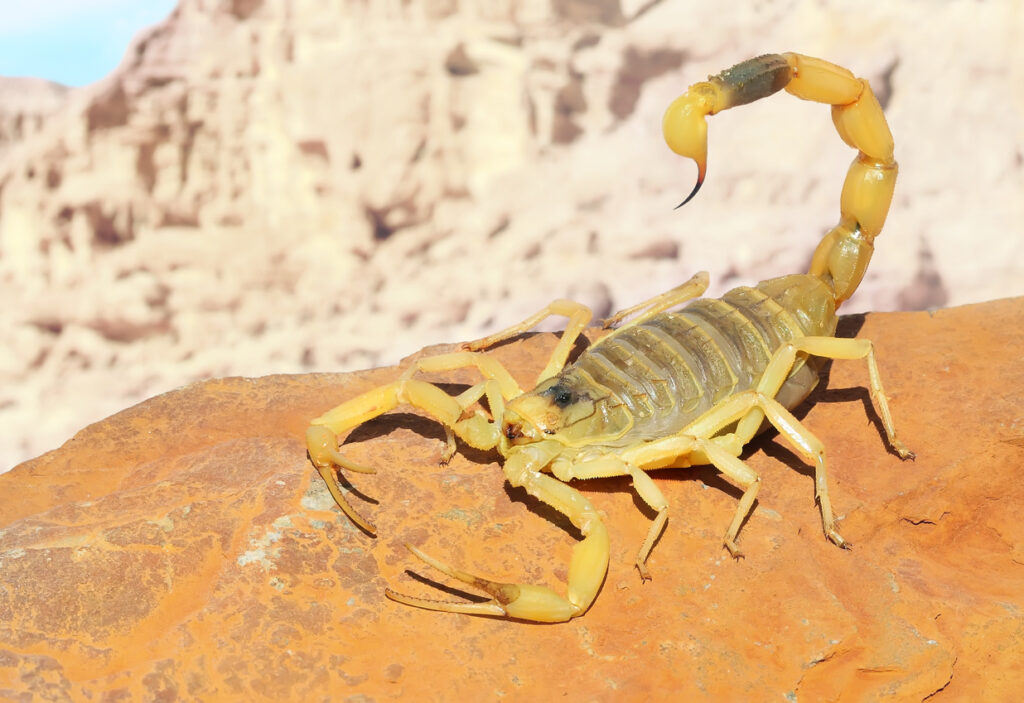
The deathstalker scorpion is one of the Sahara’s most talked-about creatures, partly because it’s tough and partly because it has a nasty reputation. Like many desert invertebrates, it’s mostly active at night and spends the day hiding under rocks or in burrows to avoid the heat. It hunts insects and other small animals using a mix of stealth and speed. The bigger point is this: the Sahara is full of life, but a lot of it is low to the ground and very good at staying out of sight.