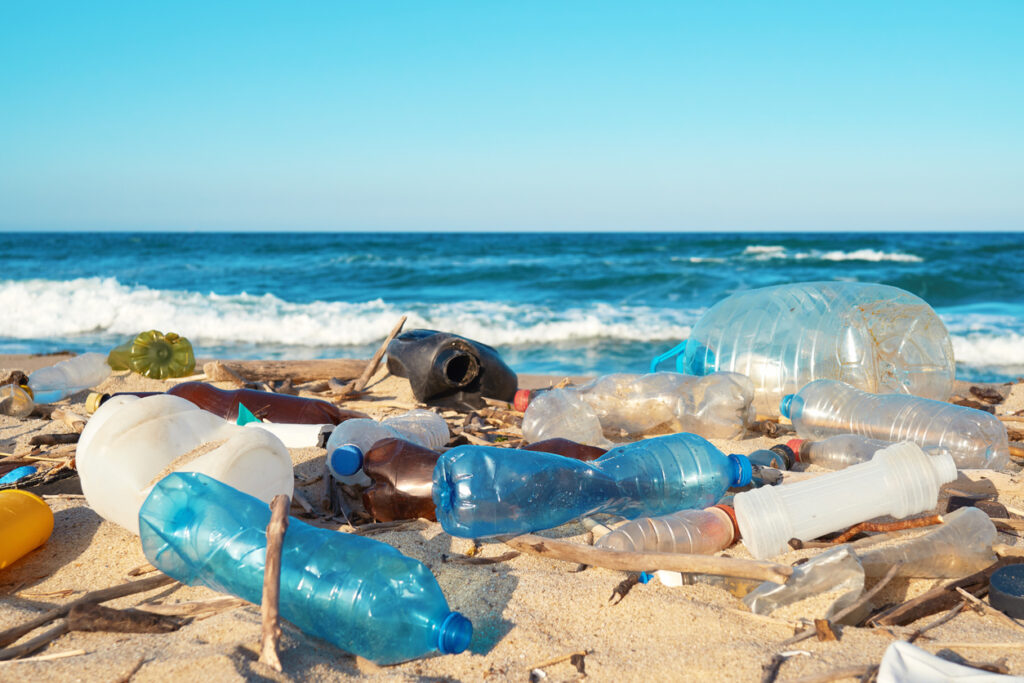
We like to think that tossing a plastic bottle into a recycling bin means we’ve done our part, but the global reality is a lot messier than that. The vast majority of the plastic choking our oceans doesn’t come from people being lazy at the beach; it comes from a handful of countries where waste management systems just can’t keep up with the sheer volume of rubbish being produced.
It’s a massive logistical failure where rivers essentially become conveyor belts, carrying tonnes of plastic straight into the sea every single day. While we’re busy arguing over paper straws, these regions are struggling with a deluge of waste that their infrastructure was never built to handle. If we want to actually stop the bleeding, we have to look at where the leaks are the widest. These countries are currently responsible for the bulk of the plastic pouring into the water.
China contributes the largest share of ocean plastic.
China is responsible for roughly 30% of all plastic waste that ends up in the ocean, more than any other country by a significant margin. Rapid industrialisation led to massive increases in plastic production without the infrastructure to handle it properly. Coastal areas with poor waste management see rubbish flow directly into rivers that feed into the ocean. The sheer scale of manufacturing means plastic byproducts and industrial waste contribute heavily to the problem.
@thebaliexpert Rainy season in Bali & the trash crisis it exposes… #bali #baliindonesia ♬ original sound – The Bali Expert
Indonesia ranks second for ocean plastic pollution.
Indonesia is an archipelago of over 17,000 islands with a huge coastal population and inadequate waste systems. Much of the country’s plastic ends up in rivers that flow straight into the ocean. Tourism has increased plastic consumption dramatically without corresponding improvements in disposal. Many remote islands lack proper waste collection, so burning or dumping becomes the only option.
The Philippines contributes a disproportionate amount for its size.
The Philippines generates far more ocean plastic than you’d expect from its population. Limited landfill space and patchy waste collection, especially in rural areas, create major problems. Typhoons and heavy rains regularly wash accumulated waste into waterways. The culture of single-use plastics, particularly small sachets for everything from shampoo to coffee, creates enormous amounts of difficult-to-manage waste.
Vietnam’s rapid development has created a waste crisis.
Vietnam’s economy has grown incredibly quickly, bringing increased plastic use without the waste infrastructure to cope. Rivers like the Mekong carry enormous amounts of plastic from inland areas to the coast. Limited recycling facilities mean much of the uncollected plastic ends up in waterways. Street food culture involves huge amounts of single-use plastic, and there’s little awareness about proper disposal.
Thailand’s tourism industry has made plastic pollution worse.
Thailand attracts millions of tourists annually, and the resulting plastic waste overwhelms existing systems. Popular destinations like Phuket struggle with waste management during peak seasons. Street food culture involves enormous amounts of plastic bags and takeaway containers. The country has made efforts to reduce plastic bag use, but single-use plastics remain deeply embedded in daily life.

Malaysia receives plastic waste from other countries too.
Malaysia has become a dumping ground for plastic waste from wealthier nations, particularly after China stopped accepting foreign rubbish in 2018. This imported waste, combined with domestic pollution, creates an enormous problem. Illegal recycling facilities process foreign plastic without proper controls, and much ends up in rivers and coastal areas. Coastal communities see plastic washing up constantly from both domestic and imported sources.
Bangladesh faces unique challenges with river systems.
Bangladesh sits at the mouth of major river systems, receiving plastic pollution from upstream while generating its own. Extremely high population density means waste collection can’t keep up with the volume produced. Flooding regularly washes accumulated waste into rivers that flow straight into the Bay of Bengal. Single-use plastic bags are used extensively despite ban attempts.
India’s contribution varies dramatically by region.
India’s ocean plastic pollution is concentrated in coastal areas with poor waste infrastructure. Cities like Mumbai generate enormous amounts of plastic, much ending up in the Arabian Sea. Major rivers carry plastic from inland areas all the way to the coast. In rural regions, there’s often no waste collection at all, so plastic gets burned or dumped in waterways.
@nytimes An effort to turn India’s trash mountains into energy has become an acute health crisis for a million people in the capital city of Delhi. Maria Abi-Habib, an investigative correspondent, explains what a years-long New York Times investigation found. Video by Maria Abi-Habib, Alexandra Ostasiewicz and James Surdam #India #Pollution #Delhi ♬ original sound – The New York Times
Nigeria leads Africa in ocean plastic pollution.
Nigeria is Africa’s largest contributor, driven by population growth, coastal urbanisation and inadequate waste systems. Lagos, with over 20 million people, generates massive amounts of plastic with limited disposal options. The Niger Delta’s complex waterways spread pollution throughout the region and into the Atlantic. Minimal recycling infrastructure means much of the plastic from markets and households ends up in water.
Western countries export their plastic problem.
Western nations like the UK, US and EU countries produce enormous amounts of plastic per capita but have historically shipped much of it to Asian countries for “recycling”. This exported waste often ended up mismanaged and flowing into oceans, meaning wealthy nations essentially offloaded their pollution onto poorer countries. China’s 2018 ban exposed this system, and now other Asian nations are refusing to be the world’s rubbish bin. Wealthy nations have better waste infrastructure domestically, but they’ve contributed significantly by exporting their plastic rather than dealing with it properly.