Most environmental laws exist for good reasons, even when they’re a massive pain.

That being said, some rules feel so oddly specific, outdated, or badly explained that they leave people totally baffled. On paper, they’re about protecting nature, but in real life, they often feel disconnected from how people actually live, work, and use the outdoors day to day. It’s hard to stay on board with the rules when they seem to ignore common sense or punish people for things that feel completely harmless. These are some of the most baffling rules put in place.
1. You can be fined for collecting fallen wood in some places.
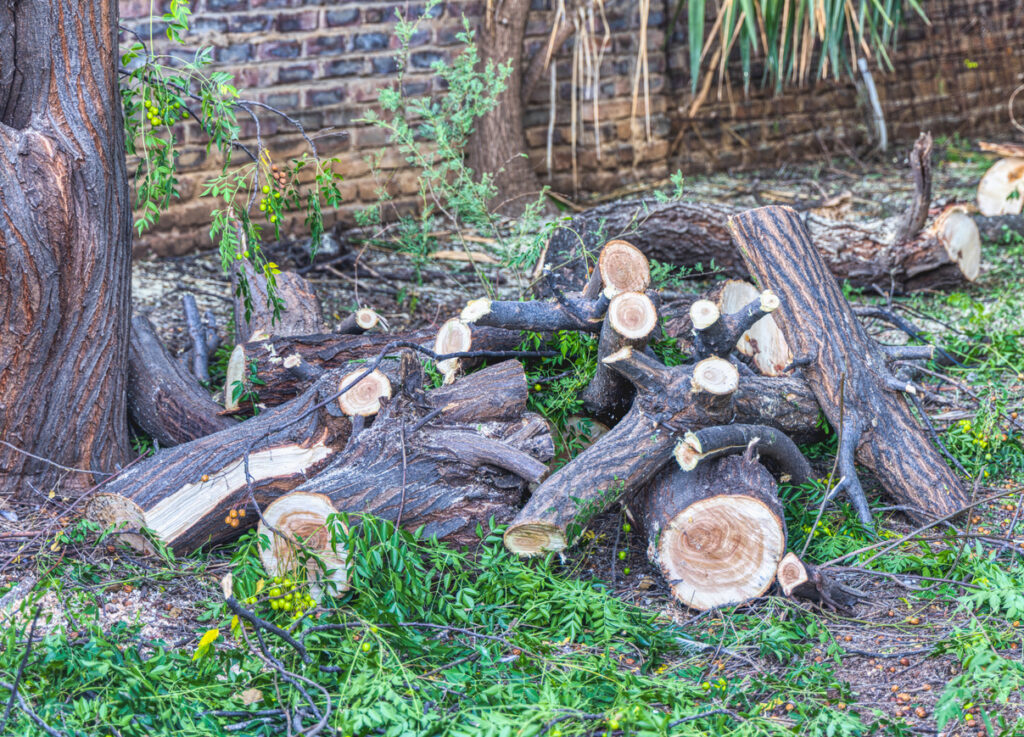
In many areas, picking up sticks or fallen branches from woodland is technically illegal, even if they’re already dead and rotting on the ground. The logic is that deadwood provides a vital habitat for insects, fungi, and small animals, which is true from an ecological point of view. But the confusing part is how this clashes with reality.
To most people, clearing a few fallen sticks feels like a helpful bit of tidying, especially if they’re just being used for a small fire or a craft project. The law often doesn’t distinguish between a commercial logging operation and someone grabbing a handful of kindling on a Sunday walk, which makes it feel heavy-handed.
2. Rainwater collection rules can be surprisingly strict.

In some regions, there are weird limits on how much rainwater you can collect or how you’re allowed to reuse it. These rules are usually tied to ancient water rights, flood control, or fears about preventing contamination in the local supply. To a homeowner, though, it feels bizarre that catching the water falling onto your own roof could be restricted.
When we’re constantly being told to conserve water and be more sustainable, being told you’re doing it wrong doesn’t exactly inspire trust in the system. It feels like you’re being penalised for trying to be self-sufficient and reduce your reliance on the grid.
3. You can’t move certain wildlife, even to help it.

Well-meaning people often get caught out by laws that stop them from moving animals, even if the creature looks injured or totally stranded. Touching, relocating, or interfering with wildlife can be illegal without a specific permit or authority.
The intention is to stop people from making things worse through untrained intervention, but the rule feels incredibly cruel in the moment. Standing back while an animal struggles goes against every human instinct to help, which makes the law feel cold and indifferent rather than protective. It turns a moment of compassion into a potential legal headache.
4. Cutting your own tree can require permission.
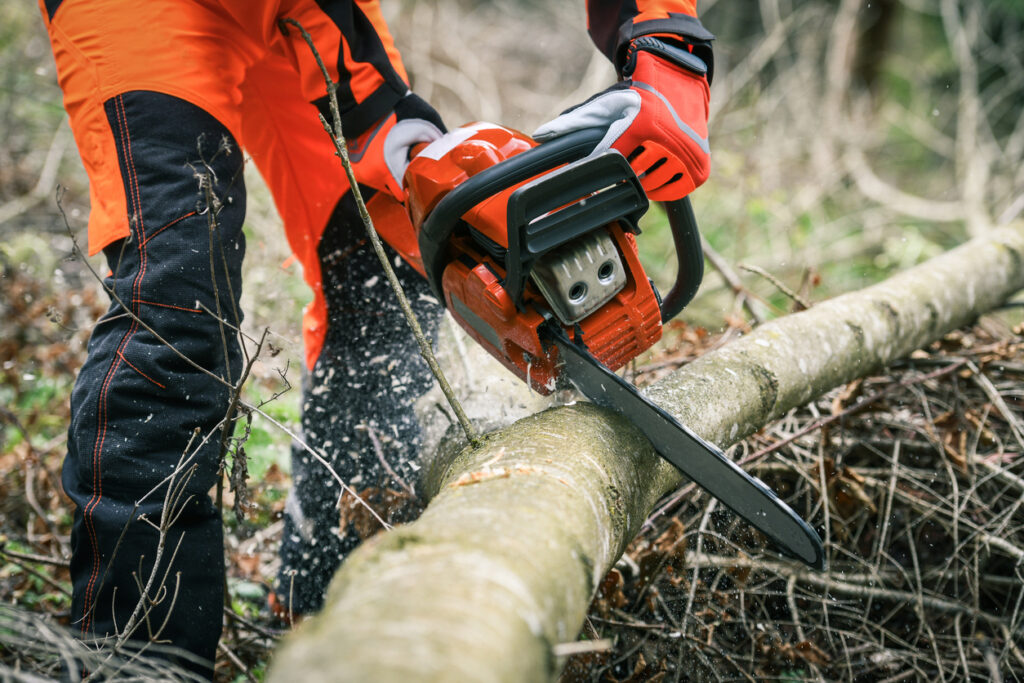
In plenty of places, you need official approval to cut down or even heavily prune a tree on land you actually own. Tree protection orders exist to preserve mature trees that provide value to the neighbourhood, which makes sense in a big-picture way.
The frustration sets in when that tree is clearly becoming unsafe, blocking all the light to your house, or damaging your property’s foundation. Being told you need to file months of paperwork and pay for surveys to deal with a plant in your own back garden feels wildly out of proportion. It’s your land, but it doesn’t always feel like your choice.
5. Certain weeds are illegal to grow, but still sold.
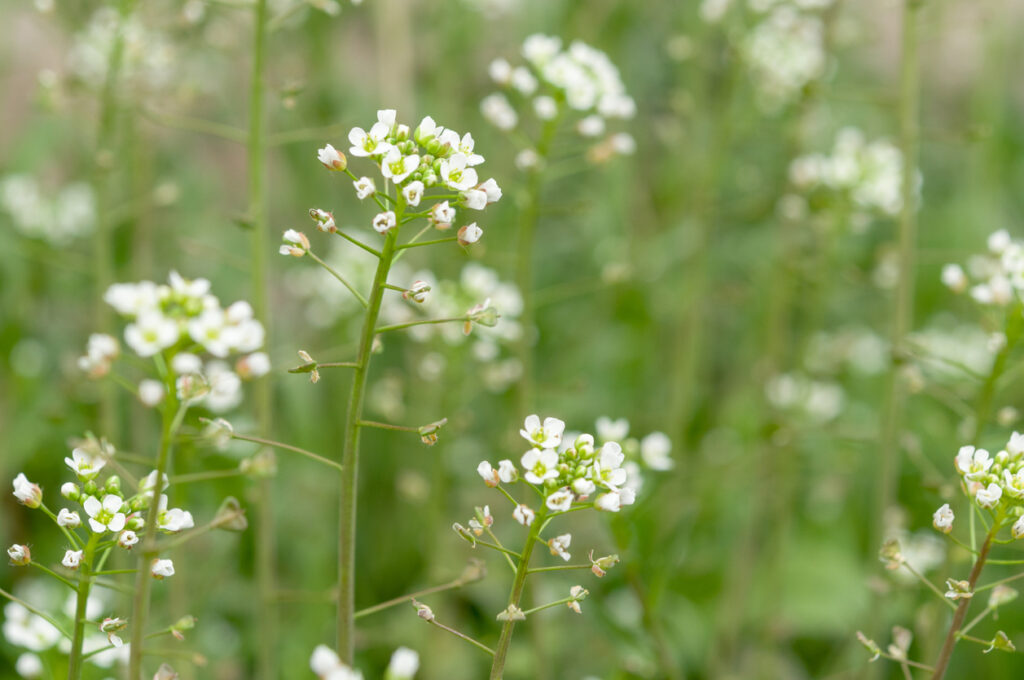
Some invasive plants are legally banned from being planted or allowed to spread, yet you can still find them for sale in your local garden centre. The responsibility then falls entirely on the homeowner to manage them correctly and keep them from escaping into the wild. This creates massive confusion for anyone who isn’t a professional botanist.
If a plant is harmful enough to be illegal, people reasonably ask why it’s still on the shelves in the first place. The massive gap between what’s regulated in the ground and what’s sold at retail makes the law feel poorly thought through and inconsistent.
6. Fishing rules change by the metre.

Environmental fishing laws often vary depending on your exact location, the time of year, and the specific species you’re after. One stretch of a river can have entirely different rules from another spot just a short distance away. While this helps protect fragile local ecosystems during spawning seasons, it’s incredibly hard for a casual angler to keep up with the moving goalposts.
Accidentally breaking the law becomes way too easy when the boundaries aren’t clear. It makes enforcement feel more like a trap designed to catch you out rather than a legitimate safeguard for the fish.
7. You can be penalised for feeding wild animals.

Feeding wildlife is discouraged or outright banned in many parks and urban areas to prevent animals from becoming dependent on humans or spreading disease. Ecologically, the reasoning is solid because it stops the natural balance from getting skewed. Emotionally, however, it feels harsh and unnecessary.
People see a hungry-looking animal and want to help it out. When the law is enforced without any clear education or context, it feels like you’re being punished for a simple act of kindness. It turns a natural human-animal connection into a fineable offence.
8. Composting rules can be oddly specific.
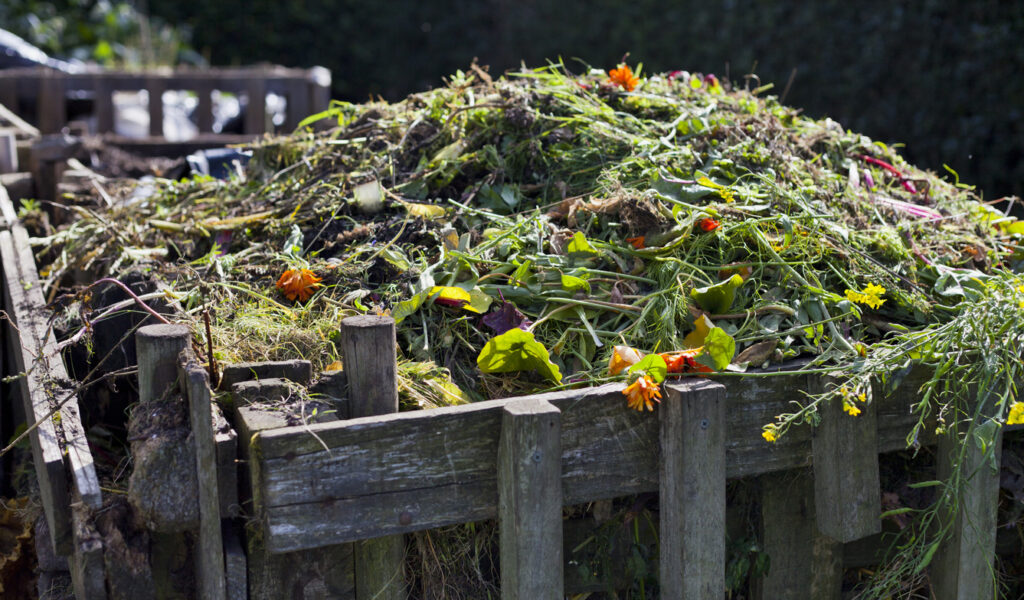
In some areas, what you’re allowed to compost and exactly how you do it is strictly regulated, particularly when it comes to food waste. These rules exist to prevent pests like rats or to stop the spread of certain bacteria. To an everyday household just trying to reduce their bin usage, the level of detail can feel excessive.
Being told that one type of organic waste is fine, but another nearly identical item is a biohazard makes composting feel like a legal puzzle. Instead of encouraging people to be green, it makes them give up because the rules are too annoying to follow.
9. You can’t always reuse natural materials.

Taking stones, soil, or sand from natural areas is often restricted, even if you’re only taking a tiny amount for a home project. The idea is to prevent the gradual degradation of the landscape over time. On an individual level, it feels totally pointless—how could a pocketful of pebbles possibly matter?
However, because the law treats all removal the same way, it fails to explain the cumulative damage it’s trying to stop. It just ends up looking like the government is trying to micromanage the dirt on the ground, which feels ridiculous to the average person.
10. Environmental impact rules don’t always match scale.

Small, low-impact projects often face the same massive regulatory hurdles as huge industrial developments. You might find yourself buried in paperwork and paying for expensive assessments just to put up a small shed or clear a bit of scrubland. This makes the law feel blunt and lazy rather than smart.
When minor actions are treated like major environmental threats, people stop seeing these protections as reasonable. They start seeing them as a wall of bureaucracy that exists just to slow things down, which eventually makes them lose interest in following the rules at all.