Most people grew up thinking of certain animals as either harmless curiosities or distant, majestic creatures that wouldn’t bother a soul.

However, every so often, a single, high-profile encounter happens that completely flips that script and leaves a permanent mark on the public’s psyche. It’s those rare, headline-grabbing moments—the kind that stay with you long after the news cycle moves on—that turn a beloved species into a source of genuine fear.
You stop seeing a magnificent predator and start seeing a calculated threat, and it usually only takes one tragic event to make that change stick for an entire generation. These 13 attacks didn’t just make the news; they fundamentally rewrote the rules for how we interact with and perceive the animals involved.
1. Jaws made everyone terrified of sharks.
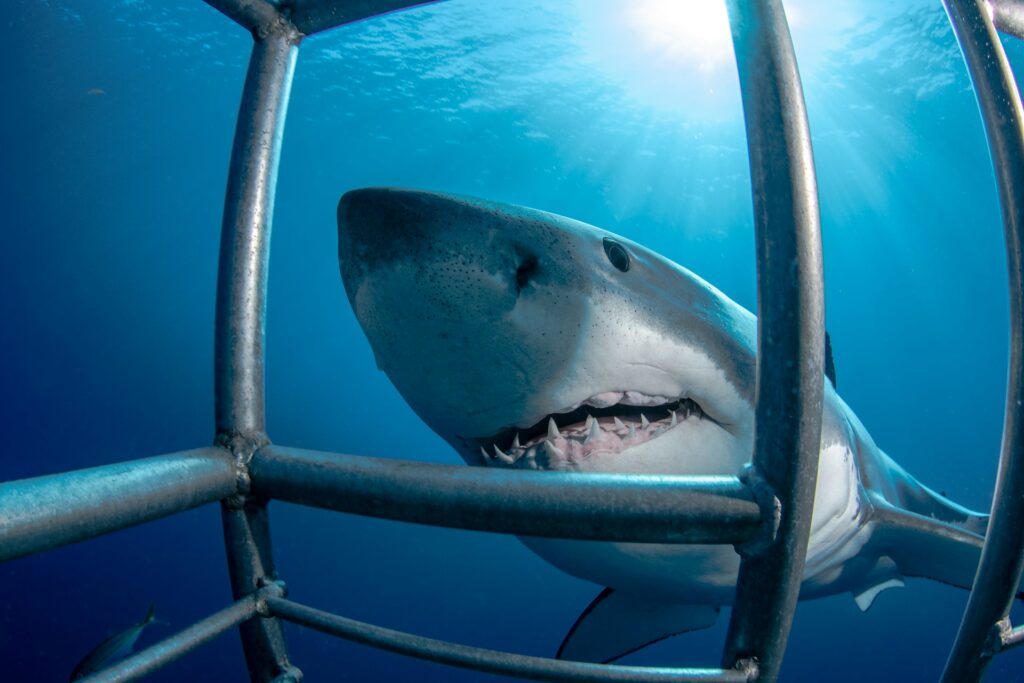
The 1975 film was based loosely on real shark attacks along the New Jersey coast in 1916, but Spielberg’s movie created mass hysteria that still affects sharks today. Before Jaws, sharks were just fish that occasionally bit people. After Jaws, they became calculated killing machines lurking beneath every swimmer.
The film spawned decades of shark hunting, culling programmes and irrational beach fears. Actual shark attack statistics show you’re more likely to be killed by a vending machine, but the damage to sharks’ reputation was permanent. Conservation efforts still struggle against the image of sharks as monsters rather than vulnerable apex predators.
2. Timothy Treadwell’s death ended the myth of bear friendship.
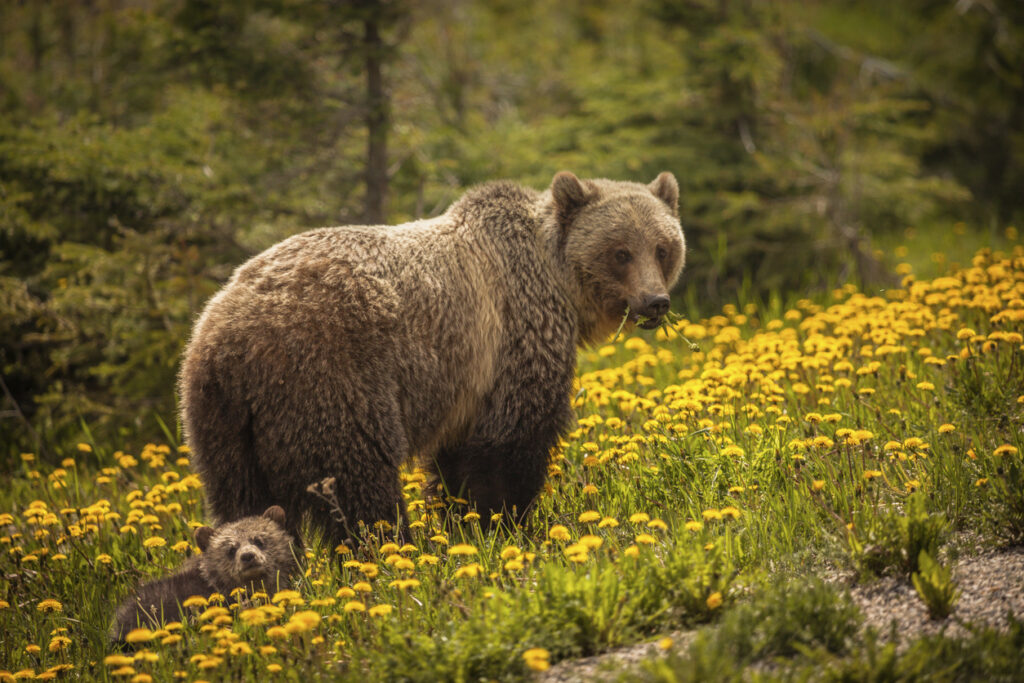
Treadwell spent 13 summers living among grizzly bears in Alaska, convinced he had a special connection with them. In 2003, a bear killed and partially ate both Treadwell and his girlfriend. The audio recording of the attack exists, but has never been released publicly. His death shattered the romantic notion that you could befriend wild bears through respect and love.
It forced a conversation about the difference between bear behaviour and human projection of emotions onto animals. Grizzly Man, the documentary about his life, became a cautionary tale about the dangers of anthropomorphising apex predators.
3. Travis the chimpanzee attack exposed the exotic pet trade.

In 2009, Travis, a 200-pound pet chimpanzee, attacked his owner’s friend in Connecticut, ripping off her face and hands. The victim survived, but was catastrophically disfigured. Travis had appeared in commercials and lived like a human, wearing clothes and eating at the table.
The attack revealed that chimps, even raised from infancy, retain wild instincts and possess strength far beyond humans. The incident led to stricter exotic pet laws across America. It ended the public’s tolerance for seeing chimps dressed up in entertainment, as people finally understood these weren’t cuddly companions but dangerous wild animals.
4. Siegfried and Roy’s tiger attack ended big cat stage shows.
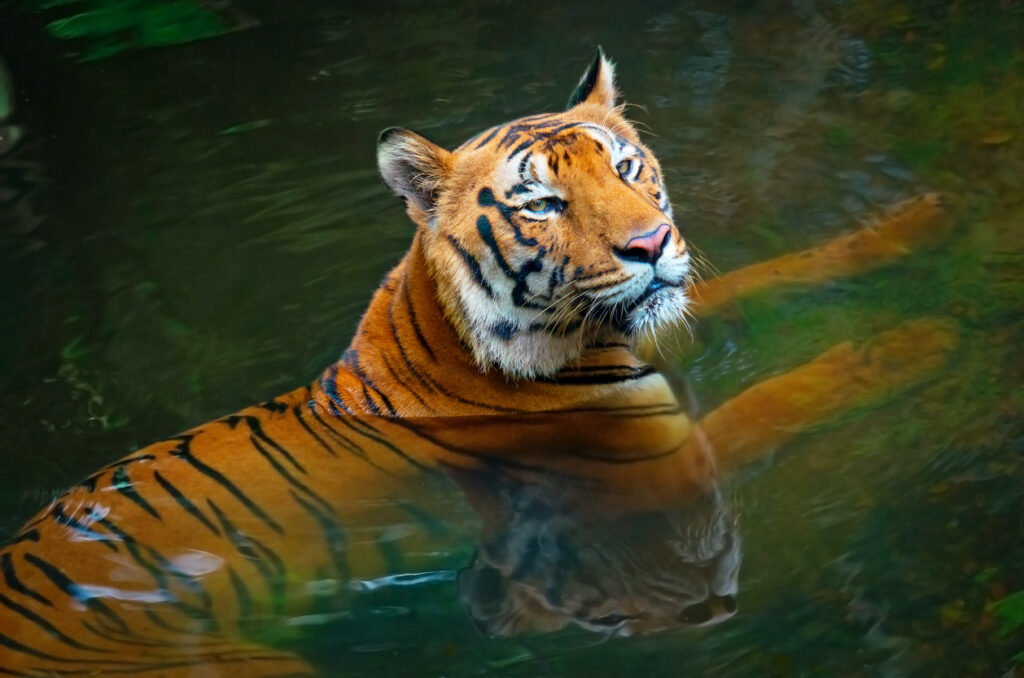
In 2003, during a performance in Las Vegas, Roy Horn was attacked by Montecore, a white tiger he’d worked with for years. The tiger grabbed Roy by the neck and dragged him offstage in front of a live audience. Roy survived, but was partially paralysed. The attack marked the beginning of the end for using big cats in entertainment.
Public opinion went from seeing these performances as magical to recognising them as cruel and dangerous. The incident accelerated the movement to ban wild animal acts, with many countries now prohibiting big cats in circuses.
5. Tilikum the orca changed everything about marine parks.
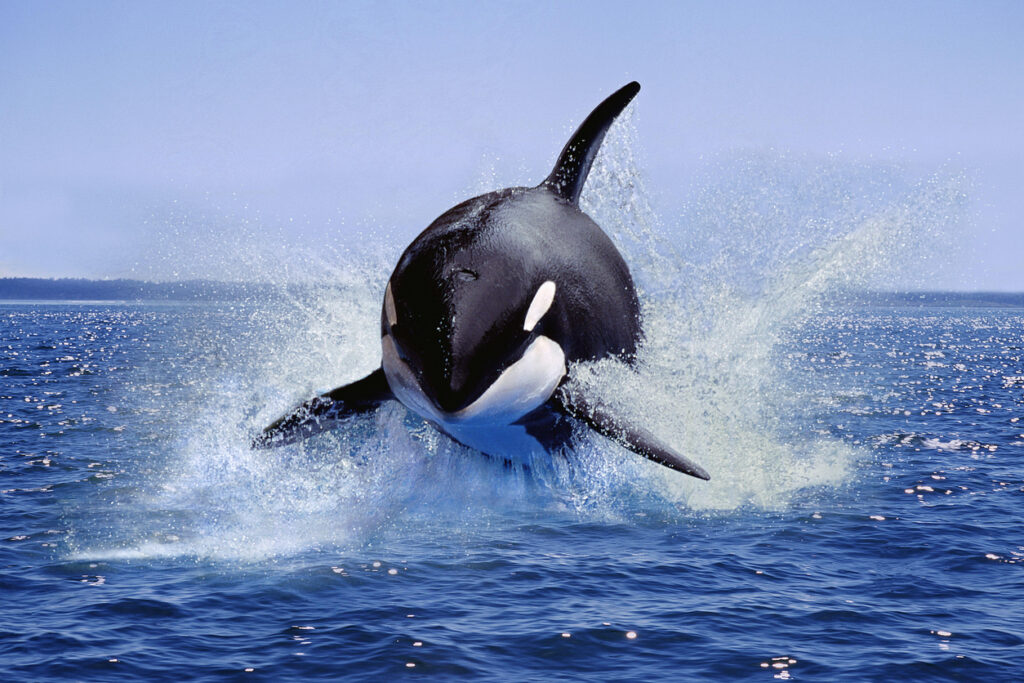
Tilikum was involved in three human deaths during his time at SeaWorld, including the 2010 killing of trainer Dawn Brancheau. The documentary Blackfish exposed the psychological damage captivity causes orcas and how this stress likely contributed to the attacks.
Public perception of orcas transformed from willing performers to traumatised prisoners. SeaWorld’s attendance plummeted, and they eventually ended their orca breeding programme. The case proved that keeping highly intelligent, wide-ranging marine mammals in tanks wasn’t just cruel but genuinely dangerous. Marine parks worldwide faced pressure to end captive orca programmes.
6. Buck the elephant’s rampage ended circus animal acts.
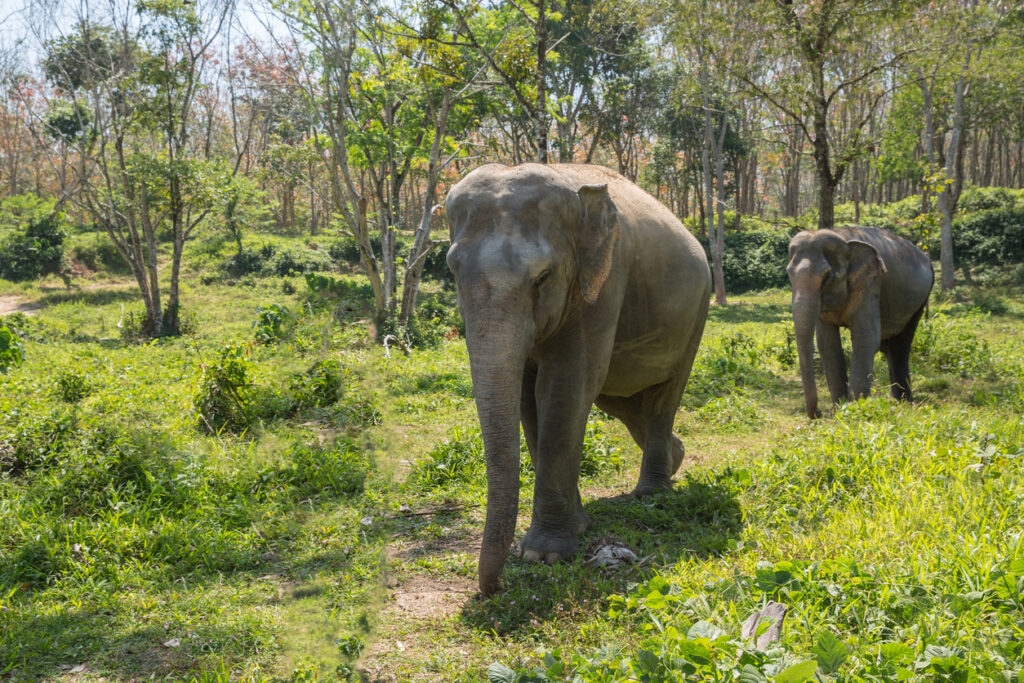
In 1994, an African elephant named Tyke killed her trainer and injured others during a circus performance in Honolulu before being shot 86 times by police. The incident was captured on video and broadcast worldwide. It wasn’t an isolated event but part of a pattern of elephant attacks in circuses.
These incidents revealed the brutal training methods used to control elephants and the psychological damage caused by captivity and performance demands. Public support for circus animals evaporated, leading to bans across Europe and North America. Ringling Bros. eventually retired all their elephants and then closed entirely.
7. Pit bull attacks created breed-specific legislation.

No single attack caused this change, but the accumulation of serious pit bull maulings throughout the 1980s and 1990s changed these dogs from working animals to public enemy number one. Media coverage of attacks, particularly on children, was relentless and often sensationalised. Countries like the UK banned certain pit bull breeds entirely.
The debate became polarised between those who blamed the breed’s genetics and those who blamed irresponsible owners. Regardless of which side is right, pit bulls went from popular pets to heavily regulated or banned in many jurisdictions. Insurance companies often refuse to cover homes with pit bulls, and rental properties frequently ban them.
8. The Champawat Tiger showed man-eaters were real.
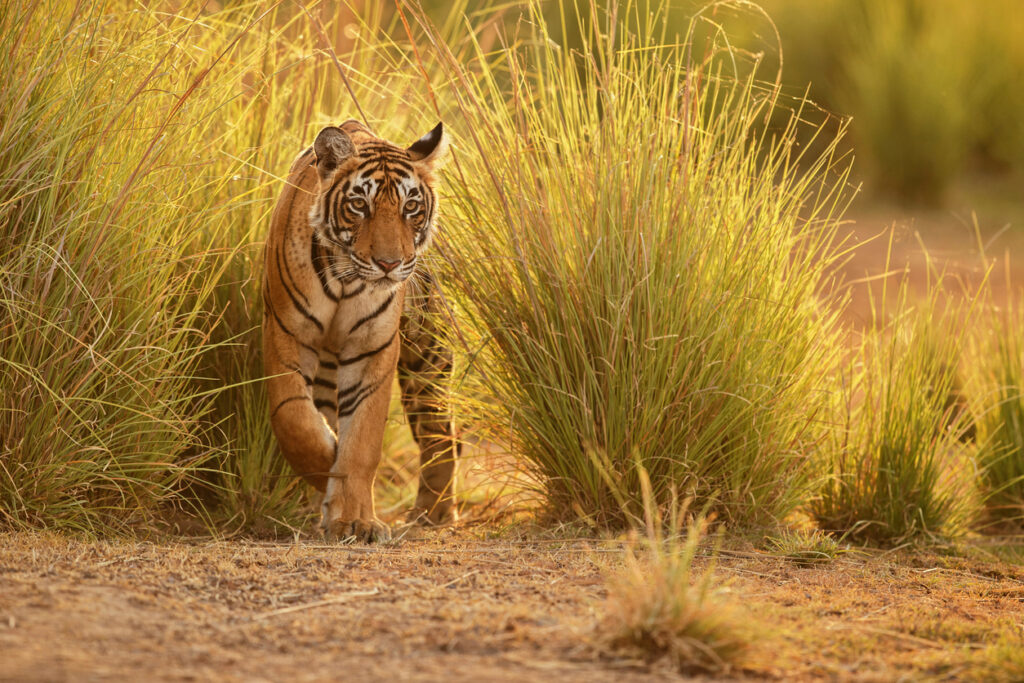
Between 1900 and 1907, a Bengal tigress killed an estimated 436 people across Nepal and India, making her the deadliest big cat in recorded history. British hunter Jim Corbett eventually tracked and killed her. The Champawat Tiger proved that man-eating wasn’t a myth but a real phenomenon that occurred when tigers were injured, elderly or had depleted natural prey.
The case changed wildlife management approaches in India and established protocols for dealing with problem tigers. It also contributed to the complex relationship Indians have with tigers, seeing them as both sacred and genuinely dangerous.
9. Harambe changed zoo safety protocols worldwide.

In 2016, a three-year-old boy fell into the gorilla enclosure at Cincinnati Zoo, and keepers shot Harambe, a 17-year-old western lowland gorilla, to protect the child. The incident sparked global outrage and debate about zoo safety and whether killing the gorilla was necessary. Zoos worldwide reviewed their barrier designs and emergency protocols.
The case also changed public perception of gorillas from gentle giants to animals requiring lethal force to control. It raised uncomfortable questions about whether keeping great apes in captivity is ethical when one containment failure results in death.
10. Steve Irwin’s stingray death made people realise they’re dangerous.
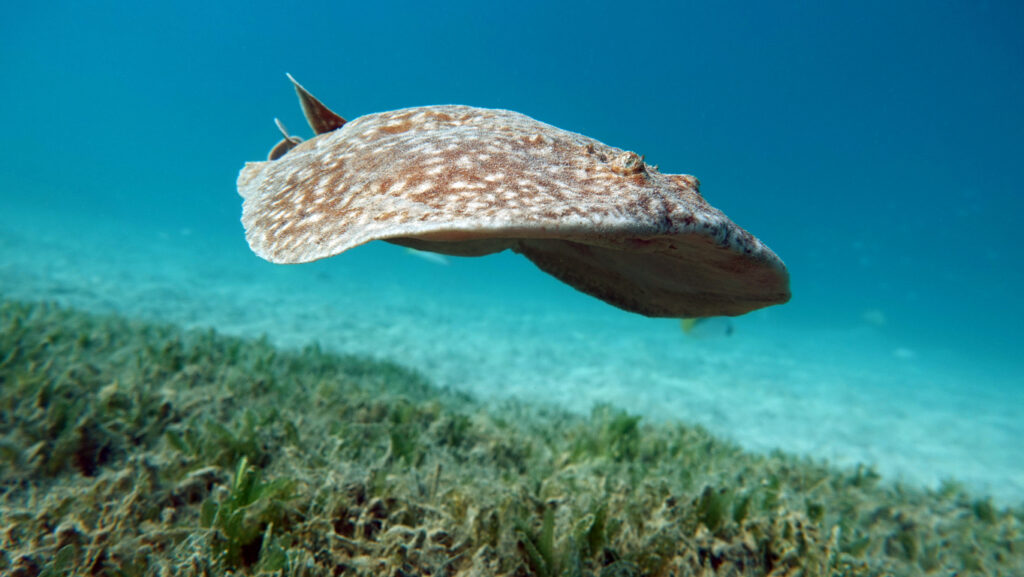
In 2006, Steve Irwin was killed by a stingray barb to the chest while filming in Australia. Before this, most people saw stingrays as harmless flat fish you might accidentally step on. Irwin’s death revealed that stingrays, when threatened, can deliver fatal strikes with their venomous tail spines.
The incident led to revenge attacks on stingrays in Australia, with dead rays washing up with their tails cut off. It forced education campaigns about stingray behaviour and defensive capabilities. The tragedy also ended the era of hands-on wildlife television, with presenters taking fewer risks after losing one of the industry’s biggest stars.
11. Hippo attacks revealed Africa’s deadliest mammal.
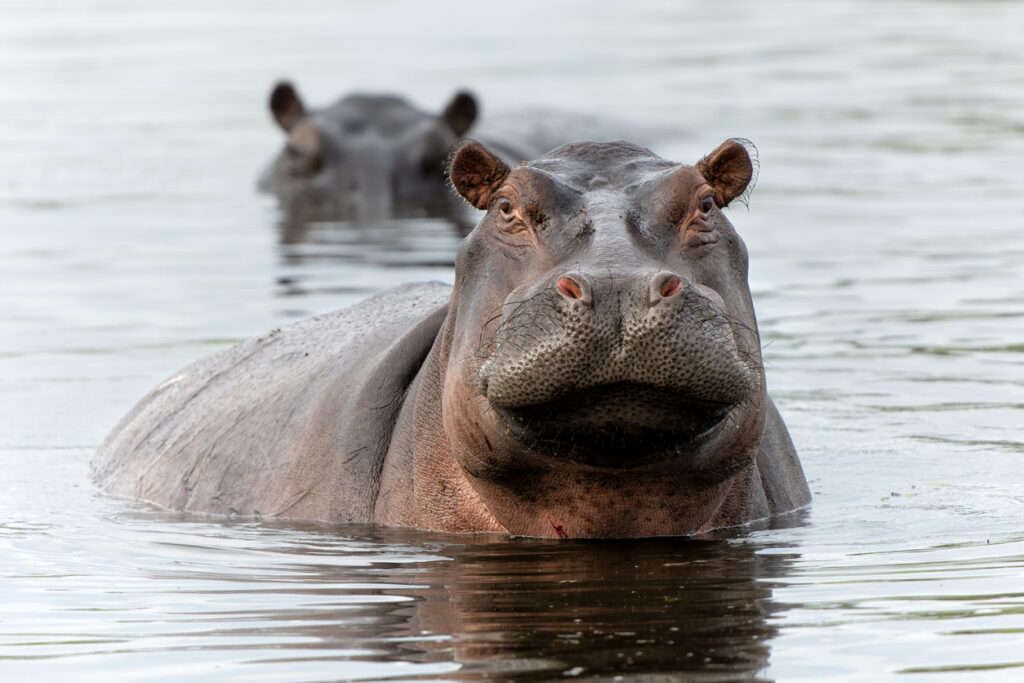
Hippos don’t have a single defining attack that changed perception, but accumulated incidents revealed they kill more people in Africa than any other large animal, around 500 annually. For years, hippos were seen as comical, slow-moving water horses. Tourism and nature documentaries portrayed them as gentle vegetarians.
The reality is they’re highly territorial, incredibly fast and have jaws powerful enough to bite a crocodile in half. Videos of hippos attacking boats and chasing people on land went viral, finally showing their true nature. Wildlife guides now treat hippos with far more caution than lions, and tourists have learned to keep their distance.
12. Captive chimp attacks ended laboratory complacency.
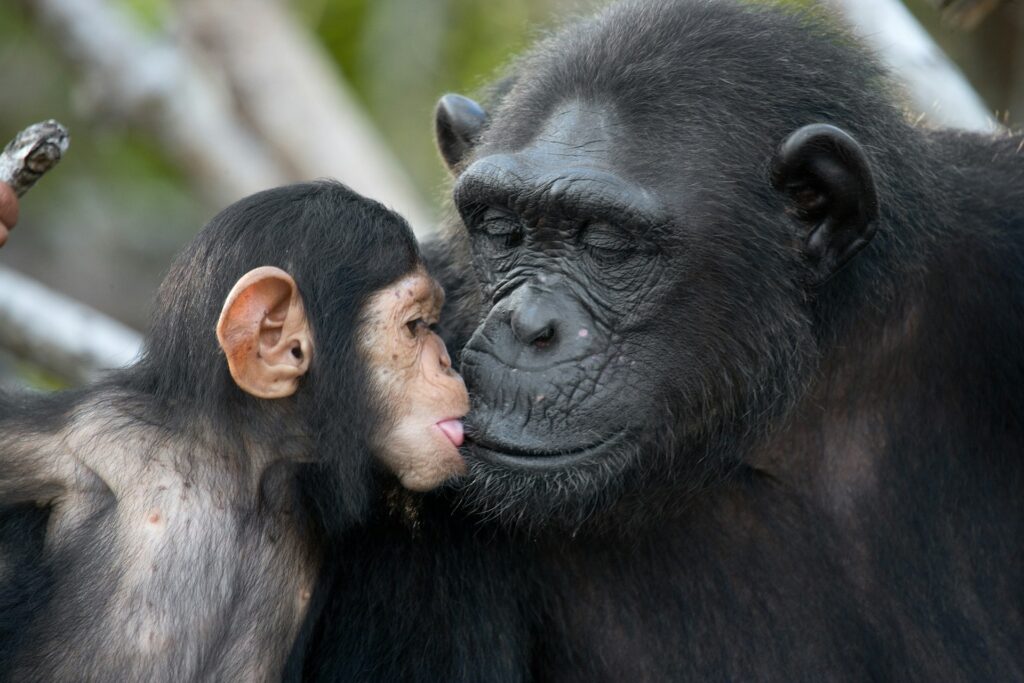
Multiple incidents of research chimps attacking handlers in laboratories throughout the 1990s and 2000s exposed the dangers of working with captive primates. These weren’t pets but research subjects who’d spent years in confinement, yet staff became complacent about their strength and unpredictability.
Several attacks resulted in severe injuries, including facial maulings and lost fingers. The incidents contributed to restrictions on chimpanzee research and sparked the movement to retire research chimps to sanctuaries. The scientific community had to acknowledge that even professionally managed captive chimps posed serious risks and perhaps shouldn’t be used in research at all.
13. Exotic snake escapes changed reptile ownership laws.
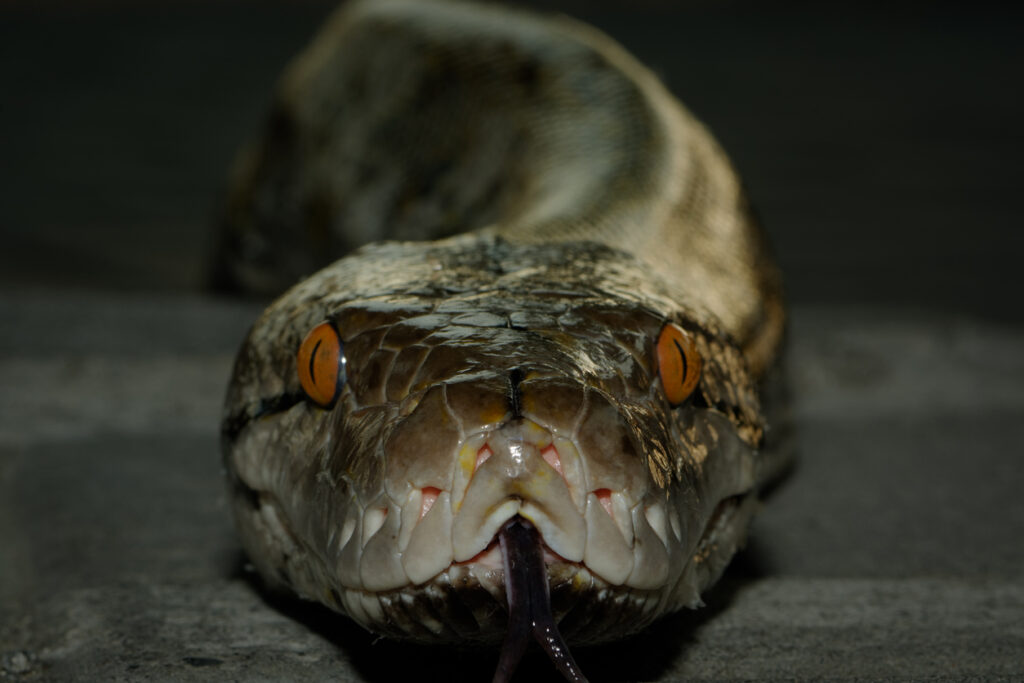
When a two-year-old boy in Canada was killed in 2013 by an African rock python that escaped from a pet shop and entered his room through ventilation, it horrified the public. Similar incidents with escaped pythons and boas attacking pets and occasionally people accumulated into demands for stricter regulation.
People suddenly realised that large constrictors kept in homes could genuinely kill, especially children. Many jurisdictions banned or heavily regulated large snake ownership. The exotic reptile trade faced scrutiny it had largely avoided, with questions about whether private citizens should be allowed to keep animals capable of killing humans. Pet shops stopped selling large constrictors as readily, and breeding programmes faced new restrictions.