Spending an hour looking out the window might sound like a lazy way to spend a weekend, but it’s actually the most important thing you can do for the UK’s struggling bird populations.
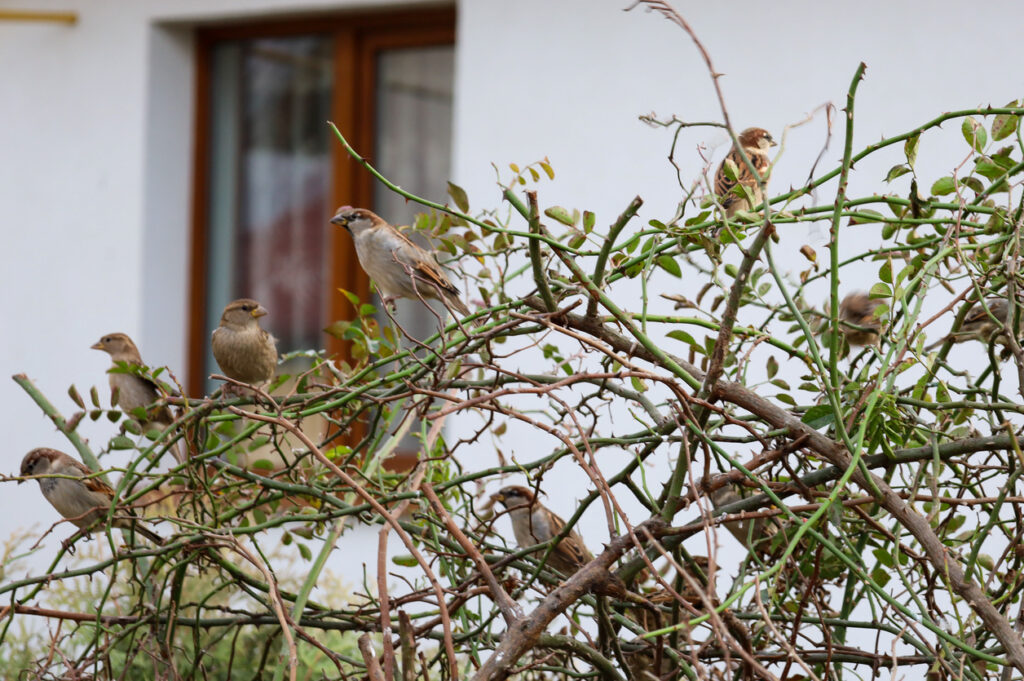
You’ve likely noticed that the birds you used to see all the time as a kid are becoming a bit of a rarity, and Big Garden Birdwatch is our best tool for figuring out exactly why that’s happening. It’s a massive, countrywide effort where hundreds of thousands of people act as the eyes and ears for the RSPB, recording the winners and losers of the garden world.
It’s a chance to stop faffing about and actually contribute to a bit of proper science while you’ve got a brew in your hand. Knowing when it’s happening and how to get involved shows that you don’t need to be an expert to help protect the wildlife that’s right on your doorstep.
It happens over one weekend every January.

Big Garden Birdwatch 2026 takes place between 23 and 25 January, and you just need to dedicate one hour during that window to counting birds. You pick which hour works for you during those three days, so it fits around your schedule rather than requiring you to be available at a specific time. The flexibility means basically anyone can participate regardless of other commitments. You don’t need any special equipment or knowledge, just your eyes and a way to record what you see.
You only count birds that actually land, not ones flying over.
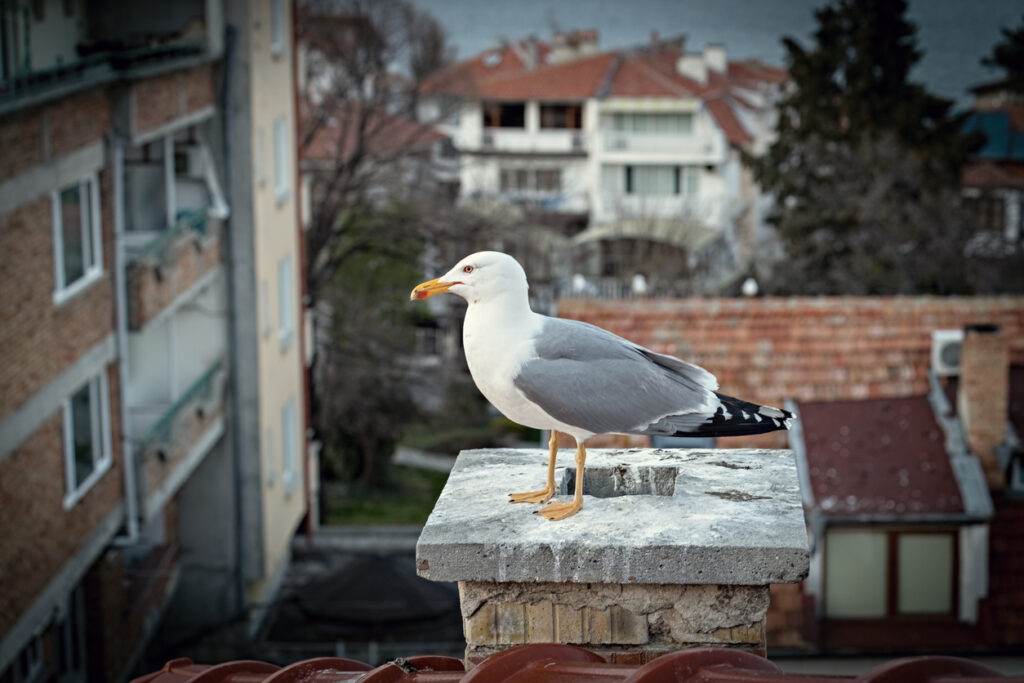
The key rule is recording birds that land in your garden or outdoor space, not every bird that flies past overhead. This keeps the data consistent because everyone’s using the same criteria for what counts. You’re looking for birds that are actually using your space for feeding, perching, or moving around rather than just passing through. Flying birds are harder to count accurately and would make the results less reliable across different locations.
Record the highest number of each species you see at one time.
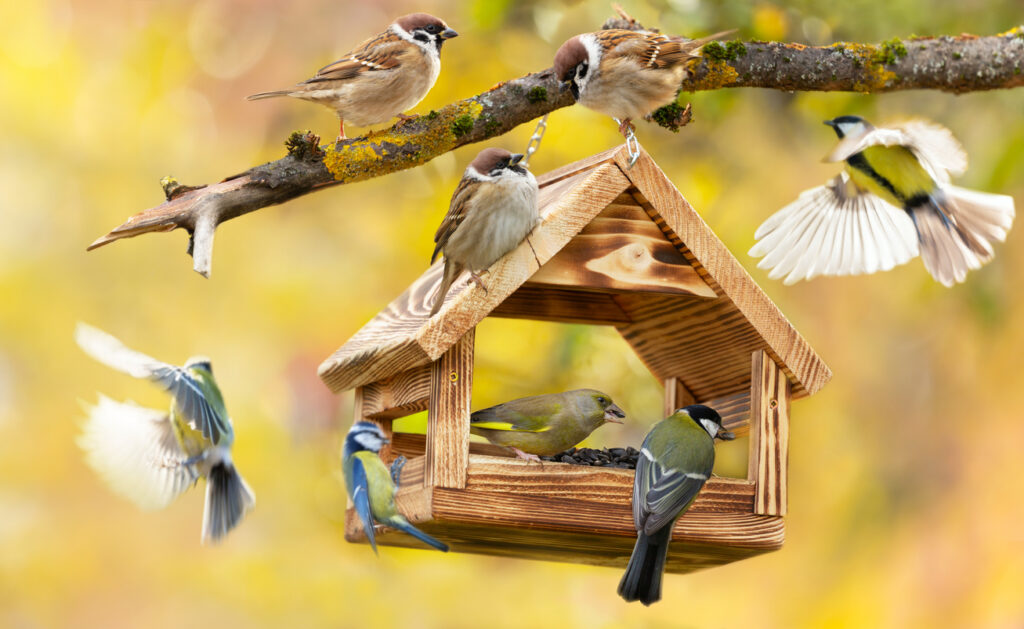
You don’t count every individual bird that visits during your hour, you note the maximum number of each species present simultaneously. So if three robins visits but only two are ever there at the same moment, you record two robins. This method prevents counting the same bird multiple times as it flies off and returns. It’s about capturing what’s actually using your space at peak moments, rather than total traffic.
Over 590,000 people took part last year.
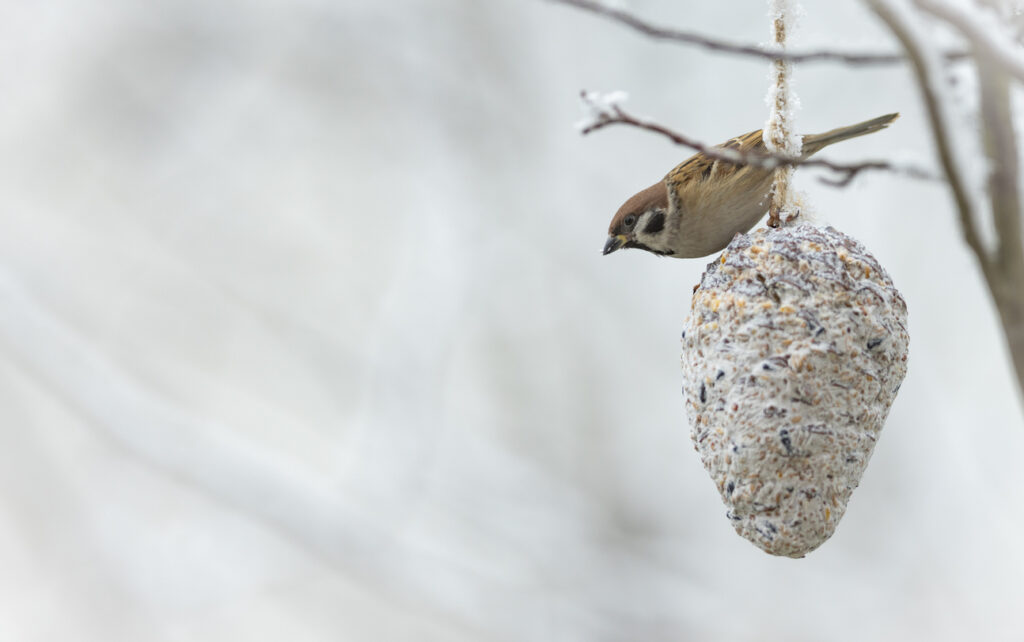
The Big Garden Birdwatch 2025 saw more than half a million participants across the UK counting a combined 9.1 million birds. Those numbers make it genuinely the world’s largest garden wildlife survey, with participation that most scientific studies could never achieve. The massive scale means the data collected is incredibly valuable for tracking trends across the entire country. Every single person counting adds to a dataset that helps scientists understand what’s happening to UK bird populations.
House sparrows topped last year’s count, but their numbers are crashing.
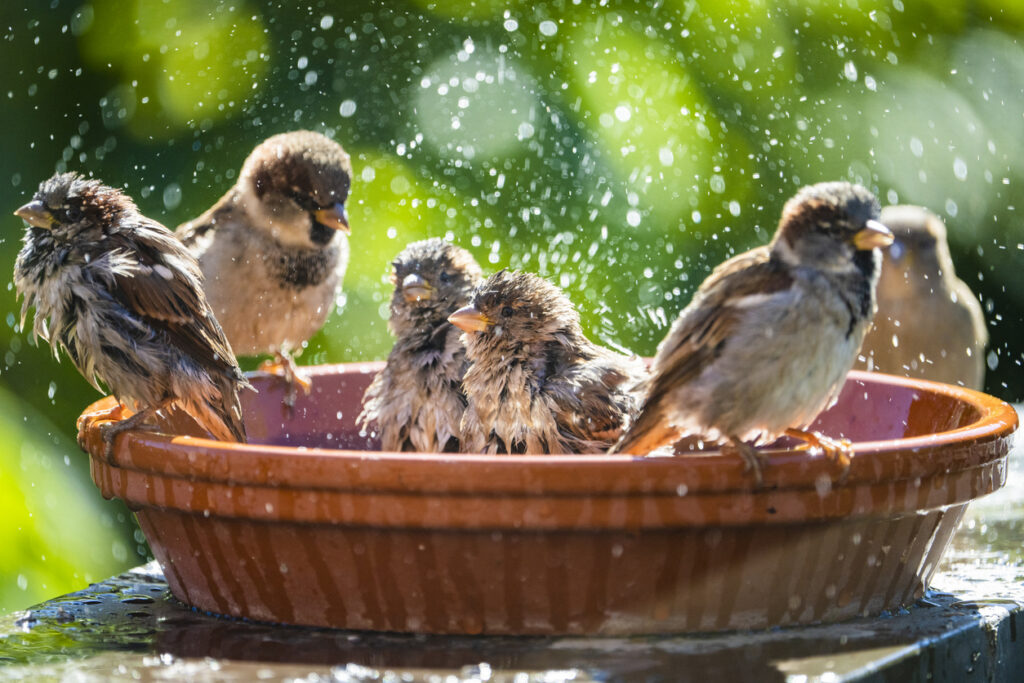
House sparrows came in first place for most commonly spotted garden bird, but their population is down 60% compared to the first Birdwatch in 1979. Seeing them frequently in gardens masks the fact that there are far fewer of them than there used to be. The decline is dramatic enough that house sparrows are now on conservation watch lists. What seems like a common garden bird is actually in serious trouble population-wise.
The UK has lost 38 million birds in the past 60 years.
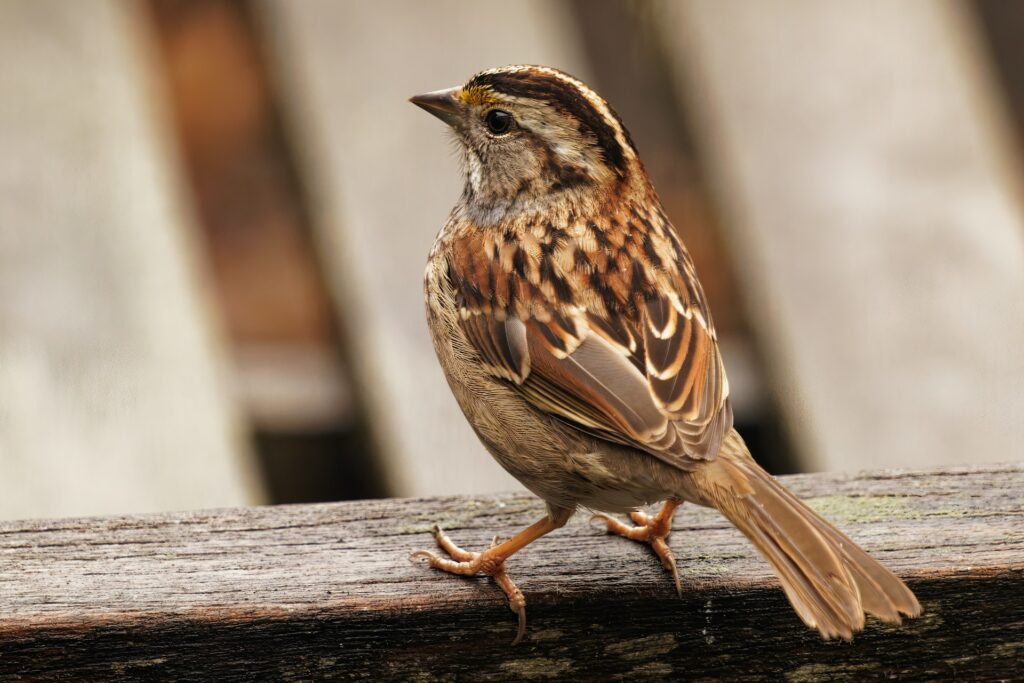
Bird populations across the UK have declined catastrophically, with 38 million birds disappearing from our skies over six decades. This isn’t about rare species in remote locations, it’s everyday garden birds vanishing from places people live. The losses affect everything from sparrows and starlings to thrushes and finches. Tracking these declines through Birdwatch data helps identify which species need urgent conservation attention.
You can participate even if you don’t see any birds.
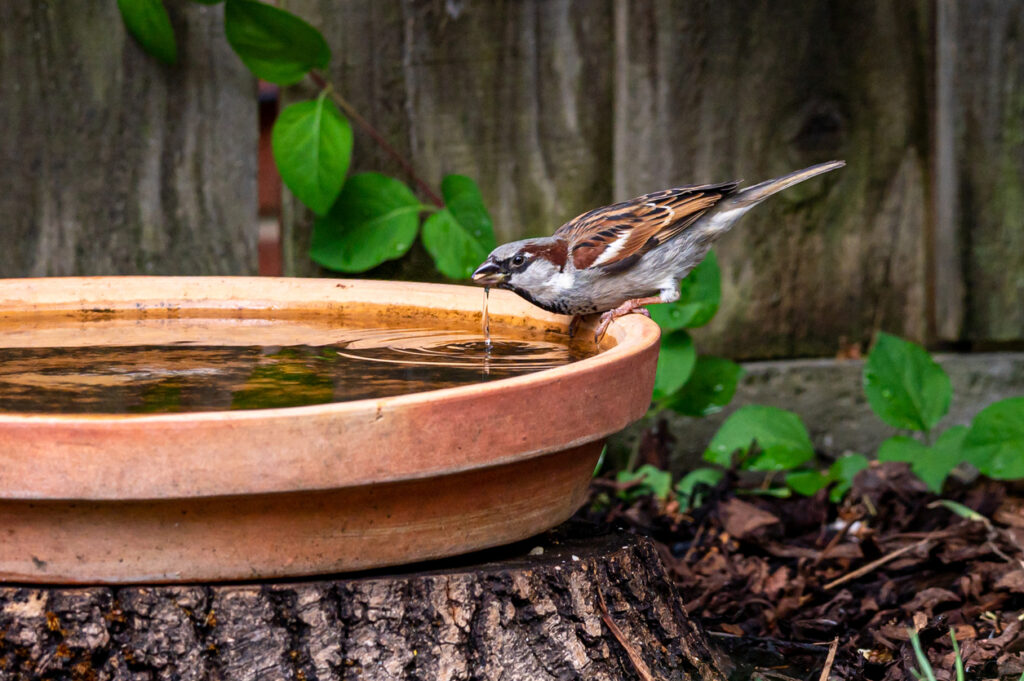
Recording that you saw nothing during your hour is actually valuable data that helps scientists understand where birds aren’t present. Empty gardens tell researchers something important about habitat quality or food availability in different areas. Don’t feel like your participation doesn’t count if birds don’t show up because absence is information too. You can submit results showing zero birds, and it contributes just as much as gardens teeming with wildlife.
Results can be submitted online or by post.
After your counting hour, you submit what you saw through the RSPB website or by posting a paper form if you prefer. The online system is quick and easy, letting you enter your counts for each species you spotted. Paper forms work for people who aren’t comfortable with technology or don’t have internet access. Both methods feed into the same database, so your contribution counts regardless of how you submit it.
The RSPB provides free guides and discounts to help you participate.
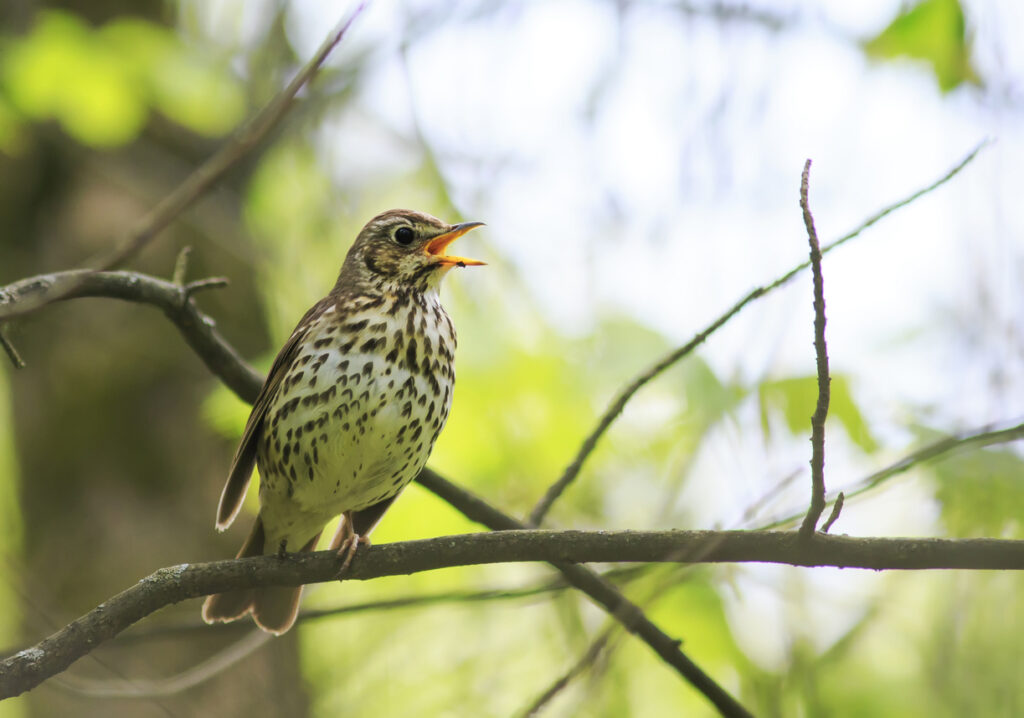
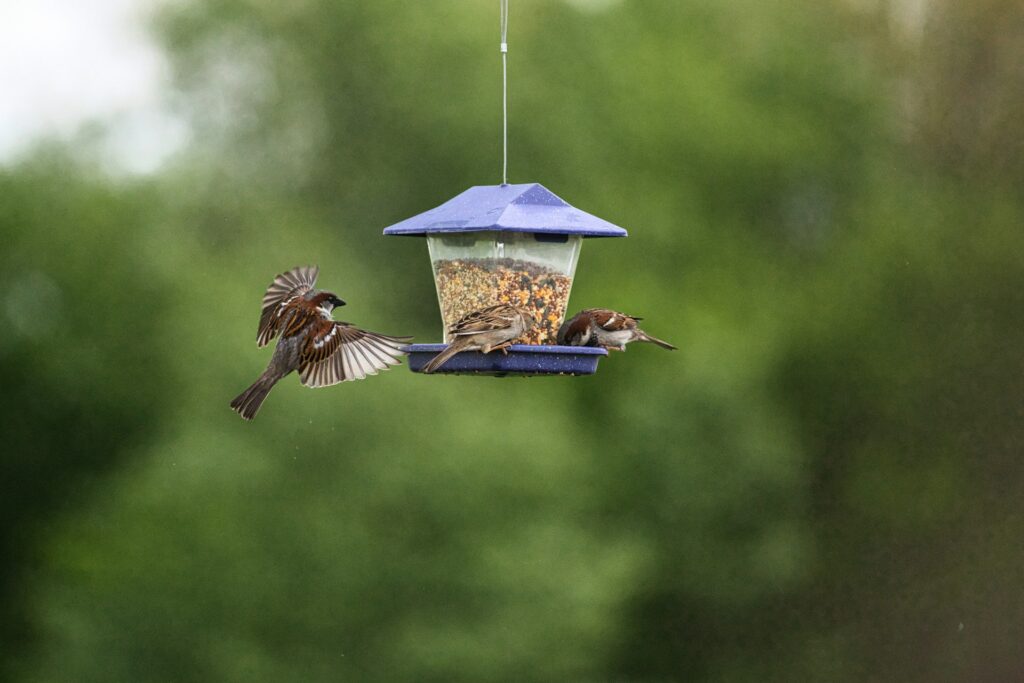
You can get a free guide that helps you identify common garden birds and explains how to take part properly. The RSPB shop offers 20% off bird food and feeders with free delivery to encourage people to attract more birds before the count. Setting up feeders in the weeks before the Birdwatch means you’ll likely see more species during your counting hour. The discounts make it cheaper to create a bird-friendly garden, even if you’re starting from scratch.
Every count helps track how garden birds are coping with environmental challenges.
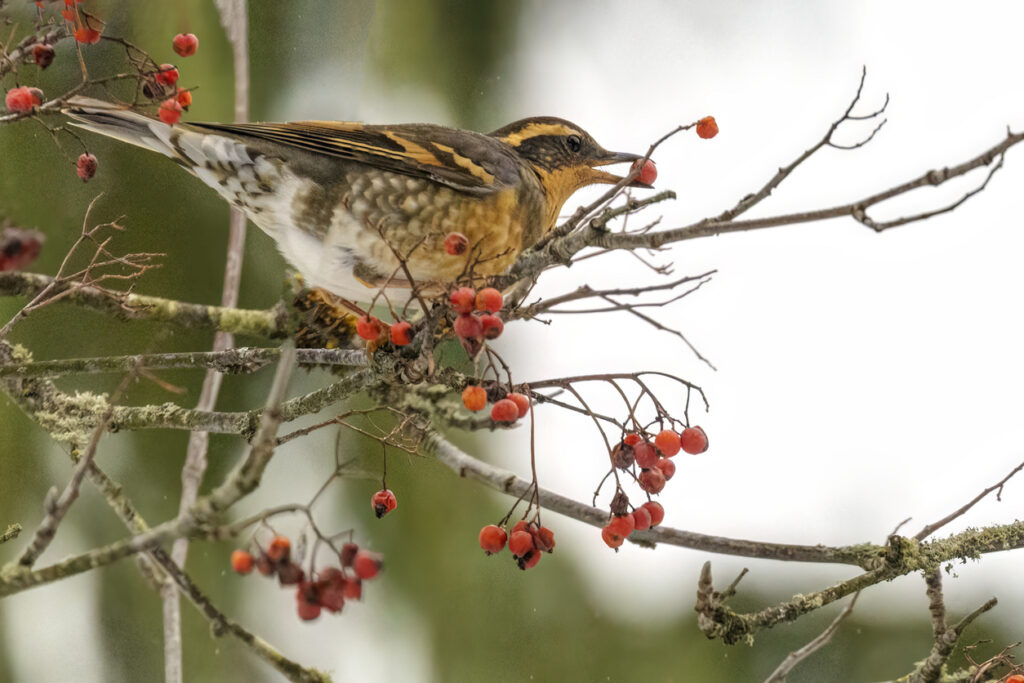
Birds face threats from habitat loss, climate change, pesticides, and food scarcity, and Birdwatch data helps scientists understand which species are struggling most. The survey’s been running since 1979, creating decades of data that show long-term population trends you can’t see year to year. Your one hour of counting contributes to understanding whether conservation efforts are working or if new problems are emerging. With bird populations declining so dramatically, this citizen science project provides crucial information that professional ornithologists couldn’t gather alone.