In the corner of many British gardens, often shoved next to the compost heap or tucked away in a patch of neglected soil, lives a plant that is practically immortal.
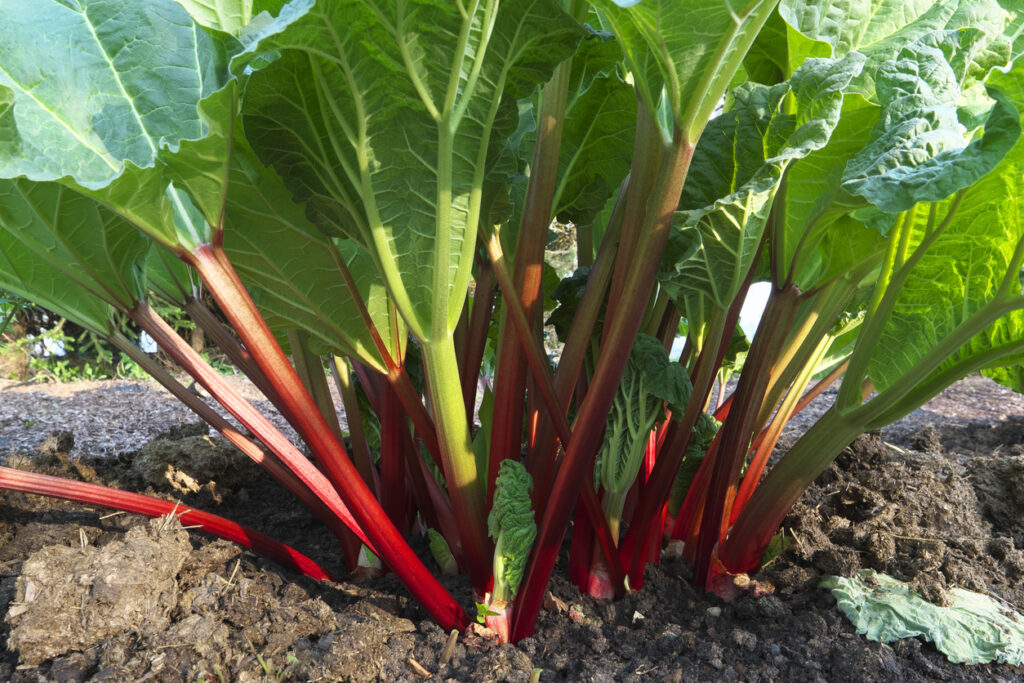
Rhubarb is the ultimate horticultural survivor, a Victorian staple that refuses to take the hint even when a garden has been abandoned for half a century. While other perennials require constant fussing and specific pH levels, rhubarb seems to thrive on a diet of total indifference and the occasional frost.
It’s one of the few crops that actually benefits from a harsh winter, and its ability to outlast the people who planted it is a testament to its rugged, prehistoric biology. If you want to know why it stays put for 30 or 40 years, you have to look at the sheer stubbornness of its root system and its strange, cold-weather requirements.
It absolutely loves cold winters.
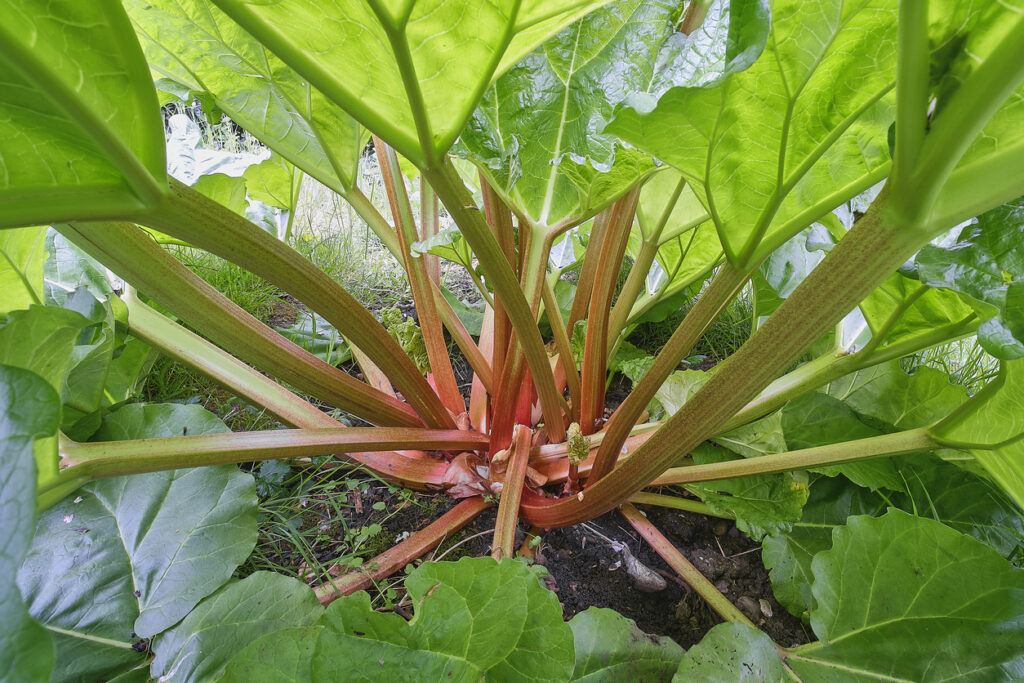
Rhubarb doesn’t just tolerate cold, it actually needs it to survive. The plant requires a proper dormancy period where temperatures drop below 4 °C in winter, which Britain provides reliably every year. This winter chill is essential because it triggers the plant to die back completely, storing energy in its massive root system underground. Come spring, that stored energy fuels explosive new growth. Plants can be hardy down to minus 10 °C, so British winters are basically perfect conditions. Without this cold period, rhubarb struggles and eventually fails.
British summers are cool enough to keep it happy.
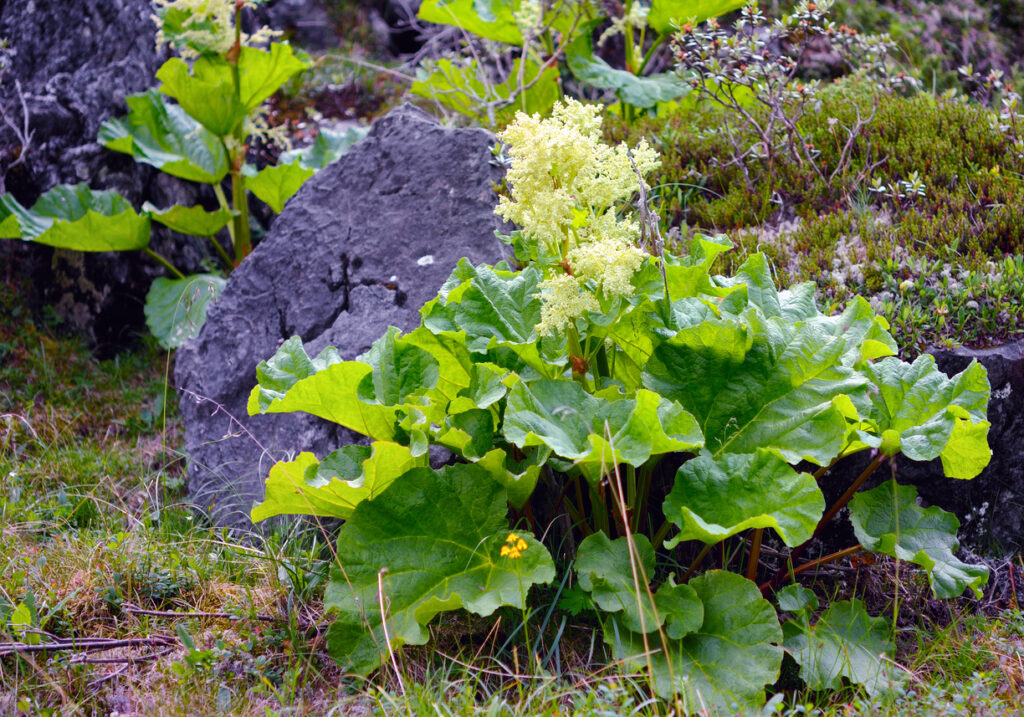
While rhubarb needs cold winters, it also prefers summers that don’t get too hot. It grows best when summer temperatures stay below 24 °C, which describes most British summers perfectly. In hotter climates, the plant gets stressed and stops producing well. Britain’s famously moderate summers mean rhubarb can keep growing vigorously without the heat stress that would weaken or kill it elsewhere. This is why you rarely see rhubarb thriving in warmer countries.
The plant develops an enormous root system.
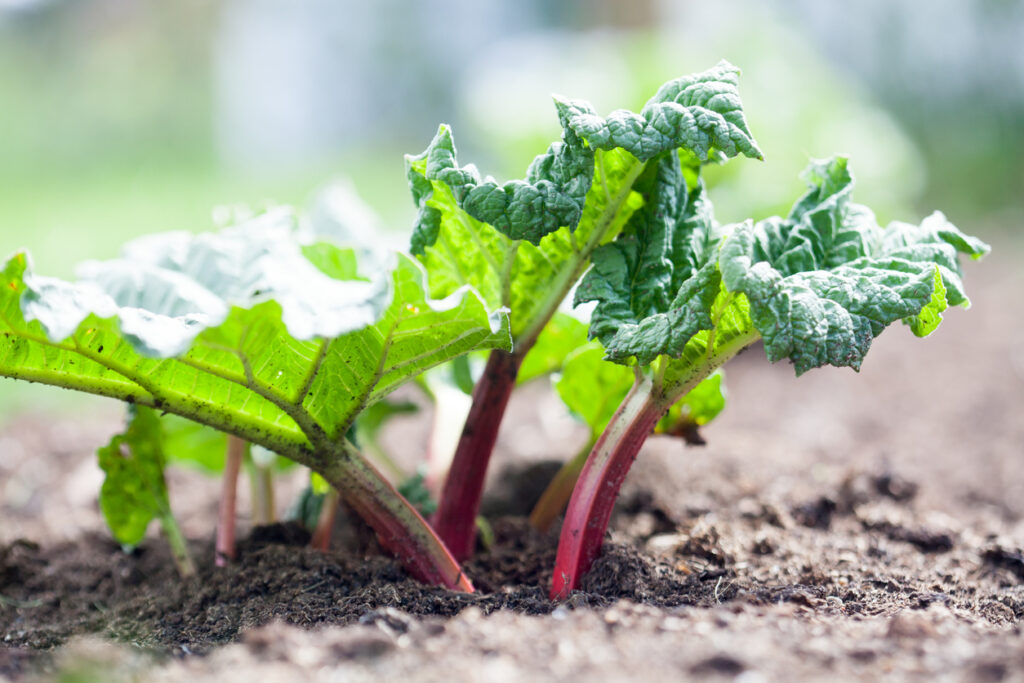
Rhubarb puts down roots that can reach 60 centimetres deep and 45 centimetres wide, creating a massive underground network. This extensive root system is why the plant can survive for decades, it’s got serious infrastructure down there storing nutrients and energy. Once established, those roots are mining minerals from deep in the soil and anchoring the plant so firmly that it becomes almost indestructible. The bigger and older the root system gets, the more productive the plant becomes.
It practically never gets pests or diseases.
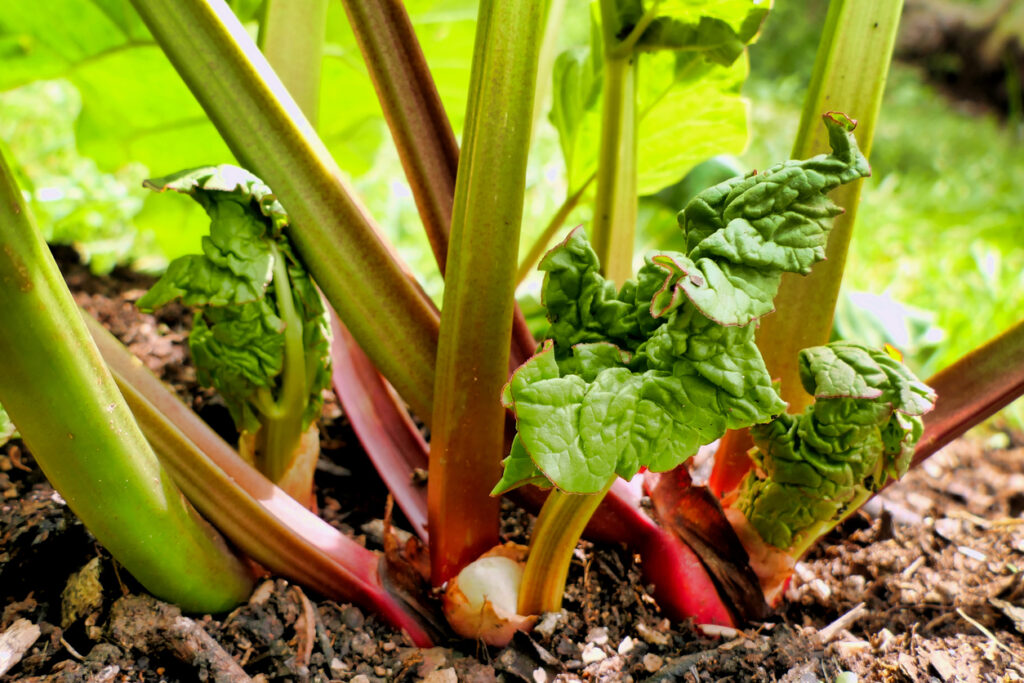
One of the best things about rhubarb is that it suffers from virtually no pest problems. The leaves are toxic due to high levels of oxalic acid, which means insects and animals leave it alone. There are no common diseases that plague rhubarb, either. You can plant it and basically forget about it without worrying about aphids, caterpillars, fungal infections, or any of the usual garden problems. This lack of pest pressure is a major reason why plants can keep going for so long without intervention.
The UK’s rainfall suits it perfectly.
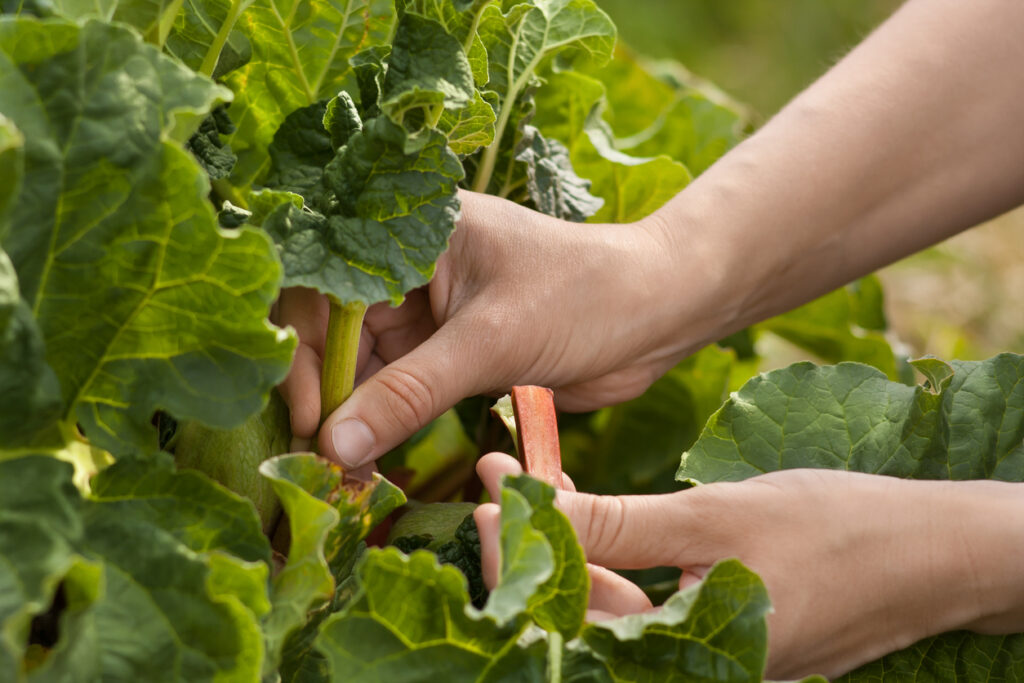
Rhubarb likes consistent moisture but hates waterlogged soil, and Britain’s rainfall pattern provides exactly that. The plant needs about an inch of water per week during the growing season, which British weather delivers naturally without gardeners having to do much watering. The regular but not excessive rainfall means the plant gets what it needs without sitting in soggy soil that would rot the crown. In drier climates, rhubarb requires constant watering to survive.
You literally can’t harvest it for the first year.
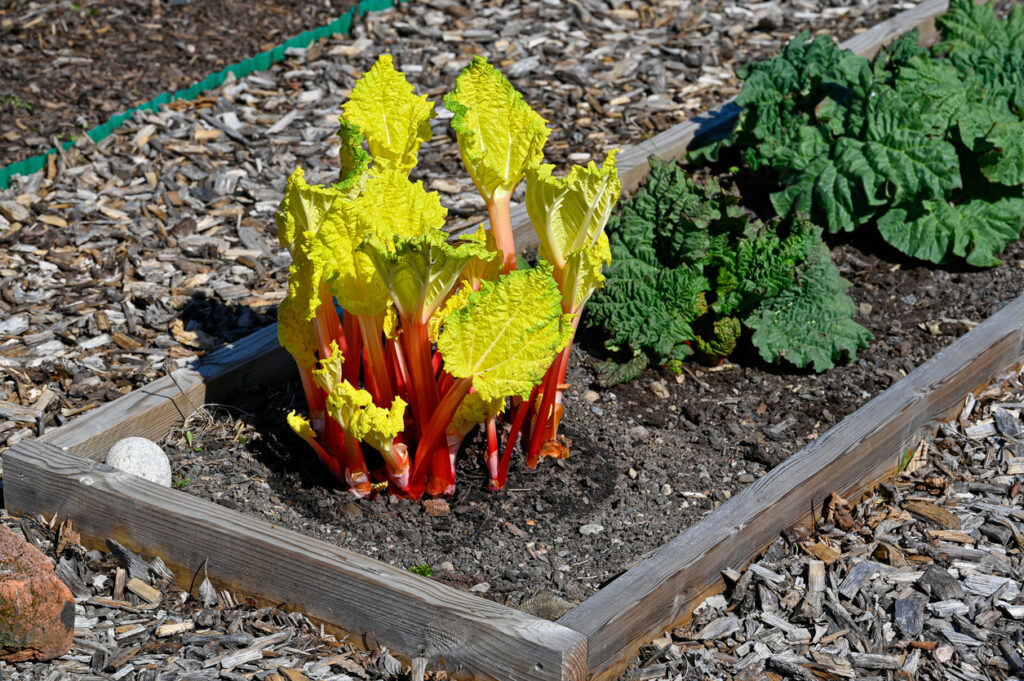
The reason rhubarb lives so long is partly because gardeners are forced to be patient with it. You’re supposed to resist harvesting any stalks in the first year, and only take a few in the second year, to let the root system get properly established. This delayed gratification means the plant builds up massive reserves before you start taking from it. Once that foundation is set, the plant can keep producing for decades because it’s got the root strength to support continuous harvesting.
It’s been specifically bred for British conditions.
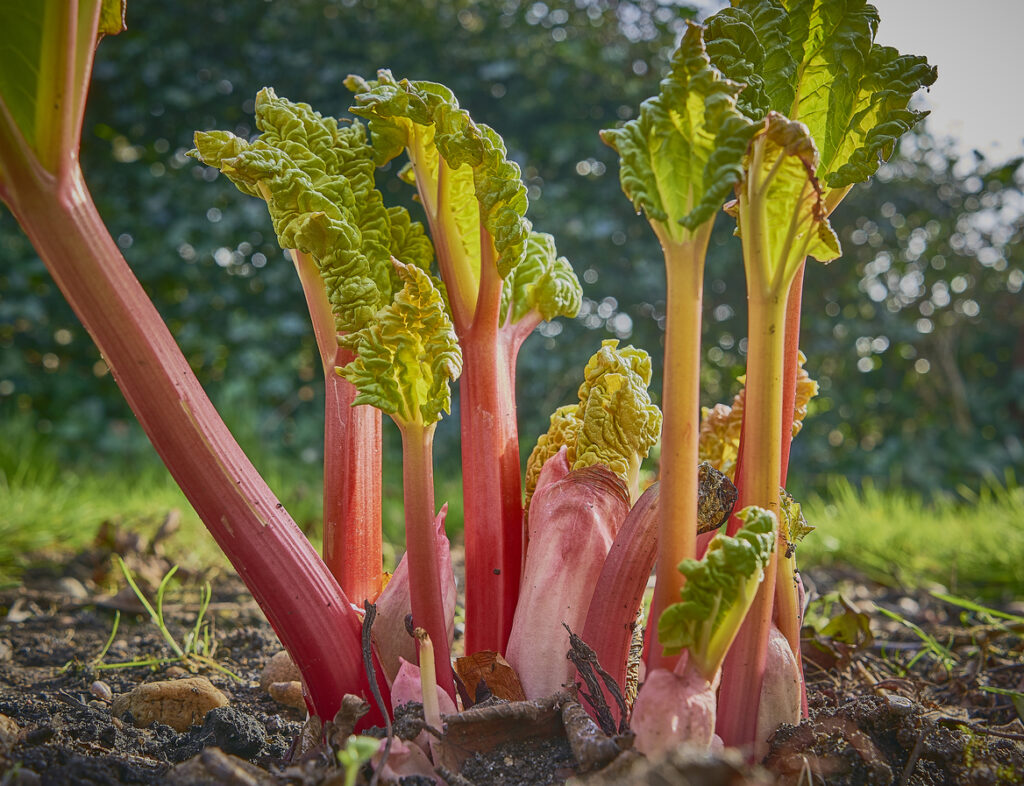
Many of the most popular rhubarb varieties were developed in Britain specifically for British gardens and climate. Varieties like Victoria, Timperley Early, and Hawke’s Champagne were all selected to thrive in cool, wet conditions. The Royal Horticultural Society has the UK’s national collection of 103 rhubarb varieties, and they recently moved it from southern England to a more northern location because the colder, wetter conditions up north are even better for rhubarb. These plants have been refined over generations to suit British gardens.
The crown stays protected underground all winter.
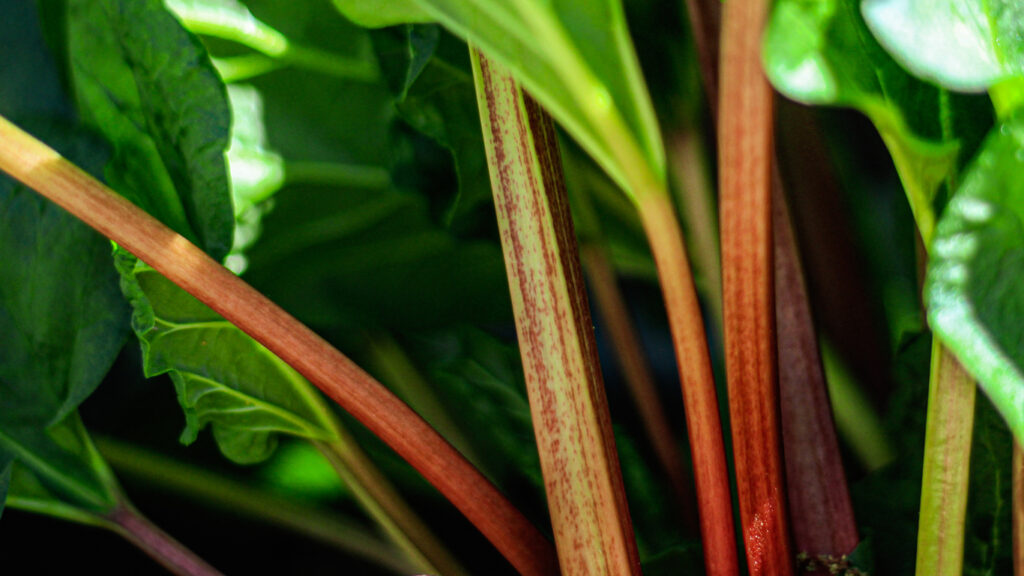
Unlike plants that have to survive winter above ground, rhubarb’s crown sits safely below the soil surface, where it’s insulated from the worst of the weather. Everything above ground dies back completely, but that crown is tucked away about 5 centimetres underground where frost can’t damage it. This protection means the plant can survive harsh winters without any risk to its vital parts. Come spring, fresh growth emerges from that protected crown year after year.
Dividing it actually makes it stronger.
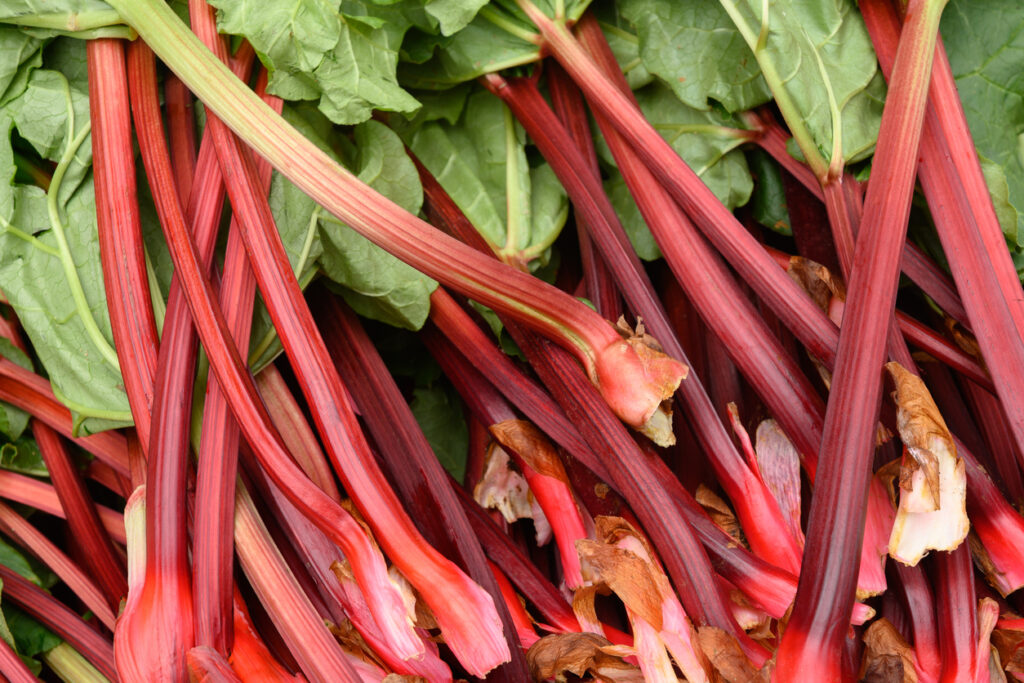
Every five to seven years, rhubarb crowns should be dug up and divided, and this process rejuvenates the plant rather than weakening it. When you split a mature crown, each division develops into a vigorous new plant, and the original location can be replanted with one of those divisions. This means you can literally keep rhubarb going indefinitely by dividing and replanting sections. Many gardeners have rhubarb that’s been passed down through generations this way, with pieces of the same original plant still producing decades later.
It requires almost zero maintenance once established.
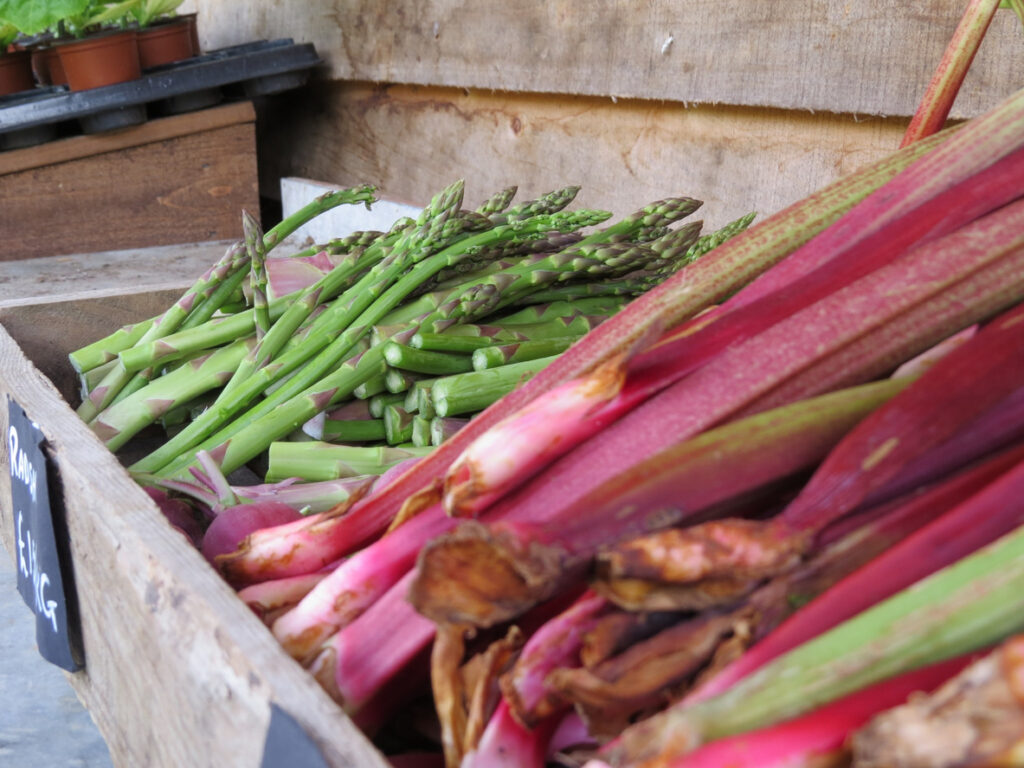
After the first couple of years, rhubarb basically takes care of itself. You don’t need to prune it, stake it, or fuss over it. Just pull off any flower stalks that appear to keep the plant’s energy focused on leaf production, and maybe add some compost or manure once a year. That’s it. This low-maintenance nature means the plant can keep going for decades even if you partially neglect it. Plants that require constant attention rarely last long, but rhubarb’s independence is key to its longevity.