If you spend enough time watching the birds in your garden, the family connection to dinosaurs starts to look less like a scientific theory and more like a warning.
While we tend to think of garden birds as delicate creatures that live on seeds and song, many of them are still carrying the cold, calculating instincts of their predatory ancestors. Beneath the feathers and the brightly coloured chests lies a set of traits, from hooked beaks to a terrifying level of strategic aggression, that prove the raptor lineage never really went away.
Whether it is a songbird that impales its prey on thorns or a gull that can swallow a rabbit whole, these 12 species serve as a daily reminder that the age of the predator is still very much alive in our backyards.
1. Shrikes
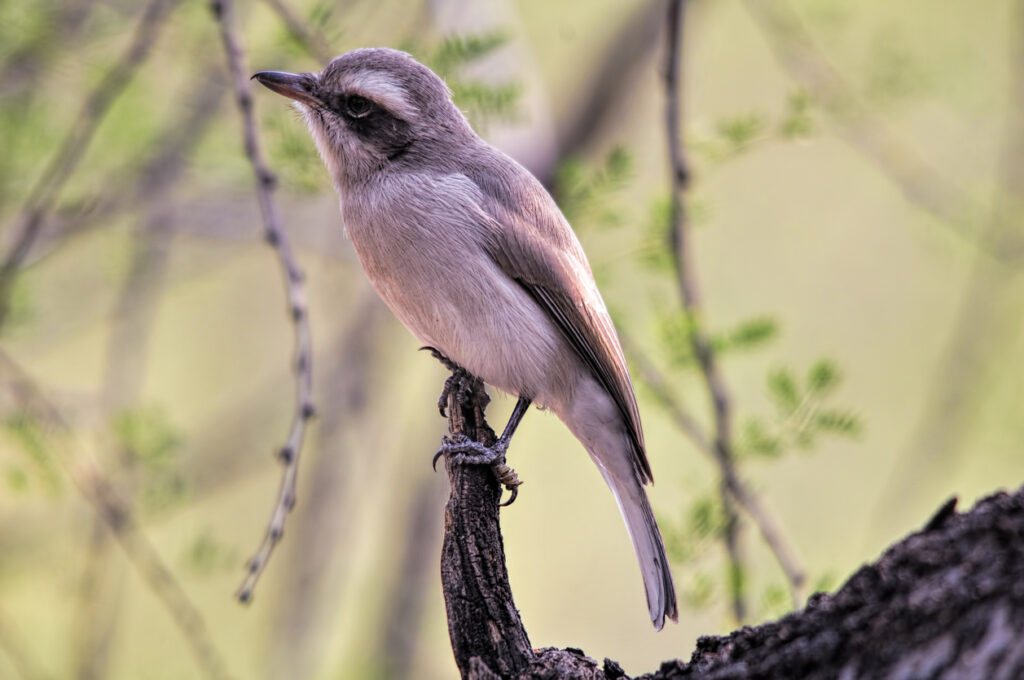
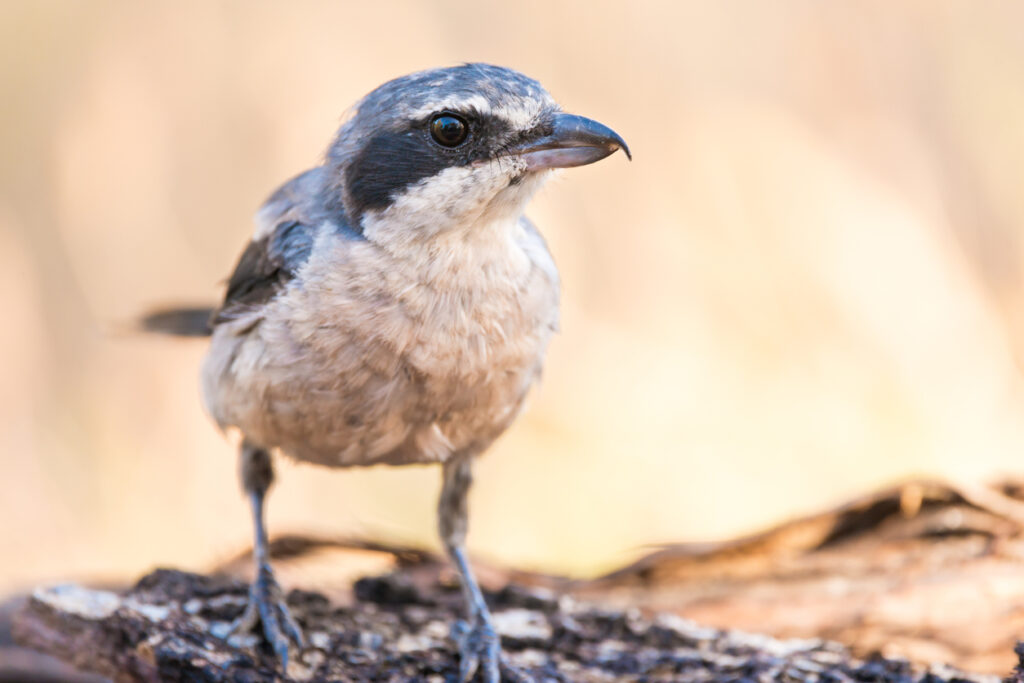
Shrikes look harmless at first glance. Small, neat, often perched politely on a fence or bush, they resemble ordinary songbirds you might ignore completely. Then you notice the prey. Lizards, mice, insects, even other birds, skewered on thorns or barbed wire like a warning sign. Shrikes lack strong talons, so impaling prey helps them tear it apart efficiently. It also acts as food storage and territory marking. The planning involved, choosing sharp objects and returning to them later, feels disturbingly calculated for such a small bird.
2. Secretary birds
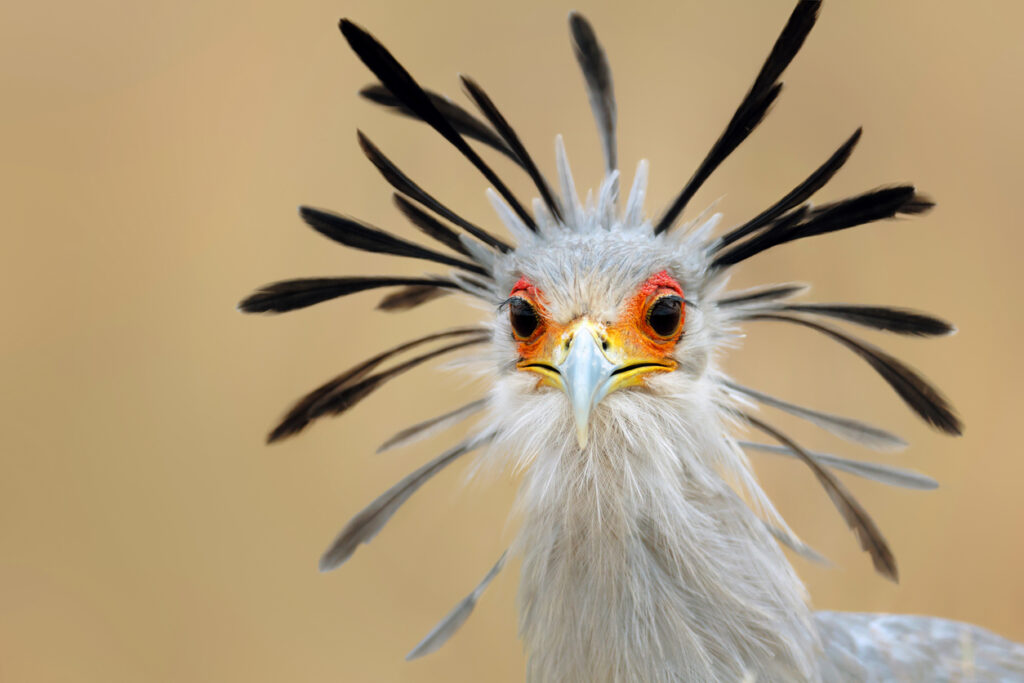
Secretary birds hunt in a way that feels almost unreal. Instead of diving from the air, they walk through grasslands on long legs, scanning the ground like prehistoric sentinels. When they find a snake or small mammal, they don’t hesitate. The kill comes through repeated, forceful stomps aimed with terrifying accuracy. Their legs can strike with enough power to crush skulls or snap spines. Watching one hunt feels less like observing a bird and more like watching an ancient predator that just happens to have feathers.
3. Peregrine falcons
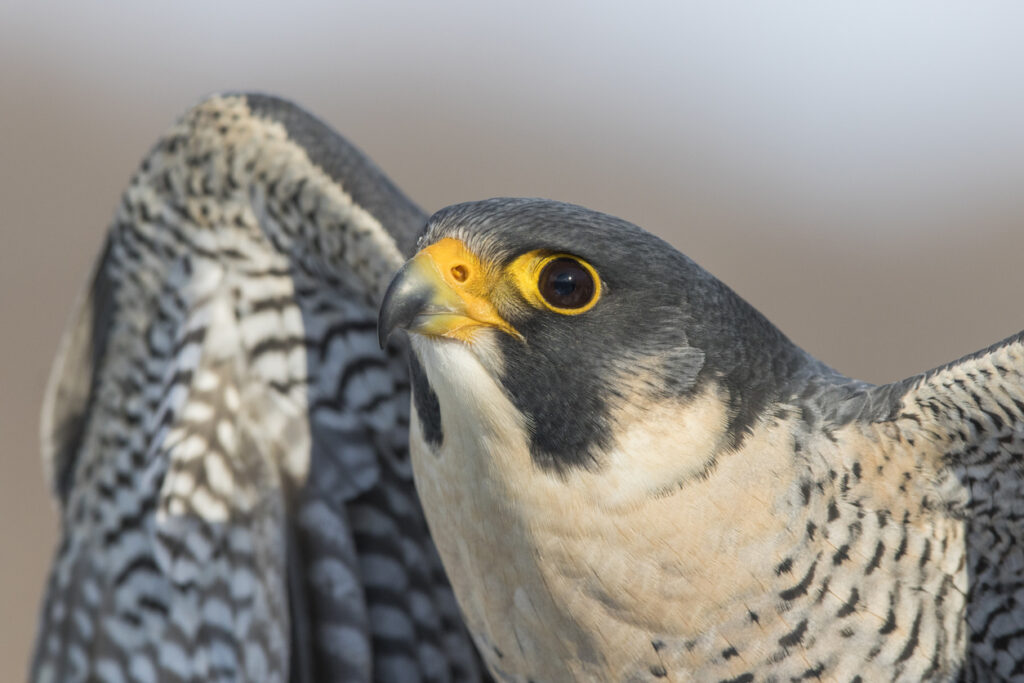
Peregrine falcons don’t chase prey in the usual sense. They climb high into the sky, lock onto a target, then drop like a missile. The speed is so extreme that the strike alone can kill on impact. This hunting method relies on precision rather than struggle. The falcon doesn’t wrestle or pursue for long. It hits once, hard, and it’s over. That single-decision lethality is classic raptor behaviour, refined rather than softened by evolution.
4. Hawks
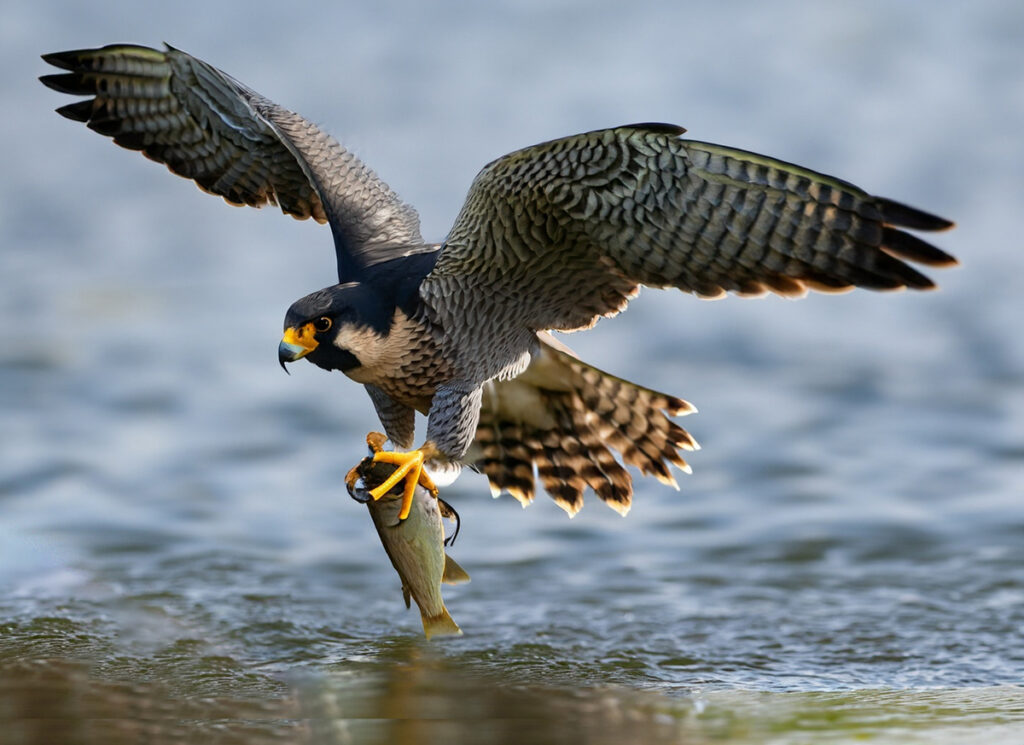
Hawks hunt with patience and explosive force. They perch silently, watching for movement, waiting for the perfect moment. When they move, it’s sudden and decisive. Their talons are built to grip and crush, not just hold. Once prey is caught, escape is almost impossible. The way hawks pin animals down and tear them apart feels closer to a land predator than a modern bird stereotype.
5. Eagles
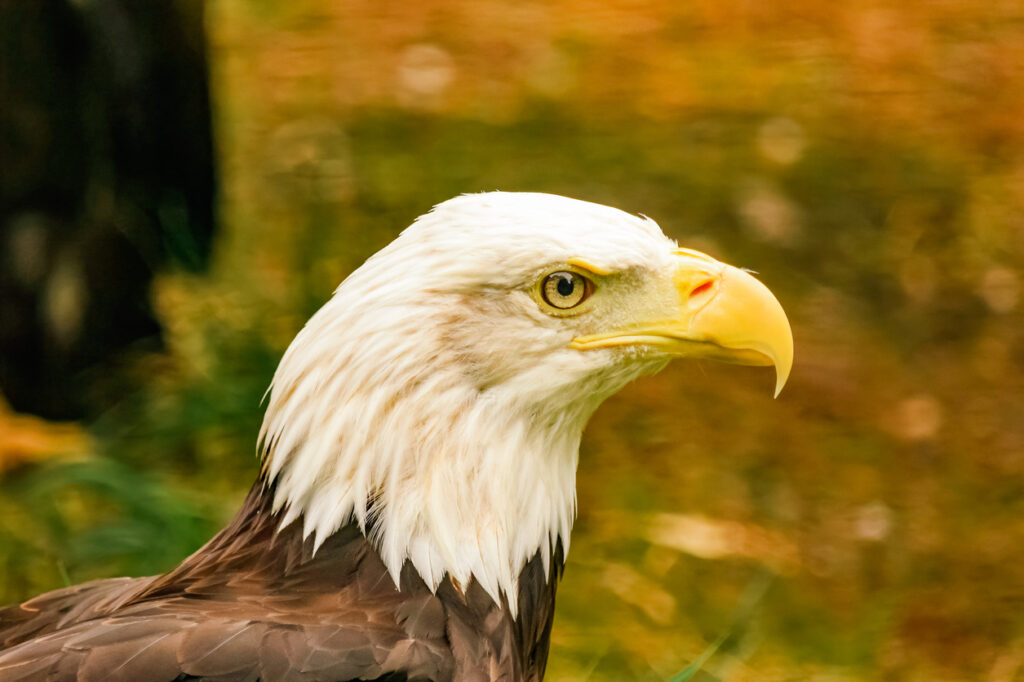
Eagles operate at the top of the food chain. Their size, strength, and confidence set them apart from most other birds. Some species regularly hunt prey larger than themselves, including young deer, goats, and seals. They don’t rely on speed alone but on overwhelming force. Talons dig deep, wings brace, and the prey is subdued through sheer dominance. There’s nothing subtle about it, and nothing gentle either.
6. Herons
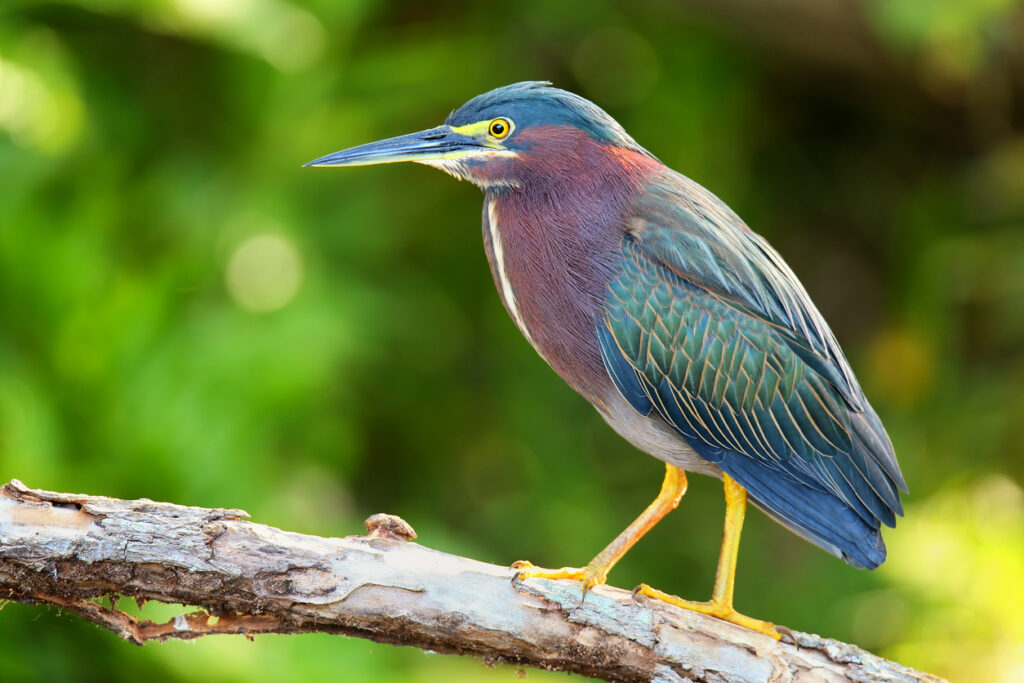
Herons often get described as calm, elegant, and patient, and that’s true right up until the moment they strike. Their necks are coiled like springs, ready to unleash incredible speed. When prey moves, the neck snaps forward and the beak pierces or clamps shut instantly. Fish, frogs, rodents, and even small birds are taken this way. It’s efficient, surgical, and surprisingly brutal when seen up close.
7. Roadrunners
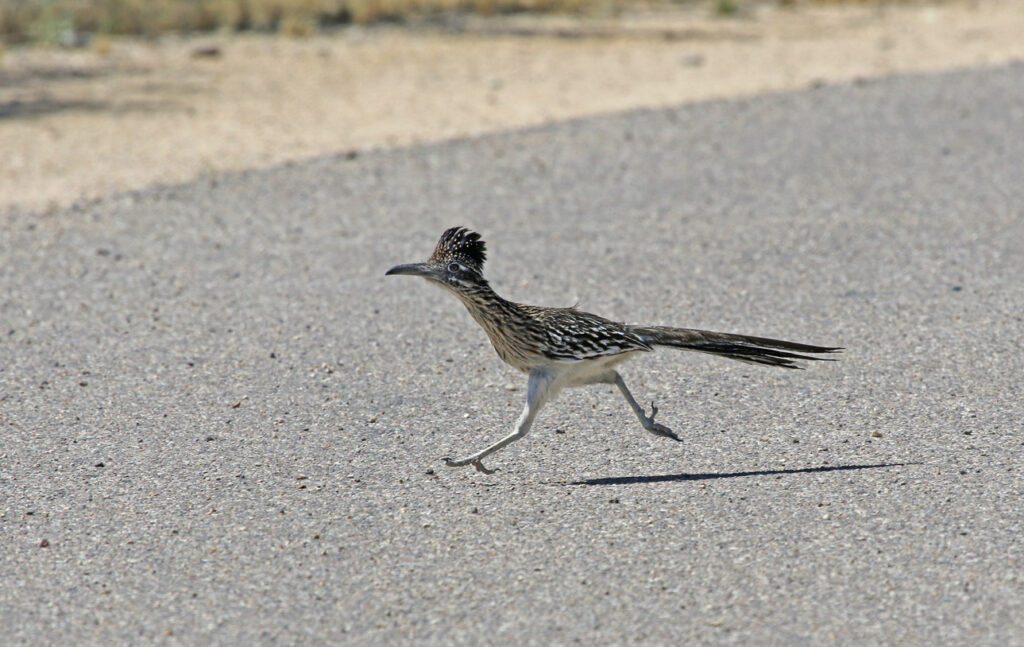
Roadrunners are ground hunters that rely on speed rather than flight. They sprint after lizards, snakes, insects, and rodents, often outpacing prey that assumes flight is the main threat. Once caught, roadrunners kill by smashing prey against rocks or hard ground. This repeated impact method is raw and physical, showing a predator mindset that hasn’t been softened by cartoon portrayals.
8. Owls
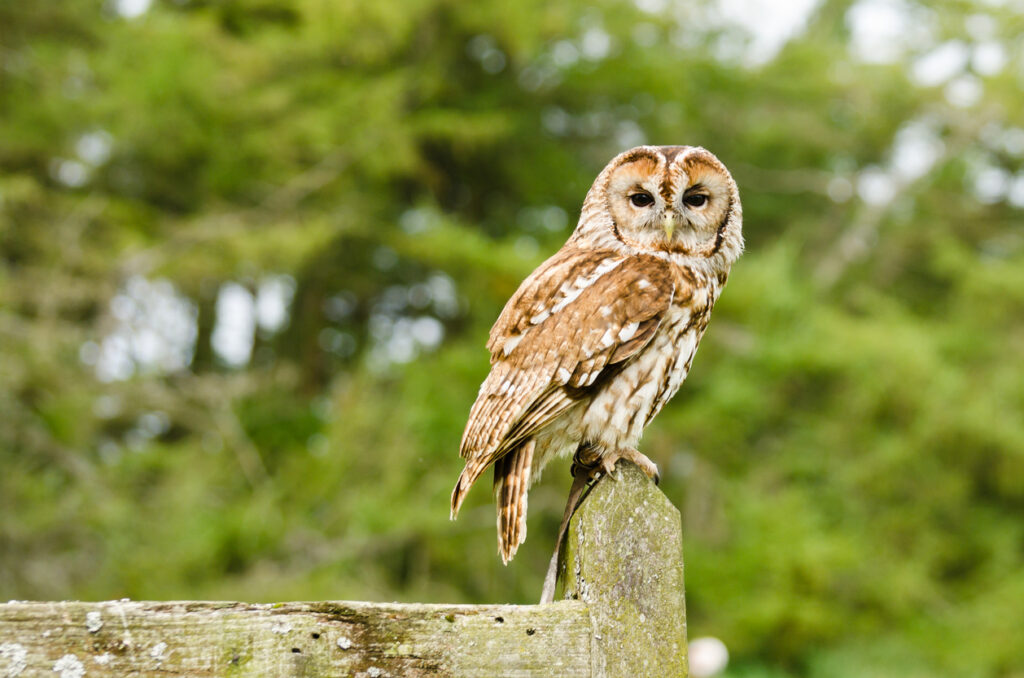
Owls are silent killers, literally. Their feathers are shaped to muffle sound, allowing them to approach prey without being heard. Many animals never realise they’re being hunted until it’s too late. Owls often swallow prey whole, digesting flesh and later regurgitating pellets made of bones and fur. Those pellets are evidence of just how many kills happen unseen while humans sleep.
9. Kingfishers
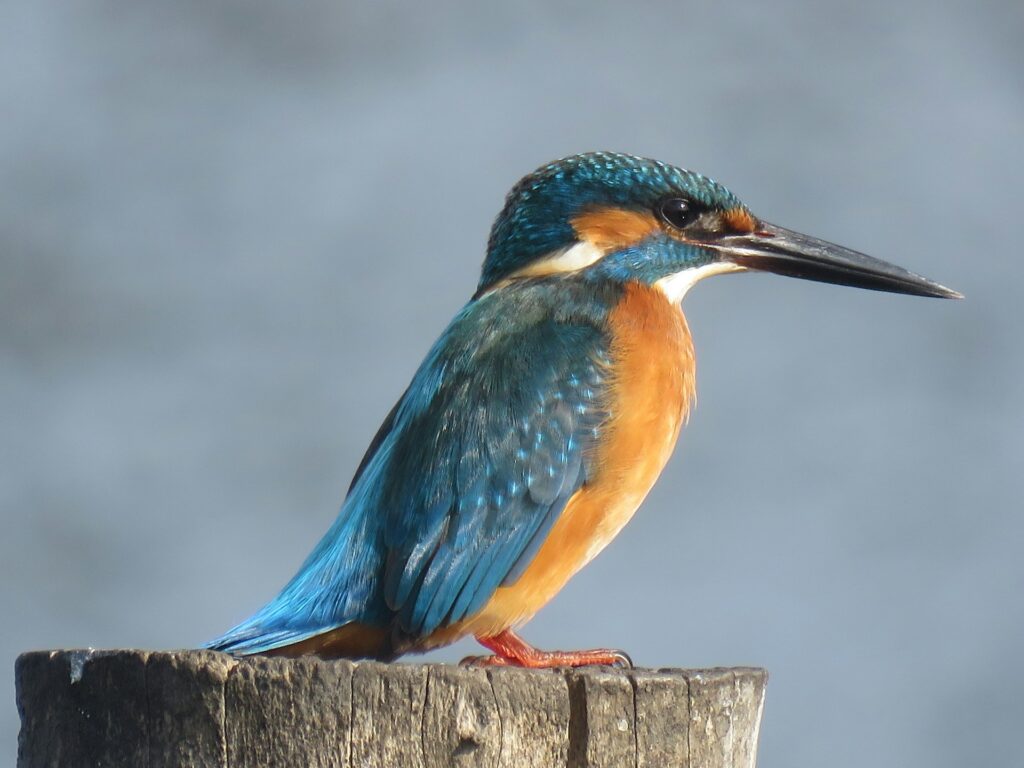
Kingfishers don’t fish casually. They hover, calculate, then dive headfirst into water with remarkable accuracy. Refraction, movement, and current don’t seem to confuse them. Once a fish is caught, the bird beats it against a branch to stun or kill it before swallowing. It’s a controlled, practiced sequence that shows clear predator intelligence rather than instinct alone.
10. Cassowaries
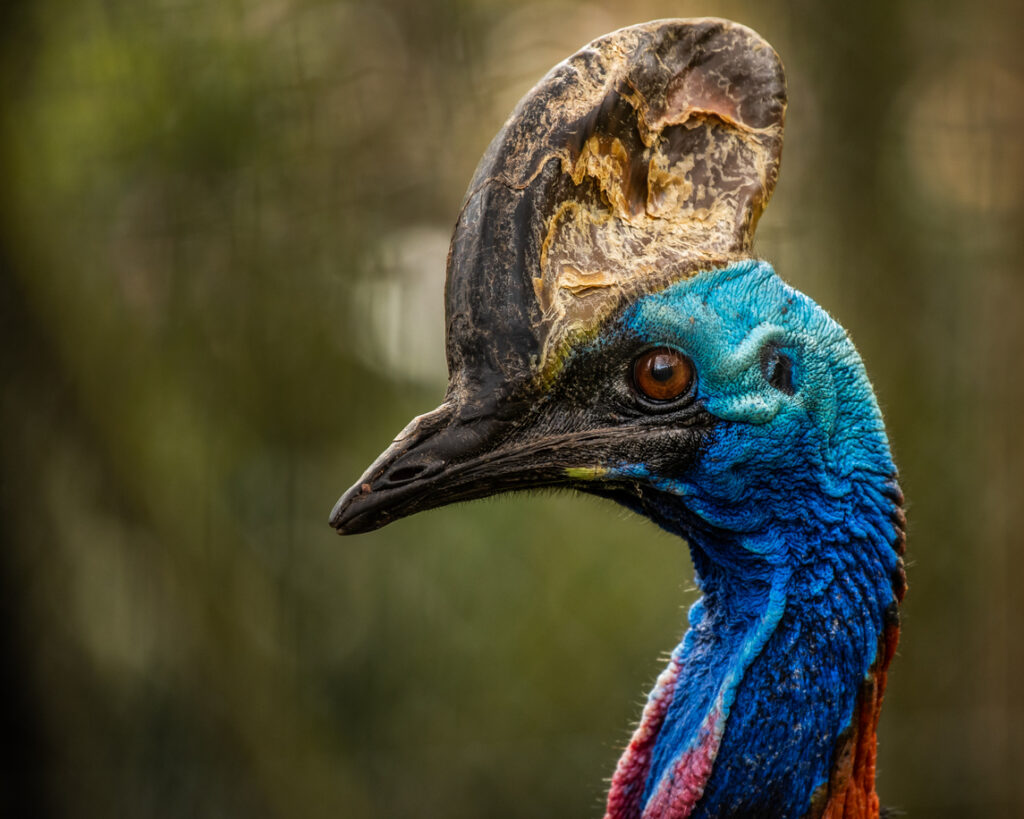
Cassowaries look like something from another era, and in many ways they are. They’re large, powerful, and equipped with dagger-like claws on each foot. These birds can deliver kicks strong enough to seriously injure or kill humans and animals alike. Their aggression is defensive but extreme, making them one of the clearest examples of a modern dinosaur walking the Earth.
11. Seriemas
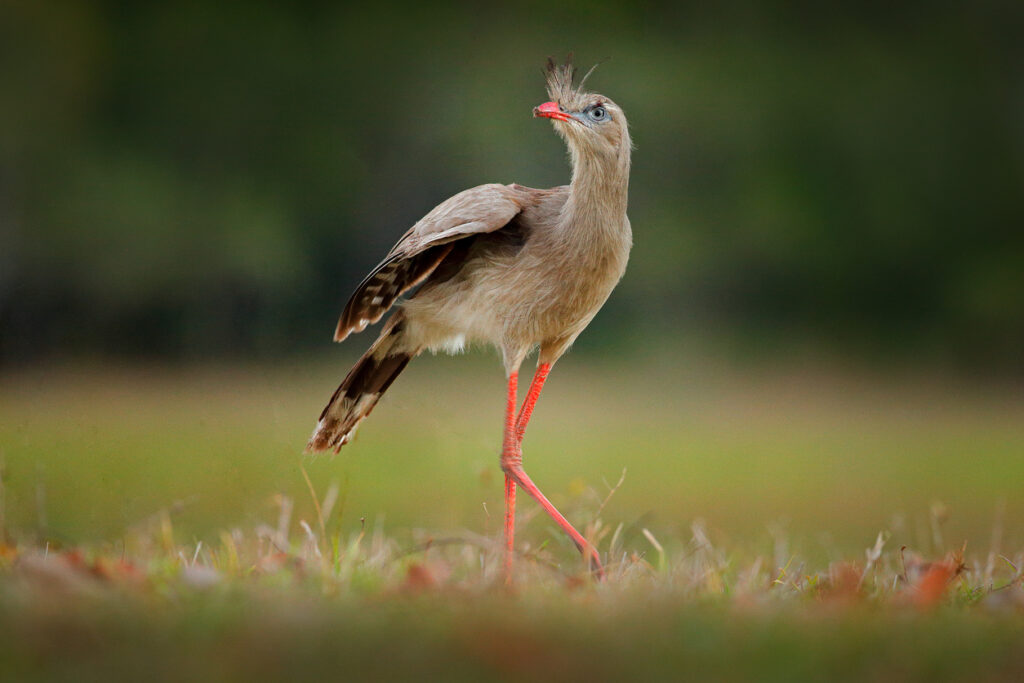
Seriemas hunt on foot, targeting snakes and small animals. When they catch prey, they don’t kill quickly. Instead, they repeatedly smash it against rocks or hard ground until it’s dead. The behaviour is repetitive, efficient, and unsettlingly deliberate, showing a predatory pattern that feels deeply ancient.
12. Caracaras
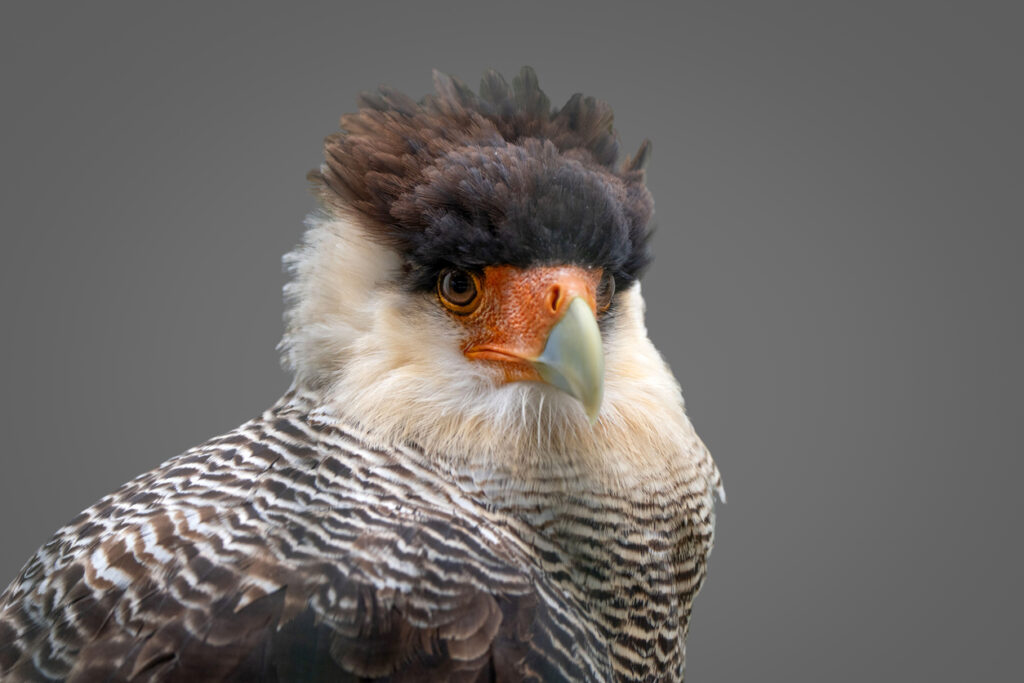
Caracaras are clever, bold, and opportunistic. They hunt, scavenge, steal, and even work together to harass larger predators into giving up food. That mix of intelligence and aggression makes them especially raptor-like. They don’t just rely on strength or speed, but on strategy, adaptability, and confidence.
Birds may sing, flutter, and decorate our gardens, but some of them are still running on very old code. Strip away the feathers, and you’re left with predators shaped by the same rules that once governed dinosaurs. The raptor never really left.