It is a bit of a mystery to look at the Sahara today, with all that endless sand and scorching heat, and realise it was once a lush, green landscape filled with lakes, hippos, and ancient forests.

This wasn’t just a few patches of grass; we’re talking about a massive African humid period that turned the world’s largest hot desert into a savannah. The whole thing was driven by a slight wobble in the Earth’s orbit that changed where the sunlight hit, amping up the monsoon rains and pulling moisture deep into the continent. It proves that the Sahara isn’t a permanent fixture but a place that breathes and changes depending on the planet’s tilt.
The idea that it could turn green again isn’t just a bit of sci-fi dreaming, either. While the orbital cycle takes thousands of years to swing back around, some scientists think that the way we’re pumping greenhouse gases into the air might actually kick-start the process early. More heat means the air can hold more moisture, which could potentially pull those monsoons northwards again. Of course, it is a massive gamble, as changing the climate of a third of a continent would have huge knock-on effects for the rest of the world. Still, the history of the Sahara shows that nature is far more flexible than it looks, and what is a desert today could easily be a forest tomorrow.
The Earth wobbles as it spins around the sun.

Our planet doesn’t stay at a fixed angle as it circles the sun, and these wobbles happen over roughly 20,000-year cycles. When the angle shifts, it changes how much sunlight different parts of the world receive during summer and winter, which dramatically affects rainfall.
Around 10,000 years ago, North Africa was angled in a way that brought far more rain to what’s now the Sahara. The same wobble that turned the region green also eventually reversed it, gradually reducing rainfall over thousands of years. These natural cycles continue today, meaning the conditions that created a green Sahara will eventually return.
Rock paintings prove people lived there.
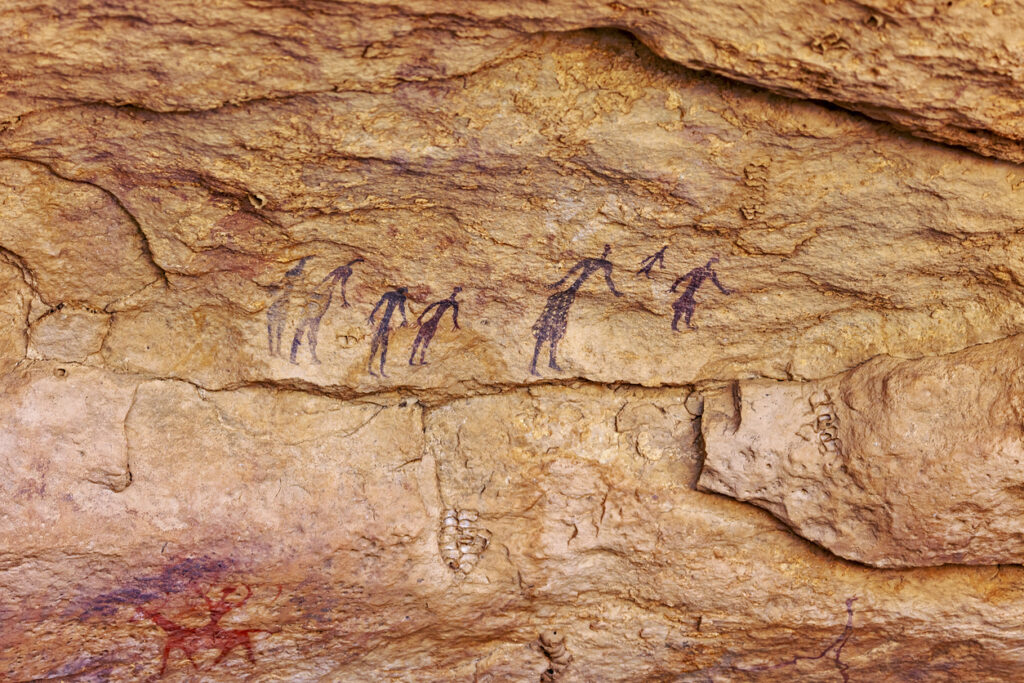
Cave paintings throughout the Sahara show giraffes, elephants, crocodiles, and people swimming and fishing, creating undeniable proof of a very different landscape. These aren’t scattered isolated images but thousands of detailed artworks across multiple countries that now experience extreme desert conditions.
The artists painted hunting scenes with animals that need substantial water and vegetation to survive. Some paintings show boats and fishing, suggesting significant lakes and rivers existed where there’s now only sand. Archaeological digs reveal settlements, tools, and pottery that wouldn’t have been possible in a desert environment.
Lake Chad used to be absolutely massive.
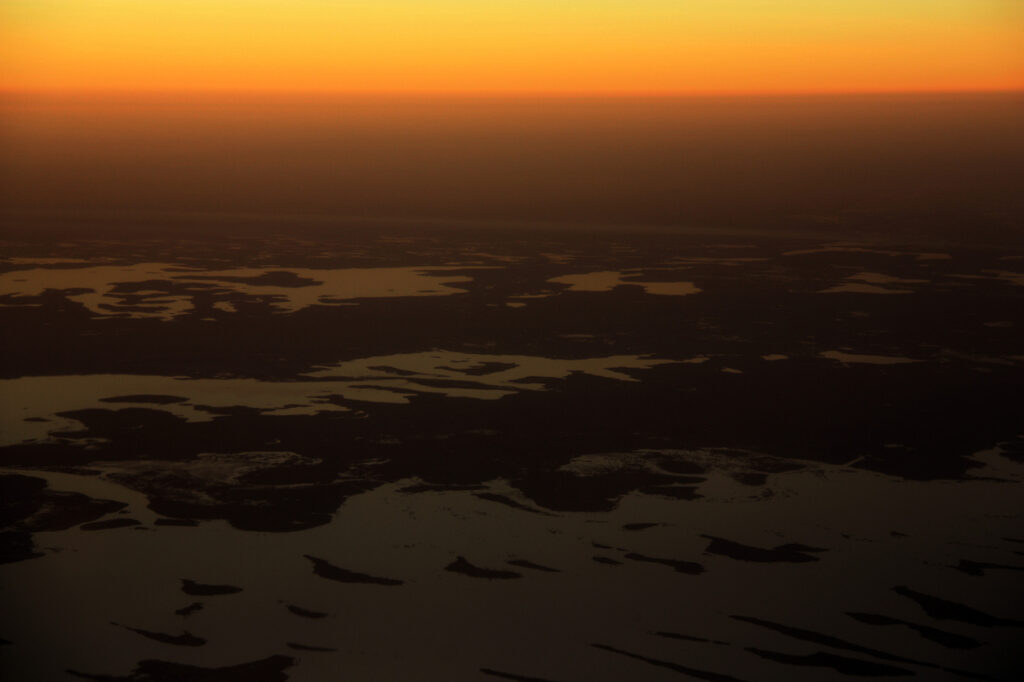
Today’s Lake Chad is tiny compared to its former size, but during the green period, it covered an area larger than the Caspian Sea. Ancient shorelines visible from space show just how enormous this lake once was, stretching across multiple modern countries.
The lake supported fishing communities and attracted wildlife from across the region, acting as a major water source that kept the broader area alive. As rainfall decreased, the lake gradually shrank to a fraction of its size. The disappearance of this massive water body sped up the spread of desert across the entire region.
Ocean floor samples tell us when it was green.
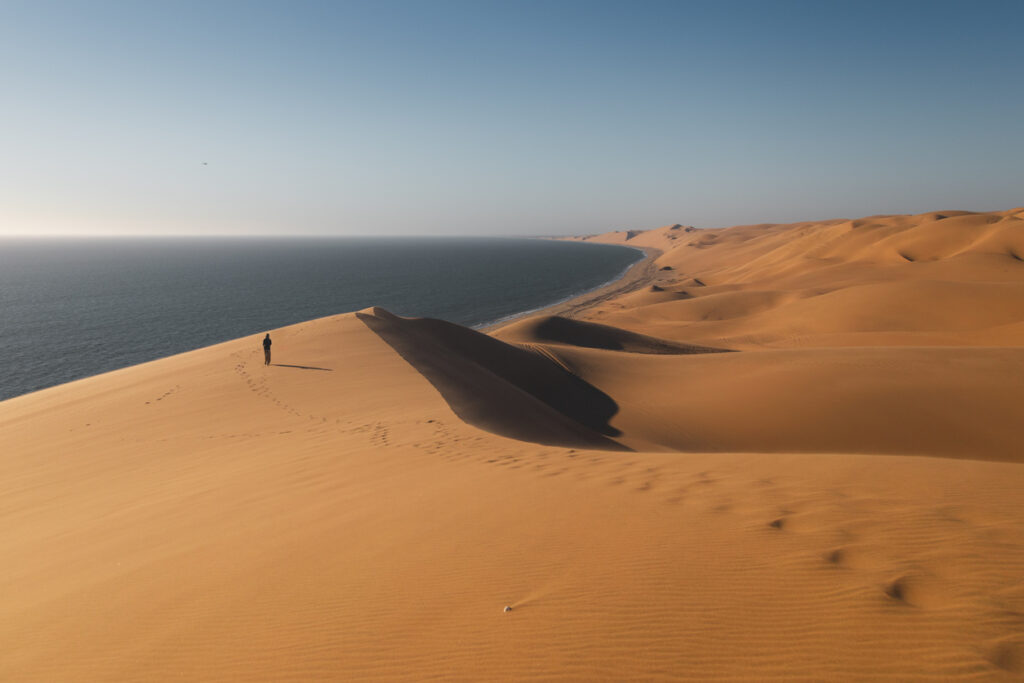
Scientists drilling into the Atlantic Ocean floor found layers that reveal when the Sahara was green versus when it was desert. During green periods, less dust blew into the ocean because plants held the soil in place, while desert periods show thick layers of wind-blown sand.
These samples go back hundreds of thousands of years and show the pattern has repeated multiple times. Each cycle shows a relatively quick change from desert to green, then a much slower return to desert conditions. The most recent green Sahara ended only about 5,000 years ago, which is remarkably recent.
Rainy seasons used to reach much further north.
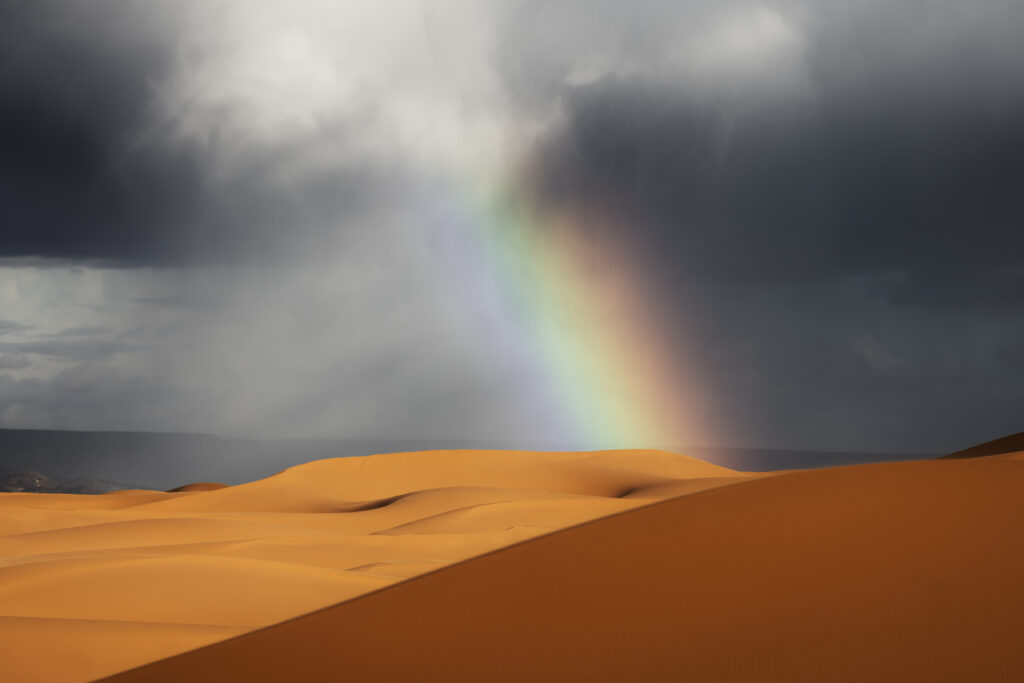
The seasonal rains that currently bring water to sub-Saharan Africa extended much further north when conditions were right. This shift meant consistent rainfall reached areas that now receive almost nothing. The increased sunlight during summer heated the land more intensely, which pulled moisture inland from the ocean.
These rains were reliable enough to support permanent rivers and lakes that created stable ecosystems. The gradual retreat of these rains southward as Earth’s wobble changed explains why desertification happened relatively quickly once it started.
Plants create their own rain through a natural cycle.
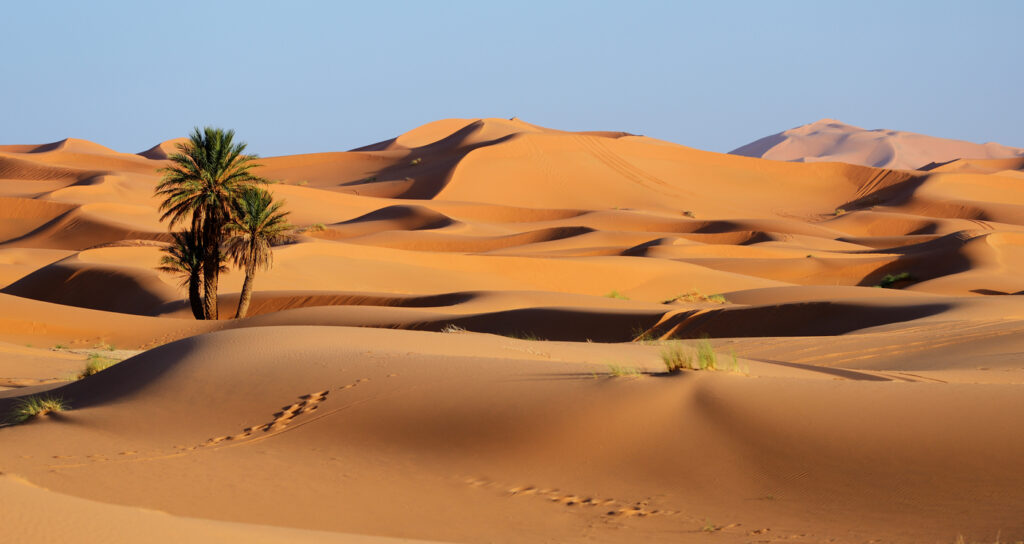
Once plants covered the Sahara, they released moisture back into the air, which generated additional local rainfall. This cycle meant the region stayed wetter than it would have otherwise. The plants also darkened the ground, which absorbed more heat and pulled in even more rain.
As the climate began drying, plants died off and the cycle reversed, speeding up desertification beyond what would happen from reduced rainfall alone. The tipping point came when plant cover fell below a critical level where the cycle could no longer keep itself going.
Underground water still exists from that period.
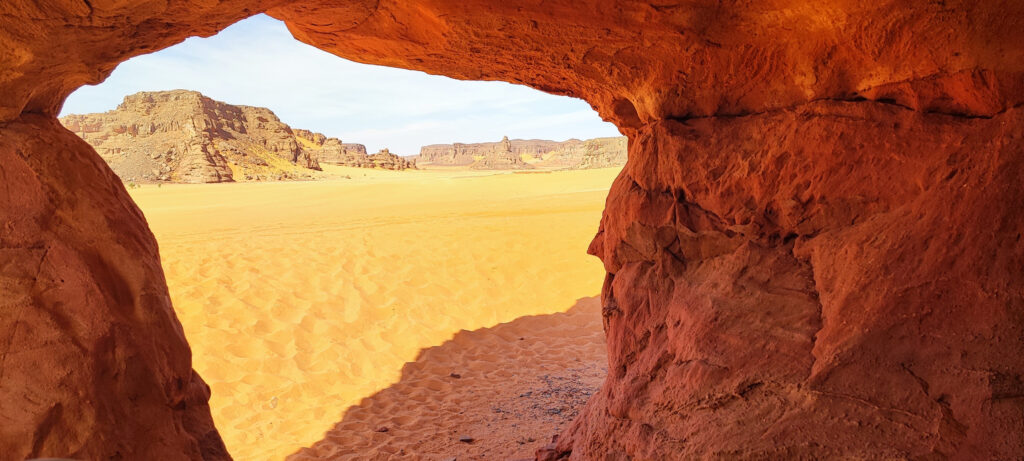
Massive reserves beneath the Sahara contain ancient water that soaked underground during the green period thousands of years ago. These underground supplies represent enormous quantities of water that haven’t been topped up since the region dried out.
Satellite imaging has revealed ancient river systems buried beneath sand dunes, showing where water once flowed across the landscape. Some of this groundwater is being pumped now for farming, but it’s not refilling under current conditions. The existence of these reserves proves just how dramatically different the region’s water situation once was.
The change to desert happened surprisingly fast.
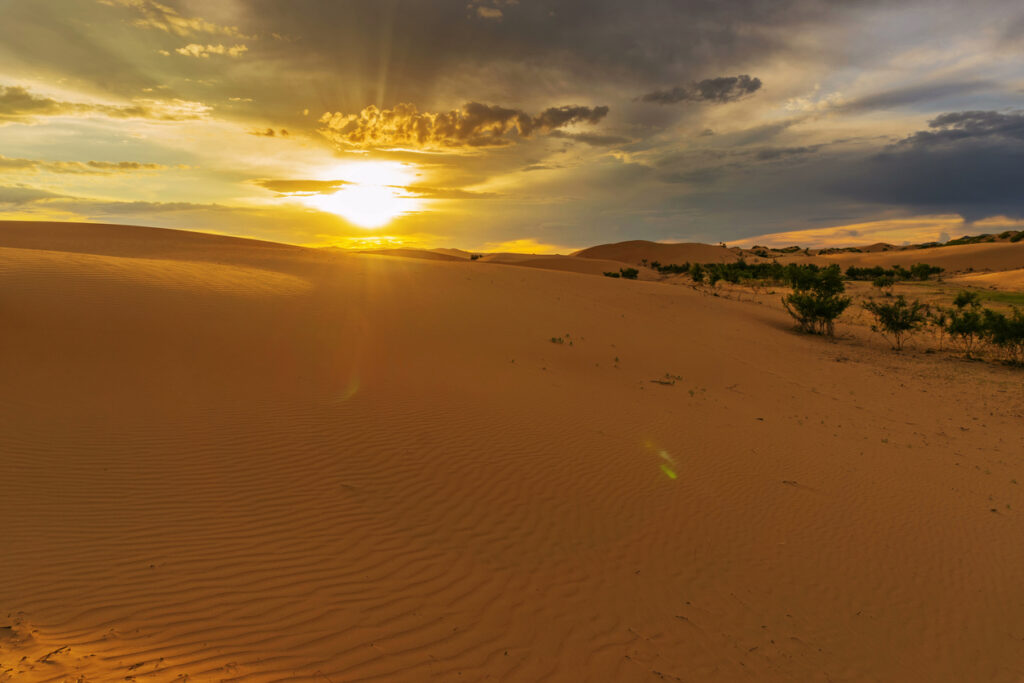
The shift from lush savannah to desert didn’t take tens of thousands of years but rather centuries in some areas. This rapid change suggests certain breaking points in climate where gradual changes suddenly accelerate. Archaeological evidence shows human settlements abandoned quickly as water sources dried up and vegetation disappeared.
The speed of the transformation meant plants and animals couldn’t adapt gradually, and species either moved or went extinct. This pattern of abrupt climate shifts raises concerns about how quickly current changes might tip into irreversible states.
Humans might have made it worse.
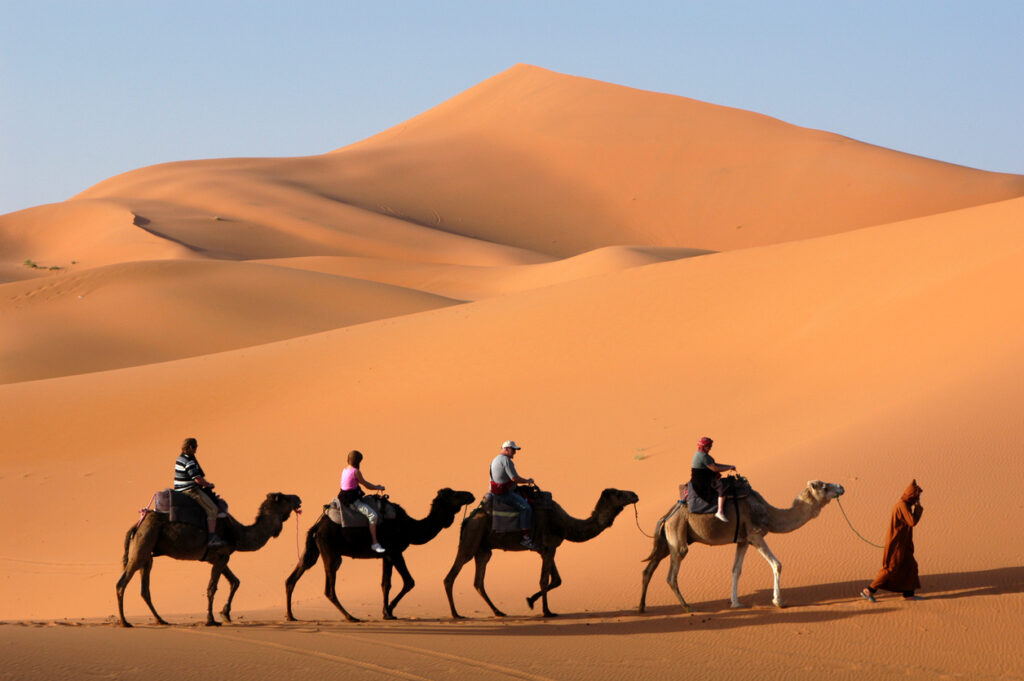
The arrival of people with livestock may have pushed a drying climate past the point of recovery by overgrazing plants that were already struggling. As natural rainfall decreased, human populations crowded around remaining water sources, putting intense pressure on those areas.
Goats and cattle stripped vegetation faster than it could grow back in the increasingly dry conditions. Some researchers argue humans turned what might have been a temporary dry spell into permanent desert. The debate continues, but there’s growing evidence that human land use made natural climate trends worse.
It could turn green again in the distant future.
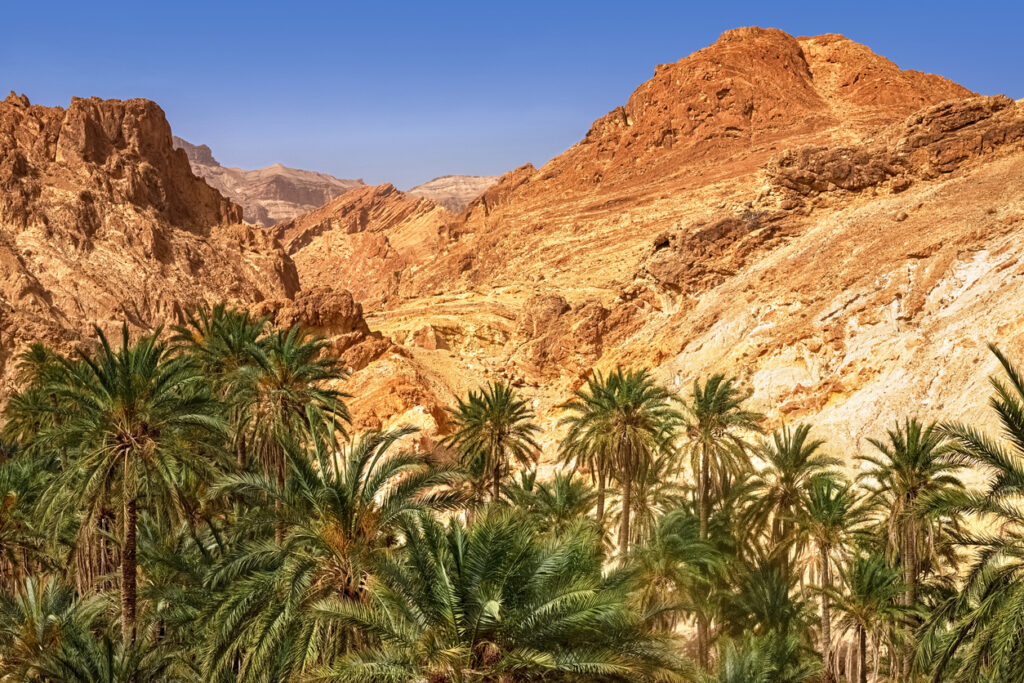
Earth’s wobble will eventually shift back to conditions similar to those that created the green Sahara, though this won’t happen for another 10,000 years or so. Climate predictions show the rainy season will strengthen again as the natural cycle continues its regular pattern.
However, current human-caused climate change complicates things because we’re adding factors that weren’t present during previous cycles. Some scientists suggest large-scale solar and wind farms in the Sahara could trigger enough local climate change to restart the natural greening cycle earlier than it would happen on its own. The immense solar potential of the desert combined with its location near Europe and Africa makes this an increasingly discussed possibility.