You’re at the garden centre and pick up a plant because the label says it is low maintenance or hard to kill.

You think you’re getting a nice bit of greenery to brighten up the corner of the room, but a few weeks later, you realise you’ve actually invited a demanding houseguest into your home. Some of these so-called easy plants have a hidden list of requirements that would make a Victorian governess blush. Before you know it, you’re spending your Saturday mornings misting leaves, checking pH levels, or obsessing over whether the radiator is 2 inches too close.
These 10 plants are the ultimate bait-and-switch, promising a stress-free hobby but quickly turning into a demanding full-time job that leaves you wondering who is actually in charge.
1. Fiddle leaf fig

The fiddle leaf fig is often sold as the ultimate easy statement plant, but in reality it’s highly sensitive and deeply opinionated. It notices changes in light, temperature, airflow, watering patterns, and possibly your mood. Move it half a metre, and it might drop three leaves out of spite, then stare at you like it’s disappointed.
Keeping one alive long-term means rotating it regularly so it grows evenly, wiping dust off its huge leaves so it can photosynthesise properly, and watching for subtle signs of stress that appear weeks before real damage sets in. You’ll spend more time monitoring it than actually enjoying how it looks, and every new leaf feels less like a gift and more like a fragile peace treaty.
2. Basil

Basil looks harmless because it’s an herb, and herbs are meant to be forgiving. Basil is not. It grows quickly, bolts without warning, hates inconsistent watering, and reacts dramatically to temperature changes. One cold windowsill night and it’s suddenly limp and sulking.
To keep it usable, you have to prune it correctly and often, pinch flowers before they form, water consistently without drowning it, and make sure it gets strong light without scorching. Skip any part of that routine, and it goes from lush and fragrant to woody and bitter almost overnight. For something you bought to make pasta feel fancy, it demands an unreasonable amount of emotional labour.
3. Orchids
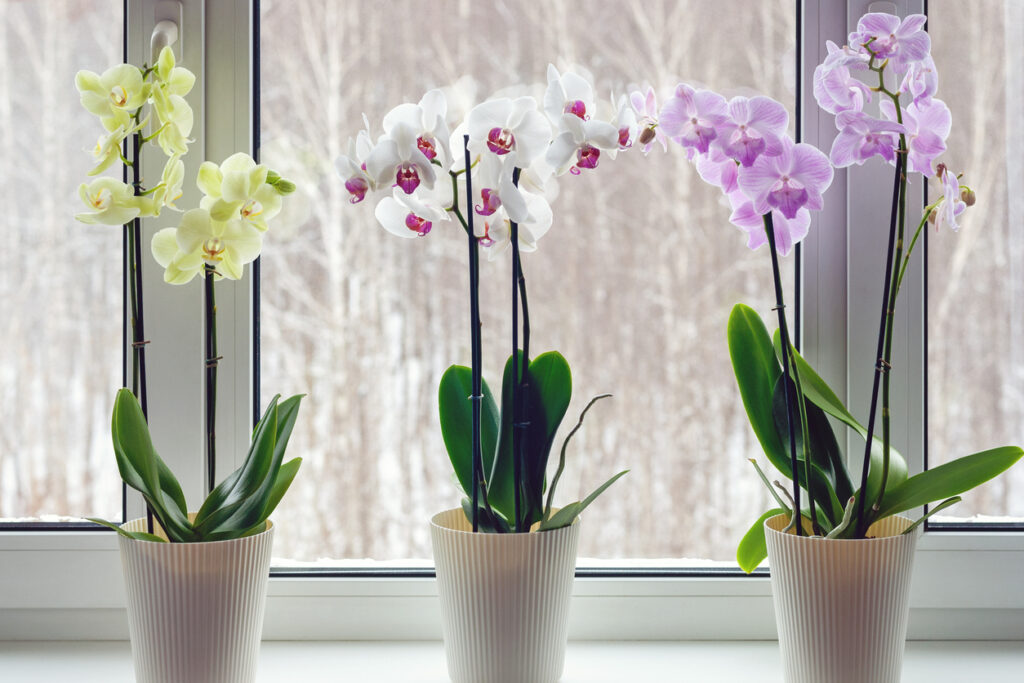
Orchids are famous for being labelled “easy once you understand them,” which is code for “they will punish you until you learn their rules.” They look calm and elegant while quietly requiring precise light levels, careful watering, and excellent drainage.
You’ll find yourself checking root colour, adjusting watering schedules based on season, and debating whether it’s time to repot yet. When they stop flowering, they don’t explain why, they just sit there looking judgemental. Keeping an orchid alive isn’t hard in theory, but in practice it turns into a long-term project that rewards patience and punishes neglect.
4. Mint

Mint is described as easy because it’s hard to kill, but that’s only half the story. In the ground, it spreads aggressively and will happily take over entire beds if left unchecked. In pots, it grows fast, gets leggy, and needs frequent cutting to stay usable.
You can’t ignore it, but you also can’t relax around it. You’re either trimming constantly, trying to stop it escaping into neighbouring plants, or feeling guilty because it’s grown into a scraggly mess. Mint doesn’t politely coexist. It dominates, and managing it becomes an ongoing containment exercise.
5. Monstera
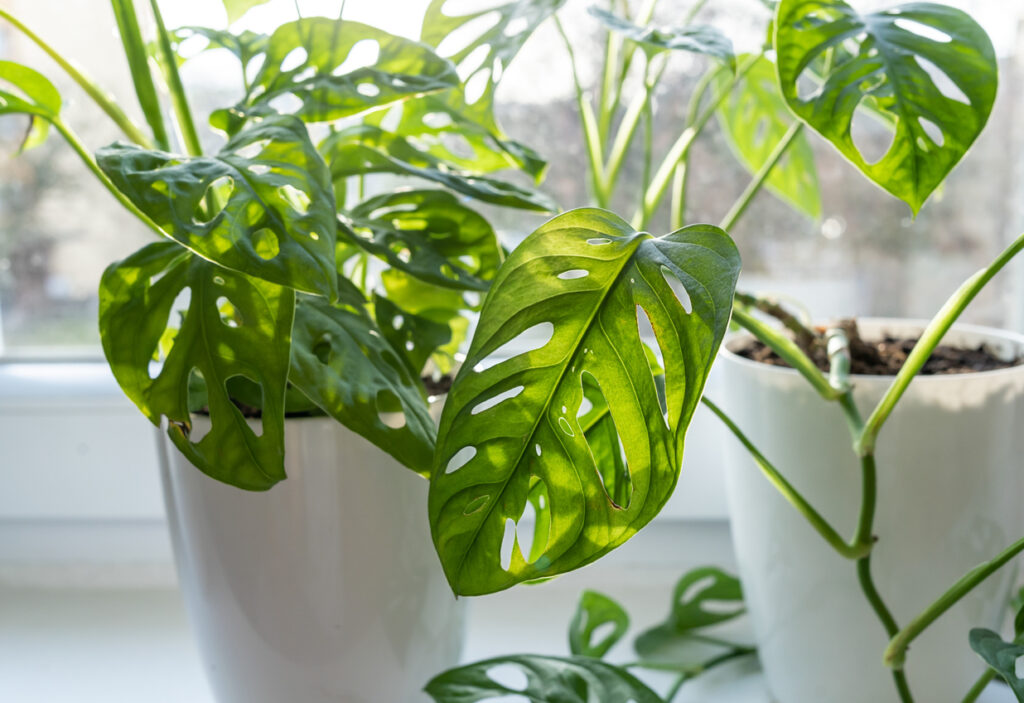
Monsteras are marketed as perfect beginner plants, but what they really are is fast-growing structural commitments. They don’t just sit there. They expand, lean, stretch toward light, and demand support as they mature.
Before long, you’re adding stakes or moss poles, rotating the pot, cleaning dust off dinner-plate-sized leaves, and rearranging furniture to give it enough space. A neglected monstera doesn’t just look untidy, it looks unwell. Keeping it thriving becomes part of your household routine, whether you meant it to or not.
6. Calatheas
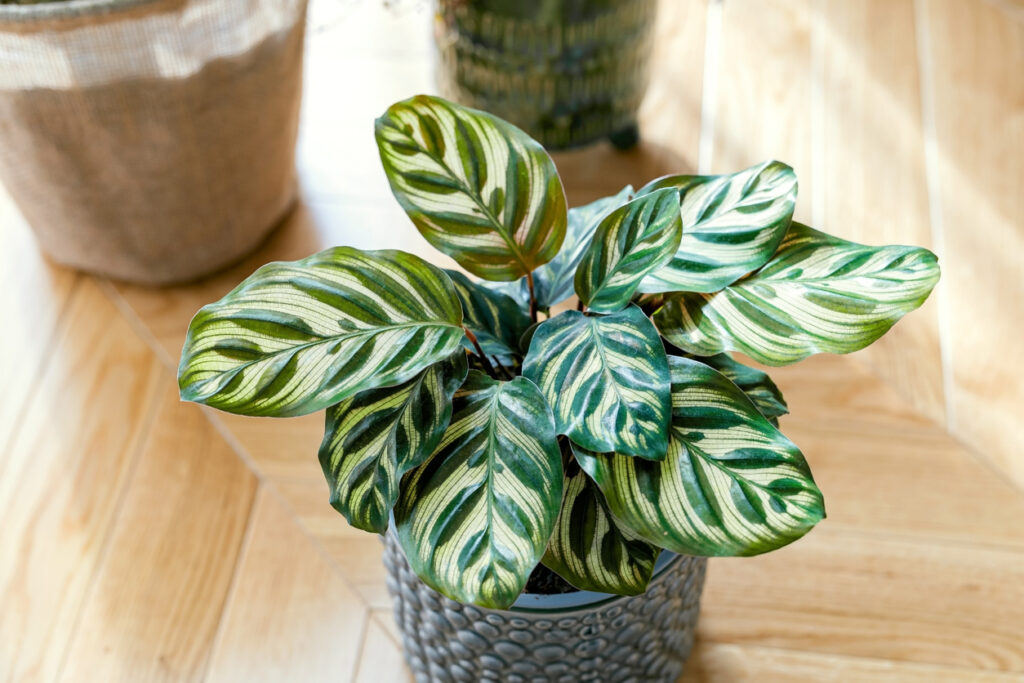
Calatheas are often described as “a bit fussy,” which dramatically understates the situation. They care deeply about humidity, water quality, temperature stability, and light levels. Tap water might upset them. Dry air definitely will.
Leaves curl, crisp, fade, or develop mysterious brown edges if anything’s off. You’ll end up misting, measuring humidity, and wondering whether you need filtered water just for one plant. They’re beautiful, but they demand near-constant attention, and they rarely reward effort with forgiveness.
7. Tomatoes
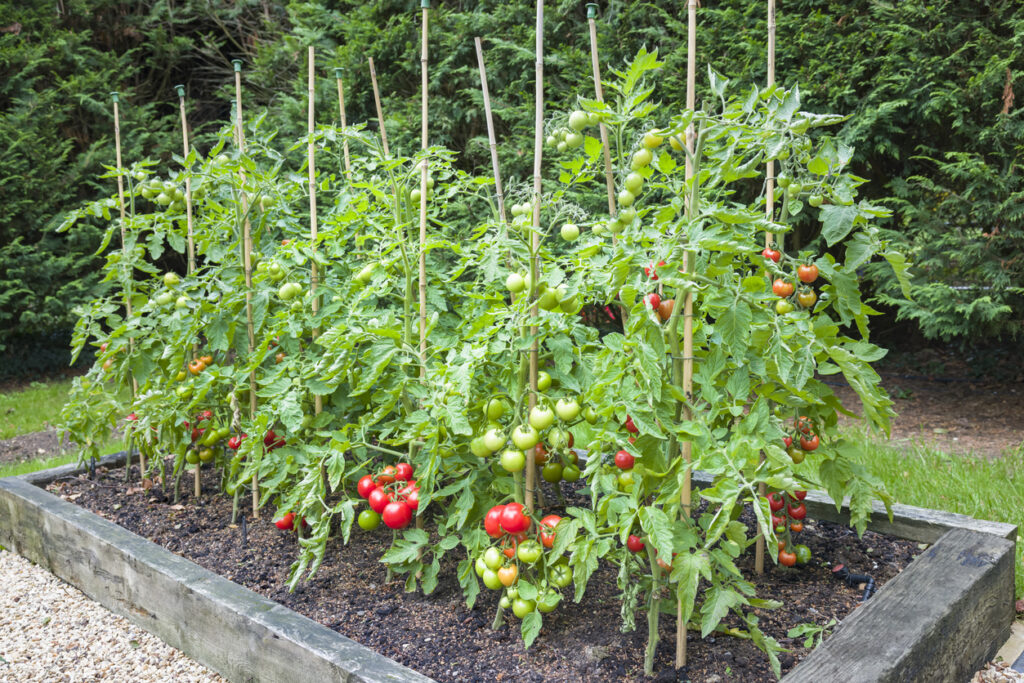
Tomatoes are often sold as the easiest veg to grow, which is technically true if your standards are very low. Growing them well is another matter entirely. They need regular feeding, staking, pruning, watering, and pest control.
Miss a day of watering in hot weather and they collapse. Ignore them for too long, and you’ll deal with split fruit, blight, or pests. They reward effort with flavour, but they expect vigilance in return. For something meant to be “low effort,” they quickly turn into a daily responsibility.
8. Peace lilies
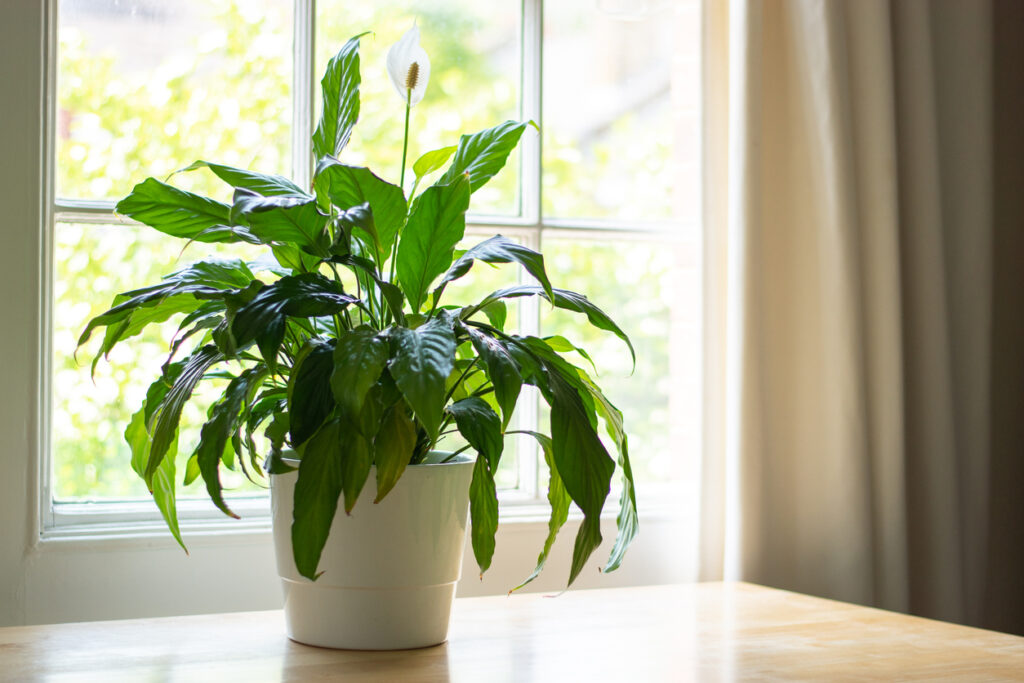
Peace lilies are famous for drooping dramatically when they’re thirsty, which gets framed as helpful communication. In reality, it means you’re constantly reacting to plant emergencies.
You end up monitoring soil moisture, lighting conditions, and watering patterns just to avoid the repeated fainting spells. They recover quickly, but the cycle is exhausting. Keeping one consistently happy requires knowing its routine almost better than your own.
9. Succulents
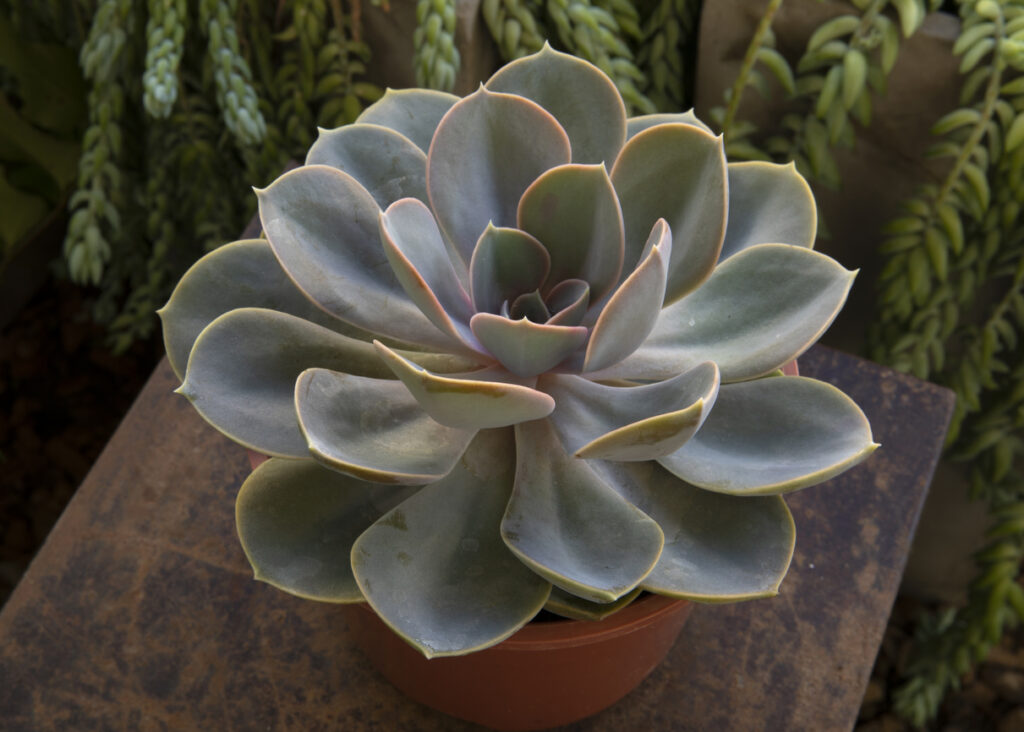
Succulents have somehow earned a reputation as foolproof, which leads to more guilt than success. They don’t want much, but they want it precisely right. Too much water and they rot. Too little light and they stretch into sad, floppy versions of themselves.
They also hate being fussed over, which makes them stressful in a different way. You’re constantly wondering whether you’ve done too much or too little. The simplicity is deceptive. Keeping succulents healthy requires restraint, observation, and more knowledge than people admit.
10. Lavender

Lavender is often described as tough and resilient, but only if conditions are perfect. It hates damp soil, needs pruning at specific times, and doesn’t bounce back easily from mistakes.
In the wrong spot, it slowly declines while looking deceptively okay. By the time you realise something’s wrong, recovery can be difficult. Maintaining lavender means paying attention to drainage, sunlight, and seasonal care. It’s hardy, but not forgiving.