We often hear about how misunderstood sharks or spiders are, but let’s be honest: some animals have a terrible reputation because they’re genuinely a nightmare to deal with.
It’s not always about them being man-eaters; sometimes it’s just that they’re incredibly aggressive, destructive, or have a habit of making life miserable for everything else in their path. Whether it is a creature that picks fights for the fun of it or one that systematically destroys an ecosystem because it can, these aren’t the kind of animals you want to make excuses for. They’ve spent millions of years evolving into exactly the kind of nuisances or predators the stories describe.
These 10 animals have worked hard for their status as the villains of the natural world, and for the most part, they’ve earned every bit of the stick they get.
1. Honey badgers really are as fearless as people say.
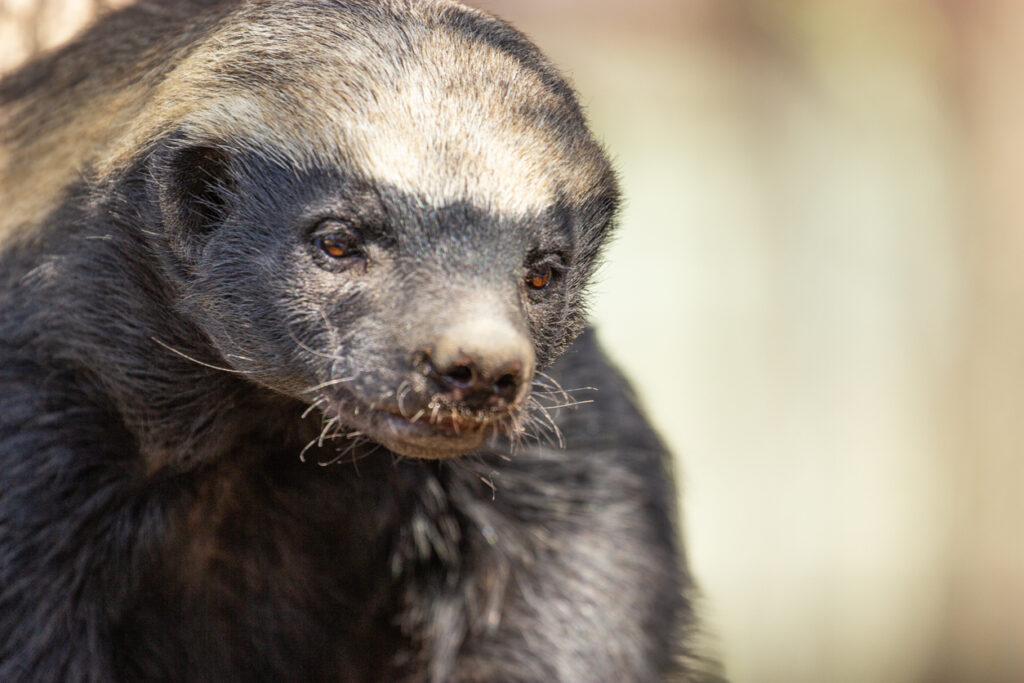
The honey badger’s reputation for aggression isn’t internet hype. These animals regularly take on predators much larger than themselves, including lions, hyenas, and venomous snakes, without hesitation. They don’t posture or bluff much, either. If something is a threat or a food source, they go straight at it. What makes this reputation deserved is consistency. Across regions and generations, honey badgers show the same bold behaviour. They have thick skin, strong jaws, and a refusal to back down that turns danger into a survival strategy. People didn’t start respecting them because of stories. They learned the hard way.
2. Hippopotamuses are genuinely dangerous to be around.
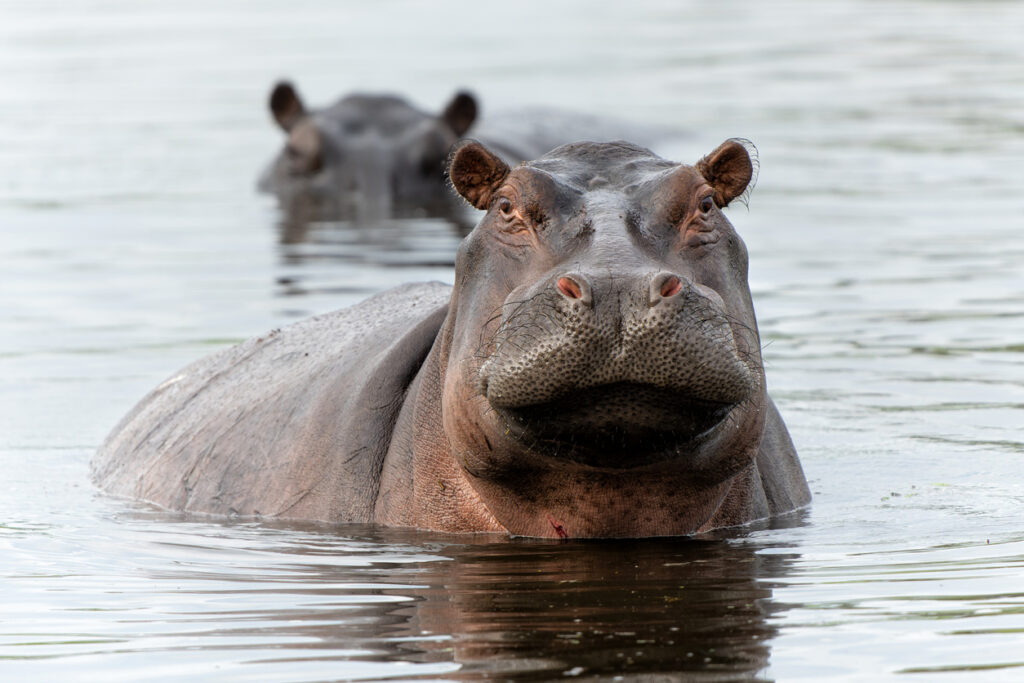
Hippos often look calm and almost gentle, especially when resting in water. That appearance has led many people to underestimate them, sometimes with fatal results. Hippos are highly territorial and extremely fast for their size. They’re responsible for more human deaths in parts of Africa than many predators combined. Their aggression isn’t random, but it is intense, especially when they feel their space is being crossed. Their reputation comes from repeated, well-documented encounters, not fearmongering.
3. Crocodiles are patient, calculating ambush predators.
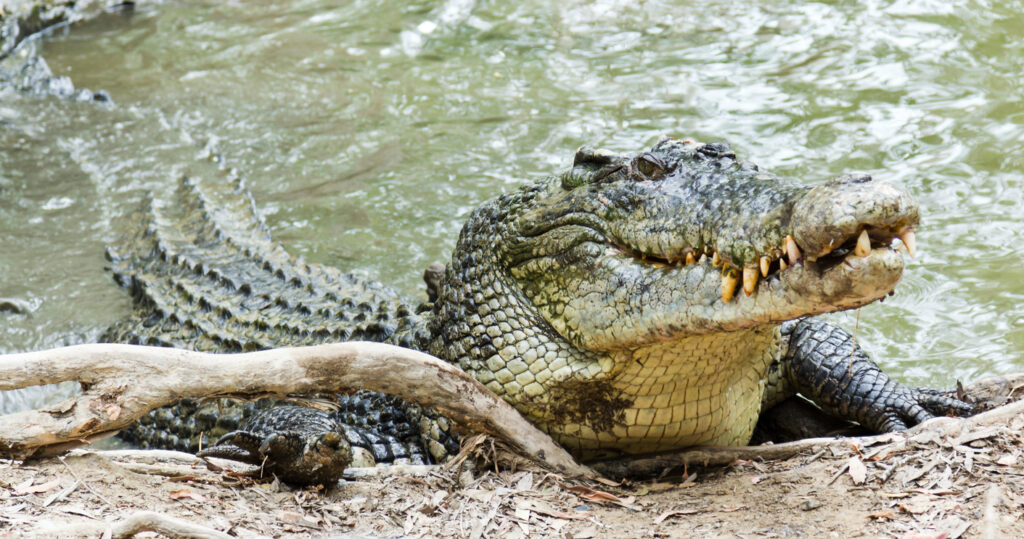
Crocodiles don’t chase. They wait. Sometimes for hours, sometimes for days, learning the patterns of animals that come to the water’s edge. That patience is part of what makes them so effective and so dangerous. Their attacks are fast, deliberate, and often fatal within seconds. Humans who live near crocodile habitats have known this for generations. The fear surrounding them isn’t superstition. It’s practical knowledge passed down to keep people alive.
4. Wolverines really will fight almost anything.
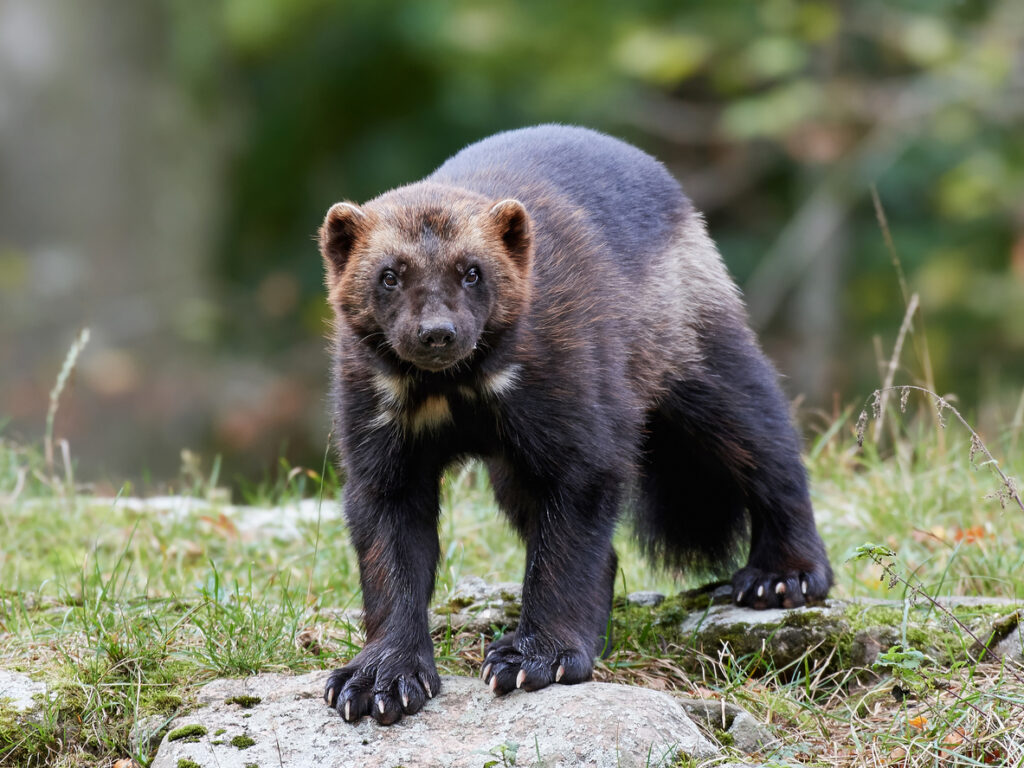
Wolverines are smaller than many animals they challenge, but they don’t seem to factor that in. They’ve been known to drive bears and wolves away from kills through sheer persistence and aggression. It might seem reckless, but it’s a survival trait that works in harsh environments where food is scarce. Their reputation for ferocity comes from repeated observation, not exaggeration. When a wolverine shows up, even larger animals often think twice.
5. Geese are genuinely aggressive when they want to be.
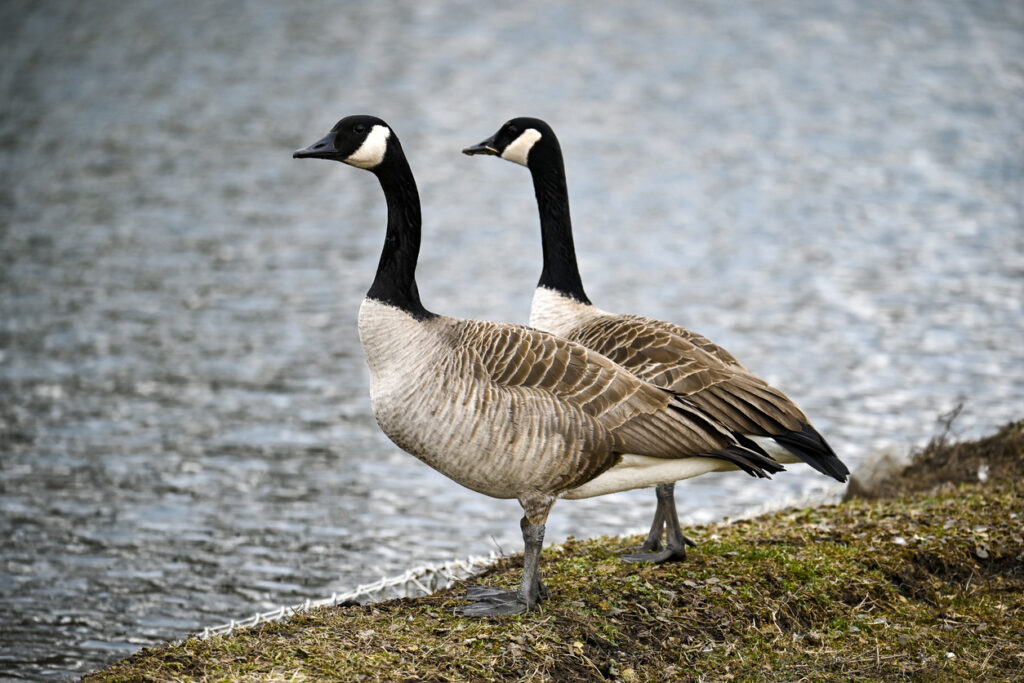
Geese are often laughed off as silly or overconfident, but their aggression around nesting season is very real. They will charge, bite, and chase animals far larger than themselves, including humans. This behaviour has been consistent for as long as people have lived near them. Their reputation isn’t about danger in the deadly sense, but about unpredictability and zero tolerance for perceived threats. Anyone who’s crossed a nesting goose understands why the warning exists.
6. Cape buffalo are as unpredictable as their reputation suggests.
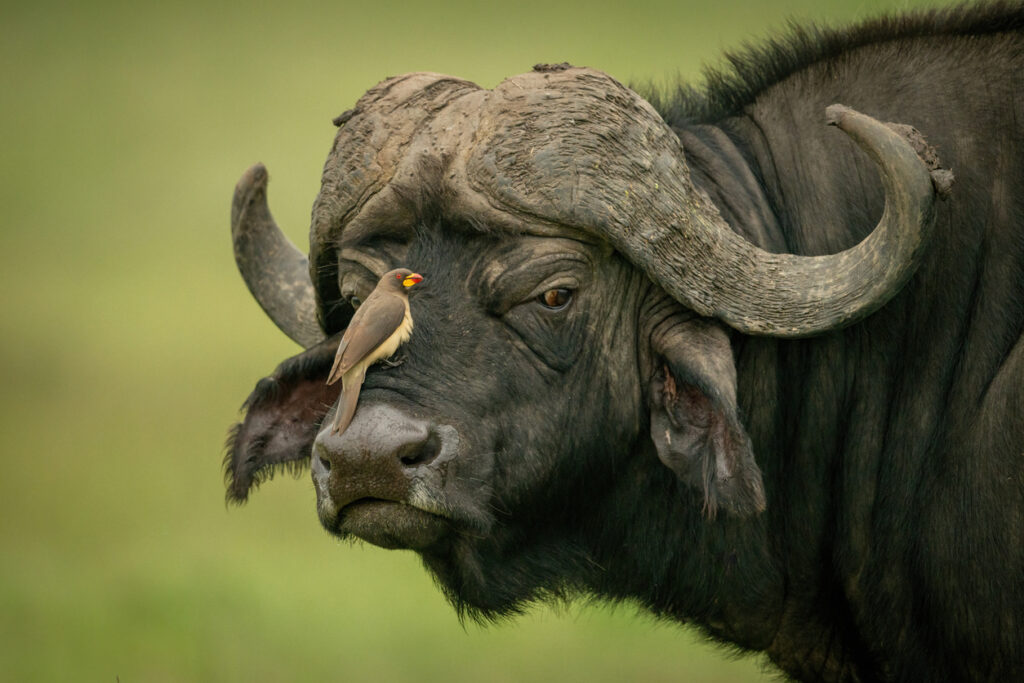
Often described as one of the most dangerous animals in Africa, cape buffalo are known for sudden aggression and a tendency to attack without obvious warning. They don’t behave like animals that retreat when threatened. Injured buffalo have been known to wait and ambush perceived threats later. That behaviour has earned them deep respect among people who encounter them regularly, especially hunters and guides.
7. Komodo dragons really do use bacteria and venom to kill.
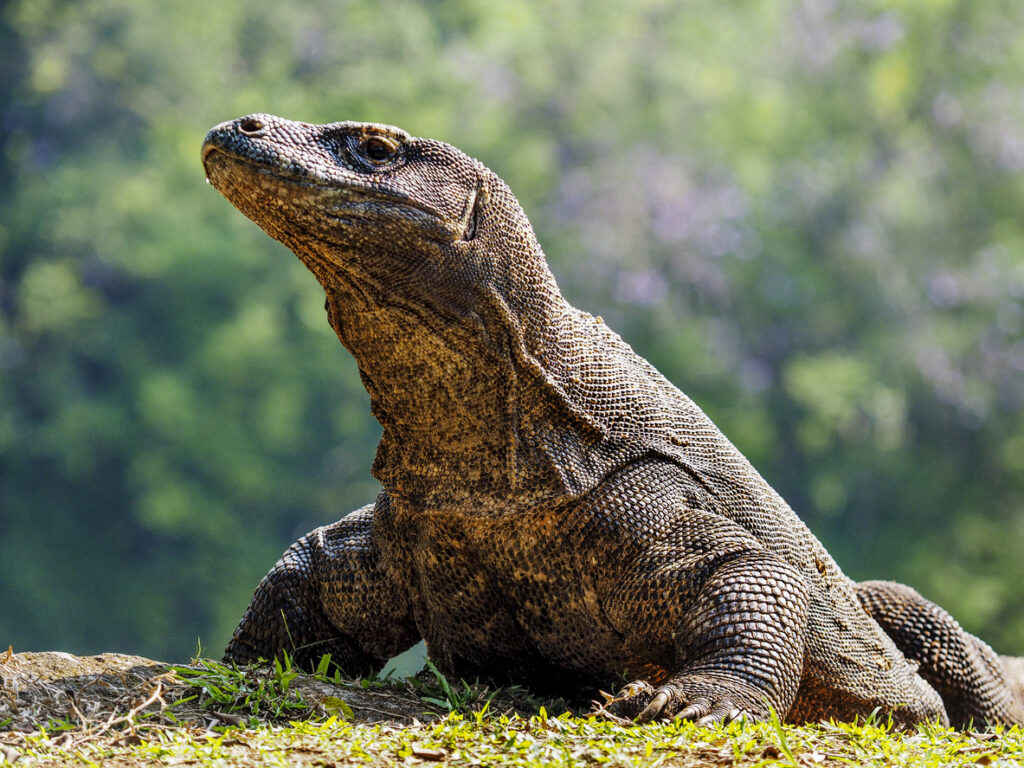
For years, stories about Komodo dragons killing prey through infected bites sounded exaggerated. Research later showed they produce venom that lowers blood pressure and prevents clotting. Their hunting strategy involves tracking weakened prey over time rather than immediate overpowering. The reputation stuck because people kept seeing the same outcome. Once bitten, escape rarely lasts long.
8. Orcas are intelligent and lethal by design.
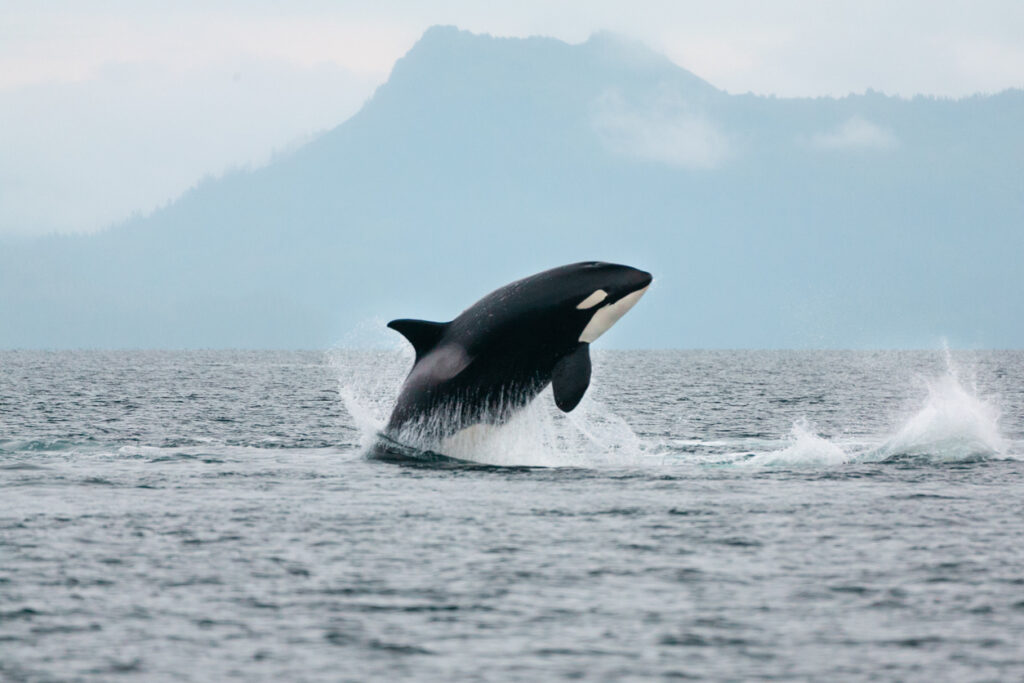
Orcas don’t just hunt. They coordinate, plan, and adapt strategies depending on the prey. They’ve been observed creating waves to knock seals off ice and teaching hunting techniques to younger members of the pod. Their reputation isn’t about aggression toward humans, but about power and intelligence combined. In the wild, they sit at the top of the food chain with no natural predators, and they earned that position through cooperation and learning.
9. Chimpanzees can be shockingly violent.

Chimpanzees are often portrayed as playful and curious, which they are. But they’re also capable of extreme violence, both toward each other and toward humans. They have strong social hierarchies, form alliances, and engage in territorial conflict. Their reputation for sudden aggression isn’t unfair. It comes from decades of observation showing that intelligence doesn’t always equal gentleness.
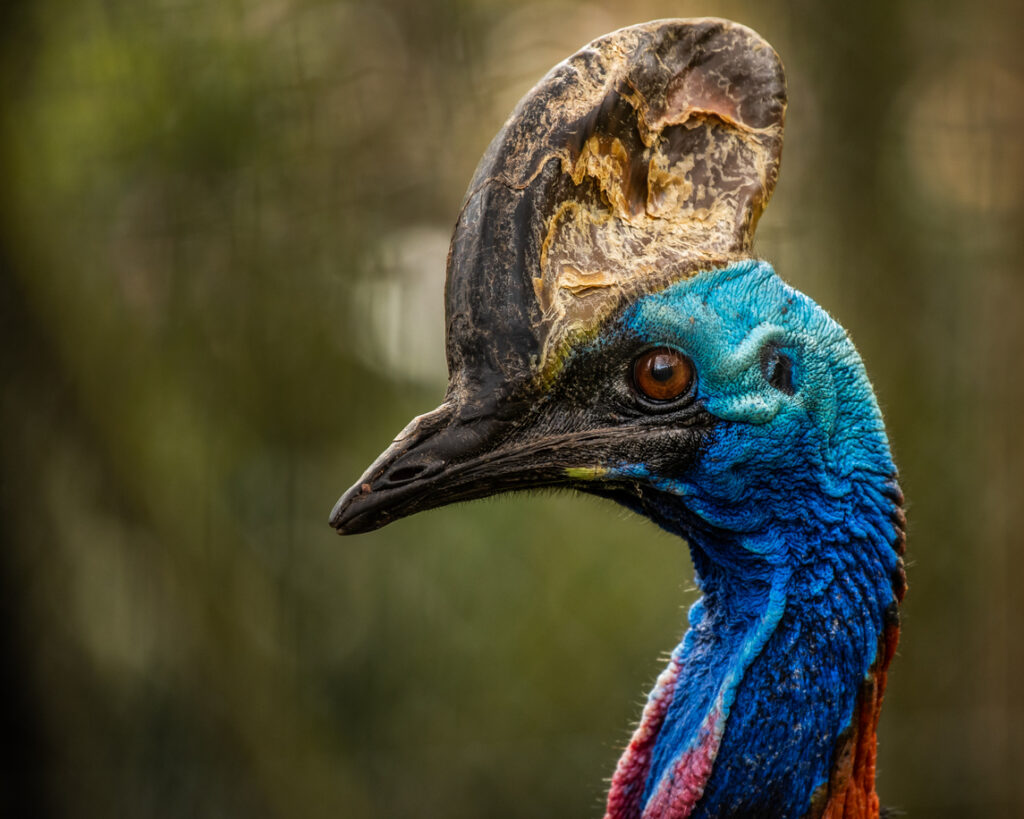
10. Cassowaries deserve every warning sign they get.
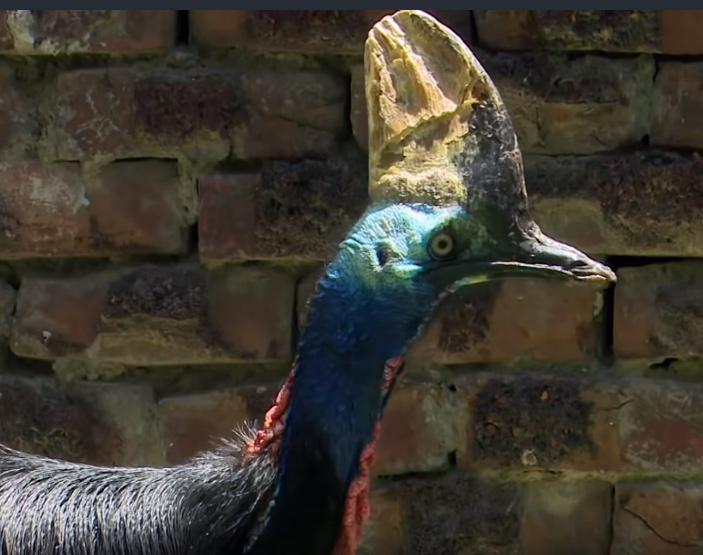
Cassowaries are large, fast, and armed with dagger-like claws on their feet. When threatened, they can kick with enough force to cause serious injury or death. They don’t attack often, but when they do, it’s usually because someone ignored clear warning signs. Their reputation exists because the consequences of underestimating them are severe, not because they’re common aggressors.
Some animal reputations are the result of storytelling and fear. These aren’t. They were created via repeated encounters, careful observation, and lessons learned over generations. Respect for these animals isn’t about drama. It’s about understanding exactly what they’re capable of and not forgetting it.