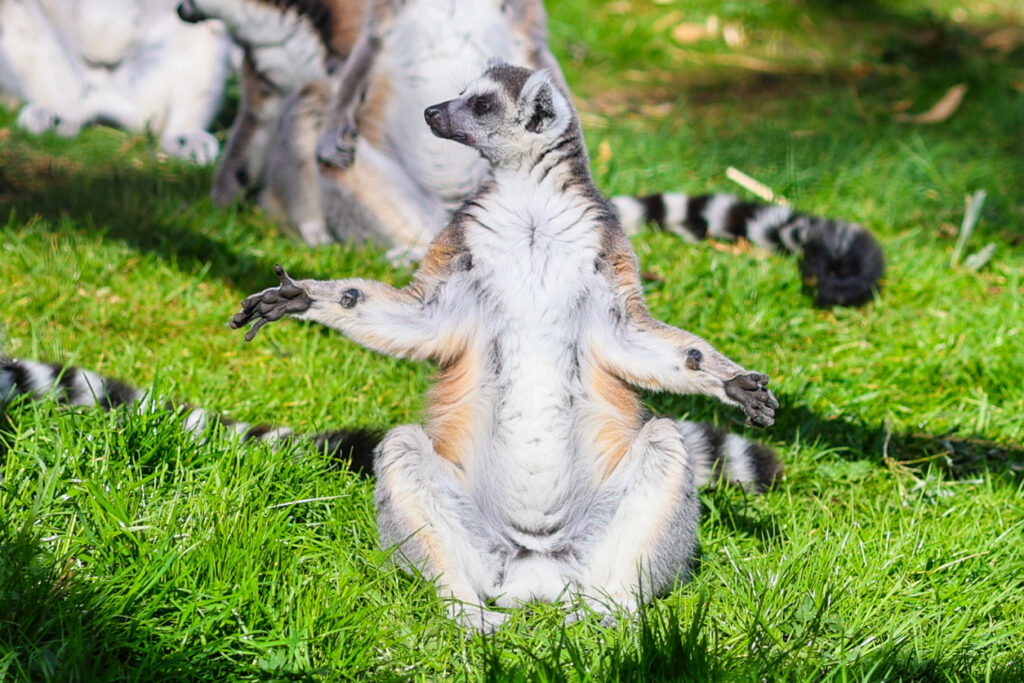
If you’ve ever seen a group of ring-tailed lemurs first thing in the morning, they look less like wild animals and more like they’re leadings a communal yoga session.
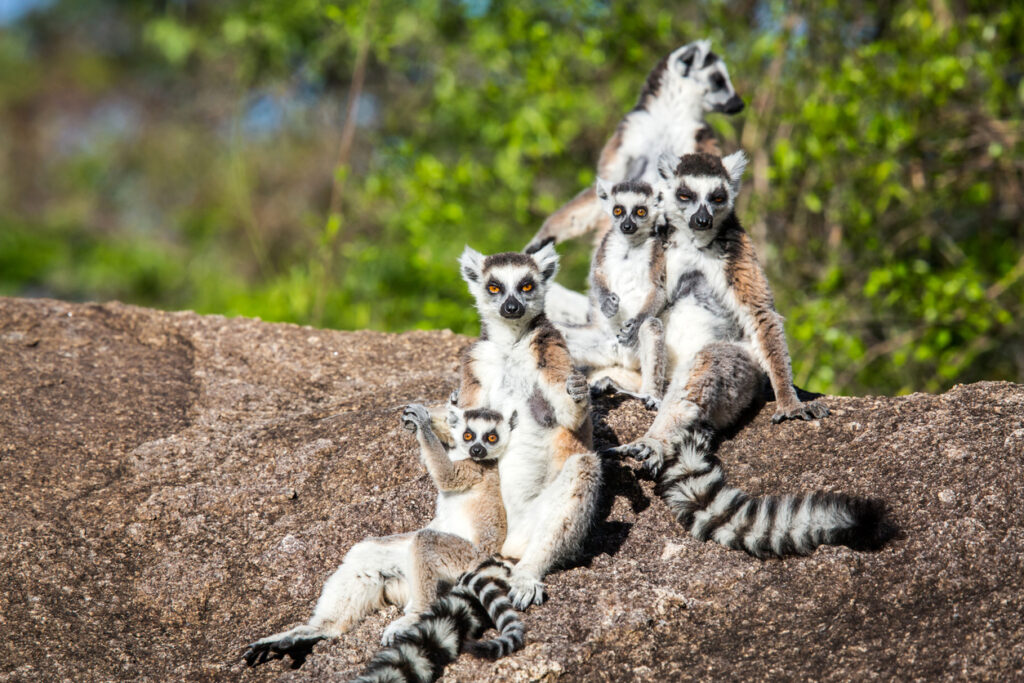
They have this famous habit of sitting bolt upright with their arms spread wide, and their white bellies turned toward the sky, soaking up every bit of warmth they can get. It is called sun-worshipping, but it’s got nothing to do with religion; it’s actually a clever bit of survival. Lemurs live in Madagascar where the nights can get surprisingly chilly, and because their metabolism is a bit slow, they use the sun to jump-start their internal heaters before they head off to find breakfast.
These lemurs are probably the most recognisable of the lot thanks to those long, black-and-white striped tails, but there is more to them than just a fancy look and a love for tanning. They’re highly social and spend a lot of time on the ground, which is quite rare for lemurs. They live in big groups led by the females, and they use those iconic tails like flags to keep everyone together as they trek through the brush. Even though they seem like they’re just lounging about and enjoying the rays, they’re actually very sharp, using a complex system of scents and calls to keep their troop in check. They’re a brilliant example of how nature finds its own way to recharge, even if it looks like they’re just taking a bit of a breather in the park.
Here’s what you should know about them and their strange habits.
They sit in a meditation pose to maximise sun exposure.
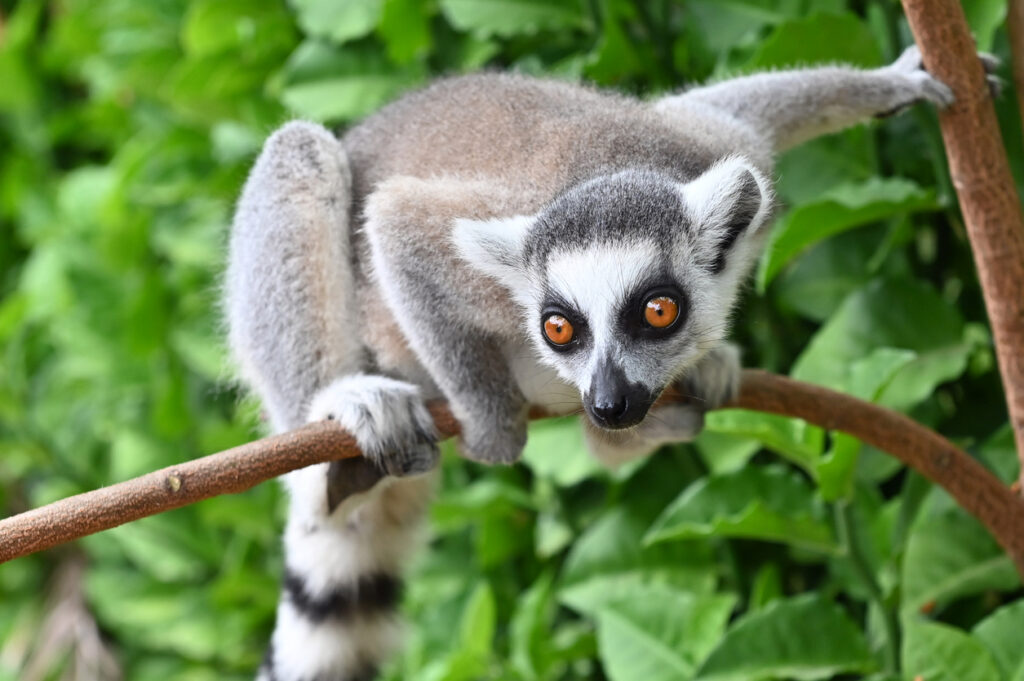
Ring-tailed lemurs adopt a specific posture for sunbathing that looks remarkably like someone meditating. They sit upright with their legs spread out and their arms resting on their knees, turning their white bellies and inner thighs toward the sun.
This position exposes the areas with the thinnest fur and most blood vessels close to the skin, which lets them warm up efficiently. The pose is so consistent across all ring-tailed lemurs that it’s clearly an evolved behaviour rather than something they learn individually. Watching a group of them lined up in perfect meditation pose at sunrise is genuinely surreal.
Morning sunbathing is essential after cold Madagascar nights.
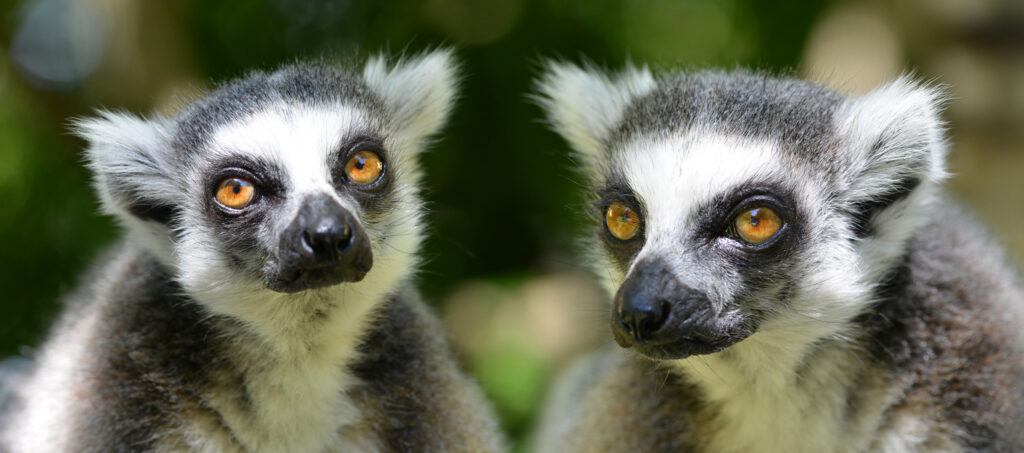
Madagascar’s nights can drop below 10 degrees Celsius, which is quite cold for a primate, and ring-tailed lemurs don’t have the thick fur of some other species. They huddle together for warmth overnight, but still lose significant body heat, so the first thing they do at dawn is find a sunny spot to warm up.
Sunbathing raises their body temperature more efficiently than burning calories through activity would, which matters when food can be scarce. The warmth from the sun gives them the energy they need to start foraging and moving around. Without this morning ritual, they’d need to eat substantially more just to maintain body temperature.
They’re the most terrestrial of all lemurs,, partly because of sunbathing.
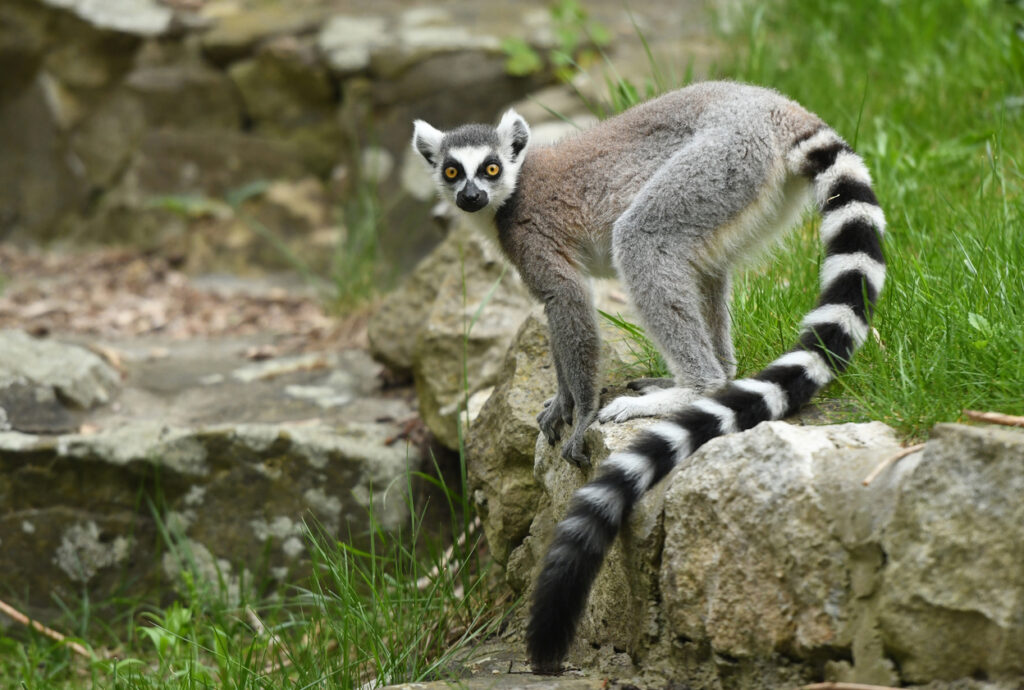
While most lemurs spend the majority of their time in trees, ring-tailed lemurs are comfortable on the ground and often sunbathe in open clearings rather than in the canopy. This ground-dwelling tendency is unusual for lemurs and makes them more visible and vulnerable to predators.
The benefits of effective sunbathing apparently outweigh the risks, and they’ve evolved to be alert and ready to flee while they’re soaking up rays. Their willingness to leave the safety of trees for better sun exposure shows how important thermoregulation is to their survival strategy. They’ll sunbathe in trees when necessary, but they clearly prefer ground-level spots where the sun hits directly without being filtered through leaves.
Sun exposure helps them produce vitamin D.
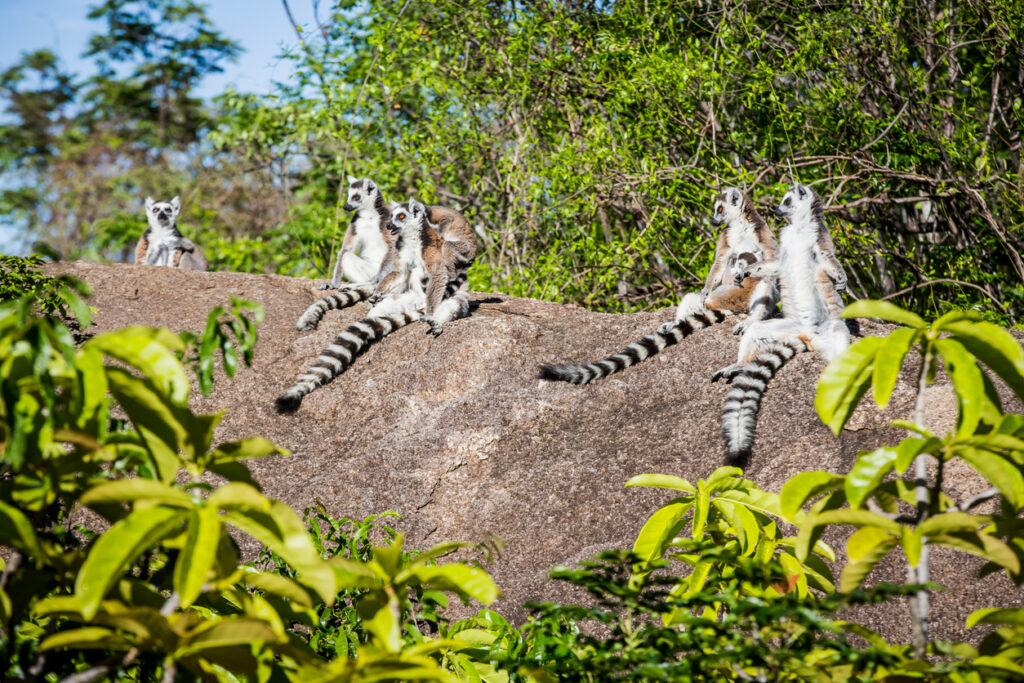
Like humans and other primates, ring-tailed lemurs need sunlight to synthesise vitamin D, which is crucial for bone health and immune function. Madagascar’s intense sunlight provides plenty of ultraviolet radiation for this process, and their sunbathing behaviour ensures they get adequate exposure.
The areas they expose during sunbathing have thinner fur and lighter skin that allows UV light to penetrate more effectively. Captive lemurs in zoos at higher latitudes often need vitamin D supplements because they don’t get the same quality or quantity of sunlight, which demonstrates how important natural sun exposure is for them.
Sunbathing is a social activity that strengthens group bonds.
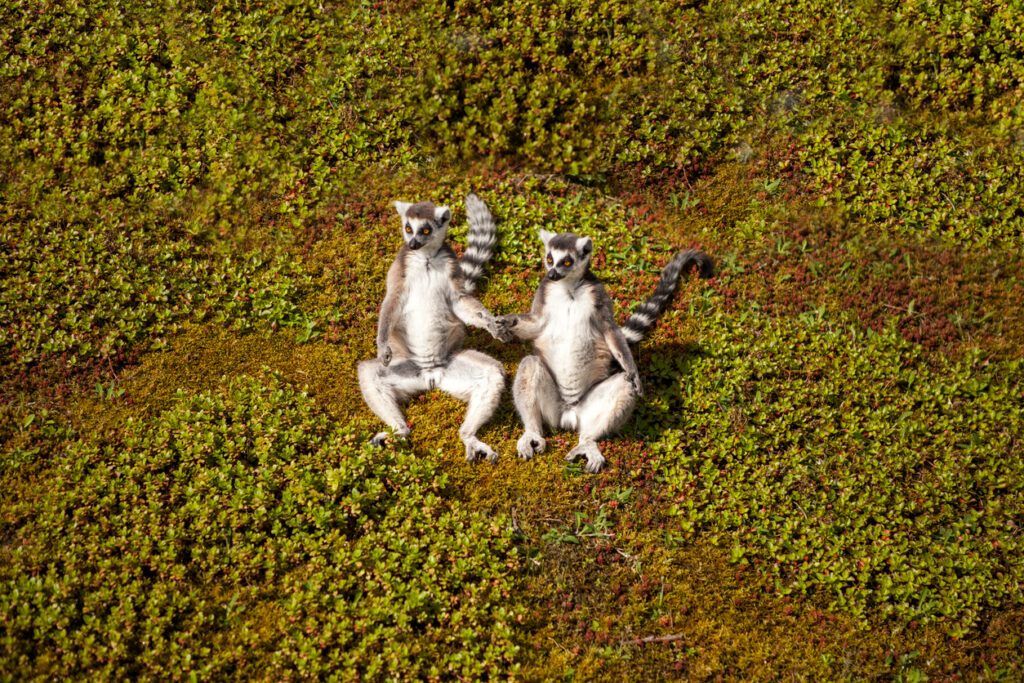
Ring-tailed lemurs typically sunbathe as a group, sitting close together in their characteristic poses while grooming and vocalising. This communal activity reinforces social bonds and troop cohesion at the start of each day. Young lemurs learn the proper sunbathing posture by watching adults, and the behaviour becomes part of the troop’s daily routine that everyone participates in.
Groups that sunbathe together seem to have stronger social structures and cooperate better during foraging and territorial disputes. The shared vulnerability of being exposed on the ground while sunbathing might actually enhance trust within the group.
Their distinctive tails play a role in territorial sunbathing spots.
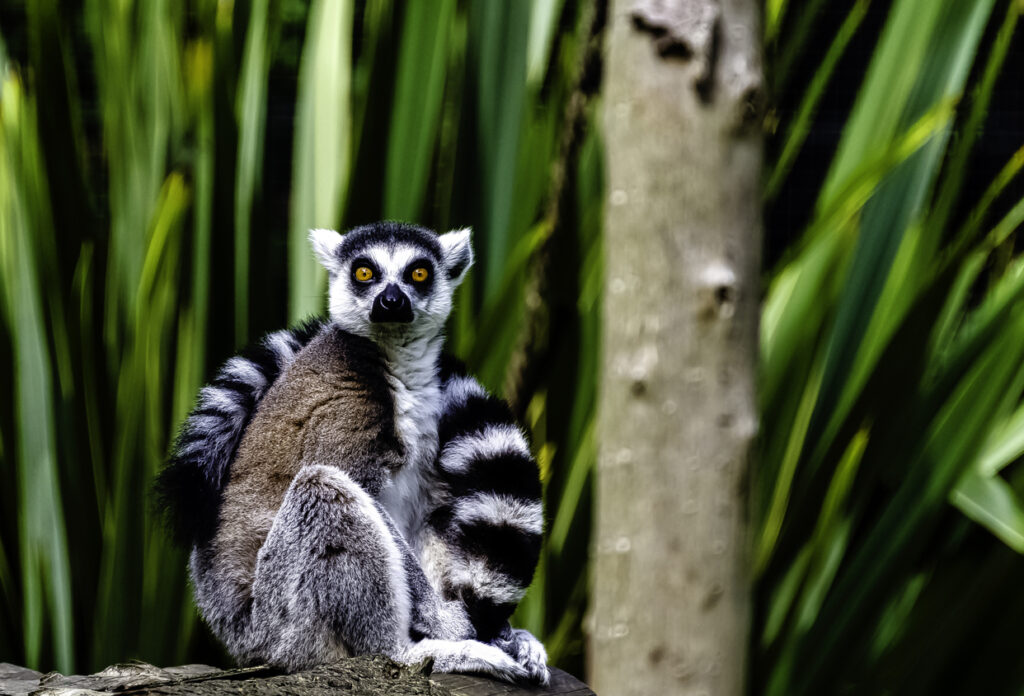
Ring-tailed lemurs have those famous black and white striped tails that they hold upright while moving, making them highly visible. When troops are establishing themselves in prime sunbathing locations, they wave their tails as territorial signals to other groups.
The best sunbathing spots are actually competed for because southern-facing clearings with unobstructed morning sun are limited. A troop that controls good sunbathing territory has a genuine survival advantage because they can warm up faster and more efficiently each morning. This means their distinctive tails serve a purpose beyond just keeping the group together during foraging.
They adjust their sunbathing duration based on temperature.
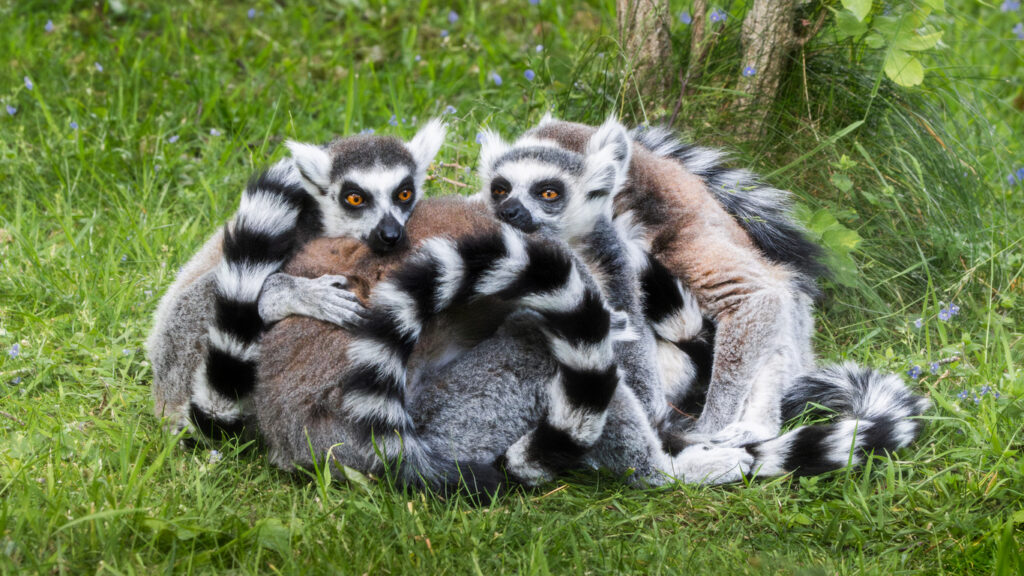
Ring-tailed lemurs don’t sunbathe for a fixed amount of time each day, they respond to how cold the night was and how warm the morning is. On particularly cold mornings, they might spend an hour or more in their meditation pose before starting other activities.
When nights are warmer or the sun is especially strong, they’ll wrap up sunbathing much faster and get on with foraging. This flexibility shows they’re using sunbathing strategically for thermoregulation, rather than it being a rigid ritual. They’re essentially doing a cost-benefit analysis of whether the warmth gained is worth the time not spent feeding.
Scent-marking often happens after sunbathing sessions.
Once ring-tailed lemurs have warmed up from their morning sunbathing, males often engage in scent-marking behaviour, rubbing their wrists and tails on branches and each other. The warming effect of sunbathing seems to stimulate scent gland activity and makes them more interested in territorial and social scent communication.
Males have scent glands on their wrists and chests, and the chemicals they produce are more volatile and spread further when they’re warm. This timing suggests that sunbathing prepares them for the social interactions and territorial displays that structure their day.
They’ll interrupt other activities to catch unexpected sun.
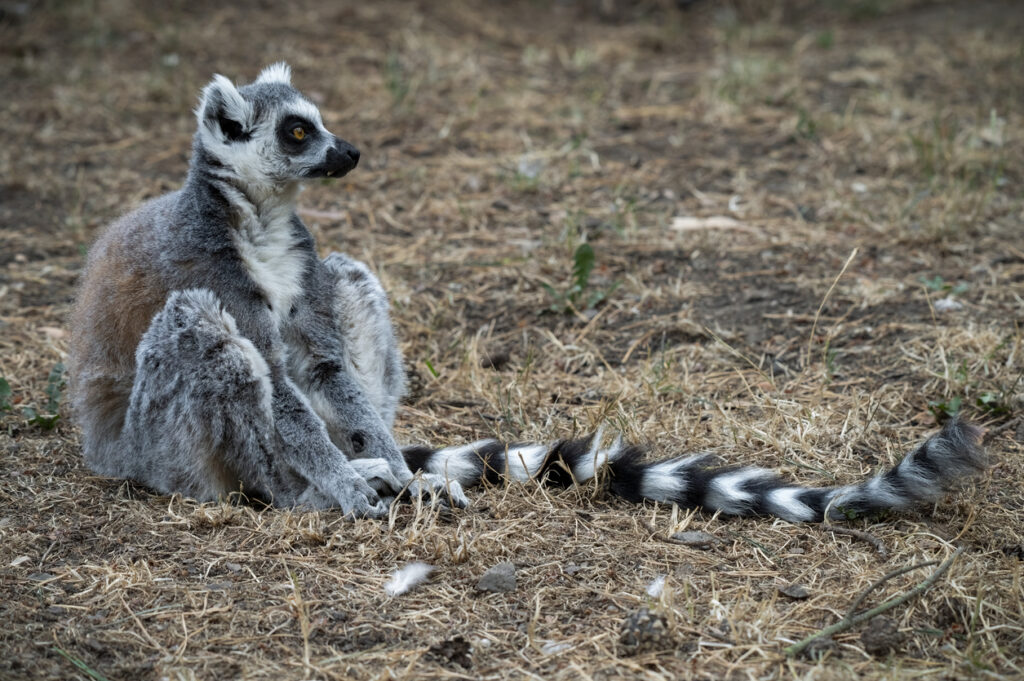
If clouds clear during the day and sudden sunshine appears, ring-tailed lemurs will often stop what they’re doing to take advantage of it with a quick sunbathing session. This opportunistic behaviour shows that they’re constantly monitoring light conditions and responding to chances to warm up.
Even well-fed lemurs in comfortable conditions still show this strong drive to sunbathe when the opportunity presents itself. The behaviour appears to be deeply ingrained rather than purely practical, suggesting it might also have psychological benefits beyond just thermoregulation.
Climate change threatens their sunbathing-dependent lifestyle.
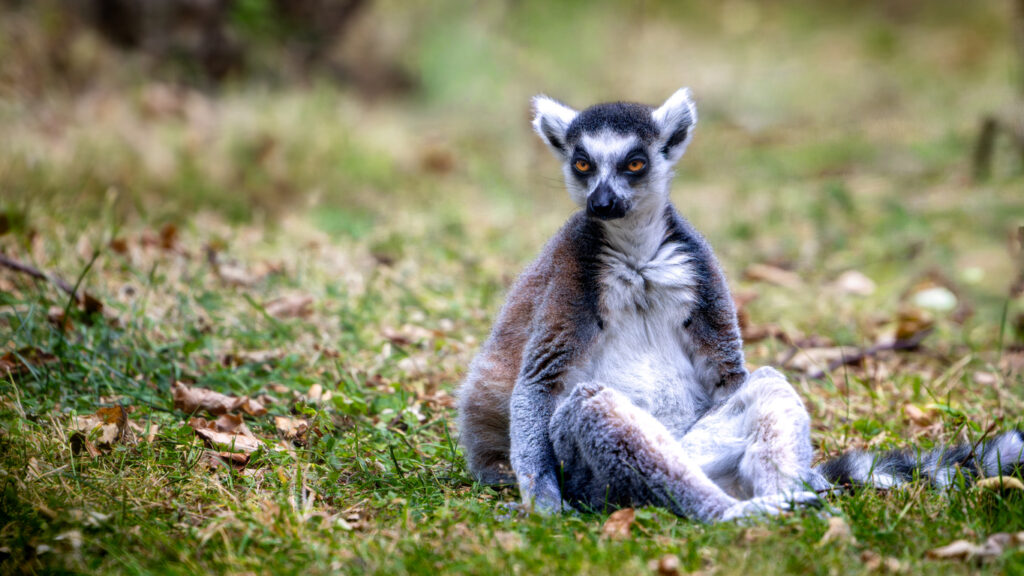
Ring-tailed lemurs have evolved their entire daily routine around the predictable temperature patterns and sun exposure of their Madagascar habitat. As climate change makes temperatures more erratic and extreme, their finely tuned sunbathing strategy might not work as well.
Unusually warm mornings mean they don’t need to sunbathe as long, which sounds good but actually disrupts their social bonding time and daily rhythm. Conversely, cloudier conditions or more extreme cold snaps could force them to spend so much time sunbathing that foraging time becomes inadequate. Their specialised lifestyle that works perfectly under current conditions makes them particularly vulnerable to environmental changes.