The idea sounds almost too dramatic to be true, but what if it is?
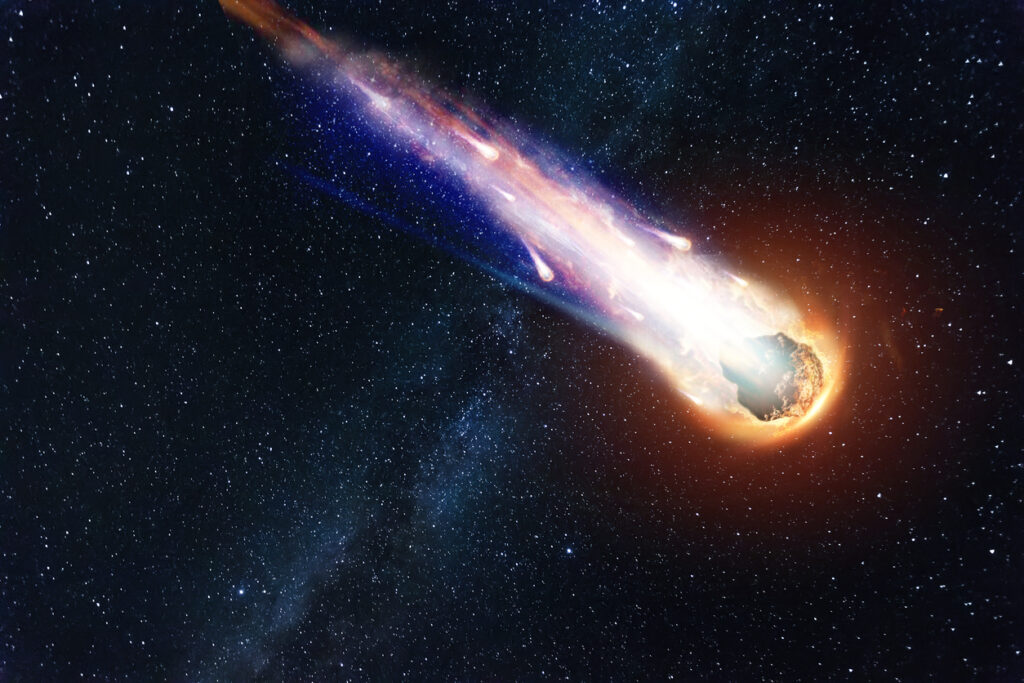
Say a giant comet explodes above Earth, the climate flips overnight, fires spread, and the mammoths vanish soon after. It’s a theory that’s been argued about for years, partly because it explains a lot very quickly. Of course, the reality is that science is rarely that neat or straightforward. What actually happened to the mammoths turns out to be slower, more complicated, and more uncertain than a single disaster story. Here’s what the exploding comet theory is really about, what supports it, and why it still divides scientists.
The whole idea starts with a sudden climate shock.
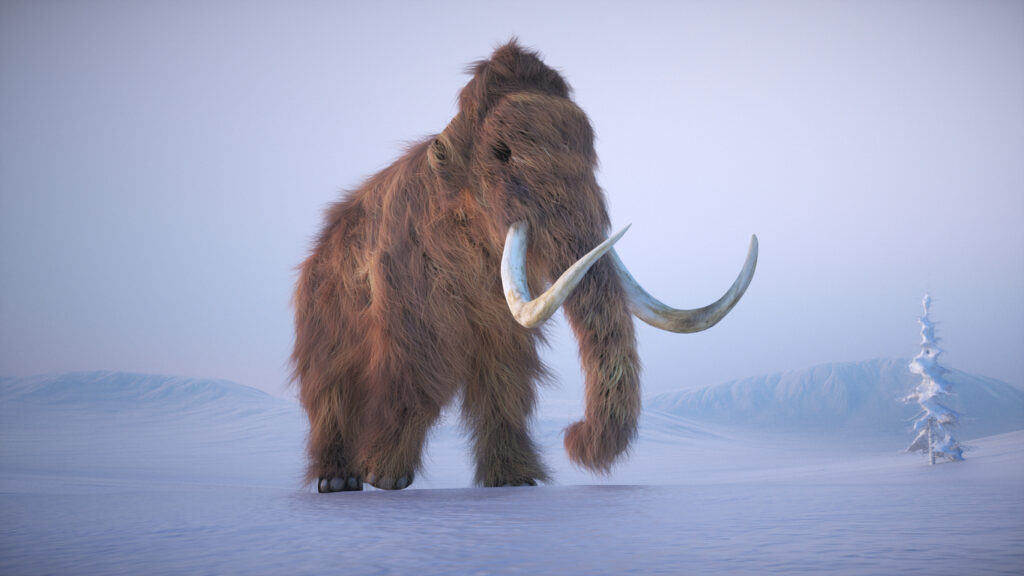
About 12,900 years ago, the planet went through a sharp and unexpected cold spell. Just as the Ice Age seemed to be ending, temperatures dropped again across much of the Northern Hemisphere. This period is called the Younger Dryas. It lasted more than a thousand years and disrupted ecosystems on a huge scale. Plants changed, animals struggled, and environments people depended on became unstable very quickly.
Mammoths declined around the same time.
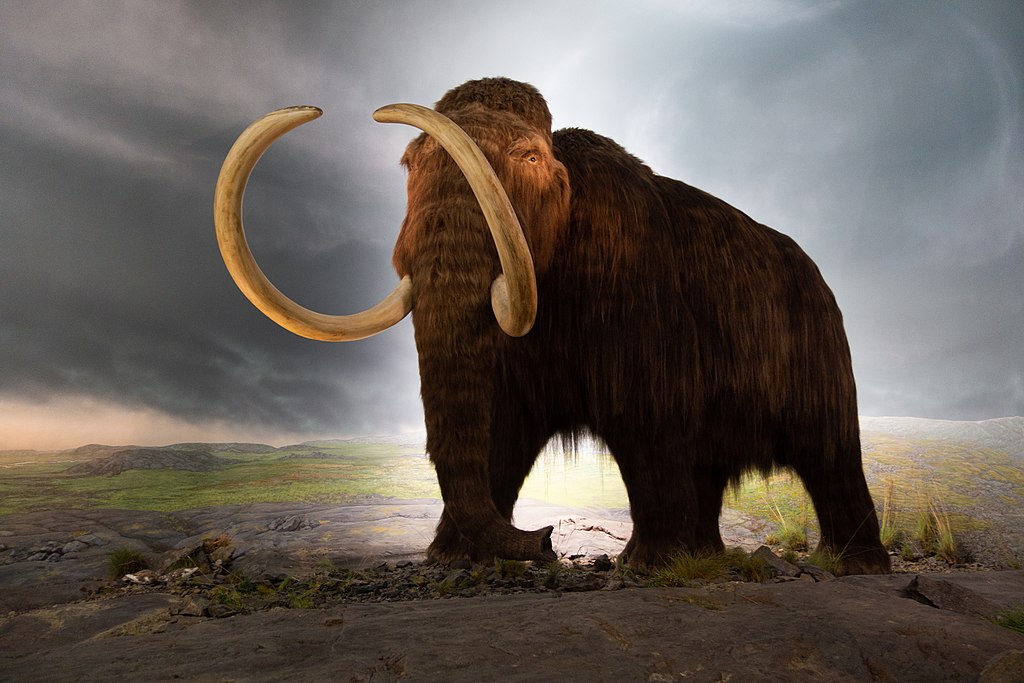
Woolly mammoths were already under pressure when the Younger Dryas began. They relied on cold, grassy landscapes that were slowly disappearing as the climate changed. The timing is what keeps the comet idea alive. A sudden climate change followed by large animal declines makes people wonder if something external triggered the whole chain of events.
The theory suggests a comet exploded in the air, not the ground.
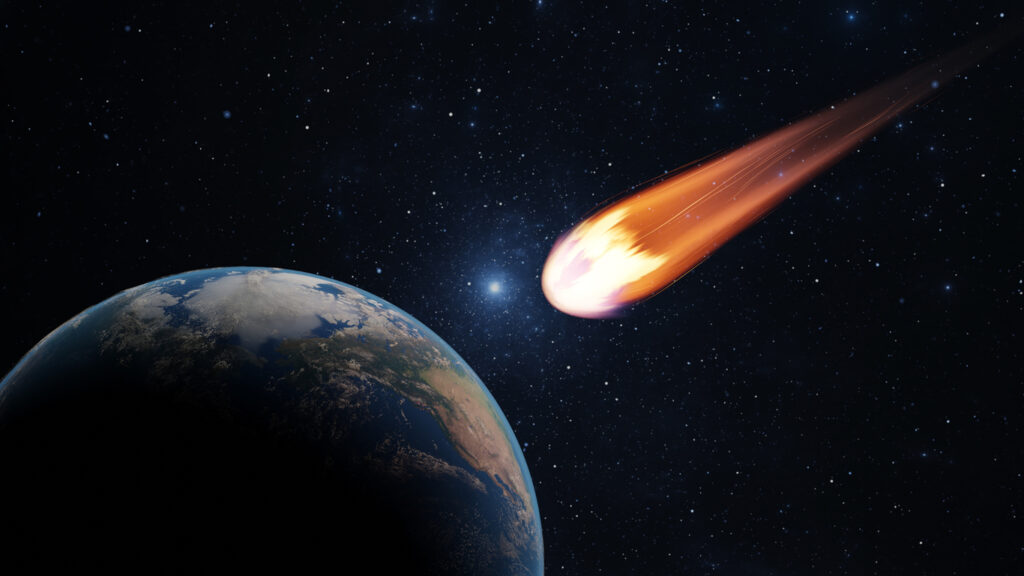
This isn’t the same kind of impact that wiped out the dinosaurs. There’s no giant crater linked to mammoth extinction. Instead, the idea is that a large comet broke apart and exploded in Earth’s atmosphere. These airbursts could have released enormous heat and energy without leaving one obvious scar on the surface.
Supporters point to strange layers in the soil.
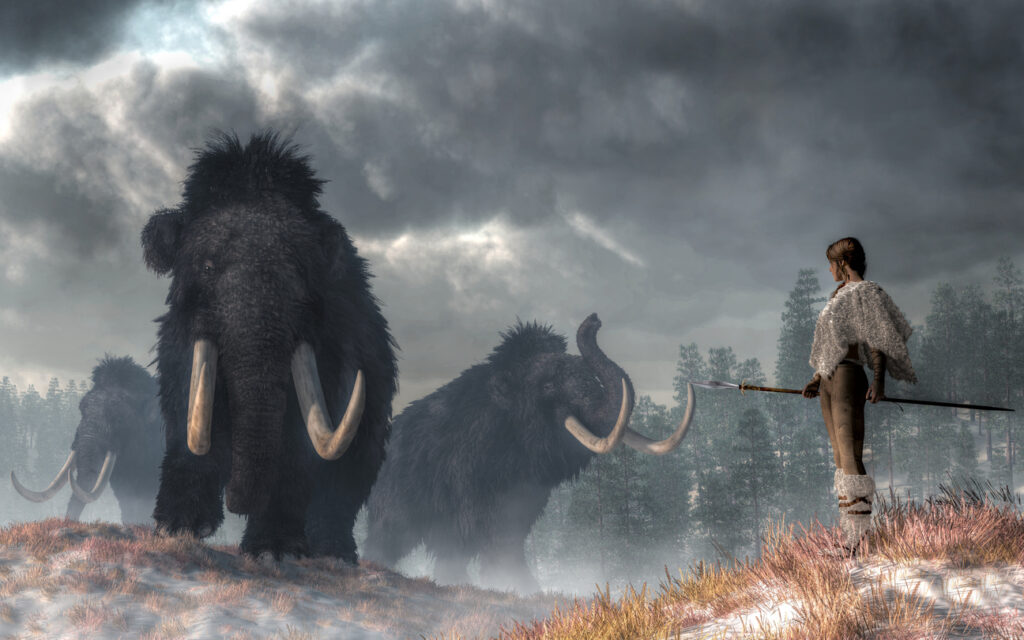
At some ancient sites, researchers have found thin layers of material that look unusual. These layers contain tiny metal-rich particles and signs of intense heat. The argument is that these materials could have come from space and settled quickly across large areas. To supporters, this looks like evidence of something sudden rather than a slow environmental change.
Burned landscapes are part of the debate.
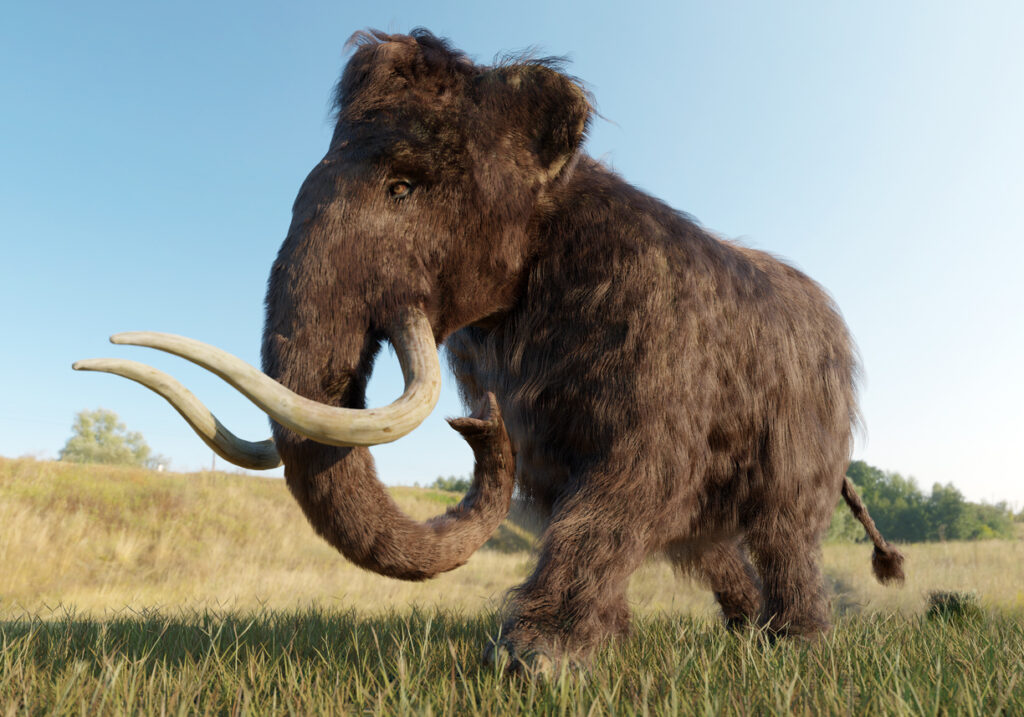
Some locations show signs of widespread burning around the same time. Charcoal appears in soil layers linked to the start of the Younger Dryas. Supporters say this could point to massive fires ignited by airbursts. Critics respond that wildfires were already common and don’t automatically mean a cosmic disaster happened.
Many scientists say the evidence doesn’t line up cleanly.
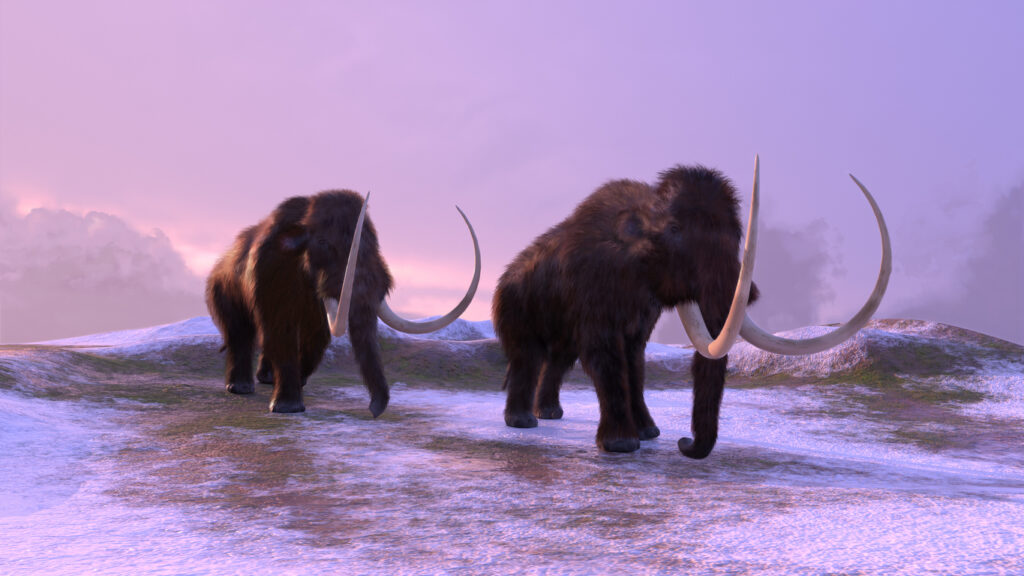
One of the biggest problems with the comet theory is consistency. Not every site from that time period shows the same signs. Some places have the unusual particles, others don’t. Dating the layers isn’t always precise. If a global comet event happened, scientists would expect clearer, more uniform evidence worldwide.
Mammoths were already struggling before any possible comet.
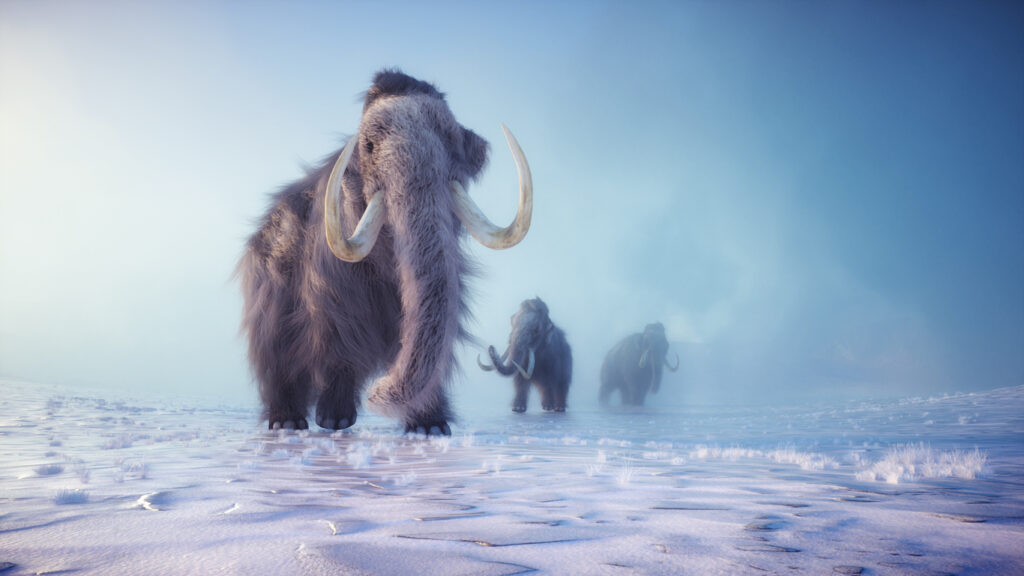
As the Ice Age ended, forests spread and grasslands shrank. Mammoths were built for open, frozen environments. Their food sources declined, migration routes broke apart, and populations became isolated. Even without a sudden disaster, survival was becoming harder with each passing generation.
Humans added pressure at the worst possible time.
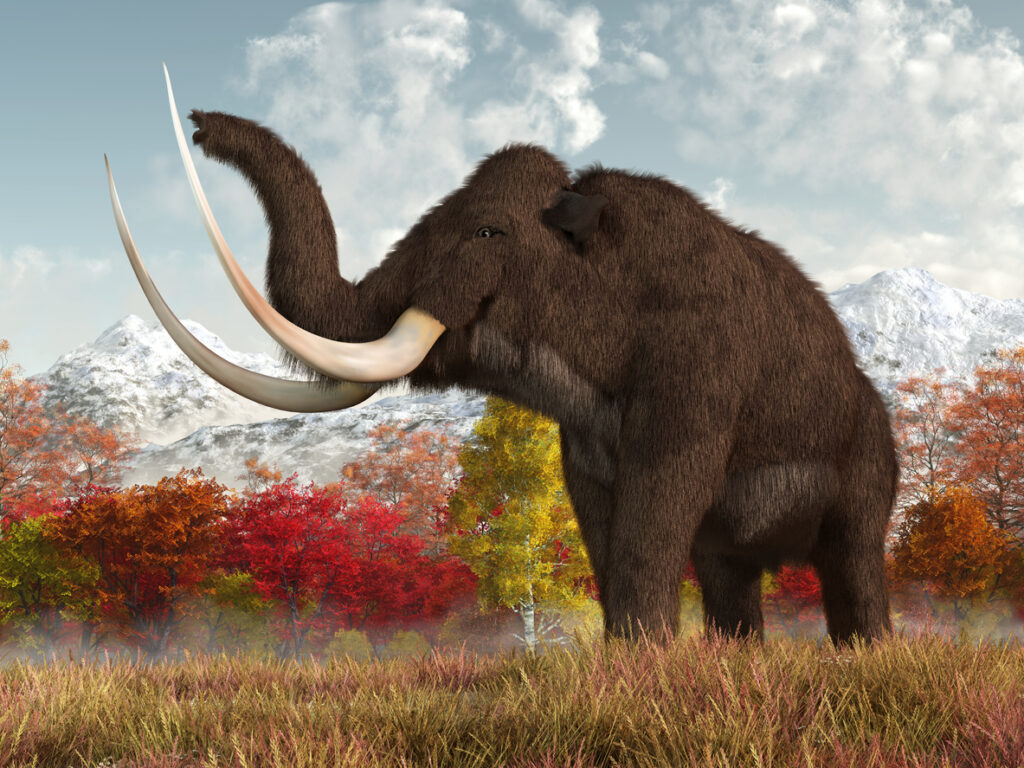
By this point, humans had spread across much of the mammoths’ range. People hunted them and altered landscapes through fire and movement. Hunting alone may not have wiped mammoths out, but combined with climate stress, it likely pushed already fragile populations closer to extinction.
Mammoths didn’t disappear all at once.
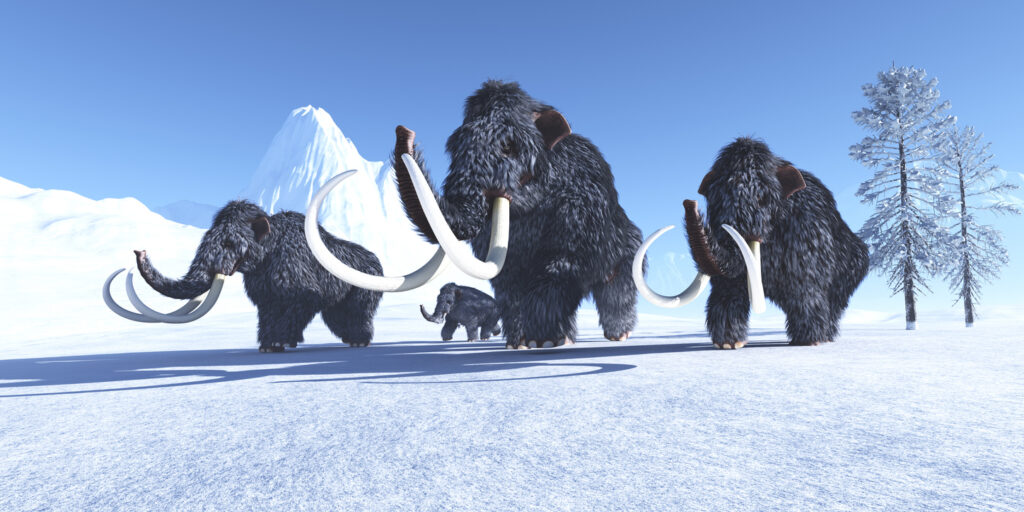
This is a major problem for the idea of a single deadly event. Mammoths vanished at different times in different places. Some survived thousands of years longer on isolated islands. A sudden global catastrophe doesn’t explain why certain groups lingered long after the supposed disaster.
A comet may have been a trigger, not the killer.
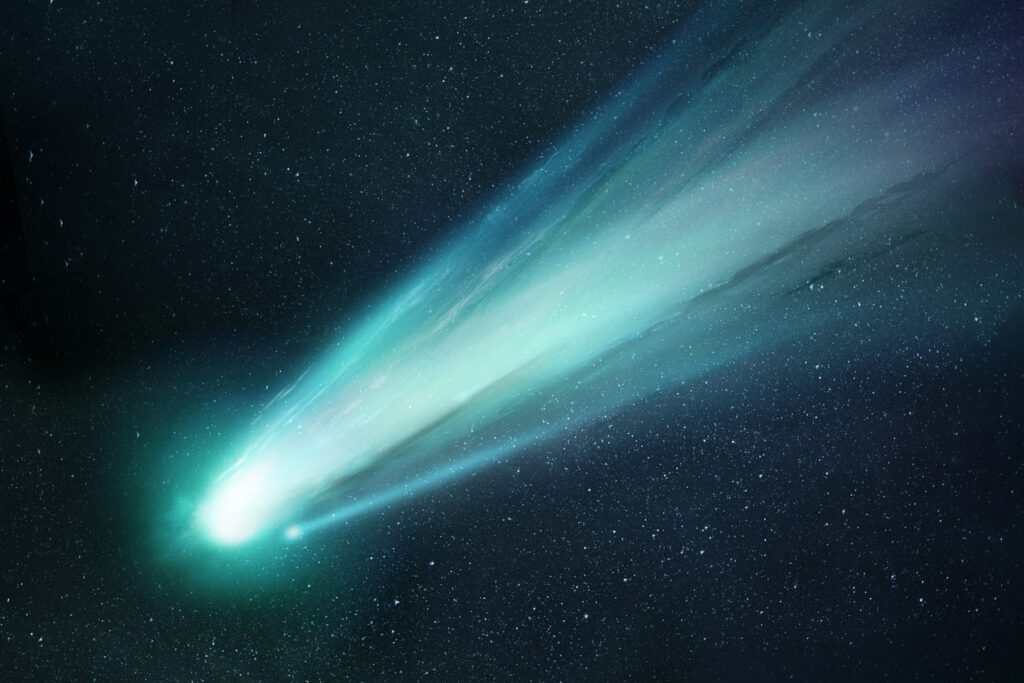
Some scientists take a middle-ground view. A cosmic airburst could have added stress to an already unstable climate. In this version, mammoths weren’t wiped out overnight. They declined over time due to climate changes, shrinking habitats, and human pressure, with any cosmic event acting as one more blow rather than the final cause.
There’s still no agreement on whether an exploding comet played a role in the mammoths’ extinction. What most scientists do agree on is this: the end of the mammoths wasn’t sudden, simple, or caused by one thing alone. It was the result of multiple pressures stacking up over time, until a species that had survived for hundreds of thousands of years finally couldn’t adapt fast enough anymore.