Trying to pin down which towns in the UK are actually green is a bit of a nightmare because everyone has a different idea of what that even means.
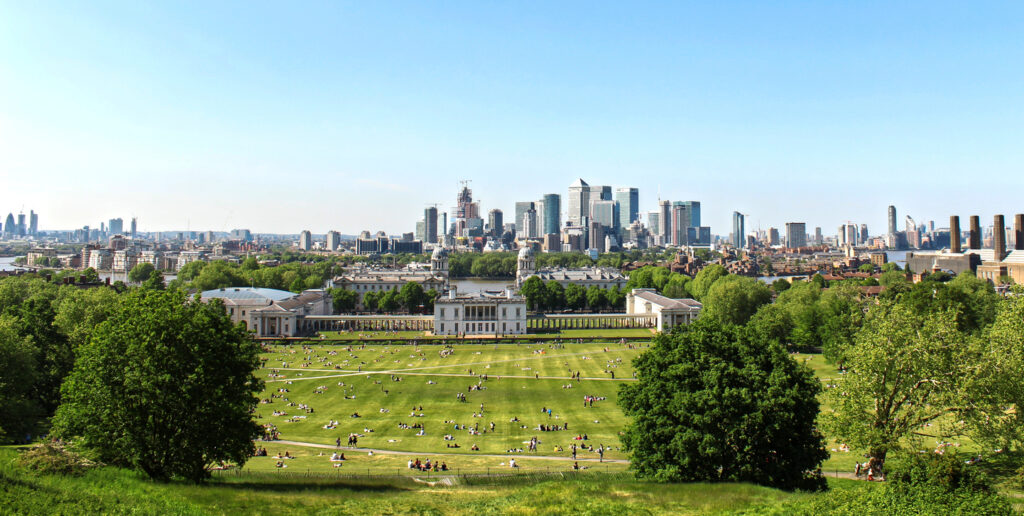
You can’t just count the number of trees and call it a day, especially when some cities are basically concrete heat-traps that happen to have a nice park in the middle. The places that are actually getting it right are the ones sorting out the boring stuff, like making sure the bins actually get recycled and building cycle lanes that don’t just vanish into a busy roundabout.
We’re seeing a massive change in how some of our old industrial hubs are trying to fix their air quality, while newer towns are benefiting from being designed with open space in mind from the start. These 10 spots are currently leading the way, showing that you can have a proper urban life without feeling like you’re constantly stuck in a smog-filled corridor.
Edinburgh leads with nearly 50% of the city as green space.
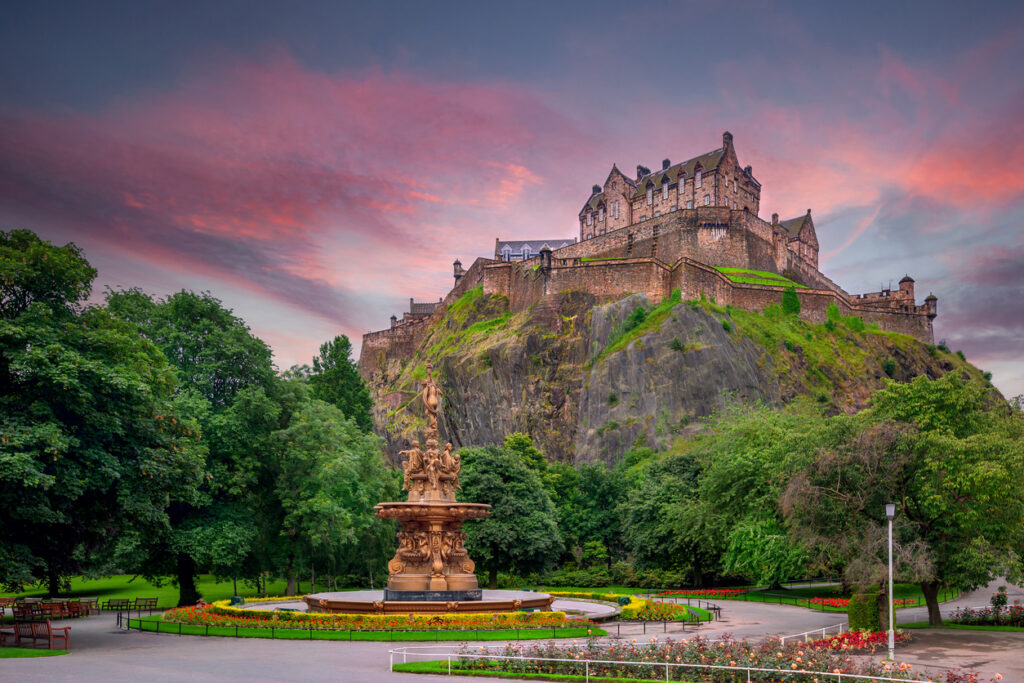
Scotland’s capital has committed to hitting net zero by 2030 and residents can access nature through Holyrood Park, the Meadows and Princes Street Gardens without much effort at all. The city’s invested heavily in cycling and walking routes while maintaining this huge percentage of green space, which is genuinely impressive for a capital city. Edinburgh proves you can be a major tourist destination and historic centre whilst still prioritising parks and natural areas for locals.
Sheffield has more trees per person than any other European city.
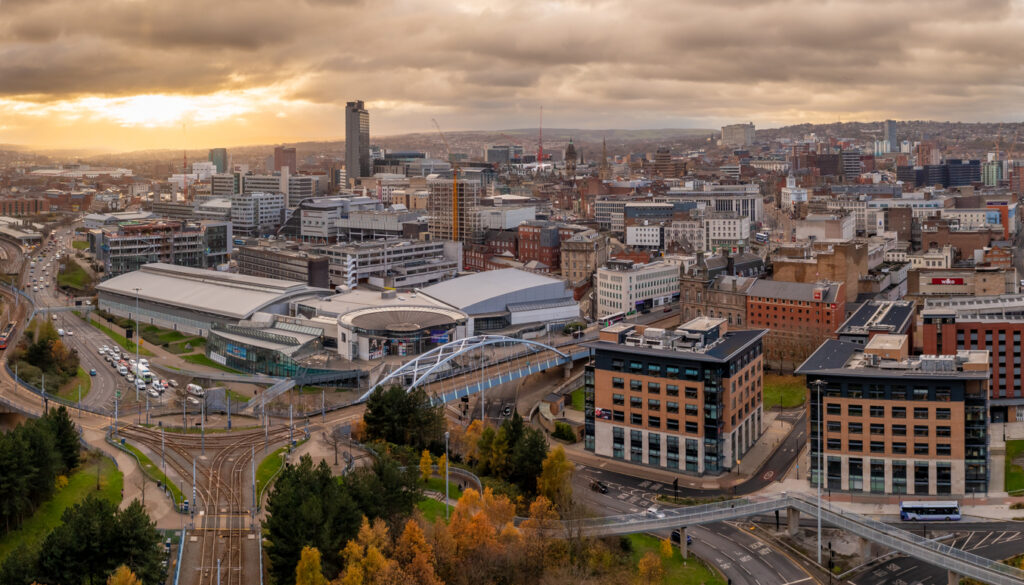
Over 61% of Sheffield’s landscape is green space, with more than 250 parks and woodland areas scattered throughout. The city’s got around 4.5 million trees, which works out to more trees per capita than anywhere else in Europe. Its proximity to the Peak District adds to the outdoor culture, and despite its industrial heritage, Sheffield’s often called “The Outdoor City” for very good reasons.
Milton Keynes ranks as the greenest overall for air quality and access.
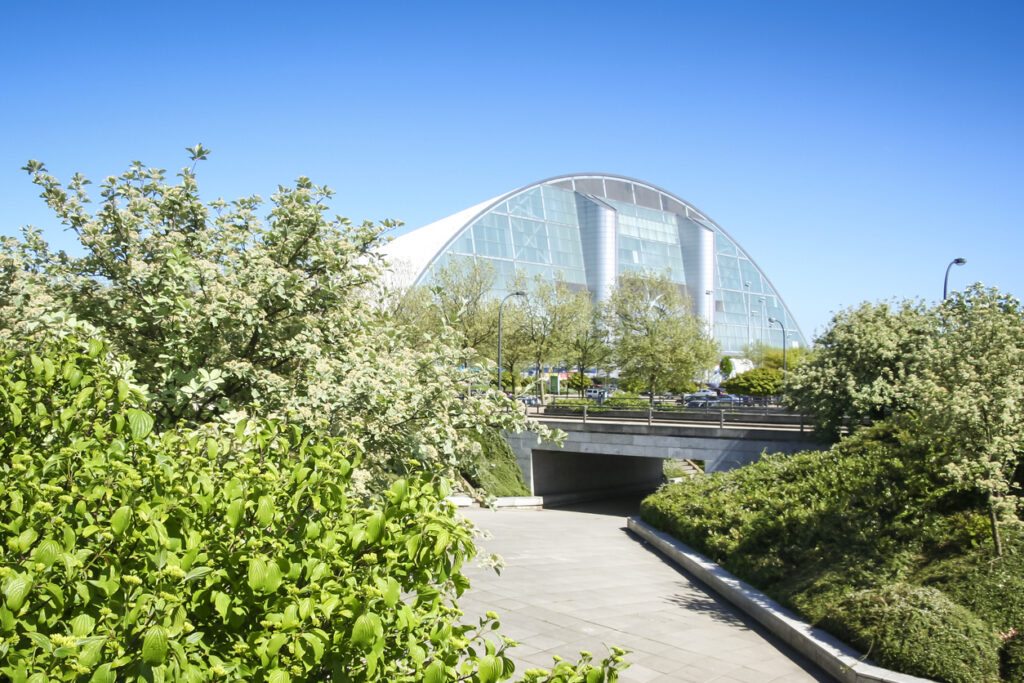
This new town has the lowest air pollution of major UK cities, probably because it also has the lowest traffic index meaning fewer emissions getting pumped into the air. Willen Lake alone attracts over 750,000 visitors annually, and with 15.42 square metres of parks per ten residents, Milton Keynes has genuinely planned green space into its DNA. The town was designed with parks integrated from the start, rather than squeezed in as an afterthought.
Leeds boasts one of Europe’s largest urban parks at Roundhay Park.
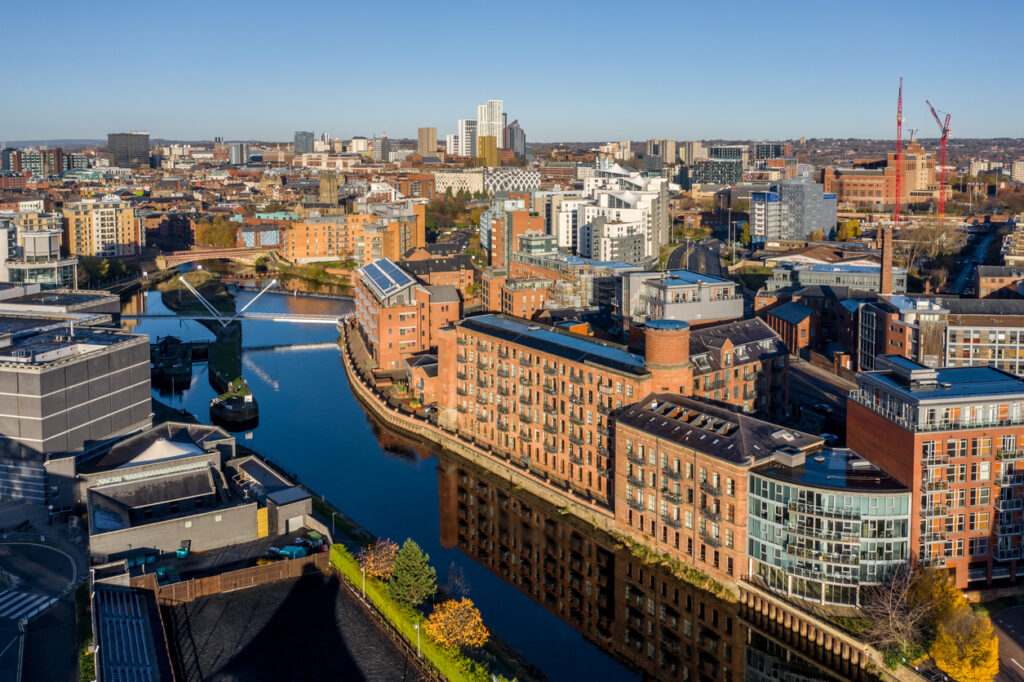
This Northern city offers nearly 22% green space, and Roundhay Park covers 700 acres of parkland, lakes, woodland, and gardens. Leeds has implemented a Clean Air Zone and invested heavily in electric public transport and cycle lanes. The city’s also retrofitting old housing stock to improve energy efficiency, proving that climate action and practical living improvements can work together.
Bristol combines green spaces with serious sustainability initiatives.
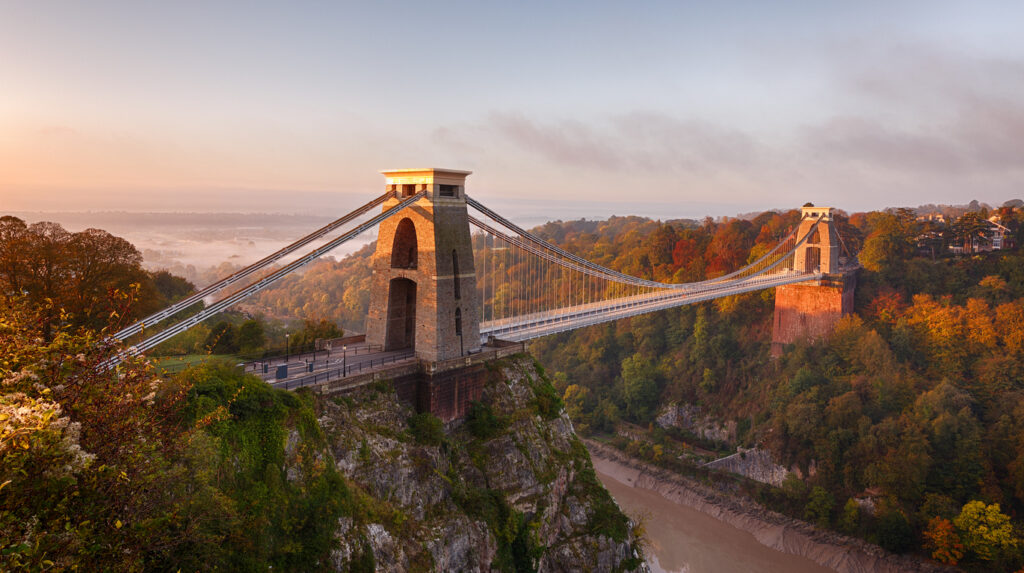
Around 20% of Bristol is green space, and the city’s known for community-led sustainability, with plastic-free shops and eco-conscious restaurants throughout. Bristol has a long-term low carbon strategy including climate protection measures and sustainable energy plans running through to 2026. The city’s frequently named as one of the most sustainable in the UK, and residents take environmental action seriously across the board.
London manages 23% green space despite being incredibly dense.
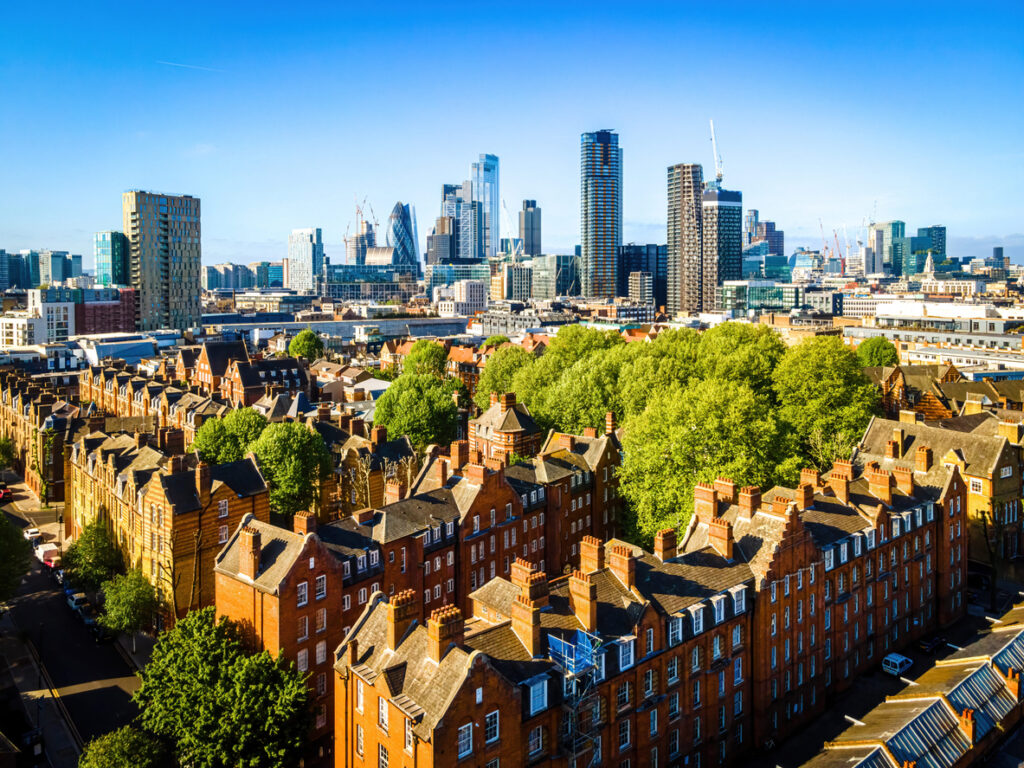
For the UK’s most densely populated city, maintaining nearly a quarter of its area as green space is remarkable. Royal Parks like Hyde Park and Richmond Park are massive, but London’s also creating new urban greening projects and community gardens constantly. The Ultra Low Emission Zone has significantly dropped nitrogen dioxide levels, showing that even megacities can tackle air quality whilst preserving green spaces.
Nottingham aims to be carbon-neutral by 2028.
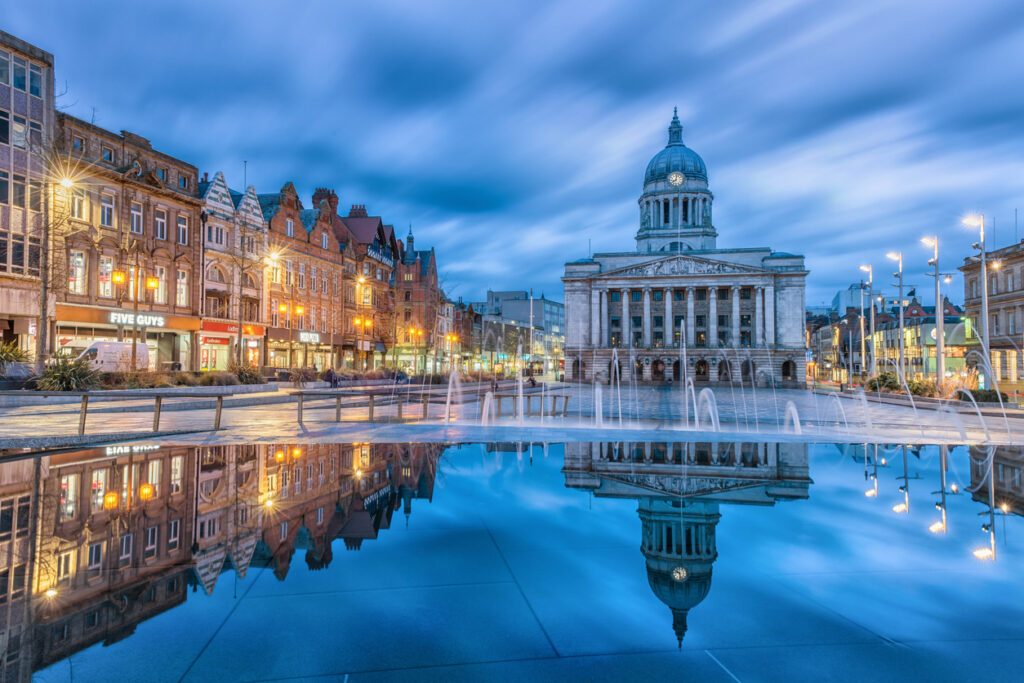
This Midlands city has already cut emissions by over 40% since 2005 and approximately 21% of it is green space including high-quality urban parks like Wollaton Hall and Arboretum Park. Nottingham’s carbon neutral target is one of the most ambitious in the UK, and they’re not just talking about it, they’re actually implementing serious changes. The city’s shown that medium-sized urban areas can lead on climate policy without massive resources.
Exeter has the greenest city centre in Britain.
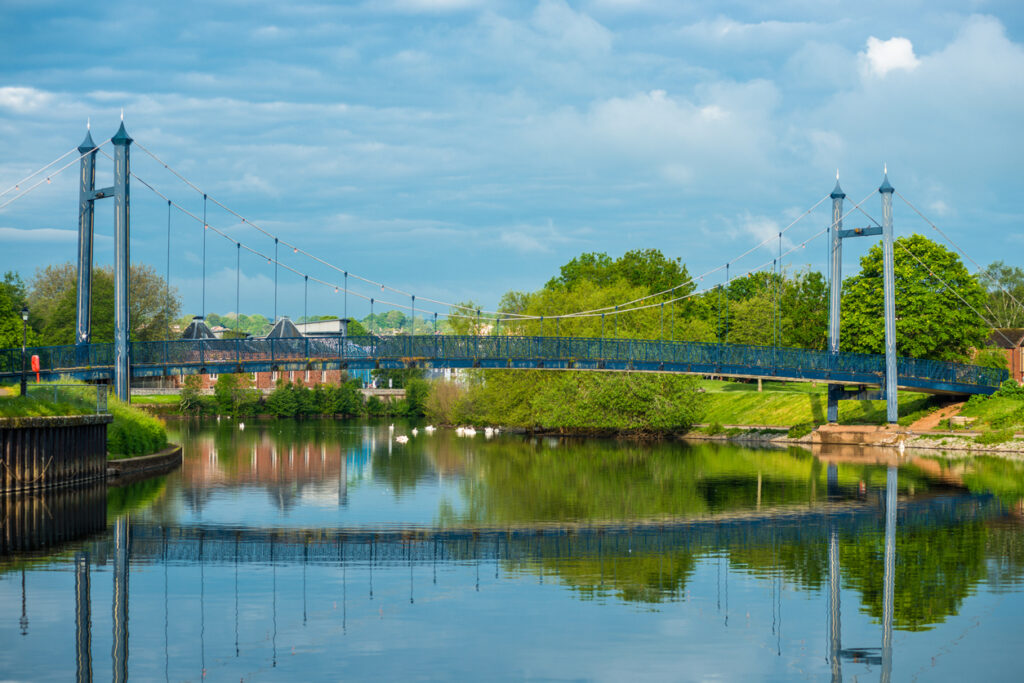
When researchers specifically looked at city centres rather than whole cities, Exeter came out on top for vegetation, parks, and tree cover right in the heart of the urban area. The city has six Exeter Valley Parks managed by Devon Wildlife Trust, 1,400 allotments and loads of leafy cemeteries breaking up the urban environment. Exeter’s conscious that these spaces matter for mental health and wellbeing, not just ticking environmental boxes.
Glasgow has transformed industrial land into 32% green space.
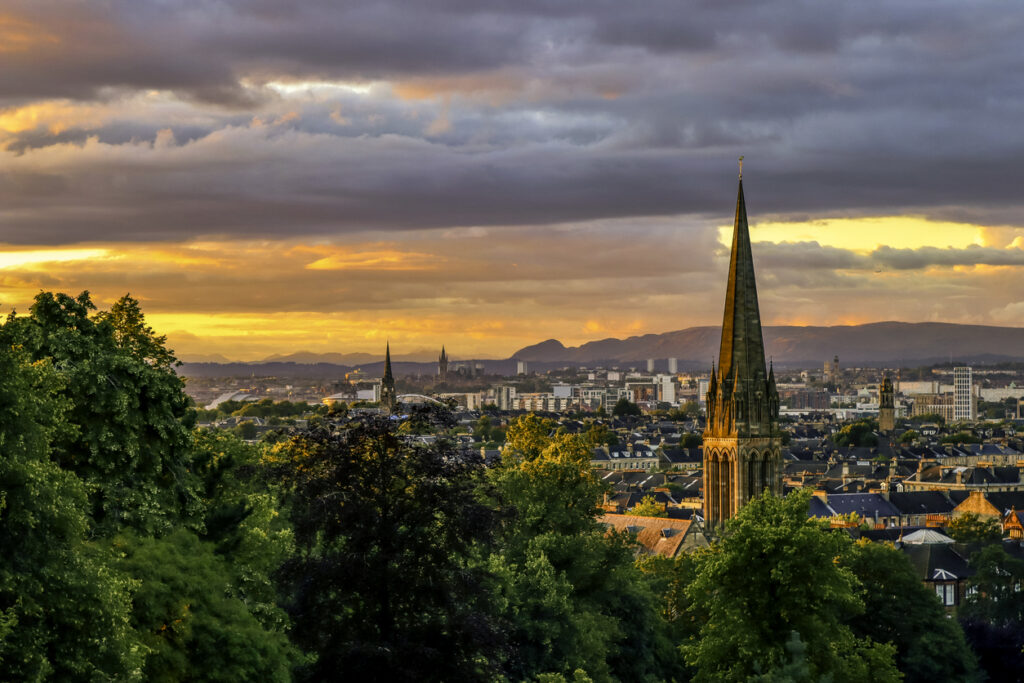
Major projects have focused on rehabilitating former industrial areas into green corridors and recreational parks, with Glasgow Green and Pollok Country Park showcasing what’s possible. The city’s made impressive environmental efforts considering its industrial past, proving that former manufacturing centres can reinvent themselves as green cities. Glasgow’s shown that historical legacy doesn’t have to define your environmental future.
Cambridge combines high-quality green spaces with zero emission zones.
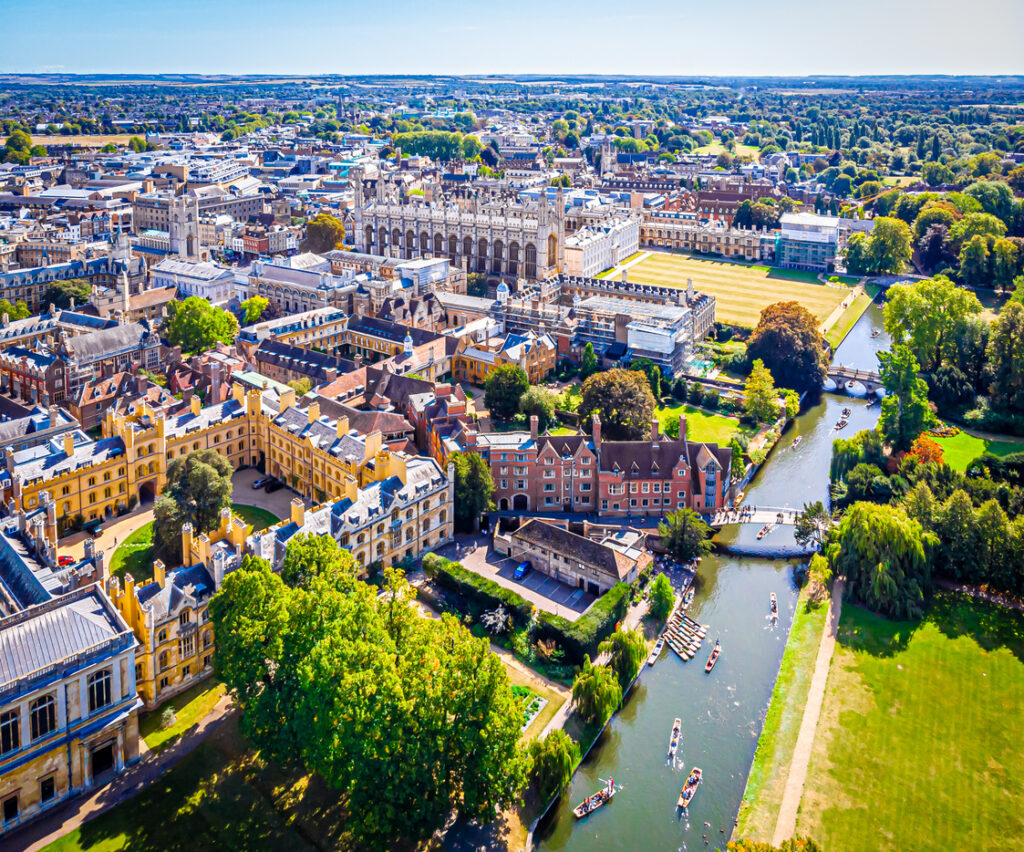
The city introduced the UK’s first city-centre Zero Emission Zone in 2023 and has rolled out 159 electric buses by 2025, the highest per capita in the country. Cambridge scores highest for quality of green space and parks out of all UK cities, with University Parks and Port Meadow being particularly popular. New housing developments are required to meet high environmental standards, embedding sustainability into growth rather than treating it as optional.