When you’re out for a walk and a wild animal suddenly makes a beeline for you or starts making a massive racket, it’s only natural for your heart to start thumping.
We’re hardwired to see any sudden move or loud noise as a threat, but the truth is that a lot of what looks like a proper attack is actually just a bit of clever acting or a misunderstanding of animal body language. In the wild, a real fight is a massive drain on energy and carries a high risk of getting injured, so most creatures would much rather bluff their way out of a situation than actually throw a punch.
They’ve developed all sorts of dramatic displays, from mock charges to weird screaming matches, that are designed to make you back off without anyone actually getting hurt. These 10 behaviours might look like they’re about to end in a scrap, but once you know what’s really going on, you realise it’s just nature’s way of saying “move along, please” without resorting to violence.
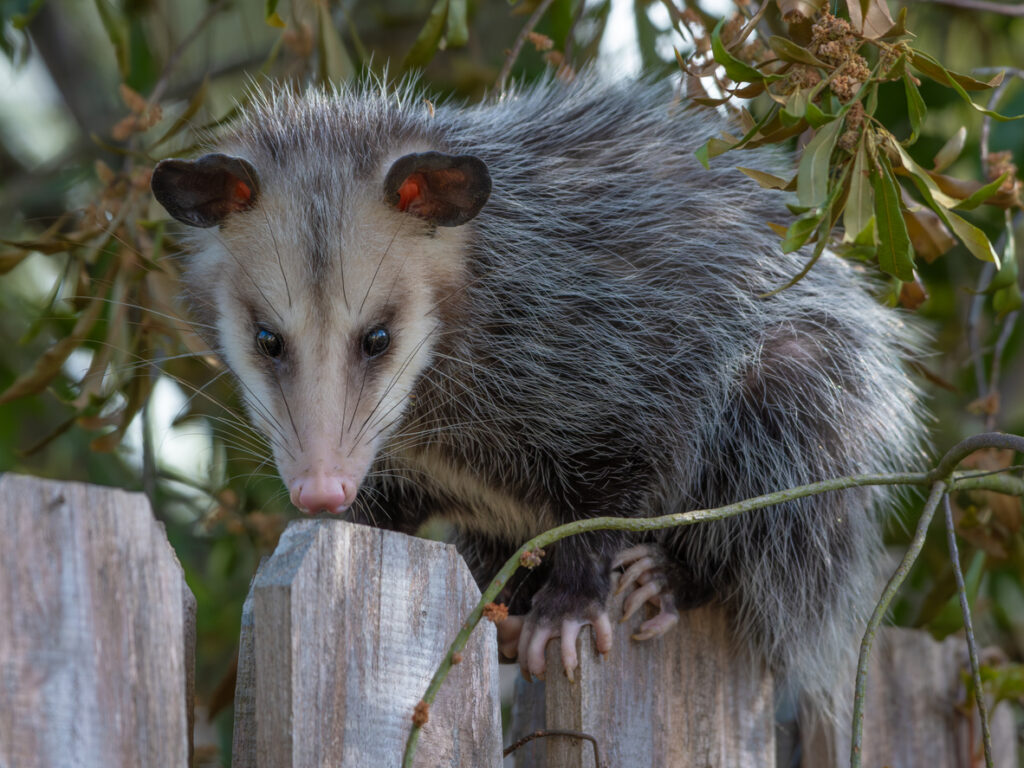
1. Opossums hissing with their mouths wide open are absolutely terrified.
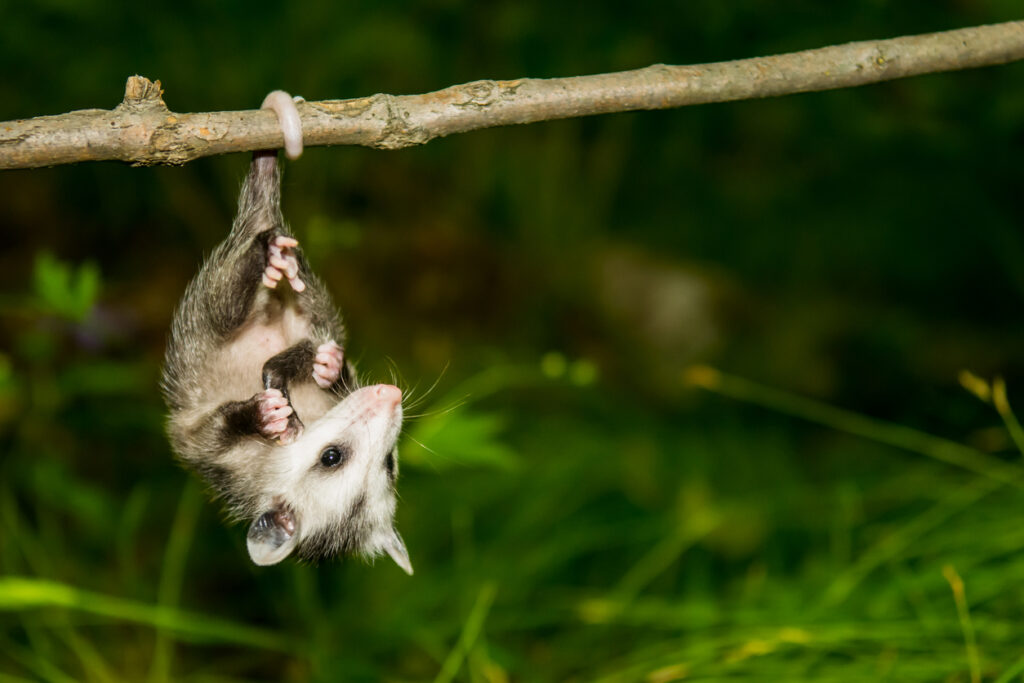
When an opossum opens its mouth to show all 50 teeth while hissing, drooling and swaying, people assume it’s about to attack. However, that couldn’t be further from the truth. Opossums are gentle creatures with almost no ability to defend themselves, so this theatrical display is pure bluff, designed to make them look dangerous when they’re actually petrified. If the scary act doesn’t work, they’ll just faint and play dead because they’re too frightened to do anything else.
2. Gorillas beating their chests are trying to avoid a fight, not start one.
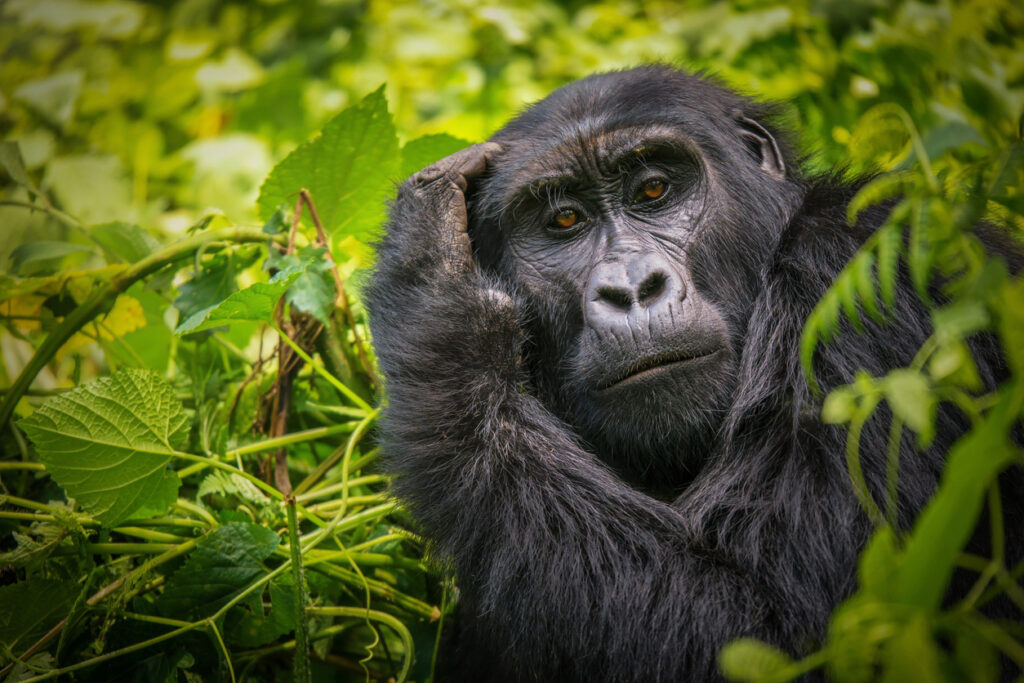
The iconic image of a silverback gorilla thumping its chest looks incredibly aggressive, but it’s actually a way to settle disputes without violence. The chest beating is a display meant to communicate size and strength, so rivals back down before anyone gets hurt. Gorillas are gentle giants who’d much rather intimidate through sound than actually fight, which is why this behaviour works so well for maintaining peace in their groups.
3. Bears doing bluff charges are hoping you’ll just leave.
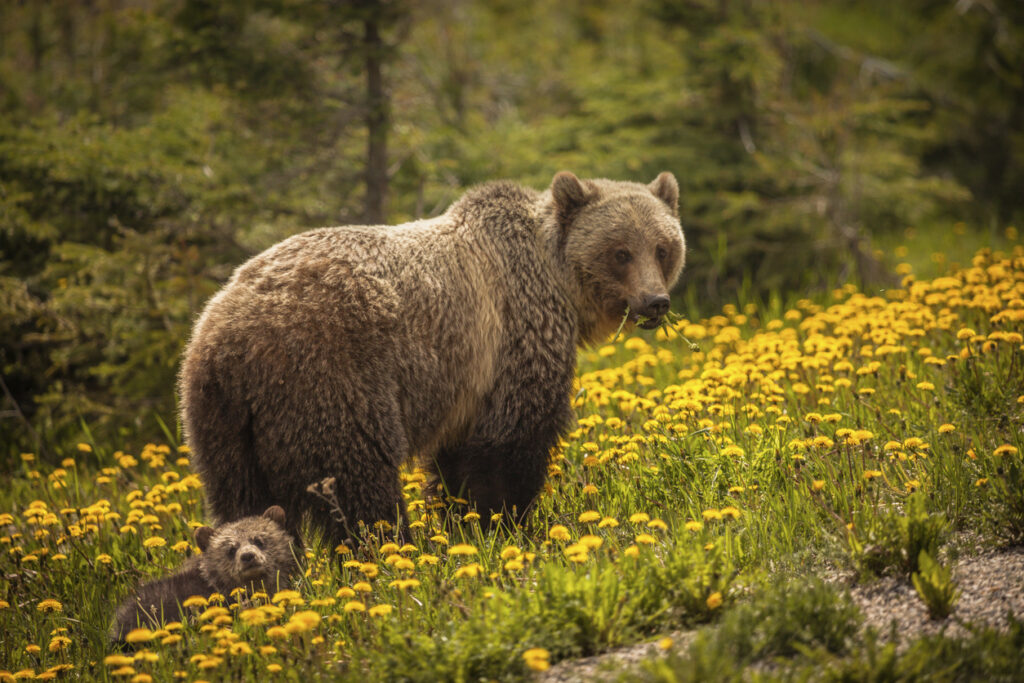
When a bear suddenly rushes towards you only to veer off at the last moment, it’s performing a bluff charge because it feels cornered or threatened. The bear isn’t actually planning to attack, it’s trying to scare you away so it can escape the situation. Understanding this behaviour as fear rather than aggression can prevent panic and help you respond appropriately by staying calm and backing away slowly.
4. Snakes rattling, hissing or making striking motions want you gone.
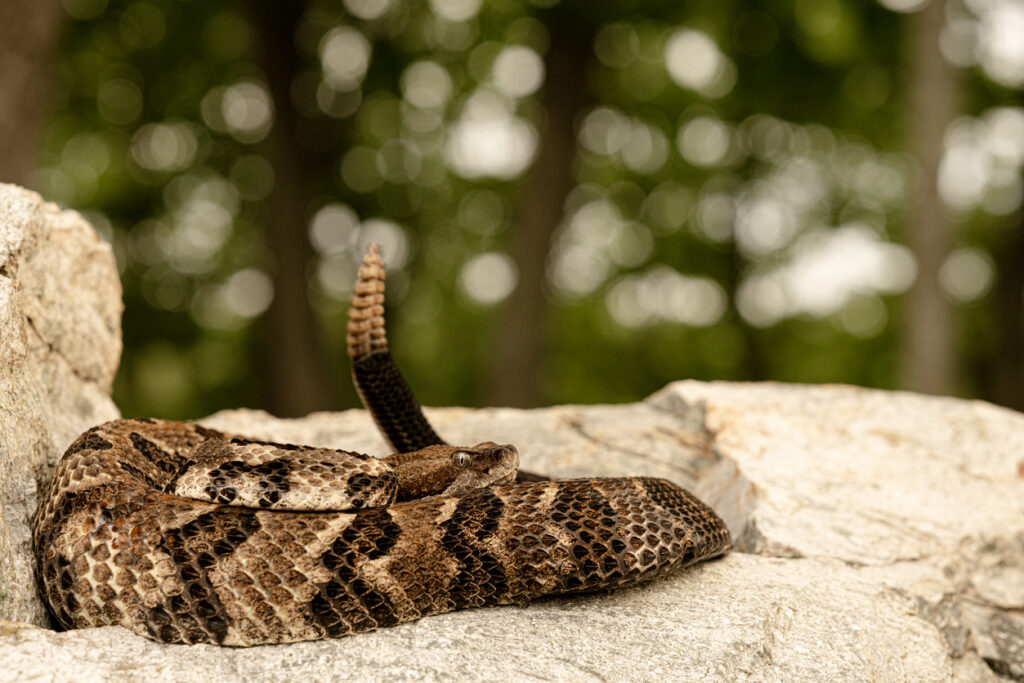
These warning displays are snakes begging you to back off before they have to actually defend themselves. Rattlesnakes rattle, cottonmouths gape their white mouths open, and other snakes hiss or vibrate their tails frantically. They’re not being aggressive, they’re desperately trying to avoid conflict by making it crystal clear they’re there, and you should leave them alone. Most snake bites happen when these polite warnings get ignored.
5. Skunks raising their tails are giving you one last chance.
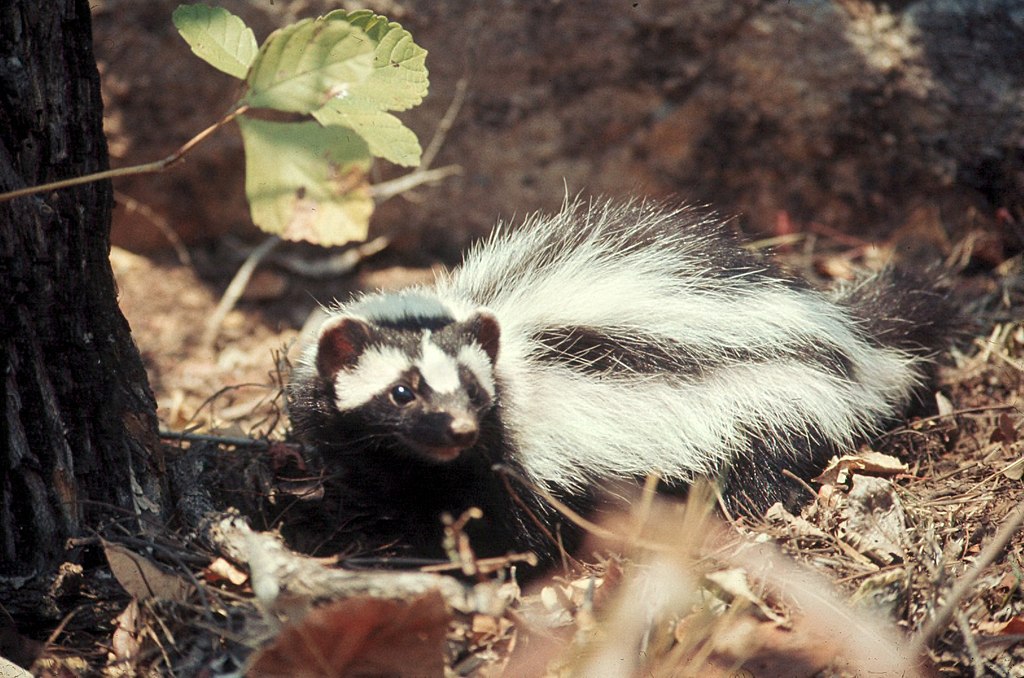
A skunk standing with its tail straight-up looks ready to attack, but it’s actually showing remarkable restraint. This posture is a final warning before they resort to spraying, which skunks really don’t want to do because they can’t produce that spray quickly. They’re hoping you’ll read the signal and back off so neither of you has to deal with the aftermath. The raised tail is basically them saying, “Please don’t make me do this.”
6. Swans hissing and spreading their wings are protecting their space.

Swans get a reputation for being vicious, when they’re really just extremely defensive about their nests and young. The hissing, wing spreading and aggressive posturing looks menacing, but it’s defensive behaviour meant to keep potential threats at a distance. They’re not hunting you down, they’re trying to make sure you don’t come any closer to something they’re guarding. Give them space and they’ll calm down immediately.
7. Cats arching their backs and puffing up are scared, not angry.

When a cat makes itself look bigger by arching its back, puffing its fur and standing sideways, it’s trying to appear more threatening because it feels frightened. This is classic defensive posturing designed to make predators think twice about attacking. The cat would much rather you back off than have to actually fight, which is why it’s putting on this dramatic show instead of just launching itself at you.
8. Peacocks displaying their tail feathers are showing off, not threatening.
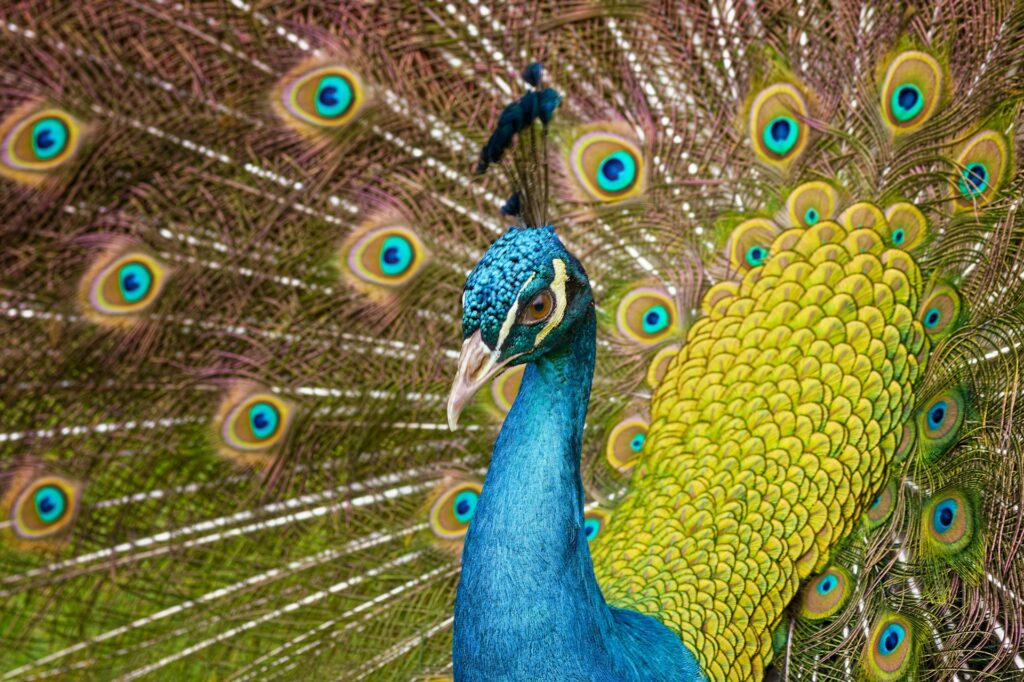
A peacock spreading its massive tail and shaking the feathers looks dramatic and intimidating, but it’s purely about attracting mates rather than aggression. This elaborate display is the peacock equivalent of wearing your best outfit to impress someone you fancy. The shaking and rattling of feathers is meant to catch female attention, not scare off threats. It’s all performance with zero menace behind it.
9. Owls spreading their wings wide are trying to look bigger than they are.
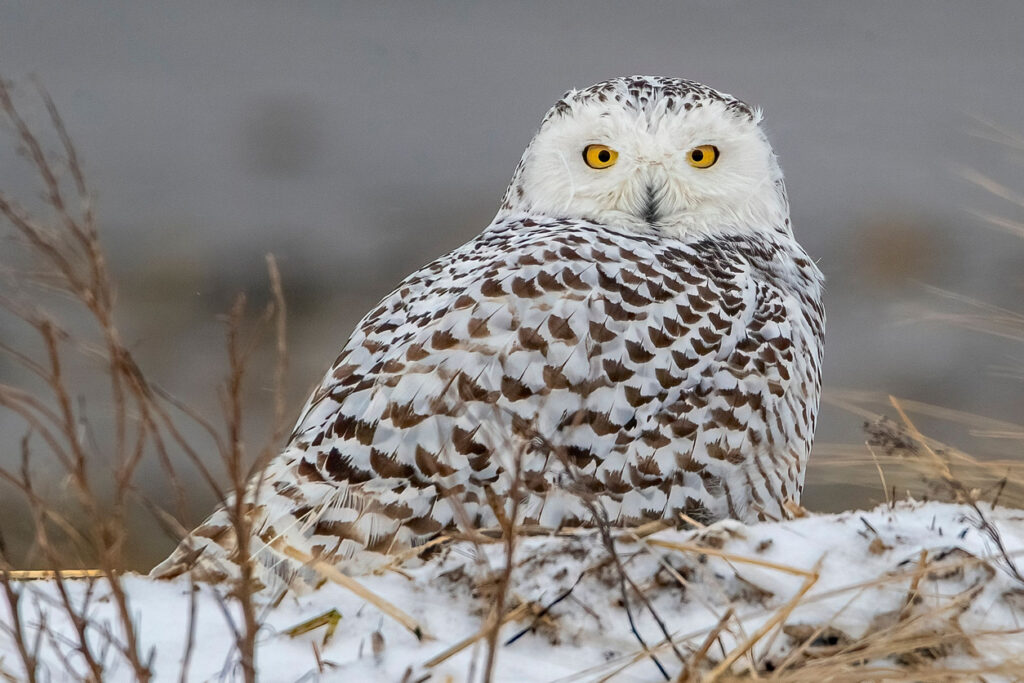
When an owl extends its wings fully and makes itself appear huge, it’s using a defensive display to seem more formidable to potential predators. This is especially common in smaller owl species that don’t have size on their side, so they compensate by looking as large and threatening as possible. The owl desperately wants whatever’s threatening it to reconsider and leave, rather than testing whether the bluff is real.
10. Male deer or elk bugling during mating season aren’t declaring war.
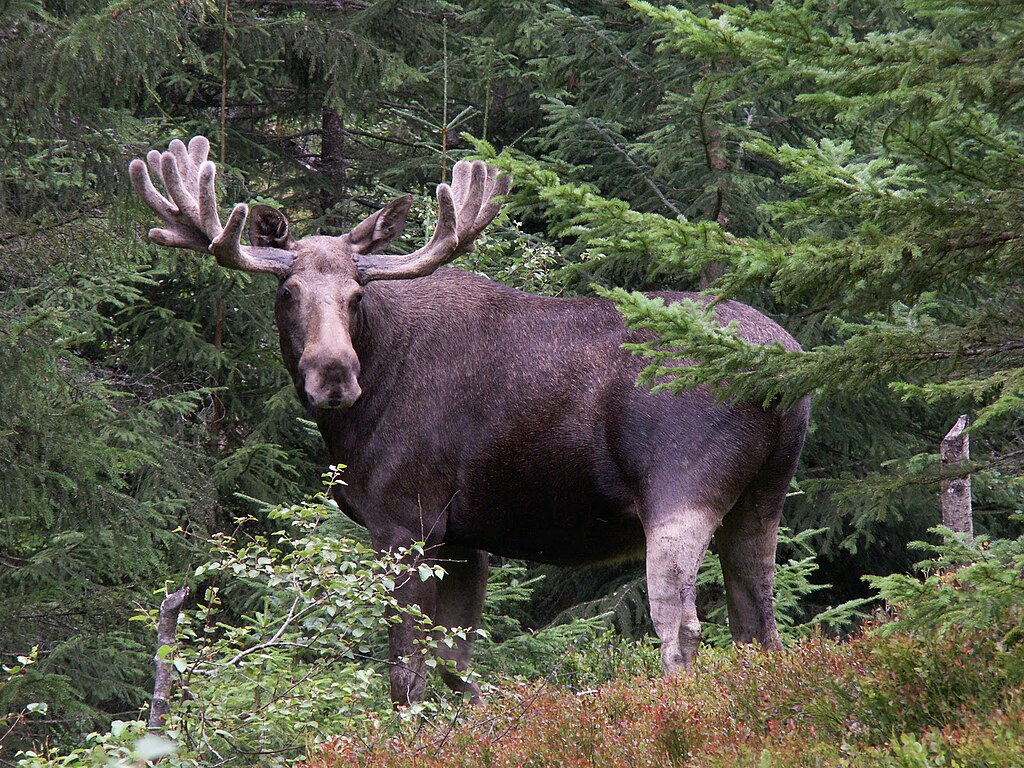
The loud, haunting calls of stags and bulls during the rut sound aggressive and can be heard for miles, but they’re primarily about attracting females and advertising dominance to other males. Most of these vocal displays prevent actual fighting by establishing hierarchy through sound rather than violence. Physical confrontations do happen, but the bugling itself is meant to avoid that outcome by making rivals think twice about challenging.