When we think about natural disasters, we usually focus on the immediate chaos: the emergency sirens, the flattened buildings, and the frantic clean-up that follows.
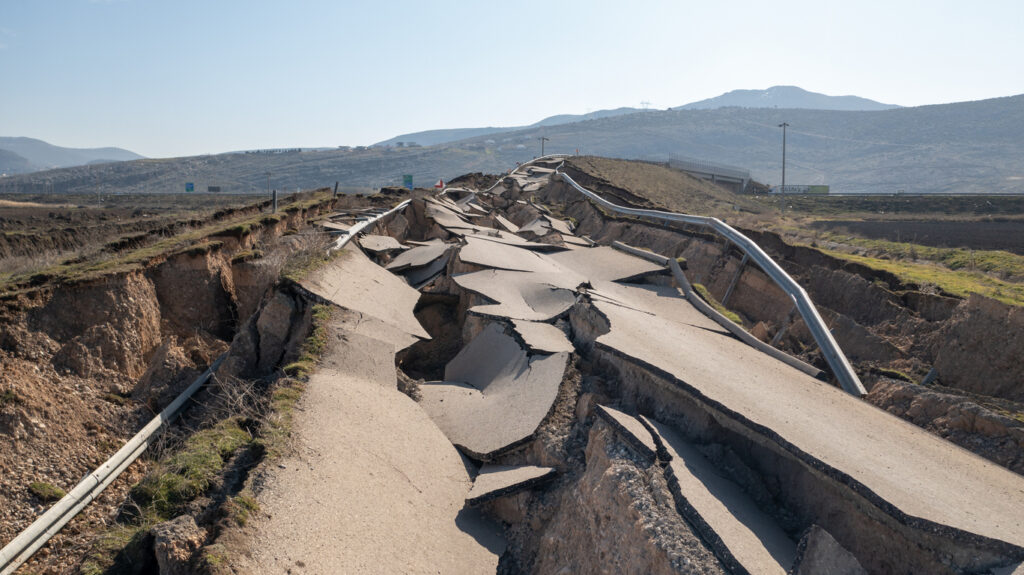
However, once the news crews have moved on and the rubble has been cleared, there are some events that leave a mark on the earth that won’t fade for hundreds of years. We aren’t just talking about a bit of flooding that dries up in a week; we’re talking about massive shifts that can literally redraw the map. Mountains can be lowered, new islands can pop up out of the sea, and entire river systems can be forced to move their path overnight.
These disasters are so powerful that they override the slow work of traditional erosion, skipping ahead by centuries in a matter of minutes. These 14 types of events show just how quickly the planet can change its mind about what a landscape is supposed to look like, leaving behind a completely different world for the generations that follow.
1. Earthquakes permanently shift land levels.
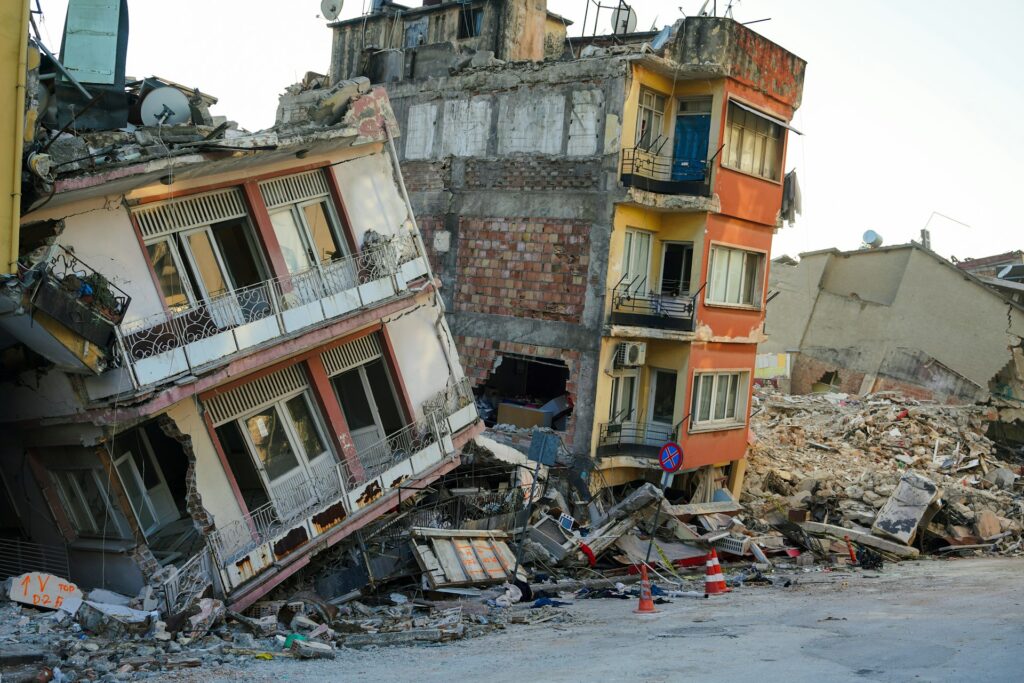
Large earthquakes don’t just crack roads or topple buildings. They physically move sections of the Earth’s crust, sometimes lifting land several metres or dropping it just as far. Coastlines can rise out of the sea or sink beneath it in a matter of minutes, instantly changing drainage patterns and tidal reach. Those vertical shifts don’t correct themselves. Over centuries, altered land levels redirect rivers, flood low-lying areas, and change where sediment settles. Wetlands form where dry land once stood, while other regions slowly erode because water now moves through them differently than before.
2. Volcanic eruptions create entirely new landforms.

When a volcano erupts on land, lava doesn’t just cool and harden. It becomes the foundation for new terrain that behaves differently from older ground. Fresh volcanic rock absorbs water differently, fractures uniquely, and erodes at its own pace. Over time, this affects soil development, vegetation patterns, and drainage systems. Forests may take centuries to establish stable root networks, while rivers carve new routes through brittle volcanic layers, permanently altering the shape of surrounding landscapes.
3. Tsunamis rearrange coastlines long after impact.
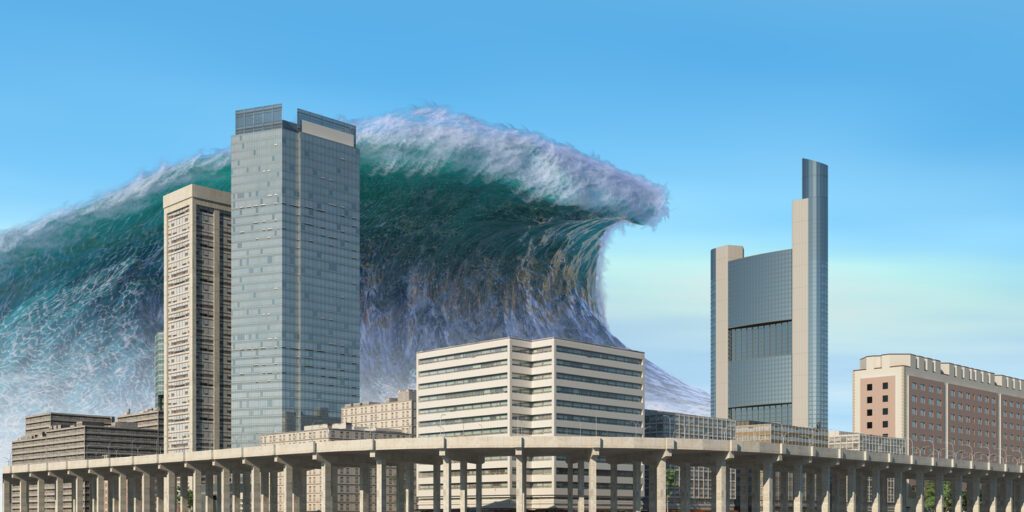
Tsunamis are often described as brief, devastating waves, but their real work happens in what they leave behind. Entire layers of sediment can be stripped away or deposited inland, changing coastal profiles in ways that last generations. Saltwater intrusion from tsunamis can also alter soil chemistry far inland. This affects what can grow there for centuries, reshaping plant communities and agricultural potential long after the water itself recedes.
4. Landslides permanently reroute rivers.
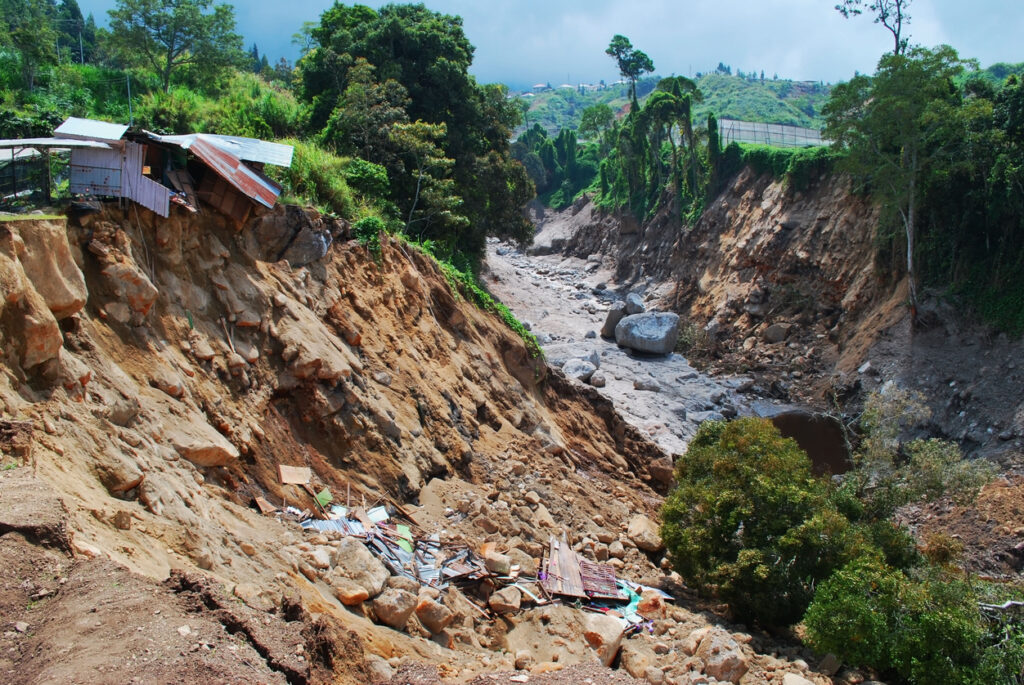
Major landslides don’t just scar hillsides. When enough material collapses into a valley, it can block rivers entirely, creating natural dams and temporary lakes. When those dams eventually fail, the released water often carves a new river path rather than returning to the old one. Over centuries, this alters erosion patterns, valley shapes, and floodplains far downstream.
5. Floods rewrite floodplains layer by layer.

Large flooding events don’t simply spread water and then retreat. They deposit massive amounts of sediment across floodplains, raising ground levels and changing soil composition. In the long run, repeated flood layers create rich agricultural land in some regions while slowly burying others. These accumulated changes dictate where rivers wander, where wetlands persist, and where human settlements can safely exist.
6. Wildfires reshape forests for generations.
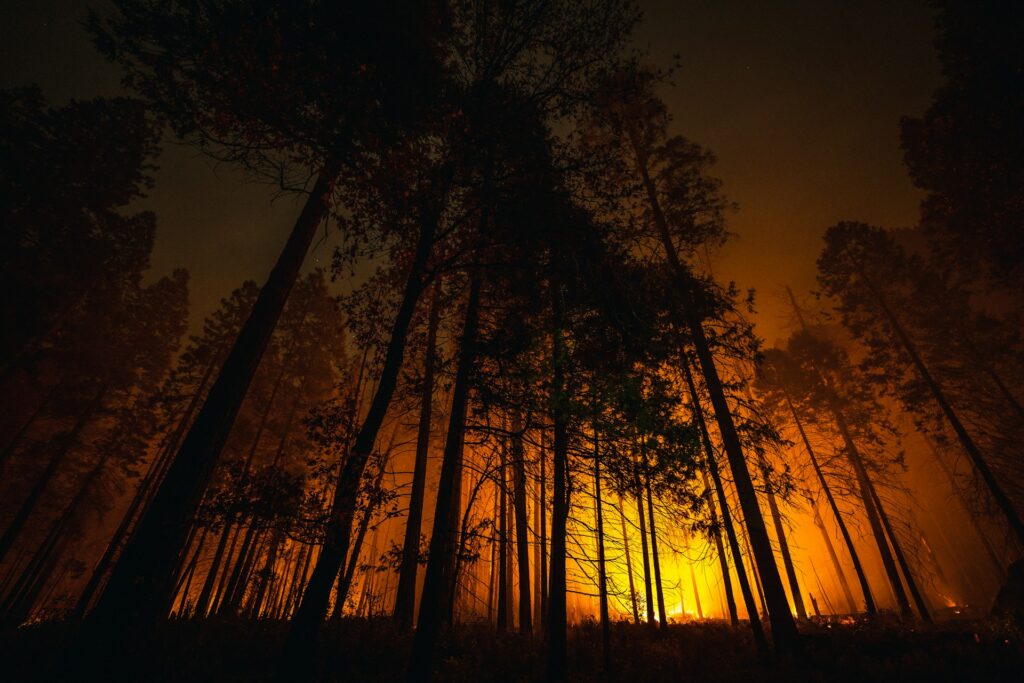
Severe wildfires don’t just remove trees. They alter soil structure, nutrient availability, and seed banks. In extreme cases, heat can sterilise soil layers, preventing regrowth for decades. Over longer periods, fire-altered landscapes often shift species dominance. Forests may return as entirely different ecosystems, changing erosion rates, water retention, and even local climate patterns.
7. Glacial outburst floods carve valleys in days.
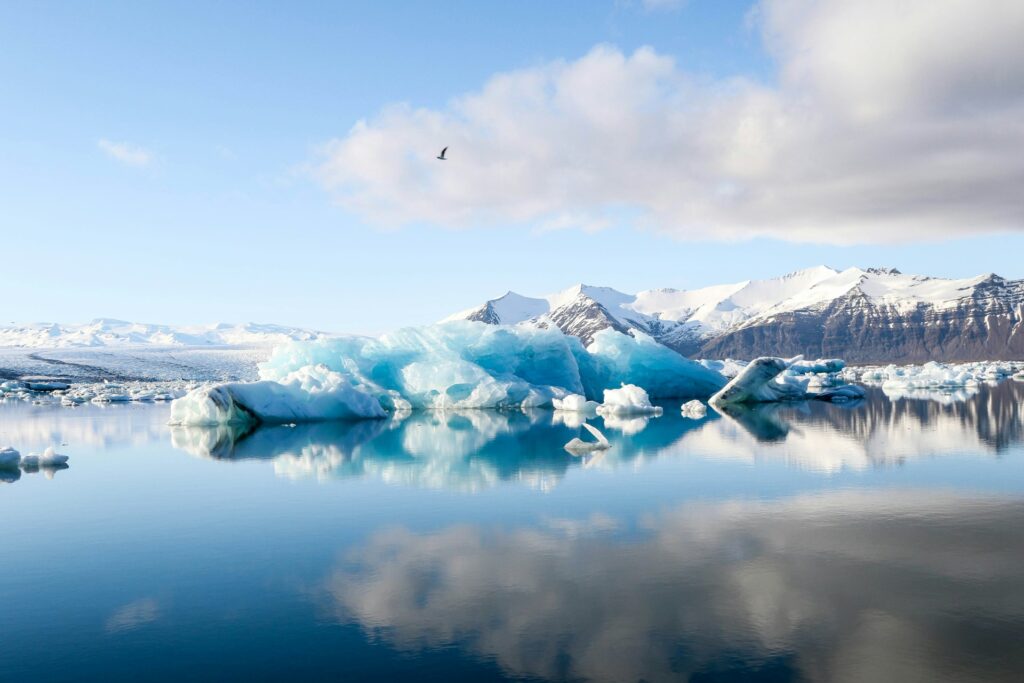
When glacial lakes suddenly drain, the resulting floods release volumes of water capable of reshaping entire valleys almost instantly. Bedrock is stripped away, massive channels are carved, and sediment is relocated across vast areas. Those carved features remain for thousands of years. Rivers that follow these paths continue eroding along those lines, locking in landscape changes far beyond the original flood event.
8. Coastal storms accelerate long-term erosion.
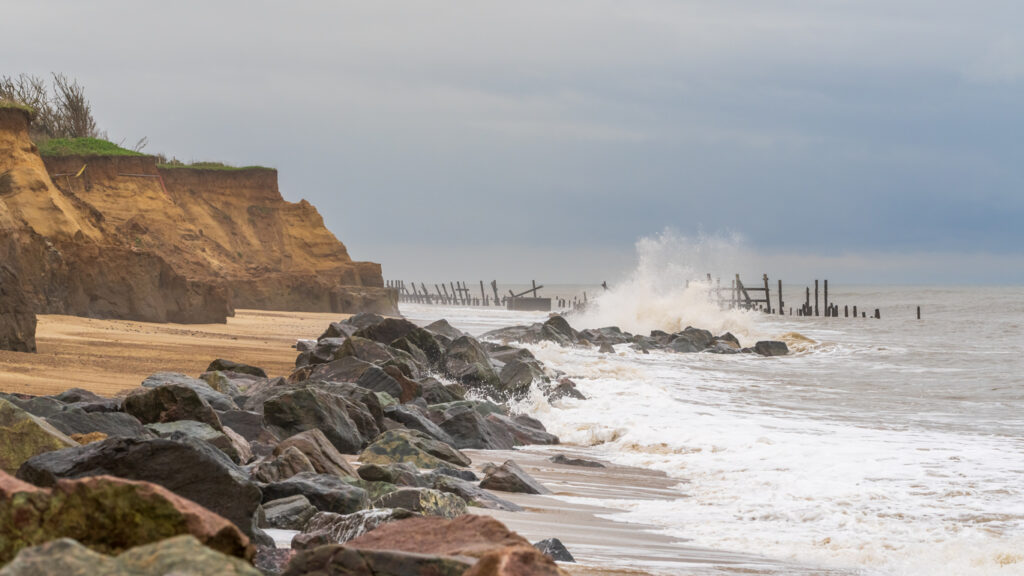
Powerful storms don’t just damage coastlines once. They remove protective dunes, vegetation, and sediment layers that normally buffer against erosion. Once those defences are gone, everyday tides and smaller storms continue the work. Over centuries, coastlines retreat kilometre by kilometre, reshaping bays, cliffs, and estuaries long after the original storm passes.
9. Droughts permanently change soil structure.
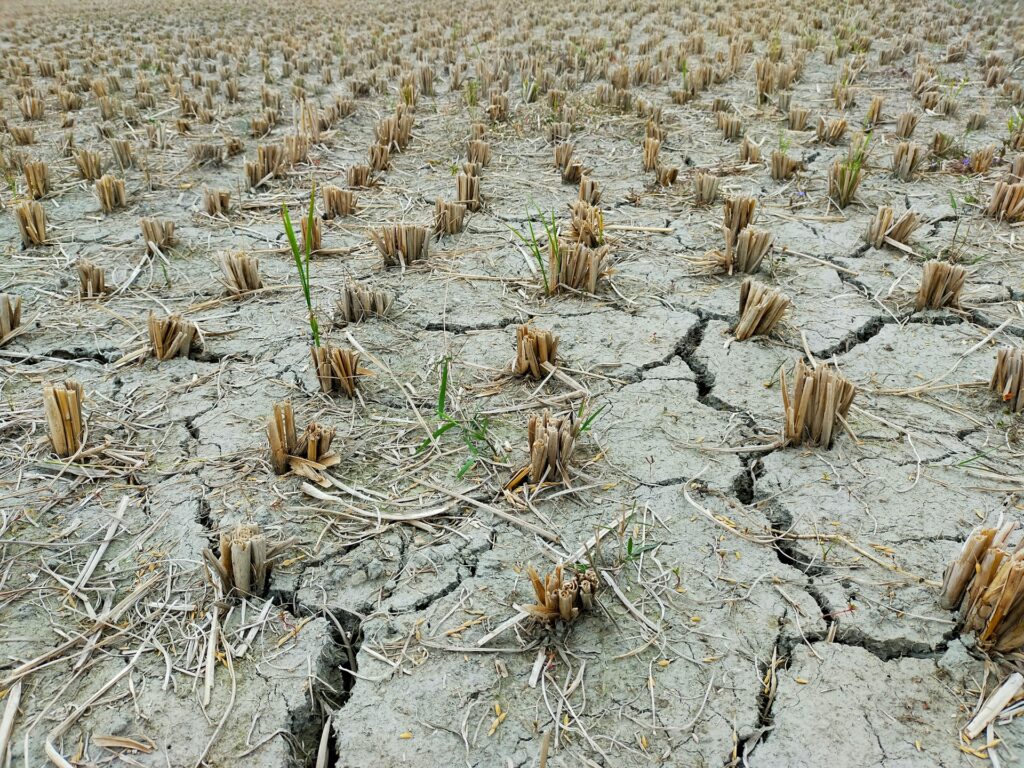
Extended droughts don’t simply dry land temporarily. They cause soils to compact, crack, and lose organic matter, making them less capable of absorbing water in the future. When rain eventually returns, run-off increases instead of soaking in. This accelerates erosion, alters river flow, and changes vegetation patterns in ways that persist across generations.
10. Mudflows bury landscapes beneath new ground.

Volcanic mudflows and debris flows can blanket valleys under metres of material in hours. Entire ecosystems are buried, not destroyed, replaced by an entirely new surface. Over a period of centuries, plants recolonise this new ground differently. Drainage systems reset, rivers cut fresh channels, and landscapes develop along paths that would never have existed without the initial burial.
11. Meteor impacts reshape terrain far beyond the crater.
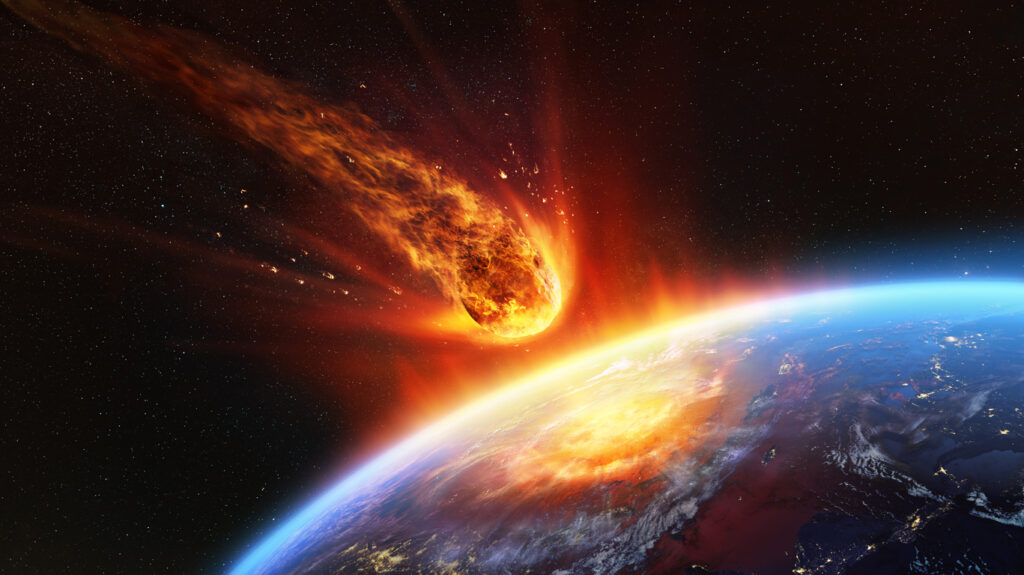
Large impacts don’t just leave holes. They fracture bedrock, alter groundwater flow, and scatter debris across enormous areas. These changes influence erosion patterns for millennia. Rivers avoid shattered zones or exploit them, valleys deepen where rock is weakened, and entire regions age differently because of a single ancient event.
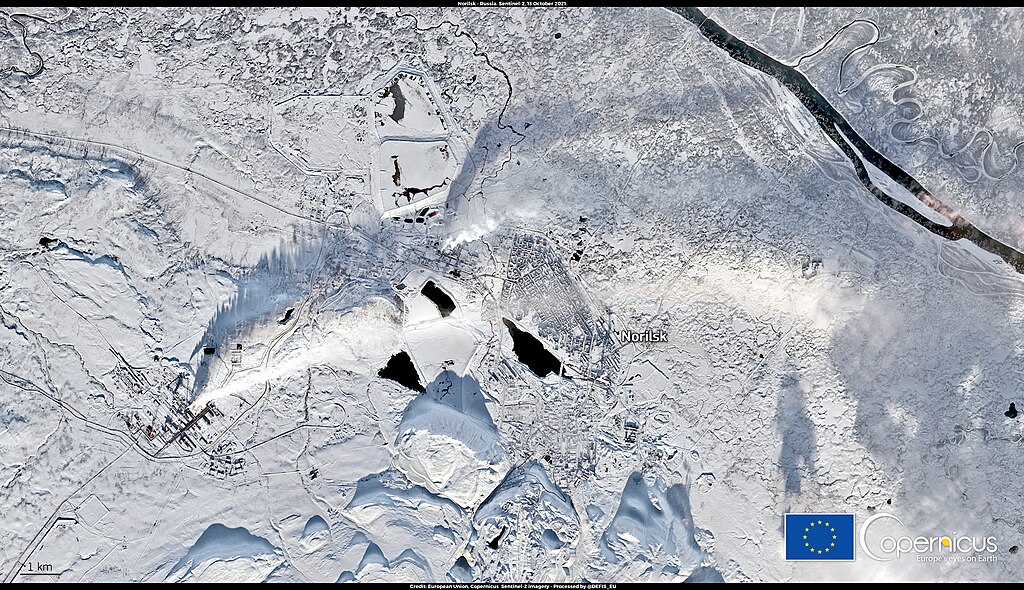
12. Permafrost collapse redraws Arctic landscapes.
.jpg)
When frozen ground thaws suddenly, land collapses into sinkholes, slumps, and uneven terrain. This process releases water, redirects streams, and destabilises entire regions. Once permafrost collapses, the landscape rarely returns to its former state. Drainage patterns shift permanently, creating lakes where tundra once existed and reshaping Arctic terrain for centuries.
13. Avalanches reshape mountain slopes over time.
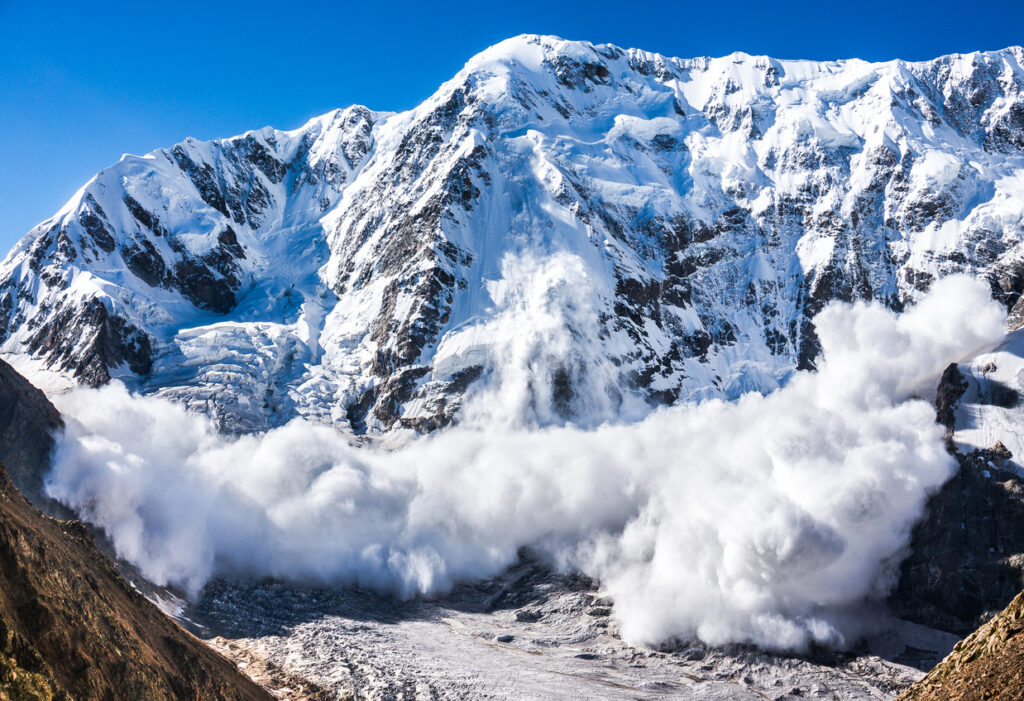
Repeated large avalanches strip vegetation, redistribute rock, and prevent forests from establishing in certain corridors. These avalanche paths become fixed features of mountain landscapes. As time goes on, these zones influence erosion, wildlife movement, and even where rivers collect snowmelt. What begins as a violent event becomes a permanent structural feature of the land.
14. Sea-level rise triggered by disasters reshapes continents.

Major natural events that accelerate ice melt or destabilise ice sheets contribute to long-term sea-level rise. The immediate cause may pass, but the resulting water redistribution continues reshaping coastlines. Over centuries, entire regions become submerged while new coastlines form elsewhere. Human timescales struggle to register these changes, but the land itself keeps adjusting long after the original trigger is forgotten.