
In the wild, getting into a proper scrap is a massive gamble because even a small injury can mean you’re done for. Most animals aren’t looking to have a go at each other for the sake of it; they’ve developed a whole range of clever tricks to settle a dispute without anyone actually getting hurt. It’s about being as intimidating as possible to convince the other side that a fight would be a total nightmare.
From puffing themselves up to look twice their size to using specific noises and displays that say “don’t even think about it,” these creatures have mastered the art of the stand-off. They use these tactics to protect their patch or their mates while keeping themselves in one piece, proving that being smart about how you handle a threat is often much more effective than just biting or clawing. These 12 ways show how animals manage to hold their ground and resolve a row without ever having to throw a single punch.
1. They make themselves look bigger before anything else happens.
One of the most common ways animals avoid fights is by changing how they appear rather than what they do. Fur stands on end, feathers spread wide, bodies stretch taller, and limbs stiffen to exaggerate size. The animal hasn’t moved closer or shown aggression yet, but the message is already being sent.
This works because animals constantly judge risk. A sudden increase in size forces the other animal to reassess whether the encounter is worth it. Most of the time, the answer is no. The conflict ends before it truly begins, with neither animal needing to retreat or attack.
@ryleeswildlife Ever wondered how bears avoid fights? #bear #grizzly #katmai #alaska #katmainationalpark #wildlife #wildlifebiology #animalbehaviour ♬ original sound – Rylee Jensen
2. They hold eye contact without escalating.
In many species, steady eye contact is a test, not a threat. It signals awareness and confidence without pushing the situation forward. The animal isn’t charging or posturing aggressively, just letting the other know it’s alert and prepared, which creates a moment of evaluation. If neither animal blinks, lunges, or backs down, the stand-off often dissolves on its own. The message has been exchanged, and both sides understand the risk without paying the price of a fight.
3. They display weapons slowly and deliberately.
Teeth, horns, claws, and tusks don’t need to be used to be effective. Many animals show these features slowly, almost casually, to make sure they’re noticed. It’s a warning, not a challenge. This gives the other animal a way out that doesn’t involve humiliation or injury. Most animals prefer retreating quietly to being forced into a fight they might lose. These slow displays keep tension controlled instead of explosive.
4. They use low, controlled sounds instead of loud noise.
Growls, rumbles, hisses, and deep calls are carefully measured. They aren’t panicked or frantic. They’re steady and controlled, which signals confidence rather than fear. Loud, chaotic noise often invites chaos in return. Controlled sound does the opposite. It tells the other animal that this situation is being handled calmly, and that escalation won’t be met with panic.
5. They turn their bodies slightly instead of squaring up.
Facing an opponent straight on can feel confrontational. Many animals avoid this by turning slightly sideways. This allows them to show size and readiness without triggering an automatic fight response. The posture keeps options open. Both animals can see each other clearly, but neither feels cornered. It’s a physical compromise that allows tension to exist without turning violent.
6. They freeze rather than react impulsively.
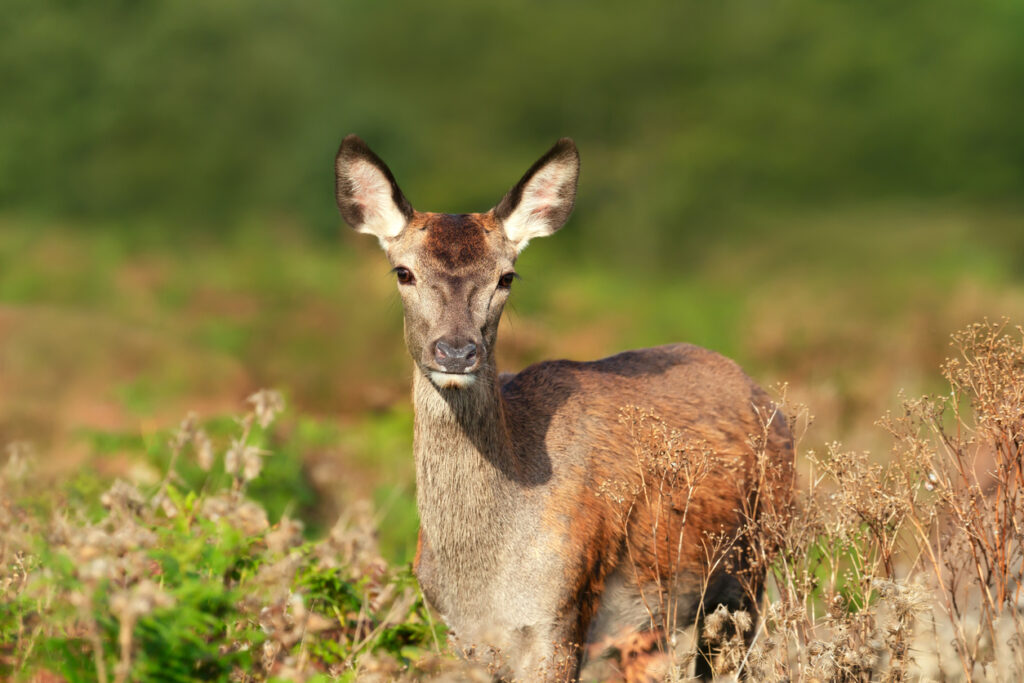
Stillness in animals is often mistaken for fear, but it’s usually control. Freezing allows the animal to assess movement, intention, and risk without adding fuel to the situation. Many confrontations end here. When one animal refuses to react emotionally, the other loses momentum. Without escalation, the moment simply passes.
7. They mirror behaviour to maintain balance.
Some animals match posture, pace, or stance rather than escalating. If one animal stands tall, the other does the same. If one remains still, the other follows. That mirroring sends a clear message that neither side has an advantage. With no obvious winner, the motivation to fight fades naturally.
8. They rely on rank signals instead of force.
In social species, rank is communicated constantly through posture, position, and subtle movement. A dominant animal doesn’t need to fight because its status is already recognised. Lower-ranking animals respond automatically, avoiding conflict because the outcome is predictable. This system prevents endless fighting and conserves energy across the group.
9. They move slowly when tension is high.

Fast movement triggers chase instincts and panic responses. Slow movement does the opposite. It signals control and intention. By moving deliberately, animals avoid activating instinctive reactions in others. The situation stays calm because nothing feels urgent or out of control.
10. They create space without fleeing.
Instead of running, animals often adjust position to increase distance while staying present. A step to the side, a shift in stance, or a slow retreat maintains dignity. This reduces tension without signalling weakness. Both animals disengage without anyone “losing.”
11. They communicate through scent and posture.
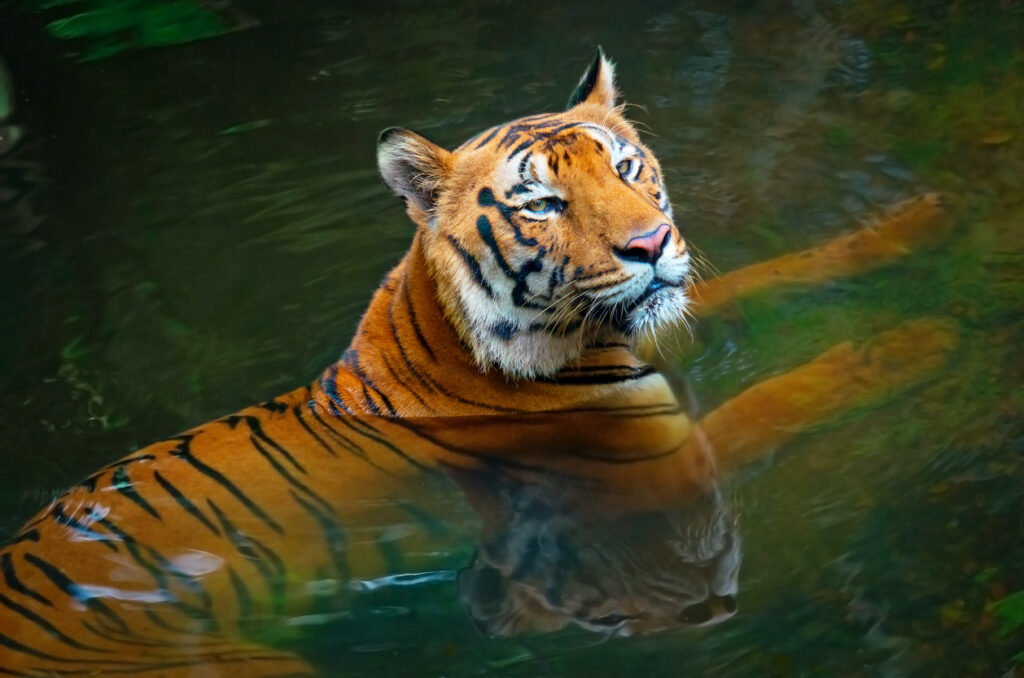
Scent carries information about identity, health, and status. Combined with posture, it can change how another animal responds instantly. If the signal suggests strength or familiarity, conflict often ends before it becomes physical. No movement is required at all.
12. They disengage once the message is understood.
Animals don’t linger to prove a point. Once the message is received, they disengage. There’s no victory lap or emotional attachment to dominance. This restraint is what keeps them alive. Survival depends on knowing when enough has been communicated.