We’ve got a bad habit of treating our pets like little furry humans, assuming they think and feel exactly the same way we do.

We look at a dog’s face or a cat’s posture and immediately start projecting a whole backstory of emotions onto them. Most of the time, animals aren’t actually doing what we think they are, though; they’re just following an internal script written by millions of years of evolution. They’re reacting to their surroundings or their own stress levels in ways that make perfect sense to them, even if we’ve decided it means something completely different.
When we get these signals wrong, it’s not just a misunderstanding—it can actually lead to a lot of unnecessary stress for the animal or a nasty surprise for us. These are some of the things we get wrong.
1. A wagging tail always means a dog is happy.

This is probably the biggest myth going, and it’s how a lot of people end up getting nipped. While a loose, full-body wag usually means a dog is chuffed to see you, a tail that’s held high and stiff can actually be a warning. The speed and the height of the wag matter a lot more than the movement itself.
Sometimes a dog wags because they’re overstimulated or incredibly anxious, and they’re basically vibrating with tension. If you ignore the rest of their body language and just focus on the tail, you’re missing the fact that the dog might be seconds away from snapping because they feel cornered.
2. A cat showing its belly wants to be stroked.
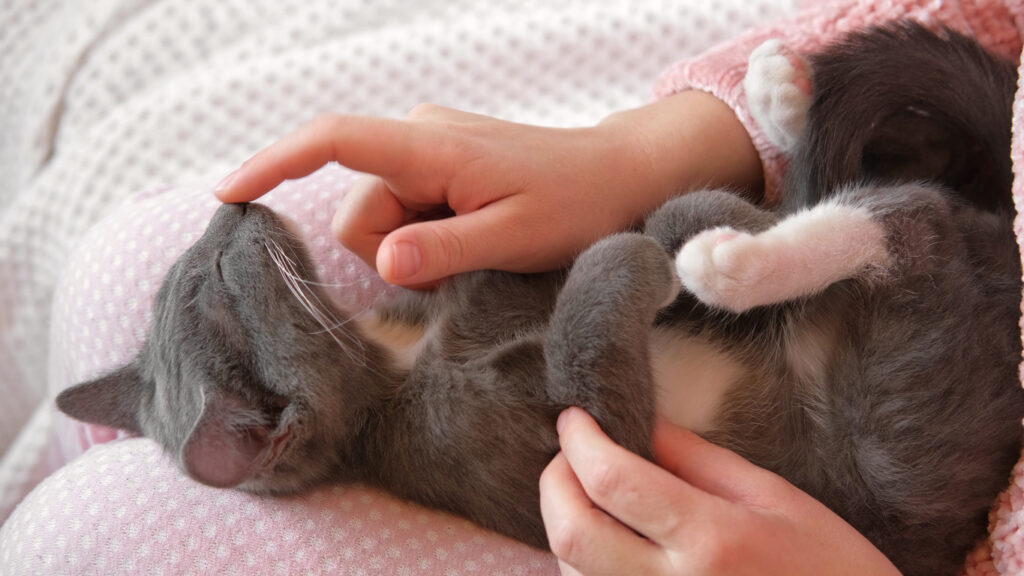
When a cat flops over and shows you their stomach, it’s easy to think they’re asking for a rub, but for many cats, that’s a total trap. In the wild, the belly is the most vulnerable part of the body, so showing it is a massive sign of trust, not necessarily an invitation to touch.
They’re telling you they feel safe enough to relax around you, but the second you reach in, their survival instinct kicks in. That’s why you often end up with a hand full of claws; they aren’t being mean, they’re just reacting to a perceived “attack” on their most sensitive area.
3. A dog licking you is giving kisses.
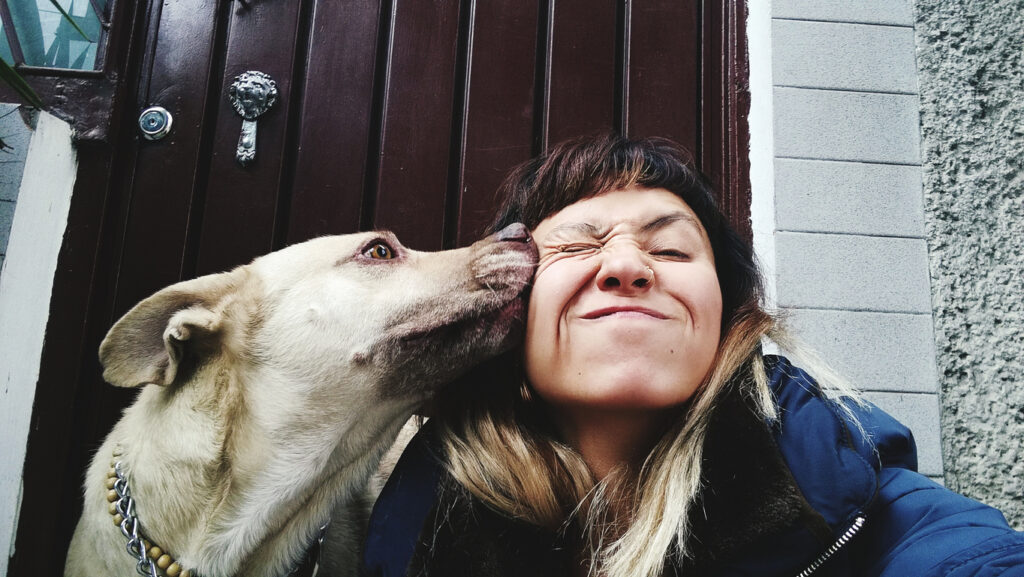
We love to think of licks as “kisses,” but dogs use their tongues for a lot more than just showing affection. It’s a tool for gathering information, a way to groom, and even a method of calming themselves down when they’re feeling a bit frazzled. Puppies often lick the mouths of older dogs as a sign of submission, basically saying, “I’m no threat, please don’t hurt me.”
If a dog is licking you incessantly, it might not be a sign of love at all; it could be that they’re feeling stressed or overwhelmed, and they’re trying to soothe themselves.
4. A cat ignoring you is being aloof or unfriendly.
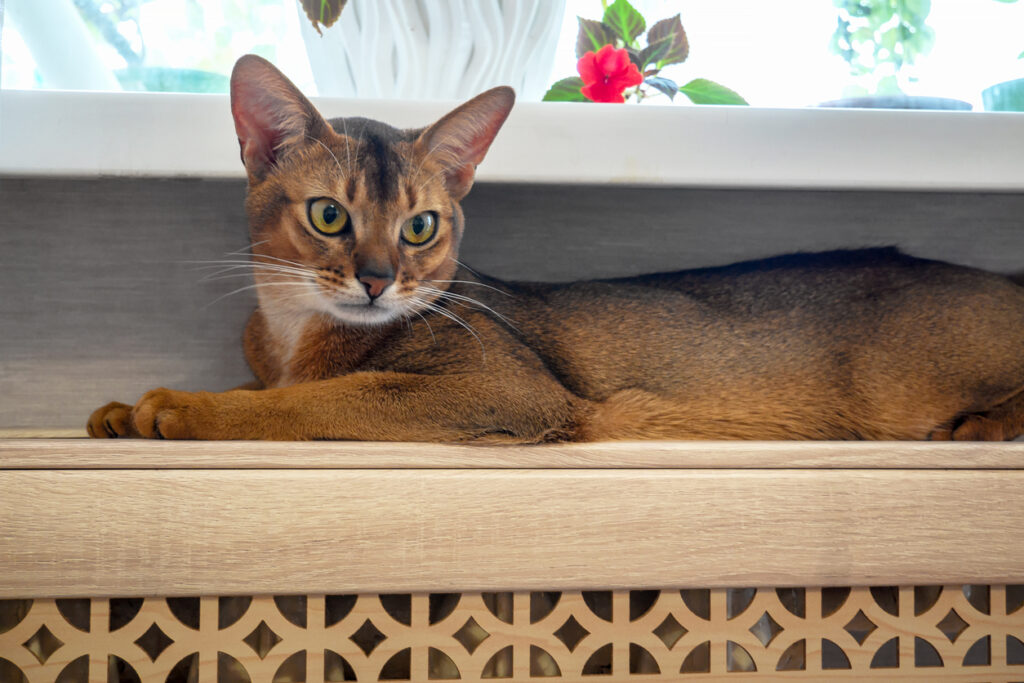
Cats often get a bad reputation for being cold just because they don’t bowl you over at the front door like a Labrador. In reality, cats show their bond through proximity rather than constant physical contact. If your cat chooses to sit in the same room as you but stays a few feet away, they’re actually showing a massive amount of trust and contentment.
They don’t feel the need to perform for your attention; they’re just happy to exist in your space. Ignoring that relaxed closeness misses the point of how cats actually form a connection with their people.
5. A yawning animal is tired.
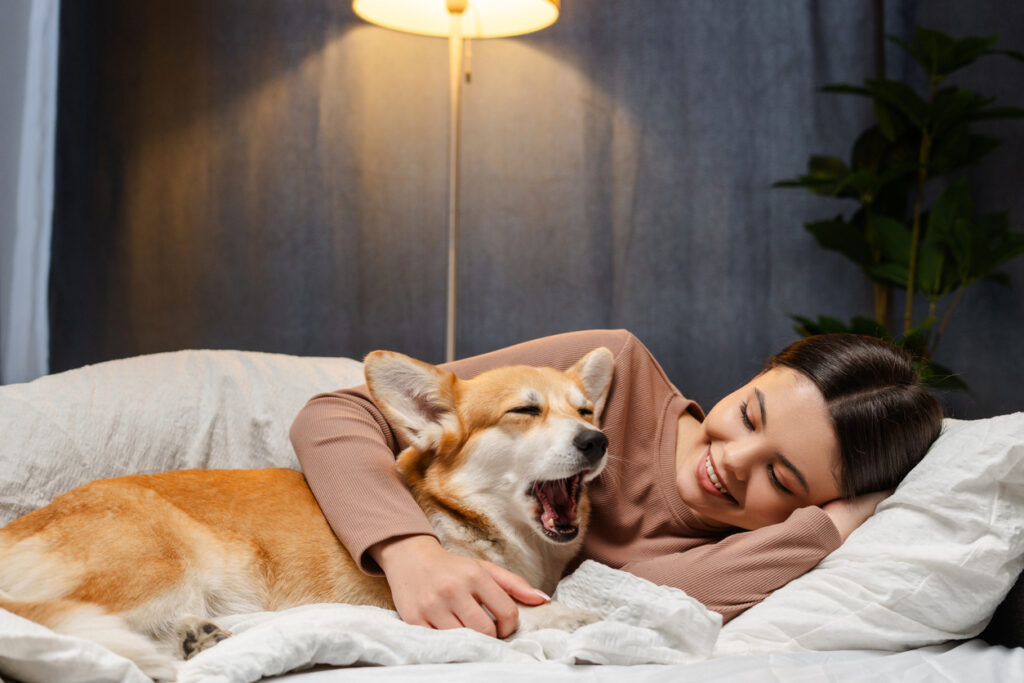
While we yawn when we’re ready for bed, for many animals, it’s a clear signal that they’re feeling the pressure. Dogs, horses, and even guinea pigs will yawn when they’re in a situation that makes them uncomfortable or confused. It’s a “displacement behaviour,” or a way to release pent-up nervous energy when they aren’t sure what to do next.
If you’re training a dog or introducing them to someone new, and they start yawning, they’re not bored; they’re likely feeling a bit overwhelmed and need a bit of space to decompress.
6. Birds that sing loudly are happy.
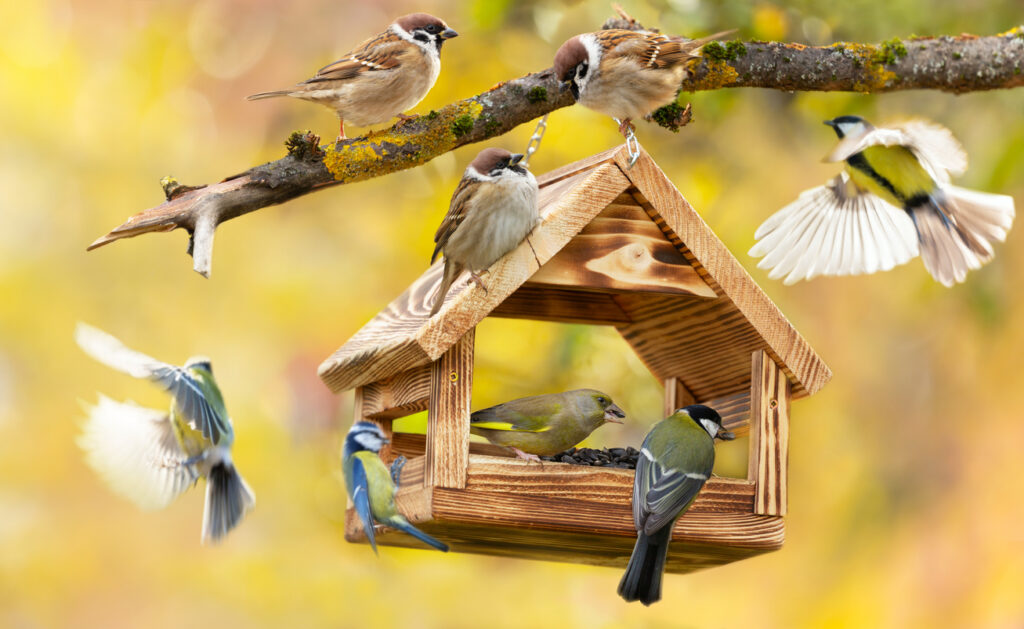
We’ve all heard the phrase “singing like a happy bird,” but birdsong is usually a lot more functional than that. Most of the time, they’re either trying to find a mate or telling every other bird in the area to stay off their patch. It’s a territorial display that can be quite aggressive in the bird world.
For captive birds, a sudden increase in loud vocalisation can actually be a sign of frustration or boredom rather than a sign they’re enjoying their cage. Assuming every chirp is a sign of joy means you might miss the fact that they’re actually stressed out.
7. A frozen animal is calm.

When an animal goes completely still, people often make the mistake of thinking they’ve finally relaxed or accepted what’s happening. In reality, freezing is a primary fear response, especially for prey animals like rabbits or even nervous dogs. The animal isn’t “chilling out”; they’re literally terrified and hoping that by staying still, the “threat” will go away.
If you keep pushing or touching an animal in this state, they’ll eventually hit a breaking point where they’ll either bolt in a panic or lash out because they feel they’ve got no other choice.
8. A horse pinning its ears is being moody.
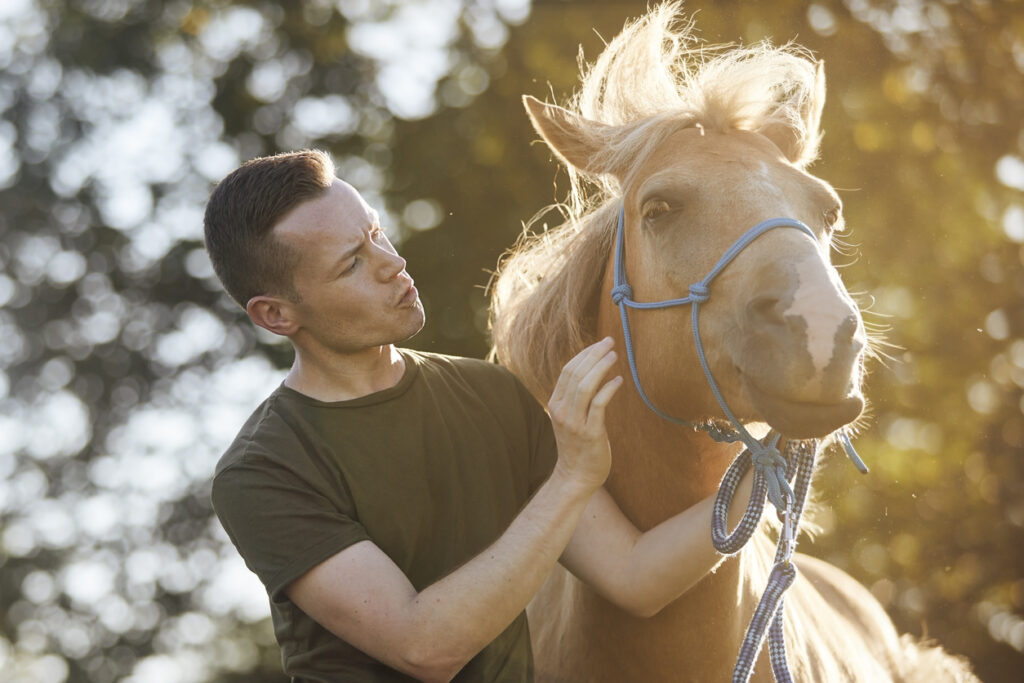
People often write off a horse with flattened ears as just being “grumpy” or having a bit of an attitude, but it’s a very serious warning. Those ears are a direct line of communication telling you that the horse is in pain, feeling threatened, or about to kick off. It’s not a personality quirk; it’s a physical sign of distress.
Ignoring this signal is a quick way to get yourself into a dangerous situation, as the horse has already given you the clearest warning they can that something is wrong.
9. An animal following you everywhere is being loyal.
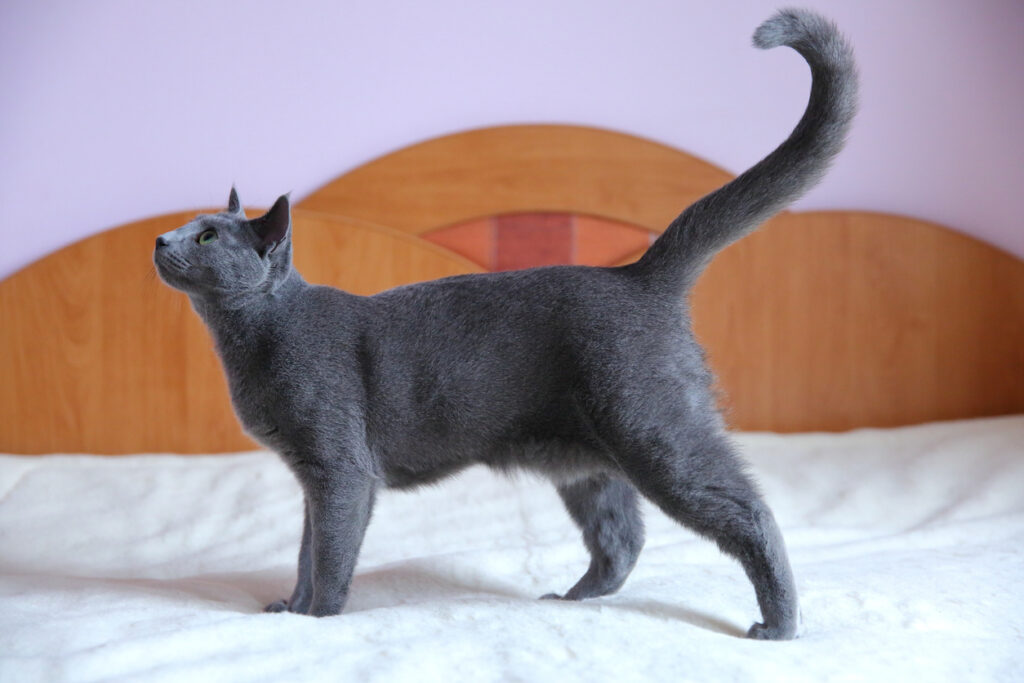
Having a “velcro dog” or a cat that won’t leave your side can feel like the ultimate sign of devotion, but it can also be a sign of deep-seated anxiety. If an animal can’t handle being in a different room from you for five minutes, they’re likely struggling with a lack of confidence or a fear of being left alone.
It’s less about loyalty and more about a desperate need for security because they don’t feel safe in their own environment. Understanding this helps you address the root of the problem rather than just assuming they’re obsessed with you.
10. A reptile staying still is relaxed.

Because reptiles don’t have the same expressive faces as mammals, we tend to assume they’re always “fine” as long as they aren’t running away. However, many reptiles use stillness as a survival tactic to avoid being noticed by predators. If a lizard or a snake is staying completely motionless while being handled, they might be absolutely petrified rather than relaxed.
It can also be a sign that their enclosure isn’t at the right temperature or that they’re feeling under the weather. Stillness in a reptile is rarely a sign of “contentment” in the way we’d like to think.
11. An animal making eye contact is being friendly.
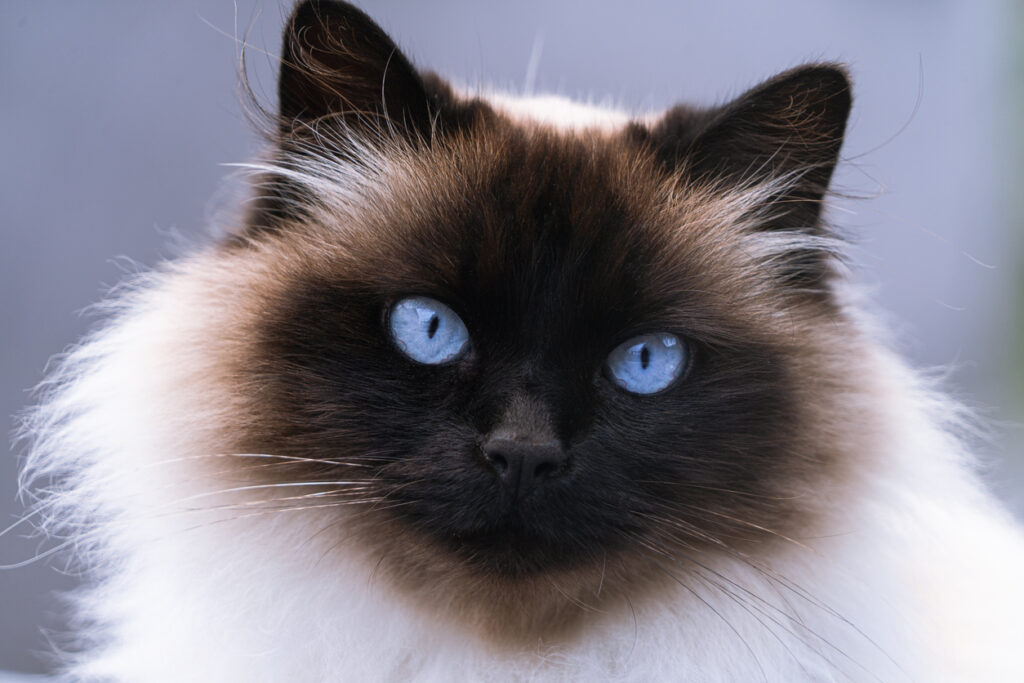
In our world, looking someone in the eye is a sign of respect and honesty, but for most animals, a direct stare is a massive challenge. If you stare down a dog or a cat you don’t know, they aren’t thinking about how nice you look; they’re wondering if you’re about to attack them.
Many animals find prolonged eye contact incredibly threatening and will look away to try to defuse the tension. What we think is a “meaningful gaze” can actually be making the animal feel extremely defensive and on edge.
12. Animals destroy things out of spite.

There’s no such thing as an animal doing something just to “get back at you.” When you come home to a shredded sofa or a mess on the carpet, your pet isn’t thinking about that time you were late with their dinner. They don’t have the cognitive setup for revenge.
Usually, destructive behaviour is just a way for them to deal with boredom, teething, or separation anxiety. Assigning human spite to their actions just makes you angry and stops you from figuring out what they actually need to feel more settled.
13. An animal tolerating handling is enjoying it.

Just because an animal isn’t struggling doesn’t mean they’re having a good time. A lot of pets, especially smaller ones like hamsters or birds, will “shut down” and tolerate being picked up because they’ve learned that fighting back doesn’t work. This is often called “learned helplessness.”
True enjoyment looks like the animal actively seeking out the interaction and having a relaxed, loose posture. If they’re just sitting there stiffly while you pet them, they’re likely just waiting for it to be over so they can go back to feeling safe.