It’s easy to think of dinosaurs as just bigger, scaly versions of the animals we see today, but they actually had a few biological tricks up their sleeves that have completely vanished from the modern world.

Evolution isn’t always a straight line toward something better; sometimes, really useful features just get dropped along the way because the environment changes or the luck of the draw goes against them. We’re talking about massive structural advantages, from specialised bone densities to unique ways of processing oxygen, that allowed these creatures to reach sizes and levels of activity that today’s wildlife can’t even touch.
Looking at these 12 lost traits makes it clear that modern animals aren’t necessarily the “upgraded” models we imagine them to be. In many ways, the natural world has actually simplified itself, leaving some of the most impressive bits of prehistoric engineering in the dirt.
1. Claws longer than a baseball bat

Therizinosaurus had claws measuring up to one metre long on each hand, making them the longest claws of any land animal in history. These scythe-like claws were so massive that scientists originally thought they belonged to a giant turtle. No modern animal has anything remotely comparable. The largest claws today belong to giant anteaters at around 10 centimetres, which is tiny by comparison.
2. Body size that dwarfed anything alive now

Sauropods like Brachiosaurus weighed up to 70 tonnes, equivalent to 12 African elephants. They were the largest animals to ever walk on land, and nothing since has matched them. The biggest land mammal ever, Paraceratherium, was dwarfed by these giants. Only modern whales approach or surpass sauropods in size, and they’ve got the ocean holding them up.
3. Necks stretching over 15 metres long

Some sauropods had necks so ridiculously long they could browse treetops without moving their bodies. Mamenchisaurus had a neck estimated at around 15 metres, which is longer than most buses. Modern giraffes have the longest necks of any living land animal at about 2 metres, which doesn’t even come close. No living creature needs or has evolved such extreme neck length.
4. Thumb spikes as built-in weapons

Iguanodon and related ornithopods had distinctive thumb spikes that could reach over 10 centimetres long. These weren’t claws in the traditional sense, but bony spikes that stuck straight out from their thumbs, likely used for defence or foraging. Modern animals have nothing equivalent. Hoofed mammals lost their thumb entirely during evolution, and primates certainly don’t have weaponised thumbs.
5. Elaborate head crests purely for show
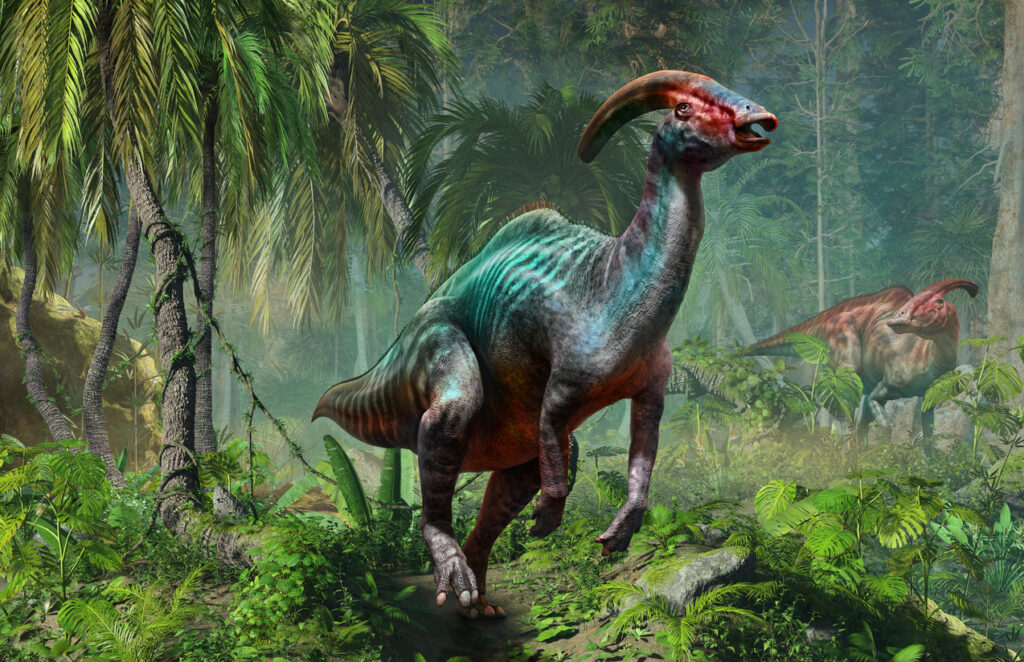
Duck-billed dinosaurs like Parasaurolophus had hollow crests extending backwards from their skulls that could reach over a metre long. These resonating chambers may have amplified their calls or been used for visual display. Modern animals have horns and antlers, but nothing as architecturally bizarre as these hollow head tubes. The closest might be hornbills, but their casques are nowhere near as extreme.
6. Armour plating with massive tail clubs
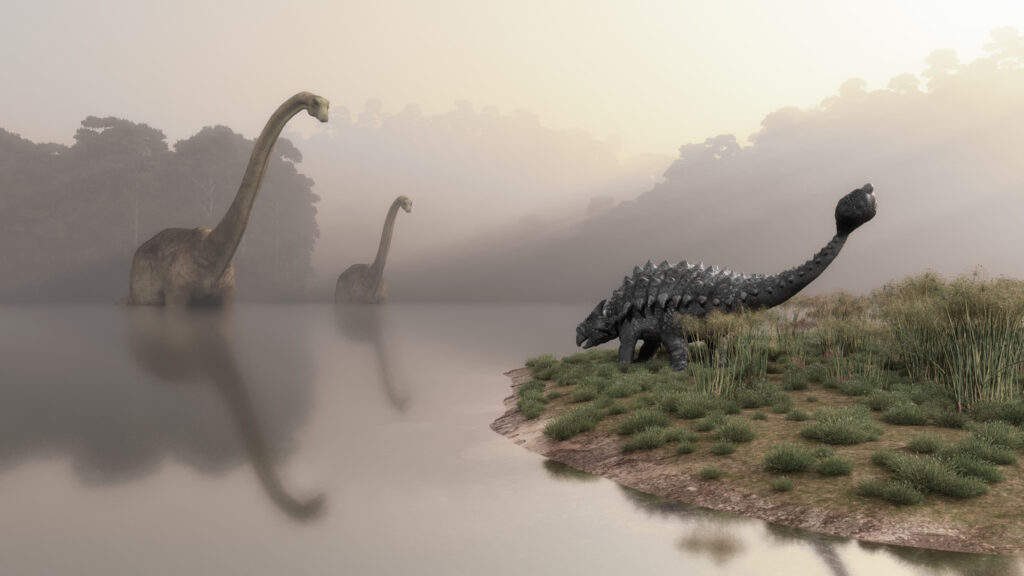
Ankylosaurs were walking tanks covered in bony plates called osteoderms, with some sporting tail clubs the size of bowling balls made of fused bone. Ankylosaurus could swing this club with enough force to break a tyrannosaur’s leg. Modern armadillos have similar osteoderms, but they’re nowhere near as heavily armoured, and no living animal has evolved a weaponised tail club.
7. Fused ribs with long spines jutting outwards
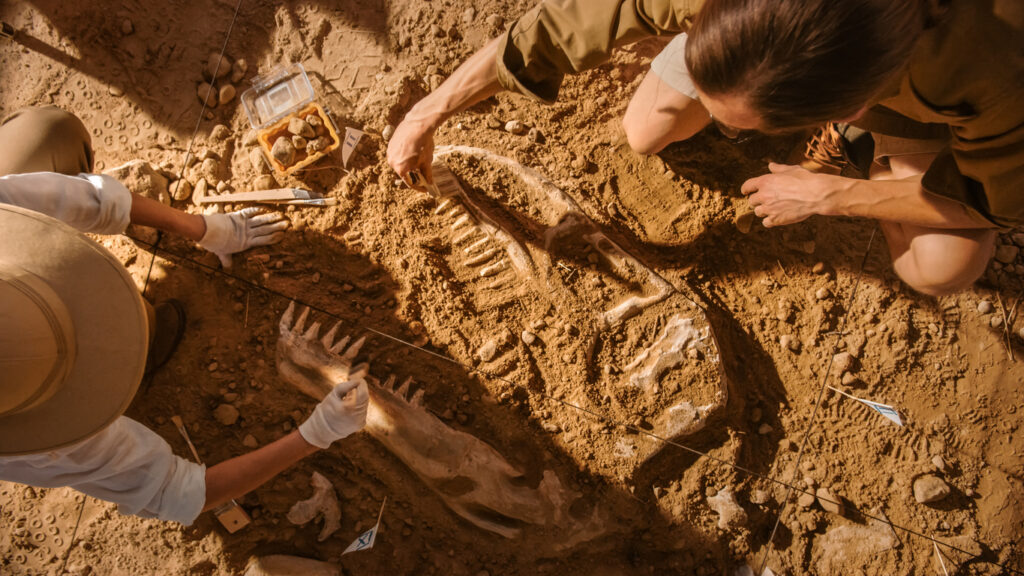
Spicomellus, discovered in Morocco, had ribs unlike any other animal alive or extinct, with a series of long spines fused directly to the rib surface. Scientists still aren’t entirely sure what function these served, but they created a spiky defensive barrier along the dinosaur’s sides. Nothing alive today has evolved this bizarre modification to their ribcage.
8. Sail-like structures running down their backs
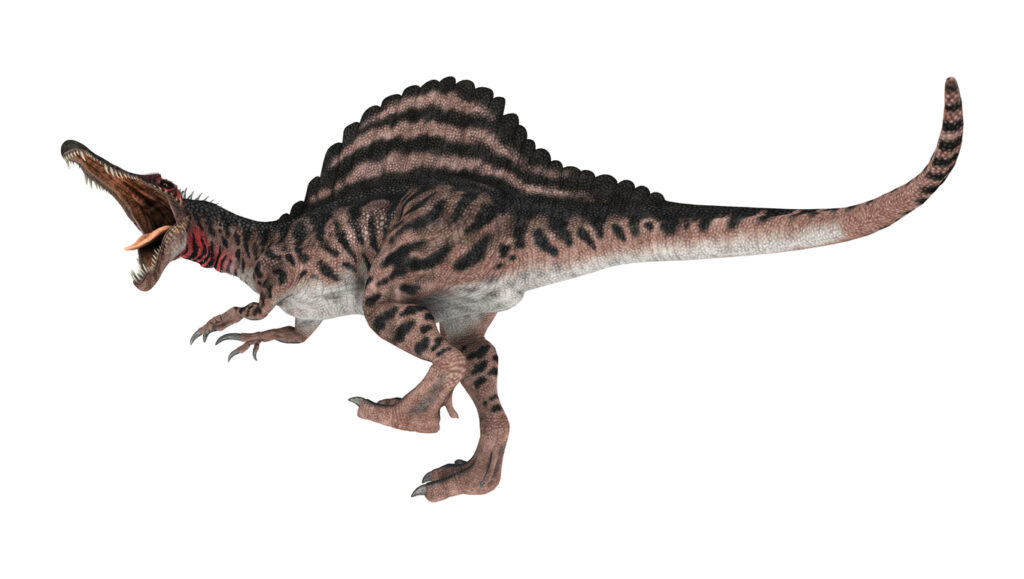
Several dinosaurs including Spinosaurus and the recently discovered Istiorachis had elaborate sail structures along their backs formed by elongated neural spines. These may have been used for display, temperature regulation, or making them look bigger to predators. Modern lizards like basilisks have small crests, but nothing approaching the scale or skeletal structure of dinosaur sails.
9. Teeth that replaced themselves constantly throughout life
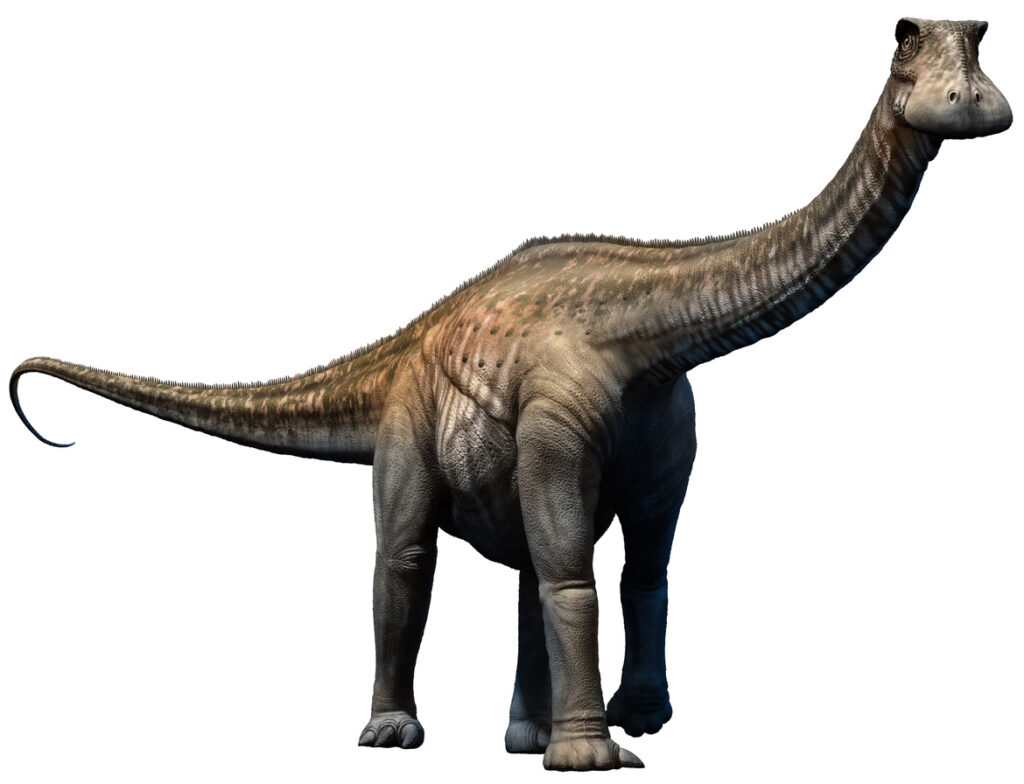
Many dinosaurs had dental batteries with hundreds of teeth, constantly replacing worn ones. Nigersaurus had over 500 small, replaceable teeth arranged in rows. Hadrosaurs could have up to 1,400 teeth in their jaws at once, with new ones growing in as old ones wore down. Modern mammals get two sets of teeth and that’s it. Sharks replace teeth constantly, but they’re not land animals.
10. Hollow bones filled with air sacs like modern birds
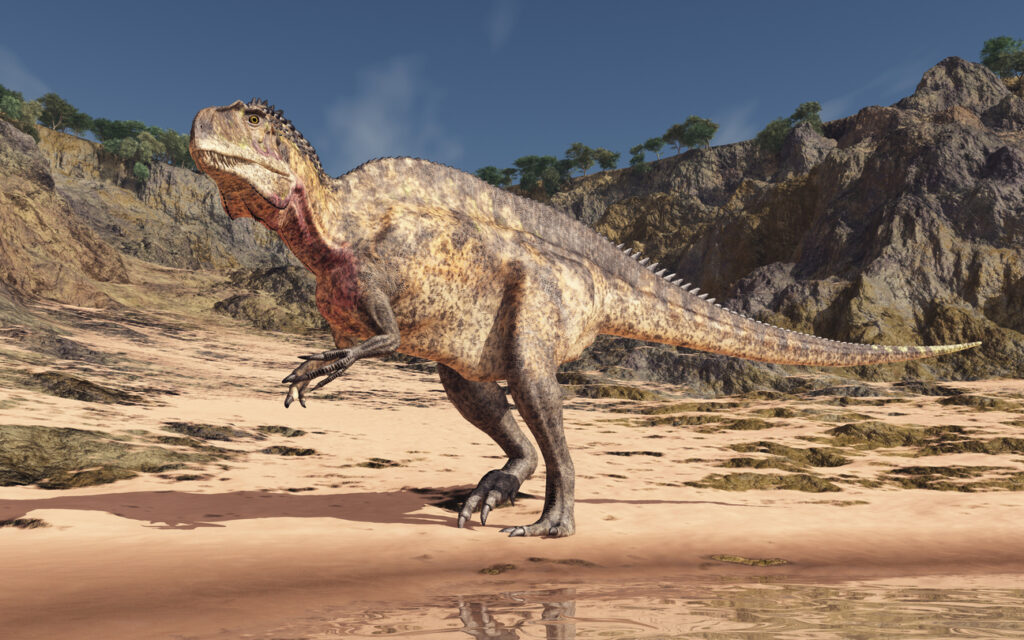
Theropod dinosaurs and sauropods had pneumatic bones with air sacs extending from their lungs throughout their skeletons, making them lighter despite their massive size. This is a feature birds inherited from their dinosaur ancestors. Modern mammals have solid, marrow-filled bones. Only birds retain this adaptation today, but dinosaurs had it first and used it to support much larger body sizes.
11. Gastroliths for grinding food in their stomachs
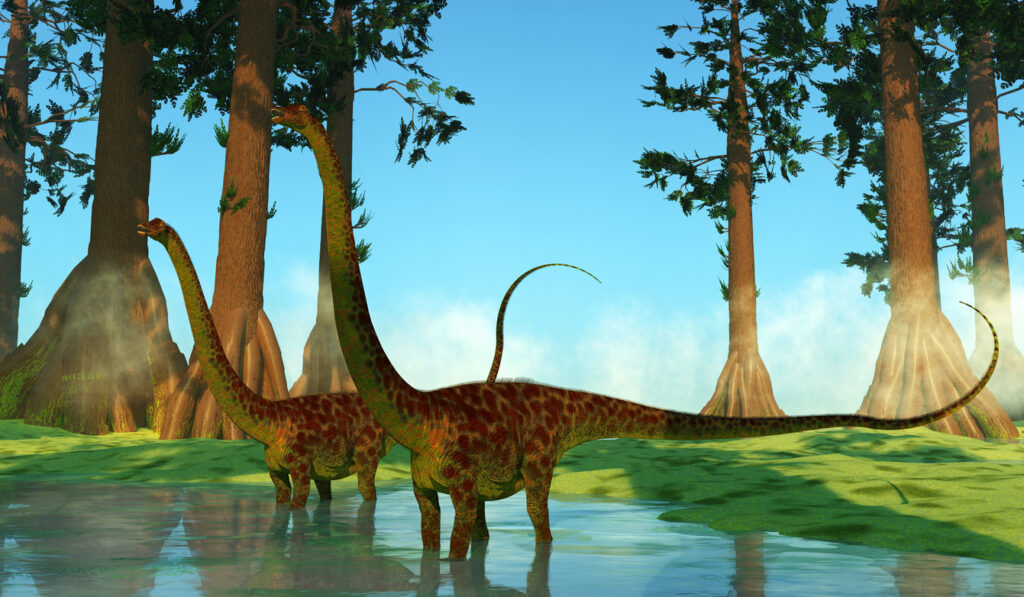
Many plant-eating dinosaurs deliberately swallowed stones that sat in their stomachs to help grind up tough vegetation, similar to how modern birds use gizzard stones. The difference is the scale. Dinosaurs swallowed rocks the size of your fist, while modern birds use tiny pebbles. Large mammals gave up on this strategy entirely and evolved complex teeth and multiple stomach chambers instead.
12. The ability to grow continuously throughout their entire lives

Unlike mammals which reach adult size and stop growing, many dinosaurs grew continuously throughout their lives at varying rates. Sauropods in particular just kept getting bigger and bigger as long as they stayed alive. Modern reptiles like crocodiles show indeterminate growth, but they plateau much earlier than dinosaurs did. Mammals abandoned this growth pattern entirely, reaching a fixed adult size and maintaining it.