Most of us like to think we’re doing a top job as dog owners, but it’s surprisingly easy to fall into habits that are actually doing your mate more harm than good.
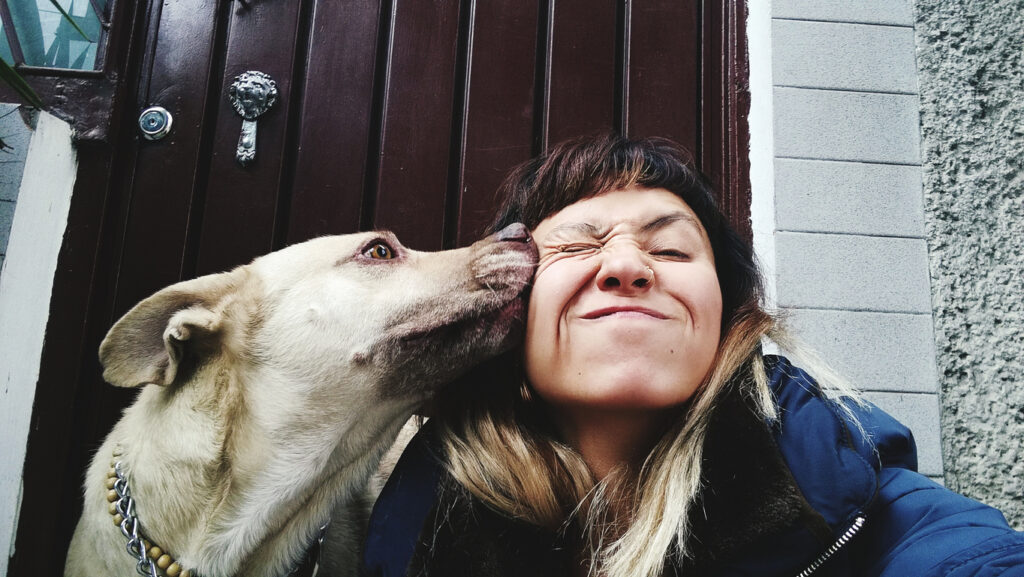
These aren’t usually massive, glaring errors; they’re more like small, daily choices that stack up and put an unnecessary strain on your dog’s heart, joints, and organs. Whether it’s the “just one more” treat that’s pushing them toward obesity or the way you’re neglecting their pearly whites, these mistakes can shave years off their life if you aren’t careful.
Since dogs can’t exactly sit us down and tell us when they’re feeling the pinch, it’s on us to spot the red flags and change how we handle their routine before it’s too late. Here are 10 frequent slip-ups that could be cutting your dog’s time short and how you can get things back on the right track.
1. Overfeeding without meaning to
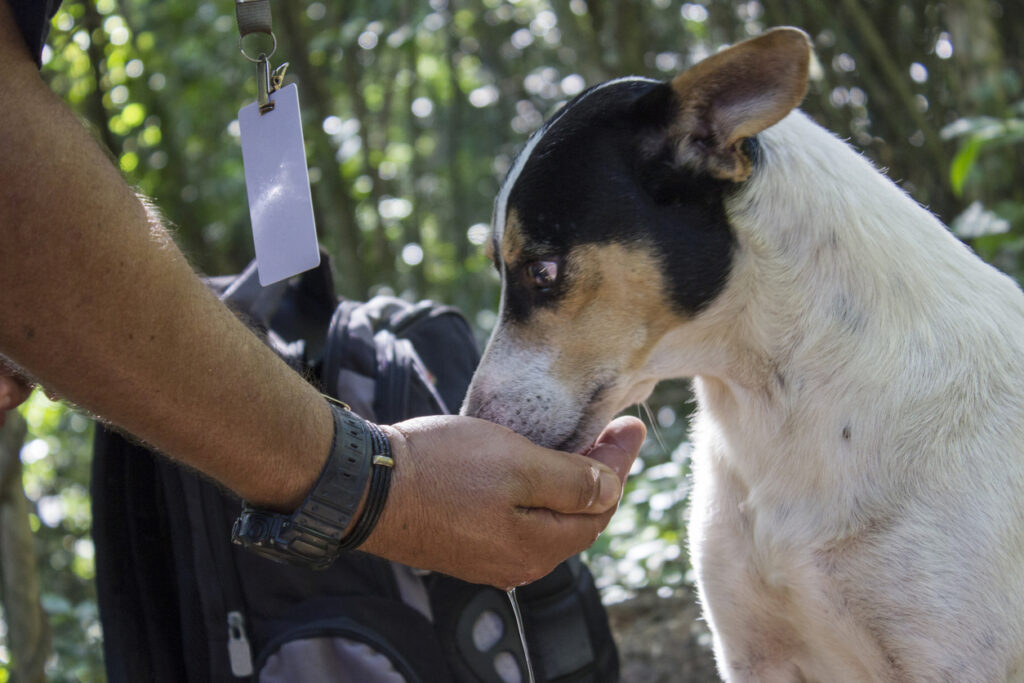
For many owners, food becomes the easiest way to show affection. Extra treats, generous scoops, and the occasional bit of dinner feel like small joys that make a dog happy in the moment. Dogs are excellent at encouraging this, too, with hopeful eyes and endless enthusiasm. What’s easy to miss is how even slight overfeeding adds strain to the body over time. Extra weight puts pressure on joints, stresses the heart, and increases the risk of diabetes and breathing issues. Across a lifetime, carrying just a little too much weight can shave years off a dog’s life.
2. Letting exercise slide as life gets busy

Walks are often the first thing to shrink when schedules change, weather turns miserable, or energy runs low. Many dogs don’t immediately protest, which makes it easier to believe they’re coping just fine without the same level of activity. Regular movement does far more than burn energy. It keeps muscles strong, supports heart health, helps digestion, and regulates stress. When exercise becomes inconsistent, physical decline and behavioural stress can creep in slowly and quietly.
3. Treating bad teeth as a cosmetic issue

Dental problems are one of the most overlooked threats to a dog’s health. Bad breath, inflamed gums, or missing teeth are often accepted as normal, especially as dogs age. In reality, they’re signs of ongoing infection. Bacteria from untreated dental disease can enter the bloodstream and damage vital organs like the heart, liver, and kidneys. Chronic mouth pain also affects appetite, mood, and overall wellbeing. Ignoring teeth doesn’t just cause discomfort, it can shorten life expectancy.
4. Waiting until something feels obviously wrong

Dogs are masters at hiding pain. Many will continue eating, playing, and greeting you enthusiastically while dealing with serious underlying issues. This makes it tempting to delay vet visits until symptoms become impossible to ignore. By the time clear signs appear, problems are often advanced and harder to treat. Routine check-ups catch issues early, when intervention is simpler and outcomes are better. Preventative care often adds both years and comfort to a dog’s life.
5. Allowing boredom to become normal

A quiet dog is often assumed to be a content dog, but that’s not always the case. Mental under-stimulation can look like laziness or calmness, especially in adult and senior dogs. Long-term boredom increases stress hormones, weakens the immune system, and contributes to cognitive decline. Mental engagement through play, training, and enrichment keeps the brain active and supports emotional and physical health well into old age.
6. Sharing human food too often
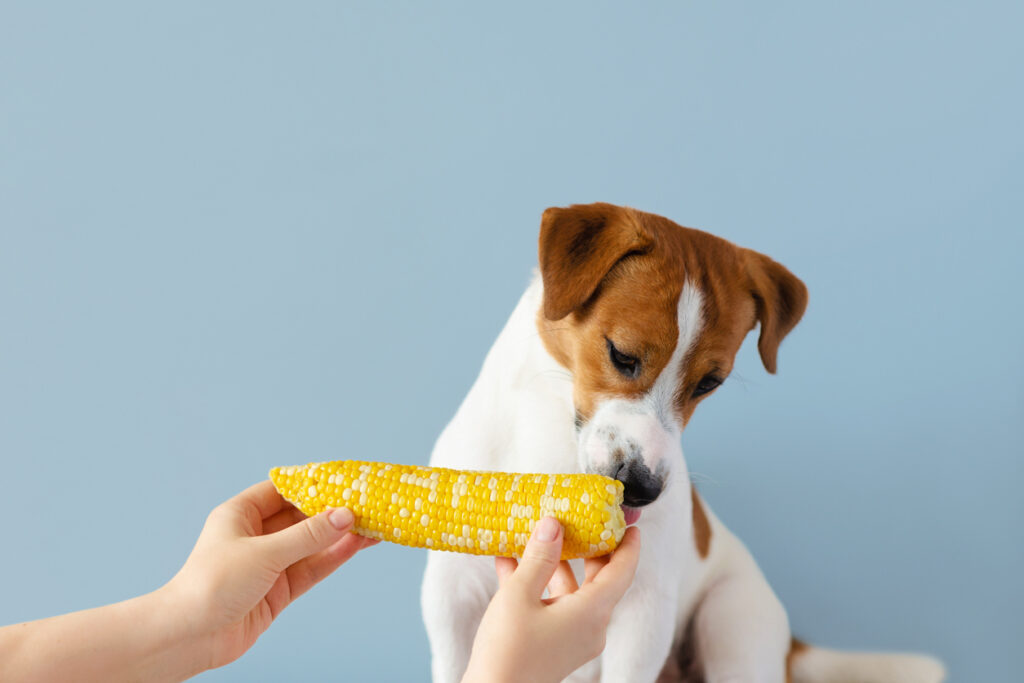
Food sharing feels bonding, especially when a dog watches every bite you take. Many owners convince themselves that small amounts won’t do any harm, particularly if there’s no immediate reaction. As time goes on, salty, fatty, or sugary foods strain the pancreas, liver, and kidneys. Some everyday foods are outright toxic to dogs. What feels like generosity in the moment can quietly cause serious damage across years.
7. Writing off changes as “just ageing”
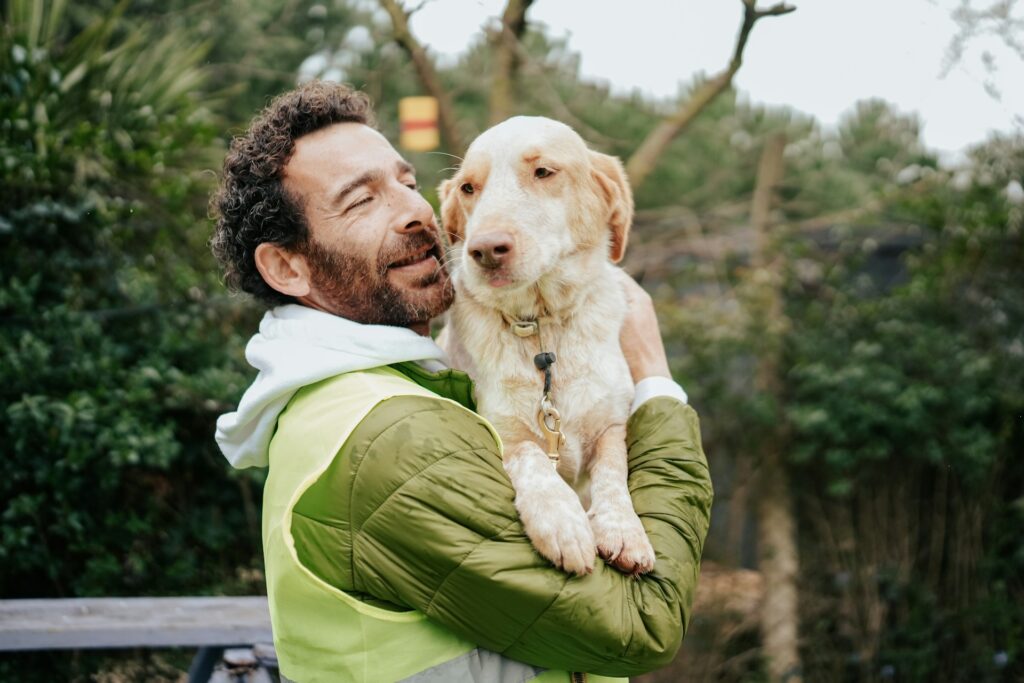
Slowing down is expected as dogs get older, but not all changes should be dismissed as natural ageing. Stiffness, reluctance to move, changes in appetite, or shifts in behaviour often signal pain or illness. When these signs are ignored, dogs endure unnecessary discomfort. Early treatment for arthritis, organ issues, or hormonal changes can dramatically improve both lifespan and quality of life.
8. Keeping routines inconsistent

Dogs rely heavily on predictability. Irregular feeding times, unpredictable walks, and constant changes in daily rhythm can create ongoing stress, even if it doesn’t show immediately. Chronic stress weakens immunity, affects digestion, and contributes to anxiety-related behaviours. A stable routine supports emotional security and long-term physical health in ways many owners underestimate.
9. Skipping parasite prevention because nothing seems wrong

Fleas, ticks, and worms aren’t always visible, which makes prevention feel optional to some owners. If a dog isn’t scratching or losing weight, it’s easy to assume everything’s fine. Parasites can cause internal damage long before symptoms appear, affecting blood health, organs, and disease resistance. Consistent prevention protects dogs from risks that can quietly shorten their lives.
10. Failing to adapt care as dogs get older

Many owners keep feeding, exercising, and managing their dog the same way year after year. What worked in early adulthood doesn’t always suit ageing bodies and changing needs. Adjusting diet, exercise intensity, comfort, and medical care as a dog ages can significantly extend both lifespan and comfort. Age-aware care isn’t about doing more, it’s about doing what fits now.