When you think of alligators, your mind probably goes straight to the massive, armoured beasts lurking in the Florida Everglades.

However, tucked away in the Yangtze River basin is a much smaller, more elusive relative that has been playing the long game for a staggering amount of time. The Chinese alligator might not have the sheer physical presence of its American cousin, but what it lacks in size, it more than makes up for in pure historical grit. It is a living relic from a world that looks nothing like the one we live in now.
These creatures have survived through geological changes and climate changes that wiped out almost everything else they shared the earth with. They are a direct link back to the age of the dinosaurs, carrying a biological blueprint that has remained largely unchanged for millions of years. Despite their ancient pedigree, they are now facing a very modern set of challenges that put their long-running survival streak at risk. These 13 facts about the Chinese alligator show why these small, scaly survivors are some of the most fascinating and resilient animals on the planet.
They’re tiny compared to their American cousins.
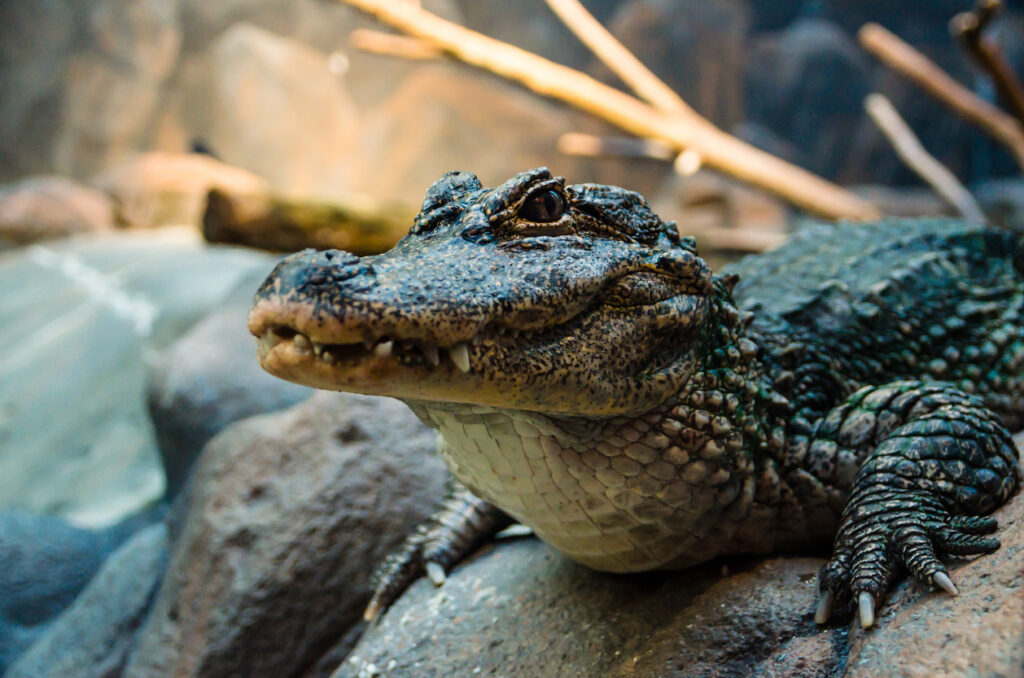
Chinese alligators only grow to about 1.5 to 2.1 metres long and weigh around 36 to 45 kilograms. That’s less than half the size of American alligators, which can reach 4 metres and weigh over 450 kilograms. The largest Chinese alligator ever measured was just over 2 metres, while historical claims of 3-metre specimens are now considered unlikely.
To put this in perspective, a fully grown male Chinese alligator weighs about the same as an average adult human, while an American alligator can weigh as much as a grand piano. Their smaller size means they need far less food to survive, which has probably helped them hang on in areas where prey is scarce.
Their lineage split off 33 million years ago.
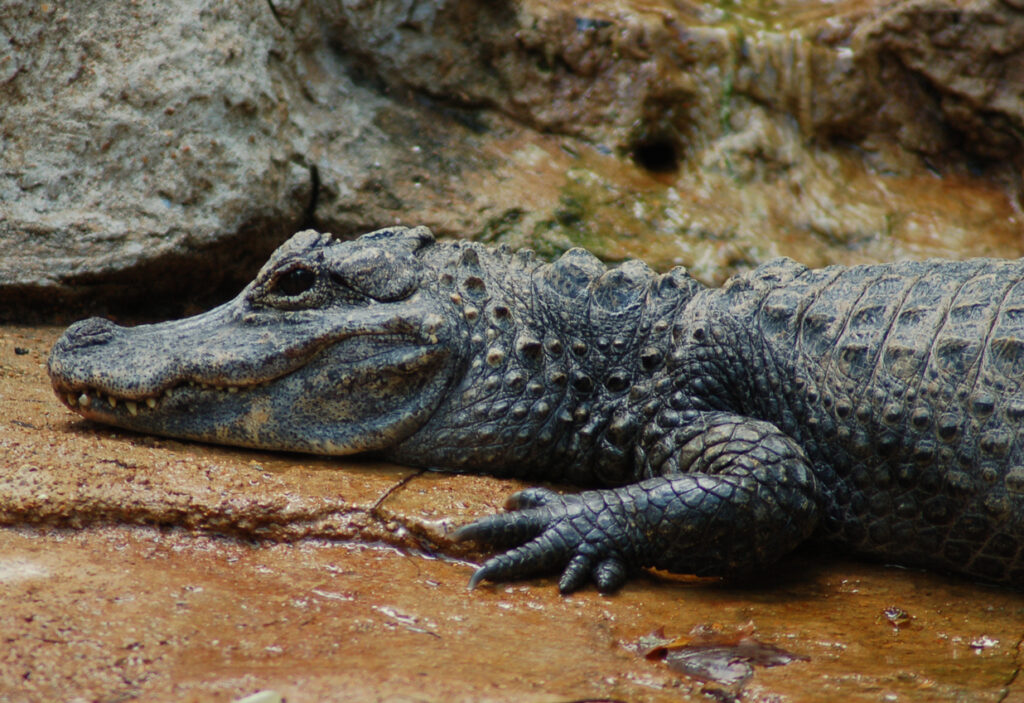
Chinese alligators diverged from American alligators about 33 million years ago when their ancestors crossed the Bering land bridge during the Neogene period. This separation created two distinct species that evolved independently on opposite sides of the planet, yet they’ve remained remarkably similar in their basic structure.
The journey across this ancient land connection happened during a time when the continents were moving and climate patterns were drastically different from today. Despite spending over 30 million years apart on different continents, both species kept the same fundamental body plan that’s worked so well for survival.
Alligators first appeared 37 million years ago.

The genus Alligator emerged during the late Eocene epoch, making these creatures ancient beyond most people’s comprehension. They’ve survived countless climate changes, mass extinctions, and environmental upheavals that wiped out countless other species. Their ability to adapt while barely changing physically is what makes them so remarkable. This was a time when early horses were still tiny and whales were just beginning to adapt to ocean life, yet alligators were already perfecting the predatory lifestyle they maintain today.
They’re true living fossils.
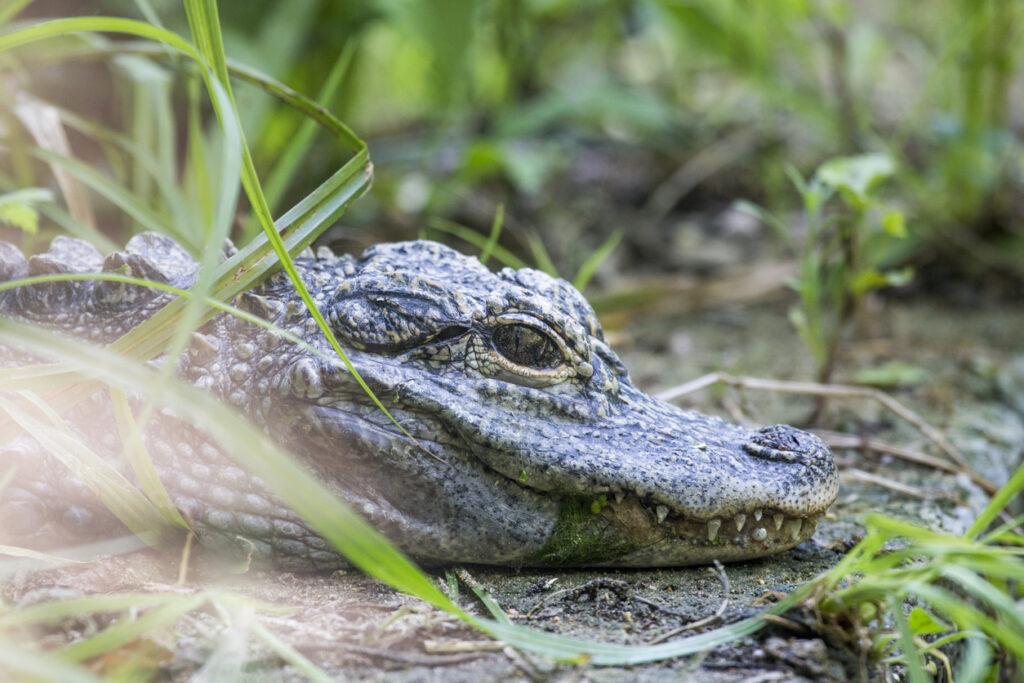
Scientists discovered that alligators evolved significantly more slowly than mammals and birds when they sequenced the alligator genome in 2014. American alligators have remained physically unchanged for at least 7 to 8 million years, which earns them the “living fossil” designation.
Chinese alligators show the same evolutionary stability. This slow rate of change suggests their body design hit on something that works perfectly for their environment, so natural selection never pushed them to develop dramatically different features. The fact that they’ve stayed essentially the same as the world transformed around them is genuinely extraordinary.
Their ancestors lived alongside dinosaurs.
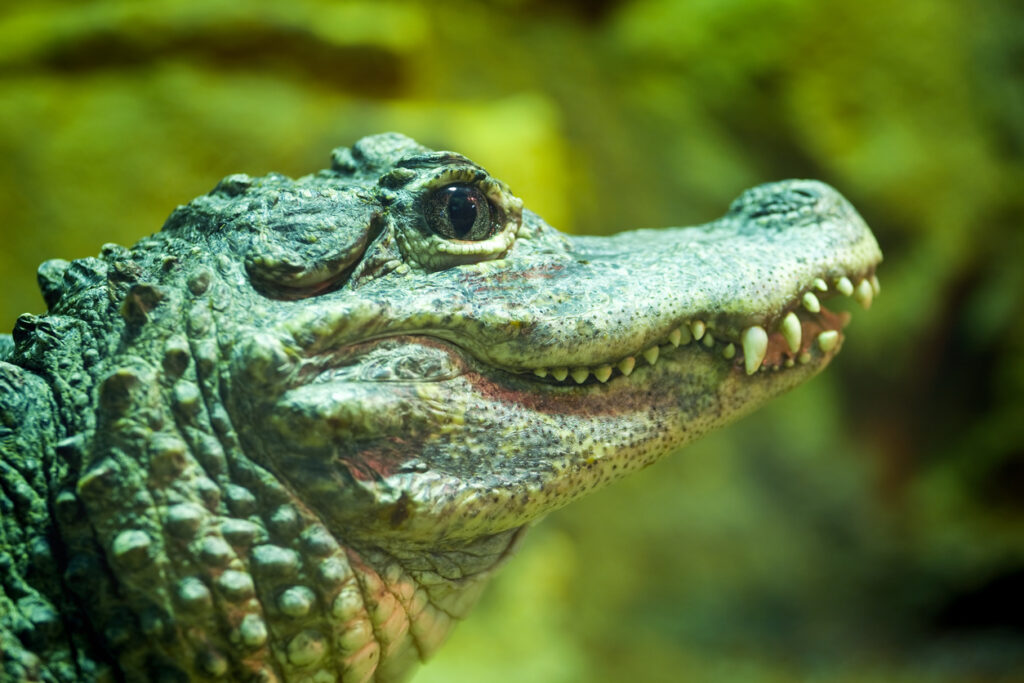
The crocodilian lineage, which includes alligators, goes back roughly 240 million years to the archosaurs of the Late Permian period. These ancient relatives shared the planet with dinosaurs throughout the Mesozoic era and somehow survived the extinction event that killed off the dinosaurs 65 million years ago.
Alligators and birds are actually the closest living relatives to dinosaurs. What allowed them to survive when massive predators couldn’t is still debated, but their slow metabolism, ability to go long periods without food, and adaptability to different environments probably played major roles. They’re one of the few large predators that made it through relatively unscathed.
They’re the only alligators outside the Americas.
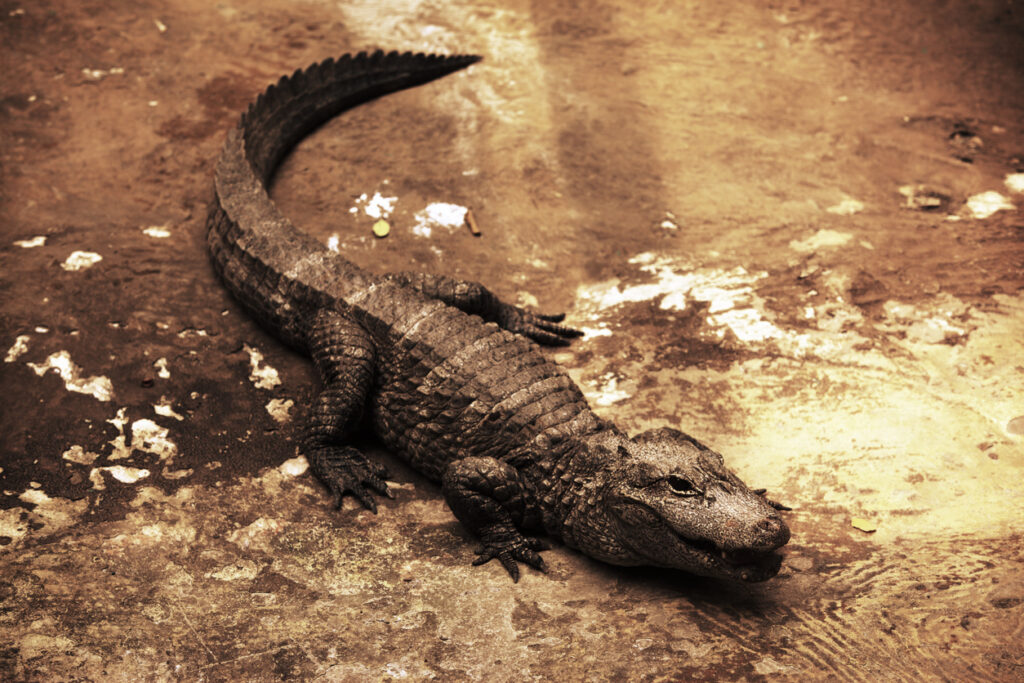
While American alligators thrive across the southeastern United States, Chinese alligators are confined to the lower Yangtze River basin in eastern China. They’re the sole representative of the Alligatoridae family in Asia, making them geographically unique. This isolation has made their conservation status even more precarious.
Historically, they ranged much further across China and possibly even into Korea, but habitat destruction has squeezed them into an increasingly tiny area. The wetlands they depend on have been systematically converted to rice paddies to feed China’s massive population.
They may have inspired Chinese dragon legends.
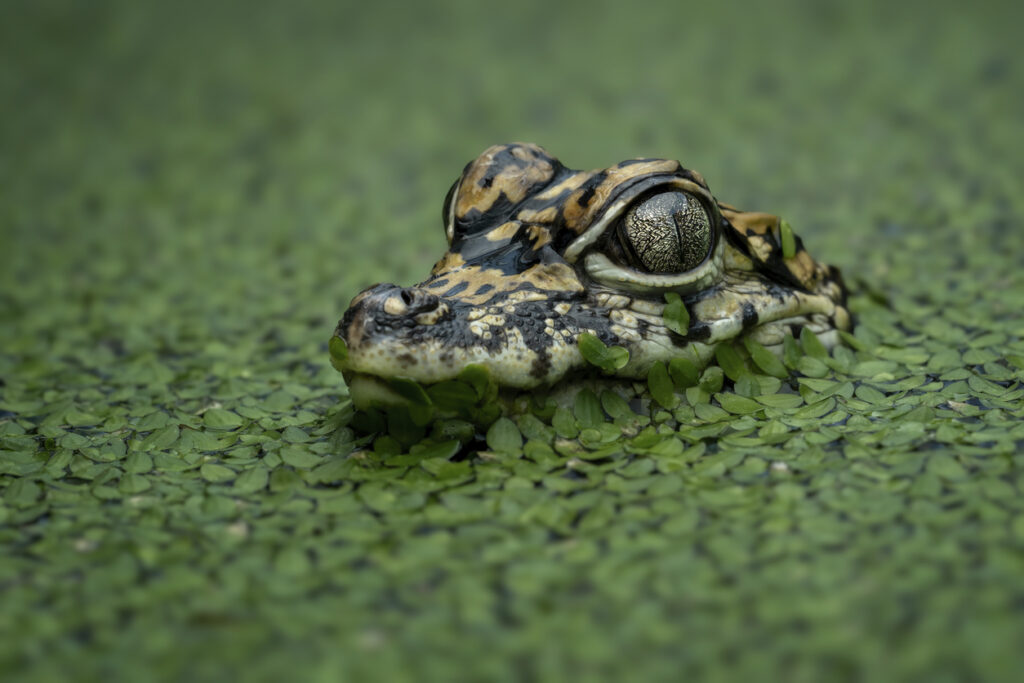
Ancient Chinese texts dating back to the third century reference these alligators, and many scholars believe they inspired the legendary Chinese dragon. Their armoured bodies, powerful bellows that sound like roars, and association with rivers match descriptions of dragons in Chinese folklore.
Marco Polo was the first person outside China to document them in the late 1200s. He noted that locals both feared and hunted them, using their gall bladders for traditional medicine. The connection to dragons seems obvious when you consider these alligators were among the largest predators in the rivers where people lived and worked.
They’re critically endangered with fewer than 200 left in the wild.
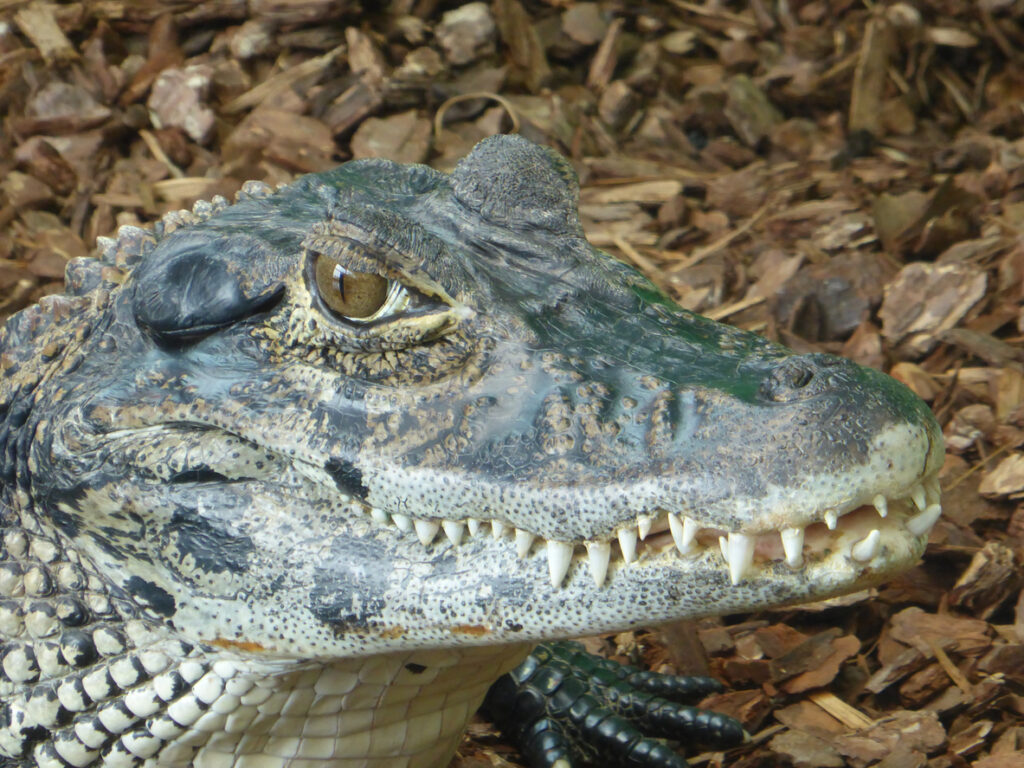
The wild population has plummeted to somewhere between 136 and 173 individuals, making them one of the world’s most endangered crocodilians. Habitat loss from rice farming, hunting for traditional medicine, and persecution by duck farmers have devastated their numbers.
Ironically, over 10,000 live in captivity at breeding centres, but reintroduction efforts face massive challenges. Farmers see them as pests because they eat valuable ducks and their burrows mess up irrigation systems in fields. Pesticides meant for snails also poison the alligators when they eat contaminated prey. Between 1982 and 1996, populations continued dropping, even with legal protection in place.
They’re completely armoured, even on their bellies.
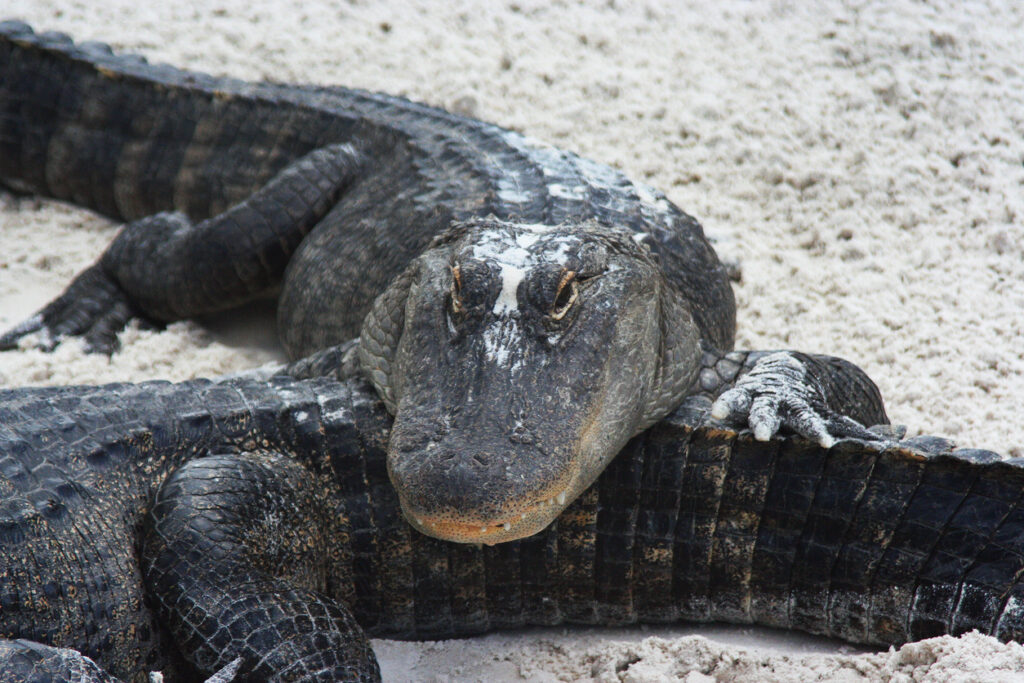
Unlike American alligators which have soft bellies, Chinese alligators have bony plates protecting their entire bodies including their undersides. They also have unique bony plates on their upper eyelids, a feature rarely seen in American alligators. This full-body armour makes their skin commercially worthless but provides excellent protection in the wild.
The osteoderms covering every part of their body would have defended them against predators millions of years ago, and while adult alligators have no natural enemies today besides humans, juveniles still benefit from this protection against large birds and fish.
They dig elaborate underground tunnel systems.
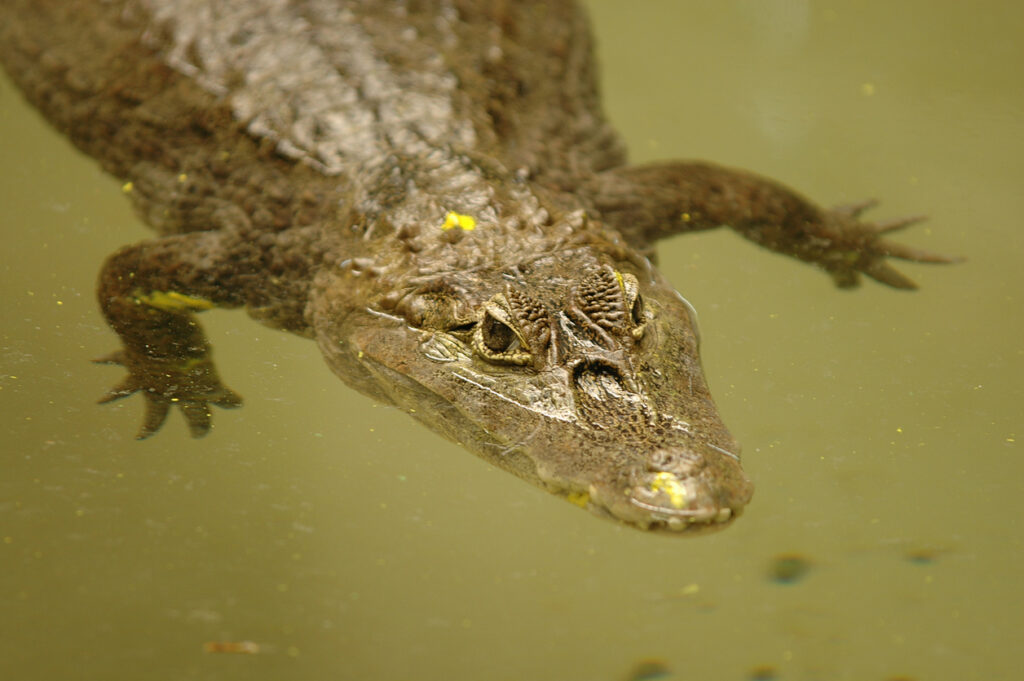
Chinese alligators construct extensive burrows with multiple chambers, entrances, and pools where they spend most of their time avoiding humans and surviving winter. These tunnel systems can be quite complex and serve as year-round retreats, especially during the cold months from October to March when they brumate.
The burrows cause drainage problems in fields, which makes farmers hate them even more. During the day they hide underground to avoid human contact, only emerging at night to hunt for snails, fish, crustaceans, and occasionally small mammals or birds. The burrows also provide safe spots for females to nest and protect their young.