It’s easy to look at a pug or a golden retriever and think they couldn’t be further removed from the wild predators that haunt the forest.
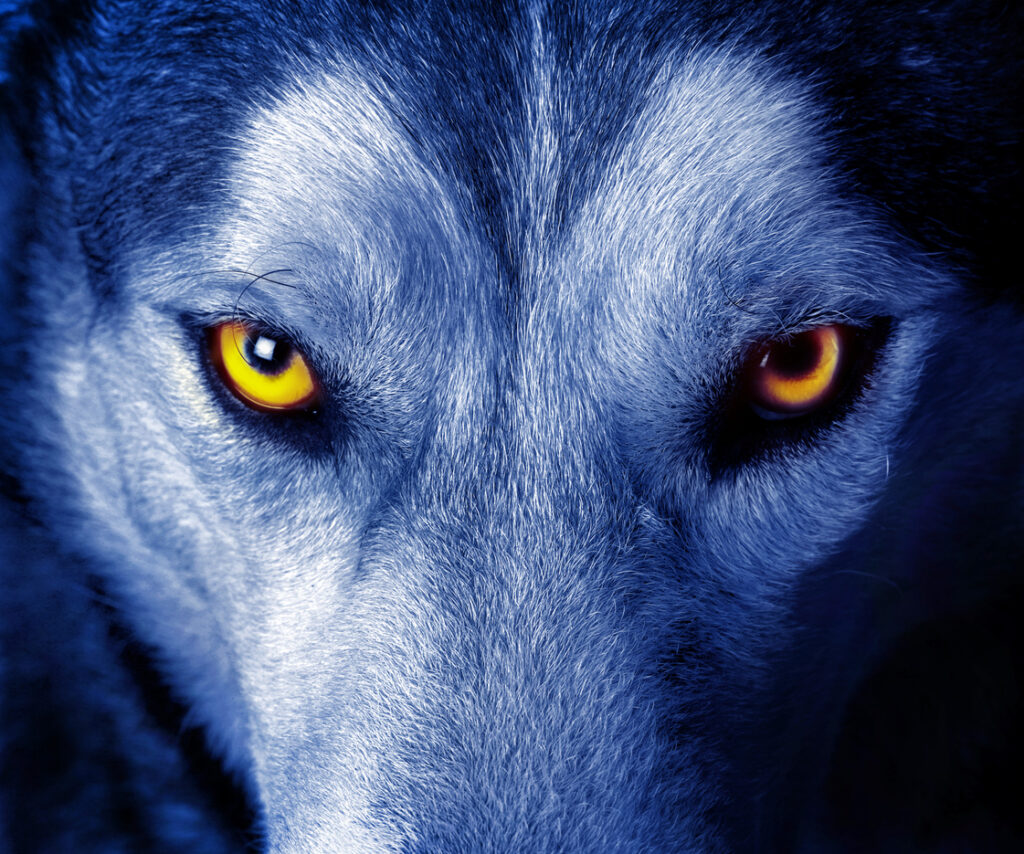
We’ve spent thousands of years breeding dogs to be our companions, coworkers, and bed-warmers, changing their appearance and temperament to fit perfectly into our living rooms. We like to think of them as furry humans in little coats, but if you look past the wagging tail and the begging for treats, you’ll find that the domestic dog is still running on some very ancient software.
The connection between your pet and its wild ancestors isn’t just a bit of trivia about DNA; it’s baked into how they see the world, how they communicate, and even how they play. From the way they shake a squeaky toy to the reason they circle three times before lying down, their daily habits are often direct echoes of survival strategies used by wolves for millennia. You might think you’ve completely civilised your four-legged friend, but the reality of their biology tells a different story. These 14 ways your dog is still a wolf at heart show that the wild is much closer than it looks.
They’re still hard-wired to watch group dynamics.

Wolves survive by paying close attention to who’s doing what in the pack. Dogs haven’t lost that instinct. Your dog is constantly reading the room, noticing tone shifts, body language, and patterns in behaviour, even when you think they’re half asleep. That’s why dogs often react before anything obvious happens. They sense tension, excitement, or changes in mood quickly because their brains evolved to track social dynamics for safety and survival. It isn’t magic or intuition, it’s ancient awareness still doing its job.
They instinctively look for leadership and structure.

Despite how independent some dogs seem, they’re deeply uncomfortable with chaos. Wolves rely on clear structure within the pack, and dogs carry that need with them. They feel safer when routines exist and expectations are consistent. When dogs act out, it’s often because the structure around them feels unclear. That doesn’t mean harsh control or dominance. It means predictable boundaries, calm guidance, and a sense that someone else is handling the big decisions so they don’t have to.
Their body language is more wolf than we realise.
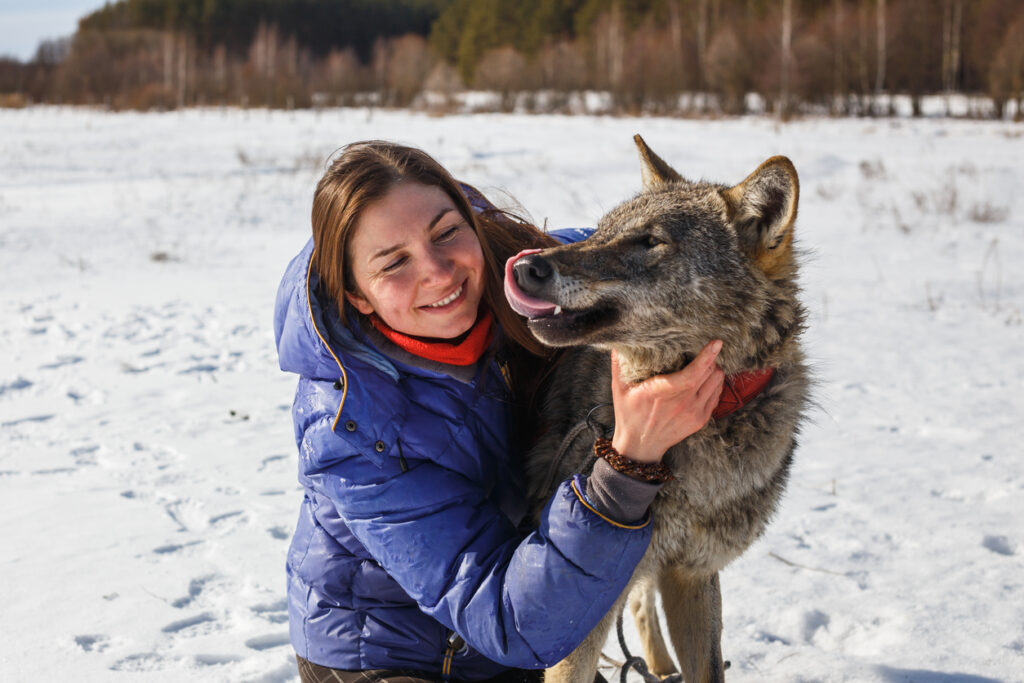
Tail position, ear movement, posture, and eye contact all come straight from wolf communication. Dogs are constantly talking with their bodies, even when humans miss it. A stiff stance, a turned head, or a slow blink can mean far more than barking ever does. Wolves relied on subtle physical signals to avoid conflict and conserve energy. Dogs still do the same, even if we’re not fluent in the language.
They’re wired to patrol territory.
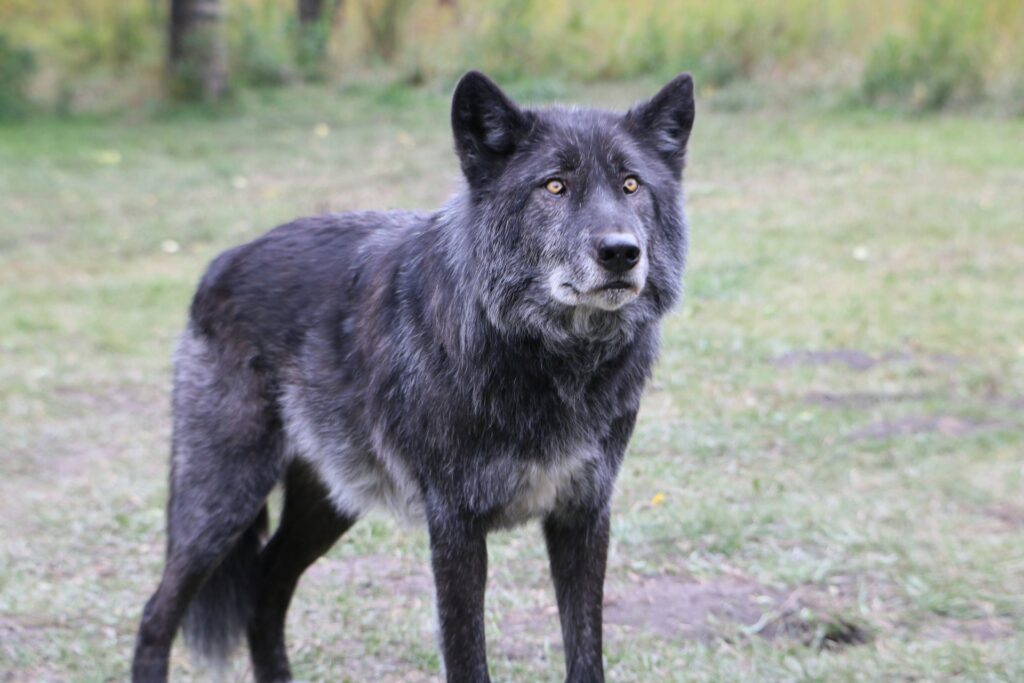
Wolves don’t roam randomly. They patrol, monitor, and protect defined areas. Dogs show this instinct every time they bark at the postie, stare out the window, or do the same route on walks with total seriousness. That behaviour isn’t just noise or habit. It’s a leftover survival instinct telling them to keep track of what enters and exits their space. Even the smallest lap dog often believes it has a territory worth defending.
They’re emotionally tuned to pack belonging.
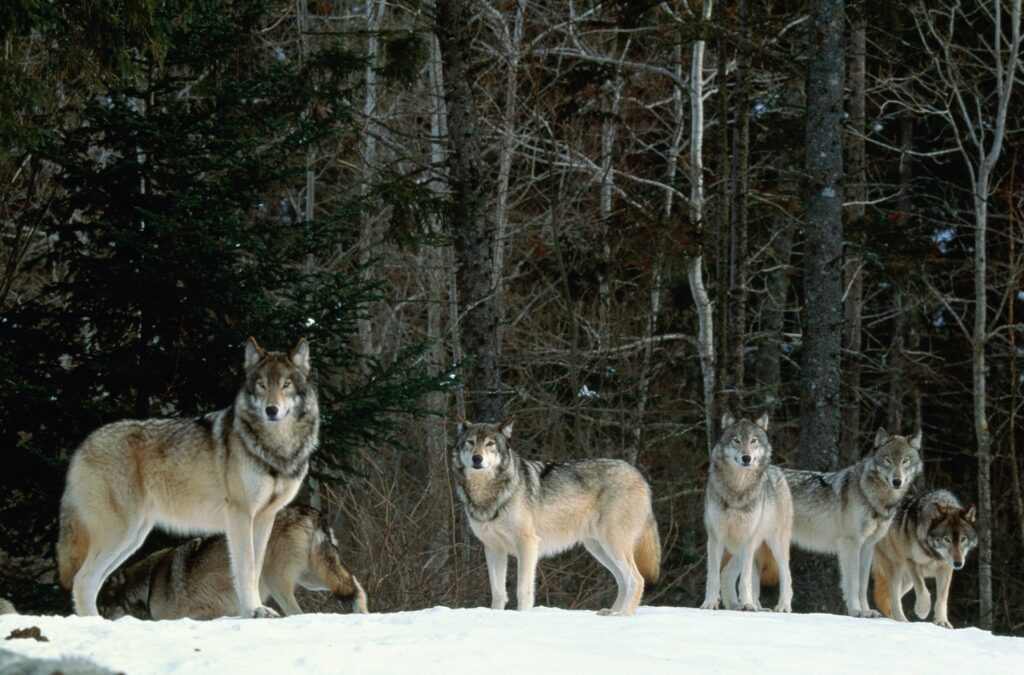
Wolves do not survive alone. Connection to the pack is essential, and dogs carry that emotional need strongly. That’s why separation can be so distressing for them, even if it seems dramatic to us. Dogs aren’t just attached because we feed them. They bond because their ancestors depended on closeness for safety and survival. Being part of a group isn’t a bonus for them, it’s a core emotional requirement.
They still have chase instincts buried inside.
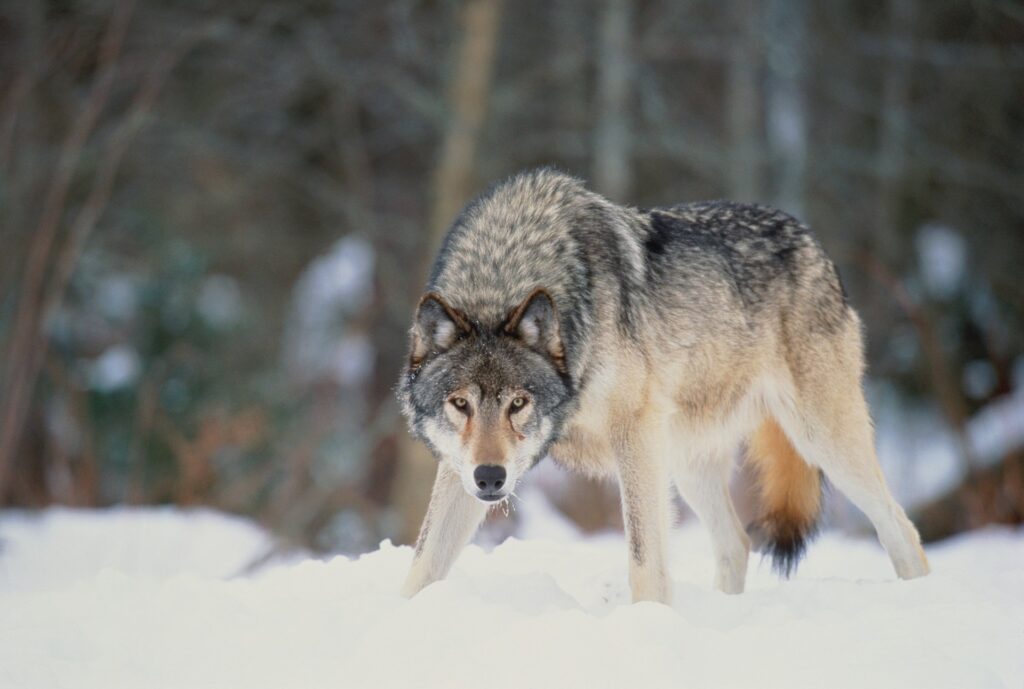
No matter how well trained a dog is, sudden movement can flip a switch. A squirrel, bird, or fast-moving object taps straight into ancient hunting reflexes shared with wolves. This doesn’t mean your dog wants to hunt for food. It means the wiring is still there. Wolves survived by reacting fast, and dogs haven’t lost that reflex, even if it’s now more inconvenient than useful.
They’re sensitive to hierarchy without understanding power.
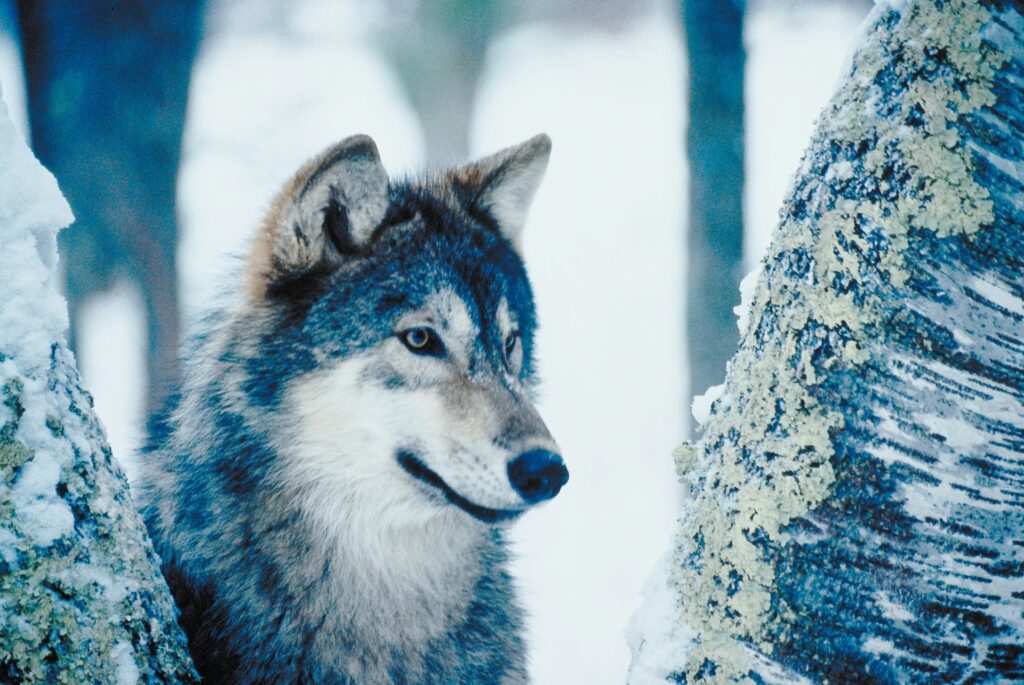
Wolves understand roles, not dominance in the cartoon sense people often imagine. Dogs respond to calm authority and consistency, not fear or force. They watch who controls resources, routines, and safety. That’s why dogs often gravitate toward the person who feels emotionally steady. It mirrors how wolves rely on stability within the pack rather than aggression.
They process stress in very physical ways.
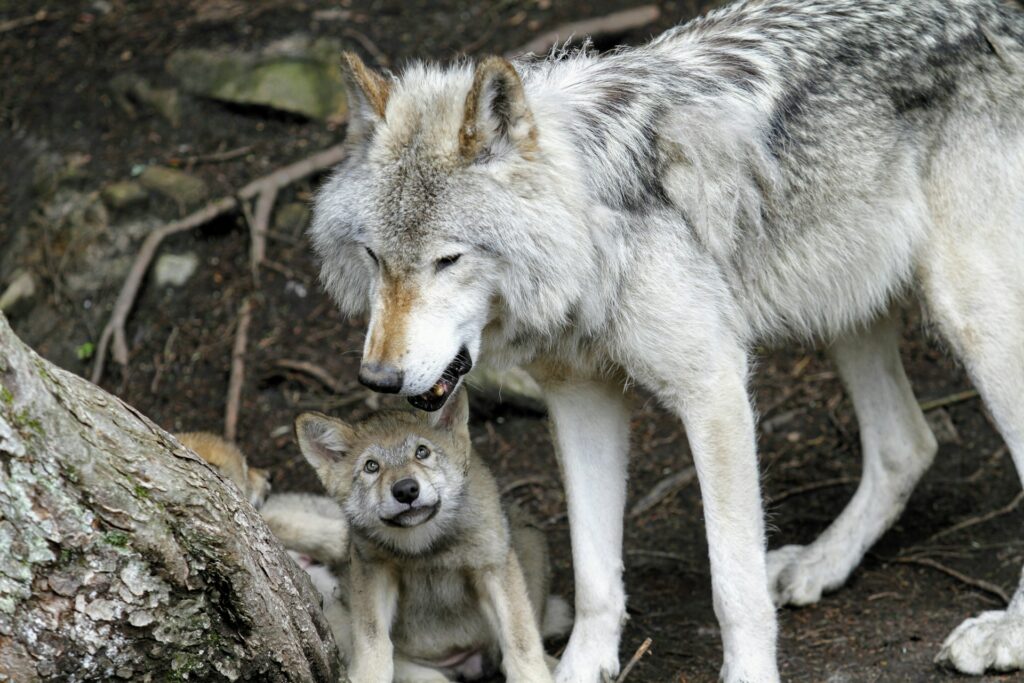
Wolves release stress through movement, rest, and social closeness. Dogs do the same. Pacing, chewing, zoomies, and sleep shifts are often stress responses, not bad behaviour. When dogs don’t get outlets for physical movement or emotional safety, that wolf nervous system has nowhere to discharge energy. Understanding this makes their behaviour feel less random and more logical.
They still rely heavily on scent over sight.
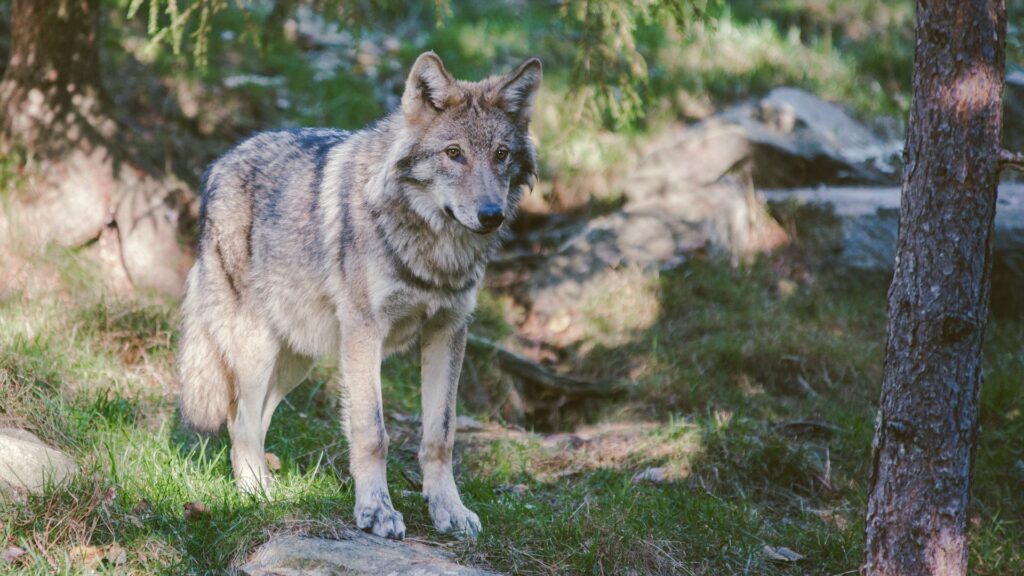
Wolves experience the world through smell first, and dogs absolutely do too. What looks boring to us is information-rich to them. A walk isn’t exercise alone. It’s news, context, and reassurance. Sniffing helps dogs understand their environment in the same way wolves track territory, pack members, and threats through scent.
They haven’t lost their instinct to bond deeply.

Wolves form strong, lasting bonds within the pack. Dogs bring that same emotional capacity into human homes. That’s why dogs grieve, pine, celebrate, and show loyalty in ways that feel almost human. They’re not just pets playing a role. They’re social animals with ancient emotional systems that still expect connection, safety, and belonging. Under the collar and cuddles, that wolf bond instinct is still very much alive.
Your dog isn’t a wolf pretending to be a pet, but they aren’t a blank slate either. They’re a modern animal carrying old instincts into a new world, doing their best to adapt while still running on software that’s been around for thousands of years.