Animals notice far more about us than we tend to assume.

We often think of awareness as something humans have and animals lack, but that idea falls apart once you spend real time around them. Many animals track our movements, moods, routines, and intentions in subtle ways that don’t look all that obvious but are deeply observant. These signs don’t mean an animal understands us like another person would, but they do suggest a level of awareness that’s easy to underestimate.
1. They adjust their behaviour the moment you enter the space.

One of the clearest signs an animal is aware of you is how quickly its behaviour changes when you arrive. It’s not always fear or excitement. Sometimes it’s a change in posture, a pause in movement, or a change in pace that happens before you’ve said or done anything noticeable. That adjustment shows the animal has registered you as a variable that matters. It’s responding not just to your presence, but to what your presence usually means. Over time, animals learn patterns, and they react based on expectation, not just instinct.
2. They watch you when they think you’re not paying attention.

Many animals observe humans most when they believe they’re not being watched in return. You might notice it in the corner of your eye, a head turn, a steady gaze, or a body angled toward you. Such keen observation suggests assessment rather than reaction. The animal isn’t responding to a direct interaction. It’s gathering information, tracking movement, and staying aware of what you might do next.
3. They respond differently to you than to other people.
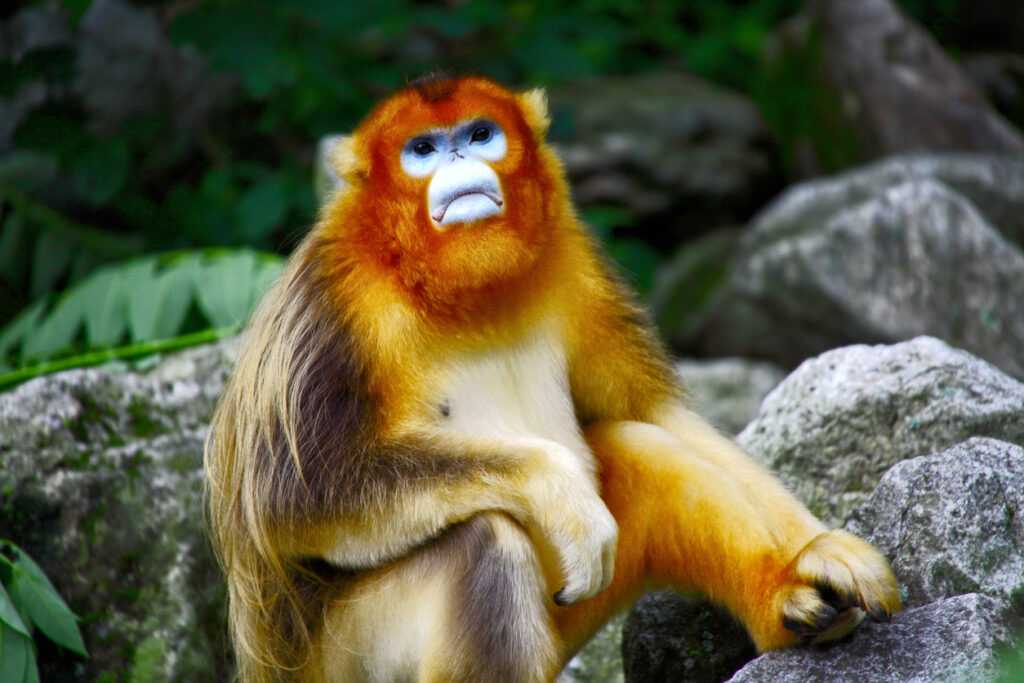
An animal that behaves one way around you and another way around someone else is showing discrimination, not randomness. It can come across as increased calm, extra caution, or more engagement depending on the relationship. That difference means the animal has learned something specific about you. It recognises your patterns, energy, or behaviour style and adjusts accordingly, which requires memory and awareness over time.
4. They anticipate your actions before you make them.
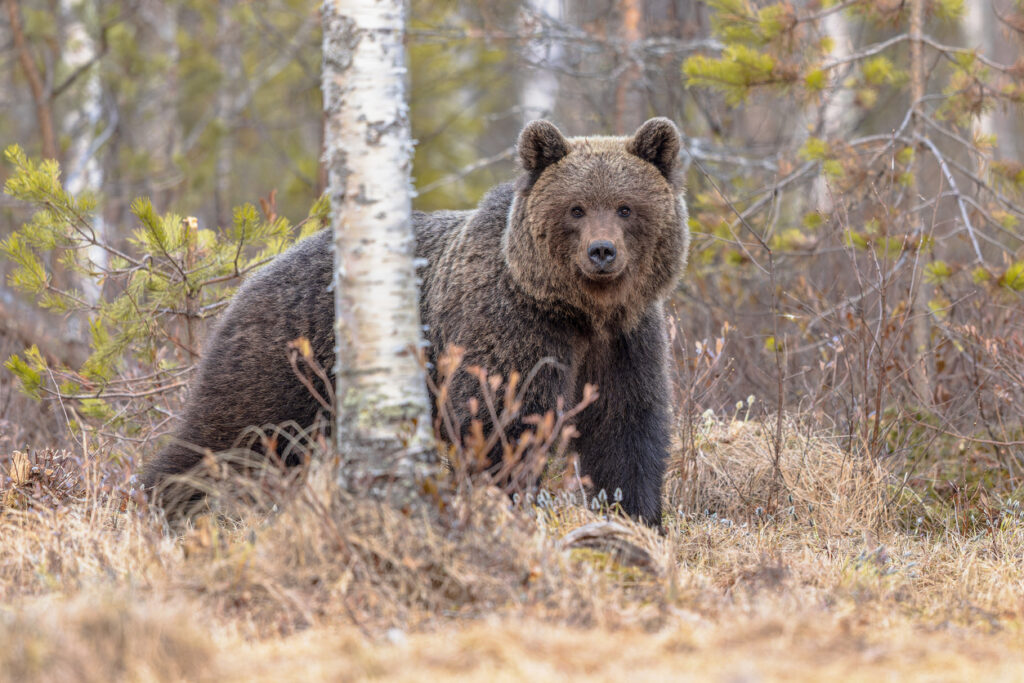
Some animals move before you do, stepping aside, approaching, or pausing as if they already know what’s coming. This often gets dismissed as coincidence, but repeated patterns tell a different story. Anticipation shows learning. The animal has connected your body language, routines, or positioning with what usually follows. That kind of prediction requires attention and experience, not reflex alone.
5. They mirror your energy rather than your actions.
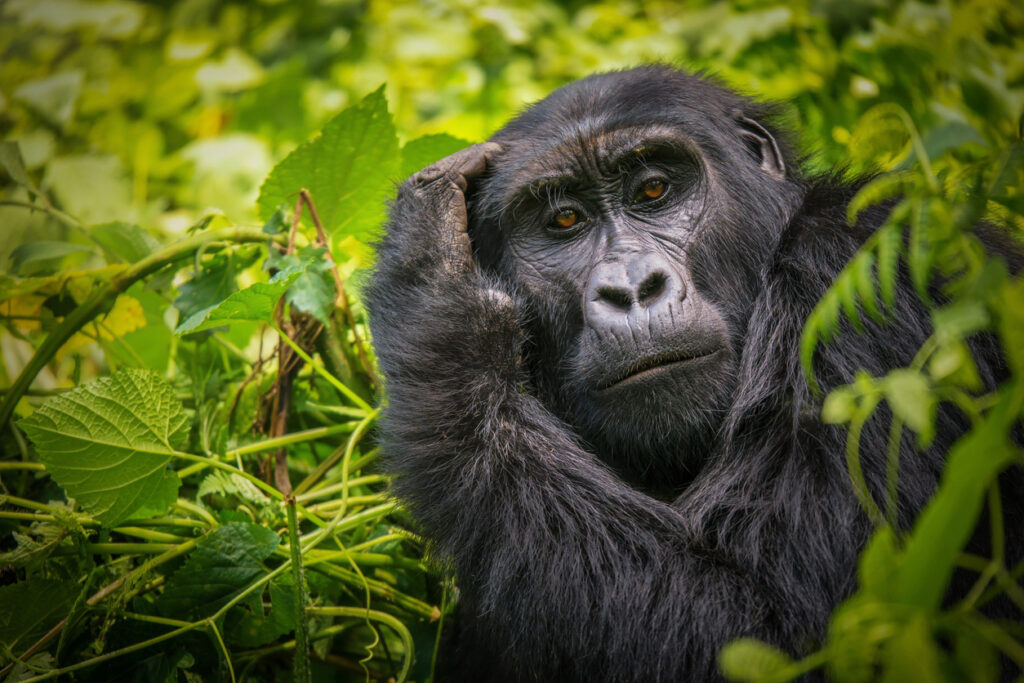
Animals often respond more to how you feel than to what you’re physically doing. Tension, calmness, frustration, or ease can influence how close they come or how settled they appear. That doesn’t mean they understand emotions the way humans do, but it does suggest sensitivity to tone, movement, and rhythm. They’re reading the situation, not just the surface behaviour.
6. They remember you after long gaps.

An animal recognising you after days, weeks, or even months is showing long-term memory. The recognition might translate into a pause, a change in posture, or a familiar response that wasn’t offered to strangers. Memory like this suggests the animal didn’t just react in the moment. It stored information about you and retrieved it later, which points to awareness extending beyond immediate experience.
7. They modify their boundaries around you.

Animals are careful about space. When an animal allows you closer access over time, or tightens distance when something feels off, it’s making a judgement based on experience. That adjustment isn’t automatic. It reflects assessment and trust built or withdrawn through repeated interactions. The animal is deciding what level of proximity feels safe with you specifically.
8. They react to your attention even without movement.

Simply looking at an animal can change its behaviour. Some freeze, some move away, some approach. That reaction happens even if you remain completely still, which suggests awareness of being noticed. The animal isn’t responding to sound or motion, but to focus itself, which indicates sensitivity to attention as a form of presence.
9. They change their behaviour based on your routines.
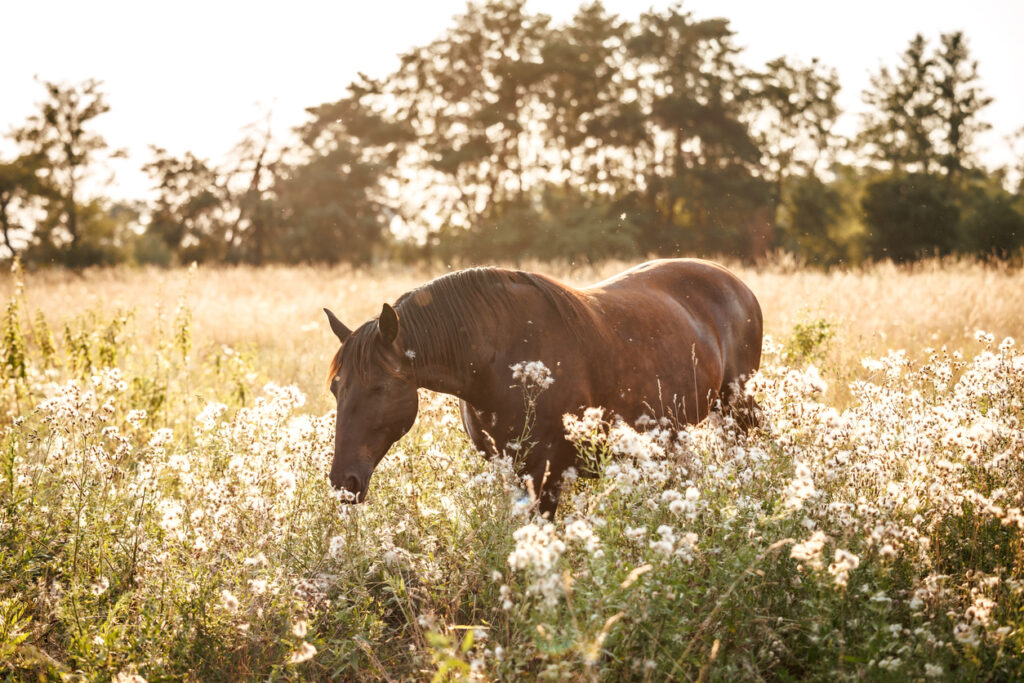
Animals that live near humans often learn schedules with surprising accuracy. Feeding times, work hours, walking routes, and daily patterns become part of their understanding. When an animal adjusts its behaviour to match your routine, it’s responding to you as part of its environment, not as background noise. That kind of adaptation requires observation over time.
10. They test your reactions in small ways.
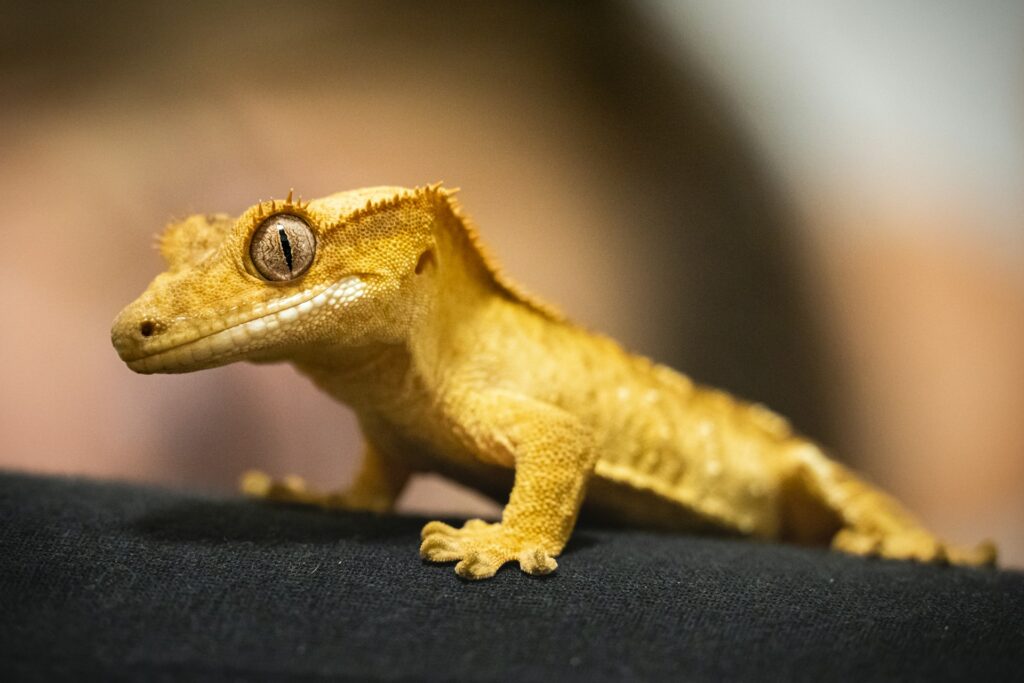
Some animals perform subtle actions that seem designed to see how you’ll respond. This could be a brief approach, a noise, or a change in behaviour followed by observation. Testing reactions suggests curiosity and learning. The animal is checking what happens when it does something new around you, then storing that result for later reference.
11. They change their behaviour after being corrected or rewarded once.
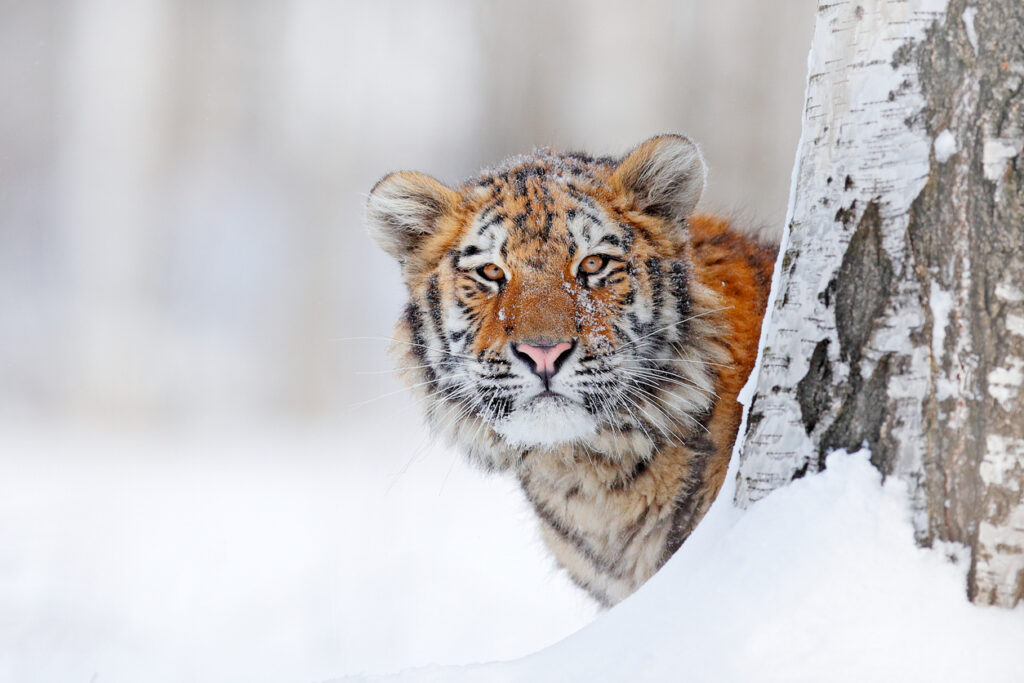
When an animal changes behaviour after a single response from you, it shows fast learning and attention. The correction or reward doesn’t need to be dramatic to register, which proves that the animal was paying attention in the first place. It noticed not just what happened, but who caused it, and adjusted behaviour based on that connection.
12. They seek you out selectively.
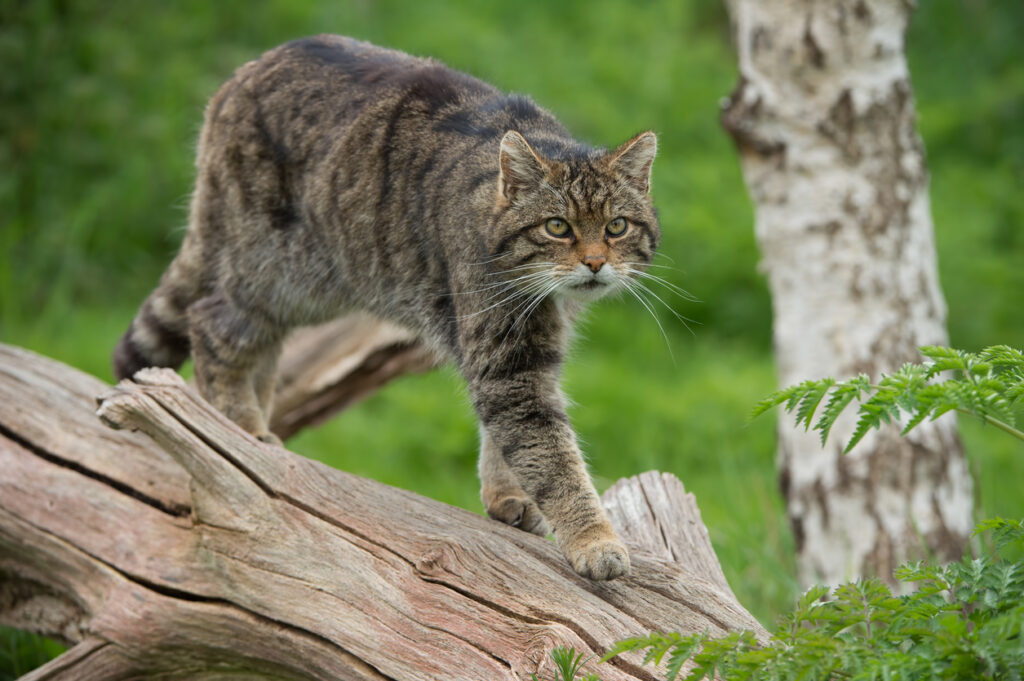
An animal choosing to approach you while ignoring others is making an active decision. That choice might be about safety, familiarity, or curiosity, but it’s still a choice. Selective approach behaviour suggests the animal has formed an internal category for you. You’re not just a human, you’re a specific one with a known pattern.
13. They change their behaviour when they think you’ve left.
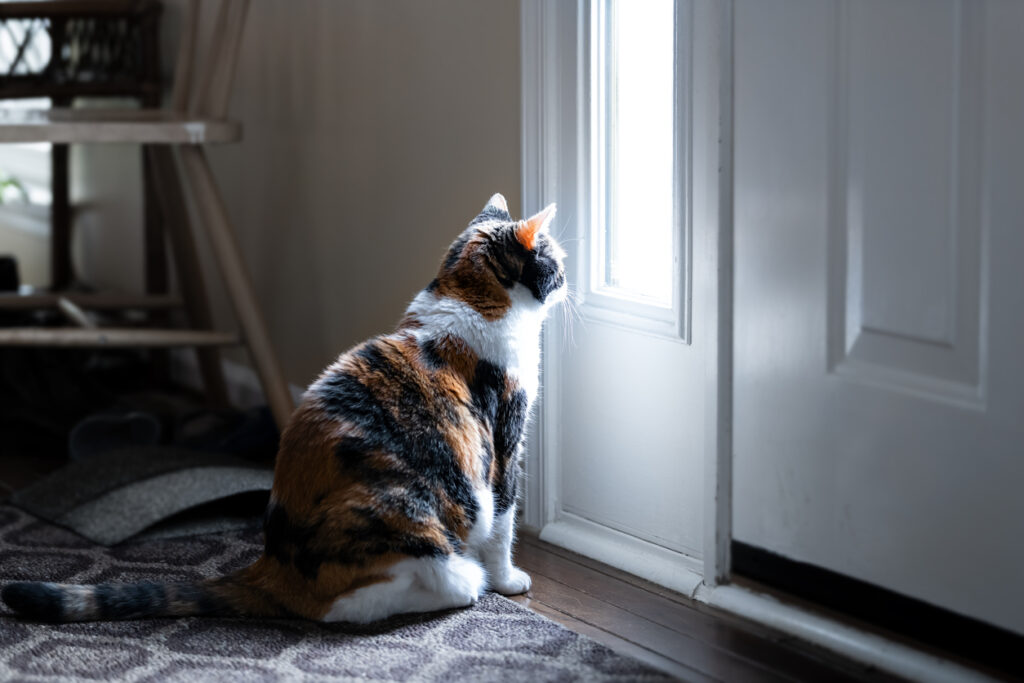
Some animals act differently when they believe you’re gone. They relax, explore, or change their behaviour once they think they’re unobserved. This change shows awareness of your presence beyond direct interaction. The animal isn’t just reacting to you, it’s tracking whether you’re still part of the situation.
Animals don’t need human-style thinking to be aware. Their awareness is built through attention, memory, and pattern recognition rather than language or reflection. When you notice these signs, it becomes harder to see animals as passive or unaware. They are watching, learning, and responding far more than we often give them credit for.